
57 Halloween Traditions From Around the World

This post may contain affiliate links. We may earn a commission at no extra cost to you. See our full disclosure.
You’ve decorated with the same fake spiderwebs for years without knowing they used to mean something. You’ve said “trick or treat” at a hundred doors without knowing it’s technically a threat.
Halloween looks simple from the porch. Candy, costumes, a carved pumpkin on the step. But pull on any single thread and it unravels into two thousand years of history and a planet’s worth of very different ways to spend the same dark week.
Some cultures light candles. Some build kites big enough to carry messages to the dead. Some just hide the kitchen knives for a night and call it done.
A quick honesty note up front: a handful of festivals here land on different dates entirely, in some cases whole seasons apart from October 31. They earned a spot anyway because they’re doing the exact same job. Where that’s true, it’s called out.
Here are 57 traditions, symbols, and origin stories, counted down and landing on the one place that started the whole thing. Grab a candle. This one runs long.
57. Orange and Black Everything
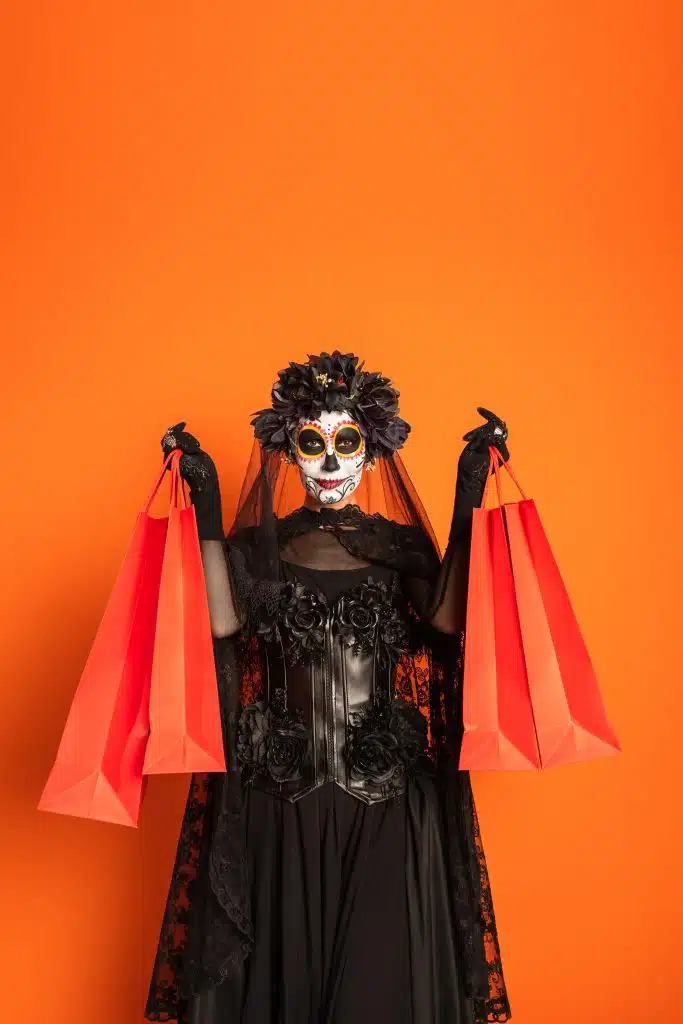
The color scheme isn’t arbitrary. Orange generally reads as the harvest, calling up pumpkins, autumn leaves, and the last warm color before winter.
Black is the other half of the equation, standing in for darkness, death, and the long nights ahead. Put together, the palette is literally the meeting of harvest and death, which is Halloween’s whole thesis in two colors.
56. Czech Republic: A Chair for Every Soul
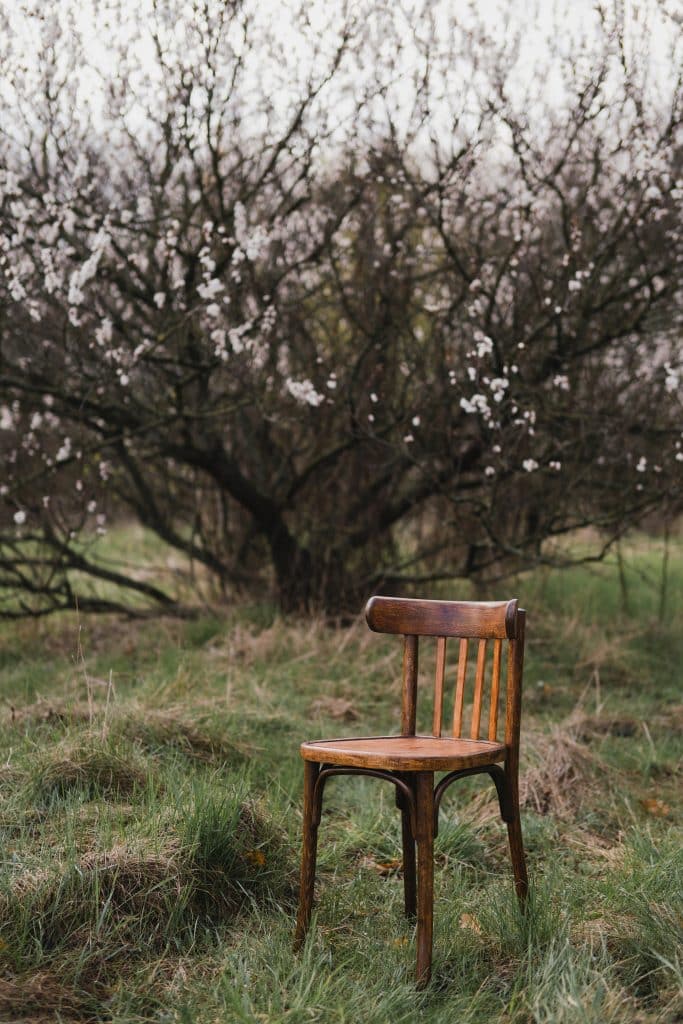
Around Dušičky, the Czech commemoration of the dead in early November, an old custom called for placing chairs by the fireside in the evening: one for each living family member, and one for each departed one. The dead were expected to visit, and it would be rude not to offer a seat.
Today the holiday centers on candlelit cemetery visits. But the empty chair remains one of the gentlest images in the whole season.
55. Spiders and Cobwebs

Cobwebs signal abandonment, the visual shorthand for a house left to the dead. That’s the simple half.
The folkloric half is stranger. In some old traditions, a spider seen on Halloween was said to be the spirit of a dead loved one watching over you, which makes the fake webs on your porch accidentally sentimental.
54. Austria: Bread, Water, and a Burning Lamp

In Austrian tradition, the week around All Souls’ was Seelenwoche, souls’ week. Families reportedly left bread, water, and a lit lamp on the table overnight to welcome the dead back to a world they’d know.
It’s hospitality extended across the ultimate distance. The porch candy bowl is this custom’s very distant, very sugary cousin.
53. Bats

Bats likely earned their spot honestly. The big Samhain bonfires drew clouds of insects, and the insects drew bats, so the flickering firelight was full of them every year.
Centuries later, vampire lore and gothic fiction sealed the association. But the original connection was just bugs and dinner, no capes required.
52. Germany: Hide the Knives

German folk custom around All Saints’ had families putting away kitchen knives for the night. The reasoning was considerate: with spirits returning home, nobody wanted a wandering soul accidentally harmed, or armed.
Whether the fear was hurting the ghosts or the ghosts hurting you depends on the telling. Either way, the cutlery got a night off.
51. Scarecrows

Scarecrows belong to the harvest side of the holiday, guarding the last crops of the season. Farming cultures worldwide built human figures to protect fields, and some folklore gave them a watchman role over more than just crows.
Their creepiness is mostly modern, courtesy of horror movies. For most of history they were protective figures, not threatening ones, standing guard rather than lurking.
50. Sweden: All Saints by Candlelight

On Alla helgons dag, Swedes travel to family graves and leave candles and wreaths, turning cemeteries into fields of small flames against the early northern dark. Stockholm’s Woodland Cemetery, a World Heritage site, becomes one of the most quietly beautiful places on earth for the evening.
There’s no spectacle, no costumes, no noise. Just thousands of lights saying someone is remembered.
49. Hayrides

The hayride is a fossil of real farm work, the last wagon loads of the season, taken once the harvest was in and the wagon was finally free for fun. Riding it became a celebration that the hard part of the year was done.
The “haunted” version arrived in the 20th century, once most Americans no longer lived on farms. You need some distance from actual hay before hay becomes entertainment, and these days a hayride slots in neatly among the cozy fall activities everyone tries to squeeze in before the leaves are gone.
48. Poland: The Sea of Candles

Poland takes the cemetery candle tradition to its maximum. On November 1, Wszystkich Świętych, huge portions of the country travel to family graves, and the candle glow over large cemeteries is reportedly visible from far away.
Roads jam, extra trains run, and florists have their biggest days of the year. It’s one of the largest annual acts of collective remembrance anywhere.
47. Corn Mazes

Here’s an honest one. Corn mazes have no ancient meaning at all, and the modern version is widely credited to a 1993 Pennsylvania project, making it younger than most people reading this.
It spread because struggling farms needed autumn income, and it worked brilliantly. Sometimes a “tradition” is just a good business idea wearing a flannel shirt.
46. England: The Bonfires Moved to November 5

England once had its own Halloween customs, but history rerouted them. After the failed 1605 Gunpowder Plot, Guy Fawkes Night on November 5 absorbed the season’s fire traditions, complete with bonfires and burning effigies.
So English kids got “a penny for the Guy” instead of trick-or-treat for centuries. American-style Halloween has been steadily reinvading for decades, and the two holidays now share an awkward week together.
Keep Reading
Worth a look before you keep going:
45. Costumes for Pets

Another young one. Dressing the dog as a pumpkin has no folkloric roots whatsoever; it’s a product of the last few decades of pet-as-family culture and social media.
Americans now spend hundreds of millions of dollars a year on pet costumes by most industry estimates. If your dog tolerates it, the hot dog costume sits comfortably alongside the other accessories that make life with your dog easier, or at least funnier.
44. Wales: The Tailless Black Sow

Welsh Calan Gaeaf, the first day of winter, came with one of folklore’s best monsters: Hwch Ddu Gwta, a tailless black sow that roamed with a headless woman as the bonfires died. The last person lingering at the fire risked being taken.
Children were sent sprinting home with a rhyme about the sow snatching the hindmost. Beat that for a curfew enforcement system.
43. Candy Corn

Candy corn dates to the 1880s, when it was reportedly sold under the name “chicken feed,” complete with a rooster on the box. Corn was animal food then, so candy shaped like it was a joke.
The tri-color design was hand-layered by workers pouring three batches in sequence, a genuine novelty at the time. It joined the Halloween canon simply because it looked like harvest, and it’s been dividing households ever since, much like the other childhood snacks still worth arguing about.
42. Isle of Man: Hop-tu-Naa

The Isle of Man celebrates Hop-tu-Naa on October 31, and some argue it preserves the oldest continuous Celtic new year celebration anywhere. Children carve turnip lanterns, called moots, and sing traditional Hop-tu-Naa songs door to door.
It’s not imported Halloween; it’s the older sibling that never left home. The turnips, again, are non-negotiable.
41. Candy and Caramel Apples

Apples were the sacred fruit of autumn festivals long before sugar got involved, tied to love and divination in Celtic and Roman tradition. Coating them in candy was a 20th-century upgrade to an ancient prop.
The story goes that a candymaker experimenting with leftover cinnamon coating dipped apples around the turn of the century, and the idea stuck. The apple was already Halloween royalty; it just got a new outfit, and if the store-bought version never quite tastes right, there are plenty of easy Halloween treats you can pull off at home instead.
40. France: A Nation of Chrysanthemums

For La Toussaint on November 1, French families place potted chrysanthemums on graves, tens of millions of them by common industry estimates. The flower is so tied to the dead that giving chrysanthemums as a hostess gift in France is a memorable mistake.
Costume Halloween exists in France but has never fully taken root. The country already had its version, and it smells like flowers instead of candy.
39. Haunted Houses

The walk-through haunted attraction is largely an American invention with a surprisingly wholesome origin. During the Great Depression, communities reportedly built spooky basement walk-throughs partly to keep restless kids busy and away from real vandalism on Halloween night.
Decades later, theme parks and charity fundraisers industrialized the idea into today’s billion-dollar scare economy. The vintage decorations from those early eras now sell for wild sums, right up there with the strangest finds people stumble on secondhand.
38. Italy: Gifts From the Dead

In Sicilian tradition, children wake on the morning of November 2 to find small gifts and sweets hidden around the house, left not by a bearded man in red but by their deceased relatives. The dead return overnight and bring presents for children who honored them.
Sugar dolls and marzipan fruit are traditional treats of the day. As a way to make children feel loved by ancestors they never met, it’s up there with the most meaningful small gifts any culture has invented.
37. Ghost Stories and Séances

Telling ghost stories on the darkest nights is probably as old as language. But Halloween’s séance flavor is heavily Victorian, from the era when Spiritualism convinced polite society that the dead were one table-knock away.
Victorian Halloween parties featured fortune-telling, mirror games, and attempts to contact spirits as standard entertainment. They also mailed elaborate Halloween postcards to each other, an early version of the tiny mailed gestures that mean more than a thousand texts.
36. Catalonia, Spain: Chestnuts and Little Saints

Catalonia marks the season with La Castanyada: roasted chestnuts, sweet potatoes, and panellets, little almond-pine nut sweets, traditionally eaten on All Saints’ Eve. Street vendors roasting chestnuts in paper cones are the season’s signal.
The feast reportedly traces to bell-ringers who needed sustenance for a long night of tolling for the dead. The whole town ended up joining the snack.
35. Skeletons and Skulls

The skeleton is the oldest special effect there is, a reminder that death is the one appointment everyone keeps. Medieval Europe put dancing skeletons on church walls as “memento mori,” remember you will die.
While You're Here
27 AI Tools That Actually Save Busy People Hours Every Week in 2026
The tools worth the five minutes it takes to set them up.
Halloween inherited that imagery through All Souls’ traditions. Several cultures elsewhere on this list developed their own skeleton art in parallel, arriving at the same honest message from very different directions.
From friendly ghosts to grinning pumpkins, these free printable Halloween coloring pages are the perfect low-key way to get the whole family in the spooky spirit.
34. Portugal: Bread for God

On the morning of November 1, Portuguese children go door to door saying “Pão-por-Deus,” bread for God, and receive bread, sweets, nuts, and pomegranates. The custom is centuries old and looks strikingly like trick-or-treating with the tricks removed.
It descends from the same medieval charity-for-the-dead economy as souling. Humble ingredients doing sacred work is the oldest recipe in the frugal food playbook.
33. The Witch’s Pointed Hat

Here’s another honest one. Nobody actually knows where the pointed hat comes from, and most of the confident explanations online are myths, ranging from medieval headwear laws to anti-heretic propaganda to simple artistic convention.
What’s documented is that the pointy-hatted hag became standard in illustrations around the 18th century and never left. Sometimes the real answer is “an illustrator drew it, and it looked right,” and that has to be enough.
32. Guising: Earn the Treat or Go Home Empty-Handed

Scotland and Ireland added a performance clause to the season’s door-knocking. By the 19th century, children in disguise, known as guisers, went house to house, but the treat had to be earned with a song, a poem, or a joke.
No performance, no candy. That was the whole deal, and it stuck around.

Scottish and Irish immigrants carried guising to North America, where the performance requirement gradually eroded into a simple knock and a held-open bag. In parts of Scotland, kids are reportedly still expected to do a turn for their sweets, making them the last professionals in the field.
Scotland itself never let the custom die. Children in disguise still go door to door today, and tradition still demands they sing, recite, or joke their way to the candy bowl.
31. Haiti: Fèt Gede

Haiti’s Fèt Gede, festival of the ancestors, fills early November with processions to cemeteries, offerings of strong coffee and chili-infused rum, and celebrants dressed in purple, black, and white honoring the Gede spirits of death and life. Port-au-Prince’s main cemetery becomes the center of the celebration.
It’s loud, joyful, irreverent, and deeply serious all at once. Death gets mocked and honored in the same breath, which may be the healthiest attitude on this list.
30. Witches on Broomsticks

The broom was the symbol of the household, and the woman of the house, for centuries. Accusations of witchcraft attached flight to the most domestic object imaginable, possibly as an inversion, the good housewife turned sinister.
Some historians also point to old rituals where farmers leaped with brooms and poles among crops, hoping to show them how high to grow. The flying witch may be a garbled memory of people literally jumping for their harvest.
29. Guatemala: Kites That Talk to the Dead

In Sumpango and Santiago Sacatepéquez, families spend weeks building barriletes gigantes, giant circular kites of paper and bamboo, some reportedly stretching well over ten meters across. On November 1 they fly them over the cemeteries.
The kites are understood as messages to the dead, their strings a line between worlds. The designs carry prayers, family symbols, and increasingly, social messages, and the festival draws visitors from around the globe.
At a Glance: weeks of family construction, one day of flight, and the torn paper afterward is part of the point. Impermanence is the message and the medium.
28. Black Cats

Black cats were beloved in ancient Egypt and considered lucky in parts of Britain and Japan. Their bad reputation is mostly a European import, born when medieval church authorities linked cats to witchcraft and heresy.
Puritan settlers carried the “witch’s familiar” idea to America, and Halloween marketing finished the job. The superstition still lingers today, right alongside the spooky superstitions people never quite let go of, and the cats themselves remain innocent; shelters still report they’re often the last adopted.
27. Bolivia: The Festival of Skulls

A week after All Saints’, on November 8, La Paz celebrates Día de las Ñatitas. Families bring out human skulls, often of ancestors or adopted protectors, crowned with flowers and knitted caps, and honor them with offerings of coca leaves, cigarettes, and alcohol.
The ñatitas are believed to protect the household in exchange for the annual celebration. It blends Indigenous Andean tradition with Catholic observance, and the cemetery chapel fills with families and their be-hatted guests.
We Think You'll Also Like
→ the cheapskate tricks that sound ridiculous but quietly work
→ the Sunday meal planning system that survived a real family
26. The Bubbling Cauldron

Before it was a witch prop, the cauldron was simply the center of every Celtic home, the one pot that fed the family all year. In myth, cauldrons became symbols of abundance, rebirth, and transformation.
When witch imagery needed a sinister laboratory, the most sacred domestic object got recast as the villain’s toolkit. A famous stage play about three witches did the rest of the branding work.
25. Ecuador: Purple Porridge and Bread Babies

Ecuador’s Día de los Difuntos runs on two foods: colada morada, a thick spiced purple drink of berries, purple corn flour, and fruit, and guaguas de pan, sweet bread shaped like swaddled babies. Families share them at home and at gravesides.
The pairing predates the Spanish, layering Indigenous remembrance onto the Catholic calendar. It’s also simply delicious, which never hurt a tradition’s survival odds.
24. Mischief Night

The night of sanctioned pranks before Halloween has deep roots. Samhain was understood as a night when normal rules were suspended, and blaming spirits for tipped fences and swapped gates was tradition in itself.
By the early 20th century, American Halloween pranking had escalated enough that communities invented organized alternatives. Much of modern trick-or-treating exists specifically because adults wanted the mischief bought off with candy, one of several fall traditions worth bringing back in a slightly tamer form.
23. Brazil: Dia de Finados

November 2 is a public holiday in Brazil, and millions visit cemeteries with flowers and candles for Dia de Finados. Masses run all day, and the country’s massive cemeteries fill with families.
It’s more solemn than Mexico’s celebration, less costume, more contemplation. Different volume, same conversation with the departed.
Halfway checkpoint: notice the pattern by now. Northern Europe lights candles, the Celtic world turned its customs into costumes and theater, and history keeps recasting ordinary objects, brooms, cauldrons, hollowed turnips, as props for the same one story. Same appointment, endless different outfits.
22. Bobbing for Apples

This party game was originally fortune-telling. In British Isles tradition, the first person to bite an apple would supposedly be the next to marry, and girls slept with their won apple under the pillow to dream of a future husband.
Some trace the apple’s role further back to Roman harvest festivals honoring Pomona, goddess of fruit, blending with Celtic autumn rites. Either way, the giggling teenagers at Victorian parties were playing a marriage oracle, not a game.
21. Philippines: Souling Survives

Filipino Undas sends families to cemeteries for days around November 1, often camping overnight at graves with food, card games, and multiple generations. It’s remembrance as family reunion.
The older custom of Pangangaluluwa has groups going house to house singing on behalf of souls in purgatory, receiving alms or rice cakes. It’s medieval souling, alive and singing in the 21st century, and some towns are actively reviving it.
20. Mirror Rituals

Long before a certain scary chant, young women were told to stand before a mirror by candlelight on Halloween to glimpse their future spouse over their shoulder. The unlucky version of the ritual showed a skull instead, meaning death before marriage.
Halloween was drenched in this kind of romance divination for centuries. The holiday’s original question wasn’t “what scares you,” it was “who will you marry and will you live to see it,” which is arguably scarier.
19. China and the Diaspora: The Hungry Ghost Festival

Date honesty: the Hungry Ghost Festival falls in the seventh lunar month, usually August, not October. It earns its place because it’s the fullest expression of the returning-dead idea anywhere.
For a month, the gates of the afterlife are understood to open, and the hungry dead walk. Families burn joss paper money and goods, leave food offerings, and stage live performances with front-row seats deliberately left empty, reserved for the ghosts.
18. Nuts in the Fire

In parts of Britain and Ireland, Halloween was nicknamed “Nutcrack Night.” Couples placed two nuts side by side in the hearth; if they roasted quietly together, the match would last, and if one popped and jumped away, so would the partner.
Entire relationships were informally judged by hazelnut behavior. It’s astrology for the fireplace era, and about as scientifically reliable.
17. Japan: Obon, and a Very Modern Halloween

Japan’s true festival of the dead is Obon, in summer: lanterns guide ancestors home, families dance the Bon Odori, and floating lanterns carry the spirits back at the end. Again, different date, same heart.
October Halloween arrived separately as pure costume spectacle, most famously the enormous Kawasaki parade and the street crowds of Shibuya. Japan celebrates both without confusing them: one is for the ancestors, one is for the cosplay.
16. Fortunes Baked Into Food

Ireland’s Halloween barmbrack, a fruit bread, came with objects baked inside: a ring meaning marriage within the year, a coin meaning wealth, a rag meaning poverty. Your slice was your fortune.
Versions of fortune-food appear across many cultures’ festivals. Cheap flour and dried fruit carrying an entire year’s prophecy is peak frugal thinking, maximum meaning per penny.
15. Cambodia: Pchum Ben

Pchum Ben, usually falling in September or October, is one of Cambodia’s most important holidays: fifteen days when the dead are believed to walk, ending in a national homecoming to the pagodas. Families offer food through monks to ancestors going back generations.
Some rise before dawn to throw rice balls into fields for spirits with no living family. A festival that budgets for the forgotten dead is a festival that has thought things through.
14. Soul Cakes

In medieval England, the poor went door to door on All Souls’ Day offering prayers for the household’s dead in exchange for small spiced cakes. The practice was called “souling,” and each cake eaten was said to free a soul from purgatory.
Door to door, asking for treats, on the days around Halloween. That’s roughly the receipt for trick-or-treating, and it’s about six hundred years old.
13. India: Pitru Paksha

Pitru Paksha is a fortnight, generally in September or October, dedicated to the ancestors. Families perform shraddha rites, offering food, water, and prayers so the departed remain at peace.
Crows hold special status during the fortnight, understood as carriers or representatives of the ancestors, and feeding them is part of the observance. Somewhere, the “one for sorrow” counting rhyme is taking notes.
12. Bonfires: Where the Fire Started

The Samhain fires were community events with real weight. Household hearths were extinguished and re-lit from the communal blaze, binding the village together for winter, while cattle and crops were blessed by the flames and offerings went into them.
The word “bonfire” itself likely descends from “bone fire,” from the animal bones burned in the flames. The hilltop sites where those fires blazed, in Ireland’s ancient landscapes, still have a stark, otherworldly look that probably helped the mood.
11. Nigeria: The Returning Dead of Awuru Odo

Among some Igbo communities in Nigeria, the Odo masquerade tradition enacts the actual return of the dead: masked figures representing departed spirits arrive, stay among the living for a period, and then depart in an emotional farewell. The full cycle reportedly recurs every two years.
It’s not symbolic remembrance; for participants it’s a visit. The goodbyes at the end are described as genuinely wrenching, because the dead have to leave twice.
10. Wearing Costumes

The costume began as camouflage. If the dead and other spirits walked on Samhain night, the safest move was to look like one of them, so people wore skins, masks, and disguises to pass unnoticed among whatever was out there.
Later centuries turned protection into performance, and the 20th century turned performance into retail. Your inflatable dinosaur is the distant descendant of someone genuinely trying not to be recognized by the dead.
Worth knowing, mass-produced costumes only arrived in the 1930s, when manufacturers started selling boxed characters. Before that, nearly every costume was homemade, which is why old Halloween photos look so deeply unsettling.
9. Madagascar: Turning of the Bones

Full honesty: Famadihana isn’t tied to Halloween’s dates at all, occurring in the dry season, roughly June to September, and only every several years per family. It’s here because no tradition on earth takes “keeping the dead in the family” more literally.
Families open ancestral tombs, rewrap their ancestors in fresh silk shrouds, and dance with them to live music before returning them. It’s a joyful reunion, and elders use the day to introduce ancestors to new family members.
The Malagasy highlands where it happens, all red earth and stone tombs, look like places from another planet to first-time visitors. The custom, once you understand it, is among the most human things on this list.
8. Leaving Out Treats

Before anyone rang doorbells, households left food and drink outside on Samhain for the wandering dead and the fair folk, partly in welcome and partly as insurance. A fed spirit was a spirit that left your livestock alone.
Setting an extra place at the table for deceased family appears in multiple cultures’ late-autumn traditions. The candy bowl on the porch is that offering plate, three thousand years later, refilled from a big-box store.
7. Romania: The Night of the Strigoi

Romanian folklore populated the dark season with strigoi, restless spirits that rise from graves, the deep root of the vampire myth. Traditional protections around St. Andrew’s Night in late November included garlic on windows and doors, generously applied.
Readers Can't Stop Opening These
★ 33 Things Frugal People Refuse to Buy (And What They Do Instead)
Modern Romania has embraced the tourism, with Halloween events at Bran Castle, marketed as Dracula’s, drawing international crowds. The country that gave the world its best monster now hosts its birthday party.
6. The Name “Halloween”

The name is a contraction hiding in plain sight. November 1 is All Hallows’ Day, the church feast of all saints, which makes October 31 All Hallows’ Eve.
Say “All Hallows’ Even” fast in a Scottish accent for a few centuries and you get Hallowe’en. The spookiest word in the calendar literally means “the night before the holy day.”
5. El Salvador: La Calabiuza

On November 1, the town of Tonacatepeque holds La Calabiuza, a night parade where residents dress as figures from Salvadoran folklore: the Cadejo dog spirits, the weeping Siguanaba, the Cipitío. Faces painted, torches lit, the whole town’s mythology walks its own streets.
It began as a local revival to keep native legends alive against imported Halloween, and it worked. The festival now draws visitors nationwide, and the folklore characters are more famous than ever.
4. The Jack-o’-Lantern

The carved pumpkin has a named villain: Stingy Jack, an Irish folktale trickster who cheated the Devil twice and was barred from both heaven and hell. He was condemned to wander the dark forever with only a burning coal inside a hollowed turnip to light his way.
The Irish carved grotesque faces into turnips and potatoes and set them in windows to frighten Jack and other spirits away from the house. The originals, some preserved in museums, are genuinely nightmarish little shrunken heads.
Immigrants arriving in America found a better canvas in the pumpkin, native, enormous, and vastly easier to carve than a turnip. The tradition upgraded its hardware and never looked back.
3. Mexico: Día de los Muertos

The world’s most famous festival of the dead is not “Mexican Halloween,” and the distinction matters. Día de los Muertos, November 1 and 2, is a homecoming: the dead return as honored guests, not feared intruders.
Families build ofrendas layered with marigolds, whose scent is said to guide souls home, photos, favorite foods, and sugar skulls bearing names. Cemeteries fill with families keeping overnight vigil among candles and music.
The tradition blends Indigenous festivals honoring the dead with the Catholic calendar, and an international heritage body has recognized it as intangible cultural heritage. The famous grand parades are newer than people assume, but the graveside vigils are the ancient core.
2. Trick-or-Treating: The Full Recipe

The phrase itself is North American and surprisingly recent. Printed uses are generally traced to the 1920s in Canada before spreading through the United States, and it was never a greeting. It’s a mock extortion note: give me a treat, or I’ll play a trick on you.
That two-word threat is a leftover from the mischief-night economy covered earlier on this list, kids trading good behavior for candy instead of tipping over fences.

Now the threads actually braid together. Souling contributed the door-to-door asking, guising contributed the costumes and the performance, and mischief night contributed the trick as leverage.
The assembled ritual went national across 1930s and 40s America, stalled during wartime sugar rationing, then exploded across postwar suburbs. Candy companies, sensing destiny, took it from there.
The Breakdown: souling (medieval, food for prayers) + guising (Scottish, treats for performance) + prank prevention (1930s America) = trick-or-treating. Three centuries-apart traditions fused into one doorbell ritual.
So the kid at your door tonight is unknowingly performing medieval charity, Scottish theater, and Depression-era crime prevention all at once. All they actually know is that the house handing out full-size candy bars is legendary.
1. Ireland and Samhain: Where It All Began

Number one has to be the source, twice over. Halloween’s roots trace to Samhain, the ancient Celtic festival marking summer’s end, celebrated roughly two thousand years ago across Ireland, Britain, and northern France.
Samhain was understood as a threshold night, when the boundary between the living world and the otherworld thinned enough for the dead to cross. Nearly every tradition on this list, the fires, the costumes, the offerings, the fortune-telling, flows from that single idea.

Then came the merger. The church placed All Saints’ Day on November 1, by most accounts in the 8th and 9th centuries, and All Souls’ Day on November 2, layering Christian commemoration onto the older festival rather than erasing it. The old customs didn’t die, they got new paperwork.
The old ways are still visible in Ireland today. Barmbrack bread hides its fortune-telling tokens, bonfires still burn, and the original jack-o’-lanterns, carved from turnips, glare from museum cases like tiny nightmares. Modern Ireland has reclaimed the title enthusiastically too, with the Púca Festival lighting up County Meath and Derry’s Halloween celebration now ranking among the largest in Europe.
Irish emigrants carried Samhain’s customs to America in the 19th century, where they met pumpkins, suburbs, and candy corporations. Everything covered on this entire list either flows from that river or runs parallel to it. The costumes got cheaper and the candy got better, but the date has been the same appointment with the dark for two thousand years.
One Global Night, Every Kind of Light

If you only remember a handful of these: trick-or-treating is souling, guising, and mischief-night bribery fused into one doorbell ritual. The jack-o’-lantern started as a turnip meant to scare off a cursed trickster, not welcome one. And the whole night traces back to a Celtic festival in Ireland that never actually stopped, it just kept changing outfits.
The through-line across every country and every century lands in the same place. Nobody on this list chose to forget the dead. They lit candles for them, fed them, dressed as them, or flew kites to talk to them, but they never just let the subject drop.

If any of this has you plotting an actual trip for next October, the calendar is generous enough to cover it, from summer lanterns in Japan to skull parties in Bolivia. Pack for wildly different climates with these versatile vacation outfit ideas, and keep the browsing habit going with the weird finds people stumble across online and the dollar-store items that quietly beat the name brand.
However you spend the 31st this year, somebody, somewhere, is spending it almost exactly the same way you are. They just might be doing it in July.
Enjoyed this article? Here are more fun reads:
