
31 Fall Traditions Worth Bringing Back

This post may contain affiliate links. We may earn a commission at no extra cost to you. See our full disclosure.
Somewhere between the wood stove and the group chat, fall lost some of its best material. Not the pumpkin patches and the photo ops, those survived fine, but the older stuff: the suppers, the work parties, the porch visits.
Here’s the thing about those faded traditions: almost none of them died because they stopped working. They died because schedules got loud, and quiet things lose to loud things by default.
The good news is that traditions don’t need permission to come back. They need one household to start and one season to stick.
So here are 31 fall traditions worth reviving, counted down to the one that held whole families together. A couple get honest updates for the modern world, because nostalgia shouldn’t require pretending.
Your grandparents did most of these without calling them traditions. They called them fall.
31. The Sunday Drive
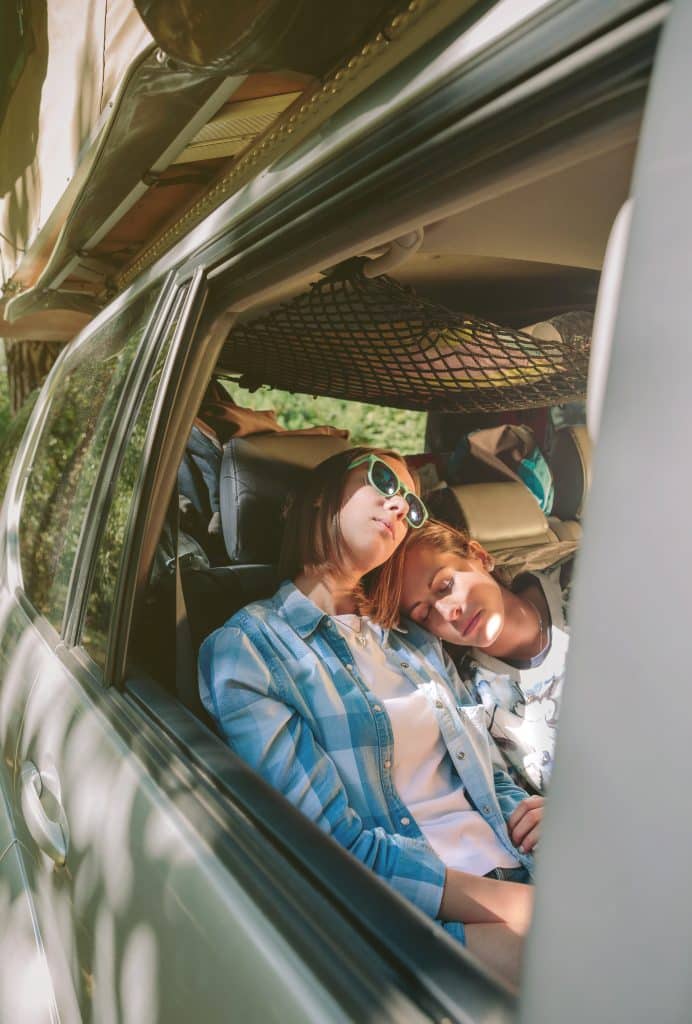
Once upon a time, families drove nowhere on purpose: a slow loop through the countryside, radio low, just to look at things. Fall was the season it existed for.
Revive it with one rule: no destination, no errands smuggled in. An hour of moving scenery and captive family conversation is the point.

30. Porch Visiting
People used to “call on” neighbors: show up, sit on the porch, talk for twenty minutes, leave. No agenda, no event, just maintenance on knowing each other.
The modern version can start with a text first if cold-knocking feels extinct. But the visit itself, short and aimless, is the technology worth restoring.

29. The Community Potluck Supper
Church basements, fire halls, and granges once ran on fall suppers: long tables, folding chairs, and casseroles competing politely. Everyone fed, nobody hosting alone.
Any street, building, or friend group can run one with a sign-up sheet and somebody’s garage. The formula never broke; it just stopped being scheduled.

28. Canning Day
One big day, usually with several generations in one kitchen, turning the cheap end-of-season produce into a winter’s worth of jars. Applesauce, tomatoes, jams, and pickles, with the newest family member on labeling duty.
Modern canning needs modern safety, so follow current tested recipes rather than the handwritten margins. The gathering part, though, works exactly as it always did, and a shelf of jars going into winter scratches the same itch as the foods worth stockpiling before the cold.

27. Actually Going to the Fair
County fairs and fall festivals still happen everywhere, and attendance became something other people do. The livestock barns, the pie contests, the terrifying spinning rides run by philosophy majors: all still there.
Go for the judged vegetables alone. Somewhere near you, a zucchini has a blue ribbon and a backstory.

26. The Neighborhood Rake Day
Leaf raking used to be communal by accident: everyone outside the same Saturday, kids ferrying between piles, cocoa appearing from somewhere. Now it’s earbuds and leaf blowers in isolation.
Organize nothing; just rake out front instead of hiding in the backyard, and greet people. Two houses doing it becomes a block doing it by the second weekend.

25. Parlor Games at Parties
Bobbing for apples, blind-taste guessing games, charades by firelight: fall parties once came with structured silliness built in. The games gave shy guests a job and loud guests a stage.
Adults will grumble about joining and then refuse to stop playing; this is a law of parlor games. For the apple bobbing, individual bowls keep the tradition and drop the shared-water part everyone was politely ignoring.

24. The Taffy Pull
Boil a sugar syrup, cool it just enough to handle, butter everyone’s hands, and pull the candy in pairs until it turns glossy and pale. It’s dessert, arm day, and a comedy show simultaneously.
Taffy pulls were legendary social events for courting-age young people a century ago, which tells you how fun they are. A candy thermometer and adult supervision on the hot syrup are the only modern requirements.

23. Popcorn Balls, With a Modern Footnote
Honesty entry number one. Popcorn balls were once standard trick-or-treat currency, and that era is over: unwrapped homemade treats from strangers get thrown away now, full stop, and rightly so.
So revive them where they still work: family movie nights, class parties where you’re known, and gatherings of people who trust your kitchen. Sticky hands pressing warm popcorn into spheres is the same joy it was in 1950, and it deserves better than extinction by etiquette.

22. The Caramel Apple Party
One big pot of caramel, a table of apples on sticks, and bowls of toppings: chopped nuts, sprinkles, crushed cookies, drizzles. Everyone builds their own, and everyone’s is a mess, and the mess is the memory.
Scrub the wax off the apples first and chill them so the caramel grips. That one tip separates the parties that work from the puddle parties.

21. The Real Hayride
Not the theme-park version with a soundtrack, the plain one: a wagon, bales, a slow tractor, and cold air on a dark farm road. The entertainment is the ride itself and whoever’s beside you.
Small farms still run these cheap in October. The unglamorous ones with a thermos of cider at the end are the correct ones.

20. The Harvest Work Party
Barn raisings and husking bees ran on a simple trade: many hands make short work, and the host feeds everyone after. Work first, feast second, and the work was half the fun because of the company.
While You're Here
21 Side Hustles That Actually Make Real Money in 2026
The ones that go beyond "take a survey."
The modern version: help a friend clear their garden, split firewood together, or volunteer a crew at a local farm’s harvest day, then eat like you earned it. Shared labor bonds people faster than any dinner party.

19. Fireside Storytelling
Before screens, the fall evening program was somebody talking: ghost stories, family legends, the tale of the neighbor’s cousin who definitely saw something in the woods. Told aloud, in low light, to faces.
Anyone can host one around a fire pit with a “bring one story” rule. The stories don’t need to be good; they need to be told, and the bad ones become traditions fastest.

18. Weather Folklore, Loved Honestly
Checking the woolly worm’s stripes, counting fogs in August, reading the almanac’s winter forecast aloud: fall once came with its own amateur meteorology. Families debated the signs like sports analysts.
Honesty entry number two: the caterpillars don’t actually know anything, and studies have never backed the folklore. Revive it anyway as the game it secretly always was; predicting the winter together in October and settling the bet in March is the fun, accuracy optional.
Myth: the old-timers could read winter in the signs. Reality: they enjoyed arguing about it exactly as much as we enjoy arguing about forecasts now, and that was always the tradition.

17. Seasonal Mail
A century ago, people mailed Halloween and harvest postcards the way we send memes: constantly, cheaply, and with flair. Those Victorian cards are collector gold now precisely because the habit vanished.
Send five fall cards this year to people who’d never expect one. Real mail has become so rare that a two-dollar card now lands like the tiny mailed gifts that mean more than a thousand texts, because it basically is one.

16. Nutting and Foraging Walks
“Going nutting,” gathering walnuts, hickories, and chestnuts, was once a full family outing with buckets. The woods handed out free food and the walk handed out the afternoon.
Revive the walk with modern sense: take a local guide or reliable book, harvest only what you can identify with certainty, and respect property lines. Even a walk that gathers nothing but acorns for the porch bowl counts.

15. Group Cider Pressing
Neighborhoods once shared a cider press the way they shared ladders: it circulated, and pressing day was a party. Everyone brought apples, everyone cranked, everyone left with jugs.
Presses can be rented, borrowed from orchards, or split among several families as a once-a-year investment. Kids who crank the press drink cider differently forever.
We Think You'll Also Like
→ the cheapskate tricks that sound ridiculous but quietly work
→ the Sunday meal planning system that survived a real family

14. The Craft Circle
Quilting bees weren’t really about quilts; they were a standing appointment where hands stayed busy and talk stayed easy. The craft gave the gathering a spine.
Any handwork qualifies: knitting, mending, model kits, whatever. Weekly, same night, bring your project and somebody makes the hot drinks, and by spring you’ll have both finished objects and an institution.

13. The Root Cellar Mindset
Full root cellars are rare now, but the skill behind them isn’t: knowing that potatoes, squash, onions, and apples, stored cool and dark and apart, feed a family for months. Buying storage crops cheap in October was the original grocery strategy.
A cool basement corner, garage shelf, or even a cold closet does a passable job. It’s the same thinking behind the pantry foods with the longest shelf life, applied one century earlier.
Quick Facts: winter squash and onions keep for months in the right corner, potatoes want dark and cool but not the fridge, and apples exhale a gas that ages everything near them, so they get stored alone. That’s the whole cellar course.

12. Saving Seeds
Gardeners once ended every season by saving seeds from the best plants: dried in envelopes, labeled, and traded with neighbors like currency. Some family tomato lines ran longer than the families’ houses did.
Start with the easy ones, beans, peas, and open-pollinated tomatoes, and one envelope becomes next year’s garden for free. It pairs naturally with the foods you can regrow from kitchen scraps, the apartment-scale version of the same instinct.

11. First Frost Rituals
The first frost was once a genuine event: sheets thrown over tomatoes at dusk, the last basil rescued, and the date recorded because it mattered. It was the season’s official handshake with winter.
Mark it even without a garden: note the date, make the first proper fire or the heaviest soup that night, and call the season what it now is. Calendars used to have teeth; borrowing one back feels surprisingly good.

10. The Community Bonfire
Backyard fire pits are everywhere, but the big shared autumn fire, the whole-street, whole-town version, mostly vanished outside a few lucky places. A large fire in the dark does something to a crowd that no patio heater can.
Where regulations allow, one family with land and a permit can host the whole neighborhood’s brush pile burn. Everyone brings something for the coals and the kids get a memory with actual firelight in it.

9. Watching the Harvest Moon
Farmers once worked late fields by the harvest moon’s light, and everyone knew the full moons by name: Harvest, Hunter’s, Beaver. The October moonrise was appointment viewing.
The moon still does the show; we just stopped attending. Check the moonrise time, walk to somewhere with an open east view, and watch it come up huge and orange with someone.

8. The Family Baking Day
Once a month, some kitchens ran a full baking day: bread for the week, something sweet, and the family recipes made by the hands that would inherit them. Kids learned by flouring the counter, not by watching videos.
Pick one Saturday a month and bake double of everything, freezing half. The freezer fills, the recipes transfer down a generation, and the house smells like the whole point of autumn.

7. The Listening Hour
Families once gathered around the radio the way we scatter to separate screens: same room, same story, imaginations doing the special effects. The togetherness was the technology.
Audio drama is in a golden age again, and October is its season. One evening a week, lights low, one spooky audio story played out loud for everyone at once, no screens allowed.

6. The Recipe Box
Handwritten recipe cards, stained and corrected in the margins, used to be a family’s real heirloom. A card in grandma’s handwriting is a document no app will ever replace.
Start or restore the box this fall: get the older generation’s recipes onto cards in their own writing while that’s still possible. The dishes themselves are often the humble ones, the cheap dinners every 90s kid remembers, which is exactly why they’re worth preserving.

5. Porch Sitting as the Default
The porch was once the evening’s default location: after dinner, weather permitting, you sat out front where the neighborhood could find you. It made a street into a place instead of a route.
Fall evenings with a blanket and a warm mug are porch sitting’s championship season. Sit out three evenings a week and watch how many conversations simply happen to you.

4. The After-Dinner Walk
Generations of families walked after supper as automatically as they cleared the table: a slow loop, everyone along, the day debriefed on the move. Doctors now recommend what grandparents just did.
Fifteen minutes, no phones, leaves underfoot. It’s the cheapest family therapy and digestion aid ever bundled, and it comes back the first evening you try it.
Readers Can't Stop Opening These
★ 27 "Weird" Frugal Hacks Our Grandmothers Used to Survive on Nothing
★ 23 Old-Fashioned Money Habits That Are Quietly Coming Back

3. Gift Plates for Neighbors
A plate of whatever you baked, covered in foil, walked next door: this was once the standard currency of neighborhoods. The plate came back later holding something else, and the exchange never really ended.
Start the loop with your baking day surplus from #8. A warm plate is worth more than its ingredients, the same math behind all truly meaningful small gifts, and it works on neighbors you’ve never properly met.

2. Recording the Elders
Winter storytelling once guaranteed that family history got retold every year until everyone knew it. That transmission system broke, and most families now lose their stories one funeral at a time.
This fall, sit the oldest family members down with a phone recording and ask the real questions: how they met, what the hard years were like, what the town used to be. One rainy November afternoon can capture what no one thought to save.
Nobody has ever regretted making these recordings. Plenty have regretted waiting one year too long.

1. The Standing Sunday Supper
The crown goes to the tradition that carried all the others inside it: the standing Sunday supper. Same day, same table, every week, extended family and strays welcome, no invitation needed because the invitation never expired.
It wasn’t a dinner party; it was infrastructure. Cousins grew up together because of it, news traveled through it, recipes and stories and the family itself got maintained at that table.
The revival needs exactly two ingredients: a standing day and a lowered bar. Pot of something big, mismatched chairs, whoever shows up shows up, and it happens even when it’s just four people and soup.
Consistency is the entire magic; a supper that happens “when everyone’s free” is a supper that never happens. The old families weren’t more organized, they just never put the tradition up for a vote.
Start it this fall, while the season is doing half the atmosphere work for you. By the time the first frost ritual from #11 arrives, the table will already feel like it’s been there for years.

Save a Seat at the Table
If you only revive four: the after-dinner walk, the recipe box, one recorded conversation with the elders, and the standing Sunday supper. That set costs almost nothing and rebuilds the load-bearing walls.
Notice what nearly every entry has in common: shared work, shared food, and showing up on a schedule. The old traditions weren’t quaint; they were social infrastructure, built by people whose habits still hold up under modern scrutiny.
Every tradition on this list was started by ordinary people who simply did the thing twice and then kept going. Season’s open; pick one and do it twice.
Enjoyed this article? Here are more fun reads:
