
37 Things You Stop Buying Once You’re a Real Adult

This post may contain affiliate links. We may earn a commission at no extra cost to you. See our full disclosure.
Nobody hands you a certificate. There is no ceremony, no moment where a voice announces that you are officially a grown adult now.
You just notice one day that your cart looks different than it did at 24.
Some of the change is money. Most of it is patience, honestly. You get tired of replacing the same thing every eight months and eventually you stop buying it at all.
This runs from 37 down to 1, and the further down the list you go, the more the mistake costs. A few of these overlap with what frugal people quietly dropped and never missed, but plenty of them are the opposite: things adults start spending more on, on purpose.
Two entries go the other way entirely. Sometimes the grown-up move is to keep buying the cheap version and stop feeling weird about it.
37. Single-Use Kitchen Gadgets
The avocado tool. The strawberry huller. The plastic contraption whose only job is slicing a banana.
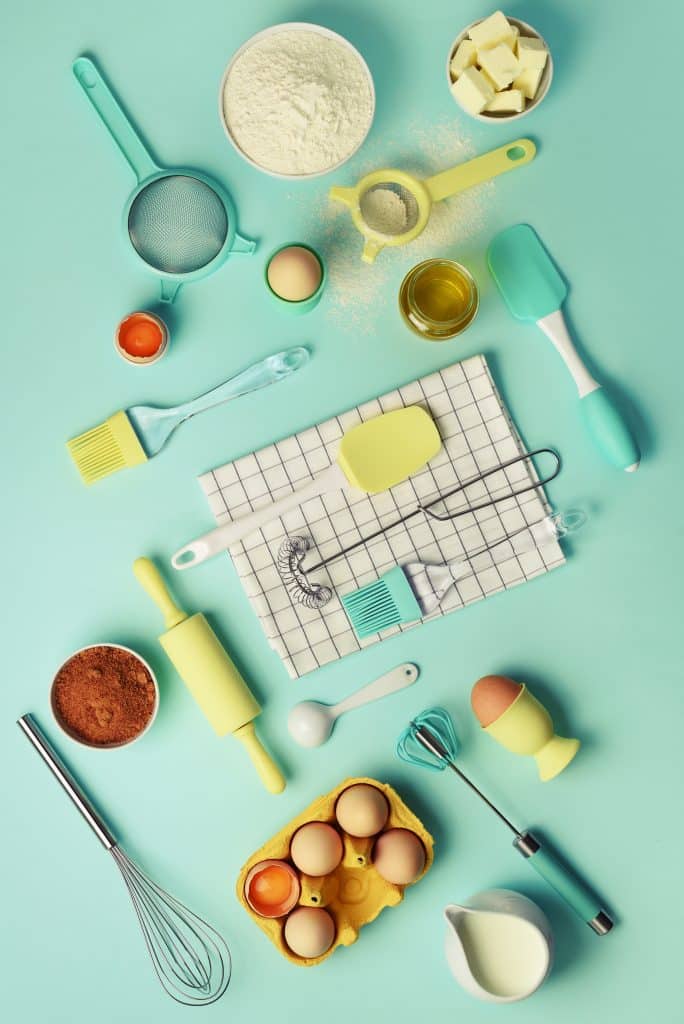
You buy those at 24 because they look like the equipment of a person who cooks. By 35 you own one knife and a spoon and you are faster than you ever were with the gadgets.
Drawer space costs money too, once you are the one paying for the drawer. Rent goes up regardless of how full that drawer gets.
If a gadget does a job your knife already does, it is a decoration.
36. Vacation Souvenirs
Shot glasses from cities you can barely picture anymore. Fridge magnets that outlived the relationship you took the trip with.

Grown adults come home with photos, one decent bottle of something local, and maybe a single object they will actually use.
The rest is an airport tax on your own memory. Nobody remembers a shot glass ten years later; the photo already does that job.
35. Plug-In Air Fresheners
A house that smells like synthetic linen is not a clean house. It is a covered-up house, and everyone who walks in can tell the difference.

At some point you start opening windows, taking the trash out on a schedule, and washing the dog bed instead.
The refills are the business model. That is the entire product. You are subscribing to a smell, one plastic cartridge at a time.
34. Full-Price Greeting Cards
Somewhere along the way a folded piece of cardstock started costing about as much as lunch.

What people keep is the handwriting, not the printed joke on the front. A blank card with three real sentences inside beats an expensive one with a signature at the bottom.
If you want the thing that ends up saved in a drawer for a decade, it is almost always something small and personal you mailed on purpose. Postage costs less than the card did.
33. Mismatched Hangers
Wire ones from the dry cleaner, three colors of plastic, one wooden one from a hotel you stayed at in 2019.

One box of matching hangers, bought once, ends the whole situation. It is the cheapest closet upgrade there is and you will never think about it again.
Buy the boring matching set once and delete a small daily annoyance permanently. It is the rare purchase that actually finishes.
32. Expensive Sunglasses
Here is the first one where the adult move is to go cheaper, not fancier.

You will sit on them. You will leave them on a restaurant table. You will lose a pair in a rental car in a city you no longer live in.
Two inexpensive pairs with real UV protection beat one designer pair you are afraid to bring to the beach. Pay for the lenses, skip the logo. The receipt for the cheap pair barely registers when you lose them in the surf.
31. Fancy Gift Wrap
Thick embossed paper, ribbon sold by the yard, coordinating tissue, all of it for something that gets shredded in nine seconds.

Plain kraft paper with a real bow and a legible name tag photographs better anyway.
No one in recorded history has been disappointed by what a gift was wrapped in. Save the ribbon if it makes you feel thrifty.
Keep Reading
If this list is your kind of thing:
30. Magazine Subscriptions
They stack up on the counter until they start to feel like homework you are behind on.

Keep the one you read cover to cover. That one earns its spot.
The other four renewed quietly for years while you moved them from the counter to the recycling bin unopened. Cancelling them takes about ninety seconds, and nobody notices they stopped arriving.
29. Individually Portioned Snack Packs
Single-serve bags typically run two to three times the price of the same food in a full-size bag. You are paying for the plastic and the portion control. Check the per-ounce price on the shelf tag and the gap gets obvious fast.

A set of small reusable containers pays for itself inside a month of packed lunches.
There is a real case for keeping a couple of the childhood snacks that are still worth buying in the house. Just not at the single-serve markup.
28. Bottled Salad Dressing
Oil, acid, mustard, salt. That is the entire recipe, and it takes ninety seconds in a jar with a lid.

Most bottled dressing is water and stabilizers priced like a specialty condiment.
The ingredients sit in the cabinet for months without complaint, which is true of most pantry staples with a genuinely long shelf life.
Ninety seconds and a jar beats a bottle you throw out half full. Whisk in a spoon of mustard and it holds together in the fridge for a week.
27. Novelty Holiday Decorations
The inflatable that leaks. The singing thing that stops singing halfway through December.

Adults drift toward fewer, sturdier decorations that come out every year and get packed away properly.
A storage bin full of cracked seasonal plastic is a tax on the version of you who shopped in a hurry. Fewer decorations, chosen once and stored properly, actually make the house feel more festive, not less.
26. Bargain-Bin Batteries
They test fine for a week and then die inside a remote you will not think to check for three months.

Alkaline cells from a reputable maker last longer per dollar in anything that draws real power. Save the cheap ones for wall clocks if you must.
Plenty of cheap-store items really do beat the name brand. Batteries are not on that list. Save the store brand for the wall clock, where nothing much is at stake.
25. Extended Warranties on Cheap Electronics
On a $60 speaker, the coverage is a bet you are very likely to lose.

The question that matters is what you would actually do if it broke. For cheap gear the answer is usually a shrug and a replacement.
On a refrigerator or a laptop the math shifts. On an accessory it almost never does.
If replacing it outright would annoy you but not hurt you, skip the coverage. That math holds for almost anything under a hundred dollars.
While You're Here
27 "Weird" Frugal Hacks Our Grandmothers Used to Survive on Nothing
Odd, stubborn, and still undefeated. Some of these will make you rethink your grocery run.
24. Trendy Countertop Appliances
The bread machine. The pressure cooker phase. The frozen yogurt maker that ran exactly twice.

You learn your own real habits eventually, and they are boring. Coffee, toast, one pan.
Buy for the life you have, not the one in the product photo. The appliance was rarely the real problem.
23. A Different Cleaner for Every Surface
Glass cleaner, wood cleaner, stone cleaner, stainless cleaner, and one sold specifically for the inside of a microwave.

Most of that cabinet collapses into a general spray, a jug of vinegar, and a box of baking soda.
It is one of those odd frugal habits that quietly save real money without making your life any worse. The cabinet gets smaller and the cleaning somehow does not get worse.
22. Disposable Razors
Five cents of steel wrapped in a dollar of plastic, sold in a bag of ten.

A safety razor, or a decent handle with replaceable heads, drops the per-shave cost hard after the first couple of months.
The upfront number looks worse. Everything after that looks better. Most people break even inside two months and never think about the drawer of plastic razors again.
21. Giant Cheap Tool Sets
The 200-piece kit in a molded plastic case is 190 pieces you never touch and 10 that strip the first screw they meet.

Adults buy tools one at a time, when a job demands one, and they buy the version that will still work in ten years.
A good screwdriver, a real tape measure, and an actual hammer outlast three of those kits combined. The case mostly ends up storing unrelated junk.
20. A New Phone Every Year
The annual upgrade made sense when phones actually changed year to year. Now it is a slightly better camera and a payment plan you never finish.

Keeping a phone three or four years and paying for one battery replacement is the easiest tech savings available to anyone.
The upgrade cycle is a subscription pretending to be a purchase. Skip two upgrade cycles and the savings cover a year of something you actually enjoy.
19. Subscriptions You Forgot You Had
There is always at least one. A streaming service, a cloud storage plan, an app you signed up for in a hotel room two years ago.

Twenty minutes with your statement and a cancel button is one of the best hourly rates you will ever earn.
If you have never lined all the recurring charges up in one place, a quick pass through a budget calculator makes the total uncomfortably clear. Repeat the check every six months, since new ones creep back in.
18. Giant Bottles of Vitamins
The 500-count bottle is cheaper per pill and you are going to throw out 380 of them.

Buy the size you have actually finished before. Price per unit only counts if you use the units. Half-used bottles of anything eventually just get tossed.
We Think You'll Also Like
→ the money habits every 1990 household ran without thinking
→ the small money leaks that quietly cost five figures a decade
17. Fabric Softener
It works by coating fibers, which is exactly why towels stop absorbing water and workout shirts start holding smells no wash cycle can fix.

Wool dryer balls or a splash of vinegar in the rinse handles static without the buildup.
This is a purchase actively working against a different purchase you already made. It is a small purchase undercutting a bigger one you probably liked better before the coating started.
16. Cheap Towels
Thin towels do not improve with age. They get thinner, then stringy, then they are rags.

A set of heavy cotton towels, washed without softener, lasts years and makes a bathroom feel like an adult lives there. The upfront cost stings for about a week, then fades.
15. Coffee Pods
Run the price per pound sometime. Pod coffee lands in premium whole-bean territory without tasting like premium whole bean.

A drip machine, a press, or a pour-over cone gets you better coffee for a fraction of the ongoing cost.
The convenience is genuinely worth something. It is just worth a lot less than what it is priced at. Most people notice the difference by the first pot.
14. Mismatched Food Storage Containers
Fifty lids, none of which fit the twelve bottoms, all of it avalanching out of one cabinet.

One stackable set with interchangeable lids ends a daily fight you did not know you were having.
Glass ones survive the dishwasher, the microwave, and roughly a decade of reheating leftovers. Buy one size that nests inside itself and the whole cabinet stops fighting back every morning.
13. Bottled Water by the Case
A filter pitcher and one real bottle covers the same need for a small fraction of the ongoing cost.

Plastic that sits in a warm garage for months carries its own questions, and bottled water is hardly the only place tiny plastic particles turn up in everyday food and drink.
Keep a case around for storms. Stop buying it as a lifestyle. A decent filter pays itself back within a couple of months.
12. Cheap Luggage
Wheels are the failure point. Always the wheels, and always in an airport when you are already late.

A midrange bag with a real warranty and replaceable wheels will outlast four bargain suitcases.
If you fly twice a year, this matters less than the internet insists. If you fly monthly, it matters more than almost anything else here.
Myth vs. Reality
Myth: Becoming an adult means buying the expensive version of everything.
Reality: Adults are just better at sorting purchases into categories. Things you touch daily and things that fail badly are worth paying up for, and everything else is a coin flip the store brand usually wins.
Dig Deeper
We Ran the Real Math on 12 Popular Frugal Habits (Most of Them Barely Pay)
The real dollar tally, guide-style - no "just skip the coffee" fluff.
11. Name-Brand Pain Relievers
Same active ingredient, same dose, same regulatory standard, different box and a much bigger marketing budget.

Adults read the small print on the back and buy the one with the boring label. Check the active ingredient listed on both boxes side by side and the choice makes itself.
This is one of the rare cases where the generic is not a compromise at all. It is the same product.
10. The Cheapest Trash Bags on the Shelf
And here is the flip side of the last one. Some generics are false economy, and trash bags are the classic example.

A bag that splits on the way to the curb costs you the bag, the cleanup, and about forty minutes of your mood.
Paying up where failure is expensive is one of the money habits advisors will tell you to stop apologizing for.
Go generic where failure is annoying. Pay up where failure is a mess. The store brand wins almost everywhere else on this list. This is the exception worth remembering.
9. Home Printer Ink
Ink gets priced by the milliliter, like perfume, and then dries out if you do not use it fast enough.

If you print four times a year, a print shop costs less than owning the printer at all.
If you print constantly, buy a machine with a refillable tank and stop feeding the cartridge model entirely. Either way, the cartridge model is built to lose you money slowly.
8. A Gym Membership You Are Buying as Motivation
Paying for it does not make you go. It just makes not going more expensive.

The honest sequence is backward from how most people do it: start with what is free, walking and bodyweight work and a borrowed set of dumbbells, then buy the membership once you have a streak worth protecting.
Motivation purchased in advance has a famously terrible track record. The gym will still be there once the habit actually exists.
7. Cheap Knives
A dull knife is not just slow. It slips, and slipping is how people end up in urgent care on a Tuesday.

One good chef’s knife, kept sharp, replaces most of a knife block. The block was mostly filler anyway.
Learn to sharpen it yourself, or pay a few dollars a year to have someone do it. A five-minute honing habit does more for a knife than any upgrade ever will.
6. Pre-Cut Produce
The markup is real. Sometimes it is close to double.

It is also the difference between vegetables you eat and vegetables that liquefy in the crisper drawer, and the second option costs 100 percent of the money for zero food.
If you want the frugal version, buy whole, cut it the same day you shop, and drop the ends in water, because a surprising number of them grow back from scraps.
Wasted cheap food is more expensive than eaten expensive food. Buy only what a week of actual cooking will use.
Readers Can't Stop Opening These
★ 31 Childhood Snacks That Are Still Worth Buying
★ 23 Ways to Slash Your Household Bills That Most People Never Try
★ The 60 Most Sought-After Halloween Costumes This Year, Ranked
5. Takeout on Autopilot
Not takeout. Takeout as the default setting, which is a completely different thing.

Three or four dinners you can make without thinking is the actual fix, because the problem was never the cooking. It was the deciding, at 6:40, while everyone stared at you.
Most of the cheap dinners people still remember from childhood take under half an hour and cost less than the delivery fees alone. None of them need to be impressive. They just need to already be decided.
4. Flat-Pack Furniture You Will Move Twice
Pressed board is fine for a first apartment. It is a genuinely good deal for exactly one address.

Take it apart and reassemble it once and the screw holes turn to sawdust in your hand.
Solid wood from a secondhand shop often costs about the same and survives four moves, two kids, and one regrettable paint decision.
Buy pressed board if you are staying put. Buy real wood if you are not. Check the classifieds before the furniture store. The math usually favors the secondhand piece.
3. Rent-to-Own and Everything on Payments
This is where the money actually leaves. Depending on the terms, a couch financed over a couple of years can end up costing well past the sticker price on the tag.

The payment is engineered to feel small. That is the product being sold, not the couch.
Running whatever you are carrying through a debt payoff calculator is a fast, unpleasant, extremely useful hour. Most people are surprised by the number it actually shows them.
2. A Bank Account That Charges You Money
Monthly maintenance fees. Minimum balance fees. Out-of-network charges for touching your own paycheck.

Free checking exists everywhere. Accounts that pay real interest on savings exist too, and those rates move, so the one you opened years ago is probably not the one you would choose today.
Moving an emergency fund into a higher-yield account with a simple investing setup behind it takes an afternoon and then works while you ignore it.
Paying a bank rent on your own money is the most avoidable expense on this entire list. Twenty minutes online usually fixes it for good.
1. The Cheapest Shoes You Can Find
You wear them every single day. That one fact separates shoes from almost everything else you own.

Cheap shoes wear through in a season, and while they last they hand the impact to your knees, your hips, and your lower back instead of absorbing it.
Two pairs a year at roughly $40 against one pair at roughly $120 that lasts three years is not a close call. The better pair can usually be resoled, which stretches it further still.
The same logic runs through the three things sitting between you and the ground: your shoes, your mattress, and the chair you work in. Spend there, cut anywhere else on this list, and you will still come out ahead.
You know you have crossed over when you buy plain brown shoes, polish them occasionally, and stop thinking about shoes at all.
Where to Go From Here
If you only change three things, change the ones with a recurring bill attached: the bank fees, the forgotten subscriptions, and anything you are financing that you could have waited six months to buy outright.

Then upgrade one daily-use item. Shoes, towels, or a knife, and let the cheap version die of natural causes first.
None of this is new thinking. Most of it overlaps with the old-fashioned money habits that are quietly coming back, which mostly amounted to buying less and buying better.
And if the recurring-bill audit turns up more than you expected, that is usually the moment to sit down and work through the moves that actually put you in charge of your finances instead of patching one leak at a time.
Growing up costs less than the ads suggest. It mostly costs attention.
Enjoyed this article? Here are more fun reads:
