
37 Underrated Fruits and Vegetables You’re Walking Right Past at the Grocery Store

This post may contain affiliate links. We may earn a commission at no extra cost to you. See our full disclosure.
Most of us shop the same twelve feet of the produce section every single week. Bananas, bagged salad, maybe a tomato if we’re feeling ambitious, and then straight to the checkout.
Meanwhile the weird stuff sits there. The knobby roots, the fruits you can’t name, the greens that look like houseplants. Most of it is cheaper, tougher, and honestly more interesting than the things in your cart.
Some of these are underrated because nobody knows how to cook them. Some are underrated because a bad childhood experience ruined them. A few are underrated for no reason at all.
So here are 37 fruits and vegetables you’re probably walking right past, counted down to the one that deserves a permanent spot in your kitchen. Not all of them are perfect, and I’ll tell you when they’re not.
Grab a bag. Let’s go down the aisle you skip.
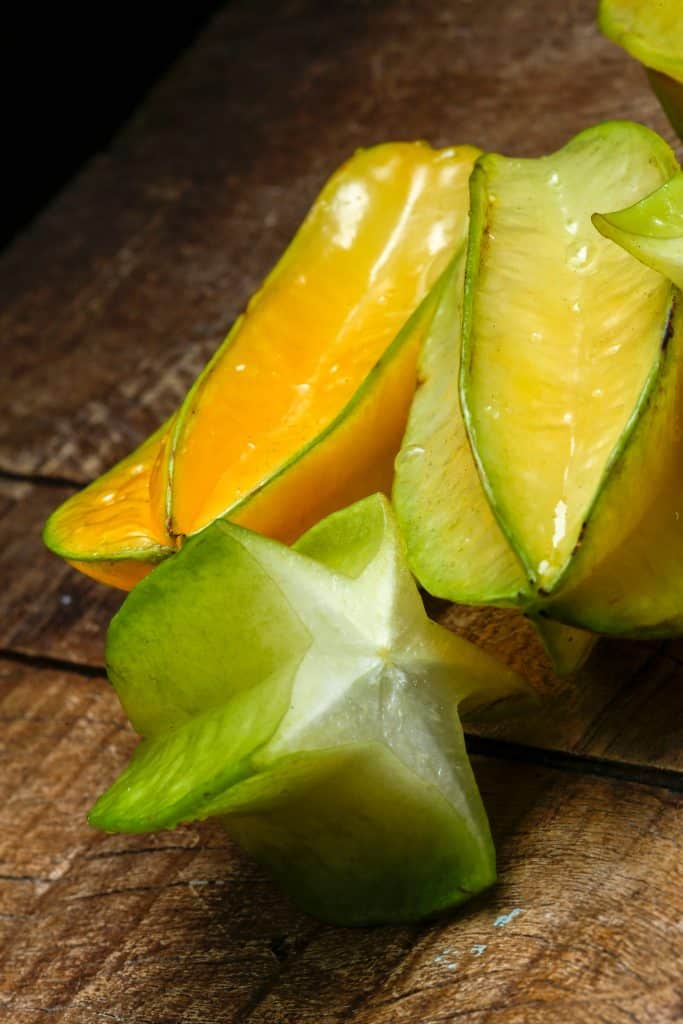
37. Star Fruit
Slice it crosswise and every piece is a perfect star, which makes it the easiest fruit tray flex in the store. The flavor is mild, a little citrusy, somewhere between a grape and an apple.
You eat the whole thing, skin and all, no peeling. One heads-up: people with kidney problems should skip it entirely, since it contains a compound their bodies can’t clear.
Takeaway: buy it for the look, stay for the zero-effort prep.

36. Dragon Fruit
Honest opinion time: dragon fruit is the most beautiful boring fruit in the store. That electric pink shell hides flesh that tastes like a kiwi that gave up halfway.
So why is it on this list? Because that mildness makes it a perfect blank canvas in smoothie bowls and fruit salads, where it adds color and crunch without fighting anything else.
Takeaway: treat it as a supporting actor, never the star.

35. Lychee
Under that bumpy red shell is one of the most fragrant fruits you can buy, floral and sweet like a grape wearing perfume. Peeling them is oddly satisfying, like tiny bubble wrap.
Fresh ones show up in early summer and disappear fast. If you’ve only had the canned version in syrup, you haven’t really had lychee.
Takeaway: buy fresh in season or don’t bother.

34. Chayote
This pale green squash looks like a pear that’s been through something. It’s cheap, it keeps for weeks, and it soaks up any flavor you throw at it.
Slice it raw into slaws for crunch, or simmer it in soups where it stays firm instead of turning to mush. Cooks across Latin America have known this for generations while the rest of us walked past it.
Takeaway: the squash that never gets soggy.

33. Jerusalem Artichokes
Also called sunchokes, these knobby little tubers roast up nutty and sweet, like a potato crossed with an artichoke heart. They’re loaded with inulin, a prebiotic fiber your gut bacteria love, which puts them in good company with other gut-friendly foods backed by real science.
Full honesty: that same inulin has earned them the nickname “fartichokes,” and it is deserved. Start with a small portion and let your digestive system negotiate the terms.
Takeaway: delicious, gut-friendly, and best introduced slowly.

32. Mulberries
Mulberries taste like a blackberry that mellowed out, sweeter and less seedy. They barely survive shipping, which is why stores rarely stock them fresh and most people have never tried one.
Look for them dried, or better yet, find a neighborhood tree in early summer. Half the mulberries in America fall on sidewalks while we pay premium prices for berries in plastic clamshells.
Takeaway: the free berry hiding in plain sight.

31. Currants
Tiny, tart, and jewel-bright, currants are huge in Europe and nearly invisible here. That’s partly historical: they were banned in parts of the US for decades over a tree disease scare.
The tartness is the point. A handful stirred into yogurt or baked into muffins cuts sweetness the way lemon zest does, but with more character.
Takeaway: sour on purpose, and better for it.

30. Gooseberries
Gooseberries look like translucent green grapes with racing stripes and taste like a sour apple had a baby with a grape. Your great-grandmother made pie out of these, and she was onto something.
They show up for a few weeks in summer at farmers markets and better grocery stores. Cook them down with a little sugar and spoon the result over anything.
Takeaway: the pie fruit that time forgot.

29. Passion Fruit
Yes, it looks like something went wrong inside. Push past that, because the pulp packs more flavor per teaspoon than almost anything in the produce section, tart and floral and loud.
Pro move: the wrinklier the skin, the riper the fruit. A smooth passion fruit isn’t ready yet, which is the opposite of how we judge everything else.
Takeaway: buy the ugly wrinkled ones.

28. Guava
Guava smells like a tropical vacation and delivers a surprising amount of vitamin C, typically more per fruit than an orange. The whole thing is edible, seeds, skin, everything.
👕 Loved this post? You might also like:
17 Insanely Funny Food Shirts Every Foodie Needs to Own
Perfect for food lovers with a sense of humor.
Pink-fleshed ones are sweeter, white-fleshed ones are tangier. Either way, it belongs on any list of everyday foods with benefits people don’t expect.
Takeaway: the vitamin C heavyweight nobody talks about.

27. Papaya
Papaya divides people, and the haters usually got an unripe one. A properly ripe papaya, deep orange and slightly soft, with a squeeze of lime, is a completely different fruit.
It also contains papain, an enzyme cooks have used for ages to tenderize meat. The fruit is literally doing kitchen work on the side.
Takeaway: ripe plus lime, or don’t judge it yet.

26. Persimmon
Persimmons ruined their own reputation because one bite of an unripe astringent variety feels like licking a chalkboard. Here’s the fix: the squat, tomato-shaped Fuyu type is crisp and sweet even when firm.
Slice it into fall salads or eat it like an apple. It tastes like honey and cinnamon decided to become a fruit.
Takeaway: buy the flat ones, eat them firm.

25. Plantains
Plantains are two ingredients in one. Green, they fry up starchy and savory like the best potato you’ve ever had. Black and spotted, they caramelize into something close to dessert.
They cost less than a fancy coffee and feed a family. If you cook on a budget, they belong in your rotation next to the other frugal staples that stretched countless childhood grocery budgets.
Takeaway: one fruit, two completely different dinners.

24. Rhubarb
Technically a vegetable, legally ruled a fruit in the US decades ago, and criminally underused either way. Those sour crimson stalks cook down into compotes and pies that make strawberries taste better than strawberries alone ever do.
Skip the leaves, which are toxic, and stew the stalks with sugar for fifteen minutes. Spoon it over yogurt and wonder why you waited.
Takeaway: the sour stalk that makes everything else sweeter.

23. Figs
Most people only know figs as the filling in a cookie, which is like only knowing music through elevator speakers. A fresh fig is jammy, honeyed, and gone from shelves in a blink because they don’t ship well.
When you see them in late summer, buy them that day. Tear one open over a salad with a little cheese and you’ll understand the fuss.
Takeaway: fresh figs wait for no one.

22. Dates
A good Medjool date is basically caramel that grew on a tree. Stuff one with peanut butter and a square of dark chocolate and you have a dessert that takes thirty seconds.
They keep for months in the pantry, which makes them one of the smarter long shelf life pantry buys you can make. Just remember they’re dense in natural sugar, so a couple goes a long way.
Takeaway: nature’s candy bar with a real shelf life.

21. Apricots
Apricots get overshadowed by peaches every summer, and it’s not fair. A ripe one has a floral tang peaches can’t touch, and the pit falls right out instead of clinging for dear life.
Their season is short and their window of ripeness shorter. Buy them slightly firm and let them finish on the counter for a day or two.
Takeaway: the peach’s smarter, smaller cousin.
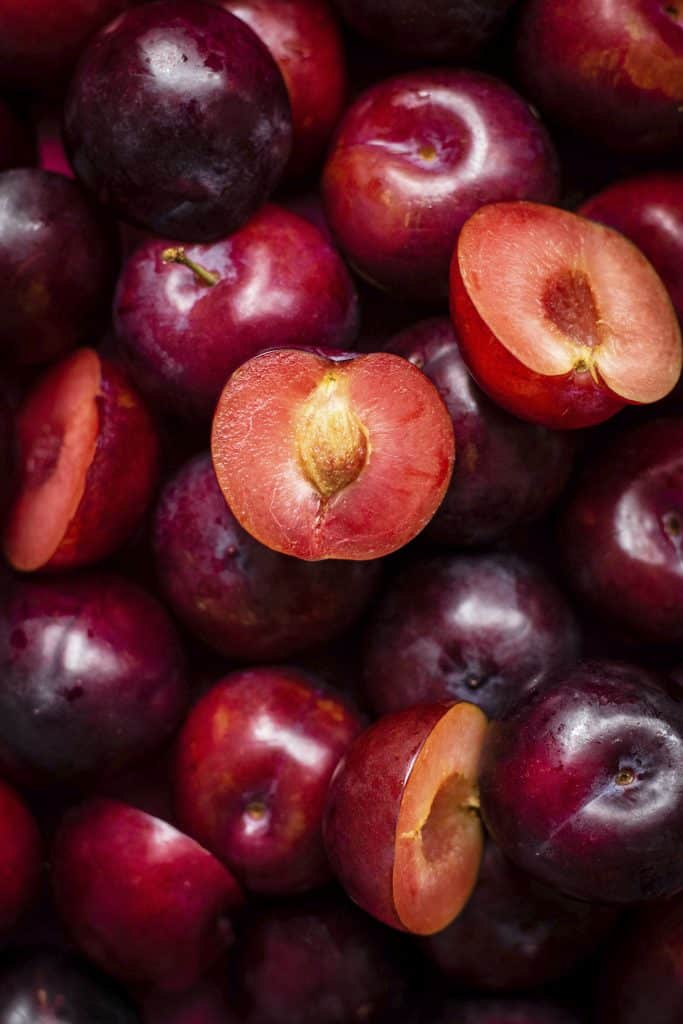
20. Plums
Plums are the cheapest stone fruit in the bin most summers, and somehow the least purchased. A cold ripe plum eaten over the sink is one of life’s genuinely great small pleasures.
They also roast beautifully. Halve them, cut side up, twenty minutes in a hot oven, and they turn into a sauce for pork or ice cream.
Takeaway: the best value in the stone fruit section.
Halfway checkpoint: the pattern so far is simple. The fruits nobody buys are usually either too fragile to ship (figs, mulberries), too weird-looking (passion fruit, chayote), or victims of one bad unripe bite (papaya, persimmon). None of those are reasons to skip food.

19. Kiwi
Kiwi isn’t obscure, but it’s still underrated because people treat peeling as a chore. Skip it: cut one in half and eat it with a spoon like a tiny green egg.
You can even eat the skin, which is fuzzy but fine and adds fiber. For the calorie-conscious, kiwi punches way above its weight, right up there with the foods so low in calories you barely have to count them.
Takeaway: the spoon trick changes everything.

18. Grapefruit
Grapefruit fell out of fashion when diet culture moved on, and the fruit deserved better than being someone’s punishment breakfast. A ruby red one, chilled and sectioned, is legitimately delicious on its own terms.
🛋️ While you're here, check this out:
69 of the Most Insane Things Found on Facebook Marketplace
You won't believe what people are selling!
One real caution: grapefruit interacts with a surprising number of common medications. If you take prescriptions, check with your pharmacist before making it a habit.
Takeaway: rehabilitate it from diet food to actual food.

17. Pomegranate
People avoid pomegranates because of the mess, so here’s the fix: score it, break it apart in a bowl of water, and the seeds sink while the white pith floats. Two minutes, no crime scene.
Those seeds keep in the fridge for days and turn any salad, grain bowl, or yogurt into something that looks intentional. Whole pomegranates also keep on the counter for weeks.
Takeaway: the water bowl trick removes the only excuse.

16. Snap Peas
Snap peas are what chips wish they were: crunchy, sweet, snackable by the handful, and gone before you notice. Kids will actually eat them, which is worth the price alone.
They need zero cooking, though thirty seconds in a screaming hot pan with garlic doesn’t hurt. They also bring more protein than most people expect from a green vegetable, a theme covered in our ranking of vegetables by protein content.
Takeaway: the vegetable that eats like a snack food.

15. Daikon
That giant white radish in the corner of the produce section costs almost nothing per pound and does everything. Grate it raw for a peppery slaw, pickle it in an hour, or braise it until it turns silky and mild.
Asian kitchens have built entire side dish traditions around it. American shoppers mostly wonder what it is and keep walking.
Takeaway: three vegetables’ worth of uses for one vegetable’s price.

14. Radicchio
Straight talk: radicchio is bitter, and if you eat it raw and plain you will not enjoy it. This is not a vegetable for everyone, and pretending otherwise is how people get burned.
But grill or roast it and the bitterness mellows into something almost sweet and smoky. Paired with something fatty and something acidic, it goes from punishment to restaurant dish.
Takeaway: heat plus fat plus acid, or leave it on the shelf.

13. Watercress
When researchers score vegetables by nutrients per calorie, watercress routinely lands at or near the very top of the list. It’s peppery like arugula but more delicate, and it wilts into soups in seconds.
Most people have literally never bought it. It’s usually sitting right next to the herbs, priced like a garnish and performing like a multivitamin.
Takeaway: the most nutrient-dense green you’ve never purchased.

12. Mustard Greens
Mustard greens bite back, with a horseradish-like kick that makes spinach seem like it’s not even trying. That sharpness mellows when you cook them low and slow with garlic and a splash of vinegar.
They’re also dirt cheap for the size of the bunch. One bag of these outweighs three plastic boxes of baby greens for a fraction of the cost.
Takeaway: the green with actual opinions.

11. Collard Greens
Southern cooks never underrated collards, but everywhere else they’re stuck in the “takes hours to cook” box. They don’t. Sliced thin, they saute in ten minutes or work raw as sturdy wraps that hold up better than any tortilla.
They’re one of the toughest, longest-lasting greens in the fridge. A bunch bought Monday is still perfectly usable the following weekend.
Takeaway: the green that refuses to wilt on your schedule.

10. Okra
Let’s address it: yes, okra can be slimy, and no amount of cheerleading changes that. If your only okra was boiled, you met it at its absolute worst.
High heat is the answer. Roasted or charred whole in a hot pan, okra goes crispy and nutty with zero slime, and suddenly you understand entire cuisines.
Takeaway: never boil it, always blast it.

9. Napa Cabbage
Napa is the tender, sweet cabbage that makes regular cabbage look like cardboard. It shreds into slaws without needing to be tamed, and it melts into soups and stir-fries in minutes.
It’s also the backbone of kimchi, which puts it at the center of the fermentation tradition your grandmother was right about all along. One head is enormous and costs a couple bucks.
Takeaway: cabbage without the commitment.

8. Bok Choy
Bok choy gives you two textures in one vegetable: crunchy juicy stems and silky leaves. Halve the small ones, sear them cut side down, splash with soy sauce, and dinner’s side dish is done in five minutes.
It’s also remarkably low in carbs for how satisfying it eats, which is why it shows up in our list of low-carb vegetables ranked by net carbs. There is no bad way to cook it except overcooking it.
Takeaway: the five-minute side dish machine.
📦 Crazy useful stuff on Amazon:
71 Weird Amazon Finds That Are Surprisingly Useful
Things you didn't know you needed… until now.

7. Swiss Chard
Chard is two vegetables pretending to be one. The leaves cook like spinach but hold their texture, and the stems, which most people throw away, saute into something like celery’s more interesting cousin.
The rainbow varieties are also flat-out gorgeous, which matters when you’re trying to make weeknight food feel less beige. Chop stems and leaves separately, cook stems first, done.
Takeaway: stop throwing away half the vegetable.

6. Jicama
Jicama is the crunchiest thing in the produce department, full stop. Peel that papery brown skin and inside is crisp white flesh that tastes like a cross between an apple and a water chestnut.
Cut it into sticks, hit it with lime juice and chili powder, and you have the street-cart snack half of Mexico already knows about. It stays crunchy for days in the fridge, even cut.
Takeaway: lime, chili, done.

5. Celeriac
Celeriac might be the ugliest thing in the store, a gnarled beige lump that looks like it lost a fight. Underneath is flesh that tastes like celery and parsley had a mild-mannered potato baby.
Mash it half-and-half with potatoes and the puree tastes fancier with fewer carbs. Shave it raw with a mustardy dressing and you’ve made remoulade, which the French have been quietly enjoying forever.
Takeaway: never judge a root by its exterior.

4. Fennel
People hear “licorice” and run, which is a shame, because cooked fennel doesn’t taste like licorice at all. Roasting turns it caramelized, sweet, and mellow, one of the best cheap upgrades to a sheet-pan dinner.
Shaved raw with lemon and olive oil, it’s a bright, crunchy salad that costs a fraction of what restaurants charge for the same thing. And the feathery fronds on top are a free herb.
Takeaway: the licorice fear is holding you back from caramelized gold.

3. Kohlrabi
Kohlrabi looks like a vegetable designed by a committee that never met, a pale green sphere with antennae. Peel it and you get crisp, juicy flesh like a mild broccoli stem crossed with an apple.
Eat it raw in sticks with hummus, shred it into slaw, or roast it in wedges. It’s cheap, it keeps for weeks, and it’s usually sitting there completely ignored.
German and Indian kitchens both treat it as a staple. American shoppers treat it as modern art.
Takeaway: the alien orb is the easiest vegetable in the store.

2. Beets
Beets have a canned-food reputation problem, because canned beets taste like sweetened dirt and traumatized a whole generation. Roasted fresh beets are a different food entirely: dense, sweet, almost candy-like.
Wrap them in foil, roast until a knife slides through, and the skins rub right off. Then there’s the bonus round: the greens on top cook like chard, so every bunch is two vegetables for one price.
Fair warning about the day after. It’s fine. Everyone panics once.
Takeaway: roast fresh, keep the greens, don’t panic later.

1. Cabbage
The most underrated item in the entire produce section is the most ordinary one. Cabbage costs less per pound than almost anything else in the store, lasts a month in the fridge, and one head produces multiple meals.
The problem was never the cabbage. It was the boiling. Boiled cabbage smells like regret, and it convinced generations that this vegetable was punishment food.
Now cut a head into thick wedges, oil them, and roast at high heat until the edges char. What comes out is sweet, crispy-edged, and good enough that steakhouses charge twelve dollars for it.
It shreds into slaw, braises into comfort food, ferments into sauerkraut, and stretches a grocery budget like almost nothing else. Frugal cooks have leaned on it forever, right alongside the cheap dinners every 90s kid remembers.
If this list convinces you to buy exactly one thing, make it a head of cabbage and a hot oven. Everything else is extra credit.
The Short Version for the Checkout Line
If you only grab a few from this list, make it cabbage, beets with their greens, and one weird fruit you’ve never tried. Roast the vegetables hot, eat the fruit ripe, and you’ve covered most of the lessons here.
The freezer aisle backs you up too, since frozen produce is often just as good as fresh, sometimes better. And several of these, like scallion-style regrows and pineapple tops, connect to the foods you can regrow from kitchen scraps if you want the free version.
Buying the strange stuff is also one of those weird frugal habits that quietly saves money, because the unpopular produce is almost always the cheapest. Stock the hardy roots before cold weather along with the other foods worth stockpiling before winter.
Next trip, walk the whole aisle. Pick up one thing you can’t pronounce. Worst case, you’re out two dollars and a story.
Enjoyed this article? Here are more fun reads:
