
33 Fruits and Vegetables Your Grandparents Ate That Nobody Buys Anymore

This post may contain affiliate links. We may earn a commission at no extra cost to you. See our full disclosure.
Walk through any modern grocery store and you’ll see the same twelve vegetables on repeat. Bagged salad, baby carrots, broccoli crowns, and a wall of avocados.
Your grandparents shopped from a completely different list. Their kitchens smelled like simmering greens and root vegetables that most shoppers under 50 couldn’t identify in a lineup today.
Some of these foods disappeared because they take work. Some vanished because supermarkets decided they didn’t ship well. And a few faded away for no good reason at all.
Here’s the fun part: almost everything on this list is cheap, and plenty of it is quietly nutritious. Many of these show up in our roundup of everyday foods with surprising health benefits without anyone noticing.
We’re counting down 33 of them, from the merely forgotten to the truly extinct-from-your-cart. Number one is the fruit that practically defined a generation’s breakfast table.

33. Rutabaga
The rutabaga was the potato’s tougher, cheaper cousin, and it kept whole families fed through more than one lean winter. Grandparents mashed it, cubed it into stews, and never once apologized for it.
Honest take: a rutabaga on its own is bitter and dense, and it needs butter or a long simmer to shine. That’s exactly why nobody impulse-buys one anymore.
Mashed half-and-half with potatoes, though, it’s genuinely better than plain mash. Give it that much of a chance.

32. Kohlrabi
Kohlrabi looks like a cabbage that swallowed a tennis ball, which probably explains its marketing problem. Immigrant grandparents from central and eastern Europe ate it constantly.
Peeled and sliced raw, it tastes like a mild, sweet broccoli stem. It’s crunchy, refreshing, and costs almost nothing when you can find it.

31. Turnips
The turnip fed Europe for centuries before the potato showed up and stole its job. Your grandparents still bought them by the bagful because they were the cheapest root in the store.
Small young turnips are peppery and crisp, nothing like the woody giants people remember hating. Roasted with a little honey, they convert skeptics fast.

30. Parsnips
Parsnips look like carrots that gave up on sunshine, but a frost-sweetened parsnip roasted in a hot oven is one of the best things a root vegetable can do. Grandma knew this.
They were a staple in every pot roast and boiled dinner for a reason. They soak up broth like sponges and turn silky.

29. Fresh Beets
People still buy beets, technically. They buy them pre-cooked, vacuum-sealed, and triple the price of the dirt-covered bunches grandparents boiled on a Sunday.
Fresh beets with their tops attached are two vegetables for the price of one. They also rank well among high-fiber vegetables, which older generations got plenty of without trying.

28. Swiss Chard
Chard grew in nearly every backyard garden because it refused to die. Cut it, and it grew back. Freeze it, and it shrugged.
Keep Reading
If this list is your kind of thing:
→ the dollar-store versions that quietly beat the name brands
Sautéed with garlic and a splash of vinegar, it’s a ten-minute side dish that costs less than a bagged salad. The colorful stems cook up like a bonus vegetable.

27. Collard Greens
Collards never left Southern kitchens, but outside that region they’ve quietly slid off shopping lists. That’s a loss, because a pot of slow-simmered collards is comfort food with actual nutrition attached.
The pot liquor, the broth left behind, was treated like liquid gold. Grandparents sopped it up with cornbread and wasted nothing.

26. Mustard Greens
Mustard greens bite back. They carry a horseradish-like heat that mellows into something rich when cooked low and slow with a smoked ham hock.
They were often the cheapest greens in the store, which made them a fixture in frugal households. A bundle still costs pocket change where you can find them.

25. Turnip Greens
Modern stores chop the tops off turnips and throw them away, which would have horrified your grandmother. The greens were the whole point for many families.
They’re more tender than collards and cook faster too. This whole use-every-part mentality shows up again and again in the things frugal grandmothers never threw away.

24. Beet Greens
Same story, different root. Beet greens taste like a gentler chard, and they came free with every bunch of beets.
Wilted in a hot pan with olive oil, they’re done in five minutes. Tossing them is throwing away half your purchase.

23. Watercress
Watercress used to be the salad green, served at tea sandwiches and Sunday dinners alike. Some grandparents even foraged it from clean streams for free.
It’s peppery, delicate, and packed with nutrients for barely any calories. It’s the kind of thing that fills out lists of foods you can basically eat without counting.

22. Endive
Bitter greens were a normal part of dinner for generations that didn’t expect every vegetable to taste like candy. Endive led that category.
While You're Here
23 Old-Fashioned Money Habits Quietly Coming Back
Cash envelopes, mending, freezer cooking. The comeback nobody announced.
Braised in butter, its bitterness turns nutty and mellow. Raw, the leaves make edible scoops that beat crackers at any gathering.

21. Radishes With Their Tops
Radishes still sell, but as a garnish, not a food. Grandparents ate them for breakfast with butter and salt, a habit borrowed from French tables that deserves a comeback.
The tops got sautéed or dropped into soup instead of the trash. Radishes are also one of the easier foods you can regrow from kitchen scraps if you want to test your thumb.

20. Leeks
Leek and potato soup fed millions of households through tight winters. Today most shoppers walk past leeks because they’re not sure how to clean them.
The trick is simple: slice first, then rinse the grit out in a bowl of water. What you get is an onion with all the harshness sanded off.

19. Celeriac
Celeriac may be the ugliest vegetable in the store, a knobby fist of a root that looks like it lost a fight. Grandparents saw past that.
Grated raw into a mustardy slaw or mashed like potatoes, it tastes like celery with body. It also keeps for months in a cool cellar, which mattered a lot before refrigeration was taken for granted.

18. Fresh Horseradish Root
Jarred horseradish is a pale ghost of the real thing. Grandparents grated the fresh root themselves, usually with watering eyes and total commitment.
One root lasts ages in the fridge and costs a couple dollars. Grate only what you need and the heat stays ferocious.

17. Lima Beans
Let’s be honest: the canned lima beans of childhood earned their bad reputation. Gray, mealy, and served under protest, they turned a generation against the entire species.
Fresh or frozen limas simmered with butter are a different food entirely. Creamy, mild, and quietly filling, they show up in plenty of foods that keep you full longer than you’d expect.

16. Black-Eyed Peas
For many families, black-eyed peas were a weekly meal, not just a New Year’s superstition. Cooked with onion and a little smoked meat, they made a dinner that cost cents per serving.
Reader Favorite
The "Phone Money" Trick Our Readers Keep Writing In About
Every week we get emails asking the same thing: is there a legit way to make extra money without taking on a second job? The answer that keeps coming back from readers is reward apps that pay real cash for things you're probably already doing on your phone, like answering surveys or playing games while the TV is on.
One reader told us she covers most of her monthly streaming bills this way. Another uses his payouts to pad the grocery budget. It won't replace a paycheck, but an extra $50 to $100 a month for downtime you'd spend scrolling anyway is hard to argue with.
- Free $5 signup bonuses just for joining
- Cash out via PayPal, check, or gift card
- No fees, no experience, nothing to buy
We compared the highest-rated options so you don't have to dig: see the best ways to make money from your phone →
We may earn a commission if you sign up through a link on this page.
They belong in the same conversation as the cheap filler foods moms used to stretch dinner. The difference is these actually taste like something.

15. Split Peas
A bag of split peas plus a ham bone equaled dinner for days. That equation kept households afloat, and it still works exactly as well as it did in 1962.
Split peas need no soaking and cook down into velvet on their own. They’re also one of the champions among pantry foods with the longest shelf life.
Worth Knowing: nearly every “forgotten” vegetable on this list stores longer than the trendy stuff replacing it. Roots like rutabaga, celeriac, and turnips typically keep for weeks in the fridge and even longer in a cool basement, which is exactly why grandparents relied on them through winter.

14. Okra
Okra is another regional survivor that most of the country abandoned. The slime complaints are real but solvable: high heat, dry pods, and no crowding in the pan.
Fried, grilled, or stewed into gumbo, okra rewards anyone who bothers. Grandparents grew it because it thrives in brutal summer heat when everything else quits.

13. Whole Head Cabbage
Shredded coleslaw mix took over, and the whole cabbage got left behind. That’s backwards, because a head of cabbage is one of the biggest bargains in the produce section, often under a dollar a pound.
Grandparents fried it, stuffed it, boiled it, and fermented it into crocks of sauerkraut. That last habit gets its due in our list of fermented foods your grandmother was right about.

12. Rhubarb
Every grandmother had a rhubarb patch, and it produced whether anyone tended it or not. The stalks got stewed with sugar and spooned over everything from toast to ice cream.
Strawberry-rhubarb pie survives as a nostalgia item, but the plant itself is nearly gone from stores. If you inherit a patch, guard it. A healthy one outlives its owner.

11. Gooseberries
Gooseberries are gloriously sour, which is exactly why they’ve disappeared. Modern fruit breeding chased sweetness, and anything that made you pucker got left in the garden.
Fair warning: most people who try one raw make a face. Cooked into a fool or a crumble with sugar, though, that tartness becomes the entire appeal.
From Around Our Desks
One more we think you'll like: 43 weird money-saving habits that really pay off

10. Currants
Red and black currants were once so common that currant jelly sat in nearly every icebox. Government restrictions on growing them in parts of the US during the last century knocked them out of American food culture, and they never fully recovered.
The berries are bright, tangy, and gorgeous on the branch. Europeans still eat them constantly, which tells you the fruit was never the problem.

9. Mulberries
Nobody bought mulberries because nobody had to. The trees grew on every block, and kids came home in June with purple-stained hands and shirts that never recovered.
They’re too fragile to ship, so stores simply don’t stock them. Find a tree in your neighborhood and you’ll have more free fruit than you can eat.

8. Fresh Figs
Grandparents with a fig tree treated it like a family member. Fresh figs eaten warm off the branch are a food experience the cellophane-wrapped dried version can’t touch.
They bruise if you look at them wrong, so shipping ruins them. The trees, meanwhile, grow further north than most people assume, especially against a warm wall.

7. Persimmons
Persimmon pudding was a fall tradition across the Midwest and South, made from wild fruit gathered after the first frost. An unripe persimmon will turn your mouth inside out, and everyone learned that lesson exactly once.
A fully ripe one tastes like honey and apricot had a baby. They fit right into the season alongside everything else in the foods worth stockpiling before winter hits.
6. Quince
The quince might be the most completely forgotten fruit in America. It looks like a lumpy pear, smells like perfume, and is nearly inedible raw.
Cook it, though, and it turns rose-pink and fragrant, the backbone of old-fashioned jellies and pastes. Grandmothers kept one in the fruit bowl just to scent the room.
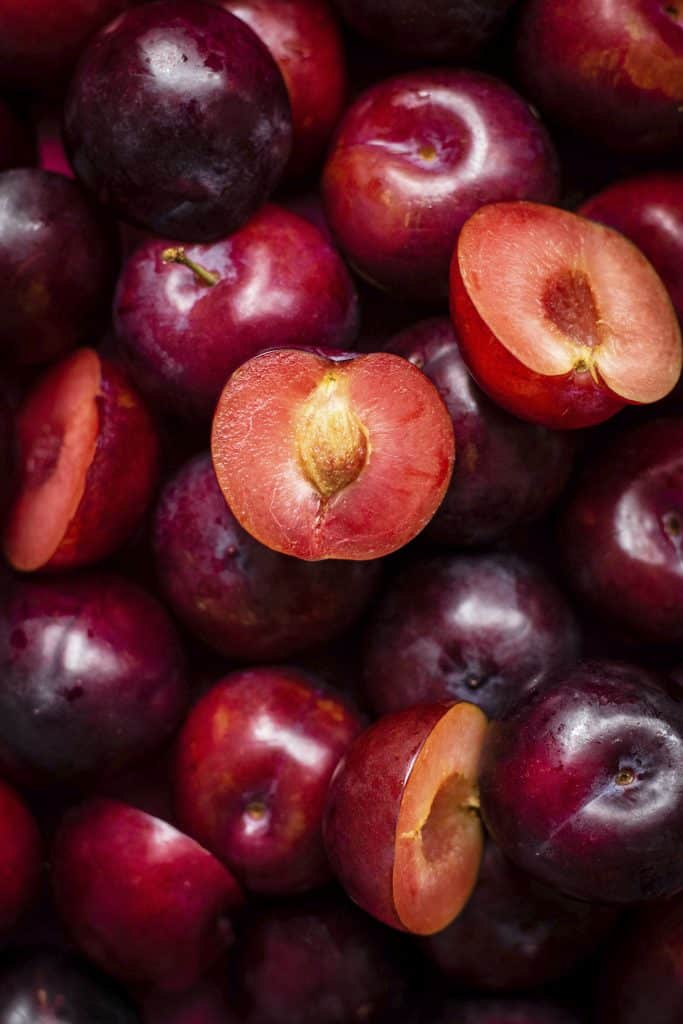
5. Italian Prune Plums
Not the big round plums stores sell now, but the small oval freestone plums that showed up for a few weeks every fall. Grandparents baked them into cakes, canned them by the dozen, and dried them for winter.
Their short season made them an event. When they arrived, you dropped everything and dealt with plums.
Readers Can't Stop Opening These
★ 23 Old-Fashioned Money Habits Quietly Coming Back

4. Dates
Date-nut bread, stuffed dates at the holidays, dates chopped into oatmeal: they were everywhere in mid-century kitchens. Then they got rebranded as a fancy health food with a fancy price tag.
Your grandparents bought them in humble blocks and treated them as pantry candy. A few dates and a smear of peanut butter still beats most packaged snacks, including plenty of the snack foods that are healthier than they look.

3. Fresh Apricots
A ripe apricot off a backyard tree is one of the great fruits on earth. The supermarket version, picked hard and shipped far, tastes like disappointment, so people stopped buying them and the spiral continued.
Grandparents canned them in syrup and dried them on screens. If you ever find truly local ones in early summer, buy every last one.
2. Crabapples
Crabapple trees still bloom on lawns everywhere, but the fruit just falls and rots now. Grandmothers turned those tart little apples into ruby-colored jelly and spiced pickled crabapples that showed up at every holiday table.
They’re loaded with natural pectin, which is why old jelly recipes leaned on them. Free fruit, free thickener, zero waste. That was the whole philosophy, and it echoes through every one of the weird frugal hacks our grandmothers used to survive on nothing.

1. Grapefruit
Half a grapefruit with a serrated spoon was the definitive grandparent breakfast. Some households ate it every single morning for fifty years, sprinkled with sugar or, for the bold, a little salt.
Then it fell off a cliff. Sweeter breakfast options crowded it out, and widely publicized interactions with certain common medications gave a whole generation a reason to skip it. Ask your pharmacist if that applies to you, because for many people it doesn’t.
The fruit itself never got worse. A good ruby grapefruit is juicy, bittersweet, and more refreshing than anything in the juice aisle.
It’s also filling for very few calories, the kind of math that lands it near foods on our list of foods with calorie counts so low they almost look fake. Grandparents didn’t count a thing. They just knew it held them until lunch.
Buy one this week. Eat it with the fancy spoon if you have one. Somewhere, a grandparent approves.
Before the Produce Aisle Wins
If you only bring back a few of these, make it the easy ones: a head of cabbage, a bunch of beets with the tops on, and one grapefruit for breakfast. That’s a couple dollars and three forgotten foods rescued in a single trip.
Most of this list survived generations of tight budgets, which is exactly the spirit behind the frugal foods every 90s kid ate without realizing money was tight. Cheap and nourishing were never opposites.
And if greens are your gateway, start with the rankings in our roundup of vegetables ranked by protein content, then work your way back to the mustard greens and chard your grandparents already knew were winners.
Enjoyed this article? Here are more fun reads:
