
31 Things in Grandma’s Kitchen That Never Touched Plastic (And Why They’re Back)

This post may contain affiliate links. We may earn a commission at no extra cost to you. See our full disclosure.
Open your grandmother’s kitchen drawers in 1955 and you’d find very little plastic in them. Not because she was making a statement. Plastic just hadn’t fully moved in yet.
Her bowls were stoneware. Her pans were iron or steel, her storage was glass, and her cutting board was a slab of wood that had outlived two refrigerators.
Now that researchers keep finding tiny plastic particles in food, water, and pretty much everything else, a lot of those old materials are quietly showing up again. If you’ve read about the everyday foods carrying more microplastics than anyone expected, you already know the kitchen is where a lot of it starts.
This list counts down 31 things from grandma’s kitchen that never had a speck of plastic in them, starting with the small stuff and finishing with the one swap that does the most work. A few of them deserve the comeback. A couple are honestly better left at the antique store.
Let’s open the drawers.

31. Metal Ice Cube Trays With the Pull Lever
Aluminum tray, a lever down the middle, and a crack you could hear from the next room. You pulled the handle back and the cubes popped loose, mostly.
Nobody should romanticize these. Cubes shattered into shards, the lever froze to your fingers, and half the tray stayed stuck.
Stainless versions are back for people who don’t want their ice sitting in plastic all week. They work better than the originals, which is a low bar.

30. The Hand-Crank Egg Beater
Two metal beaters, a gear wheel, and a crank you turned until your wrist gave up. It whipped eggs, cream, and pancake batter without a cord or a plug.
Most electric mixers today live in plastic housings with plastic bowls to match. The hand-crank version is all metal, costs very little at flea markets, and never needs an outlet.
It will not replace a stand mixer for bread dough. For four eggs on a Sunday, it’s faster than digging the mixer out of the cabinet.

29. The Squeeze-Handle Flour Sifter
Picture a tin cup with a fine screen at the bottom and a trigger handle that rattled a wire across it. Every cake recipe in the family started here.
Modern recipes mostly skip sifting, and plenty of modern sifters are plastic anyway. The old metal ones still aerate flour beautifully and double as a powdered sugar duster.

28. The Glass Citrus Reamer
Fresh lemonade started with a ridged glass dome sitting in a shallow dish with a pour spout. Halve a lemon, press, twist, and the juice collects underneath while the seeds stay behind.
Before You Shop
Clothing, home goods, and frequent Kohl's Cash offers.
Curated daily at AllTheGoodStuffDaily.com
That’s the whole machine. No motor, no plastic strainer basket, nothing to crack in the dishwasher.
Vintage ones in pale green or milky white sell for a few dollars at estate sales, and they work exactly as well as the day they were made.

27. The Metal Bread Box
Bread lived in a tin box with a roll-top lid, parked on the counter next to the stove. Not in a plastic bag, and definitely not in the fridge.
The box kept loaves from drying out too fast while letting enough air through to slow down mold. Crusty bakery bread often holds its texture better in one than in a bag.
If you’re wondering how long a homemade loaf actually holds up, this full rundown on how long pantry staples really last covers bread and the rest of the counter.

26. The String Market Bag
Cotton mesh that folded into nothing and stretched to hold a week of groceries. It hung on a hook by the back door with the car keys.
Plastic grocery bags took over through the late 70s and 80s and pushed it out almost completely. Now string bags are back for produce runs, and they still fit in a coat pocket.
It belongs with the other things thrifty grandmothers refused to throw away, because one bag could easily last a decade.
Keep Reading
Worth a look before you keep going:
→ the things people stopped buying and never missed

25. Flour Sack Towels
Thin, plain cotton towels, originally sewn from the sacks flour came in. They dried dishes, covered rising dough, strained jelly, and wrapped warm biscuits.
They’re lint-free, they dry fast, and they get softer with every wash. Microfiber cloths took over a lot of their jobs, and those are made from synthetic fibers that can shed in the laundry.
A stack of these is one of the cheapest ways to cut down on paper towels, which is why they show up so often among the purchases frugal households simply skip.

24. The Mortar and Pestle
Stone, marble, or heavy wood, sitting on the counter like a small boulder. Grandma used it for peppercorns, garlic, and herbs long before anyone sold a spice grinder.
Crushing releases more aroma than chopping, and you can feel when it’s done. Many small electric grinders have plastic lids and cups, so this is a quiet upgrade.
It’s also nearly indestructible. Drop it and you’ll damage the floor before you damage the mortar.

23. Butcher Paper and Twine
Meat came from the counter wrapped in paper and tied with string, not sealed on a foam tray under plastic film. You unwrapped it, cooked it, and that was the end of the packaging.
Here’s the catch nobody mentions. A lot of today’s freezer paper has a thin plastic coating on one side, so paper doesn’t always mean plastic-free.
Plain uncoated butcher paper is still sold and still works for short-term wrapping. For the freezer, glass or stainless containers are the more honest swap.

Reader Favorite41 Gifts You Can Mail That Mean More Than a Thousand Texts
Holiday care packages and small gifts people actually keep.
Read This Next
22. Glass Milk Bottles
Milk showed up on the porch in heavy glass bottles with paper or foil caps. You rinsed the empties and set them back out for the milkman.
Small dairies are bringing them back, usually with a bottle deposit. A single bottle can make the round trip dozens of times before it retires.
It costs a little more than the plastic jug. The deposit system was basically grandma’s version of recycling, and it’s one of the old-fashioned habits making a real comeback.

21. The Metal Box Grater
Four sides, four hole sizes, and a handle on top. It shredded cheese, zested lemons, and grated potatoes for hash browns.
A good stainless one lasts forever, which is more than you can say for the plastic-bodied rotary graters that crack at the hinge. Keep your knuckles back, though. That part hasn’t changed since 1950.

20. Cheesecloth
Loosely woven cotton, sold folded in a little packet. It strained stock, made farmer’s cheese, bundled herbs for soup, and covered the top of a fermenting crock.
Most modern strainer bags and nut-milk bags are nylon. Plain cotton cheesecloth does the same work and can be washed and reused a few times if you’re gentle with it.
While You're Here
37 Things Your House Doesn't Need After 30
A room-by-room look at what most homes can quietly let go of.

19. The Metal Colander
Every kitchen had a dented colander with three little feet, usually enamel or aluminum. Pasta, berries, and canned beans all went through it.
Plastic colanders are lighter and cheaper. They also get blasted with boiling water every time you drain pasta, which is exactly the situation where plastic is least happy.
Stainless steel versions cost a little more and will outlive the kitchen they’re in.

18. Metal Measuring Cups and Spoons
Nested aluminum or steel cups on a ring, with the sizes stamped right into the handle. The spoons hung on a matching ring in the drawer.
Plastic measuring sets fade, warp in the dishwasher, and lose their markings within a few years. The metal ones from grandma’s drawer are still perfectly readable after a lifetime of use.
This is a cheap swap that just makes the kitchen better. Nobody needs convincing.

17. The Stovetop Percolator
Mornings used to sound like gurgling. A tall steel or enamel pot sat on the burner with a glass knob on the lid, and you judged the strength by the color bubbling up into it.
Fair warning: percolator coffee is often bitter, because the brew cycles through near-boiling water over and over. Fans love it anyway, and it’s all metal and glass with no plastic water tank.
Quick Money-Saver
Weekly markdowns, clearance, and Target Circle savings.
Curated daily at AllTheGoodStuffDaily.com
If flavor matters most, a ceramic or steel pour-over cone gets you plastic-free coffee without the bite.

16. The Clay Bean Pot
Saturday beans needed their own pot. It was squat, glazed, and narrow at the mouth, and the clay held heat evenly so nothing scorched during a long afternoon in the oven.
It’s the same low-and-slow logic behind a lot of the budget dinners moms made on repeat, just one generation earlier. Modern slow cookers have ceramic inserts, but the housings and handles are often plastic.
A clay pot in a low oven does the job with nothing but clay, beans, and patience.
Myth: Grandma’s kitchen was plastic-free because people back then were more careful about what touched their food.
Reality: It was plastic-free because plastic was expensive or didn’t exist yet. She bought whatever was cheap and built to last, and that happened to be glass, iron, wood, and steel.

15. Stoneware Mixing Bowls
Heavy, glazed, usually tan or cream with a blue stripe around the rim. They nested on the bottom shelf and weighed about as much as a toddler.
That weight is the point. They don’t slide around while you stir, they hold dough at a steady temperature, and they don’t scratch or stain the way plastic does.
We Think You'll Also Like
→ 15 charcuterie boards that steal the show at any party
→ Thanksgiving for four: the full menu, timeline, and shopping list
→ the Sunday meal planning system that survived a real family
Check old ones for crazing, the fine crackle lines in the glaze. Bowls with heavy crazing or chips make better planters than mixing bowls.

14. Real Ceramic Plates for Everyone
Kids ate off the same stoneware plates as the adults. Breaking one was a lesson, not a disaster.
Melamine and plastic kids’ plates came later, and many of them carry labels warning against microwaving. Real dishes skip that question entirely.
One real caution: some old glazed dishes, especially brightly colored pieces from the mid-century era, can contain lead in the glaze. A vintage plate is fine on the wall, but test it before you eat off it.

13. The Glass Water Pitcher
There was always a tall glass pitcher in the fridge holding tap water, iced tea, or lemonade. On hot days it sweated a ring onto the shelf.
Plastic pitchers and filter jugs mostly replaced it. Glass keeps drinks cold, doesn’t hold onto smells, and lets you see exactly how clean it is.

12. Glass Baking Dishes
Clear glass casseroles with lids, plus the rectangle pan that showed up at every potluck. Tuna casserole, baked ziti, and peach cobbler all lived in them.
Most of the cheap weeknight dinners a whole generation grew up on came out of one of these. Glass bakes evenly and won’t react with tomato sauce.
One lesson grandma learned the hard way: glass can shatter from sudden temperature changes. Never move one straight from the freezer to a hot oven, or set a hot dish down on a wet counter.

11. The Stoneware Fermenting Crock
A big glazed crock sat in the cellar with a plate and a clean rock holding the cabbage under the brine. That was how a family had sauerkraut and pickles all winter.
Crocks are back because home fermenting is back, and the fermented foods grandma swore by turned out to be worth the trouble. Plastic buckets work, but stoneware doesn’t scratch or hang onto old smells.
If you’ve never tried it, start with a small batch of sauerkraut in a jar before committing to the big crock.
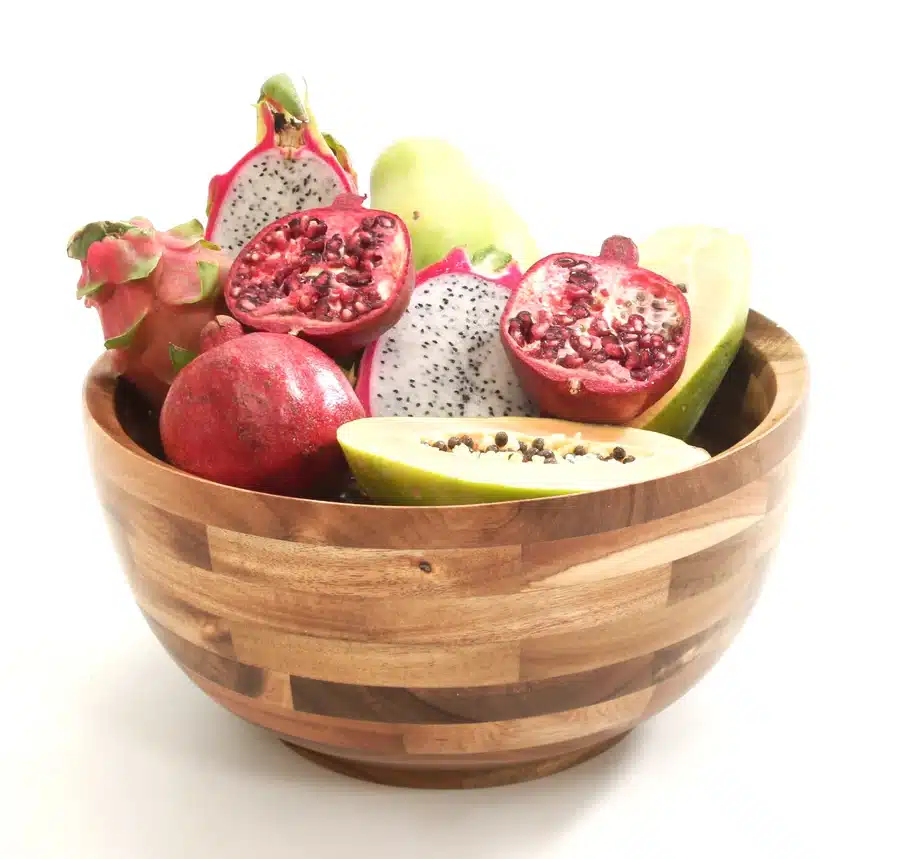
10. The Wooden Salad Bowl
Sunday dinner meant the big wooden bowl came down from the top shelf, dark from years of oil. It was never soaked, just rinsed and wiped dry with a towel.
Wood doesn’t chip like ceramic or cloud up like plastic. A rub of food-safe oil every few months keeps it from drying out and cracking.
Plenty of these got tossed in the 80s for acrylic serving sets. The acrylic scratched fast, and now the old wooden bowls are the ones people now hunt for secondhand.
Like how this is sounding? View the Hardwood Chef salad bowl on Amazon.

9. The Enameled Dutch Oven
Cast iron coated in glossy enamel, heavy enough to count as exercise. It went from stovetop to oven for pot roast, stew, and Sunday soup.
The downsides are real. New ones are expensive and brutally heavy, and a chipped interior means it’s time to retire one from cooking duty.
A good one can still outlast its owner, which is why it belongs with the household items most people replace way too soon.

8. The Wooden Rolling Pin
A long hardwood cylinder with handles, or just a plain dowel, kept in the drawer under a dusting of flour that never fully washed off. Pie crust, biscuits, and egg noodles all started here.
Wood holds a thin layer of flour on its surface, so dough sticks less. Silicone and plastic pins exist, and plenty of bakers still reach past them for the wood.
Wipe it, dry it, never soak it. That’s the whole care routine.

7. Glass Refrigerator Dishes With Glass Lids
Little rectangular glass boxes with flat glass lids, stacked in the fridge holding leftover gravy, butter, and half an onion. They often came in sets with raised patterns on top.
Fresh Markdowns
Set deals and new releases, right in time for gift season.
Curated daily at AllTheGoodStuffDaily.com
This is the swap most microplastics advice lands on first. Plastic containers wear down with heat and scrubbing while glass doesn’t, which is why the kitchen changes that actually make a difference lean so hard on it.
Modern glass containers usually come with plastic snap lids. The old all-glass sets skip that, and they show up at thrift stores more often than you’d think.

6. Stainless Steel Pots
Heavy-bottomed steel pots that rang like a bell when you set them down. Grandma boiled potatoes, made soup, and simmered sauce in the same handful of pots for forty years.
Nonstick coatings arrived in the 1960s and later raised questions about the chemicals used to make them and what happens when the surface scratches. Stainless has no coating to wear off.
Honest take: eggs will stick until you learn to heat the pan first and the fat second. Some people never make peace with that, and that’s fine.

5. The Whistling Stovetop Kettle
Enamel or steel, parked on the back burner at all times, screaming the moment the water boiled. Nobody ever missed tea time with that thing in the house.
Electric kettles are fast, but many have plastic bodies, plastic windows, or plastic parts where the water sits. Researchers have reported plastic particles in water boiled in plastic kettles, and the stovetop version sidesteps the question.
If you love electric, look for one with a stainless or glass interior. If you love the whistle, it never really left.

4. The Cast Iron Skillet
Black, heavy, and older than anyone in the house. It fried eggs, seared pork chops, baked cornbread, and spent its nights on the stovetop because it was too heavy to put away.
Readers Can't Stop Opening These
★ 37 Things You Stop Buying Once You're a Real Adult
★ 27 "Weird" Frugal Hacks Our Grandmothers Used to Survive on Nothing
A well-seasoned pan gets slicker with use and has no coating to scratch off. It’s a big part of the old-school household habits that saved families thousands, since one skillet replaced a whole cabinet of pans.
It does have limits. Long simmers in tomato sauce can strip the seasoning and leave a metallic taste, so save acidic dishes for stainless or enamel.

3. Loose Tea and a Metal Strainer
Grandma’s tea came in a tin, not a box of sealed bags. She spooned leaves into a mesh ball, steeped it, and dumped the leaves in the garden.
Some modern tea bags, especially the silky pyramid kind, are made from plastic mesh. A 2019 university study found that steeping certain plastic tea bags in near-boiling water released huge numbers of microscopic plastic particles into the cup.
Even some paper bags use a little plastic to seal the edges, though that varies by maker. Loose leaf in a stainless infuser skips the whole issue, and it usually tastes better too.

2. Glass Baby Bottles
Babies in the 1950s drank from heavy glass bottles that got boiled clean on the stove. Plastic took over later because it was lighter and didn’t shatter when dropped on the kitchen floor.
A 2020 study found that polypropylene baby bottles shed microplastics, especially when exposed to very hot water during sterilizing and formula prep. The researchers suggested simple workarounds, like mixing formula in a non-plastic container.
Glass bottles are back on store shelves, many with silicone sleeves to help with the dropping problem. They’re heavier and cost more, which is the trade grandma’s generation made without even thinking about it.
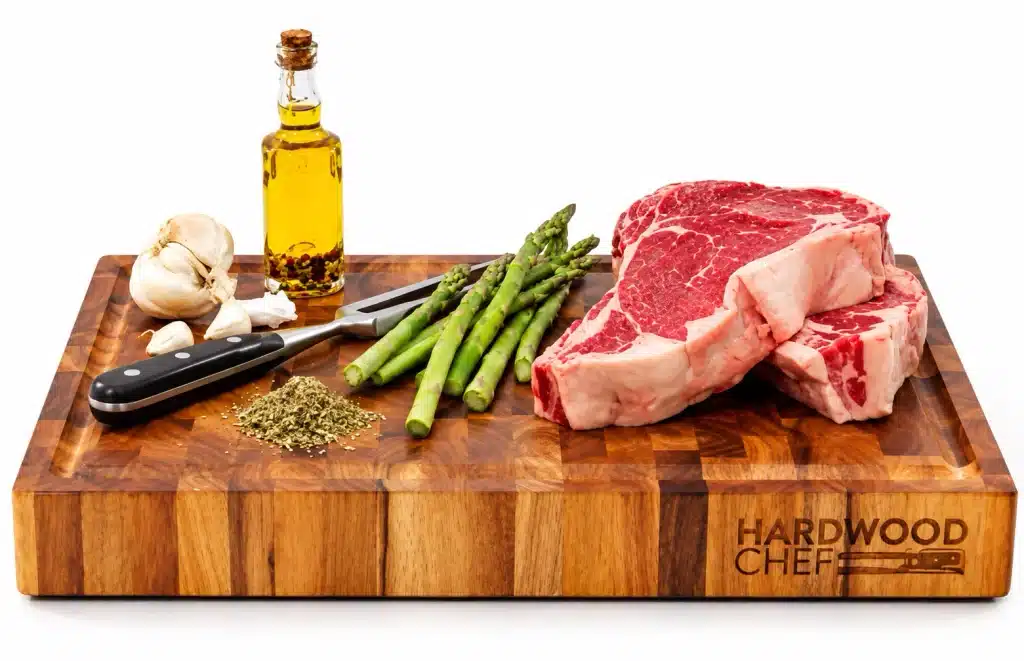
1. The Wood Cutting Board
Every grandmother had one. A thick slab of maple or oak, scarred from decades of onions and Sunday roasts. It got oiled with whatever was in the cupboard and never once saw a dishwasher.
Then plastic boards showed up, sold as the cleaner, dishwasher-safe choice, and the wood went out to the garage. It turns out every knife stroke on a plastic board can scrape off tiny bits of the board itself.
More to Read
→ 31 Money Habits Grandparents Swore By That Actually Still Hold Up
→ 27 Home Items You're Definitely Replacing Too Soon
→ 31 "Junk" Cereals That Are Secretly Better For You Than You Think
A 2023 study in an environmental science journal measured the particles released by chopping on plastic boards and estimated that regular home cooks could be exposed to a meaningful amount over a year. Findings like that are sending people right back to the old-fashioned board.
Like how this is sounding? View the Hardwood Chef cutting board on Amazon.
Wood isn’t perfect. It needs oil every month or so, it can’t go in the dishwasher, and a cheap thin board will warp. A thick end-grain board, where the wood fibers point straight up, lets the knife slip between fibers instead of slicing across them, so it scars less and lasts longer.
Of everything on this list, this is the swap that touches the most food. Every vegetable, every loaf, and every cut of meat you prep passes over it, which is why it takes the top spot.
One More Thing: If your plastic board looks fuzzy and gouged, that’s your sign to replace it. This thick acacia end-grain board is a good example of one built to last for generations, the way grandma’s did.

Back to Grandma’s Drawer
If you only do a few things from this list, start with the cutting board, the glass leftover containers, and whichever pot sees the most boiling water. Those three handle the most food at the highest heat, which is where plastic wears down fastest.
Everything else can happen slowly. Flea markets, estate sales, and your own family’s basement are full of glass, iron, and steel that already survived one lifetime.
Grandma’s kitchen had plenty of other gadgets that didn’t make this cut, and you’ll find a lot of them among the things that vanished from American kitchens over the years. Her pantry deserves a look too, starting with the staples that last longest on the shelf.
And if the frugal side of all this appeals to you, her strange-sounding hacks for getting by on almost nothing pair nicely with a kitchen that never needs replacing.
Enjoyed this article? Here are more fun reads:
