
23 Old-School Household Habits That Will Secretly Save You Thousands

This post may contain affiliate links. We may earn a commission at no extra cost to you. See our full disclosure.
Nobody in 1972 called any of this a money system. It was just how a house got run, week after week, without much discussion.
The savings were real anyway. Not flashy, not fast, but the kind that piles up quietly across decades until the total would surprise you.
Most of these habits died for the same reason. Something faster showed up, and the old way started to feel like effort for no payoff. A few of the old-fashioned money habits that are quietly coming back are returning for exactly the opposite reason.
Some of that abandonment was fair. Two or three of these genuinely are not worth your time anymore, and I will say so when we get to them.
The rest still work. Counting down from 23, ending with the single habit that saves more than the other 22 put together.

23. Closing the Curtains at Night
Heavy curtains were never a decorating choice in an old house. They were insulation you could pull across a window in two seconds.
The rule ran on a schedule. Closed after dark in winter, closed against the afternoon sun in summer, open on cold sunny mornings to let the free heat in.
Costs nothing if the curtains are already hanging there. Works best on old single-pane windows, which is exactly where the heat was escaping in the first place.

22. Flipping the Ceiling Fan Switch
There is a small switch on the housing of almost every ceiling fan, and hardly anyone touches it. It reverses the blade direction.
Summer setting pushes air straight down at you. Winter setting spins the other way on low speed, pulling air up and rolling the warm air trapped at the ceiling back down along the walls.
Two seconds of work, twice a year. The winter position is the one people skip, and it is the one that lets you drop the thermostat a degree without anyone in the house noticing.

21. Turning Worn-Out Clothes Into Rags
A dead t-shirt is a bag of cleaning cloths that somebody already paid for. Cotton, absorbent, and free.
The system was always the same. Shirts and towels get cut down, buttons and zippers come off first, and the whole pile lives in a bag under the sink.
Paper towels became one of the things frugal people quietly stopped buying, and this is why. A rag does the greasy jobs better anyway.
Fast Math: A household going through a roll or two of paper towels a week typically spends somewhere north of $100 a year on them. Cutting that in half with free rags is boring, permanent money.

20. Descaling the Kettle and the Coffee Maker
Hard water kills small appliances slowly enough that nobody blames the water. The heating element scales up, works harder, and eventually quits.
A vinegar run once a quarter, followed by two cycles of plain water, handles it. Takes ten minutes, and nine of them happen while you do something else.
A coffee maker that dies at year three instead of year eight is a purchase you made for no reason. Same story with kettles, steam irons, and humidifiers.

19. Cutting Hair at Home
Clippers, a kitchen chair, and an old bedsheet for a cape. For a family with three kids, this was not frugality so much as arithmetic.
Now for the part nobody says out loud. Be selective about this one.
Keep Reading
Related, and worth the detour:
Buzz cuts, fades on a patient kid, and trimming your own bangs are all fine. Layered cuts, curly hair, and anything you will be looking at in photographs for the next decade are not. A bad home haircut costs money to fix and six weeks of quiet resentment.
Fast Math: A decent clipper set runs roughly $30 to $60 and lasts years. One barber visit a month for one person typically runs $240 to $420 a year.
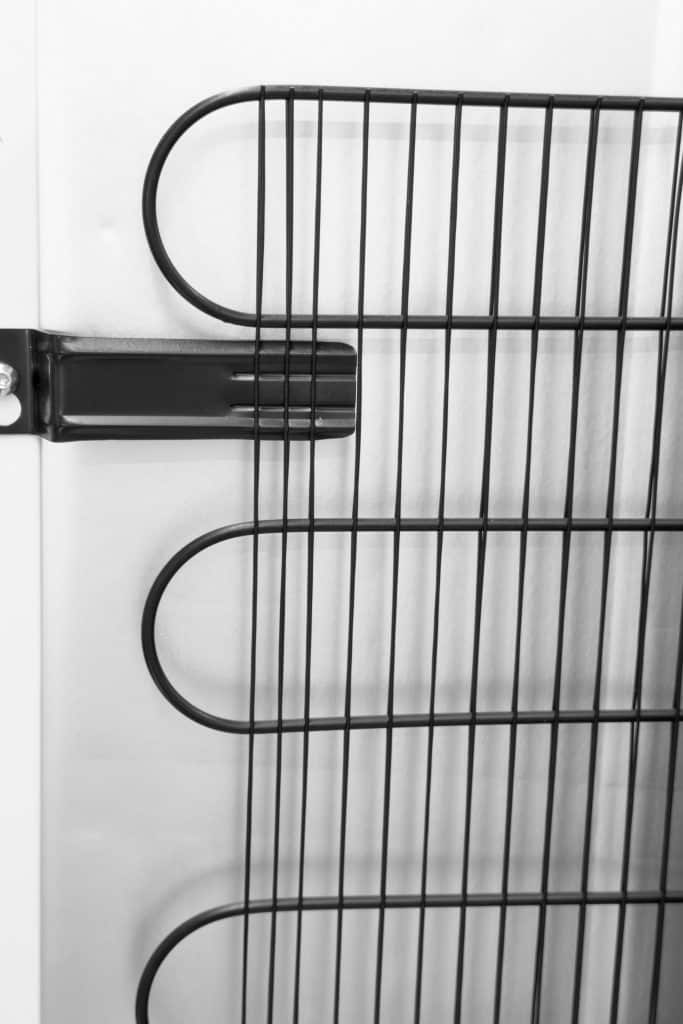
18. Vacuuming the Refrigerator Coils
Pull the fridge out twice a year and look behind it. That grey felt on the coils is dust, and dust is a blanket.
Insulated coils cannot dump heat, so the compressor runs longer to hold the same temperature. It works harder for years and then it stops working at all.
The refrigerator is one of the only things in a house running all 8,760 hours of the year. Small inefficiencies there are not actually small.
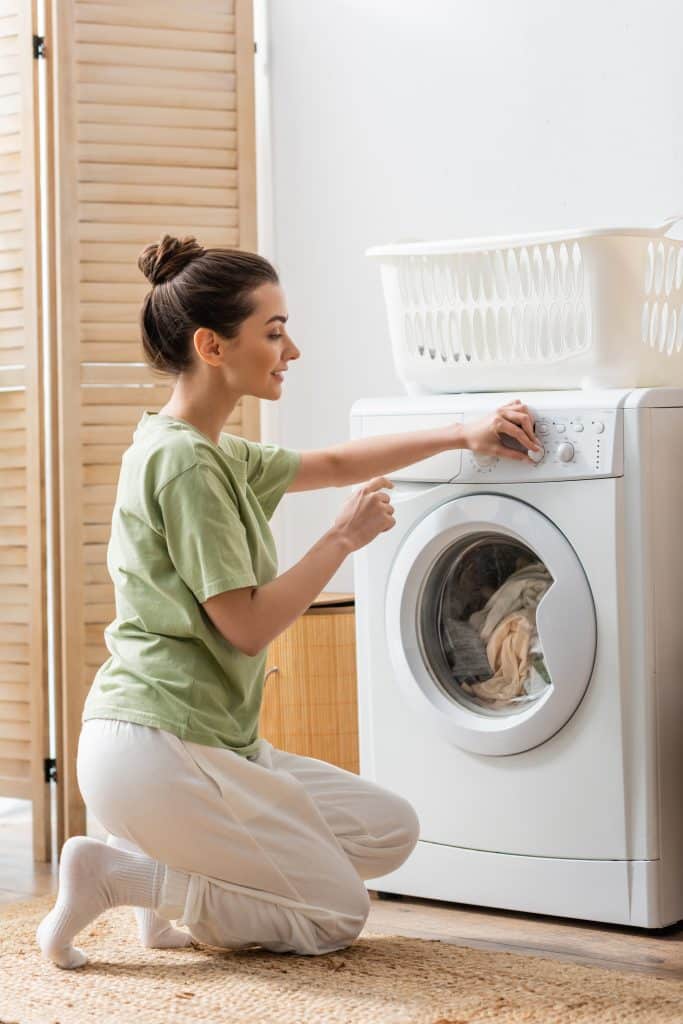
17. Cleaning the Dryer Vent, Not Just the Lint Trap
Everybody empties the lint trap. Almost nobody touches the flexible duct running from the back of the dryer to the wall.
A packed vent means longer cycles, a hotter machine, and a shorter dryer life. It is also a genuine fire risk, which moves this out of the frugal column and into the sensible one.
Once a year, unplug the dryer, pull it out, and run a brush through the duct. Do the outside vent flap while you are at it.
Fast Math: A vent brush kit costs roughly $15 to $30 and lasts basically forever. Having someone come do it typically runs $100 to $200 a visit.
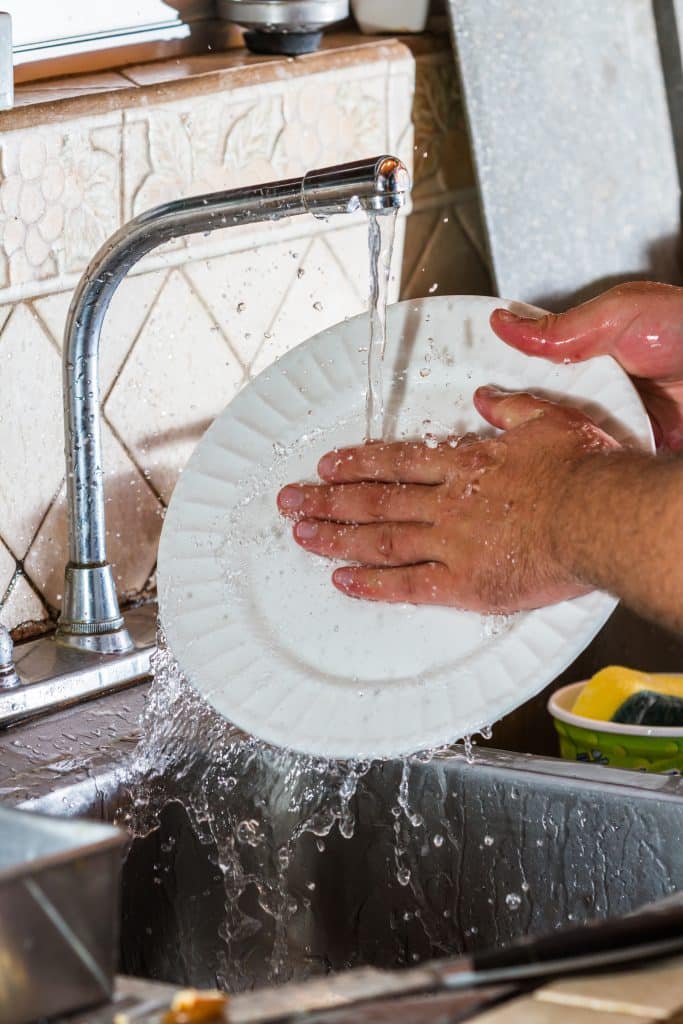
16. Hand-Washing Whatever Says Hand-Wash
Care tags are not suggestions written by a nervous lawyer. Wool, silk, and anything knit loosely gets wrecked by the machine, just slowly enough that you blame the garment instead.
Cool water in the sink, a drop of gentle soap, ten minutes of soaking, then press the water out with a towel. Never wring, and never hang a wet sweater on a hanger.
That routine is the difference between a good sweater lasting two winters and lasting fifteen. Ask anyone who still owns their grandfather’s cardigan.

15. Flipping and Rotating the Mattress
Mattresses used to get flipped on a schedule, usually whenever the seasons turned and the sheets got swapped. Most modern ones are one-sided and cannot be flipped.
They can still be rotated. Spin it head to foot every three or four months so the same two hip-shaped depressions are not carrying the whole load.
While You're Here
27 "Weird" Frugal Hacks Our Grandmothers Used to Survive on Nothing
Odd, stubborn, and still undefeated. Some of these will make you rethink your grocery run.
It is a five-minute job that nobody schedules and everybody forgets. Tie it to something you already do seasonally and it will actually happen.
Fast Math: Mattresses commonly run $600 to $2,000. Stretching one from seven usable years to ten is worth a few hundred dollars for about twenty minutes of annual effort.
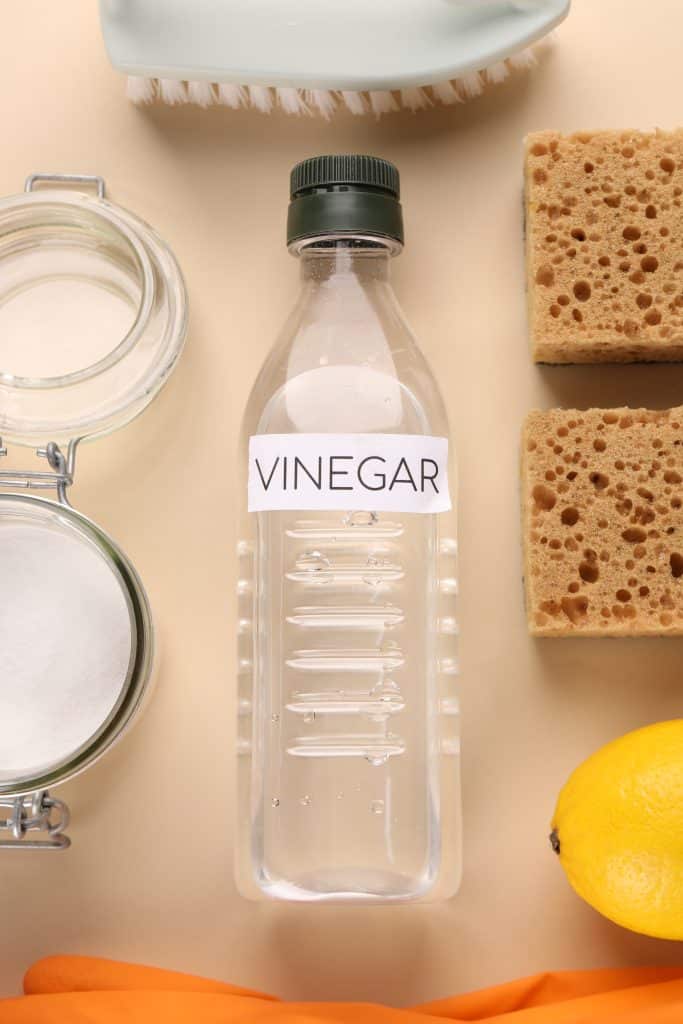
14. Cleaning With Vinegar and Baking Soda
Half of this habit is true and half of it is folklore that got repeated until it hardened. Worth separating them.
True: vinegar destroys hard water spots, mineral scale, and soap film on glass. Baking soda is a fine gentle abrasive for sinks, tubs, and scorched pans.
Not true: mixing the two makes a super cleaner. They neutralize each other on contact, and what you are left with is fizzy salt water.
Also not true: vinegar disinfects. It does not do that reliably, so keep something real under the sink for the bathroom and for the board you cut raw chicken on. Skipping the specialty sprays for everything else still knocks a line item off the grocery list, and the store-brand versions are usually among the cheap-aisle items that beat the name brand anyway.
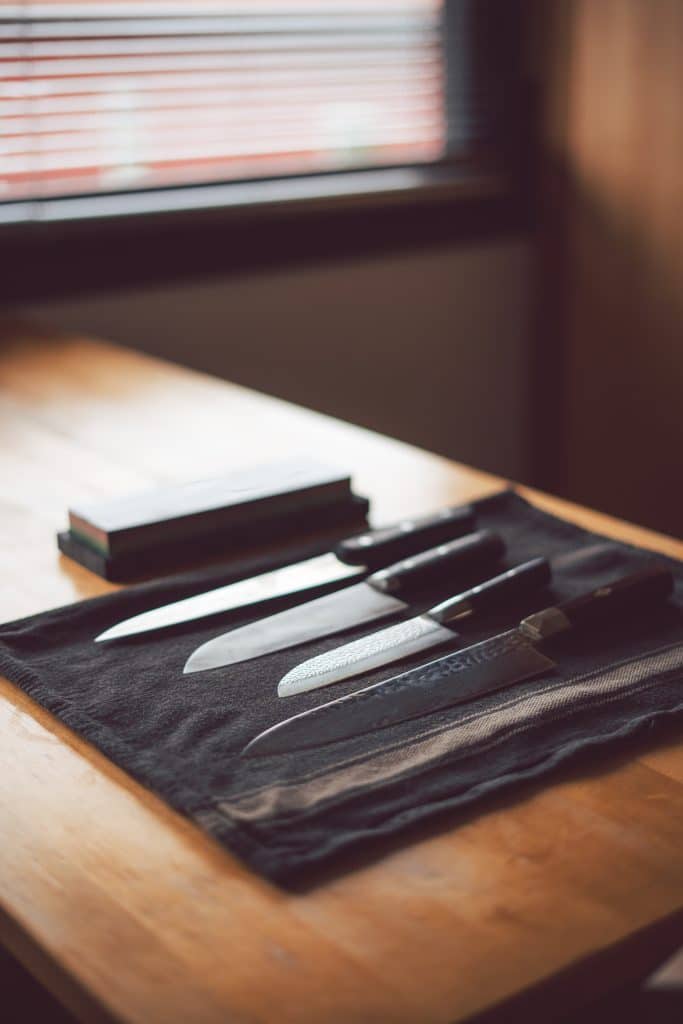
13. Sharpening Knives Instead of Replacing Them
A dull knife feels like a bad knife, which is how perfectly good knives end up in the donation box. Almost none of them were bad. They were just neglected.
A pull-through sharpener works, a whetstone works better, and a local sharpening service costs a few dollars a blade. Any of the three beats a new knife block.
Sharp knives are also safer, because a dull blade slides off an onion and into a thumb. That has nothing to do with money and everything to do with why the habit stuck around.
Myth: Buying the cheapest version of everything is the frugal move.
Reality: The old rule was more specific than that. Go cheap on consumables and generics, then buy the best you can afford for anything that takes weight or touches the ground. Boots, mattresses, tools, and cookware get replaced constantly when you buy them badly, and some of the money habits advisors say are actually fine are exactly the ones where people spend up on purpose.

12. Turning the Water Heater Down
Most water heaters ship set hotter than any household needs. Around 120 degrees is the common recommendation, and plenty of units arrive at 140.
That extra 20 degrees costs money every hour of every day, because the tank is holding that temperature whether anyone is home or not. It also scalds faster, which matters if there are kids or older adults in the house.
It is a dial. Turn it, wait a day, see if anyone complains.
Fast Math: Heating water is typically one of the largest slices of a home energy bill, often somewhere around 15 to 20 percent. Trimming a slice that big by even a tenth shows up on the statement.
We Think You'll Also Like
→ the cheapskate tricks that sound ridiculous but quietly work
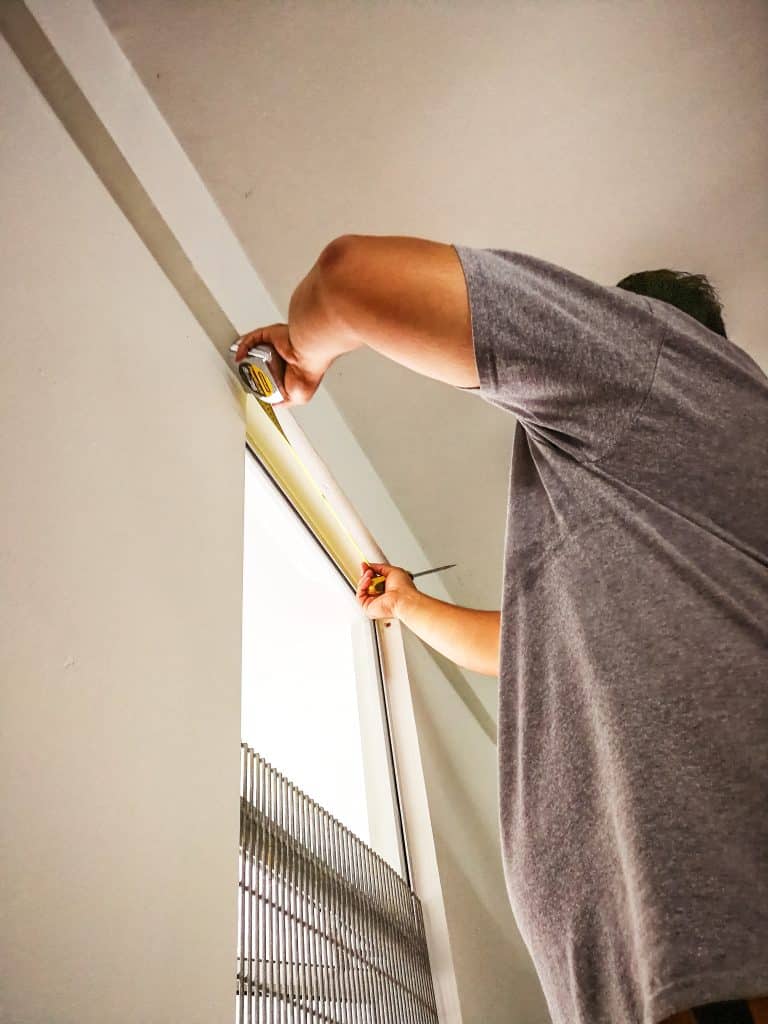
11. Draft-Proofing Before the Cold Arrives
October was weatherstripping month, and it was not optional. Doors got sweeps, windows got film, and the drafty back door got a fabric tube stuffed with rice at its base.
The trick was doing it before the first cold snap instead of during it. Once the wind is howling, you are buying supplies at whatever price the hardware store feels like charging.
Per dollar spent, this is probably the highest-return repair in a house. Twenty dollars of foam tape against a season of heat walking out the gap under a door is not a close contest.

10. Cold Water, Full Loads, Every Time
Here is the part that surprises people about laundry. Almost none of the energy goes into spinning the drum.
It goes into heating the water, which means the temperature dial is the actual cost control. Modern detergents are formulated to work cold, and cold water is gentler on color and elastic anyway.
The full-loads half matters just as much. A half-empty machine uses close to the same water and power as a full one, so two lazy loads cost roughly double one patient one.
Fast Math: Roughly 75 to 90 percent of a typical wash cycle’s energy goes to heating water. Switching to cold removes most of that line item outright.

9. Air-Drying Clothes on a Rack
A folding drying rack is the least glamorous object a person can own. It is also one of the most useful, and it costs about the same as two takeout coffees.
The clothes dryer is one of the largest single power draws in a house, right behind heating and cooling. Skipping even half your loads shows up on the bill.
The bigger win is slower and easier to miss. All that lint in the trap is your clothing, leaving in small grey pieces, load after load. Air-dried shirts keep their shape and their printing for years longer, which is money you never spend on replacements.

8. Buying Whole Chickens and Breaking Them Down
Per pound, a whole bird is almost always cheaper than the same bird cut into parts. You are paying somebody else for twenty minutes of knife work.
Two breasts, two thighs, two drumsticks, two wings, and a carcass. Watch a video once and the second time you do it takes ten minutes.
The carcass is the part people throw away and shouldn’t. Simmered with an onion, a carrot, and whatever long-shelf-life pantry staples you have around, it becomes stock that replaces a purchased product entirely.
Fast Math: Whole chickens typically run about half the per-pound price of boneless skinless breasts. On a bird feeding a family twice, that gap is a few dollars a week and a few hundred a year.
Dig Deeper
We Ran the Real Math on 12 Popular Frugal Habits (Most of Them Barely Pay)
The real dollar tally, guide-style - no "just skip the coffee" fluff.

7. Keeping a Mending Basket
A missing button is not a reason to lose a shirt. It becomes one when there is nowhere for the shirt to go except the back of the closet.
The basket is the entire trick. Torn hem, loose button, split seam, all of it goes in the basket instead of into a decision.
One evening a month clears the whole thing while something plays in the background. This sits near the center of the money habits grandparents swore by, and it works for the same reason it always did: repairing beats replacing on almost every math you can run.

6. Shopping the Pantry Before Shopping the Store
Before the list comes the inventory. Fifteen minutes going through the freezer, the fridge, and the back of the cupboards, writing down what is actually in there.
Almost every household is quietly buying its fourth jar of something while three unopened ones sit behind the cereal. The inventory kills that, and it usually produces two or three dinners you did not know you already owned.
It also stops the opposite failure. If you keep the staples worth stockpiling before winter, knowing what you have is the difference between a deep pantry and a graveyard of expired cans.

5. Cooking Dried Beans Instead of Canned
Dried beans are the classic frugal flex. The math is real, and it is also smaller than people usually claim.
Per meal, you are saving a dollar or two. That is worth doing if you cook a big pot on Sunday and freeze it in portions, and it is absolutely not worth feeling guilty about when you open a can on a Tuesday night.
Where it does pay is texture and control. Home-cooked beans hold their shape, the cooking liquid is worth keeping, and beans anchor a lot of the frugal foods people grew up on without realizing money was tight.
Fast Math: A pound of dried beans typically runs $1.50 to $3 and cooks up to roughly the equivalent of five or six cans. Cans usually run about a dollar each, so the spread is a few dollars per pound.

4. Cooking Once and Eating Three Times
Batch cooking is the habit that quietly kills takeout, and takeout is where most food budgets actually go to die. It is not about being organized. It is about being tired at 6pm and having something already made.
Double the recipe, eat one portion, refrigerate one, freeze one. The extra effort is maybe eight minutes of chopping, because the pot, the stove, and the cleanup are all happening regardless.
Soups, chilis, braises, and casseroles all improve on day two. Most of the cheap dinners people still remember their mothers making were built this way on purpose, which is why they showed up in rotation instead of one at a time.

3. Herbs on the Windowsill, Scraps in Water
Time to undercut the usual pitch. A backyard vegetable garden rarely pays for itself once you honestly count seeds, soil, water, fencing, and the hours.
Readers Can't Stop Opening These
★ 27 Things Frugal People Stopped Buying (And Don't Miss at All)
★ 35 Weird Frugal Habits That Actually Save Real Money
★ 25 Ways Real Families Are Quietly Cutting Their Monthly Bills
Herbs are the loud exception. A small package of cut herbs costs a few dollars, gets used once, and rots by Thursday, while a pot of the same plant on a sunny sill costs a few dollars once and keeps producing for months.
Scraps are the other exception, since the kitchen scraps you can regrow take a jar of water and no skill at all. If you do go bigger, plants that keep garden pests away without chemicals are worth planting around the edges, because pest damage is what turns a break-even garden into a losing one.

2. Writing Down What You Actually Spend
The oldest household money habit is also the least fun, which is why it keeps getting replaced by apps that people stop opening after three weeks. A notebook works. A spreadsheet works.
The point was never the record. It is the noticing, and noticing tends to change behavior before any budget does.
One full month is usually enough to surface the recurring charges nobody remembers signing up for. Running the numbers through a plain budget calculator afterward turns a pile of receipts into an actual picture, and it pairs well with the money moves that get your finances under control.
Fast Math: One forgotten $12 monthly charge is $144 a year. Three of them is more than most people save with every other habit on this list combined.

1. Fixing Small Things the Week They Break
This is the one. Everything above it is a habit, and this is closer to a reflex, which is why it outperforms the other 22 without much competition.
A running toilet is a flapper. A dripping faucet is a washer. A door that will not latch is a strike plate moved a quarter inch, and a soft spot on the bathroom floor is a wax ring that failed eighteen months ago.
Left alone, every one of those grows into a different animal. The flapper becomes a water bill, then a bill you argue with the utility about. The wax ring becomes subfloor, and subfloor becomes a contractor.
The old version of this habit was a Saturday morning walk-through. Somebody went room to room with a screwdriver and a notepad, looking for the small stuff: loose handles, slow drains, a window that sticks, a grout line starting to go.
What made it work was the deadline, not the skill. The rule was never someday. It was this week, and that single word is the entire difference between a five-dollar part and a four-figure repair.
Fast Math: A toilet flapper typically costs $5 to $12 and takes ten minutes. A slow leak that reaches the subfloor turns into a four-figure job, and the gap between those two numbers is the whole point of this article.

Where the Money Actually Comes From
Twenty-three habits is a lot to adopt at once, and nobody does. So here is the compressed version.
Do three things. Fix small breakages the week they happen, wash cold in full loads, and write down a full month of spending before you decide anything else. Those three carry most of the total, and the rest are bonuses you can add whenever they stop feeling like chores.
What ties all of these together is the timeline. None of them pay off this week, which is exactly why they got abandoned, and exactly why the strange-sounding frugal habits that actually save real money keep resurfacing in every generation that runs the numbers.
Once the leaks are plugged, the saved money needs somewhere to go or it evaporates back into ordinary spending. Point it at a target using a savings goal tracker and it stops being invisible.
Start with the toilet flapper. It is a genuinely satisfying ten minutes.
Enjoyed this article? Here are more fun reads:
