Best Lactation Supplements for Breastfeeding (2026) – Top 10 Reviewed
Lactation supplements have become essential allies for nursing mothers looking to optimize milk production and maintain their own nutritional needs during breastfeeding. Whether you’re dealing with supply concerns or simply want nutritional support during this demanding phase, the right supplement can make a meaningful difference.
Quality lactation products prioritize bioavailable ingredients, clean formulations free from additives that could pass through breast milk, and nutrients proven to support both milk production and maternal health. Here are our top 10 picks for 2026.

| Product | Key Ingredients | Servings | Form | Best For |
|---|---|---|---|---|
| Needed. Hydration Support | Electrolytes, Trace Minerals | 30 | Powder Packets | Best Overall |
| Needed. Prenatal D3/K2 | Vitamin D3, Vitamin K2 | 60 | Capsules | Best for Vitamin D |
| Pink Stork Choline | VitaCholine 550mg | 30 | Capsules | Best for Brain Development |
| Zazzee Organic Fenugreek | Fenugreek 30:1 Extract | 120 | Capsules | Best Galactagogue |
| Gentle Iron for Women | SunActive Iron, B12, Folate | 20 | Tablets | Best for Iron |
| Needed. Prenatal Choline+ | Choline, Liquid Capsule | 30 | Liquid Caps | Best Premium Choline |
| Legendairy Milk Hot Girl Ish | 50B CFU, 20 Strains | 30 | Capsules | Best Probiotic |
| NATURELO Vegan DHA | Algae-Based Omega-3 | 120 | Softgels | Best Vegan Omega-3 |
| Legendairy Milk Dynamic Duo | DHA, Methylated Folate, 25 Vitamins | 30 | Capsules | Best Prenatal Multi |
| Organic Goat’s Rue | USDA Organic Goat’s Rue | 60 | Capsules | Best Budget Galactagogue |
1. Needed. Hydration Support – Best Overall
Why it stands out: This electrolyte formula was specifically designed for pregnancy and lactation, addressing the increased hydration demands of breastfeeding with a clean ingredient profile and real fruit flavoring.
Breastfeeding increases fluid needs by approximately 25%, and plain water often doesn’t cut it for optimal hydration. Needed.’s Hydration Support delivers a balanced electrolyte blend with trace minerals specifically calibrated for nursing mothers—not just repurposed sports drink formulas. The formula includes sodium, potassium, magnesium, and a spectrum of trace minerals that support milk production and maternal energy levels.
The grapefruit flavor comes from real fruit rather than artificial sweeteners, making it safe for breastfeeding without the concerns that come with synthetic ingredients. The formula is lightly sweetened, avoiding the overly sugary profile of mainstream electrolyte drinks. Each box contains 30 individual packets—one per day for a full month of support, perfectly portioned for on-the-go mixing.
Pros:
- Formulated specifically for pregnancy and lactation
- Clean ingredients with real fruit flavoring
- Convenient single-serve packets
- Third-party tested for purity
Cons:
- Higher price point than generic electrolyte mixes
Best for: Nursing mothers who struggle to stay adequately hydrated or experience fatigue, headaches, and muscle cramps—common signs of dehydration during lactation.

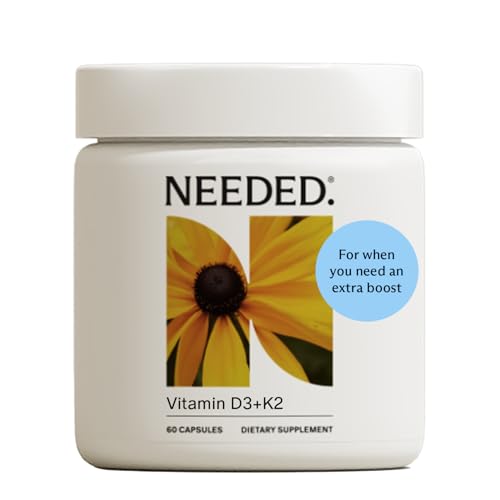
2. Needed. Prenatal D3/K2 – Best for Vitamin D
Why it stands out: This expertly-formulated D3/K2 combination supports breast milk vitamin D levels while pairing two synergistic nutrients that work dramatically better together than alone.
Vitamin D deficiency affects up to 70% of breastfeeding mothers, and the AAP recommends supplementation for both mom and baby. The problem? Most breast milk contains insufficient vitamin D unless mom is supplementing at higher levels. Needed.’s formula combines D3 with K2 for optimal calcium metabolism—K2 directs calcium into bones rather than soft tissues, making this combination superior to D3 alone.
The formulation is designed to support healthy breast milk vitamin D transfer, potentially reducing or eliminating the need for separate infant vitamin D drops. Contains 60 capsules for a two-month supply when taken as directed, offering strong value. The formula is suitable across the entire motherhood journey—from fertility through pregnancy, breastfeeding, and postpartum recovery.
Pros:
- Synergistic D3/K2 combination for optimal absorption
- Supports breast milk vitamin D transfer
- Third-party tested and expert-backed formulation
- Suitable for fertility through postpartum
Cons:
- Requires additional purchase for complete prenatal coverage
Best for: Mothers with low vitamin D levels, those in northern climates with limited sun exposure, or anyone wanting to optimize vitamin D content in breast milk.
3. Pink Stork Choline – Best for Brain Development
Why it stands out: Uses VitaCholine, a premium branded form of choline bitartrate, at the full 550mg daily dose that research shows is optimal for breastfeeding mothers.
Choline is arguably the most important nutrient missing from most prenatal vitamins, yet it’s critical for infant brain development during the critical first years of life. Pink Stork delivers 550mg of choline from VitaCholine, a clinically-studied branded form that ensures consistent quality and potency. This meets the adequate intake level established specifically for lactating women.
Choline passes readily through breast milk and directly supports baby’s cognitive development, memory formation, and neural tube integrity. It also benefits mom by supporting liver function and helping process the increased fat metabolism that comes with breastfeeding. The once-daily capsule format makes compliance easy—no multiple doses to remember throughout the day. The 30-count bottle provides a full month’s supply.
Pros:
- Premium VitaCholine branded form
- Full 550mg recommended daily dose
- Specifically designed for pregnant and postpartum moms
- Simple one-capsule-per-day dosing
Cons:
- Choline only—requires additional supplements for complete nutrition
Best for: Mothers whose prenatal vitamin doesn’t contain adequate choline (most don’t) or who want targeted brain development support for their nursing infant.

4. Zazzee Organic Fenugreek 30:1 Extract – Best Galactagogue
Why it stands out: USDA organic certification combined with a concentrated 30:1 extract delivers the equivalent of 6000mg fenugreek per capsule—far more potent than standard fenugreek supplements on the market.
Fenugreek remains the most widely researched and commonly used herbal galactagogue worldwide, and Zazzee’s formula maximizes its milk-boosting potential through standardized extraction. The 30:1 concentration means each capsule delivers the active compounds equivalent to 6000mg of raw fenugreek seeds—making this one of the strongest options available without needing to take handfuls of pills.
USDA organic certification ensures the fenugreek is grown without synthetic pesticides or fertilizers, important when you’re breastfeeding and want to minimize toxin exposure. The 120-capsule bottle provides a full four-month supply at the recommended dosing, offering excellent value compared to smaller bottles that need frequent repurchasing. The formula is vegan, non-GMO, and manufactured in the USA under strict quality controls.
Pros:
- Highly concentrated 30:1 standardized extract
- USDA organic certified ingredients
- Excellent four-month supply value
- 100% vegetarian capsules
Cons:
- Fenugreek commonly causes maple syrup body odor
- Not suitable for those with legume or peanut allergies
Best for: Mothers actively working to increase milk supply who want a potent, pure, organic fenugreek supplement without fillers.

5. Gentle Iron Supplement for Women – Best for Iron
Why it stands out: Uses patented SunActive iron technology that’s clinically demonstrated to be gentle on the stomach while still delivering effective iron absorption where standard supplements often fail.
Iron deficiency is extremely common postpartum—some estimates suggest up to 50% of new mothers are iron-depleted, especially those who experienced significant blood loss during delivery. Traditional iron supplements are notorious for causing nausea, constipation, and stomach upset that leads many women to stop taking them altogether.
This formula uses SunActive technology, a slow-release iron delivery system that minimizes the GI side effects that plague conventional iron supplements. The 18mg dose falls within the recommended range for postpartum replenishment and is paired with synergistic nutrients: vitamin C boosts absorption, while B12, B6, and folic acid support energy production and help correct the fatigue that accompanies iron deficiency. The blister-sealed tablets maintain freshness and potency through the last dose.
Pros:
- Patented gentle slow-release technology
- Includes cofactors for optimal iron absorption
- Specifically formulated for prenatal/postpartum use
- Minimal GI side effects reported
Cons:
- Only 20 tablets per pack
- May need to repurchase frequently at higher doses
Best for: Anemic or iron-depleted mothers who have struggled with constipation, nausea, or stomach upset from previous iron supplements.

6. Needed. Prenatal Choline+ Liquid Capsules – Best Premium Choline
Why it stands out: Liquid capsule technology offers superior bioavailability and absorption compared to standard powder-filled capsules, delivering choline in its most usable form.
For mothers who want to maximize every nutrient they take, Needed.’s liquid capsule format represents the premium tier of choline supplementation. Unlike powder-filled capsules that need to dissolve before absorption can begin, liquid capsules deliver nutrients in a pre-dissolved state for faster, more complete uptake. This is particularly valuable for choline, which has relatively poor absorption in many supplement forms.
The formula is designed specifically for pregnancy and breastfeeding, supporting baby’s cognitive development, healthy brain formation, and neural function through the choline that passes into breast milk. Needed.’s third-party testing ensures what’s on the label matches what’s in the bottle—crucial when you’re nursing and want confidence in your supplements. The expert-backed formulation reflects the latest research on maternal choline needs.
Pros:
- Superior liquid capsule absorption technology
- Specifically formulated for pregnancy and lactation
- Third-party tested for purity and potency
- Expert-backed formulation based on current research
Cons:
- Premium pricing compared to standard choline supplements
- 30-day supply requires monthly repurchase
Best for: Mothers who want the highest-absorption choline supplement available and are willing to invest in premium quality.
7. Legendairy Milk Hot Girl Ish – Best Probiotic
Why it stands out: Created by a lactation-focused brand, this comprehensive formula delivers 50 billion CFU across 20 diverse probiotic strains, plus prebiotics and postbiotics for complete gut ecosystem support.
Gut health directly impacts immune function for both mom and baby, and emerging research shows that breast milk itself contains probiotics that help colonize the infant microbiome. A mother’s gut health influences what beneficial bacteria she passes to her nursing child. Legendairy Milk’s comprehensive formula addresses this connection with a multi-pronged approach to digestive wellness.
The formula delivers 50 billion CFU across 20 carefully selected probiotic strains, providing the diversity that research suggests supports a healthy microbiome. But it goes beyond standard probiotic supplements by including prebiotics—the fiber that feeds beneficial bacteria—and postbiotics, which are the beneficial compounds produced by probiotics. This three-part approach creates a more complete gut health solution. The brand specializes exclusively in lactation support, ensuring every formula is developed with breastfeeding safety as the primary consideration.
Pros:
- High-potency 50 billion CFU dose
- 20 diverse, complementary probiotic strains
- Includes prebiotics and postbiotics for complete support
- From a trusted brand focused exclusively on lactation
Cons:
- May require refrigeration for optimal potency
- Single-purpose supplement in your routine
Best for: Breastfeeding mothers wanting to optimize their gut health and support their baby’s developing microbiome through breast milk.
8. NATURELO Vegan DHA – Best Vegan Omega-3
Why it stands out: Algae-derived DHA delivers the same brain-building omega-3 fatty acids as fish oil without the heavy metal concerns, ocean sustainability issues, or fishy aftertaste.
DHA is essential for infant brain and eye development, and breastfeeding mothers need consistent intake to maintain both their own levels and adequate breast milk content. The challenge? Many mothers struggle with fish oil supplements due to fishy burps, sustainability concerns, or dietary restrictions. NATURELO solves this by sourcing DHA from algae—the original source where fish accumulate their omega-3s in the first place.
Because algae is grown in controlled environments rather than harvested from the ocean, this formula avoids the heavy metal contamination (mercury, PCBs) that can affect fish-derived omega-3s. It’s also inherently sustainable and perfectly suited for vegetarian, vegan, or pescatarian mothers. The 120-softgel bottle provides excellent value at approximately a four-month supply, and the formula is specifically designed to complement prenatal vitamins that typically lack adequate omega-3 content. No fishy aftertaste or reflux.
Pros:
- Pure algae-sourced vegan DHA
- No fish, mercury, or ocean contaminant concerns
- Large 120-count bottle for extended value
- No fishy aftertaste or reflux issues
Cons:
- Lower EPA content compared to fish oil
- Larger softgels than some competing brands
Best for: Vegan, vegetarian, or environmentally-conscious mothers who want omega-3s without fish-derived ingredients or ocean sustainability concerns.
9. Legendairy Milk Dynamic Duo Prenatal – Best Prenatal Multi
Why it stands out: A unique 2-in-1 morning and night system delivers 25 essential vitamins and minerals with timing optimized for absorption—not just convenience.
Most prenatal vitamins pack everything into a single dose, but certain nutrients actually compete for absorption or perform better at specific times of day. Legendairy’s Dynamic Duo takes a smarter approach by splitting the formula into morning and evening capsules based on nutrient chronobiology. The AM formula contains energizing B vitamins that support metabolism and alertness, while the PM formula emphasizes calming minerals like magnesium that promote relaxation and sleep.
The comprehensive formula includes DHA alongside 25 vitamins and minerals—meaning you don’t need a separate omega-3 supplement. Methylated folate replaces standard folic acid, which approximately 40% of women cannot efficiently convert. This bioactive form is immediately usable by the body. As a brand focused exclusively on the lactation space, Legendairy designs every formula with breastfeeding mothers as the primary consideration, ensuring safety and efficacy throughout the nursing journey from preconception through postpartum.
Pros:
- Innovative timed-release morning/night system
- Includes DHA within the prenatal formula
- Methylated folate for superior absorption
- From a lactation-specialist brand with focused expertise
Cons:
- Requires taking capsules twice daily
- Higher price point than basic prenatal vitamins
Best for: Mothers wanting a comprehensive prenatal with scientifically-optimized nutrient timing and built-in DHA.
10. USDA Organic Goat’s Rue – Best Budget Galactagogue
Why it stands out: USDA organic galactagogue herb with a long traditional history of supporting milk production, offered at an accessible price point for budget-conscious mothers.
Goat’s rue (Galega officinalis) has been used for centuries across multiple cultures to support lactation. It’s particularly interesting because the pharmaceutical drug metformin was originally derived from compounds in this plant. Some lactation consultants specifically recommend goat’s rue for mothers with insufficient glandular tissue (IGT) or those who didn’t experience typical breast changes during pregnancy—situations where fenugreek alone may not be enough.
This USDA organic formula delivers clean, non-GMO goat’s rue in easy-to-take vegan capsules. Unlike lactation teas that require brewing time or lactation cookies with added calories and sugar, capsules offer a convenient, no-fuss delivery method. The 60-capsule bottle provides approximately a month’s supply at standard dosing, offering good value for mothers wanting to explore this traditional galactagogue without a significant financial commitment. It’s an excellent option to try alongside or instead of fenugreek.
Pros:
- USDA organic certified for clean sourcing
- Traditional galactagogue with centuries of use
- Convenient vegan capsule form
- Budget-friendly price point
Cons:
- Less clinical research available than fenugreek
- Lower viral score suggests less mainstream market validation
Best for: Mothers seeking an affordable organic galactagogue option, those who haven’t responded to fenugreek, or women with IGT looking for targeted support.
What are Lactation Supplements and Who Should Take Them?
Lactation supplements encompass any vitamins, minerals, herbs, or nutritional products specifically designed to support breastfeeding mothers and their nursing infants. This broad category includes galactagogues—herbs and compounds believed to boost milk supply, such as fenugreek, blessed thistle, and goat’s rue. It also includes foundational nutrients commonly depleted during the demanding work of producing breast milk: iron, vitamin D, choline, and omega-3 fatty acids. Supportive supplements like probiotics for gut health, electrolytes for hydration, and collagen for postpartum recovery also fall under this umbrella.
Consider adding lactation supplements to your routine if you’re experiencing supply concerns that dietary changes haven’t resolved, recovering from significant nutrient depletion postpartum (especially after difficult births or hemorrhage), following a restricted diet that limits certain nutrients, or simply wanting to optimize breast milk quality for your baby. Mothers with diagnosed deficiencies in iron, vitamin D, or B12 benefit significantly from targeted supplementation. Women breastfeeding multiples or exclusively pumping often have increased nutritional demands that food alone may not meet. Even mothers with seemingly adequate diets frequently fall short on choline and DHA—two nutrients critical for infant brain development that are poorly supplied by most prenatal vitamins.
How to Choose the Right Lactation Supplement
Key Ingredients to Look For
For milk supply support, fenugreek remains the most extensively researched herbal galactagogue, with multiple studies suggesting it can increase milk production in some women within days. Look for standardized extracts with clear potency labeling—concentrated formulas like 30:1 extracts deliver more active compounds per capsule. Goat’s rue and blessed thistle have strong traditional use, though less clinical research. Some mothers respond to one galactagogue but not another, so experimentation may be necessary.
For foundational nutrition during lactation, prioritize these often-underdosed nutrients: choline at 550mg daily (the AI for breastfeeding women), vitamin D3 at 2000-4000 IU ideally paired with K2, iron in gentle forms like SunActive or iron bisglycinate (18-27mg for postpartum replenishment), and DHA omega-3s at 200-300mg minimum from fish or algae sources. These nutrients directly impact breast milk quality and infant development.
Forms Compared
Capsules and tablets offer convenience, precise dosing, and typically the highest potency per serving—ideal for most supplement needs. Liquid capsules provide faster absorption for nutrients with bioavailability challenges, like choline. Powder packets work excellently for electrolytes, hydration formulas, and collagen that benefit from mixing into beverages. Gummies appeal to those who struggle with pills but typically contain lower doses, added sugars, and fewer active ingredients per serving—less ideal during lactation when you want maximum nutrition without unnecessary additives.
What to Avoid
Eliminate supplements containing artificial colors, flavors, or synthetic sweeteners that could pass through breast milk. Avoid proprietary blends that obscure actual ingredient amounts behind vague labeling—you need to know exactly what and how much you’re taking. Check for common allergens if you have sensitivities, particularly soy and gluten which appear in many supplement fillers. Stay away from weight loss supplements, high-caffeine products, or anything marketed for “detox” during breastfeeding. Skip herbs not established as lactation-safe, including those with estrogenic effects or stimulant properties.
Side Effects and Precautions
Most lactation supplements are well-tolerated when used as directed, but some have notable side effects worth knowing before you start. Fenugreek is the most common culprit—it frequently causes a distinctive maple syrup odor in sweat and urine, which is harmless but can be surprising if you’re not expecting it. Fenugreek may also trigger digestive upset including gas, bloating, and diarrhea in sensitive individuals, particularly at higher doses. Start with a lower dose and increase gradually.
Iron supplements commonly cause constipation and sometimes nausea—gentle-release forms like SunActive significantly minimize these effects. High-dose vitamin D supplementation requires periodic monitoring of blood levels to ensure you’re in the optimal range without going too high. Probiotics can temporarily increase gas and bloating as your gut microbiome adjusts, typically resolving within the first week or two.
Certain mothers should exercise additional caution with lactation supplements. Those with thyroid conditions should monitor carefully when using fenugreek, as it may affect thyroid hormone levels in some individuals. Women with allergies to peanuts or legumes must avoid fenugreek entirely, as it belongs to the same plant family. Goat’s rue may affect blood sugar, so diabetic mothers should consult their healthcare provider. Always discuss supplementation with your doctor or midwife before starting, particularly if you take prescription medications, manage chronic health conditions, or if your baby has any health concerns that could be affected by changes in breast milk composition.
FAQs
How much fenugreek should I take to increase milk supply? Most research uses 1800-2700mg of fenugreek seed per day, divided into three doses. Concentrated extracts like the 30:1 formulas deliver equivalent potency in fewer capsules. You’ll typically notice effects within 24-72 hours if fenugreek works for you.
When is the best time to take lactation supplements? It depends on the supplement. Iron is best absorbed on an empty stomach but can be taken with food if it causes upset. Probiotics work well in the morning. Fat-soluble vitamins like D3 absorb better with meals containing fat. Follow individual product directions for optimal timing.
How long does it take to see results from lactation supplements? Galactagogues like fenugreek often work within 1-3 days. Nutritional supplements like iron, vitamin D, and choline require 4-8 weeks of consistent use to correct deficiencies. Probiotics may show gut health benefits within 2-4 weeks.
Can I take multiple lactation supplements together? Yes, most lactation supplements can be combined safely. A typical stack might include a prenatal multivitamin, separate choline, omega-3s, and a galactagogue if needed. Avoid duplicating high-dose nutrients across products—check labels to prevent exceeding upper limits for vitamin A, iron, or vitamin D.
Are lactation supplements safe for my baby? Supplements in this list are considered safe during breastfeeding when used as directed. Ingredients do pass into breast milk at varying levels, which is actually the goal for nutrients like vitamin D and DHA. Choose products specifically formulated for lactation and avoid anything with stimulants or weight loss ingredients.
Should I keep taking my prenatal while breastfeeding? Yes, healthcare providers generally recommend continuing prenatal vitamins throughout breastfeeding. Your nutritional demands remain elevated while nursing, and many nutrients (iron, folate, vitamin D, calcium) need ongoing replenishment. Consider adding choline and omega-3s if your prenatal lacks adequate amounts.
Final Verdict
For most breastfeeding mothers, Needed. Hydration Support offers the best overall value—addressing the often-overlooked hydration demands of lactation with a clean, purpose-built formula. If milk supply is your primary concern, Zazzee Organic Fenugreek delivers the most potent, best-value galactagogue.
For foundational nutrition, pair a quality prenatal like Legendairy Milk Dynamic Duo with Pink Stork Choline and NATURELO Vegan DHA to cover the nutrients most often underdosed in standard formulas. Budget-conscious mothers can start with the Organic Goat’s Rue for supply support at an accessible price point.