Best Banaba Supplements for Blood Sugar (2026) – Top 10 Reviewed
Banaba leaf extract has emerged as one of the most promising natural supplements for blood sugar support, with its active compound corosolic acid showing impressive results in clinical studies. Native to Southeast Asia and the Philippines, this botanical has been used for centuries in traditional medicine and is now backed by modern research.
The key differentiator among banaba supplements is corosolic acid concentration—products standardized to 18% deliver the most potent effects, while higher-potency extracts (12:1 or 20:1) offer greater value per capsule. Here are our top 10 picks for 2026.
| Product | Key Ingredients | Servings | Form | Best For |
|---|---|---|---|---|
| NOW GlucoFit | 18% Corosolic Acid | 60 | Softgels | Best Overall |
| Piping Rock Banaba Leaf | Standardized Extract, 600mg | 200 | Capsules | Best Value |
| VitaCosmoX Banaba Leaf 20:1 | 6,000mg Equivalent, 12mg Corosolic Acid | 120 | Capsules | Best High-Potency |
| Swanson High Potency Banaba | 2% Corosolic Acid, 60mg | 90 | Capsules | Best Trusted Brand |
| Paradise Herbs Banaba Leaf 12:1 | Whole Spectrum Extract, 250mg | 180 | Capsules | Best Full-Spectrum |
| Carlyle Banaba Leaf | Standardized Extract, 600mg | 200 | Capsules | Best Budget Option |
| NusaPure Banaba Leaf 20:1 | 3,000mg Equivalent, 2% Corosolic Acid | 220 | Capsules | Best Long-Term Supply |
| Supersmart GlucoFit | Patented GlucoHelp, 18% Corosolic Acid | 100 | Softgels | Best Premium Option |
| AMALTH Banaba Leaf | 500mg, 2% Corosolic Acid | 120 | Capsules | Best Clean Formula |
| Swanson Full-Spectrum Banaba | Whole Leaf, 450mg | 90 | Capsules | Best Traditional Form |
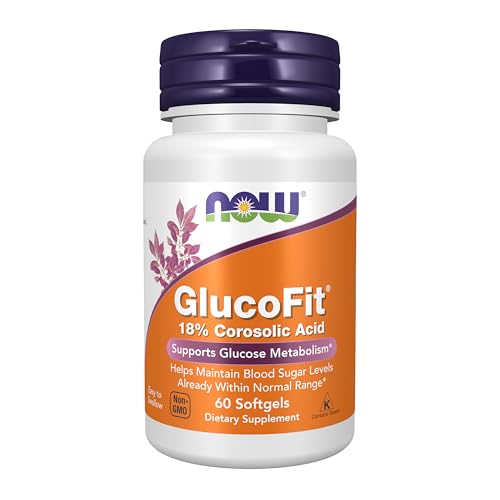
1. NOW GlucoFit – Best Overall
Why it stands out: NOW’s GlucoFit uses the patented GlucoFit extract standardized to 18% corosolic acid—the highest standardization available and the same concentration used in clinical studies showing significant blood sugar benefits within just 15 days of use.
This softgel formula delivers a clinically-relevant dose of corosolic acid in an easily absorbed oil-based format. The patented extraction process ensures that each softgel contains precise amounts of the active compound, removing the guesswork from dosing. NOW Foods has been producing supplements since 1968 and maintains NPA A-rated GMP certification, ensuring rigorous quality control at every step of manufacturing.
The softgel form provides a significant advantage over standard capsules for banaba supplementation. Since corosolic acid is fat-soluble, the rice bran oil base helps your body absorb and utilize the active compound more efficiently. Clinical research using this standardization has demonstrated blood sugar reductions of 10-30% in type 2 diabetic patients. Take one softgel twice daily with food—ideally 30 minutes before your largest meals to maximize the glucose-lowering effects when they matter most.
Pros:
- Highest corosolic acid standardization (18%)
- Patented, clinically-studied extract
- Oil-based softgel for enhanced absorption
- Trusted brand with 50+ years in the industry
Cons:
- Contains bovine gelatin (not vegan-friendly)
Best for: Anyone wanting the most potent, research-backed banaba supplement available.
2. Piping Rock Banaba Leaf Extract – Best Value
Why it stands out: With 200 capsules delivering 600mg of standardized banaba extract, Piping Rock offers exceptional value for long-term supplementation without sacrificing quality or potency.
Each quick-release capsule provides the equivalent of 600mg of banaba leaf with standardized corosolic acid content (approximately 0.6mg per capsule). The formula is non-GMO and gluten-free, making it suitable for most dietary needs. Piping Rock maintains strict quality standards and third-party testing to ensure consistent potency across every batch they produce.
At just one capsule per day, this bottle provides over six months of daily blood sugar support—making it one of the most economical ways to incorporate banaba into your wellness routine. The quick-release capsule design ensures the extract begins working shortly after consumption. Piping Rock has built a strong reputation for delivering quality supplements at accessible prices, and their banaba extract exemplifies this commitment. For those testing whether banaba works for them or maintaining an established routine on a budget, this is the smart choice.
Pros:
- Outstanding value (200 servings per bottle)
- Standardized corosolic acid content
- Non-GMO and gluten-free
- Quick-release capsule design
Cons:
- Lower corosolic acid percentage than premium options
Best for: Budget-conscious consumers looking for reliable daily blood sugar support.

3. VitaCosmoX Banaba Leaf 20:1 Extract – Best High-Potency
Why it stands out: This concentrated 20:1 extract delivers the equivalent of 6,000mg of banaba leaf per capsule, providing 12mg of corosolic acid—among the highest doses available in a single capsule on the market.
VitaCosmoX uses a potent 20:1 extraction process that concentrates the beneficial compounds found in banaba leaves by a factor of 20, meaning each 300mg capsule delivers the same amount of active compounds as 6,000mg of raw banaba leaf. This makes it ideal for those who want maximum potency without taking multiple capsules throughout the day.
The formula is 100% vegetarian, non-GMO, and free from gluten, soy, and dairy. VitaCosmoX manufactures in a GMP-certified facility in the USA with rigorous third-party testing for quality assurance, purity, and potency. Each bottle contains 120 veggie capsules, providing a two-month supply when taken as directed. The clean-label formula uses vegetable cellulose capsules with minimal necessary additives, making it suitable for various dietary preferences and restrictions. If you’ve tried standard-potency banaba supplements without noticeable results, this high-potency option may provide the additional support you need.
Pros:
- Highest potency available (6,000mg equivalent)
- 12mg corosolic acid per serving
- Vegan-friendly capsules
- Made in USA with third-party testing
Cons:
- Higher price per bottle than basic formulas
Best for: Those who prefer high-potency single-capsule dosing for convenience.

4. Swanson High Potency Banaba Extract – Best Trusted Brand
Why it stands out: Swanson standardizes their banaba extract to 2% corosolic acid—double the concentration of many competing brands—backed by their 50+ year reputation for quality supplements.
This formula delivers 60mg of concentrated banaba extract per capsule, standardized to provide consistent corosolic acid levels. Swanson has been a trusted name in supplements since 1969, and their products undergo rigorous quality testing. The compact 90-capsule bottle is perfect for trying banaba for the first time or maintaining an established routine.
Pros:
- Double-strength corosolic acid (2%)
- Trusted brand with 50+ years experience
- Affordable entry point
- Clean, simple formula
Cons:
- Smaller bottle size than some competitors
Best for: Those new to banaba who want a reliable, trusted brand to start with.
5. Paradise Herbs Banaba Leaf 12:1 – Best Full-Spectrum
Why it stands out: Paradise Herbs uses a unique extraction process that preserves the full spectrum of plant compounds, not just corosolic acid, delivering synergistic blood sugar support the way nature intended.
Unlike supplements that isolate single compounds, Paradise Herbs’ Active Whole Spectrum formula captures the complete range of bioactive compounds found in banaba leaves, including ellagitannins and flavonoids that research suggests work together with corosolic acid. Studies have shown that water-soluble ellagitannins in banaba also activate glucose transport proteins, providing multiple pathways for blood sugar support.
Their extraction process avoids toxic solvents and harsh chemicals, instead using methods that preserve the delicate phytonutrients while removing unwanted plant material. The 180-capsule bottle provides excellent long-term value—at 1-3 capsules daily, one bottle can last anywhere from 2-6 months depending on your dosage needs. Paradise Herbs has spent over 30 years developing and perfecting their products, and the formula is vegan, non-GMO, and gluten-free with no fillers or binders. The 12:1 concentration means 250mg of extract equals 3,000mg of whole leaf material.
Pros:
- Full-spectrum extraction preserves all beneficial compounds
- 180 capsules per bottle (up to 6-month supply)
- Solvent-free extraction process
- Vegan and non-GMO
Cons:
- Not standardized to specific corosolic acid percentage
Best for: Those who prefer whole-plant extracts over isolated compounds.
6. Carlyle Banaba Leaf – Best Budget Option
Why it stands out: Carlyle delivers 200 capsules of 600mg banaba leaf extract at one of the lowest prices in the category, making daily supplementation accessible for everyone.
This straightforward formula uses premium standardized banaba extract in quick-release capsules for efficient absorption. Carlyle has over 40 years of experience in supplement manufacturing and laboratory tests their products for quality and potency. The formula is naturally free of gluten, wheat, yeast, milk, soy, and artificial preservatives.
Pros:
- Lowest cost per serving in the category
- 200 capsules per bottle
- Quick-release capsule design
- Free from common allergens
Cons:
- Contains gelatin (not vegetarian)
Best for: Price-conscious shoppers who want a basic, effective banaba supplement.
7. NusaPure Banaba Leaf 20:1 Extract – Best Long-Term Supply
Why it stands out: With 220 capsules delivering 3,000mg equivalent of banaba extract per serving, NusaPure offers the longest-lasting supply in a single bottle, perfect for consistent daily use without frequent reordering.
Each vegan capsule provides a potent 20:1 concentrated extract equivalent to 3,000mg of raw banaba leaf, standardized to 2% corosolic acid. What sets NusaPure apart is the addition of BioPerine (black pepper extract), which has been clinically shown to enhance the bioavailability and absorption of various supplements. This means your body can utilize more of the active compounds in each capsule.
NusaPure manufactures in a cGMP-registered facility and emphasizes quality sourcing throughout their supply chain. The formula is completely vegan, using plant-based capsules, and contains no GMOs. This is an ideal choice for those who want to buy once and not worry about reordering for over seven months of daily use. The combination of high potency, absorption enhancement, and exceptional value makes this one of the smartest choices for long-term banaba supplementation.
Pros:
- 220-day supply in one bottle
- Includes BioPerine for better absorption
- 2% corosolic acid standardization
- Vegan and non-GMO
Cons:
- Larger capsule size due to high potency
Best for: Those who prefer buying in bulk to save money and ensure consistent supply.
8. Supersmart GlucoFit – Best Premium Option
Why it stands out: Supersmart uses the patented GlucoHelp extract standardized to 18% corosolic acid, representing the premium tier of banaba supplementation with clinical-grade potency identical to research study formulations.
This formula features the same patented high-standardization extract used in clinical research, delivered in easily-absorbed softgels. The GlucoHelp extract is produced by Soft Gel Technologies using their proprietary process to ensure consistent, maximum-potency corosolic acid delivery. Supersmart has been producing premium supplements since 1992 and maintains strict quality standards that exceed industry requirements.
The 100-softgel bottle provides excellent value for a premium product—enough for up to a two-month supply when taking the recommended 1-2 softgels daily. The softgel format ensures optimal absorption of the fat-soluble corosolic acid. For those who want the absolute best banaba supplement available, without compromise on quality or potency, Supersmart delivers clinical-grade formulation in a convenient package.
Pros:
- Patented GlucoHelp extract (18% corosolic acid)
- Clinical-grade potency
- 100 softgels per bottle
- Non-GMO and gluten-free
Cons:
- Premium pricing
Best for: Those willing to invest more for the highest-quality banaba extract available.
9. AMALTH Banaba Leaf – Best Clean Formula
Why it stands out: AMALTH focuses on purity with a clean-label formula free from harmful fillers, additives, and common allergens, using only banaba extract and plant-based capsules.
Each serving provides 500mg of banaba leaf extract standardized to 2% corosolic acid in HPMC vegetarian capsules. AMALTH manufactures under GMP standards with third-party testing for purity and potency. The formula is free from sugar, dairy, yeast, wheat, gluten, tree nuts, and preservatives—ideal for those with sensitivities or who prioritize clean supplementation.
Pros:
- Exceptionally clean formula with minimal additives
- Third-party tested for purity
- Free from all major allergens
- Vegan HPMC capsules
Cons:
- Requires 2 capsules twice daily for full dose
Best for: Those with allergies or sensitivities who need an ultra-clean supplement.
10. Swanson Full-Spectrum Banaba Leaf – Best Traditional Form
Why it stands out: This whole-leaf formula captures the complete nutritional profile of banaba as it’s been used traditionally for centuries in Southeast Asian folk medicine, rather than isolating specific compounds.
Swanson’s Full-Spectrum approach provides 450mg of whole banaba leaf per capsule, preserving the natural balance of compounds including corosolic acid, ellagitannins, flavonoids, and other beneficial phytonutrients. This mirrors how banaba has been traditionally consumed in tea and decoction form throughout the Philippines and Southeast Asia for generations.
Customer reviews frequently mention noticeable effects on blood sugar levels and sugar cravings, with many reporting improvements in A1C readings over several months of use. Some users note benefits for kidney health as well, reflecting traditional uses of banaba. This is an excellent choice for those who prefer traditional herbal preparations over highly concentrated extracts, or those who believe in the synergistic effects of whole-plant supplements where all compounds work together as nature intended.
Pros:
- Whole-leaf formula preserves natural compound balance
- Affordable pricing
- Strong customer reviews for effectiveness
- From a trusted 50+ year brand
Cons:
- Not standardized—potency may vary slightly between batches
Best for: Those who prefer traditional whole-herb supplements over standardized extracts.
What is Banaba Leaf and Who Should Take It?
Banaba (Lagerstroemia speciosa) is a flowering tree native to the Philippines and Southeast Asia whose leaves have been used in folk medicine for centuries to support healthy blood sugar levels. The first scientific study on banaba’s insulin-like activity was published in 1940, and research has since identified corosolic acid as the primary active compound responsible for its blood sugar benefits.
Corosolic acid works through multiple mechanisms: it enhances glucose transport into cells by activating GLUT4 proteins (the same transporters that insulin activates), reduces insulin resistance by improving cellular sensitivity, inhibits alpha-glucosidase enzymes that break down carbohydrates, and decreases glucose production in the liver. This multi-pathway approach makes banaba particularly effective for supporting healthy blood sugar levels.
You might benefit from banaba supplementation if you experience blood sugar fluctuations, carbohydrate cravings, energy crashes after meals, or want natural support for metabolic health. Research shows that corosolic acid can begin affecting blood sugar levels within 60 minutes of consumption, with more substantial effects developing over 2-12 weeks of consistent use. A clinical trial demonstrated that patients with metabolic syndrome who took banaba for 12 weeks experienced significant improvements in waist circumference, blood pressure, and triglycerides—with two-thirds achieving complete remission of metabolic syndrome.
Banaba is particularly popular among those following low-carb or keto diets who want additional glucose management support, people with prediabetes seeking natural options alongside lifestyle changes, individuals looking to manage carbohydrate cravings, and anyone focused on maintaining healthy glucose metabolism as part of a comprehensive wellness routine. It’s often stacked with other blood sugar-supportive supplements like berberine, chromium, and cinnamon for enhanced effects.
How to Choose the Right Banaba Supplement
Key Ingredients to Look For
The most important factor is corosolic acid content. Clinical studies demonstrating significant blood sugar reductions have used extracts standardized to 18% corosolic acid with daily doses of 32-48mg of total extract. Products using patented extracts like GlucoFit or GlucoHelp offer this gold-standard standardization and represent the most research-backed option.
For products not standardized to 18%, look for at least 1-2% corosolic acid content. Higher-concentration extracts (10:1, 12:1, or 20:1) provide equivalent potency to larger doses of raw leaf material—a 20:1 extract means 100mg of extract contains the same active compounds as 2,000mg of whole leaf. Some full-spectrum products also contain ellagitannins (particularly Lagerstroemin), which research suggests may provide additional glucose transport benefits beyond corosolic acid alone.
Forms Compared
Softgels offer superior absorption for corosolic acid since it’s fat-soluble—the oil base (usually rice bran oil) helps your body absorb and utilize the active compound more efficiently. This is why most premium banaba supplements come in softgel form. Studies using softgel formulations have shown more consistent blood sugar effects compared to other delivery methods.
Standard capsules work well for standardized extracts and offer vegan options (look for HPMC or vegetable cellulose capsules). Quick-release capsules begin dissolving faster than delayed-release varieties. Powders provide flexibility in dosing but are less common and can have a bitter taste—they’re best mixed into smoothies or other beverages. Tablets are the least common form and may have slower dissolution times.
What to Avoid
Avoid products that don’t specify corosolic acid content or use “proprietary blends” that hide actual ingredient amounts—you have no way of knowing if you’re getting a therapeutic dose. Skip supplements with excessive fillers, artificial colors, titanium dioxide, or unnecessary additives that don’t contribute to the supplement’s effectiveness.
Be cautious of extremely cheap products that may use inferior extraction methods or fail to standardize their corosolic acid content. Also watch out for products making therapeutic claims about treating diabetes—legitimate supplements support healthy blood sugar levels but don’t claim to treat medical conditions.
Side Effects and Precautions
Banaba leaf is generally well-tolerated with an excellent safety profile in research studies spanning several decades. Both animal and human studies agree that banaba extracts appear safe when used at recommended doses. Possible side effects are typically mild and may include digestive discomfort, headache, dizziness, and upset stomach. These can often be minimized by taking banaba with food and starting with a lower dose before working up to the full recommended amount.
The primary concern with banaba supplementation is its blood sugar-lowering effects. Those taking diabetes medications (metformin, sulfonylureas, insulin, etc.) should consult their doctor before supplementing to avoid hypoglycemia—blood sugar levels that drop too low. Symptoms of hypoglycemia include shakiness, confusion, sweating, and rapid heartbeat. Your healthcare provider may need to adjust medication dosages if you add banaba to your routine.
Banaba may also lower blood pressure, so those taking antihypertensive medications should monitor their blood pressure closely. Some research suggests banaba may affect P-glycoprotein transporters that move certain medications in and out of cells, potentially altering how some drugs work in your body. Stop taking banaba at least two weeks before scheduled surgery due to its effects on blood sugar control. Pregnant and breastfeeding women should avoid banaba as safety data is lacking for these populations. Those with known allergies to plants in the Lythraceae family (including pomegranate and purple loosestrife) should use caution.
FAQs
How much banaba leaf should I take daily?
Clinical studies achieving significant blood sugar reductions have used 32-48mg of standardized extract containing 18% corosolic acid, taken in divided doses. For whole-leaf or lower-concentration extracts, follow the manufacturer’s recommended dosage, typically 250-600mg daily for standardized products or 450-1000mg for whole-leaf preparations. It’s best to divide your dose and take it 30 minutes before meals to support post-meal blood sugar levels. Start with the lower end of the recommended range and increase gradually as needed.
How long does it take for banaba to work?
Research shows that corosolic acid can begin affecting blood sugar levels within 60 minutes of consumption—this is one of banaba’s advantages over slower-acting supplements. However, for sustained metabolic support, most people notice meaningful changes in energy levels, carbohydrate cravings, and blood sugar patterns within 2-4 weeks of consistent daily use. Studies lasting 12 weeks have shown the most significant improvements in markers like fasting blood glucose, post-meal glucose, and HbA1c. For optimal results, commit to at least 8-12 weeks of daily supplementation.
Can I take banaba with berberine?
Yes, banaba and berberine work through different mechanisms and are often combined for enhanced blood sugar support. Berberine primarily activates AMPK (an enzyme that improves insulin sensitivity) while banaba primarily affects glucose transport proteins like GLUT4. This complementary action makes the combination popular in comprehensive blood sugar support formulas. However, monitor your blood sugar closely when combining multiple glucose-lowering supplements, especially if you’re also taking diabetes medications, as the effects can be additive.
Is banaba leaf safe for diabetics?
Banaba may be beneficial for supporting blood sugar levels, but diabetics should consult their healthcare provider before starting supplementation. Since banaba can lower blood sugar significantly—studies have shown reductions of 10-30%—combining it with diabetes medications may cause hypoglycemia (dangerously low blood sugar). Symptoms include shakiness, sweating, confusion, and rapid heartbeat. Your doctor may need to adjust medication dosages if you add banaba to your routine, and you should monitor your blood sugar more frequently when first starting.
Should I take banaba with or without food?
Taking banaba with meals is recommended for two reasons: it reduces the chance of digestive discomfort (the most common mild side effect), and it times the blood sugar-lowering effects to coincide with post-meal glucose spikes—when you need the support most. Ideally, take your banaba supplement about 30 minutes before eating to allow absorption before the meal’s carbohydrates hit your bloodstream. Softgel forms especially benefit from being taken with food containing some fat to enhance absorption of the fat-soluble corosolic acid.
What’s the difference between standardized and whole-leaf banaba?
Standardized extracts guarantee a specific corosolic acid percentage (typically 1-18%), ensuring consistent potency between batches and making it easier to achieve a precise therapeutic dose. This is important because natural plant materials can vary significantly in their active compound content. Whole-leaf or full-spectrum products contain all the natural compounds in banaba (including ellagitannins, flavonoids, and other phytonutrients) in their natural ratios but may vary in corosolic acid content between batches. Both approaches have merit—standardized for precise, research-backed dosing; whole-leaf for those who believe in synergistic plant compounds working together as they do in traditional use.
Final Verdict
NOW GlucoFit stands as our top recommendation for its patented 18% corosolic acid standardization—the same concentration used in clinical research demonstrating blood sugar benefits. The softgel format ensures optimal absorption of this fat-soluble compound.
For budget-conscious shoppers, Piping Rock Banaba Leaf delivers excellent value with 200 servings of standardized extract at a fraction of premium prices. If you prefer the highest potency available, VitaCosmoX’s 20:1 extract provides 6,000mg equivalent with 12mg of corosolic acid per capsule.
Those who favor traditional whole-plant supplements should consider Paradise Herbs Banaba Leaf 12:1, which preserves the full spectrum of beneficial compounds through their solvent-free extraction process.