
Best Constipation Relief Supplements (2026) – Top 10 Reviewed
Constipation affects nearly 16% of adults worldwide, making it one of the most common digestive complaints. While lifestyle changes help, many people turn to supplements for gentle, effective relief without harsh laxatives.

The best constipation supplements work through fiber, probiotics, or osmotic agents like magnesium—each targeting the problem differently. Here are our top 10 picks for 2026.
| Product | Key Ingredients | Servings | Form | Best For |
|---|---|---|---|---|
| Organic Inulin Powder | Agave Inulin | 96 | Powder | Best Overall |
| Synbiotic 3-in-1 | Probiotics, Prebiotics, Postbiotics | 30 | Capsules | Best Probiotic Option |
| Psyllium Husk Fiber Powder | Psyllium Husk (6g) | 30 | Powder | Best Fiber Supplement |
| Metagenics UltraFlora Intensive Care | L. plantarum 299v (20B CFU) | 60 | Capsules | Best Clinically Tested |
| Pink Stork Prenatal Fiber Gummies | Chicory Root Inulin (3g) | 60 | Gummies | Best for Pregnancy |
| Advanced Acacia Fiber Powder | Organic Acacia Fiber | 45 | Powder | Best for Sensitive Stomachs |
| Prebiotic Fiber 5-in-1 | XOS, GOS, FOS, Acacia, Inulin | 60 | Capsules | Best Multi-Fiber Blend |
| Magnesium Citrate 500mg | Magnesium Citrate + Oxide | 120 | Capsules | Best Osmotic Option |
| NATURE TARGET Probiotics | 60 Billion CFU, SBO Strains | 90 | Capsules | Best High-Potency Probiotic |
| 7 Day Colon Cleanse | Senna, Probiotics, Herbs | 30 | Capsules | Best for Quick Relief |
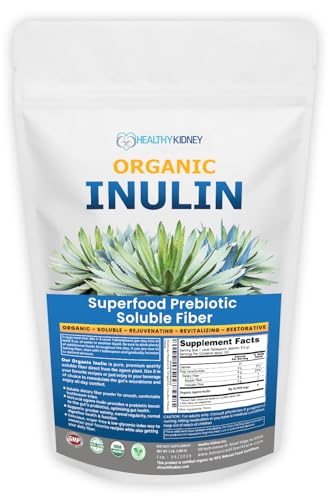
1. Organic Inulin Powder – Best Overall
Why it stands out: This 3-pound bulk powder delivers exceptional value with pure agave-derived inulin—a gentle prebiotic fiber that feeds beneficial gut bacteria while softening stool naturally.
Inulin works differently than harsh fiber supplements. As a soluble prebiotic, it dissolves completely in liquids and ferments slowly in your colon, producing short-chain fatty acids that improve gut motility. Research shows these short-chain fatty acids (especially butyrate) nourish colon cells and stimulate the natural contractions that move stool through your system.
Each serving provides meaningful fiber without the bloating that psyllium can cause in sensitive individuals. The agave-derived inulin in this formula is particularly gentle because it contains longer-chain molecules that ferment more gradually than chicory-derived alternatives. The neutral taste makes it easy to add to coffee, smoothies, or baking recipes—most users report they can’t detect it at all. At 96 servings per container, it’s also one of the most economical options available, costing less than many single-serving fiber packets.
Pros:
- Gentle, non-bloating formula ideal for daily use
- Versatile powder mixes into any beverage or food
- Organic, vegan, and free from additives
- Exceptional value at under $0.30 per serving
Cons:
- Takes 1-2 weeks for full effects as gut bacteria adapt
Best for: Anyone wanting gentle, daily regularity support without harsh effects.
2. Synbiotic 3-in-1 – Best Probiotic Option
Why it stands out: This comprehensive formula combines prebiotics, probiotics (50 billion CFU), and postbiotics in one capsule—addressing constipation from multiple angles while supporting overall gut health.
The synbiotic approach is backed by research showing that combining pre and probiotics produces better digestive outcomes than either alone. You get beneficial bacteria strains known to improve transit time, prebiotic fiber to feed them, and postbiotics (metabolic byproducts) that directly support gut barrier function.
The 50 billion CFU potency is substantial without being excessive, delivering strains from both the Lactobacillus and Bifidobacterium families that have demonstrated effectiveness for bowel regularity. The vegan capsules are shelf-stable without refrigeration, making them travel-friendly—important since many people experience constipation when their routines change. Many users report reduced bloating and more regular movements within the first week, with continued improvement over the first month of use.
Pros:
- Three-in-one formula targets multiple causes of constipation
- High-potency 50 billion CFU probiotic blend
- No refrigeration required
- Also supports immune function and bloating relief
Cons:
- Premium price point compared to single-ingredient options
Best for: Those who want comprehensive gut support beyond just constipation relief.

3. Psyllium Husk Fiber Powder – Best Fiber Supplement
Why it stands out: Psyllium remains the gold standard for fiber supplementation, and this lemonade-flavored version delivers 6 grams per serving—enough to meaningfully improve regularity without the gritty texture of traditional psyllium.
Psyllium husk contains both soluble and insoluble fiber, creating bulk that stimulates natural bowel contractions while absorbing water to soften stool. Studies consistently show psyllium improves stool frequency and consistency in constipated adults—it’s the only fiber supplement with FDA approval for cholesterol reduction claims, demonstrating its strong research backing.
The sugar-free lemonade flavor makes this powder far more palatable than unflavored versions, and it mixes relatively smoothly in water when stirred quickly. At 6 grams per serving, you’re getting a clinically meaningful dose—most studies use 5-10 grams daily to achieve significant improvements. The prebiotic benefits also feed beneficial gut bacteria, providing secondary support for digestive health beyond simple bulk-forming action.
Pros:
- Clinically proven fiber source with decades of research
- Pleasant lemonade flavor improves compliance
- Contains both soluble and insoluble fiber
- Sugar-free and gluten-free formulation
Cons:
- Must drink quickly before it gels; can cause bloating if not enough water consumed
Best for: Anyone who responds well to fiber but dislikes the taste of traditional psyllium.

4. Metagenics UltraFlora Intensive Care – Best Clinically Tested
Why it stands out: This professional-grade probiotic features Lactobacillus plantarum 299v, one of the most thoroughly researched strains for bowel regularity with multiple clinical trials specifically demonstrating its effectiveness for constipation.
L. plantarum 299v has been studied in over 20 clinical trials, showing significant improvements in stool frequency, consistency, and ease of passage. Unlike many probiotics that die in stomach acid, this strain survives transit to colonize the intestines effectively. Research specifically demonstrates it reduces abdominal pain and normalizes stool patterns in patients with IBS and functional constipation.
Metagenics is a physician-trusted brand that uses third-party testing for potency verification—you know you’re getting what the label claims. The 20 billion CFU dose is therapeutic without being excessive, minimizing the adjustment period some people experience with higher-potency probiotics. The vegetarian capsules are easy to swallow and don’t require refrigeration for short-term storage, though keeping them cool extends potency.
Pros:
- Single-strain formula backed by extensive clinical research
- Professional-grade quality with third-party testing
- Specifically studied for bowel regularity improvements
- Gentle enough for long-term daily use
Cons:
- Higher cost than mass-market probiotics; single strain only
Best for: Those who want clinically validated results from a trusted professional brand.
5. Pink Stork Prenatal Fiber Gummies – Best for Pregnancy
Why it stands out: Pregnancy constipation affects up to 40% of expectant mothers, and this gentle inulin-based gummy provides safe, effective relief without stimulant laxatives that could cause cramping.
Pink Stork specifically formulated these gummies for pregnancy and postpartum, when constipation is extremely common due to hormonal changes and iron supplementation. Progesterone relaxes smooth muscle throughout the body, including the intestines, slowing transit time significantly. The expanding uterus also puts pressure on the bowels, compounding the problem.
Each serving delivers 3 grams of prebiotic inulin from chicory root—gentle enough for daily use throughout all three trimesters without risk of cramping or contractions. The gummy format is easier to tolerate during morning sickness than pills or powders, and many women find the pleasant taste actually helps with pregnancy nausea. While marketed for pregnancy, these work equally well for anyone wanting a mild, pleasant-tasting fiber supplement without the clinical feeling of capsules or powders.
Pros:
- Safe for pregnancy and breastfeeding
- Gentle chicory root inulin won’t cause cramping
- Tasty gummy format easier during morning sickness
- Vegan and free from artificial colors
Cons:
- Lower fiber dose than powders (3g vs 6g); contains some sugar
Best for: Pregnant or postpartum women, or anyone preferring a gentle gummy format.
6. Advanced Acacia Fiber Powder – Best for Sensitive Stomachs
Why it stands out: Acacia fiber ferments more slowly than other fibers, producing significantly less gas and bloating—making it ideal for those with IBS or sensitive digestive systems who can’t tolerate psyllium or inulin.
Many people abandon fiber supplements because of uncomfortable bloating and gas. Acacia fiber solves this problem through its unique fermentation profile—it breaks down gradually in the colon rather than rapidly, minimizing the gas production that causes discomfort. Studies show acacia produces 50-75% less gas than other common prebiotic fibers while still providing regularity benefits.
This organic powder is FODMAP-friendly and often well-tolerated even by those with IBS who react poorly to other fibers. It dissolves completely clear with no taste, texture, or thickening, so you won’t even notice it in beverages—unlike psyllium, which gels and changes the mouthfeel of drinks. The formula also supports gut barrier repair, making it beneficial for those with leaky gut alongside constipation. The 16oz container provides about 45 servings.
Pros:
- Extremely gentle with minimal gas and bloating
- FODMAP-friendly for IBS sufferers
- Completely dissolves with no taste or texture
- Supports gut healing alongside regularity
Cons:
- Effects may take longer to notice than faster-fermenting fibers
Best for: Anyone with IBS, FODMAP sensitivity, or previous bad experiences with fiber supplements.
7. Prebiotic Fiber 5-in-1 – Best Multi-Fiber Blend
Why it stands out: Instead of relying on a single fiber type, this formula combines five different prebiotic fibers—XOS, GOS, FOS, acacia, and inulin—to feed a broader diversity of beneficial gut bacteria.
Different beneficial bacteria prefer different fiber types. By providing five distinct prebiotics, this supplement supports greater microbial diversity than single-fiber products. The formula includes XOS (xylooligosaccharides), GOS (galactooligosaccharides), FOS (fructooligosaccharides), acacia fiber, and agave inulin—each feeding different bacterial populations in your gut.
Research increasingly shows that gut bacteria diversity correlates with better digestive function, immune health, and even mood regulation. The capsule format delivers convenience without mixing powders, and each serving provides a meaningful prebiotic dose. The combination of fast-fermenting (FOS) and slow-fermenting (acacia) fibers creates sustained prebiotic activity throughout the day. The 120-capsule bottle provides a 60-day supply at the recommended two-capsule dosage.
Pros:
- Five different fiber types support diverse gut bacteria
- Convenient capsule format—no mixing required
- Contains both fast and slow-fermenting fibers
- 60-day supply per bottle
Cons:
- Lower total fiber per serving than powder supplements
Best for: Those who want to support gut microbiome diversity alongside regularity.
8. Magnesium Citrate 500mg – Best Osmotic Option
Why it stands out: Magnesium citrate works through osmosis, drawing water into the intestines to soften stool—a completely different mechanism than fiber that works even when fiber doesn’t.
When fiber isn’t enough, magnesium citrate often succeeds. It’s an osmotic agent that pulls water into the colon, softening stool and triggering gentle contractions. This mechanism works independently of fiber, making it an excellent option for those who haven’t responded to bulk-forming supplements or who can’t tolerate fiber’s gas-producing effects.
This 500mg formula combines highly absorbable magnesium citrate with some magnesium oxide for additional osmotic effect. Beyond constipation, many users appreciate the added benefits of magnesium for sleep quality, muscle relaxation, and stress reduction—magnesium deficiency is surprisingly common and contributes to multiple health issues. The 120-capsule bottle provides a four-month supply at moderate dosing, making it very economical. Start with one capsule daily and adjust based on your response—some people need two capsules while others do well with one.
Pros:
- Works differently than fiber—effective when fiber fails
- Additional benefits for sleep, stress, and muscles
- High absorption citrate form
- Four-month supply offers excellent value
Cons:
- Can cause loose stools if dose is too high; not ideal for those with kidney issues
Best for: Those who haven’t found relief with fiber, or anyone wanting magnesium’s additional benefits.
9. NATURE TARGET Probiotics – Best High-Potency Probiotic
Why it stands out: With 60 billion CFU and soil-based organism (SBO) strains, this high-potency probiotic specifically targets constipation, diarrhea, gas, and bloating in one comprehensive formula.
Some people need more probiotic firepower than standard supplements provide. This formula delivers 60 billion CFU with SBO strains that survive stomach acid better than many traditional probiotics. Soil-based organisms evolved to survive harsh environmental conditions, making them naturally more resistant to the acidic stomach environment that destroys many probiotic strains before they reach the intestines.
The combination of prebiotics and probiotics creates a synbiotic effect, supporting both immediate symptom relief and long-term gut health. The formula specifically addresses the full spectrum of digestive complaints—constipation, diarrhea, gas, and bloating—making it versatile for those with variable symptoms. The 90-capsule bottle provides a full three-month supply at the standard dosage, making it reasonably priced for the potency offered.
Pros:
- High 60 billion CFU potency for stubborn issues
- Soil-based organisms survive stomach acid well
- Includes prebiotics for synbiotic benefits
- Three-month supply per bottle
Cons:
- May be too potent initially for some; start with half dose
Best for: Those with chronic constipation who haven’t responded to lower-potency probiotics.
10. 7 Day Colon Cleanse – Best for Quick Relief
Why it stands out: When you need faster relief, this herbal formula combines gentle senna with probiotics and digestive herbs for effective cleansing without the harsh effects of stimulant laxatives alone.
This isn’t a daily supplement—it’s a seven-day program for occasional use when constipation becomes acute. The formula includes senna (a natural stimulant laxative) balanced with probiotics and soothing herbs to minimize cramping. Unlike harsh over-the-counter laxatives, the herbal approach combined with gut-supporting probiotics helps maintain digestive balance even while promoting elimination.
Many users find it effective for resetting their system after travel, dietary changes, medication-induced constipation, or periods of stress that disrupt normal bowel function. The gluten-free formula works quickly, typically producing results within 6-12 hours of the first dose. The seven-day duration is intentional—it’s long enough to resolve acute issues while short enough to prevent the dependency that develops with ongoing stimulant laxative use.
Pros:
- Fast-acting for acute constipation episodes
- Probiotics help maintain gut health during cleanse
- Herbal formula gentler than synthetic laxatives
- Short-term program prevents dependency
Cons:
- Not for daily use; senna shouldn’t be used long-term
Best for: Occasional acute constipation that hasn’t responded to gentler approaches.
What Are Constipation Relief Supplements and Who Should Take Them?
Constipation relief supplements work through three main mechanisms: adding fiber bulk, supporting healthy gut bacteria with probiotics, or drawing water into the intestines osmotically. Unlike stimulant laxatives that force bowel movements by irritating the intestinal lining, these supplements support your body’s natural digestive processes for sustainable relief without dependency.
Fiber supplements add bulk to stool, triggering the stretch receptors that signal your colon to contract and move things along. Probiotics restore healthy bacterial balance, and research shows specific strains directly improve gut motility—the coordinated muscle contractions that propel waste through your system. Osmotic agents like magnesium draw water into the intestines, softening hard stool and making it easier to pass.
You might benefit from constipation supplements if you experience fewer than three bowel movements weekly, frequently strain during movements, or have hard, dry stools that are difficult to pass. They’re particularly helpful during pregnancy (when hormonal changes slow digestion), when traveling (disrupted routines often trigger constipation), after starting new medications like opioids, antidepressants, or iron supplements, or when dietary fiber intake is consistently below the recommended 25-38 grams daily. People with chronic conditions like IBS-C (irritable bowel syndrome with constipation) often find ongoing supplement support essential for maintaining quality of life.
How to Choose the Right Constipation Supplement
Key Ingredients to Look For
Fiber supplements remain the first-line approach for most constipation. Look for psyllium husk (5-10g daily) for proven bulk-forming effects, or prebiotic fibers like inulin (5-10g) or acacia (3-10g) for gentler action with added gut health benefits. Psyllium has the most clinical research, while inulin and acacia cause less bloating for sensitive individuals.
Probiotics containing Lactobacillus or Bifidobacterium strains (at least 10 billion CFU) improve gut motility and stool consistency. Specific strains with research for constipation include Lactobacillus plantarum 299v, Bifidobacterium lactis, and Lactobacillus reuteri. Higher CFU counts (50+ billion) may benefit those with stubborn constipation, though starting lower and increasing is wise.
Magnesium citrate (200-400mg elemental magnesium) works osmotically when fiber isn’t enough. It’s particularly effective for those with hard, dry stools. Magnesium glycinate provides benefits with less osmotic effect, while magnesium oxide has stronger laxative action but lower absorption for systemic benefits.
Forms Compared
Powders offer the highest fiber doses and best value, making them ideal for those committed to daily use. However, they require mixing and may have texture issues—psyllium gels quickly, requiring fast drinking. Capsules provide convenience and precise dosing without taste concerns, though fiber capsules deliver lower amounts than powders (typically 1-3g versus 5-10g). You may need to take multiple capsules to match powder doses. Gummies taste pleasant and significantly improve compliance, especially for those who dislike pills or powders. However, they typically contain the least active ingredients plus added sugars or sugar alcohols. Choose based on your priorities—maximum effectiveness (powders), convenience (capsules), or palatability (gummies).
What to Avoid
Skip supplements containing only stimulant laxatives like senna or cascara sagrada for daily use—they can create dependency where your bowels won’t function without them. These are appropriate for occasional acute use only. Avoid proprietary blends that hide ingredient amounts behind vague labels; you can’t know if you’re getting therapeutic doses. Watch for excessive fillers, artificial colors, or sugar alcohols like sorbitol and maltitol that can actually worsen digestive symptoms in some people. If a product promises “overnight” or “miraculous” results without specifying ingredients, it likely contains harsh stimulants better reserved for occasional use under guidance.
Side Effects and Precautions
Most fiber supplements cause temporary bloating and gas as your gut bacteria adjust to processing more fiber—start with half the recommended dose and increase gradually over 1-2 weeks to minimize discomfort. Always drink plenty of water with fiber (at least 8 ounces per dose) to prevent blockages; fiber without adequate water can actually worsen constipation. Some people experience initial cramping with probiotics as their gut microbiome rebalances, but this typically resolves within several days to a week.
Magnesium can cause loose stools or diarrhea if you take too much—start low and find your threshold. Some people tolerate 500mg easily while others need to stay under 300mg. Reduce your dose if stools become too loose. High doses over time may affect mineral balance, so periodic breaks or lower maintenance doses are reasonable for long-term use.
Consult your doctor before starting constipation supplements if you have kidney disease (magnesium can accumulate to dangerous levels), are pregnant (stimulant laxatives may trigger contractions), take blood thinners or medications with narrow therapeutic windows, or have a history of bowel obstruction. Seek medical evaluation before self-treating if you experience sudden changes in bowel habits lasting more than two weeks, blood in stool or on toilet paper, unexplained weight loss, severe abdominal pain, or constipation alternating with diarrhea. These symptoms may indicate conditions requiring professional diagnosis.
FAQs
How long do constipation supplements take to work?
Fiber supplements typically improve regularity within 1-3 days of consistent use, though full benefits may take 1-2 weeks as your gut adjusts. Probiotics often require 2-4 weeks to meaningfully impact bowel function. Magnesium citrate works faster, usually within 6-12 hours. Stimulant-containing cleanses work within 6-12 hours but shouldn’t be used regularly.
Can I take fiber and probiotics together?
Yes—they actually work better together. Prebiotic fibers feed probiotic bacteria, enhancing their effectiveness. Many successful constipation protocols combine both. Take them at the same time or separately based on your preference; timing doesn’t significantly impact results.
How much water should I drink with fiber supplements?
Aim for at least 8 ounces of water with each fiber dose, plus an additional 1-2 glasses throughout the day. Fiber absorbs water to create bulk—without adequate hydration, it can worsen constipation or cause blockages. This is especially important with psyllium husk.
Are constipation supplements safe for long-term use?
Fiber supplements and probiotics are safe for indefinite daily use. Magnesium citrate is generally safe long-term at moderate doses (under 400mg) for most adults. However, stimulant laxatives like senna should only be used occasionally—regular use can cause dependency and weakened bowel function.
Will constipation supplements cause diarrhea?
Starting doses too high can cause loose stools, especially with magnesium or high-potency probiotics. Begin with half the recommended dose and increase gradually. If diarrhea occurs, reduce your dose. Finding your optimal amount may take some experimentation.
Can I take constipation supplements while pregnant?
Fiber supplements and most probiotics are safe during pregnancy and often recommended. Avoid stimulant laxatives like senna unless specifically approved by your healthcare provider. Magnesium may be appropriate at moderate doses but check with your doctor first, as needs vary during pregnancy.
Final Verdict
For most people experiencing occasional or mild constipation, Organic Inulin Powder offers the best combination of effectiveness, gentleness, and value for daily regularity support. Its prebiotic action improves bowel function while supporting overall gut health, and the neutral taste makes it easy to incorporate into any routine. The bulk container provides exceptional value for committed users.
If you prefer the convenience of capsules or want comprehensive gut support beyond just constipation, the Synbiotic 3-in-1 delivers probiotics, prebiotics, and postbiotics in one formula. It’s particularly good for those who travel frequently or want immune benefits alongside digestive support. For those who haven’t responded to fiber alone—or who experience hard, dry stools specifically—Magnesium Citrate provides an effective alternative mechanism with bonus benefits for sleep, muscle relaxation, and stress reduction.
Pregnant women should reach for Pink Stork Prenatal Fiber Gummies for safe, gentle relief throughout all trimesters, while those with IBS or sensitive stomachs will appreciate the ultra-gentle Advanced Acacia Fiber Powder that won’t cause the bloating other fibers trigger. And for acute episodes that need faster resolution, the 7 Day Colon Cleanse offers effective short-term relief when gentler options haven’t worked quickly enough.