
10 Best Fiber Supplements (2026) Reviewed
Most Americans fall dramatically short of their daily fiber needs. According to the USDA, women should consume 22-28 grams of fiber daily while men need 28-34 grams, yet studies show that approximately 95% of adults don’t meet these recommendations. The average American consumes only about 16 grams per day—roughly half of what’s needed for optimal digestive health.
Fiber supplements offer a convenient way to bridge this gap, supporting everything from digestive regularity to heart health and blood sugar management. However, not all fiber supplements are created equal. Different fiber types work in distinct ways, and factors like sourcing, third-party testing, and formulation quality significantly impact effectiveness and tolerability.
For this guide, we evaluated dozens of fiber supplements based on fiber type and dosage, ingredient quality and sourcing, third-party certifications, user tolerance (particularly regarding gas and bloating), and overall value. Our selections represent the best options across powders, capsules, and gummies to help you find the right fiber supplement for your needs.

Table of Contents
- Quick Comparison Table
- Fiber Types Compared
- Product Reviews
- Buying Guide
- How to Take Fiber Supplements
- Research-Backed Benefits
- Safety Considerations
- FAQ
- Bottom Line
Quick Comparison Table
| Product | Form | Fiber Per Serving | Key Differentiator | Best For | Winner |
|---|---|---|---|---|---|
| Thorne FiberMend | Powder | 7g | Multi-fiber blend with Sunfiber | Overall digestive health | 🏆 TOP PICK |
| Tomorrow’s Nutrition Sunfiber | Powder | 6g | Low FODMAP certified | Sensitive stomachs | 🥇 Best for IBS |
| NOW Foods Psyllium Husk Caps | Capsules | 1.5g (3 caps) | Third-party tested, low lead | Budget capsule option | 🥇 Best Budget |
| Benefiber Daily Prebiotic | Powder | 3g | Dissolves clear, taste-free | Adding to beverages | 🥇 Best Taste-Free |
| Garden of Life Dr. Formulated | Powder | 5g | Organic whole food sources | Clean ingredient seekers | 🥇 Best Organic |
| Metamucil Psyllium Capsules | Capsules | 1.8g (5 caps) | Established brand, clinically studied | Cholesterol support | |
| Bellway Super Fiber | Powder | 5g | Organic psyllium with real fruit | Great-tasting powder | 🥇 Best Tasting |
| Citrucel Fiber Therapy Caplets | Caplets | 1g (2 caps) | Non-fermentable methylcellulose | Gas-free fiber | 🥇 Best for No Gas |
| Vitafusion Fiber Well Gummies | Gummies | 5g | Sugar-free with prebiotic fiber | Gummy preference | 🥇 Best Gummy |
| NOW Foods Psyllium Husk Powder | Powder | 6g | Pure psyllium, Non-GMO verified | Value powder option |
Fiber Types Compared: Which Form is Right for You?
Understanding the different types of fiber supplements helps you choose the right product for your specific needs. Each fiber type has unique properties that affect how it works in your digestive system.
Psyllium Husk
Psyllium is the most researched fiber supplement, derived from the seeds of Plantago ovata. It contains approximately 70% soluble fiber and 30% insoluble fiber, making it effective for both regularity and cholesterol management. Psyllium absorbs water and forms a gel-like substance that adds bulk to stool and may help trap cholesterol. It’s the only fiber supplement with FDA-approved health claims for heart health. However, some users experience initial gas and bloating as their system adjusts.
Methylcellulose
Found in products like Citrucel, methylcellulose is a synthetic fiber derived from cellulose. Its key advantage is that it’s non-fermentable, meaning it doesn’t produce gas in the digestive tract. This makes it an excellent choice for those with sensitive stomachs or IBS who experience discomfort with other fiber types. It provides 100% soluble fiber but lacks the cholesterol-lowering benefits of psyllium.
Wheat Dextrin
The fiber source in Benefiber, wheat dextrin is a soluble prebiotic fiber that dissolves completely clear and has no taste or texture. It’s ideal for adding to beverages or foods without detection. While it supports digestive health by feeding beneficial gut bacteria, it provides less bulk than psyllium and may be less effective for constipation relief.
Partially Hydrolyzed Guar Gum (PHGG/Sunfiber)
This processed form of guar gum ferments slowly in the gut, producing minimal gas and bloating. It’s the first fiber to receive Low FODMAP certification, making it suitable for those with IBS or digestive sensitivities. Research suggests PHGG may help regulate bowel movements in both directions—supporting those with constipation or diarrhea.
Acacia Fiber
A natural prebiotic fiber from the acacia tree, this gentle option ferments slowly and is well-tolerated by most people. It’s commonly found in organic fiber blends and supports beneficial gut bacteria growth. Acacia provides primarily soluble fiber and is often combined with other fiber sources for comprehensive digestive support.
Product Reviews
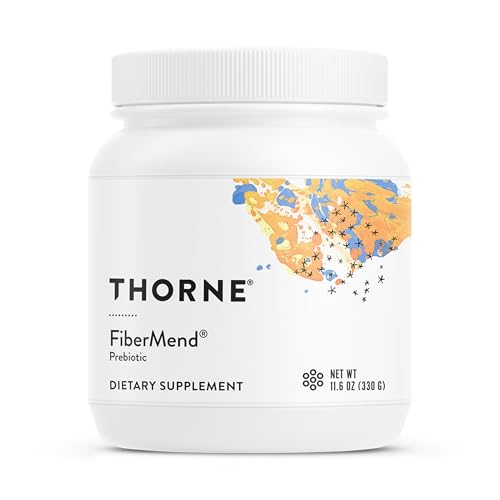
Thorne FiberMend — Best Overall
A premium multi-fiber blend that combines Sunfiber with rice bran, larch arabinogalactan, apple pectin, and green tea phytosome for comprehensive digestive support with minimal side effects.
Thorne FiberMend stands out for its thoughtfully formulated blend of complementary fiber sources. The foundation is Sunfiber (partially hydrolyzed guar gum), known for its gentle action and slow fermentation that minimizes gas and bloating. This is enhanced with rice bran for additional insoluble fiber, larch arabinogalactan for immune support, apple pectin for prebiotic benefits, and green tea phytosome for antioxidant properties.
What sets Thorne apart is their commitment to quality. As a brand trusted by over 100 professional sports teams and recommended by healthcare practitioners, they maintain strict third-party testing standards. The powder mixes easily without altering the taste of beverages, and most users report excellent tolerance even when starting at full doses.
Each serving delivers 7 grams of fiber, with 6 grams being soluble. The formula is designed to support regularity, healthy blood sugar levels already in the normal range, and satiety. It’s free from gluten and artificial sweeteners, making it suitable for various dietary needs.
Key Specifications:
- Fiber per serving: 7g (6g soluble)
- Serving size: 2 scoops (11g)
- Servings per container: 30
- Primary fiber source: Sunfiber (PHGG)
- Certifications: NSF Certified for Sport, third-party tested
- Form: Unflavored powder
Considerations: Premium pricing reflects the quality ingredients and testing standards. Some users note a slight taste when mixed with water alone, though it blends seamlessly into smoothies or juice.
Tomorrow’s Nutrition Sunfiber — Best for Sensitive Stomachs
The first Low FODMAP certified prebiotic fiber, delivering gentle digestive support that helps regulate both constipation and diarrhea without causing gas or bloating.
Tomorrow’s Nutrition Sunfiber is backed by over 100 clinical studies demonstrating its effectiveness for digestive health. What makes Sunfiber unique is its “regulating” action—it helps normalize bowel movements whether you struggle with constipation or loose stools. This bidirectional benefit is rare among fiber supplements.
The secret lies in its slow fermentation rate. Unlike rapidly fermenting fibers that produce excessive gas, Sunfiber breaks down gradually in the gut, nourishing beneficial bacteria without causing discomfort. Its Low FODMAP certification makes it one of the few fiber supplements appropriate for those following a low FODMAP diet for IBS management.
The powder dissolves completely clear with no taste, odor, or grit. You can add it to any beverage—including coffee—without affecting flavor or texture. It’s also heat-stable for cooking and baking applications.
Key Specifications:
- Fiber per serving: 6g soluble fiber
- Serving size: 1 scoop (7g)
- Servings per container: 90 (large size)
- Primary fiber source: Partially Hydrolyzed Guar Gum (PHGG)
- Certifications: Low FODMAP, Non-GMO Project Verified, Glyphosate Residue Free
- Form: Unflavored powder
Considerations: Provides only one fiber type, so those seeking a multi-fiber blend may prefer alternatives. Higher price point than basic psyllium options.

NOW Foods Psyllium Husk Caps — Best Budget Option
A trusted, third-party verified psyllium supplement that delivers quality fiber at an affordable price point, with testing that confirms low heavy metal contamination.
NOW Foods has built a reputation for quality supplements at accessible prices, and their Psyllium Husk Caps exemplify this approach. The product is Non-GMO Project Verified and has been recognized by ConsumerLab as a top pick among psyllium supplements, specifically for passing heavy metal testing with low lead levels—a significant concern with many psyllium products.
Each capsule contains 500mg of psyllium husk, providing both soluble and insoluble fiber. The vegetarian capsules are suitable for various dietary preferences, and the product is free from common allergens including soy, gluten, and corn.
The capsule format eliminates the mixing required with powders, making this an excellent option for those who travel frequently or prefer convenience. While you’ll need to take multiple capsules to achieve meaningful fiber intake, many users appreciate the ability to precisely control their dosage.
Key Specifications:
- Fiber per serving: ~1.5g (3 capsules)
- Serving size: 3 vegetarian capsules
- Servings per container: 166 (500-count bottle)
- Primary fiber source: Psyllium husk
- Certifications: Non-GMO Project Verified, Kosher, Vegan
- Form: Vegetarian capsules
Considerations: Requires taking multiple capsules to achieve therapeutic fiber doses. Those seeking higher fiber per serving may prefer powder formats.

Benefiber Daily Prebiotic Fiber — Best Taste-Free Powder
A completely invisible fiber supplement that dissolves clear and taste-free, making it perfect for adding to any beverage or food without detection.
Benefiber has earned its position as America’s #1 prebiotic fiber brand by solving a common complaint about fiber supplements: the texture and taste. Made from wheat dextrin, Benefiber dissolves completely clear without any grit, thickness, or flavor alteration to your beverages.
The prebiotic nature of wheat dextrin means it specifically nourishes beneficial gut bacteria, supporting a healthy microbiome. This makes it particularly useful for those focused on gut health beyond just regularity. The sugar-free, gluten-free formula (despite being derived from wheat, the processing removes gluten to below 20 ppm) suits various dietary needs.
Benefiber works well in hot or cold beverages, though carbonated drinks are not recommended as the fiber can cause fizzing. Many users add it to their morning coffee, juice, or even soft foods like yogurt without any noticeable change.
Key Specifications:
- Fiber per serving: 3g
- Serving size: 2 teaspoons
- Servings per container: 125
- Primary fiber source: Wheat dextrin
- Certifications: Gluten-free (less than 20 ppm)
- Form: Unflavored powder
Considerations: Lower fiber content per serving compared to psyllium-based products. Those with wheat sensitivities should note the source, even though it’s processed to be gluten-free.

Garden of Life Dr. Formulated Organic Fiber — Best Organic Option
A clean, psyllium-free fiber supplement made from five organic superfoods, formulated by neurologist Dr. David Perlmutter for optimal gut-brain health.
Garden of Life’s Dr. Formulated Organic Fiber takes a whole-food approach to fiber supplementation. Rather than relying on psyllium, it combines organic acacia fiber, orange peel, baobab fruit, apple peel, and cranberry fruit to deliver prebiotic fiber from diverse plant sources.
The formula was designed by Dr. David Perlmutter, a board-certified neurologist and expert in the gut-brain connection. His approach emphasizes feeding beneficial gut bacteria with varied prebiotic fibers to support overall health, not just digestive function.
The powder dissolves easily without the gritty texture common to some fiber supplements. It’s available in unflavored and citrus versions, both maintaining the company’s commitment to clean ingredients with no artificial sweeteners, colors, or preservatives.
Key Specifications:
- Fiber per serving: 5g
- Serving size: 1 tablespoon
- Servings per container: 32
- Primary fiber source: Organic acacia, fruit peels
- Certifications: USDA Organic, Non-GMO Project Verified, NSF Gluten-Free, Vegan
- Form: Unflavored or citrus powder
Considerations: More expensive per serving than conventional options. The whole-food approach means slightly different fiber composition than traditional supplements.
Metamucil 3-in-1 Psyllium Capsules — Best Established Brand
The most recognized fiber brand in America, offering clinically studied psyllium in a convenient capsule form for heart health and digestive support.
Metamucil has been a household name in fiber supplementation for decades, and their psyllium capsules make it easy to get the brand’s proven benefits without mixing powders. The formula supports digestive health, heart health through cholesterol management, and healthy blood sugar levels as part of a balanced diet.
Psyllium is the only fiber with FDA-approved claims for reducing the risk of heart disease. The soluble fiber in Metamucil can trap and remove cholesterol, with the recommendation of 7 grams daily for cardiovascular benefits. While capsules require taking multiple servings to reach this level, they offer unmatched convenience for consistent supplementation.
The product contains no added sweeteners or flavors, making it suitable for those avoiding artificial ingredients. Metamucil is recommended by physicians among therapeutic fiber laxatives.
Key Specifications:
- Fiber per serving: 1.8g soluble fiber (5 capsules)
- Serving size: 5 capsules
- Servings per container: 60
- Primary fiber source: Psyllium husk
- Certifications: None listed
- Form: Capsules
Considerations: Requires taking up to 20 capsules daily for full therapeutic benefits. ConsumerLab testing has found some Metamucil products contain higher lead levels than competitors.
Bellway Super Fiber + Fruit — Best Tasting Powder
A next-generation fiber supplement that combines organic psyllium with real fruit for a genuinely enjoyable taste without sugar or artificial ingredients.
Bellway has reimagined what fiber supplements can taste like. Using organic psyllium husk as the fiber base, they’ve added real fruit powders and natural flavors to create a supplement that many users describe as genuinely enjoyable to drink. Flavors like Raspberry Lemon, Mixed Berry, and Pineapple Passion Fruit offer variety that traditional supplements lack.
Despite the appealing taste, Bellway maintains clean formulation standards. The powder is sugar-free (sweetened with stevia and monk fruit), organic, non-GMO, and free from artificial ingredients. Each serving provides 5 grams of fiber from psyllium, delivering both soluble and insoluble fiber benefits.
The brand positions itself as “not your grandma’s fiber,” appealing to younger consumers who want the benefits of fiber without the clinical experience of traditional supplements. Many users report achieving regular bowel movements within just 2 days of starting.
Key Specifications:
- Fiber per serving: 5g
- Serving size: 1 scoop
- Servings per container: 50
- Primary fiber source: Organic psyllium husk
- Certifications: USDA Organic, Non-GMO, Gluten-Free
- Form: Flavored powder (multiple options)
Considerations: Some users report the powder can be clumpy and requires vigorous stirring. Higher price point than unflavored alternatives.
Citrucel Fiber Therapy Caplets — Best for Avoiding Gas
The only major fiber supplement that produces virtually no gas or bloating, thanks to its non-fermentable methylcellulose formula.
For those who’ve avoided fiber supplements due to uncomfortable gas and bloating, Citrucel offers a solution. Its methylcellulose fiber is 100% soluble and—crucially—non-fermentable. This means it passes through your digestive system without being broken down by gut bacteria, which is the process that produces gas with other fiber types.
Methylcellulose is derived from cellulose (plant cell walls) and provides gentle bulk to help maintain regularity. The caplet form eliminates mixing, and the formula is non-allergenic and gluten-free. Citrucel is recommended by physicians specifically for those with sensitive digestive systems.
The tradeoff for the gas-free experience is that methylcellulose doesn’t provide the prebiotic benefits of fermentable fibers. It also lacks the cholesterol-lowering effects of psyllium. However, for those prioritizing digestive comfort, these tradeoffs are often worthwhile.
Key Specifications:
- Fiber per serving: 1g (2 caplets)
- Serving size: 2-4 caplets, up to 6 times daily
- Servings per container: 90 (180-count)
- Primary fiber source: Methylcellulose
- Certifications: None listed
- Form: Caplets
Considerations: Low fiber per caplet means taking many throughout the day for meaningful intake. No prebiotic or cholesterol-lowering benefits.
Vitafusion Fiber Well Gummies — Best Gummy Option
America’s #1 gummy vitamin brand delivers 5 grams of prebiotic fiber in a sugar-free gummy that makes daily fiber intake enjoyable.
For those who struggle with powders and capsules, Vitafusion Fiber Well offers a delicious alternative. Each two-gummy serving provides 5 grams of prebiotic fiber from polydextrose, a soluble fiber that supports digestive health and beneficial gut bacteria.
The gummies come in natural peach, strawberry, and blackberry flavors that actually taste good—a significant improvement over chalky fiber supplements of the past. They’re sugar-free, gluten-free, and made without high fructose corn syrup or synthetic FD&C dyes.
Vitafusion has been making gummy vitamins for over 12 years and applies that expertise to their fiber formula. The brand won the ChefsBest Excellence Award for surpassing quality standards established by independent professional chefs.
Key Specifications:
- Fiber per serving: 5g prebiotic fiber
- Serving size: 2 gummies
- Servings per container: 45
- Primary fiber source: Polydextrose
- Certifications: None listed; no gluten, no synthetic dyes
- Form: Sugar-free gummies
Considerations: Contains gelatin, so not suitable for vegetarians. Polydextrose provides different benefits than psyllium—less bulk, more prebiotic action.
NOW Foods Psyllium Husk Powder — Best Value Powder
A pure, unflavored psyllium powder that delivers maximum fiber per serving at an economical price point with Non-GMO Project verification.
For those who want straightforward psyllium supplementation without added ingredients or premium pricing, NOW Foods Psyllium Husk Powder is hard to beat. The product contains nothing but pure psyllium husk, delivering 6 grams of fiber per tablespoon serving.
NOW Foods maintains quality standards across their extensive supplement line, and this psyllium is Non-GMO Project Verified and kosher certified. The powder can be mixed with water, juice, or added to smoothies and recipes. Some users incorporate it into keto baking as a low-carb flour alternative.
The large 24-ounce container provides excellent value, with approximately 180 servings at the one-tablespoon dose. This makes it one of the most economical ways to supplement fiber, especially for households where multiple people use it.
Key Specifications:
- Fiber per serving: 6g (1 tablespoon)
- Serving size: 1 tablespoon (approx. 5g)
- Servings per container: ~180
- Primary fiber source: Psyllium husk
- Certifications: Non-GMO Project Verified, Kosher
- Form: Unflavored powder
Considerations: Unflavored psyllium has a distinctive texture that some find unpleasant. Requires careful mixing to avoid clumping.
Fiber Supplement Buying Guide
Key Quality Indicators
Third-Party Testing: Look for products verified by organizations like NSF, USP, or ConsumerLab. This ensures the product contains what the label claims and is free from contaminants. This is particularly important for psyllium products, which have shown heavy metal contamination issues in testing.
Fiber Content Per Serving: Compare the actual grams of fiber delivered per serving, not just the serving size. Effective doses typically range from 5-7 grams per serving for powder supplements. Capsules usually deliver less fiber per serving due to size constraints.
Fiber Type Match: Choose fiber based on your specific needs. Psyllium provides the most research support for cholesterol and general digestive health. PHGG/Sunfiber is best for sensitive systems. Methylcellulose eliminates gas concerns. Prebiotic fibers like wheat dextrin or inulin focus on gut microbiome health.
Certifications That Matter
- Non-GMO Project Verified: Confirms no genetically modified ingredients
- USDA Organic: Ensures organic sourcing and processing
- NSF Certified for Sport: Tested for banned substances (important for athletes)
- Low FODMAP Certified: Verified safe for those with IBS following a low FODMAP diet
- Gluten-Free Certification: Important for those with celiac disease or gluten sensitivity
Red Flags to Avoid
- Products without clear fiber content per serving
- Proprietary blends that hide individual ingredient amounts
- Excessive added sugars (more than 3g per serving)
- Artificial colors, especially in products marketed as “natural”
- No third-party testing claims for products at lower price points
- Unrealistic health claims that go beyond what fiber can deliver
Form Selection Guidance
Choose Powder If: You want maximum fiber per serving, prefer adding fiber to smoothies or recipes, don’t mind mixing drinks, or want the most economical option per gram of fiber.
Choose Capsules If: You travel frequently, dislike the texture of fiber drinks, want precise dose control, or prefer a quick, no-prep option.
Choose Gummies If: You have difficulty swallowing pills, want an enjoyable daily routine, or need a gentle introduction to fiber supplementation. Note that gummies typically provide less fiber per serving.
How to Take Fiber Supplements
Recommended Dosage
Most health organizations recommend adults consume 25-38 grams of fiber daily from all sources. Since the average American consumes only about 16 grams through food, a supplement providing 5-10 grams daily helps bridge the gap without replacing whole food fiber entirely.
Start with a lower dose (approximately half the recommended serving) and gradually increase over 1-2 weeks. This allows your digestive system to adapt and minimizes gas and bloating.
Best Time to Take
Fiber supplements can be taken at any time that fits your routine, but consistency matters more than timing. Many people find taking fiber in the morning helps establish regularity throughout the day. Others prefer evening doses to support overnight digestion.
If taking fiber for appetite control or blood sugar management, consuming it 30 minutes before meals may provide the most benefit. For general digestive health, timing is flexible.
Usage Instructions by Form
Powders: Mix thoroughly with at least 8 ounces of liquid. Drink immediately—psyllium-based powders thicken quickly. Follow with another glass of water. Can be added to smoothies, yogurt, or oatmeal.
Capsules: Take with a full 8-ounce glass of water. Taking fiber capsules without adequate liquid can cause choking or intestinal blockage. Space doses throughout the day rather than taking all at once.
Gummies: Chew thoroughly before swallowing. While less water is needed than with powders or capsules, staying well-hydrated throughout the day supports fiber’s effectiveness.
Important Hydration Note
Adequate water intake is essential when supplementing with fiber. Soluble fiber absorbs water and requires sufficient hydration to work properly. Insufficient water can lead to constipation—the opposite of the intended effect. Aim for at least 8 glasses of water daily when using fiber supplements.
Research-Backed Benefits of Fiber Supplementation
Digestive Regularity
Fiber’s most well-known benefit is promoting regular bowel movements. Soluble fiber absorbs water and forms a gel that softens stool, while insoluble fiber adds bulk and helps move waste through the digestive tract. Multiple studies suggest that psyllium supplementation may significantly increase stool frequency and improve consistency in those with constipation.
Heart Health Support
The FDA has approved a health claim for psyllium fiber’s role in reducing heart disease risk. Research indicates that 7 grams of soluble fiber daily from psyllium, as part of a diet low in saturated fat and cholesterol, may help reduce cholesterol levels. The soluble fiber appears to bind to cholesterol in the digestive tract, preventing its absorption.
Blood Sugar Management
Soluble fiber may slow the absorption of sugar, potentially helping maintain healthy blood sugar levels already within the normal range. Studies suggest fiber supplementation may improve glycemic control, particularly when taken with meals. This effect is most pronounced with viscous fibers like psyllium and PHGG.
Gut Microbiome Support
Prebiotic fibers serve as food for beneficial gut bacteria. When these bacteria ferment fiber, they produce short-chain fatty acids (SCFAs) that may support gut barrier function, immune health, and even mood regulation through the gut-brain axis. Different fiber types feed different bacterial strains, suggesting variety may be beneficial.
Appetite and Weight Management
Fiber may increase feelings of fullness and satiety, potentially supporting weight management goals. The gel formed by soluble fiber can slow gastric emptying, helping you feel satisfied longer after meals. Some research suggests fiber supplementation may modestly reduce calorie intake when combined with a healthy diet.
Safety Considerations
Potential Side Effects
The most common side effects of fiber supplementation include gas, bloating, and abdominal cramping, particularly when starting or increasing dosage too quickly. These effects typically diminish as your digestive system adapts over 1-2 weeks. Starting with lower doses and gradually increasing helps minimize discomfort.
Fiber supplements must be taken with adequate water. Insufficient fluid intake can lead to choking (particularly with psyllium) or intestinal blockage. Always drink at least 8 ounces of water with each dose.
Who Should Exercise Caution
Those with bowel obstructions or difficulty swallowing: Fiber supplements can expand and cause blockages. Capsules and powders should be avoided without medical guidance.
People taking medications: Fiber can affect the absorption of certain medications, including some thyroid medications, diabetes drugs, and antidepressants. Take fiber supplements at least 2 hours before or after medications.
Those with inflammatory bowel disease: People with Crohn’s disease or ulcerative colitis should consult their healthcare provider before using fiber supplements, as fiber tolerance varies significantly during active flares.
Individuals with allergies: Those with psyllium allergies (more common in healthcare workers with occupational exposure) should avoid psyllium-based products. Wheat-sensitive individuals should note that wheat dextrin, while gluten-free, originates from wheat.
Drug Interactions
Fiber supplements may interact with several medication categories. Specifically, fiber may reduce the absorption of lithium, digoxin, and carbamazepine. It may also affect blood sugar-lowering medications by enhancing their effects. Always consult with a healthcare provider or pharmacist about potential interactions with your specific medications.
Frequently Asked Questions
How long does it take for fiber supplements to work?
Most people notice improvements in regularity within 12-72 hours of starting fiber supplements, though full benefits may take 1-2 weeks to develop. Consistency is key—taking fiber daily produces better results than sporadic use.
Can I take fiber supplements every day?
Yes, fiber supplements are designed for daily use. In fact, consistent daily intake is more effective than occasional use. Many people take fiber supplements indefinitely as part of their wellness routine.
Should I take fiber supplements with food or on an empty stomach?
Fiber supplements can be taken with or without food. For blood sugar management benefits, taking fiber 30 minutes before meals may be most effective. For general digestive health, timing is flexible—choose what works best for your routine.
What’s the difference between soluble and insoluble fiber?
Soluble fiber dissolves in water, forming a gel that may help lower cholesterol and regulate blood sugar. Insoluble fiber doesn’t dissolve and adds bulk to stool, promoting regularity. Most fiber supplements focus on soluble fiber, though psyllium provides both types.
Can fiber supplements cause weight gain?
Fiber supplements themselves don’t cause weight gain—they’re very low in calories. In fact, fiber may support weight management by increasing satiety. However, gummy supplements may contain added sugars that contribute calories.
Is it better to get fiber from food or supplements?
Whole foods provide fiber along with vitamins, minerals, and other beneficial compounds, making them the ideal primary fiber source. However, supplements effectively bridge the gap when dietary fiber is insufficient. Both approaches can work together.
Why does fiber cause gas, and how can I minimize it?
Gas occurs when gut bacteria ferment fiber, producing gases as byproducts. You can minimize this by starting with low doses and increasing gradually, choosing non-fermentable fibers like methylcellulose, or selecting slowly-fermenting fibers like PHGG/Sunfiber.
Can I take fiber supplements while pregnant or breastfeeding?
Many healthcare providers recommend fiber supplements during pregnancy to help with constipation, a common complaint. However, always consult your healthcare provider before starting any supplement during pregnancy or while breastfeeding.
Do fiber supplements expire?
Fiber supplements have a shelf life, typically 2-3 years from manufacture. While expired fiber isn’t harmful, it may lose effectiveness over time. Store fiber supplements in a cool, dry place and check expiration dates before purchase.
Can children take fiber supplements?
Some fiber supplements are formulated for children, while others are intended for adults only. Always check the product label for age recommendations and consult a pediatrician before giving fiber supplements to children.
Bottom Line
For most people: Thorne FiberMend offers the best balance of effectiveness, tolerability, and quality. Its multi-fiber formula with Sunfiber provides comprehensive digestive support with minimal side effects.
For sensitive stomachs: Tomorrow’s Nutrition Sunfiber is the clear choice. Its Low FODMAP certification and gentle fermentation profile make it suitable for those with IBS or digestive sensitivities.
For budget-conscious buyers: NOW Foods Psyllium Husk Caps delivers quality fiber with third-party verification at an accessible price point.
For those who hate the taste of fiber: Benefiber Daily Prebiotic dissolves completely invisible in any beverage, or try Bellway Super Fiber for a genuinely enjoyable fruit-flavored option.
For avoiding gas entirely: Citrucel Fiber Therapy Caplets uses non-fermentable methylcellulose that won’t cause any digestive discomfort.
For gummy lovers: Vitafusion Fiber Well Gummies makes daily fiber intake something to look forward to with 5 grams of prebiotic fiber per serving.