Best Protein Powder Supplements (2026) – Top 10 Reviewed
Protein powder has evolved far beyond the chalky whey shakes of gym culture past. Today’s market includes everything from grass-fed collagen and bone broth proteins to clean plant-based blends with added superfoods—each targeting different health goals from muscle recovery to skin and joint support.
The best protein powders combine high-quality protein sources with clean ingredients and good bioavailability. Here are our top 10 picks for 2026.
| Product | Key Ingredients | Servings | Form | Best For |
|---|---|---|---|---|
| Needed. Hydrolyzed Collagen Protein | Grass-fed Bovine Collagen | 28 | Powder | Best Overall |
| Multi Collagen Peptides Powder | Types I, II, III, V, X Collagen | 41 | Powder | Best Multi-Type Collagen |
| Bone Broth Protein Powder (Unflavored) | Grass-fed Beef Bone Broth | 40 | Powder | Best Bone Broth Protein |
| Sunwarrior Classic Plus Vegan Protein | Pea, Hemp, Quinoa, Chia | 30 | Powder | Best Plant-Based |
| Clean Vegan Protein Powder Vanilla | Sprouted & Fermented Plant Blend | 30 | Powder | Best Organic Vegan |
| Vitauthority Whey Protein for Women | Whey Isolate, Probiotics | 30 | Powder | Best Whey for Women |
| Multi Collagen + Creatine | 5 Collagen Types + Creatine | 30 | Powder | Best for Athletes |
| Snap Supplements Plant Protein | Organic Pea Protein, BCAAs | 30 | Powder | Best for Muscle Recovery |
| Vanilla Bone Broth Protein (32oz) | Grass-fed Beef, Natural Collagen | 40 | Powder | Best Flavored Bone Broth |
| Keto Cheesecake Meal Replacement | Collagen, MCTs, Cream Cheese | 28 | Powder | Best Keto-Friendly |
1. Needed. Hydrolyzed Collagen Protein Powder – Best Overall
Why it stands out: Needed. has built a reputation for prenatal and women’s wellness, and their collagen protein reflects that same commitment to quality. This grass-fed, pasture-raised formula is hormone-free and third-party tested for purity.
Each serving delivers hydrolyzed collagen peptides that dissolve easily in hot or cold liquids without clumping or off-flavors. The hydrolyzation process breaks collagen into smaller peptides for better absorption, supporting skin elasticity, hair strength, and joint health. At one pound per container, you get roughly 28 servings depending on your scoop size. The unflavored formula works seamlessly in coffee, smoothies, or baked goods.
Pros:
- Grass-fed, pasture-raised, hormone-free sourcing
- Third-party tested for heavy metals and contaminants
- Dissolves completely with no chalky texture
- Versatile unflavored formula
Cons:
- Premium price point compared to mass-market brands
Best for: Anyone prioritizing clean sourcing and quality over cost, especially pregnant or breastfeeding women who want a protein supplement they can trust.

2. Multi Collagen Peptides Powder – Best Multi-Type Collagen
Why it stands out: This formula combines five different collagen types (I, II, III, V, and X) plus hyaluronic acid, biotin, and vitamin C—creating an all-in-one beauty and joint support protein.
The multi-source approach means you’re getting collagen from bovine, chicken, fish, and eggshell membrane sources, covering more tissue types than single-source collagen. Vitamin C is included because it’s essential for your body to actually synthesize collagen—a detail many cheaper formulas skip. The added biotin and hyaluronic acid further support skin hydration and hair health. With 41 servings per container, this offers solid value for a comprehensive formula.
Pros:
- Five collagen types for comprehensive support
- Added vitamin C, biotin, and hyaluronic acid
- Keto and non-GMO certified
- Good value with 41 servings
Cons:
- Contains multiple allergens (fish, eggs) which may not suit everyone
Best for: Those wanting a comprehensive collagen supplement that addresses skin, hair, nails, joints, and gut health in one product.

3. Bone Broth Protein Powder (Unflavored) – Best Bone Broth Protein
Why it stands out: This pure, single-ingredient bone broth protein delivers the gut-healing benefits of traditional bone broth in convenient powder form—no simmering required.
Made exclusively from grass-fed beef bone broth, this 32oz container provides roughly 40 servings of collagen-rich protein along with naturally occurring glucosamine and gelatin. These compounds support joint health and gut lining integrity in ways that isolated collagen peptides may not fully replicate. The unflavored formula keeps it versatile—add it to soups, smoothies, or coffee. It’s paleo and keto-friendly with zero carbs and dairy-free for those avoiding common allergens.
Pros:
- Single-ingredient, pure bone broth
- Naturally contains glucosamine and gelatin
- Grass-fed beef sourcing
- Paleo, keto, and dairy-free
Cons:
- Unflavored version has a mild savory note that doesn’t suit sweet applications
Best for: Paleo and keto dieters seeking gut-healing protein, or anyone who wants the benefits of bone broth without the hassle of making it from scratch.

4. Sunwarrior Classic Plus Vegan Protein – Best Plant-Based
Why it stands out: Sunwarrior combines five plant proteins—pea, hemp, quinoa, chia, and goji berry—to create a complete amino acid profile without relying on soy or artificial ingredients.
Each serving provides a well-rounded plant protein blend that’s easier to digest than many vegan options thanks to the inclusion of sprouted and fermented ingredients. The formula is soy-free, dairy-free, gluten-free, and completely synthetic-free—a clean label that’s increasingly rare. At 30 servings per container, it’s competitively priced for the quality. The unflavored version mixes well and doesn’t have the gritty texture common to plant proteins.
Pros:
- Complete amino acid profile from multiple plant sources
- Sprouted ingredients for better digestibility
- Free from all major allergens and synthetics
- Minimal ingredient list
Cons:
- Lower protein per serving compared to whey (around 17g)
Best for: Vegans and anyone with food sensitivities who wants a clean, digestible plant protein without soy or artificial additives.

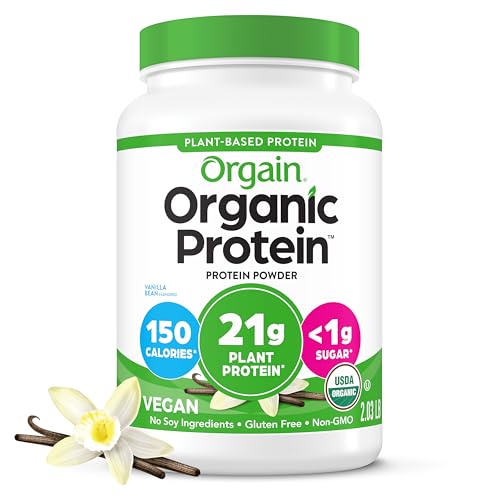
5. Clean Vegan Protein Powder Vanilla – Best Organic Vegan
Why it stands out: This organic formula goes beyond basic plant protein with a sprouted and fermented superfood blend that enhances nutrient absorption and gut health.
The sprouting and fermentation process pre-digests the plant proteins, reducing common digestive issues like bloating and making nutrients more bioavailable. The vanilla flavor is naturally sweetened without stevia’s bitter aftertaste. With five superfoods blended in, you’re getting added nutritional value beyond just protein. It’s certified organic, non-GMO, and free from soy, dairy, and gluten. The 30-serving container makes it a practical choice for daily use.
Pros:
- Sprouted and fermented for superior digestibility
- Certified organic ingredients
- Natural vanilla flavor without artificial sweeteners
- Added superfood blend
Cons:
- Slightly higher price than non-organic alternatives
Best for: Health-conscious consumers who prioritize organic certification and want enhanced digestibility from their plant protein without compromising on taste.
6. Vitauthority Whey Protein for Women – Best Whey for Women
Why it stands out: This whey isolate formula is specifically designed for women, combining high-quality protein with probiotics and digestive enzymes for better absorption and gut comfort.
Whey isolate is the purest form of whey protein, with most lactose and fat removed—making it easier on digestion than whey concentrate. The added probiotics and enzymes address the bloating issues many women experience with protein powders. The vanilla flavor is designed to be smooth and not overly sweet. Each container provides 30 servings, making it practical for post-workout or daily nutrition use. The formula also supports energy and nutrient absorption beyond just muscle recovery.
Pros:
- Whey isolate for high purity and low lactose
- Probiotics and enzymes reduce bloating
- Formulated specifically for women’s needs
- Smooth vanilla flavor
Cons:
- Contains dairy (not suitable for vegans or lactose-intolerant individuals)
Best for: Active women who want a high-quality whey protein that won’t cause digestive discomfort.
7. Multi Collagen + Creatine – Best for Athletes
Why it stands out: This innovative formula combines five types of collagen with 5g of creatine monohydrate—addressing both recovery and performance in one scoop.
Creatine is one of the most researched supplements for strength and power output, while collagen supports joint health and connective tissue recovery. Combining them makes sense for athletes who want comprehensive support without taking multiple supplements. The formula also includes vitamin C and hyaluronic acid to support collagen synthesis and hydration. At 30 servings per container, you’re getting a month’s supply of both supplements in one convenient product.
Pros:
- Combines collagen and creatine in one product
- Full 5g creatine dose per serving
- Five collagen types for comprehensive joint support
- Added vitamin C and hyaluronic acid
Cons:
- Unflavored formula may need to be masked in smoothies
Best for: Athletes and strength trainers who want to support both muscle performance and joint/connective tissue health.
8. Snap Supplements Plant Protein – Best for Muscle Recovery
Why it stands out: This organic plant protein includes BCAAs and a nitric oxide boosting complex, making it one of the few vegan proteins specifically designed for workout recovery.
The formula provides organic pea protein as its base, enhanced with branched-chain amino acids (BCAAs) that are typically harder to get from plant sources. The nitric oxide boosting ingredients support blood flow and nutrient delivery to muscles post-workout. The banana flavor offers a naturally sweet taste without artificial sweeteners. At 30 servings per container, it’s competitively priced for a performance-focused vegan protein.
Pros:
- Added BCAAs for muscle recovery
- Nitric oxide support for blood flow
- Certified organic plant protein
- Unique banana flavor
Cons:
- Banana flavor may not appeal to everyone
Best for: Vegan athletes and gym-goers who need a plant protein that supports workout recovery comparable to whey.
9. Vanilla Bone Broth Protein (32oz) – Best Flavored Bone Broth
Why it stands out: For those who want bone broth protein but prefer a more palatable flavor, this vanilla version delivers the same grass-fed quality with a naturally sweet taste.
This 32oz container provides approximately 40 servings of bone broth protein with a vanilla flavor that works well in smoothies, coffee, or even baked goods. Like its unflavored counterpart, it contains naturally occurring collagen, glucosamine, and gelatin from grass-fed beef. The low-carb, dairy-free formula is keto-friendly and suitable for paleo diets. The natural vanilla flavor is subtly sweet without artificial additives.
Pros:
- Pleasant vanilla flavor for versatile use
- Full bone broth benefits with collagen and glucosamine
- Grass-fed beef sourcing
- Keto and paleo-friendly
Cons:
- Flavored version limits savory recipe applications
Best for: Anyone who wants bone broth benefits but prefers a more enjoyable flavor for smoothies and shakes.
10. Keto Cheesecake Meal Replacement – Best Keto-Friendly
Why it stands out: This isn’t just a protein powder—it’s a complete keto meal replacement with MCTs, collagen peptides, and real cream cheese for a satisfying, indulgent shake.
The 2lb container provides approximately 28 servings of high-fat, low-carb nutrition designed for ketogenic dieters. MCT oil provides quick energy that supports ketosis, while collagen peptides add protein without spiking insulin. The real USA cream cheese adds richness and authentic cheesecake flavor that makes this feel like a treat rather than a diet shake. It’s one of the few keto proteins that actually tastes indulgent while keeping carbs minimal.
Pros:
- Complete meal replacement for keto dieters
- Contains MCTs for sustained energy
- Real cream cheese for authentic flavor
- Satisfying and indulgent taste
Cons:
- Higher fat content may not suit all dietary goals
- Contains dairy
Best for: Keto dieters who want a convenient, delicious meal replacement that keeps them in ketosis while satisfying cravings.
What is Protein Powder and Who Should Take It?
Protein powder is a concentrated source of protein extracted from animal or plant sources, processed into a convenient powder form. The manufacturing process removes most fats, carbohydrates, and fiber to create a product that’s typically 70-90% protein by weight. Common types include whey (from milk), casein (slow-digesting milk protein), collagen (from connective tissues), bone broth protein, and plant-based options like pea, hemp, and rice protein.
Each type serves different purposes. Whey protein digests quickly and contains high amounts of leucine, making it ideal for post-workout muscle synthesis. Casein digests slowly over several hours, making it popular for overnight muscle preservation. Collagen protein specifically targets skin elasticity, joint health, and gut lining repair rather than muscle building. Bone broth protein offers collagen benefits plus additional compounds like glucosamine and gelatin that support gut and joint health. Plant proteins provide options for vegans and those with dairy sensitivities, with blended formulas offering complete amino acid profiles.
You might benefit from protein powder if you’re struggling to meet daily protein needs through whole foods, recovering from intense workouts, looking to preserve muscle mass during weight loss, supporting healthy aging, or seeking specific benefits like collagen for skin and joint health. The typical recommendation is 0.7-1g of protein per pound of body weight for active individuals, and protein powder offers a practical way to fill gaps in your diet without excessive calories or meal prep.
How to Choose the Right Protein Powder
Key Factors to Consider
Start with your dietary needs and restrictions. Whey and collagen deliver complete amino acid profiles but contain animal products. Plant proteins work for vegans but often need to be blended from multiple sources to provide all essential amino acids. Consider any allergies—whey contains lactose (though isolates have minimal amounts), while some plant proteins include soy or gluten.
Think about your primary goals. Muscle building and recovery typically calls for whey or plant protein with added BCAAs, as these contain high amounts of leucine that triggers muscle protein synthesis. Skin, hair, and joint support points toward collagen peptides, specifically types I and III for skin and type II for joints. Gut healing and digestive support benefits most from bone broth protein, which contains gelatin and amino acids like glutamine that nourish the intestinal lining.
Quality indicators matter significantly. Look for third-party testing certifications like NSF Certified for Sport, Informed Sport, or at minimum, independent lab testing for heavy metals. Grass-fed and pasture-raised sourcing for animal proteins typically indicates better fatty acid profiles and fewer contaminants. Organic certification matters most for plant proteins, as conventional crops may carry pesticide residues.
Serving count and cost per serving deserve attention for daily use. A “cheap” container with fewer servings often costs more long-term than a premium product with more servings. Calculate the actual cost per gram of protein to compare value accurately across different products.
Forms Compared
Powders offer the most versatility and typically the best value per serving. They mix into smoothies, coffee, baked goods, or just water. Whey isolates and collagen peptides dissolve better than whole protein powders, especially in hot liquids where other proteins may clump. The downside is that powders require preparation and aren’t ideal for on-the-go situations.
Ready-to-drink shakes provide ultimate convenience but cost significantly more per serving—often 3-5x the cost of equivalent powder servings. They frequently contain additives like thickeners, preservatives, and artificial sweeteners to maintain shelf stability. However, for travel or busy schedules, the convenience may justify the premium.
Protein bars are portable and satisfying but usually contain added sugars, sugar alcohols, and binding agents that powders don’t need. They’re best viewed as occasional convenience foods rather than primary protein sources.
What to Avoid
Watch for proprietary blends that hide actual protein amounts behind vague labeling. Terms like “protein matrix” or “amino blend” without specific gram amounts often indicate underdosed formulas. Avoid products with long lists of artificial sweeteners, colors, and fillers—ingredients should be recognizable and necessary for the product’s function.
Check that plant proteins are complete (containing all essential amino acids) or blended from multiple sources like pea plus rice. Single-source plant proteins like hemp or rice alone lack adequate amounts of certain amino acids. Be wary of unrealistic protein claims—if the math doesn’t add up between serving size and protein grams, the label may be misleading or the protein quality may be poor.
Avoid collagen products that don’t specify the collagen types included, as different types serve different purposes. Watch for added sugars in flavored products—anything over 3-4g per serving adds unnecessary calories. Finally, be cautious of products with excessive vitamin or mineral fortification, as this can lead to over-supplementation if you’re already taking a multivitamin.
Side Effects and Precautions
Most people tolerate protein powder well, but digestive issues like bloating, gas, and stomach discomfort are the most common complaints—especially with whey concentrate or poorly formulated plant proteins. These symptoms often occur because the digestive system needs time to adjust to concentrated protein intake, or because of specific intolerances to lactose, certain plant proteins, or added sweeteners like sugar alcohols.
Starting with half servings and gradually increasing over one to two weeks can help your gut adjust. Choosing whey isolate over concentrate reduces lactose content significantly. Fermented or sprouted plant proteins are pre-digested during processing, making them gentler on sensitive stomachs. Taking protein powder with meals rather than on an empty stomach also reduces digestive stress for many people.
Those with kidney disease should consult a doctor before significantly increasing protein intake, as compromised kidneys may struggle to process the byproducts of protein metabolism. This concern applies primarily to existing kidney conditions—high protein intake does not cause kidney damage in healthy individuals according to current research.
Pregnant and breastfeeding women should choose products tested for heavy metals (lead, arsenic, cadmium, mercury) and contaminants—brands like Needed. specifically cater to this audience with rigorous third-party testing. Avoid protein powders with added herbs, excessive vitamin A, or stimulants during pregnancy.
If you have dairy allergies, whey and casein are completely off-limits even in isolate form. Egg allergies rule out some multi-collagen formulas that use eggshell membrane as a source of type I collagen. Soy allergies require checking plant protein labels carefully, as soy lecithin is sometimes used as an emulsifier even in “soy-free” products.
FAQs
How much protein powder should I take per day?
Most people benefit from one to two servings daily, totaling 25-50g of supplemental protein. Your total protein needs depend on body weight, activity level, and goals—aim for 0.7-1g per pound of body weight from all sources combined for active individuals, or 0.5-0.7g for sedentary adults. Protein powder should fill gaps rather than replace whole foods entirely. For muscle building, spreading protein intake across 3-4 meals with 25-40g each is more effective than consuming large amounts at once.
When is the best time to take protein powder?
Post-workout (within 30-60 minutes) is ideal for muscle recovery, as your muscles are primed to absorb amino acids and begin the repair process. However, research shows total daily protein intake matters more than precise timing for most people. Collagen protein can be taken anytime since it’s not specifically targeting muscle synthesis, though some prefer taking it on an empty stomach for better absorption. Casein is often used before bed due to its slow digestion, providing amino acids throughout the night.
How long does it take to see results from protein powder?
Muscle-related benefits typically become noticeable within 4-8 weeks of consistent use combined with resistance training—you may notice improved recovery before visible muscle gains. Collagen supplements usually show skin improvements like better hydration and reduced fine lines after 8-12 weeks of daily use. Joint benefits from collagen may take 3-6 months to become noticeable. Gut-healing benefits from bone broth protein often appear sooner, within 2-4 weeks, as the digestive system responds relatively quickly to supportive nutrition.
Can protein powder cause weight gain?
Protein powder itself doesn’t cause weight gain—excess calories do. Protein is actually the most satiating macronutrient and can support weight loss by preserving muscle mass and reducing hunger between meals. However, adding protein shakes on top of a calorie-surplus diet will contribute to weight gain like any other food. If you’re concerned about calories, choose a pure protein powder without added carbs or fats, and account for the 100-150 calories per serving in your daily intake.
Is plant protein as effective as whey for building muscle?
Research shows plant proteins can be equally effective for muscle building when they provide complete amino acids and adequate leucine (the key amino acid that triggers muscle protein synthesis). Blended plant proteins from multiple sources like pea, rice, and hemp typically match whey’s amino acid profile. You may need slightly higher servings of plant protein (about 25-30% more) to match whey’s leucine content. The practical difference for most recreational athletes is minimal when daily protein targets are met.
Can I take protein powder while pregnant or breastfeeding?
Yes, but quality matters significantly during pregnancy and lactation. Choose products third-party tested for heavy metals (lead, cadmium, arsenic, mercury) and contaminants, ideally from brands that specifically formulate for pregnancy like Needed. Avoid protein powders with added herbs, excessive vitamin A, stimulants, or artificial sweeteners. Collagen and bone broth proteins are generally considered safe, while whey isolate is fine for those without dairy sensitivities. Always consult your healthcare provider about your specific protein needs during pregnancy and lactation.
Final Verdict
For most people seeking a versatile, high-quality protein powder, Needed. Hydrolyzed Collagen Protein earns our top spot for its clean sourcing, third-party testing, and excellent dissolvability. It’s especially ideal for women prioritizing pregnancy-safe supplements, but the quality and purity make it a solid choice for anyone focused on collagen-based benefits like skin, hair, and joint health.
If you want comprehensive collagen support on a budget, the Multi Collagen Peptides Powder delivers five collagen types plus beauty-boosting additions like hyaluronic acid and biotin at excellent value per serving. It’s our pick for anyone wanting to address multiple collagen-related concerns in one product.
Vegans and those with dairy sensitivities should consider Sunwarrior Classic Plus for its complete amino acid profile from multiple plant sources and genuinely clean ingredient list. For muscle-focused vegan athletes, Snap Supplements Plant Protein adds BCAAs and nitric oxide support that most plant proteins lack.
Athletes looking for performance and recovery support should check out the Multi Collagen + Creatine combination formula—it eliminates the need to stack separate supplements while delivering clinically effective doses of both. Keto dieters will find the Cheesecake Meal Replacement genuinely enjoyable and effective for maintaining ketosis without feeling deprived.
For traditional muscle building with whey, the Vitauthority Whey Protein for Women offers digestive-friendly formulation with probiotics and enzymes that solve the bloating issues many experience with standard whey powders.