
21 Things Your Parents Rented That Everyone Buys Now

This post may contain affiliate links. We may earn a commission at no extra cost to you. See our full disclosure.
There was a time when the answer to “we need a floor sander” was obvious: you rented one. Saturday morning, the rental counter, a deposit, and the machine went back Sunday with sawdust still on it.
Somewhere along the way, the default flipped. The big-box store put a purchase-priced version of everything on a shelf, and the modern garage filled up with machines that run four hours a year.
Here’s what the old rental culture understood: ownership is a cost, not an achievement, when the thing gets used twice. The rental counter wasn’t a compromise. For a whole category of equipment, it was the correct math, and it still is.
This list counts down 21 things the previous generation rented as a matter of course, down to the modern option that beats even the rental counter. Each gets an honest verdict: rent, buy, or it depends. The right answer changed for some of these, and pretending otherwise would waste your Saturday.

21. The Pressure Washer
The driveway-and-deck machine: used hard for one or two weekends a year, then parked in the garage consuming space and requiring winterization. Your parents rented one when the house needed it. Most of them did this correctly.
Owning a pressure washer makes sense for households with large properties, frequent exterior cleaning needs, or a willingness to rent it out between uses. For everyone else, the rental cost runs $40 to $80 a day, which over a decade still doesn’t approach the ownership cost when storage and maintenance are included.
The honest exception: some side hustles that actually make real money are built on pressure washing, and if you’re going to do it professionally, buy the commercial version and mean it.
Fast Math: Two rentals a year at $60 each = $120. Owned unit = $300 to $600 plus storage, winterization, and the hose fitting that cracks in year three. Rental wins for most households by year five.

20. The Carpet Stretcher
When carpet buckles and ripples, a power stretcher fixes it. It’s a specialty tool with one job, used once per room, per installation, per decade. Your parents’ generation knew this one went back to the rental counter by Sunday.
Rental cost is roughly $20 to $35 a day. The owned version costs more and spends the next ten years waiting for a carpet problem that may never come. If you’re a flooring installer, this calculus reverses entirely.
For everyone else, this is the floor-sander logic applied to a smaller tool: the per-use cost of renting is so far below the ownership cost that buying requires a special case to justify it.
Fast Math: Rented once every ten years = $35. Owned for ten years = $80 to $150 plus storage. The rental isn’t even a competition.

19. The Stump Grinder
When the tree comes down, the stump stays. The stump grinder is what removes it, which happens once per stump, per property, per lifetime for most homeowners. This is possibly the strongest rent-don’t-own case on the list.
Stump grinders are large, heavy, genuinely dangerous machines with a rental cost of $100 to $200 a day. They’re also something most people have no business operating without a walkthrough, and rental shops provide exactly that walkthrough before handing over the keys.
The math here isn’t even about cost-per-use. It’s about whether there is a second use at all, and for most homeowners, there isn’t. Rent the machine or hire the crew; either beats owning a grinder that will never run again.
Fast Math: Rental = $150 for the day. Ownership starts at $1,500 for a machine most households use exactly once. This one isn’t close.

18. The Steam Cleaner
Not the carpet kind: the upholstery and tile grout version, dragged out once or twice a year to clean things that need real heat and pressure rather than spray and scrub. Previous generations rented these or hired the service, and both were correct.
Keep Reading
Related, and worth the detour:
→ the dollar-store versions that quietly beat the name brands
→ the everyday moves one family used to save without feeling deprived
Modern versions are sold cheaply enough that ownership feels obvious, but the cost calculation from old-fashioned money habits that are quietly coming back applies here: a $90 steam cleaner that gets used three times and breaks is more expensive than six rentals at $25 each.
The exception is households that genuinely use it monthly, for grout maintenance, for upholstery, for the reasons that actually require regular deep cleaning. If that’s you, buy the real version, not the cheap one.
Fast Math: Cheap owned unit = $80 to $120, lasts two to three years. Rental = $25 to $35 per use. Anyone using it less than four times a year over three years breaks even renting, and most households don’t hit four times.

17. The Power Auger
The tool that digs post holes: fence projects, mailbox posts, deck footings. It runs hard for one weekend and then the project is done, and your parents rented the two-man version because that was the right call.
Gas-powered augers rent for $80 to $150 a day and weigh enough that you want the rental shop handling storage and maintenance rather than your garage. They also require two people to operate safely, which is not something you want to learn after you own one.
The only case for ownership is the contractor or serious homesteader who digs posts regularly. For the one fence project, the rental counter was right in 1975 and it’s right now.
Fast Math: One-weekend rental = $100 to $150. Owned unit = $300 to $800 plus storage and maintenance. If you dig posts once per decade, rental wins by hundreds of dollars over ten years.

16. The Carpet Shampooer
The classic weekend rental, and the machine that started a thousand “should we just buy one” conversations. The math your parents ran still holds for most households: deep cleans happen once or twice a year, the rental costs $30 to $45 a day, and the owned machine spends 363 days as a closet resident.
The verdict flips for households with pets, kids, and light carpet, where quarterly cleaning makes ownership pencil out. Everyone else: the rental counter was right, and the closet space has a price too.
Fast Math: Then: rented for the annual deep clean. Now: sold in every big-box aisle. Verdict: rent, unless heavy use made you a frequent flyer.

15. The Floor Sander
The renovation heavyweight: used once per floor, per decade, and priced accordingly at the rental counter. Nobody sands floors annually. The owned sander is the purest possible violation of cost-per-use math.
The verdict hasn’t moved in fifty years: rent it, practice on the closet floor first, and return it with the satisfaction of a machine you’ll never have to store.
Fast Math: Then: rented, always. Now: still rented by anyone who thought it through. Verdict: rent, this one was never close.
While You're Here
27 "Weird" Frugal Hacks Our Grandmothers Used to Survive on Nothing
Odd, stubborn, and still undefeated. Some of these will make you rethink your grocery run.

14. The Wallpaper Steamer
The single-project tool in its purest form: the steamer exists for the one weekend the wallpaper comes down, and then never again in that house. Rental cost runs $25 to $40 a day. Ownership cost is the same money plus a decade of shelf space commemorating one weekend project.
Rent it. The person who owns one professionally can do the whole job for less than your weekend is worth, which connects to the broader logic behind building a service-based income stream versus trying to own every specialized tool yourself.
Fast Math: Then: rented for the one wallpaper war. Now: an impulse buy at the paint counter. Verdict: rent, or hire the person who already owns it.

13. The Garden Tiller
Spring’s rental-counter regular: the tiller works hard for one weekend, then the garden is planted and the machine is furniture. Owned tillers also carry the small-engine maintenance burden: fuel stabilizer, carburetor cleaning, and the annual “why won’t it start” ceremony.
Rent for the annual till. For small gardens, a broadfork and some elbow grease beat both options financially and skip the engine problems entirely.
Fast Math: Then: rented every spring, returned muddy. Now: sold with financing, somehow. Verdict: rent, the engine you don’t own can’t refuse to start.

12. The Cement Mixer
The fence-post and patio-project machine: essential for the one weekend, absurd for the other 520. The rental counter still owns this category, and bagged quick-mix products have shrunk the number of projects that need a mixer at all.
For most household-scale jobs, the wheelbarrow-and-hoe method costs nothing and works. The cement mixer is another machine that feels necessary right before the project starts and embarrassing to own right after it ends.
Fast Math: Then: rented for the patio, the posts, the one big pour. Now: available to own for reasons unclear. Verdict: rent, or mix small batches the old way.

11. The Tile Saw
The bathroom-renovation special: a genuine precision tool, used intensely for one project, then owned in silence. The wet saw rents for $40 to $60 a day, which sounds steep until you price the owned version plus the blade it needs plus the shelf it claims.
Rent for the once-a-decade project. The exception is the serial renovator who is, at that point, halfway to a service business anyway and should buy accordingly, because the side hustle profit math changes when you’re using the tool monthly.
Fast Math: Then: rented per renovation. Now: a tempting aisle purchase mid-project. Verdict: rent, unless renovating is becoming your whole personality.
We Think You'll Also Like
→ the cheapskate tricks that sound ridiculous but quietly work
→ the small money leaks that quietly cost five figures a decade
Worth Knowing: There’s a borrowing hierarchy most people skip: check whether a library or tool library lends the item free before renting, and check whether your parts store runs a loaner program before buying. Rental is step three, not step one. Ownership is the last resort for things used less than monthly.

10. The Chainsaw
Here’s where the verdicts get interesting, because this one splits honestly. The once-a-year branch cleanup: rent, or better, hire it done, because chainsaws are the most injury-serious tool on this list and occasional users are exactly who the emergency-room statistics describe. Safety equipment and real instruction are non-negotiable at any usage level.
Rural households heating with wood: own, maintain, and treat it like the professional tool it is. The verdict isn’t about the saw. It’s about which household you are.
Fast Math: Then: rented, or the neighbor who owned one came over. Now: stacked by the registers in fall. Verdict: depends entirely on usage, safety gear mandatory either way.

9. The Extension Ladder
The 32-footer that reaches the second-story gutters: rented by your parents for the one task, now owned by millions and used at exactly the frequency that keeps skills rusty and reflexes slow.
The uncomfortable truth: occasional ladder work at height is precisely when falls happen. The tall ladder in the garage is an invitation to do risky work casually, and the financial cost of a serious injury erases any savings from not hiring it done.
For the once-a-year height tasks, hiring the insured professional costs about what the ladder does, once, and includes someone who does this work every week.
Fast Math: Then: rented, respected, returned. Now: owned and used just rarely enough to stay dangerous. Verdict: hire the height work, honestly.

8. Party Tables and Chairs
The graduation-party fleet: rented by every previous generation from the party store or borrowed from the church basement. Modern folding tables got cheap enough that buying feels obvious, and then the storage math arrives: the fleet gets used twice a year and stored fifty-two weeks.
It depends on your hosting rate. The third option beats both: someone in your neighborhood already owns the fleet and rents it out. Be their customer, or become them, because the right equipment at the right moment is worth more than ownership 50 weeks of the year.
Fast Math: Then: rented per party. Now: cheap enough to own, expensive to store. Verdict: depends on hosting frequency, the neighbor with the fleet wins otherwise.

7. Formal Wear
The tuxedo was a rental for a hundred years because everyone did the math: occasional-use ownership is a costume with a storage problem. The modern menu is actually better than your parents had.
Dig Deeper
The Real Math on Quitting: What Dropping 10 Common Purchases Actually Saves Per Year
A real breakdown, not just a savings buzzword.
Rent for the one-off, buy secondhand-plus-tailoring for the recurring, and skip owned formalwear entirely unless black tie is a genuine lifestyle. The real value in a well-chosen wardrobe is in what you actually wear, not what you preserve.
Fast Math: Then: rented, always, and everyone looked fine. Now: rent, thrift, or subscription, all beating full-price ownership. Verdict: rent for rare, secondhand for regular.

6. The China and Banquet Set
Previous generations rented banquet settings, borrowed the church’s coffee urn, and split the fancy stuff across the family: one household owning the punch bowl, another the folding cake stand. That distributed-ownership model was quietly brilliant and is revivable by group chat.
For the twice-a-year hosting surge, rent or borrow. The full owned set that sees daylight twice a year is the kind of gift someone gives you that you’re not sure what to do with a decade later.
Fast Math: Then: rented and family-distributed. Now: owned in full sets that see daylight twice a year. Verdict: borrow and distribute, the family cloud-storage model still works.
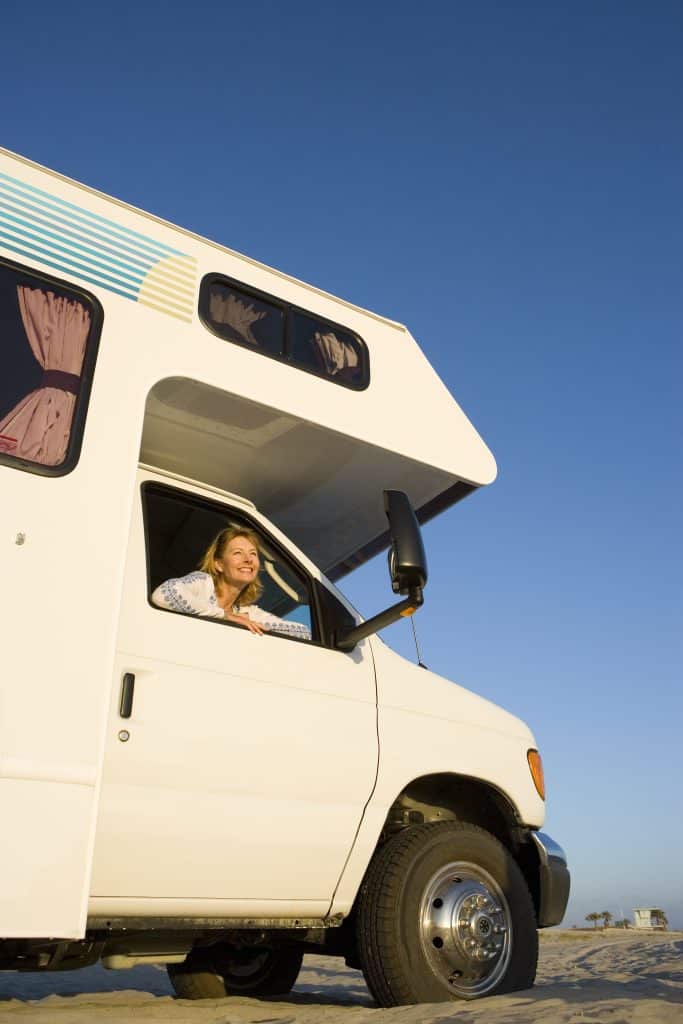
5. The RV and Camper
Previous generations largely rented campers for the big trip, which is exactly the try-before-buying audition the data on owner regrets prescribes. The modern peer-rental market made both directions easier: rent one for the two-week test at $100 to $250 a night before committing to ownership.
If you’re already an owner, renting it out between trips turns the driveway cost into break-even, which is exactly the logic behind making what you own work for you rather than just sit.
Rent until the usage proves itself across multiple trips. The RV rewards a lifestyle and punishes a purchase, and rental is how you find out which one you’re actually buying.
Fast Math: Then: rented for the big summer trip. Now: financed for the imagined ones. Verdict: rent the audition, every time.

4. The TV (The Reversal Entry)
Honesty requires the reversal: some things your parents rented were terrible deals, and the rented television is the museum piece. Renting TVs was common into the ’80s because the machines cost a fortune. Then rent-to-own stores turned it predatory, marking depreciating electronics into four-figure totals for the households least able to spare it.
The verdict, then and now: never rent or finance depreciating electronics. The old rental culture was right about equipment but wrong about this, and its modern descendant is the pay-later button, which is the same bad deal with a friendlier interface. The money habits financial advisors say are actually fine don’t include financing a TV.
Fast Math: Then: rented because TVs cost a month’s pay. Now: the rent-to-own model survives on the same math. Verdict: the one category where buying cheap outright always won.

3. The Moving Truck
The survivor: the one rental that never flipped to ownership, because nobody ever argued the family should own a box truck. It’s on the list as proof of concept.
Readers Can't Stop Opening These
★ 31 "Junk" Cereals That Are Secretly Better For You Than You Think
The moving truck is what every entry above looks like when the culture keeps its head. Massive utility, a few days per decade, rented without a second thought, owned by no one. The verdict is the lesson: every “should we just buy one” conversation on this list is answered by asking why you’d never ask it about the truck.
Fast Math: Then: rented. Now: still rented, by everyone, correctly. Verdict: the control group proving the whole doctrine.

2. Specialty Automotive Tools
The hidden gem your parents knew: the specialty pullers, compressors, and diagnostic tools for the one repair, borrowed from the parts store. The modern version is better and mostly overlooked: major auto parts chains run free loaner-tool programs, a deposit down, the tool borrowed, the deposit back on return.
The entire specialty-tool category, effectively free. This is exactly the kind of practical money move grandparents understood that younger buyers keep rediscovering after spending $80 on a puller they’ll use once.
Ask at the parts counter before buying any one-job tool: “Is this on the loaner program?” The answer is yes more often than the shelf placement suggests, which is not an accident.
Fast Math: Then: borrowed from the parts store or the handy uncle. Now: free loaner programs almost nobody uses. Verdict: borrow free, fix the car, return the puller.

1. The Library of Things
The crown, because the old rental culture didn’t just survive. It came back free.
Tool libraries now operate in cities across the country: drills, saws, pressure washers, tillers, ladders, and party equipment, borrowed on a library card. Regular public libraries increasingly lend tools and equipment too. It’s the entire philosophy of this list, perfected: access without ownership, at a price the old rental counter never matched, which is zero.
Check your city for a tool library, then check your library’s catalog for a “things” section. Run the borrowing hierarchy on every occasional-use need: library first, loaner programs second, rental counter third, and ownership only for what the calendar proves you’ll actually use. The math on what this saves annually adds up faster than most people expect.
Your parents rented because ownership was expensive. You can borrow because somebody rebuilt their system and made it free, which means the garage full of once-a-year machines was the historical detour. The counter is open again.
The real insight from this list isn’t about tools. It’s about the question underneath every purchase: how often will I actually use this? The generation that rented asked that out loud before handing over the deposit, and most households stopped asking it, which is where the debt that accumulates quietly often starts.

The Borrowing Rule
If you only take three things from this list: run any “should we just buy one” through the moving-truck test, because you’d never buy the truck, and that’s the right answer for more things than you think. Check the loaner programs at the parts counter and the library catalog before paying a rental fee. And treat ownership as the last resort for equipment, not the default, because the garage fills up either way but only one version of that garage costs money every year it sits there.
The previous generation wasn’t renting because they had less. They were renting because they’d done the math. The math still checks out, and the compounding effect of not buying things you use twice is exactly as real as any investment return.
For the connected reading: the things frugal people stopped buying and don’t miss covers the ownership side of this list in full, and the frugal habits that actually save real money includes the borrowing hierarchy in a broader context.
