
27 Home Items You’re Definitely Replacing Too Soon

This post may contain affiliate links. We may earn a commission at no extra cost to you. See our full disclosure.
Somewhere along the way, replacing things became the default answer: the pan looks tired, buy a pan; the vacuum sounds weird, buy a vacuum; the phone battery fades, buy a phone. Entire categories of household stuff now get retired years before their actual expiration date.
Most of these items aren’t wearing out. They’re dirty, dull, clogged, or missing a two-dollar part. The replacement industry counts on nobody checking which one it is.
Here are 27 of the most commonly over-replaced items in the house, counted down to the one that wastes the most money of all. The ranking is based on how often people replace them versus how easily they could be revived, and the last three entries alone cover most of a household’s unnecessary spending.
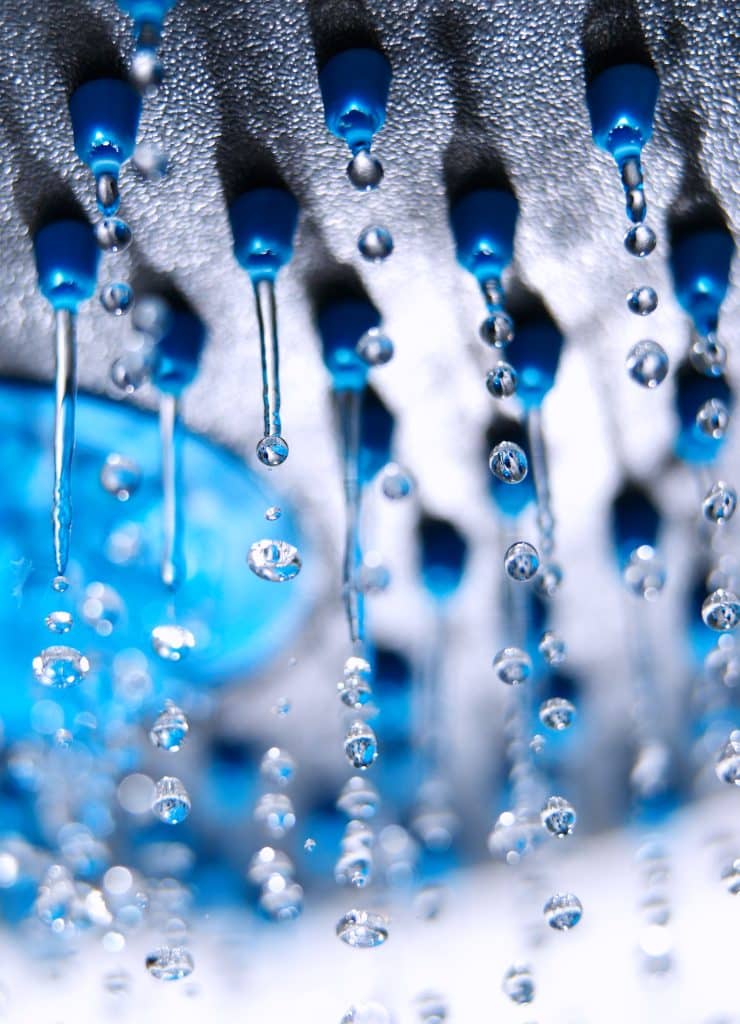
27. Shower Heads
A shower head that loses pressure or sprays sideways isn’t broken. It’s clogged with mineral deposits in the nozzles, and the fix is a zip-lock bag of white vinegar rubber-banded over the head and left overnight. The deposits dissolve, the nozzles clear, and the pressure returns to what it was when the fixture was new.
Most households replace shower heads for pressure loss without ever trying this. The vinegar soak costs pennies, takes thirty seconds to set up, and works on every mineral-clogged head regardless of age or price point. Rubber nozzles that have started to crack or corroded fittings that leak at the wall connection are the honest replacement signals.
The move: Vinegar bag overnight, rubber-band it on and forget it until morning. Do this once a year in hard-water areas and the shower head runs like new indefinitely.

26. Mattress Toppers
Mattress toppers go flat and lumpy and get replaced, but flatness in a foam or fiber topper is usually compression that hasn’t been given a chance to recover. A topper aired outside on a dry day, or run through a dryer on low heat with dryer balls for an hour, often rebounds closer to its original loft than expected.
Fiber-filled toppers are frequently machine washable on a large-capacity machine, which removes the body oils and moisture that compress the fill over time. Foam toppers spot-clean and air-dry. Neither condition that usually triggers replacement, flatness or mild odor, requires a new topper when the old one hasn’t actually broken down.
The move: Air it out or run it through the dryer with dryer balls. Wash fiber toppers in a large-capacity machine. Permanent body impressions that don’t recover after airing are the real end signal.

25. Garden Hoses
A leaking garden hose gets coiled up and replaced, and the leak is almost always at one of two places: the connector fitting at each end, or a puncture somewhere along the length. Both are two-dollar fixes. Hose repair couplings and end fittings are sold at any hardware store, snap or screw on in minutes, and restore full water pressure.
A puncture mid-hose patches with a coupling that cuts out the damaged section, and a leaking end connector unscrews and gets replaced with a new one. The hose itself almost never fails; it’s always the fittings, and the fittings are the cheap part.
The move: Replace the fitting, not the hose. A two-dollar coupling and five minutes beats a thirty-dollar replacement every time the leak is at the connector.

24. Candles
Candles get abandoned when they tunnel, which is when the wax melts straight down the center and leaves a thick ring of unmelted wax around the sides. The candle looks ruined. It has half its wax left.
The fix is a sheet of foil tented over the top for the first burn of a new candle, which forces the melt pool to reach the edges before the tunnel sets in. For an already-tunneled candle, a hair dryer on low heat melts the surface wax level and gives it a fresh start. Neither takes more than a few minutes.
The first burn is the one that matters most. Let it go until the melt pool reaches the edge of the jar, which typically takes two to three hours, and the candle will burn evenly for its entire life from there. Skipping that first full burn is how most candles get written off with half their wax intact.
The move: Foil tent on the first burn, hair dryer to level a tunneled surface. A candle isn’t done until the wax is gone.

23. Leather Shoes and Boots
Leather gets replaced when it looks scuffed, cracked, and dry, and all three of those conditions are thirst, not damage. Leather is skin, and skin that dries out cracks. The fix is conditioning: a quality leather conditioner applied and buffed in restores the moisture, closes surface scuffs, and brings the color back in one session.
A good pair of leather shoes conditioned twice a year and polished occasionally will outlast five pairs of synthetic replacements. The cobbler down the street who replaces soles and heels extends that further. Leather goods are some of the only purchases where proper maintenance produces something genuinely better over time rather than just slower to decline, which is the same principle behind the frugal instinct to get more from less.
The move: Condition twice a year, polish occasionally, resole when the heel wears through. Leather improves with care in a way synthetic materials simply don’t.

22. Cast Iron Pans
Cast iron gets abandoned for two reasons: rust and sticking. Both are fully reversible. Rust scrubs off with steel wool and hot water, and sticking means the seasoning layer needs rebuilding, which takes an oven and about an hour of hands-off time.
A reseasoned cast iron pan cooks better than a new nonstick one, costs nothing to revive, and will still be in service in fifty years. The rusted thrift-store skillet for three dollars is a better pan than most of what’s on the cookware aisle, and it just needs an afternoon and the frugal habit of fixing rather than replacing to get there.
The move: Scrub the rust with steel wool, dry completely, coat with a thin layer of oil, bake upside down at high heat for an hour. The pan is better than new.

21. Reusable Water Bottles
The reusable bottle that smells like old water gets replaced, which is the most avoidable item on this list. The smell is bacteria living in the lid mechanism, the straw, or the gasket, and a baking soda soak overnight followed by a thorough scrub with a bottle brush reaches places the regular rinse doesn’t.
Bottle brush sets cost a few dollars. The gaskets and lids on most popular bottles are sold as separate replacement parts for under five dollars, so even the most worn component doesn’t require replacing the whole bottle. A bottle that smells fine is a bottle that works fine.
The move: Baking soda soak, bottle brush on the lid and gasket, replace just the lid if needed. The bottle itself almost never wears out.

20. Pillows
Pillows get replaced when they go flat and yellow, and neither condition means the pillow is finished. Most pillows are machine washable: two at a time in a front-loader on warm, with an extra rinse cycle. The key is the dryer: low heat with two tennis balls or dryer balls, which break up the clumps and restore the loft.
A pillow that’s been properly washed and dried often bounces back close to its original shape. Yellow staining is sweat and oil that washes out with a cup of oxygen-based cleaner added to the wash. The pillow case exists to protect the pillow, and a pillow that’s been protected and cleaned has no reason to stop working, just as buying durable goods in the right condition beats replacing them on a schedule.
The move: Wash two at a time, add oxygen cleaner for yellowing, dry on low with tennis balls until fully lofted. Do this twice a year and pillows last for years.

19. Kitchen Sponges
Sponges get tossed the moment they smell, but smell isn’t wear. A sponge that’s rinsed well, wrung dry, and run through the dishwasher’s top rack or a wet 60-second microwave zap between uses stays serviceable far longer than the weekly toss cycle.
They do have a real retirement date: replace them when they fray or hold odor after cleaning. The point isn’t keeping a sponge forever. It’s doubling its working life for free.
The move: Dishwasher top rack or 60-second microwave zap between uses. Replace on fraying or smell that survives sanitizing, not before.
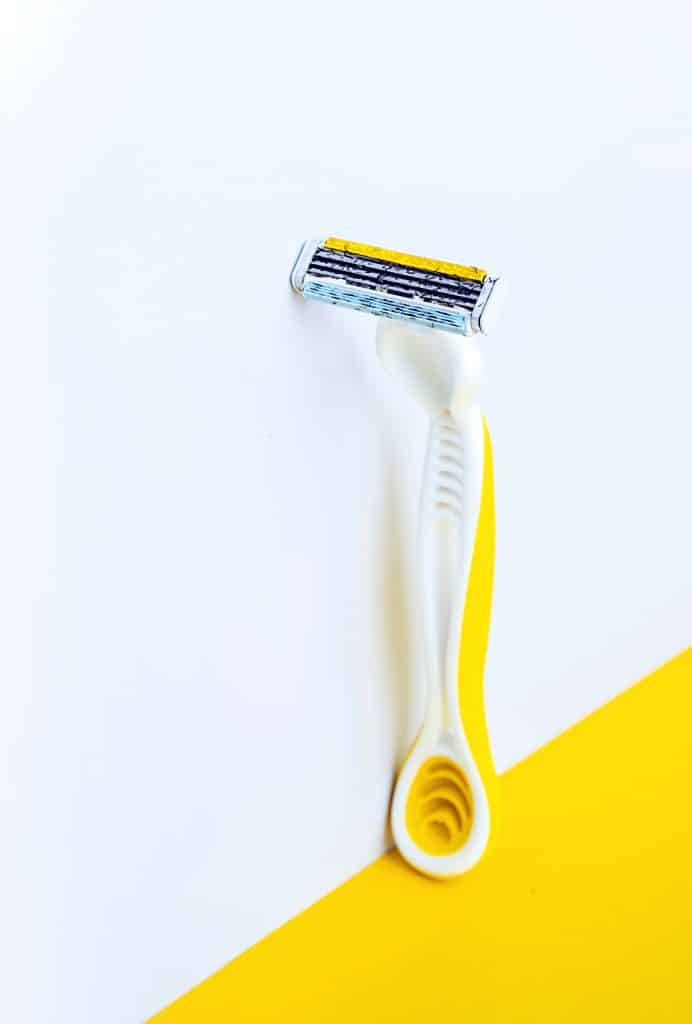
18. Shaving Cartridges
Blades don’t usually go dull from cutting hair. They degrade from sitting wet between shaves, and the fix costs nothing: shake the razor dry and set it blade-up after each use.
People who dry their blades routinely report weeks of extra life per cartridge, which matters when cartridges cost what they cost. The blade companies have never once mentioned this. Tugging or irritation is the real replacement signal, not the calendar.
While You're Here
21 Side Hustles That Actually Make Real Money in 2026
The ones that go beyond "take a survey."
The move: Dry the blade after every shave. Replace on tugging or skin irritation, not on schedule.

17. Bathroom Towels
Towels get replaced for being musty and scratchy, and neither one is damage. Musty is detergent and fabric softener buildup, and the cure is a hot wash with a cup of white vinegar and no detergent, followed by a regular wash cycle.
A towel stripped this way twice a year stays absorbent for a decade. The towels being sold as replacements will develop the exact same buildup on the same schedule, which means buying new ones doesn’t solve the problem, it just delays it by a year.
The move: Hot vinegar wash twice a year, skip the fabric softener entirely. Threadbare spots are the real replacement signal, not smell or scratchiness.

16. The Knives in Your Drawer
A dull knife feels like an old knife, so people buy new ones, which arrive sharp and then dull on the same schedule. The knife was never the problem. The edge was the problem.
A $10 pull-through sharpener or a few dollars at a farmers market sharpening booth restores the edge completely. One decent knife plus regular sharpening beats a drawer of retired ones at any price, and the same principle applies to the money habit of maintaining what you have rather than defaulting to replacement.
The move: Sharpen twice a year, hone monthly. Knives are lifetime tools when treated like it. Replace on chips, bent tips, or handles coming loose.

15. Charging Cables and Bricks
Chargers die at the same spot every time: the cable right below the connector, from being yanked out at an angle a thousand times. The charger brick itself almost never fails.
Pull by the plug, not the cord. A spring from an old pen wrapped around the stress point reinforces the cable if fraying has started. Also worth knowing: the cable and the brick are separate purchases, and it’s nearly always just the cable that needs replacing, not the set.
The move: Pull by the plug, reinforce the stress point, replace the cable not the set. Exposed wire is a genuine hazard and the one exception: replace that immediately.
Fast Math: A nonstick pan replaced yearly at $30 is $150 over five years versus $30 for one pan treated correctly. A phone replaced every two years at $800 versus a battery swap at $80 is $720 saved per cycle, and furniture maintained for thirty years versus replaced once a decade is the difference between hundreds and thousands spent. The math isn’t subtle once you run it.

14. Nonstick Cookware
Nonstick coatings don’t wear out on a calendar. They get destroyed by high heat, metal utensils, and cooking sprays that bake into a varnish on the surface. Treated correctly, a decent nonstick pan lasts many years.
Medium heat or lower, silicone or wood tools, a drop of regular oil instead of spray, and hand washing. That’s the entire maintenance manual, and it turns a yearly purchase into a five-year one. Flaking or deep scratches are the real end signal; until then, the pan still works.
The move: Medium heat, no metal, no cooking spray, hand wash. The coating outlasts most kitchens that treat it right.
We Think You'll Also Like
→ the cheapskate tricks that sound ridiculous but quietly work
→ the Sunday meal planning system that survived a real family

13. Wood Kitchen Tools
Wood kitchen tools get tossed when they look gray and dried out, and that’s thirst, not death. A food-grade mineral oil rub brings them back in ten minutes and costs pennies per treatment.
Oiled a few times a year, wooden boards and spoons last for generations. There are boards in grandmothers’ kitchens older than the houses around them, and oil is the whole secret. The gray, dry look that reads as “end of life” is actually “beginning of maintenance.”
The move: Food-grade mineral oil, a few times a year. Deep cracks that trap food are the only honest retirement signal.

12. Denim Jeans
Denim gets replaced when it fades and bags out, and both are mostly laundry damage. Jeans washed cold, turned inside out, and hung to dry keep their color and shape several times longer than jeans on the hot-wash-and-dryer cycle.
The denim-head community washes theirs a few times a year and swears by it. You don’t have to go that far. Cold water, inside out, hang dry: three small changes that extend the lifespan of every pair you own without spending anything.
The move: Cold wash, inside out, hang dry, wash less often. Actual holes in load-bearing locations are the replacement signal, not fading.

11. Bed Linens
One set of sheets used continuously wears out fast, which convinces people sheets just don’t last. Two sets in rotation each last far more than twice as long, because half the wear and half the washing lands on each.
It’s the rare item where owning more makes each one cheaper per year, and the logic is identical to the compounding math that makes small habits outperform large purchases over time. The rotation also means laundry day doesn’t require remaking the bed at 11pm. Thinning fabric you can hold up to a light and see through is the real replacement signal.
The move: Two sets, alternated every wash. Each one lasts years instead of months, and the math works better the longer you run it.

10. The Vacuum Cleaner
A vacuum that’s lost suction is almost never a broken vacuum. It’s a full canister, a clogged filter, or a hair-wrapped brush roll, and all three are ten-minute fixes with scissors and a sink.
Repair shops say a large share of “dead” vacuums that come in need exactly this and nothing more: the machine was fine, it was just full. A dead motor, which sounds like actual silence rather than struggling noise, is the real end.
The move: Empty the canister, wash the filter, cut the hair off the roller. Do this every few months and the machine runs like new indefinitely.

9. Printer Ink Cartridges
Printers announce low ink with the confidence of a smoke alarm, and studies have found cartridges routinely get replaced with a meaningful amount of ink still inside. The warning is a suggestion, not a measurement.
Print until the pages actually fade, because when black runs low, many printers keep going in grayscale off the color cartridges. On laser printers, a gentle shake of the toner often buys another few dozen pages. Visible streaks and fading are the honest replacement signals.
The move: Ignore the warning, replace on faded pages. The printer’s low-ink alert is a manufacturer suggestion with a financial interest attached to it.

8. Brooms and Mop Heads
Mop heads and broom bristles get grimy and get tossed, but most modern mop heads unscrew or unclip and survive the washing machine without complaint. Brooms comb out with an old fork and a rinse.
The handle was always the durable part. Replacing the whole tool because the working end got dirty is like replacing a toothbrush holder because the toothbrush wore out. Bristles that stay permanently bent and pads that shed are the real retirement signals.
The move: Machine-wash mop heads, comb and rinse brooms. The handles last for decades; it’s just the head that needs attention.

7. Plastic Storage Containers
Stained orange by one spaghetti night, the container gets demoted and then tossed. Tomato staining is cosmetic, and a paste of baking soda, a vinegar soak, or an afternoon in direct sunlight lifts most of it.
A stained container seals exactly as well as a pristine one. Lids warping in the dishwasher’s bottom rack are the real killer, so keep them on the top rack. Warped lids that no longer seal are the honest end signal.
The move: Baking soda paste or a sunny windowsill for stains, top rack for lids. A stained container that seals is a working container.

6. Holiday String Lights
Half the strand goes dark and the whole string goes in the trash, every January, in millions of households. A dark section is usually one bad bulb or a blown fuse, and most strands include spare fuses in the plug, with incandescent sets usually including spare bulbs in a small bag that everyone throws away with the packaging.
A six-dollar light-tester tool finds the bad bulb in about a minute. Keeping one in the decorations box converts an annual purchase into a five-minute repair, which is the same instinct behind old-fashioned money habits that fix before they replace. Cracked insulation and frayed wire are the genuine end: don’t store those, replace them.
The move: Check the spare fuses in the plug first, then a $6 bulb tester. Cracked or frayed wire is the only real reason to toss a strand.

5. Backpacks and Lunch Bags
The end-of-school-year backpack looks destroyed, and it’s almost always dirt plus one loose seam. Most backpacks survive a gentle machine wash inside a pillowcase, air dried, looking close to new.
A needle and thread handles the seam in five minutes. A zipper pulling apart usually just needs the slider squeezed gently with pliers to tighten its grip on the teeth. The repairs that save a backpack take less time than the trip to buy a new one, and the annual savings across a household that mends rather than replaces school gear adds up faster than the individual amounts suggest.
The move: Pillowcase machine wash, air dry, five minutes of mending. Broken zipper tracks and torn strap anchors are the real end; everything else is maintenance.

4. Coffee Makers and Electric Kettles
The coffee maker that runs slow, sputters, and brews weak isn’t dying. It’s scaled up with mineral deposits, and a vinegar-and-water cycle followed by two plain water rinse cycles restores it completely. Same story for kettles.
Readers Can't Stop Opening These
★ 27 "Weird" Frugal Hacks Our Grandmothers Used to Survive on Nothing
★ 37 Foods You Must Always Stockpile Before Winter Hits
★ 25 Ways My Family Actually Saves Money Every Month (Without Feeling Deprived)
The number of functioning coffee makers replaced for want of a cup of vinegar is one of the quiet tragedies of the small appliance world. Descale twice a year and the machine outlives the trend cycle by years. Heating element failure, meaning it truly won’t get hot, is the real end.
The move: Vinegar descaling cycle, twice a year. Five to ten years of daily brewing is normal for a machine that gets this treatment.

3. Household Furniture
The wobbly chair, the sagging couch cushion, the scratched-up table. Each one reads as “time for new furniture” and each has a repair measured in minutes or single dollars: an allen key run around every bolt, new cushion foam cut to size from a craft store, a walnut rubbed on the scratch, or a $9 touch-up marker.
Solid furniture is built to be maintained, and the stuff worth keeping announces itself by being repairable at all. Tighten first, buy later, and later mostly never comes. The scratch that seemed to demand a new table costs about ninety seconds and a piece of walnut to fix, which is information that frugal people who stopped buying things they didn’t need tend to have and use.
The move: Tighten, re-foam, touch up, in that order. Broken frames and structural cracks are the real replacement signal. Everything else is maintenance.

2. Window Curtains and Area Rugs
Soft furnishings get replaced for looking dingy, and dingy is just dirt with tenure. Most curtains machine wash on gentle and come out looking close to new. Most rugs shampoo back to life with a rented cleaner or a stiff brush and carpet soap on the driveway.
Decor fatigue is real, and sometimes a room genuinely needs a change, but “worn out” and “I’m bored of it” are different budgets and only one is mandatory. Dry rot, unraveling edges, and fading that cleaning can’t touch are the honest replacement signals. Boredom, honestly budgeted, is the other one.
The move: Gentle machine wash for curtains, a rented shampooer for rugs. A decade or more is normal for quality soft furnishings that get cleaned instead of replaced.

1. Your Smartphone
The biggest one, by hundreds of dollars. The phone that dies by dinnertime, runs slow, and “needs replacing” usually needs one thing: a new battery. Batteries are consumable parts with a two-to-three-year lifespan, replaceable for roughly $50 to $100 at a repair counter, and a fresh one makes a three-year-old phone feel new.
The slow-and-dying-phone feeling is engineered to arrive right on the upgrade cycle, and the thousand-dollar reflex depends on nobody knowing the hundred-dollar fix exists. A battery swap restores the full-day runtime the phone had when new, speeds up the performance throttled to protect the old cells, and extends the device by two or more useful years.
The case for replacing is real when apps you genuinely need stop being supported or the camera falls too far behind your work. For most people, that moment comes well after the upgrade pressure arrives, meaning the gap between “feels old” and “is old” is measured in years and hundreds of dollars. The financial move that actually helps is knowing the difference, and no other item in the house has a wider gap between the cost of replacing it and the cost of reviving it.
The move: Battery replacement at a repair shop, roughly $50 to $100. Replace when apps you need genuinely stop being supported, not when the upgrade cycle says so.

The Five-Minute Check
If you only take three things from this list: most household items get replaced when they’re dirty, dull, or clogged rather than actually finished, and the difference between those conditions costs almost nothing to investigate.
The five-minute check before the checkout page, which is just asking “what would fix this,” is the whole discipline. And the items ranked highest on this list, smartphones, furniture, and soft furnishings, are exactly where that question saves the most money because the replacement costs the most.
The habit of fixing before replacing isn’t complicated. They’re just the practice of running the five-minute check as a default rather than an afterthought. The annual savings from that habit compound faster than most people expect, because the amounts look small per item and the list of items is long.
The pattern across all 27: things get retired when they’re dirty, dull, clogged, or missing a cheap part, and almost never because they’re actually finished. The replacement industry counts on nobody pausing long enough to check. Now you’re pausing.
Enjoyed this article? Here are more fun reads:
