Best Liposomal Vitamin C Supplements (2026) – Top 10 Reviewed
Liposomal vitamin C delivers this essential nutrient encapsulated in tiny fat-based spheres called liposomes, which protect it from digestive breakdown and dramatically improve absorption. Research shows liposomal formulations can provide 1.3 to 7 times higher bioavailability compared to standard vitamin C supplements.
The best liposomal vitamin C products use quality phospholipids, provide therapeutic dosages, and avoid unnecessary fillers. Here are our top 10 picks for 2026.
| Product | Dosage | Servings | Form | Best For |
|---|---|---|---|---|
| LivOn Lypo-Spheric Vitamin C | 1,000mg | 30 | Liquid packets | Best Overall |
| Quicksilver Scientific Liposomal Vitamin C | 1,000mg | 24 | Liquid | Best Premium |
| NutriFlair Liposomal Vitamin C | 1,700mg | 90 | Capsules | Best Value |
| Dr. Mercola Liposomal Vitamin C | 1,000mg | 90 | Capsules | Best for Sensitive Stomachs |
| Core Med Science Liposomal Vitamin C | 1,000mg | 90 | Softgels | Best Softgel Option |
| Wholesome Wellness Liposomal Vitamin C | 1,500mg | 100 | Capsules | Best High-Potency |
| Pure Encapsulations Liposomal Vitamin C | 1,000mg | 24 | Liquid | Best Third-Party Tested |
| Nutrivein Liposomal Vitamin C | 1,650mg | 90 | Capsules | Best for Daily Wellness |
| Carlyle Liposomal Vitamin C | 2,200mg | 90 | Softgels | Best Ultra High-Dose |
| DACHA Liposomal Vitamin C | 1,700mg | 100 | Capsules | Best Budget Option |
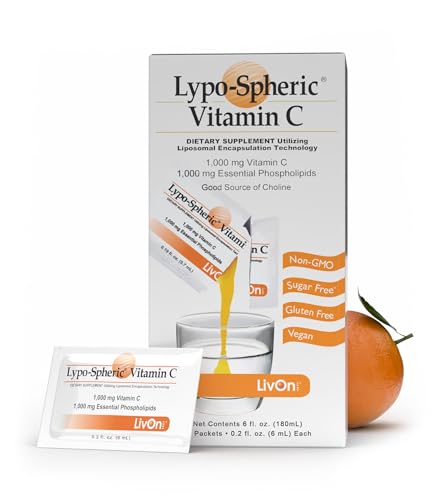
1. LivOn Lypo-Spheric Vitamin C – Best Overall
Why it stands out: LivOn Labs pioneered liposomal supplement technology and their Lypo-Spheric Vitamin C remains the gold standard. Clinical research using this specific product demonstrated plasma vitamin C levels reaching twice what was previously thought possible with oral supplementation.
Each single-serve packet delivers 1,000mg of vitamin C encapsulated in phosphatidylcholine-rich liposomes derived from soy lecithin. The gel-like formula absorbs sublingually and through the intestinal wall, bypassing much of the digestive degradation that limits standard vitamin C. LivOn uses pharmaceutical-grade ingredients and third-party tests every batch. The individual packets are convenient for travel and ensure precise dosing without measuring.
Pros:
- Clinically studied formula with proven absorption rates
- Single-serve packets eliminate measuring and maintain freshness
- Vegan, non-GMO, gluten-free, and sugar-free
- Contains phosphatidylcholine for additional cellular benefits
Cons:
- Higher price point than capsule alternatives
- Gel texture and taste take some getting used to
Best for: Those seeking the most research-backed liposomal vitamin C with maximum absorption and willing to invest in premium quality.
2. Quicksilver Scientific Liposomal Vitamin C – Best Premium
Why it stands out: Founded by Dr. Christopher Shade, Quicksilver Scientific uses proprietary nanotechnology to create exceptionally small liposomes (20-100 nanometers) that begin absorbing immediately in the mouth for rapid bioavailability.
This liquid formula delivers 1,000mg of Quali-C vitamin C per teaspoon as buffered sodium ascorbate, which is gentler on the stomach than ascorbic acid. The phospholipids come from highly purified sunflower lecithin, making it suitable for those avoiding soy. The clear, thin consistency indicates properly formed small-particle liposomes. Natural citrus oils provide a pleasant taste that makes daily dosing enjoyable rather than a chore.
Pros:
- Ultra-small liposomes for immediate sublingual absorption
- Buffered formula prevents stomach irritation
- Soy-free phospholipids from sunflower lecithin
- Pleasant citrus taste
Cons:
- Requires refrigeration after opening
- Must be used within 60 days once opened
Best for: Health enthusiasts who want professional-grade liposomal technology and prefer liquid supplements over capsules.

3. NutriFlair Liposomal Vitamin C – Best Value
Why it stands out: NutriFlair delivers an impressive 1,700mg of liposomal vitamin C per two-capsule serving at a fraction of the cost of liquid alternatives, making high-dose supplementation accessible without breaking the budget.
Each bottle contains 180 vegan capsules providing a full 90-day supply. The formula uses sunflower-derived phospholipids rather than soy, appealing to those with soy sensitivities. NutriFlair manufactures in a cGMP-certified facility in the USA and conducts third-party testing for purity and potency. The capsules are free from GMOs, gluten, dairy, and artificial additives, fitting various dietary restrictions.
Pros:
- Excellent cost per serving for 90-day supply
- High 1,700mg dose per serving
- Soy-free, vegan-friendly formula
- Third-party tested for quality assurance
Cons:
- Requires taking two capsules per serving
- Capsule absorption may be slightly lower than liquid forms
Best for: Budget-conscious consumers wanting high-dose liposomal vitamin C without premium pricing.

4. Dr. Mercola Liposomal Vitamin C – Best for Sensitive Stomachs
Why it stands out: Dr. Mercola’s formula specifically addresses the digestive discomfort that high-dose vitamin C can cause, using phospholipids that form protective liposomes in the stomach to minimize GI upset while maximizing absorption.
Each two-capsule serving provides 1,000mg of vitamin C encapsulated in liposomes for enhanced bioavailability. The formula is non-GMO, gluten-free, and soy-free, manufactured under strict quality controls. Dr. Mercola’s brand has built a reputation for evidence-based formulations, and this product reflects that commitment with clean ingredients and transparent labeling. The 180-capsule bottle provides 90 servings for a three-month supply.
Pros:
- Gentle on digestive system even at high doses
- Clean formula without common allergens
- 90-day supply per bottle
- Trusted brand with quality reputation
Cons:
- Moderate price point
- Two capsules required per serving
Best for: Individuals who experience stomach upset with regular vitamin C supplements or those with sensitive digestive systems.
5. Core Med Science Liposomal Vitamin C – Best Softgel Option
Why it stands out: Core Med Science delivers liposomal vitamin C in easy-to-swallow softgels that are clinically proven to absorb 3-6 times better than traditional liquid liposomal formulas, combining convenience with superior bioavailability.
The powdered liposome technology used in these softgels creates free-flowing particles that form a liposomal suspension when digested. Each serving delivers 1,000mg of Quali-C vitamin C from Scotland, known for pharmaceutical-grade purity. The phospholipids come from non-GMO sunflower oil, and the formula is free from dairy, egg, soy, shellfish, wheat, tree nuts, and fish. Manufacturing takes place in cGMP-compliant facilities in the USA with third-party testing for every batch.
Pros:
- Softgels easier to swallow than capsules
- Uses premium Quali-C vitamin C
- China-free, allergen-friendly ingredients
- No refrigeration required
Cons:
- Contains gelatin (not suitable for vegans)
- Smaller bottle size than some competitors
Best for: Those who prefer softgels over capsules or liquids and want a clean, allergen-free formula.
6. Wholesome Wellness Liposomal Vitamin C – Best High-Potency
Why it stands out: With 1,500mg of buffered vitamin C per serving in 200 capsules per bottle, Wholesome Wellness offers one of the highest-potency options with excellent value for those requiring therapeutic dosing.
The buffered ascorbic acid formula reduces acidity for better stomach tolerance, while the liposomal encapsulation ensures optimal absorption even at high doses. The vegan capsules contain no artificial colors, flavors, or preservatives. Each bottle provides 100 servings, making it economical for long-term supplementation. The fat-soluble delivery system means vitamin C stays in your system longer rather than being rapidly excreted.
Pros:
- High 1,500mg potency per serving
- 200 capsules for extended supply
- Buffered formula for stomach comfort
- Vegan and free from artificial additives
Cons:
- Large capsules may be difficult for some to swallow
- Higher total dose may not be necessary for everyone
Best for: Those seeking high-dose vitamin C therapy for immune support, recovery, or addressing deficiency.
7. Pure Encapsulations Liposomal Vitamin C – Best Third-Party Tested
Why it stands out: Pure Encapsulations is renowned for hypoallergenic formulations and rigorous testing protocols, with NSF International and TGA certifications ensuring every batch meets the strictest quality standards.
This liquid formula delivers 1,000mg of vitamin C per teaspoon encapsulated in sunflower oil-derived liposomes. The product contains no added sugars or artificial sweeteners, keeping the ingredient list clean and simple. Pure Encapsulations tests for potency, purity, and quality multiple times throughout manufacturing. The certified gluten-free and non-GMO formula suits those with dietary restrictions or sensitivities.
Pros:
- Multiple third-party certifications (NSF, TGA)
- Hypoallergenic formula
- Clean ingredients without sweeteners
- Established reputation for quality
Cons:
- Premium pricing
- Liquid form requires refrigeration
Best for: Quality-focused consumers who prioritize third-party verification and want a product recommended by healthcare practitioners.
8. Nutrivein Liposomal Vitamin C – Best for Daily Wellness
Why it stands out: Nutrivein offers a well-balanced 1,650mg formula designed for everyday immune support and antioxidant protection, with clean vegan ingredients suitable for various dietary lifestyles.
The fat-soluble liposomal delivery maximizes bioavailability while being gentle on digestion. Each bottle contains 180 capsules for a 90-day supply at the recommended two-capsule serving. The formula is free from GMOs, soy, gluten, and dairy, manufactured in a cGMP-certified facility in the USA. Nutrivein emphasizes their commitment to natural, result-driven supplements without artificial flavors or preservatives.
Pros:
- Balanced potency for daily maintenance
- 90-day supply per bottle
- Free from major allergens
- Made in USA with quality controls
Cons:
- Two capsules per serving
- Moderate absorption compared to liquid forms
Best for: Those seeking a reliable daily vitamin C supplement for general wellness and immune maintenance.
9. Carlyle Liposomal Vitamin C – Best Ultra High-Dose
Why it stands out: At 2,200mg per serving, Carlyle offers one of the highest-potency liposomal vitamin C supplements on the market, ideal for those following therapeutic high-dose protocols.
The softgel format makes these mega-doses easier to consume than swallowing multiple capsules. Each bottle provides 90 softgels for a full month of high-dose supplementation. Carlyle maintains non-GMO and gluten-free standards while keeping pricing competitive. The liposomal encapsulation prevents the digestive upset commonly associated with such high vitamin C doses taken in standard forms.
Pros:
- Highest potency available in softgel form
- Single softgel convenience
- Competitive pricing for the dosage
- Non-GMO and gluten-free
Cons:
- May be more than necessary for general supplementation
- Contains gelatin
Best for: Those following practitioner-recommended high-dose vitamin C protocols or addressing acute immune challenges.
10. DACHA Liposomal Vitamin C – Best Budget Option
Why it stands out: DACHA delivers 1,700mg of liposomal vitamin C in 200 capsules at an exceptionally affordable price point, making quality liposomal supplementation accessible to budget-conscious consumers.
The vegetarian formula uses a combination of sunflower phospholipids and fat-soluble vitamin C for enhanced absorption. Each bottle provides 100 servings, lasting over three months with daily use. DACHA maintains clean ingredient standards without fillers or artificial additives. The high-potency formula rivals more expensive brands while costing significantly less per serving.
Pros:
- Excellent price-to-value ratio
- 200 capsules per bottle
- High 1,700mg potency
- Vegetarian-friendly capsules
Cons:
- Less established brand than premium options
- May have batch-to-batch variation
Best for: Budget-conscious consumers wanting high-dose liposomal vitamin C without premium brand pricing.
What is Liposomal Vitamin C and Who Should Take It?
Liposomal vitamin C uses advanced nanotechnology to encapsulate ascorbic acid or sodium ascorbate within phospholipid spheres called liposomes. These microscopic fat-based bubbles—typically ranging from 20 to 400 nanometers in diameter—are made from the same phospholipids that comprise human cell membranes. This structural similarity allows liposomes to merge directly with intestinal cells and deliver their vitamin C payload straight into the bloodstream, bypassing much of the digestive degradation that limits standard supplements. Research indicates liposomal vitamin C can achieve plasma levels 1.3 to 7 times higher than standard supplements at equivalent doses.
Traditional oral vitamin C faces a significant absorption ceiling. At doses above 200mg, intestinal transporters become saturated, and most of the excess is simply excreted. This is why high-dose regular vitamin C often causes digestive distress—unabsorbed vitamin C draws water into the intestines. Liposomal encapsulation circumvents this limitation by using a different absorption pathway that doesn’t rely on saturated transporters.
This enhanced absorption makes liposomal vitamin C particularly valuable for those with digestive issues that limit nutrient uptake, anyone requiring higher therapeutic doses, or individuals who experience stomach upset with regular vitamin C. Smokers require 35mg more vitamin C daily than non-smokers due to increased oxidative stress. Older adults often have reduced absorption capacity and may benefit significantly from liposomal delivery. People under chronic stress rapidly deplete vitamin C stores in the adrenal glands and need consistent replenishment. Those recovering from illness, surgery, or intense physical training have elevated vitamin C requirements that liposomal forms can help meet more effectively.
How to Choose the Right Liposomal Vitamin C
Key Ingredients to Look For
Quality liposomal vitamin C should contain either ascorbic acid or buffered sodium ascorbate as the vitamin C source. Sodium ascorbate is gentler on the stomach and preferable for those with acid sensitivity or GERD. The phospholipids should come from sunflower lecithin (soy-free) or high-quality soy lecithin. Look for products using phosphatidylcholine as the primary phospholipid, as this creates the most stable and absorbable liposomes while also providing benefits for liver health and cellular membrane integrity.
Premium products may use Quali-C, a pharmaceutical-grade vitamin C manufactured in Scotland under strict European quality standards. This vitamin C source is prized for its purity and consistency. Some formulas combine vitamin C with complementary nutrients like citrus bioflavonoids, which occur naturally alongside vitamin C in fruits and may enhance its antioxidant effects. Others add alpha lipoic acid for additional antioxidant synergy.
The optimal dosage depends on your goals. For general maintenance, 500-1,000mg daily suffices. For immune support during illness or stress, 1,500-2,000mg may be appropriate. Therapeutic protocols under practitioner guidance sometimes use higher amounts. Regardless of the dose, liposomal delivery ensures you absorb a greater percentage than standard forms.
Forms Compared
Liquid liposomal vitamin C typically offers the fastest absorption, with some products beginning to absorb sublingually before reaching the stomach. Holding liquid formulas in the mouth for 30-60 seconds allows the small liposomes to enter the bloodstream through the mucous membranes. However, liquids require refrigeration after opening and have shorter shelf lives of 30-60 days once exposed to air. They also tend to cost more per serving and require careful measuring.
Capsules and softgels provide convenience and stability, with shelf lives of 1-2 years when stored properly. They’re easy to travel with and require no refrigeration. Softgels often absorb slightly better than hard capsules because the liquid interior disperses more readily in the digestive tract. However, softgels typically use gelatin, making them unsuitable for vegans, while vegetable capsules are plant-based friendly. Individual packets offer precise dosing and travel convenience but cost more per serving than bulk bottles.
What to Avoid
Steer clear of products using low-quality phospholipids like raw lecithin, which cannot form proper liposomes and result in little absorption advantage over standard vitamin C. The phospholipid source should be specified on the label—vague terms like “lecithin” without further detail suggest lower quality. Avoid supplements with excessive fillers, artificial colors, or preservatives that add nothing to the formula and may cause sensitivities.
Be wary of unrealistic absorption claims not backed by peer-reviewed research. Statements like “100% absorption” or “IV-equivalent” are marketing exaggerations. Legitimate liposomal products acknowledge enhanced absorption without making impossible claims. Products with added sugars, artificial sweeteners, or excessive flavoring agents are unnecessary and may indicate the manufacturer prioritizes palatability over efficacy.
Side Effects and Precautions
Liposomal vitamin C is generally well-tolerated due to its buffered formulation and reduced intestinal irritation compared to standard ascorbic acid. The liposomal encapsulation prevents the unabsorbed vitamin C from drawing water into the intestines—the primary cause of digestive upset with high-dose regular supplements. However, consuming excessive amounts (above 2,000mg daily for extended periods) may still cause mild gastrointestinal symptoms including nausea, diarrhea, or abdominal cramps in sensitive individuals. Start with lower doses and increase gradually over 1-2 weeks to assess your tolerance.
Rarely, some people experience detox-like symptoms when beginning high-dose vitamin C supplementation, particularly if they have significant oxidative stress or toxin burden. These symptoms—mild headache, fatigue, or flu-like feelings—typically resolve within a few days as the body adjusts. Reducing the dose temporarily and increasing hydration usually helps.
Individuals with hemochromatosis (iron overload disorder) should consult a healthcare provider before supplementing, as vitamin C significantly increases iron absorption. This enhanced iron uptake, while beneficial for those with low iron, can be problematic for those whose bodies already store too much. Those with kidney disease, a history of kidney stones (particularly calcium oxite stones), or glucose-6-phosphate dehydrogenase (G6PD) deficiency should also seek medical guidance before high-dose supplementation.
Pregnant and nursing women should stick to recommended daily amounts (85mg during pregnancy, 120mg while nursing) unless directed otherwise by their healthcare provider. Vitamin C can interact with certain medications including blood thinners (warfarin), statins, and some chemotherapy drugs. If you take any prescription medications, discuss vitamin C supplementation with your healthcare provider or pharmacist to check for potential interactions.
FAQs
How much liposomal vitamin C should I take daily?
For general maintenance and immune support, 500-1,000mg daily is sufficient for most adults and aligns with evidence-based recommendations. Therapeutic doses of 1,500-2,000mg may be appropriate during acute illness, periods of high stress, post-surgery recovery, or intense athletic training. Some practitioners recommend even higher doses for specific conditions, but this should always be supervised. Always start with a lower dose and increase gradually, staying below the 2,000mg tolerable upper intake level unless working with a healthcare practitioner who can monitor your response.
When is the best time to take liposomal vitamin C?
Take liposomal vitamin C on an empty stomach, ideally 10-30 minutes before meals, for optimal absorption. The liposomal encapsulation protects the vitamin from food interactions and digestive acids, but an empty stomach allows the liposomes to contact the intestinal wall directly without competition from food particles. For liquid forms, hold the product in your mouth for 30-60 seconds before swallowing to enhance sublingual absorption through the oral mucosa. If stomach sensitivity is a concern, taking it with a small amount of food is acceptable and still provides better absorption than standard vitamin C.
How long does it take to notice results from liposomal vitamin C?
Many people report increased energy and improved overall well-being within 1-2 weeks of consistent daily supplementation. This reflects vitamin C’s role in cellular energy production and adrenal function. Immune benefits may be felt more immediately during acute needs—some users notice faster recovery from illness within days of increasing their dose. Skin improvements from enhanced collagen production typically become noticeable after 4-8 weeks, with studies showing visible wrinkle reduction at the 4-week mark. Maximum benefits for chronic conditions or significant deficiency correction may take 2-3 months of consistent use.
Is liposomal vitamin C better than regular vitamin C?
Research consistently shows liposomal vitamin C achieves higher blood levels than standard supplements at the same dose. A scoping review of 10 clinical studies found liposomal formulations provided 1.2-5.4 times higher peak concentrations and 1.3-7.2 times greater overall absorption compared to non-liposomal forms. This matters most for high-dose protocols where standard vitamin C reaches intestinal saturation limits around 200-500mg per dose. For someone taking only 100-200mg daily, the absorption advantage is less significant, and regular vitamin C may suffice. However, liposomal forms cause less digestive upset at any dose, making them preferable for those with sensitive stomachs.
Can I take liposomal vitamin C with other supplements?
Liposomal vitamin C pairs well with most supplements and may actually enhance absorption of certain nutrients. It significantly improves iron absorption, making it an excellent companion to iron supplements for those addressing anemia or deficiency. Vitamin C works synergistically with vitamin E, helping to regenerate this fat-soluble antioxidant after it neutralizes free radicals. It also supports the production and recycling of glutathione, the body’s master antioxidant. Taking vitamin C with collagen supplements enhances collagen synthesis. However, avoid taking high-dose vitamin C with copper supplements, as they can compete for absorption. Space vitamin C and copper by at least 2 hours if you take both.
Do I need to refrigerate liposomal vitamin C?
Liquid liposomal products should be refrigerated after opening to maintain liposome stability and prevent oxidation of the phospholipids. Most liquid formulas should be used within 30-60 days of opening to ensure potency. The cold temperature helps preserve the delicate liposome structure that makes these products effective. Capsules and softgels are generally shelf-stable at room temperature due to their sealed environment protecting the liposomes from air and moisture. Store them in a cool, dry place away from direct sunlight. Always check product labels for specific storage instructions and adhere to expiration dates for maximum efficacy.
Final Verdict
For the best overall liposomal vitamin C, LivOn Lypo-Spheric Vitamin C remains our top recommendation based on its extensive clinical research, proven absorption rates, and pioneering liposomal technology. The single-serve packets ensure freshness and precise dosing every time.
Budget-conscious consumers should consider NutriFlair Liposomal Vitamin C, which delivers an impressive 1,700mg per serving at a fraction of premium brand pricing while maintaining quality standards.
For those preferring liquid supplements with cutting-edge nanotechnology, Quicksilver Scientific Liposomal Vitamin C offers professional-grade absorption with a pleasant taste and soy-free formula. Those needing ultra high-dose options will find Carlyle’s 2,200mg softgels or Wholesome Wellness’s 1,500mg capsules fit their therapeutic protocols effectively.