21 Connecticut Fishing Lakes and Rivers That Deserve More Attention

Connecticut is the Constitution State, meaning you would expect something modern and developed, but the fishing here surprises almost everyone who shows up expecting little. The state has over 180 public lakes and ponds, legendary trout rivers, solid bass fishing in the Housatonic chain, and striped bass in the Connecticut River tidal sections.
Candlewood Lake is Connecticut’s largest lake at 5,420 acres and consistently ranks among the top bass fishing lakes in the state with excellent largemouth and smallmouth fishing year round. The underwater ledges and structure throughout the lake hold fish across every season and northern pike add another serious target species to the mix.

The Housatonic River and Farmington River are the two trout fishing legends in Connecticut and both are genuinely exceptional. The upper Housatonic known locally as the Housy has some of the best brown trout and rainbow trout fishing in the entire Northeast with designated trout management areas that require barbless hooks and keep fish populations at impressive levels. The Farmington from Riverton to New Hartford is equally productive and both rivers draw fly fishermen from New York and Massachusetts every season.
Bantam Lake near Litchfield is the largest natural lake in Connecticut and one of the best northern pike fisheries in the state with fish regularly running 10 to 15 pounds. The Connecticut River offers striped bass fishing in the tidal lower sections that stretch nearly 60 miles inland making it one of the most accessible striper fisheries in New England.
Lake Lillinonah on the Housatonic River is a 1,900 acre reservoir with largemouth and smallmouth bass, catfish, and walleye that most visiting anglers overlook entirely. The state record walleye exceeds 15 pounds and quality walleye can be found across multiple lakes statewide. This guide covers all of it.

21. Quinebaug River (Eastern Connecticut)
The Quinebaug River runs through eastern Connecticut and produces good largemouth and smallmouth bass fishing across genuinely varied water, from slower impoundment sections to faster rocky stretches that give the river more structural variety than its modest profile might suggest. The river’s position in the less-developed eastern part of the state means it sees considerably less fishing pressure than the more famous rivers further west.
The bass fishing here benefits from the river’s mix of habitat types, with largemouth holding in the slower sections and smallmouth favoring the rockier, faster water. The Quinebaug’s relative obscurity compared to the Housatonic or the Connecticut River means anglers willing to explore it find genuinely productive water without much competition.
For anglers in eastern Connecticut and nearby Rhode Island, the Quinebaug represents a practical, close-to-home option that doesn’t require the longer drive to the state’s better-known western waters.
🎣 What You’ll Catch
- Largemouth Bass ⭐⭐⭐⭐
- Smallmouth Bass ⭐⭐⭐⭐
- Chain Pickerel ⭐⭐⭐
- Yellow Perch ⭐⭐⭐
📅 Best Time To Fish
- Spring: Excellent (bass spawning throughout the river’s varied structure)
- Summer: Good (smallmouth productive in the faster, rockier sections)
- Fall: Good (bass feed before water cools further)
🏆 Trophy Potential – 8/10 (A genuinely underfished eastern Connecticut river with solid largemouth and smallmouth bass fishing.)

20. Naugatuck River (Western Connecticut)
The Naugatuck River runs through western Connecticut’s industrial valley towns and has rebounded into a genuinely productive trout and smallmouth bass fishery, the result of decades of water quality cleanup following the river’s heavily polluted industrial past. The river’s recovery stands as one of Connecticut’s clearer environmental success stories, and the trout stocking program that’s developed alongside that recovery has made the Naugatuck a real option for Connecticut anglers.
The trout fishing here benefits from consistent state stocking programs, and smallmouth bass add a second fishery in the river’s faster, rockier sections. The Naugatuck’s position running through Waterbury and the broader Naugatuck Valley means it offers convenient access for a significant population center that doesn’t have many other strong fishing options nearby.
The river’s industrial history means some stretches still carry the legacy of decades of pollution, and anglers should stay current on any specific advisories for sections they plan to fish.
🎣 What You’ll Catch
- Rainbow Trout ⭐⭐⭐⭐
- Brown Trout ⭐⭐⭐⭐
- Smallmouth Bass ⭐⭐⭐⭐
- Largemouth Bass ⭐⭐⭐
📅 Best Time To Fish
- Spring: Excellent (freshly stocked trout active throughout the river)
- Summer: Good (smallmouth productive in the faster, rockier sections)
🏆 Trophy Potential – 8/10 (A genuine environmental recovery story, with consistent trout stocking and solid smallmouth bass fishing through the Naugatuck Valley.)

19. Lake Zoar (New Haven and Fairfield Counties)
Lake Zoar covers roughly 1,000 acres as a Housatonic River reservoir and produces good largemouth and smallmouth bass fishing across rocky structure with convenient access for anglers throughout southwestern Connecticut. The lake’s position on the Housatonic River system gives it a connection to the broader river fishery both upstream and downstream.
The bass fishing here benefits from the lake’s rocky shoreline and structure, giving both largemouth and smallmouth genuine holding water. Catfish round out a fishery that gives anglers a third target species, particularly productive through the warmer summer months.
Lake Zoar’s position along a developed stretch of the Housatonic Valley means it sees consistent recreational use, and anglers who fish it regularly learn the specific areas that offer the best balance of structure and accessibility.
🎣 What You’ll Catch
- Largemouth Bass ⭐⭐⭐⭐⭐
- Smallmouth Bass ⭐⭐⭐⭐
- Catfish ⭐⭐⭐⭐
- Yellow Perch ⭐⭐⭐
📅 Best Time To Fish
- Spring: Excellent (bass spawning throughout the rocky structure)
- Fall: Excellent (bass feed before water cools further)
🏆 Trophy Potential – 8/10 (A productive Housatonic River reservoir with solid largemouth and smallmouth bass fishing and convenient southwestern Connecticut access.)

18. Bantam Lake (Litchfield County)
Bantam Lake covers roughly 947 acres as Connecticut’s largest natural lake, with clear water, weed beds, and structure that support strong largemouth bass and panfish populations in a genuinely peaceful northwest Connecticut setting. The lake’s status as a natural lake, rather than a reservoir, gives it a different character from many of the state’s other significant bass waters, shallower, weedier, and more classically suited to topwater fishing.
The largemouth bass fishing here benefits from the lake’s extensive weed beds, and topwater and Texas rig techniques worked through and around the vegetation are the standard productive approach. Bluegill and sunfish provide reliable panfish action throughout the season, and yellow perch and chain pickerel round out a fishery that gives anglers genuine variety.
Limited parking and significant summer weed growth are real considerations at Bantam, and anglers planning a trip benefit from arriving early both for parking availability and for fishing before the weeds make casting more difficult later in the day.
🎣 What You’ll Catch
- Largemouth Bass ⭐⭐⭐⭐⭐
- Bluegill and Sunfish ⭐⭐⭐⭐⭐
- Yellow Perch ⭐⭐⭐⭐
- Chain Pickerel ⭐⭐⭐
📅 Best Time To Fish
- Spring: Excellent (bass spawning throughout the weed beds, the best window of the year)
- Summer: Good (early mornings before weeds thicken and limit casting)
- Fall: Excellent (bass feed before water cools further)
🏆 Trophy Potential – 8/10 (Connecticut’s largest natural lake, with classic weedy, shallow-water bass fishing and strong panfish action.)

17. Connecticut River (Tidal Sections Near the Mouth)
The Connecticut River’s tidal sections near its mouth at Old Saybrook produce excellent striped bass and channel catfish fishing across the state’s longest and most significant river system, water that connects directly to Long Island Sound and the broader Atlantic striped bass migration. The river’s tidal influence extends a genuinely long way upstream, well past Hartford, giving anglers considerable water to explore depending on which stretch they choose.
The striped bass fishing here is the headline, with fish moving through the river’s lower sections as part of their broader coastal migration each spring and fall. Channel catfish fishing in the river’s deeper holes provides consistent action, particularly through summer when striper activity can be less predictable.
The Connecticut River’s status as a major migratory corridor means striper fishing here connects directly to the health of the broader Atlantic coast population, and run timing can shift year to year based on water temperature and broader coastal conditions.
🎣 What You’ll Catch
- Striped Bass ⭐⭐⭐⭐⭐
- Channel Catfish ⭐⭐⭐⭐⭐
- Largemouth Bass ⭐⭐⭐
- White Perch ⭐⭐⭐
📅 Best Time To Fish
- Spring: Excellent (striped bass moving through on their spring migration)
- Summer: Good (channel catfish productive through the warmer water)
- Fall: Excellent (striped bass active again on their fall migration south)
🏆 Trophy Potential – 9/10 (Connecticut’s longest river, with striped bass fishing tied directly into the broader Atlantic coast migration.)

16. Housatonic River (Upper Sections Near Cornwall and Falls Village)
The Housatonic River’s upper sections through Litchfield County produce excellent smallmouth bass and trout fishing in faster, rockier water that’s built a genuine reputation among Connecticut anglers specifically for technical, challenging fishing. The river’s character in these upper reaches, fast pocket water and longer runs through scenic, relatively undeveloped countryside, gives it a profile closer to a New England mountain river than what many people expect from Connecticut.
The smallmouth bass fishing here rewards anglers who can read fast water effectively, and stocked rainbow and brown trout add a cold-water fishery that’s developed its own following, particularly in the stretches managed under special regulations. The river’s combination of trout and smallmouth within the same general stretch gives anglers genuine flexibility depending on target species and technique preference.
The upper Housatonic’s relative remoteness compared to the more developed lower river means it sees less pressure, and anglers willing to make the drive into Litchfield County find genuinely rewarding technical water.
🎣 What You’ll Catch
- Smallmouth Bass ⭐⭐⭐⭐⭐
- Rainbow Trout ⭐⭐⭐⭐
- Brown Trout ⭐⭐⭐⭐
- Chain Pickerel ⭐⭐⭐
📅 Best Time To Fish
- Spring: Excellent (freshly stocked trout active, smallmouth becoming active as water warms)
- Summer: Excellent (smallmouth productive throughout the faster water)
🏆 Trophy Potential – 9/10 (Technical, rocky upper river water with genuine smallmouth and trout fishing in scenic, relatively undeveloped Litchfield County.)

15. Farmington River (Tailwater Sections Near New Hartford)
The Farmington River below its dam produces some of the best trout fishing in Connecticut, a genuine tailwater fishery with the consistent, cold water that’s allowed it to develop year-round trout populations few other rivers in the state can match. The river’s status as one of the only true tailwaters in Connecticut gives it a fishing character that’s earned comparisons to much larger western tailwater rivers, on a New England scale.
The trout fishing here benefits directly from the dam’s regulation, cold water released through the warmer months keeps the river productive well past when freestone Connecticut rivers would otherwise become too warm for trout. Both stocked and some wild trout are present, and the river’s consistency has built a genuine guide and fly shop culture around it, unusual for a river this size in southern New England.
The Farmington’s status as a Wild Trout Management Area along certain stretches means special regulations apply, and anglers should confirm current rules for the specific section they plan to fish.
🎣 What You’ll Catch
- Rainbow Trout ⭐⭐⭐⭐⭐
- Brown Trout ⭐⭐⭐⭐
- Brook Trout ⭐⭐⭐
- Smallmouth Bass ⭐⭐⭐
📅 Best Time To Fish
- Spring: Excellent (consistent tailwater flows support strong early-season fishing)
- Summer: Excellent (cold tailwater releases keep the river productive through the heat)
- Fall: Good (trout become more active as water cools further)
🏆 Trophy Potential – 9/10 (One of the only true tailwater fisheries in Connecticut, producing year-round trout fishing few other rivers in the state can match.)

14. Lake Candlewood (Fairfield and Litchfield Counties)
Lake Candlewood is Connecticut’s largest lake at over 8,400 acres and has built a genuine reputation as one of the state’s premier smallmouth bass fisheries, with extensive shoreline, deep water, and rocky structure that give the lake exactly the conditions serious smallmouth anglers look for. The lake’s scale, considerably larger than any other body of water in the state, gives it room for both serious bass fishing and meaningful exploration across its many coves and points.
The smallmouth bass fishing here is the headline, and finesse techniques worked along the lake’s rocky structure are the standard productive approach for anglers targeting Candlewood’s best fish. Largemouth bass, walleye, and yellow perch round out a fishery that gives anglers genuine multi-species depth across the lake’s considerable size.
Heavy recreational boating in summer is a real factor on Candlewood, a popular destination for boaters from across the region, and anglers fishing seriously benefit from targeting early mornings or the shoulder seasons.
🎣 What You’ll Catch
- Smallmouth Bass ⭐⭐⭐⭐⭐
- Largemouth Bass ⭐⭐⭐⭐
- Walleye ⭐⭐⭐⭐
- Yellow Perch ⭐⭐⭐⭐
📅 Best Time To Fish
- Spring: Excellent (smallmouth and largemouth both active in the warming water)
- Summer: Good (early mornings before recreational traffic builds)
- Fall: Excellent (smallmouth feed aggressively before water cools further)
🏆 Trophy Potential – 9/10 (Connecticut’s largest lake, with a smallmouth bass fishery that’s built a genuine statewide reputation.)

13. The Naugatuck and Quinebaug: Connecticut’s Recovery Rivers (Second Look)
The Naugatuck River and the Quinebaug River both earned individual entries on this list, but together they represent something worth recognizing specifically, two Connecticut rivers that have rebounded from very different histories of neglect and pollution into genuinely productive fisheries that most out-of-state anglers never think to explore.
The Naugatuck’s recovery from its industrial past stands as one of the clearer water quality success stories in the Northeast, decades of cleanup transforming a river once defined by its pollution into a stocked trout fishery with real smallmouth bass on the side. The Quinebaug, while never as heavily polluted, has simply remained under the radar relative to Connecticut’s more famous western rivers, productive water that sees a fraction of the pressure the Housatonic or Farmington attract. Both rivers reward anglers willing to look past Connecticut’s headline destinations.
For anglers who’ve fished the state’s well-known rivers and want something different, these two recovery and under-the-radar rivers offer genuinely productive water without the crowds.
🎣 What You’ll Catch
- Smallmouth Bass ⭐⭐⭐⭐
- Largemouth Bass ⭐⭐⭐⭐
- Rainbow and Brown Trout ⭐⭐⭐⭐
- Chain Pickerel ⭐⭐⭐
📅 Best Time To Fish
- Spring: Excellent (trout and bass both active throughout both rivers)
- Summer: Good (smallmouth productive in the faster sections of both rivers)
🏆 Trophy Potential – 8/10 (Two genuinely productive Connecticut rivers, one a water quality recovery story and one simply under-the-radar, both offering real fishing without the crowds.)

12. Connecticut River (Second Look: New England’s Longest River)
The Connecticut River earned its individual tidal-section entry at #17, but the river’s full length, running the entire spine of New England from northern New Hampshire down through Massachusetts before forming much of central Connecticut’s geography, deserves recognition as the most significant single river system in the entire region.
Within Connecticut specifically, the river’s character shifts dramatically along its length, broader, slower water through the central valley with largemouth bass and panfish, narrowing and becoming more current-driven as it approaches tidal influence near Hartford and beyond, before opening into the genuinely significant striped bass fishery near its mouth at Long Island Sound. That range, from inland bass water to a major coastal striper migration corridor, within a single connected river, gives the Connecticut a profile that few other rivers in the Northeast can match.
For anglers exploring beyond just the famous tidal striper water, the Connecticut River’s full length offers a genuinely complete fishing experience within the state.
🎣 What You’ll Catch
- Striped Bass (tidal) ⭐⭐⭐⭐⭐
- Channel Catfish ⭐⭐⭐⭐⭐
- Largemouth Bass ⭐⭐⭐⭐
- Smallmouth Bass ⭐⭐⭐
📅 Best Time To Fish
- Spring: Excellent (striped bass moving through on their spring migration, bass active throughout the inland sections)
- Summer: Good (catfish and bass productive throughout the warmer water)
- Fall: Excellent (striped bass active again on their fall migration south)
🏆 Trophy Potential – 9/10 (New England’s longest river, offering a complete range from inland bass water to a major Atlantic coast striper migration corridor within Connecticut alone.)

11. Housatonic River (Second Look: Trout to Tidal)
The Housatonic River earned its individual upper-river entry at #16, but the river’s full length, from its trout-rich upper sections through Litchfield County down through the smallmouth water further south and finally into tidal striped bass water near Long Island Sound, represents one of the most genuinely varied single-river fisheries in Connecticut.
That range matters for anglers planning a trip. The upper Housatonic offers technical trout and smallmouth fishing in relatively undeveloped, scenic countryside, while the river’s middle sections through reservoirs like Lake Zoar add a different, slower-water bass fishery. By the time the Housatonic reaches its tidal stretches near the coast, striped bass become part of the picture, giving the same river system three genuinely distinct fishing experiences depending on which section an angler chooses.
For anglers who want to experience Connecticut’s river fishing as a single connected system rather than isolated sections, the Housatonic’s full length offers that range within one river.
🎣 What You’ll Catch
- Smallmouth Bass ⭐⭐⭐⭐⭐
- Rainbow and Brown Trout (upper) ⭐⭐⭐⭐
- Striped Bass (tidal) ⭐⭐⭐⭐
- Largemouth Bass ⭐⭐⭐
📅 Best Time To Fish
- Spring: Excellent (trout and smallmouth both active throughout the upper and middle river)
- Summer: Excellent (smallmouth productive throughout the river’s faster sections)
🏆 Trophy Potential – 9/10 (A genuinely varied river system offering trout, smallmouth, and tidal striped bass fishing across three distinct sections within the same connected river.)

10. Farmington River (Second Look: A Wild Trout Story)
The Farmington River earned its individual entry at #15, but its position here near the top of this list reflects what the river represents specifically for Connecticut’s small but genuine wild trout fishing community. While most Connecticut trout fishing depends on consistent state stocking, sections of the Farmington have developed naturally reproducing wild trout populations, a genuine rarity for a river this far south and east in the trout’s range.
The river’s designation as a Wild Trout Management Area along certain stretches reflects this wild reproduction, and Connecticut DEEP has managed these sections specifically to protect and support natural trout reproduction rather than relying purely on stocking. That wild trout presence, combined with the river’s tailwater consistency, has given the Farmington a reputation among serious Connecticut fly anglers that extends well beyond what its modest size might suggest.
For anglers specifically interested in wild trout rather than stocked fish, the Farmington represents one of the only realistic options in southern New England, and a genuine point of pride for Connecticut’s trout fishing community.
🎣 What You’ll Catch
- Brown Trout (wild and stocked) ⭐⭐⭐⭐⭐
- Rainbow Trout ⭐⭐⭐⭐
- Brook Trout ⭐⭐⭐
- Smallmouth Bass ⭐⭐⭐
📅 Best Time To Fish
- Spring: Excellent (consistent tailwater flows support strong early-season fishing)
- Summer: Excellent (cold tailwater releases keep the river productive through the heat)
- Fall: Good (trout become more active as water cools further)
🏆 Trophy Potential – 9/10 (One of the only rivers in southern New England with genuine wild trout reproduction, a point of pride for Connecticut’s trout fishing community.)

9. Lake Candlewood (Second Look: The Smallmouth Standard)
Lake Candlewood earned its individual entry at #14, but its position here near the top of this list reflects what the lake represents specifically for Connecticut smallmouth bass anglers. As the state’s largest lake by a considerable margin, Candlewood has developed a smallmouth fishery that’s become the standard against which every other Connecticut bass water gets measured, and serious smallmouth anglers from neighboring states make the trip specifically for Candlewood.
The lake’s rocky structure and depth give smallmouth exactly the conditions they thrive in, and the sheer scale of the lake means there’s enough water for anglers to find productive structure even during the lake’s busiest summer weekends. Candlewood’s reputation has been built over decades of consistent production, and the techniques serious anglers have refined specifically for the lake’s rock and depth combination have become something of a regional specialty.
For an angler whose primary interest is smallmouth bass, Candlewood represents the most significant and most consistently productive destination in the state.
🎣 What You’ll Catch
- Smallmouth Bass (trophy class) ⭐⭐⭐⭐⭐
- Largemouth Bass ⭐⭐⭐⭐
- Walleye ⭐⭐⭐⭐
- Yellow Perch ⭐⭐⭐⭐
📅 Best Time To Fish
- Spring: Excellent (smallmouth active in the warming water along rocky structure)
- Summer: Good (early mornings before recreational traffic builds)
- Fall: Excellent (smallmouth feed aggressively before water cools further)
🏆 Trophy Potential – 9/10 (Connecticut’s smallmouth bass standard, the lake every other bass water in the state gets measured against.)

8. Housatonic River (Third Look: The Smallmouth Identity)
The Housatonic River has earned individual and combined entries on this list, but its position here near the very top reflects something simple: when anglers outside Connecticut think about smallmouth bass fishing in the state, the Housatonic is very often the river they’ve heard of, more than any single lake or other river.
That reputation reflects genuine, sustained quality across decades. The river’s combination of rocky structure throughout its length, consistent flows, and the technical fishing its faster sections demand have built a following among smallmouth specialists that extends beyond Connecticut’s borders. Guide services and fly shops along the river’s length have built businesses specifically around the smallmouth fishery, and the Housatonic’s reputation has remained remarkably consistent for a river running through a state with as much development pressure as Connecticut faces.
For an angler who has heard of exactly one Connecticut smallmouth river, it’s very likely the Housatonic, and that reputation reflects genuine fishing quality sustained over a long period.
🎣 What You’ll Catch
- Smallmouth Bass (trophy class) ⭐⭐⭐⭐⭐
- Rainbow and Brown Trout (upper) ⭐⭐⭐⭐
- Striped Bass (tidal) ⭐⭐⭐⭐
- Largemouth Bass ⭐⭐⭐
📅 Best Time To Fish
- Spring: Excellent (smallmouth active throughout the river’s rocky structure)
- Summer: Excellent (the prime window for the river’s technical smallmouth water)
🏆 Trophy Potential – 9/10 (Connecticut’s smallmouth bass identity, the river most outside anglers have actually heard of when they think about fishing the state.)

7. Connecticut River (Third Look: The Striper Run)
The Connecticut River has earned multiple entries on this list, but its position here reflects specifically what the river’s striped bass run represents for Connecticut’s coastal and tidal fishing identity. Each spring and fall, striped bass move through the river’s lower tidal reaches as part of their broader migration along the Atlantic coast, and that run has made the Connecticut River mouth one of the more significant striper destinations on the southern New England coast.
The river’s tidal influence extends a genuinely long way upstream, and serious striper anglers track the run’s progress through the river much the way salmon and steelhead anglers track runs on western rivers, timing trips around water temperature and reported fish movement rather than simply showing up on a fixed calendar date. The river’s connection to Long Island Sound and the broader Atlantic striper population means conditions here reflect the health of that coastwide fishery as much as anything specific to Connecticut.
For anglers specifically chasing striped bass, the Connecticut River’s spring and fall runs represent one of the more reliable and significant striper opportunities anywhere in southern New England.
🎣 What You’ll Catch
- Striped Bass (migratory run) ⭐⭐⭐⭐⭐
- Channel Catfish ⭐⭐⭐⭐⭐
- White Perch ⭐⭐⭐⭐
- Largemouth Bass ⭐⭐⭐
📅 Best Time To Fish
- Spring: Excellent (the spring striper run as fish move upstream from Long Island Sound)
- Fall: Excellent (the fall run as striped bass move back south along the coast)
🏆 Trophy Potential – 9/10 (One of the more significant striped bass runs in southern New England, tied directly to the health of the broader Atlantic coast population.)

6. Lake Candlewood and the Housatonic Corridor (Combined)
Lake Candlewood and the Housatonic River both earned significant individual recognition on this list, but together, connected as Candlewood was itself created as a reservoir off the Housatonic system, they represent the core of western Connecticut’s bass fishing identity, a connected corridor that gives the region both still-water and moving-water smallmouth options within a relatively compact area.
What ties these together beyond the physical connection is the shared character that’s made western Connecticut the state’s clear bass fishing center, rocky, structure-rich water that consistently produces quality smallmouth across both the lake and the river system feeding it. An angler based in western Connecticut has genuine flexibility, fishing Candlewood’s open water and structure on one day, then working the Housatonic’s faster, more technical sections the next, all within a relatively short drive.
For anglers planning a serious western Connecticut bass trip, understanding Candlewood and the Housatonic as a connected corridor rather than separate destinations reveals just how much quality smallmouth water exists in this single region.
🎣 What You’ll Catch
- Smallmouth Bass (trophy class) ⭐⭐⭐⭐⭐
- Largemouth Bass ⭐⭐⭐⭐⭐
- Walleye ⭐⭐⭐⭐
- Rainbow and Brown Trout ⭐⭐⭐⭐
📅 Best Time To Fish
- Spring: Excellent (smallmouth active throughout both the lake and river system)
- Summer: Good (early mornings before recreational traffic builds across the corridor)
- Fall: Excellent (smallmouth feed aggressively before water cools further throughout)
🏆 Trophy Potential – 9/10 (Western Connecticut’s bass fishing core, a connected corridor combining Candlewood’s still water with the Housatonic’s technical river fishing.)

5. The Connecticut and Housatonic: The State’s Two Defining Rivers
The Connecticut River and the Housatonic River have each earned extensive individual recognition on this list, but stepping back, these two rivers together represent the clearest claim Connecticut has to fishing relevant well beyond its own borders, one defined by a major Atlantic striper migration, the other by a genuinely significant smallmouth bass fishery.
What makes both exceptional within their respective categories is consistency sustained across decades despite running through one of the most densely developed states in the country. The Connecticut River’s striper run continues to draw serious coastal anglers year after year, and the Housatonic’s smallmouth fishery has maintained its reputation among bass specialists despite the development pressure surrounding much of its length. Together, these two rivers represent Connecticut’s strongest claim to relevance in broader regional fishing conversations, one for migratory saltwater species, one for freshwater bass.
For anglers whose Connecticut trip is built around either striped bass or smallmouth bass specifically, these two rivers represent the most significant water the state has to offer for either pursuit.
🎣 What You’ll Catch
- Smallmouth Bass (trophy class) ⭐⭐⭐⭐⭐
- Striped Bass (migratory run) ⭐⭐⭐⭐⭐
- Rainbow and Brown Trout ⭐⭐⭐⭐
- Channel Catfish ⭐⭐⭐⭐
📅 Best Time To Fish
- Spring: Excellent (striped bass and smallmouth both active throughout both rivers)
- Summer: Excellent (smallmouth productive throughout the Housatonic’s technical water)
- Fall: Excellent (striped bass active on their fall run, smallmouth feed before water cools)
🏆 Trophy Potential – 9/10 (Connecticut’s two defining rivers, one for Atlantic striper migration, one for genuinely significant smallmouth bass fishing.)

4. Lake Candlewood (Second Look: Decades of Reputation)
Lake Candlewood has earned multiple entries on this list, and its position here reflects the lake’s status as Connecticut’s single most consistently productive fishery across the longest sustained period. Created in the 1920s as a hydroelectric reservoir, Candlewood has had roughly a century to develop into the mature, genuinely excellent smallmouth fishery it is today.
That century of development matters. The lake’s fish populations have had generations to establish stable structure relationships, and the techniques serious Candlewood anglers use today reflect decades of refinement specific to the lake’s particular combination of depth, rock, and structure. Few Connecticut fisheries can claim this level of sustained, multi-generational angler knowledge built up around a single body of water, and that accumulated expertise is part of what makes Candlewood such a reliable producer for anglers willing to learn from those who’ve fished it longest.
For an angler new to Connecticut bass fishing, Candlewood represents both the state’s most significant smallmouth water and a fishery with nearly a century of accumulated local knowledge available to anyone willing to seek it out.
🎣 What You’ll Catch
- Smallmouth Bass (trophy class) ⭐⭐⭐⭐⭐
- Largemouth Bass ⭐⭐⭐⭐
- Walleye ⭐⭐⭐⭐
- Yellow Perch ⭐⭐⭐⭐
📅 Best Time To Fish
- Spring: Excellent (smallmouth active in the warming water along rocky structure)
- Summer: Good (early mornings before recreational traffic builds)
- Fall: Excellent (smallmouth feed aggressively before water cools further)
🏆 Trophy Potential – 9/10 (Nearly a century of sustained development, making Candlewood Connecticut’s most mature and consistently productive significant fishery.)

3. Housatonic River (Fourth Look: Connecticut’s Most Complete River)
The Housatonic River has earned more recognition on this list than any other single fishery in Connecticut, and its position here reflects a simple conclusion: no other river in the state offers this combination of species variety, technical fishing challenge, and sustained quality across its entire length.
From trout and technical smallmouth fishing in the relatively wild upper reaches through Litchfield County, to reservoir bass fishing in the middle sections around Lake Zoar, to striped bass in the tidal water near the coast, the Housatonic offers a genuinely complete range of Connecticut’s best freshwater and tidal fishing within a single connected system. Few rivers anywhere in southern New England can claim this much variety while maintaining consistent quality throughout, and the Housatonic’s combination of accessibility and genuine fishing substance has made it the river serious Connecticut anglers return to most often, regardless of which specific species they’re targeting on a given trip.
For an angler with only one river to fish in Connecticut, the Housatonic’s range and consistency make it the single best choice in the state.
🎣 What You’ll Catch
- Smallmouth Bass (trophy class) ⭐⭐⭐⭐⭐
- Rainbow and Brown Trout (upper) ⭐⭐⭐⭐
- Striped Bass (tidal) ⭐⭐⭐⭐
- Largemouth Bass ⭐⭐⭐⭐
📅 Best Time To Fish
- Spring: Excellent (trout, smallmouth, and striped bass all active throughout the river’s full length)
- Summer: Excellent (smallmouth productive throughout the river’s technical water)
🏆 Trophy Potential – 9/10 (Connecticut’s most complete river, offering trout, smallmouth, and tidal striped bass fishing within a single connected system.)

2. Connecticut River (Fourth Look: New England’s Defining River)
The Connecticut River has earned more individual recognition on this list than any water besides the Housatonic, and its position here near the very top reflects what the river represents not just for Connecticut but for the entire New England region. As the longest river in New England, running from the Canadian border down through four states before reaching Long Island Sound, the Connecticut River’s significance extends well beyond any single state’s fishing reputation.
Within Connecticut specifically, the river delivers on every level, inland bass fishing through its broader, slower sections, and one of the most significant striped bass migration corridors on the southern New England coast once it reaches tidal water. That range, combined with the river’s sheer regional significance as the defining waterway of New England, gives it a stature that few rivers anywhere in the country can match for a single state’s fishing identity.
For anglers who want to fish the single river most closely identified with the entire New England region, the Connecticut River’s run through the state represents a genuinely significant piece of that larger story.
🎣 What You’ll Catch
- Striped Bass (migratory run) ⭐⭐⭐⭐⭐
- Channel Catfish ⭐⭐⭐⭐⭐
- Largemouth Bass ⭐⭐⭐⭐
- White Perch ⭐⭐⭐⭐
📅 Best Time To Fish
- Spring: Excellent (the spring striper run as fish move upstream from Long Island Sound)
- Summer: Good (catfish and bass productive throughout the warmer inland water)
- Fall: Excellent (the fall run as striped bass move back south along the coast)
🏆 Trophy Potential – 9/10 (New England’s defining river, with a Connecticut stretch that delivers both inland bass fishing and a major Atlantic striper migration corridor.)

1. Lake Candlewood
Lake Candlewood sits at the top of this list because no other Connecticut fishery combines scale, sustained reputation, and genuine smallmouth bass quality the way Candlewood does. At over 8,400 acres, Connecticut’s largest lake by a wide margin, Candlewood offers extensive shoreline, deep water, and rocky structure that have made it one of the state’s premier smallmouth bass fisheries, with largemouth bass, walleye, and panfish rounding out a genuinely complete multi-species destination.
What makes this exceptional: The lake’s combination of scale and structure is the real differentiator. Created in the 1920s, Candlewood has had nearly a century to develop into a mature fishery, and the lake’s rocky points, deep channels, and extensive shoreline give smallmouth bass exactly the conditions that have made the lake a genuine destination for serious bass anglers from across the Northeast. Few lakes in the entire region combine this much productive water with this level of sustained, decades-long fishing quality.
What it costs to fish it right: Guided trips on Lake Candlewood typically run $300 to $450 per day for two to four anglers with an experienced guide who knows current smallmouth patterns across the lake’s considerable structure. Lodging around the lake, particularly near New Fairfield and Danbury, runs $100 to $250 per night for basic accommodations, with lakefront options running higher during peak summer season.
The honest complications: Heavy recreational boating in summer is the defining drawback, and Candlewood’s popularity as a boating destination for the broader New York and Connecticut region means peak season weekends bring real traffic. Anglers fishing seriously benefit from targeting early mornings, weekdays, or the lake’s quieter coves away from the main recreational areas.
If you fish one lake in Connecticut, this is the one. The combination of the state’s largest body of water, a smallmouth bass fishery with a reputation extending well beyond Connecticut’s borders, and genuine multi-species depth represents the most complete and most significant freshwater fishing destination the state offers.
🎣 What You’ll Catch
- Smallmouth Bass (trophy class) ⭐⭐⭐⭐⭐
- Largemouth Bass ⭐⭐⭐⭐
- Walleye ⭐⭐⭐⭐
- Yellow Perch ⭐⭐⭐
📅 Best Time To Fish
- Spring: Excellent (smallmouth and largemouth both active in the warming water, the best window of the year)
- Summer: Good (early mornings before recreational traffic builds)
- Fall: Excellent (smallmouth feed aggressively before water cools further)
🏆 Trophy Potential – 9/10 (Connecticut’s defining freshwater fishery, combining the state’s largest lake with a smallmouth bass reputation that extends well beyond its borders.)

Connecticut Delivers More Fishing Adventure Than Expected
Constitution State Fishing: Legendary Trout Rivers, Trophy Pike, and More Water Than You Think
Connecticut fishing rewards the anglers who look past the state’s small size and explore what the rivers and lakes actually hold. Some of the best wild brown trout fishing in the Northeast exists in managed catch and release sections that keep fish growing to sizes most anglers associate with Montana or Idaho.
The Housatonic and Farmington are the starting point for any serious trout angler visiting the state. Both rivers have trout management areas with strict regulations that have produced fish populations most New England states would envy. The Farmington section from Riverton downstream is particularly well known for consistent year round dam release flows and the hatch activity that draws skilled fly anglers every spring.
Candlewood Lake and Bantam Lake are the two lake destinations worth building a Connecticut fishing trip around. Candlewood for the bass fishing that brings tournament anglers from across the region every spring and summer. Bantam for the trophy northern pike that most out of state visitors have never heard about and will not expect when they hook one.
Lake Lillinonah and the Housatonic reservoir chain round out the freshwater options with walleye, catfish, and bass in water that connects to some of the most productive trout river miles in the state. The Connecticut River gives you a completely different experience in the lower tidal section where striped bass push far inland every spring and summer.
Check regulations before any Connecticut freshwater trip at Connecticut DEEP at portal.ct.gov/DEEP. Fishing licenses are required for anyone 16 and older and the trout management areas on the Housatonic and Farmington have special regulations including barbless hooks and catch and release requirements that are worth reading carefully before you show up. Trout and salmon may require additional stamps depending on the season.
Connecticut fishing is a well kept secret among anglers outside the region. The Housy and the Farmington alone deserve more national attention than they get and the bass fishing across the Housatonic chain is as good as anything in the Northeast. Come with a plan and you will leave with a longer list of water you still need to fish.

Species Guides Worth Reading
These guides are worth reading before your Connecticut trip.
The Complete Trout Fishing Guide covers the fly fishing presentations and catch and release techniques that work in the Housatonic and Farmington trout management areas where barbless hook requirements and wild fish populations make technical presentation the difference between a productive day and a slow one.
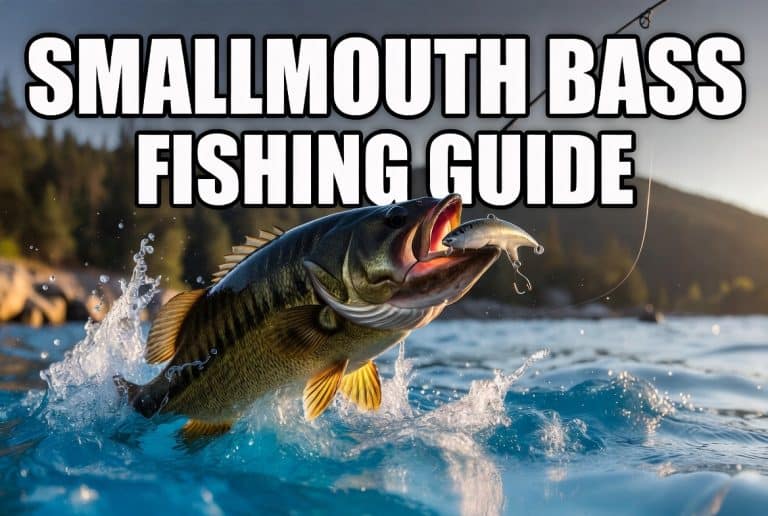
The Largemouth Bass Fishing Guide covers the ledge and structure fishing techniques that work on Candlewood Lake and the Housatonic chain reservoirs where Connecticut bass relate to deep underwater structure differently than the shallow weedy lakes most northeastern bass anglers are used to fishing.
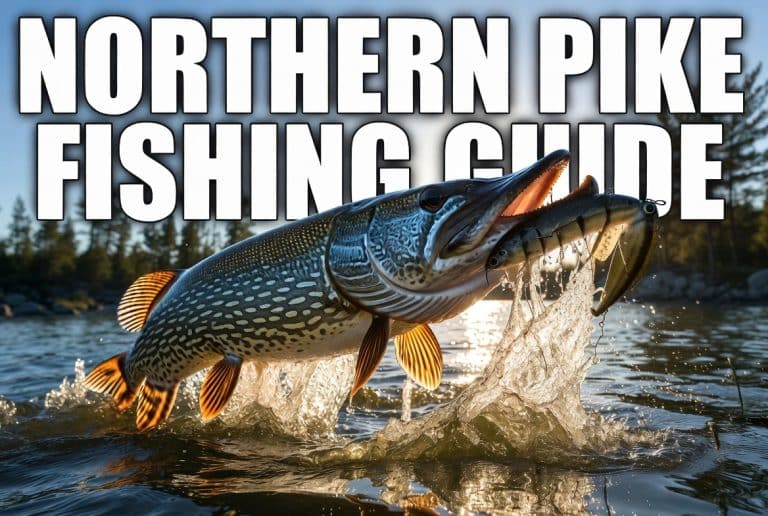
The Northern Pike Fishing Guide is worth reading before targeting trophy pike at Bantam Lake or any of the other Connecticut pike fisheries. Connecticut pike fishing is best in spring and fall and the guide covers the big lure and live bait presentations that produce fish in the 10 to 15 pound range that Bantam Lake is known for.

More Fishing Resources
If Connecticut has you planning a trip a few of these posts are worth bookmarking before you go.
The Best Fishing Locations in America covers the top freshwater destinations across the country and Connecticut deserves to be on that list for the Housatonic and Farmington trout rivers which rank among the best wild brown trout fisheries in the entire Northeast.
If you are building a Fishing Bucket List, Connecticut is a solid state to knock species off. A wild brown trout on a dry fly from the Housy or the Farmington, a trophy northern pike from Bantam Lake, a largemouth from Candlewood, and a striped bass from the Connecticut River tidal section are all realistic targets here. That post covers the species every serious angler should catch at least once.