
30 Fishing Destinations Across America Every Angler Should Experience Once

Most people who fish have a short list of places they want to get to before they’re done. A lake they read about in a magazine, a river a friend described with more enthusiasm than usual, a destination they’ve been planning for years without quite pulling the trigger.
This list is that conversation in written form.
Thirty of the best fishing lakes and rivers in the country, ranked from excellent at the bottom to the kind of water that genuinely changes how you think about fishing at the top. They cover bass and walleye and trout and muskie and catfish and salmon and every other reason people load up a truck and drive somewhere with a rod sticking out the window.
A few things worth saying before the list starts. Every entry includes what species are there, what it costs to stay nearby, and when to go. The costs are general 2026 estimates and vary by season, so verify current prices before booking. Always check current state fishing regulations before any trip. Licenses, seasons, and bag limits are different in every state and they change. What was legal last year might not be this year.
Now, from good to unforgettable.

30. Lake Istokpoga (Florida)
Lake Istokpoga in south-central Florida is one of the state’s best kept open secrets for largemouth bass, which is saying something in a state that has Lake Okeechobee and the Kissimmee chain competing for attention. At roughly 27,000 acres of shallow, weedy water, it produces largemouth bass fishing that ranks among the most consistent in Florida for sheer catch rates, and the winter and spring months here are as good as bass fishing anywhere in the country.
The access is easy and the infrastructure is family-friendly in ways that some of the more remote Florida fisheries aren’t. Crappie and bluegill are plentiful enough to keep kids interested when the bass slow down.
The Angler Summary
Key species: Largemouth bass, crappie, bluegill
Closest town: Sebring, Florida
Camping/lodging costs: Primitive camping roughly $15 to $25 per night; nearby cabins and fish camps run $100 to $150 per night
Best timing: December through April for peak bass fishing
29. Grand Lake (Colorado)
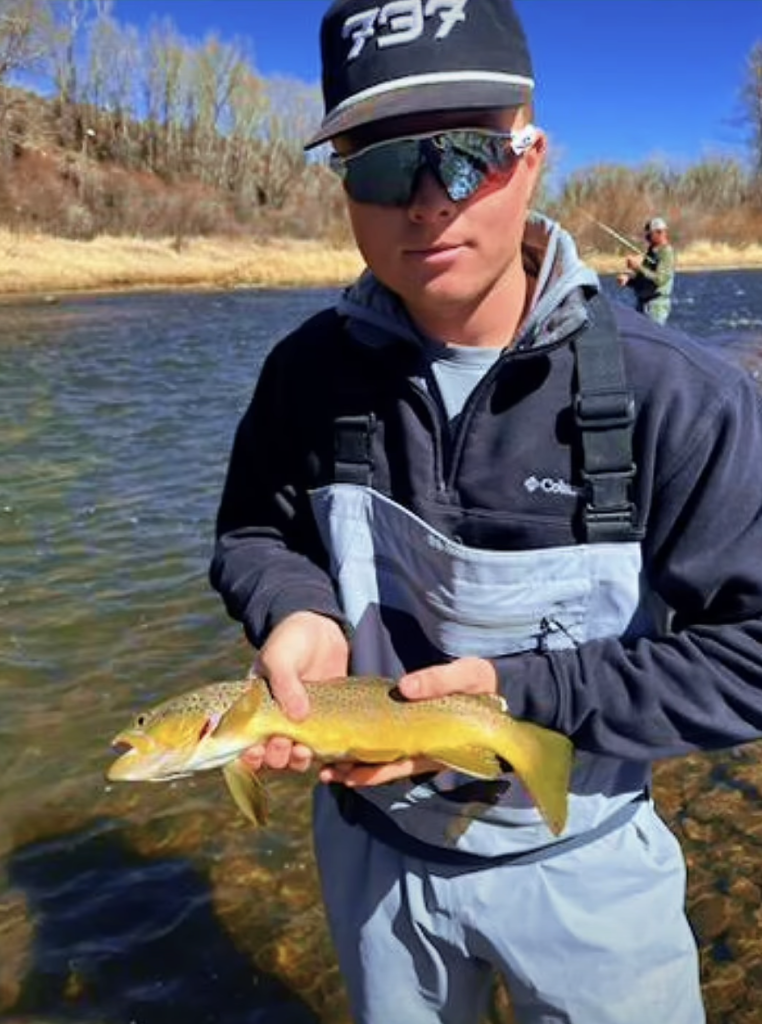
Grand Lake is the deepest natural lake in Colorado and sits at the western entrance to Rocky Mountain National Park, which tells you something about the scenery you’re fishing through. Lake trout, rainbow trout, and kokanee salmon are all present in the clear mountain water, and the combination of altitude, cold temperatures, and the Rocky Mountain backdrop gives this fishery a character that no flat-state lake can replicate.
The trout fishing requires trolling deep water or targeting the shallows in spring and fall when fish come up to feed. Kokanee salmon in August and September draw dedicated anglers who plan trips specifically around the run. This is not a high-volume fishery but the experience of being on this particular water more than compensates.
The Angler Summary
Key species: Lake trout, rainbow trout, kokanee salmon
Closest town: Grand Lake, Colorado
Camping/lodging costs: National Park and nearby campgrounds run $30 to $40 per night; lodges in Grand Lake town run $150 to $300 per night
Best timing: June through October for trout, August through September for kokanee
28. Mille Lacs Lake (Minnesota)
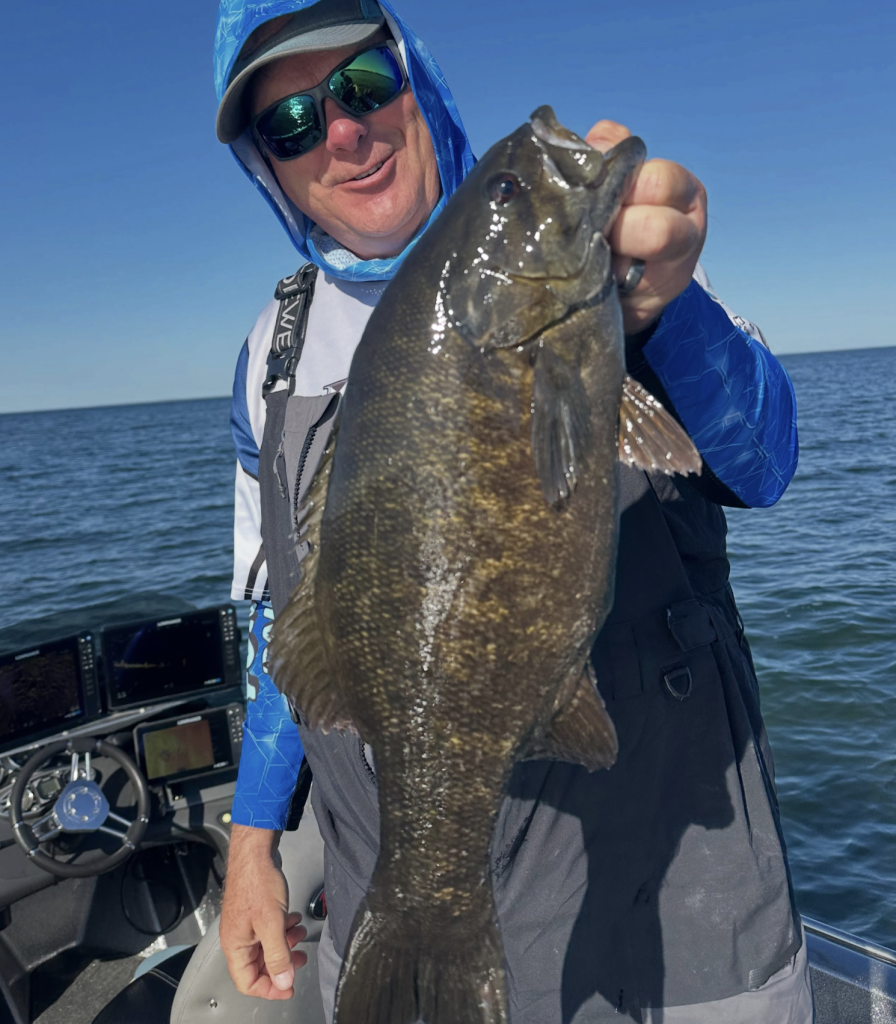
Mille Lacs is a 132,000-acre lake in central Minnesota that produces walleye at a scale most fishing destinations can’t approach, and the northern pike, muskie, smallmouth bass, and perch fishing rounds out a multi-species fishery that keeps anglers busy across all four seasons. The ice fishing culture here is its own thing entirely, with a permanent community of ice houses that goes up every winter.
Minnesota’s walleye management on Mille Lacs has been intensely debated over the past decade due to declining walleye populations and the resulting catch restrictions, which have tightened significantly. Before planning a walleye trip specifically, check current Minnesota DNR regulations for current possession limits. The fishing remains good. The rules have changed.
The Angler Summary
Key species: Walleye, northern pike, smallmouth bass, muskellunge, yellow perch
Closest town: Garrison, Minnesota
Camping/lodging costs: Lakeside resorts and campgrounds run $40 to $80 per night; full-service cabin resorts run $150 to $250 per night
Best timing: June through September open water, January through February for ice fishing
27. Lake Winnipesaukee (New Hampshire)
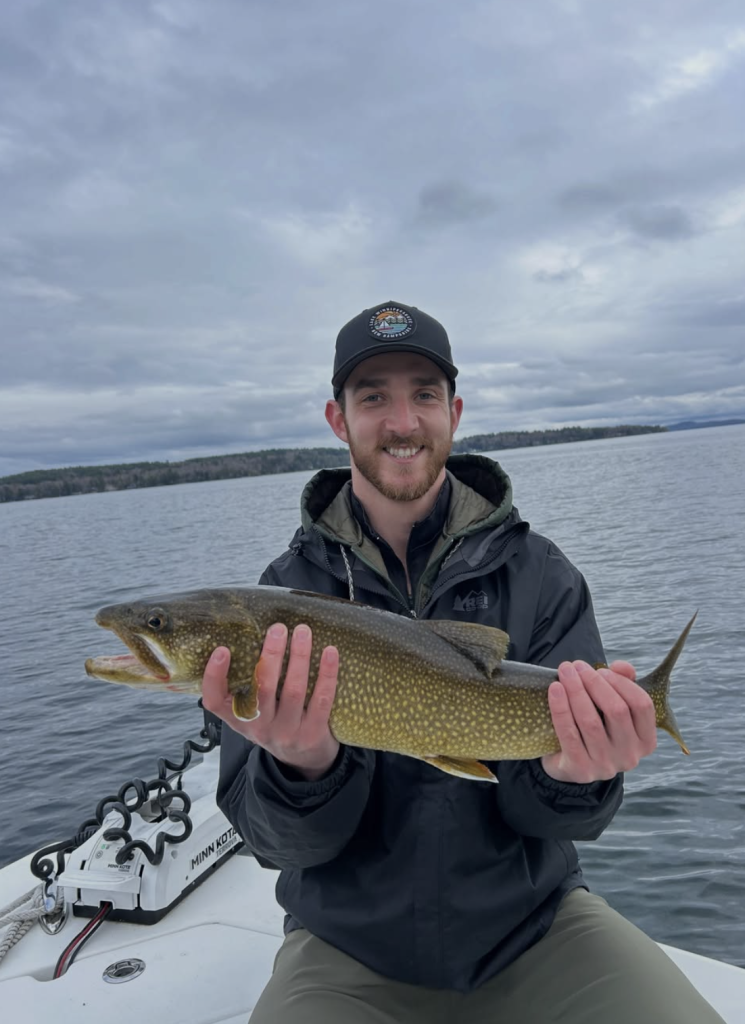
Lake Winnipesaukee is the largest lake in New Hampshire at roughly 72 square miles and it produces smallmouth and largemouth bass, lake trout, landlocked salmon, and yellow perch in clear New England water surrounded by the kind of fall foliage scenery that makes every fishing photo look like it was staged. The lake has a long history as both a fishing destination and a vacation spot, which means the infrastructure around it is well-developed.
The lake trout and landlocked salmon fishing in the deeper sections requires trolling with downriggers in summer when fish go deep to find cold water. The smallmouth bass fishing from late May through September in the rocky shoreline structure is consistently excellent.
The Angler Summary
Key species: Smallmouth bass, largemouth bass, lake trout, landlocked salmon, yellow perch
Closest town: Laconia or Wolfeboro, New Hampshire
Camping/lodging costs: State park camping $25 to $45 per night; lakefront resorts and inns $200 and up per night
Best timing: May through September for bass, year-round for lake trout
26. Flathead Lake (Montana)
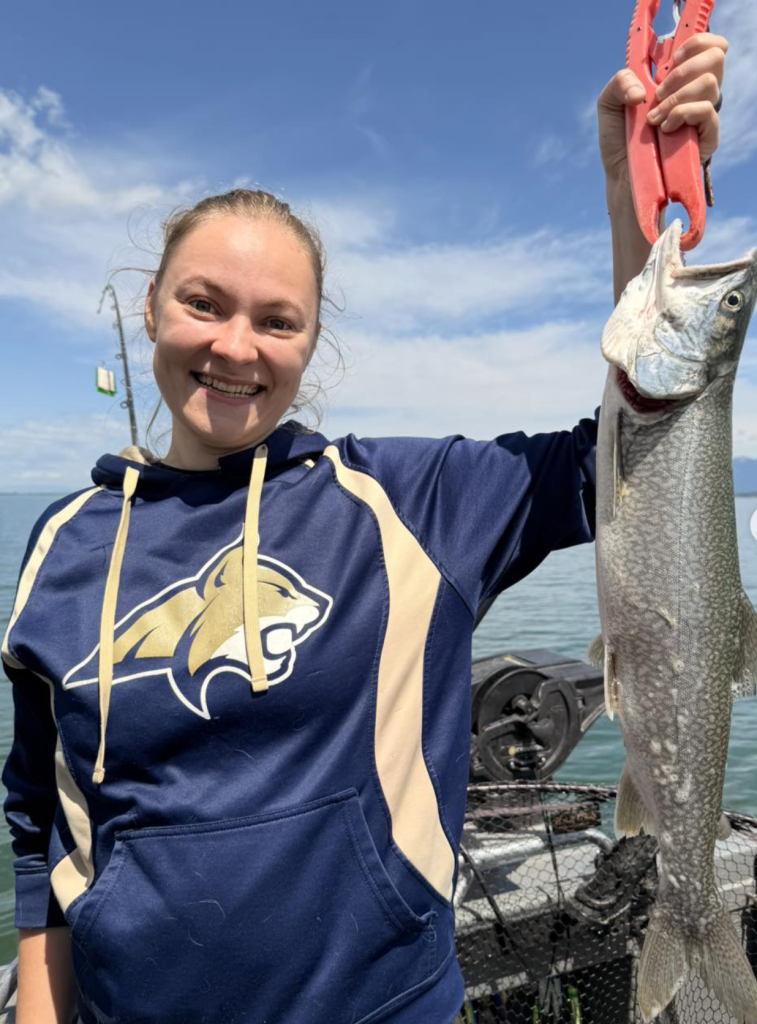
Flathead Lake in northwest Montana is the largest natural freshwater lake in the contiguous United States west of the Mississippi River, covering roughly 197 square miles. The water is glacier-fed and extraordinarily clear, the Mission Mountains rise immediately to the east, and the fishing includes lake trout, bull trout, kokanee salmon, yellow perch, and lake whitefish in a setting that most people only see in landscape photography.
The lake trout fishing requires deep trolling techniques in summer, with fish moving into shallower water in spring and fall. The native bull trout here are protected under the Endangered Species Act, so releasing them is not optional. Check current Montana Fish, Wildlife and Parks regulations carefully before fishing.
The Angler Summary
Key species: Lake trout, kokanee salmon, yellow perch, lake whitefish
Closest town: Polson or Bigfork, Montana
Camping/lodging costs: Camping $20 to $35 per night; lakeside lodges and resorts $150 to $350 per night
Best timing: June through September for most species, fall for kokanee
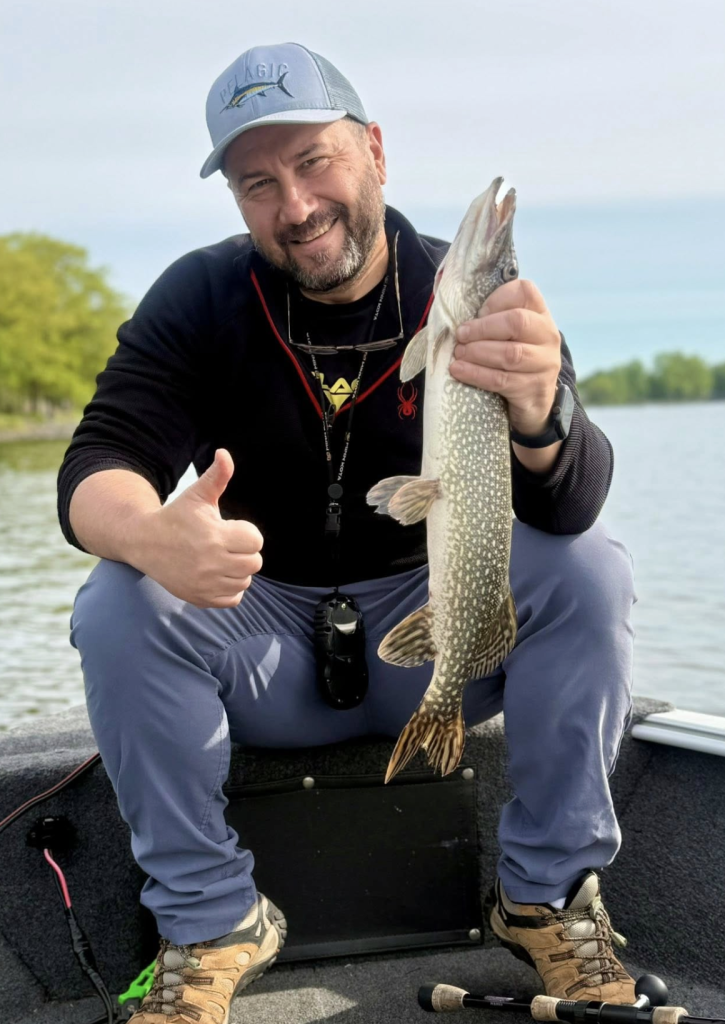
25. Lake Champlain (Vermont and New York)
Lake Champlain sits on the Vermont-New York border and stretches roughly 120 miles from Whitehall, New York in the south to its outlet at the Richelieu River near the Quebec border in the north. Smallmouth bass, largemouth bass, lake trout, northern pike, walleye, and landlocked Atlantic salmon all inhabit different sections of this long, varied lake, and the fishing quality in the middle sections around Burlington is genuinely exceptional.
The smallmouth bass fishing on Lake Champlain draws tournament anglers from across the northeast because the population of quality fish here rivals anywhere in New England. Lake trout in the deeper main basin and northern pike in the shallow weedy bays round out what’s available. Regulations vary between Vermont and New York waters so check both before you launch.
The Angler Summary
Key species: Smallmouth bass, largemouth bass, lake trout, northern pike, landlocked salmon, walleye
Closest town: Burlington, Vermont or Plattsburgh, New York
Camping/lodging costs: State park camping $25 to $50 per night; waterfront inns and B&Bs $150 to $300 per night
Best timing: May through September for bass and pike, year-round for lake trout


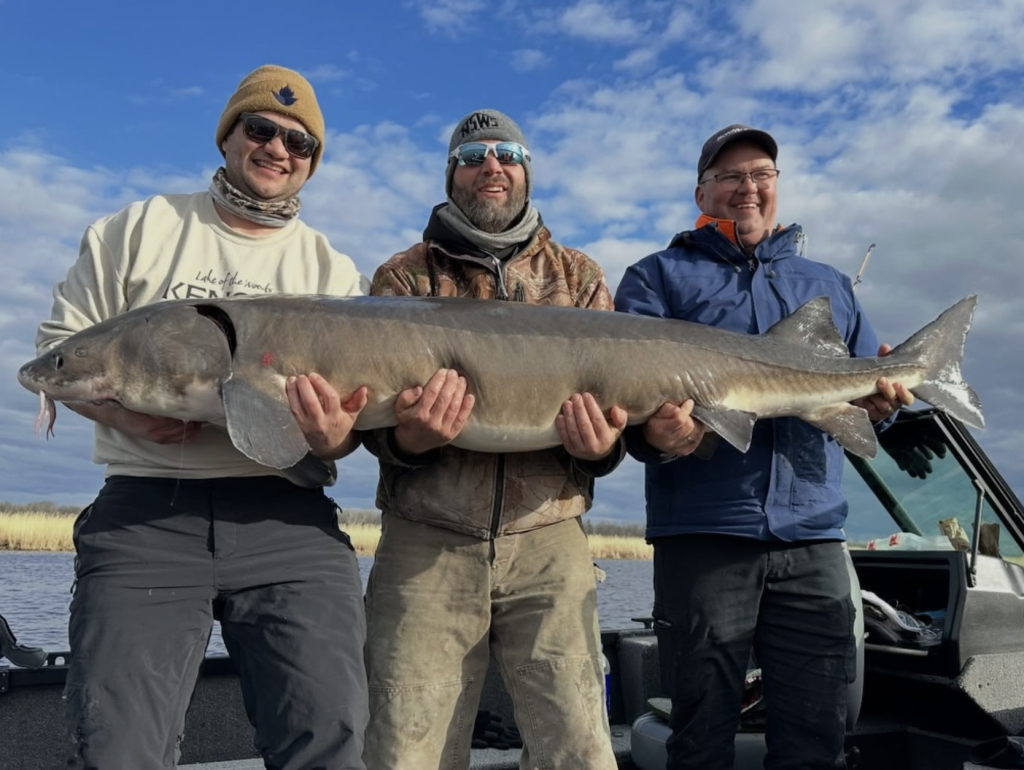
24. Lake of the Woods (Minnesota)
Lake of the Woods spans the Minnesota-Ontario border and extends into Manitoba, covering over 1.5 million acres of water across its full extent. The Minnesota portion alone holds some of the best walleye fishing in the country, with northern pike, smallmouth bass, muskellunge, and yellow perch adding a multi-species dimension that keeps dedicated anglers occupied across entire weeks.
The remote wilderness character of the lake is genuine. International Falls is the primary gateway city and the lake spreads north from there into territory that requires real planning to access effectively. Resort packages that include guide service are the most practical entry for first-time visitors. The ice fishing season here is equally serious, with anglers who make annual pilgrimages specifically for the mid-winter walleye bite.
The Angler Summary
Key species: Walleye, northern pike, smallmouth bass, muskellunge, yellow perch
Closest town: International Falls, Minnesota
Camping/lodging costs: Lakeside resorts $100 to $250 per night; remote camping and fly-in packages are considerably higher
Best timing: June through August for open water, January through March for ice fishing
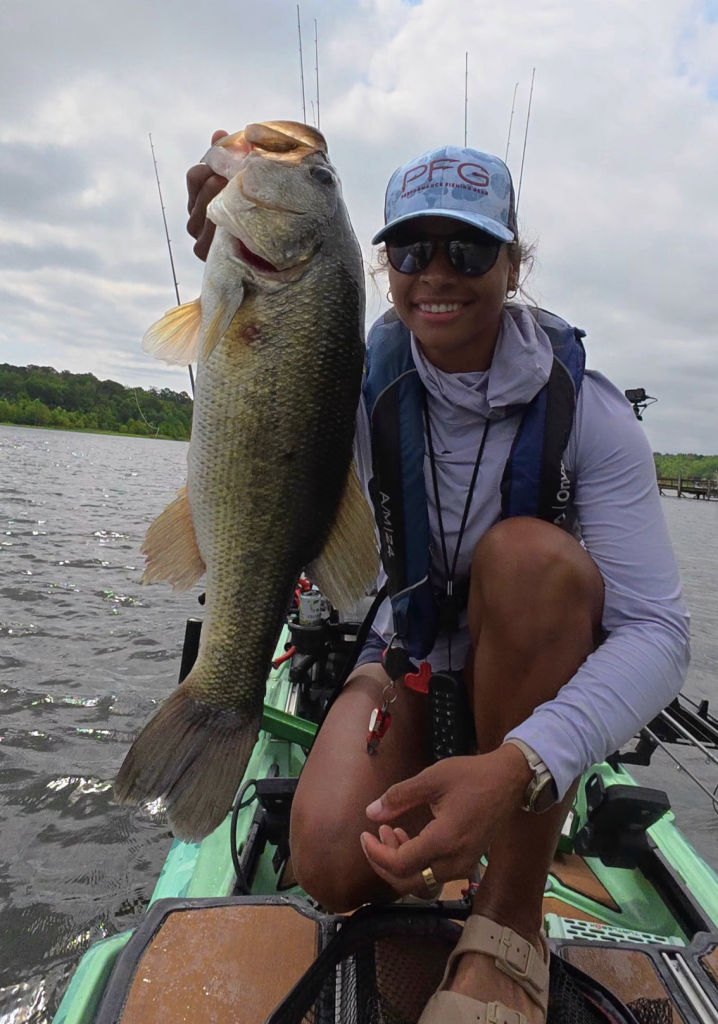
23. Santee Cooper Lakes (South Carolina)
The Santee Cooper system, which is really two connected lakes, Lake Marion at roughly 110,000 acres and Lake Moultrie at roughly 60,000 acres, forms one of the largest freshwater fishing complexes in the Southeast and produces trophy largemouth bass, striped bass, crappie, catfish, and bluegill across a system large enough that anglers can fish it for years and still be finding new water.
The crappie fishing on Santee Cooper is among the best in the country for sheer numbers of quality fish. The striper fishing, with fish regularly exceeding 30 pounds in the tailrace below Santee Dam, adds a trophy dimension that most southeastern lakes can’t match. The scale of the system makes a guide worthwhile on a first visit.
The Angler Summary
Key species: Largemouth bass, striped bass, crappie, catfish, bluegill
Closest town: Manning, South Carolina
Camping/lodging costs: Campgrounds $20 to $40 per night; cabins and fish camps $100 to $200 per night
Best timing: Spring for bass and crappie, year-round for catfish, fall through winter for striped bass
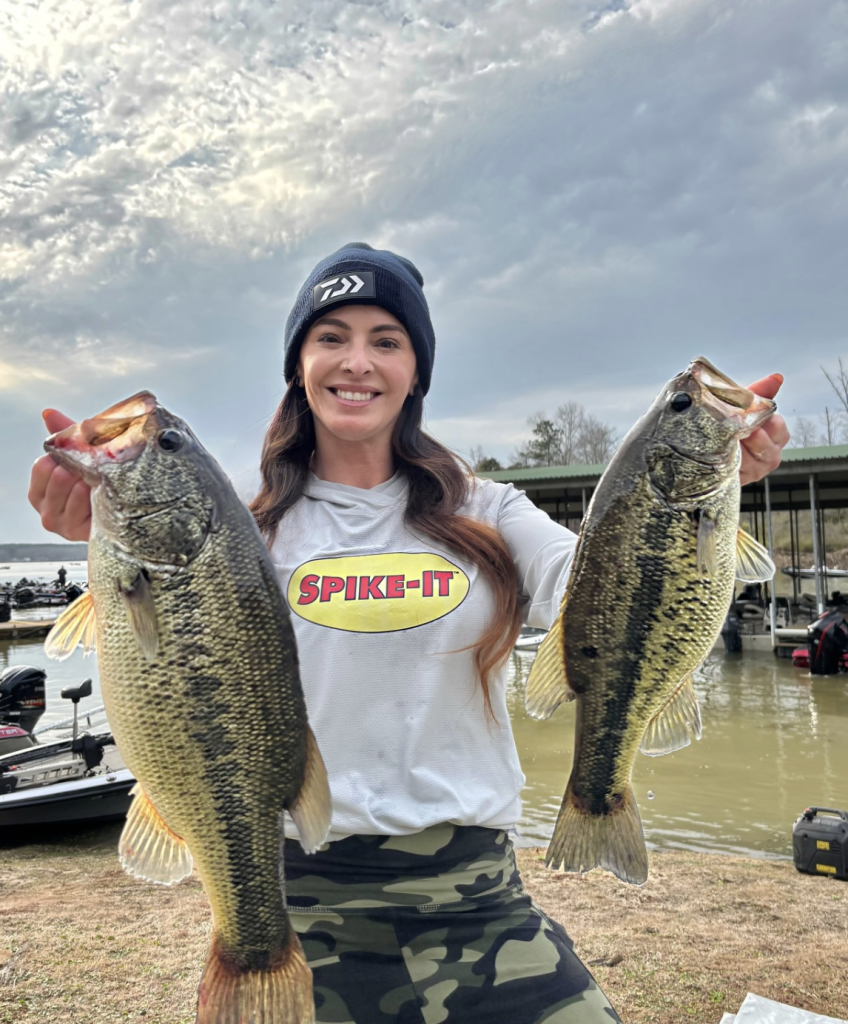
22. Toledo Bend Reservoir (Texas and Louisiana)
Toledo Bend straddles the Texas-Louisiana border and covers 185,000 acres of timber, grass, and channel structure that produces largemouth bass fishing in the top tier nationally for both numbers and size. The lake consistently appears on Bassmaster’s top bass lakes lists and the fishing justifies the ranking across multiple seasons, not just in the best conditions.
Crappie fishing on Toledo Bend is exceptional and often overlooked in the conversation about the bass. The timber-filled coves produce slabs throughout the cooler months. Catfish in the deeper sections are a year-round option.
The Angler Summary
Key species: Largemouth bass, crappie, catfish
Closest town: Many, Louisiana or Center, Texas
Camping/lodging costs: Campgrounds $15 to $35 per night; lakeside cabins and lodges $100 to $250 per night; guided bass trips $300 to $500 per day
Best timing: February through May for the best bass fishing, year-round for crappie and catfish
21. Wheeler Lake (Alabama)
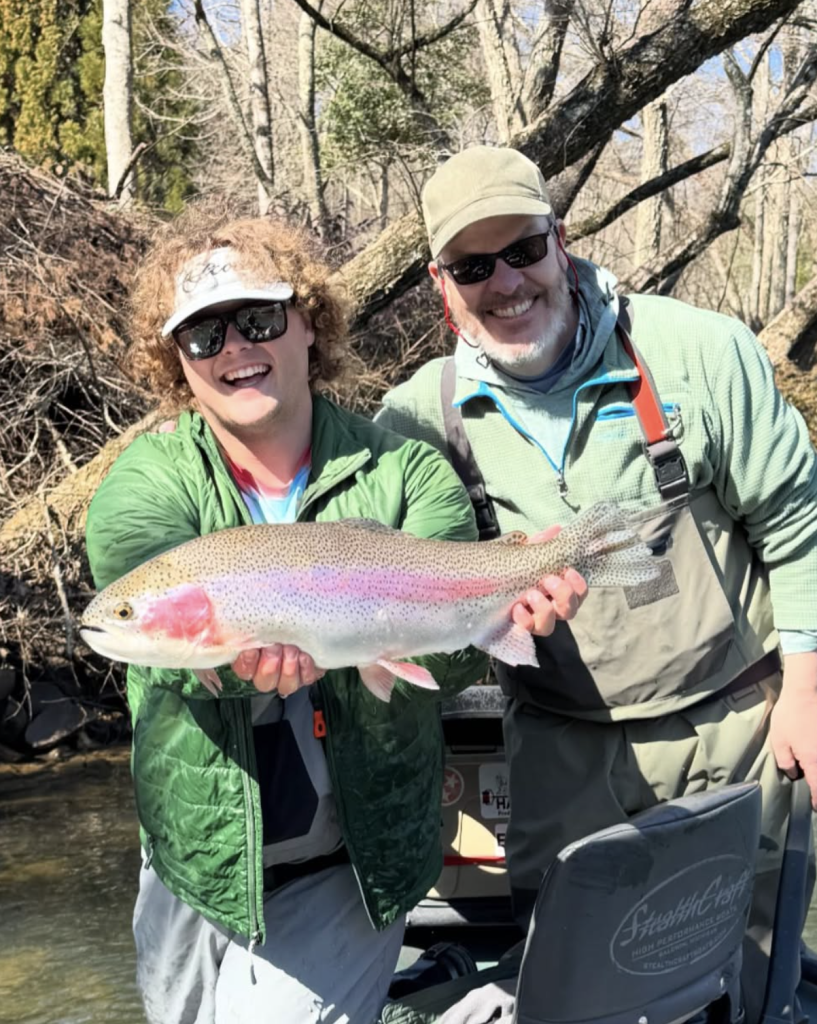
Wheeler Lake is a 67,000-acre Tennessee River reservoir in north Alabama that produces largemouth and smallmouth bass, crappie, catfish, and sauger across a fishery that’s often overshadowed by the better-known Guntersville Lake just upstream. The tailwater fishing below Wheeler Dam for sauger and walleye in winter is one of Alabama’s most underrated fisheries.
The bass fishing in the grass flats and creek arms runs strong from late winter through fall and the crappie population in the deeper timber sections is legitimate. The scale of the lake means it takes multiple trips to understand, but the fishing rewards that investment.
The Angler Summary
Key species: Largemouth and smallmouth bass, crappie, catfish, sauger
Closest town: Decatur, Alabama
Camping/lodging costs: Camping $20 to $50 per night; marina lodges and nearby hotels $120 to $300 per night
Best timing: Spring for bass, winter for sauger below the dam
20. Lake Fork (Texas)
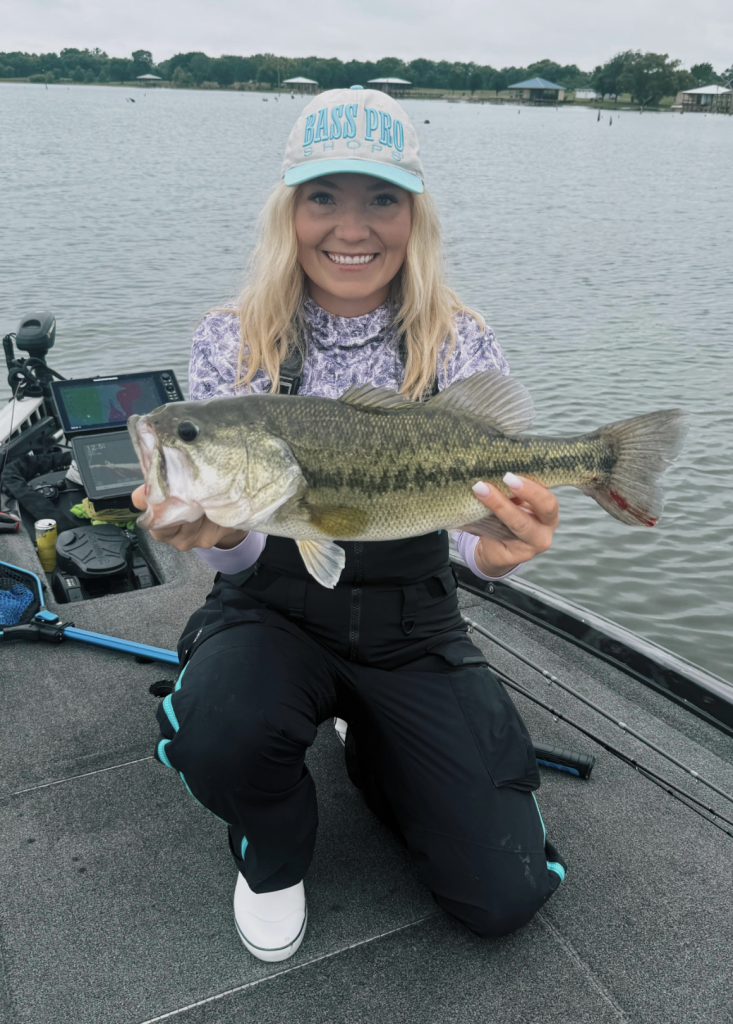
Lake Fork is probably the most famous trophy largemouth bass lake in the country among serious bass anglers, and the reputation is built on decades of documented production rather than marketing. Texas has a tradition of producing giant largemouth, and Lake Fork is at the top of that system. More Texas state record bass have come from Lake Fork than any other body of water in the state.
At roughly 27,690 acres with extensive flooded timber, grass, and coves, the lake gives largemouth exactly what they need to grow large. Five-fish tournament limits that weigh 25 to 30 pounds are realistic on good days. If a double-digit bass is on your list, Lake Fork is where serious anglers go to check it off.
The Angler Summary
Key species: Largemouth bass
Closest town: Quitman, Texas
Camping/lodging costs: RV parks and camping $25 to $50 per night; fishing lodges $150 to $400 per night; guided bass trips $350 to $600 per day
Best timing: February through May for the spawn and prespawn, fall for topwater
19. Sam Rayburn Reservoir (Texas)
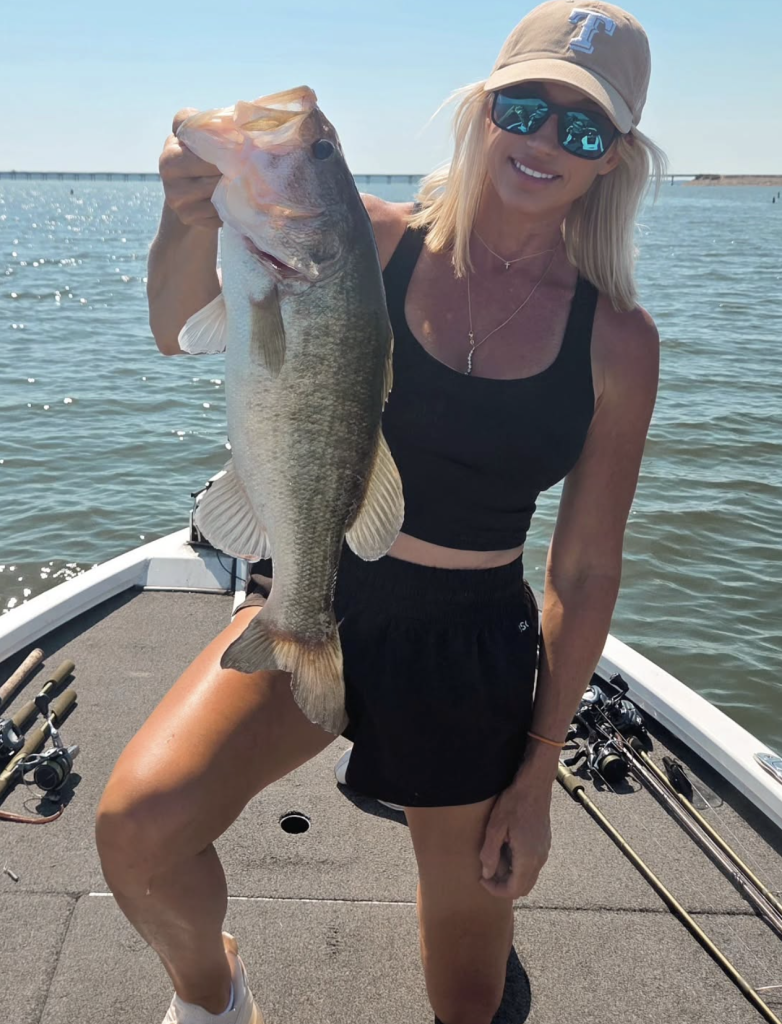
Sam Rayburn is the largest reservoir entirely within Texas at roughly 114,500 acres and it produces largemouth bass, crappie, and catfish in numbers that reflect the lake’s scale. The bass fishing here is consistently among the best in the state, and while it doesn’t carry the individual trophy reputation of Lake Fork, it produces big fish regularly and the sheer volume of productive water means anglers are never without options.
The crappie fishing in the standing timber and creek arms is exceptional and somewhat underappreciated given the bass reputation of the lake. Catfish in the deeper sections are a year-round option for anglers who come specifically for them.
The Angler Summary
Key species: Largemouth bass, crappie, catfish
Closest town: Jasper or Lufkin, Texas
Camping/lodging costs: Army Corps parks $20 to $40 per night; nearby cabins $120 to $250 per night
Best timing: March through May for bass, year-round for crappie and catfish
18. Lake Chickamauga (Tennessee)
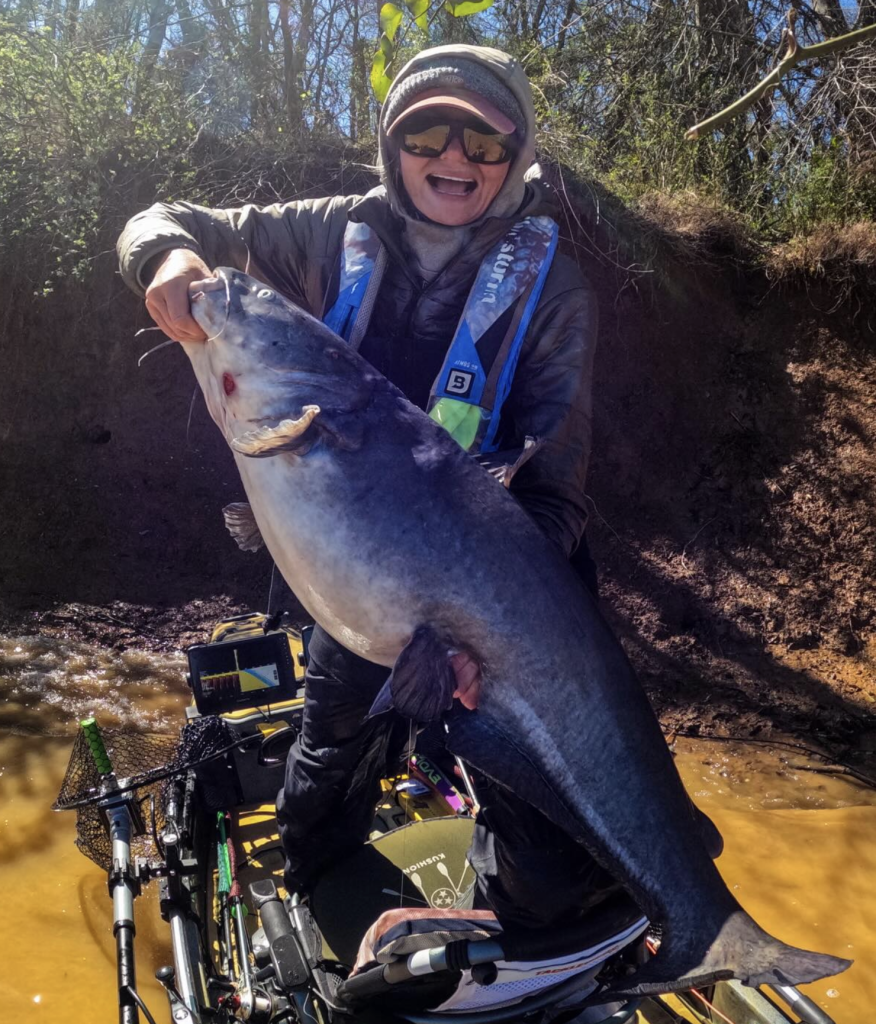
Lake Chickamauga is a Tennessee River reservoir near Chattanooga that has built a significant reputation for largemouth bass over the past decade through a combination of good grass flat habitat, TVA dam management that maintains consistent water levels, and a bass population that produces fish in the five to eight pound range with enough regularity to attract tournament anglers from across the Southeast.
Smallmouth bass in the rocky sections of the lake add a secondary fishery that most anglers come specifically for the largemouth miss. Crappie and catfish round out what’s available. The Chattanooga area infrastructure makes lodging easy and the lake’s proximity to the city means a trip to Chickamauga can combine fishing with a destination visit.
The Angler Summary
Key species: Largemouth and smallmouth bass, crappie, catfish
Closest town: Chattanooga, Tennessee
Camping/lodging costs: State park camping $25 to $45 per night; marinas and nearby lodges $150 to $350 per night
Best timing: February through May for bass, year-round for crappie
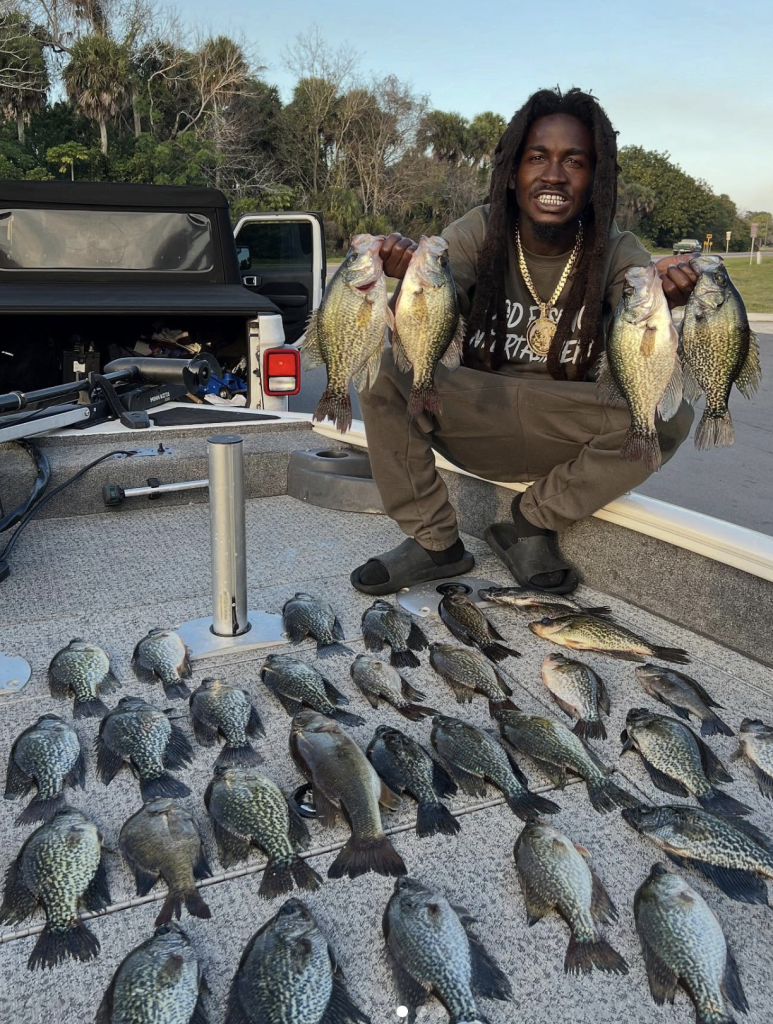
17. Lake Okeechobee (Florida)
Lake Okeechobee covers roughly 730 square miles and is the largest freshwater lake in Florida and the third largest natural freshwater lake in the contiguous United States. The “Big O” has been one of the most famous largemouth bass lakes in the country for generations. The shallow, vegetation-choked water produces bass fishing that at its best is genuinely extraordinary, with five-fish limits approaching 25 pounds realistic for experienced anglers in good conditions.
The lake has faced serious water quality challenges including blue-green algae blooms driven by agricultural nutrient loading that affect fishing conditions and angler access in ways that vary significantly year to year. Check current conditions before planning a trip, particularly in summer when bloom potential is highest. When conditions are right, Okeechobee earns every bit of its reputation.
The Angler Summary
Key species: Largemouth bass, crappie, bluegill
Closest town: Okeechobee, Florida or Clewiston, Florida
Camping/lodging costs: Campgrounds $20 to $40 per night; waterfront fishing lodges $150 to $400 per night; guided bass trips $300 to $500 per day
Best timing: December through April when water temperatures and clarity are optimal
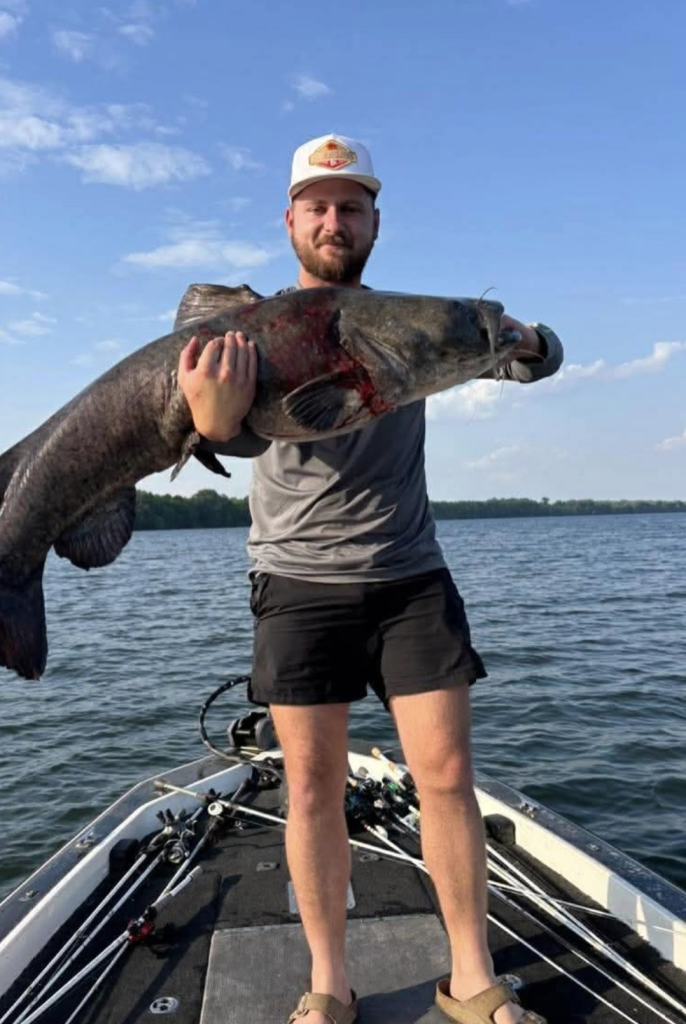
16. Pickwick Lake (Alabama, Tennessee, and Mississippi)
Pickwick Lake sits where Alabama, Tennessee, and Mississippi converge at the southern end of the Tennessee River chain and produces largemouth, spotted, and smallmouth bass alongside walleye and crappie in 43,000 acres that genuinely hold all three black bass species simultaneously, which is relatively uncommon in the South.
The tailwater fishing below Wilson Dam is the specific element that separates Pickwick from most lake fisheries in the region. The current and cold, oxygenated water below the dam concentrate fish in ways that create excellent fishing in a relatively compact area that rewards anglers who learn it well. Multi-state regulations apply here depending on where you’re fishing.
The Angler Summary
Key species: Largemouth, spotted, and smallmouth bass, walleye, crappie
Closest town: Florence, Alabama
Camping/lodging costs: Camping $20 to $50 per night; marina lodges and resorts $120 to $300 per night
Best timing: March through May for bass, year-round for tailwater fishing below Wilson Dam
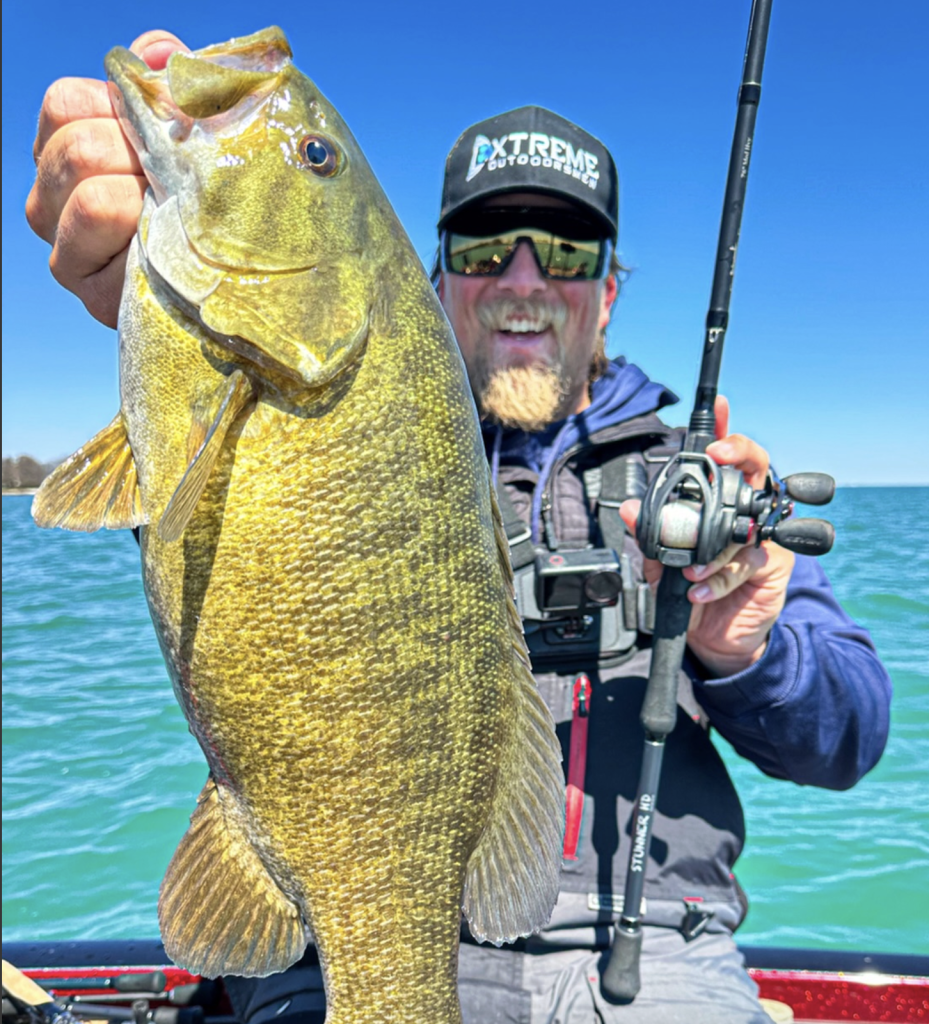
15. Lake St. Clair (Michigan and Ontario)
Lake St. Clair sits between Michigan and Ontario and holds what a lot of serious bass anglers consider the best smallmouth bass fishing in the world. The flat, clear lake with its abundant goby and crayfish forage produces four to six pound smallmouth in numbers that most bass lakes can’t approach, and the muskellunge fishery on top of that makes it a two-trophy destination in a package that looks modest on a map.
The urban accessibility is the unexpected bonus. Multiple public launches on the Michigan side and the proximity to Detroit and Windsor means more anglers reach this fishery than comparable smallmouth destinations in the north. The fishing holds up despite the pressure because the forage base and habitat are genuinely exceptional.
The Angler Summary
Key species: Smallmouth bass, muskellunge, walleye, yellow perch
Closest town: St. Clair Shores or Harrison Township, Michigan
Camping/lodging costs: Nearby metro area hotels $100 to $200 per night; no significant campgrounds directly on the lake but options within 30 minutes
Best timing: May through June for peak smallmouth, summer for muskie
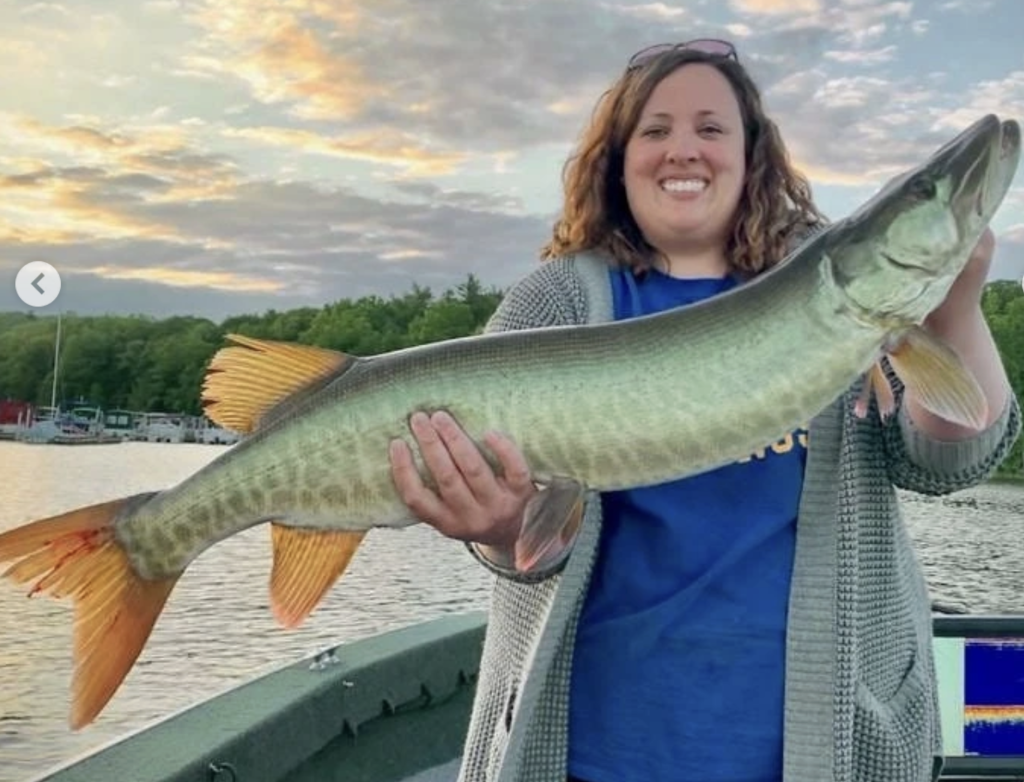
14. Raystown Lake (Pennsylvania)
Raystown Lake is Pennsylvania’s largest inland lake at 8,300 acres and 118 miles of shoreline, and the striped bass fishery here is the element that catches most visiting anglers off guard. Landlocked stripers in the 15 to 25 pound range are caught regularly from a lake in central Pennsylvania, which is not what most people expect to read about the state. The fish were stocked decades ago and have established a self-sustaining population that defines the lake’s identity.
Muskellunge, lake trout, largemouth and smallmouth bass, walleye, and catfish round out a fishery that truly runs year-round. The Army Corps of Engineers manages the surrounding land with maintained campgrounds directly on the lake that make it a complete destination rather than just a day trip.
The Angler Summary
Key species: Striped bass, muskellunge, lake trout, largemouth and smallmouth bass, walleye
Closest town: Huntingdon, Pennsylvania
Camping/lodging costs: Army Corps camping $20 to $40 per night; nearby resorts and cabins $150 to $300 per night
Best timing: Spring for stripers and walleye, summer for lake trout in deep water, fall for muskie
13. Lake Wallenpaupack (Pennsylvania)
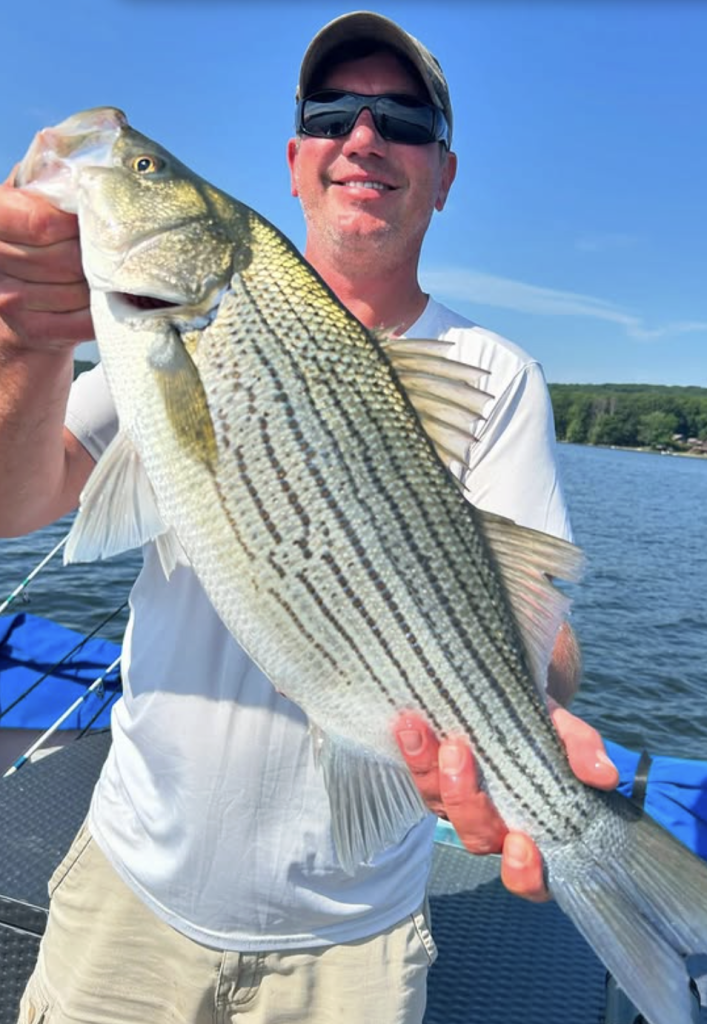
Lake Wallenpaupack in the Pocono Mountains covers nearly 5,700 acres and produces walleye, largemouth and smallmouth bass, lake trout, yellow perch, and chain pickerel in clear water surrounded by the kind of scenery that makes the Pennsylvania Poconos what they are as a tourism destination. The lake trout fishing in the deeper sections is underutilized by most visiting anglers who come for the bass and walleye, and electronics in summer find fish in the thermocline in ways that casual fishing doesn’t reach.
Summer boat traffic from the resort communities around the lake is the main fishing challenge, pushing the best action to early mornings and the shoulder seasons. Fall fishing is often the best of the year when the crowds have left and the bass and walleye become more active in cooling water.
The Angler Summary
Key species: Walleye, largemouth and smallmouth bass, lake trout, yellow perch, chain pickerel
Closest town: Hawley or Hamlin, Pennsylvania
Camping/lodging costs: Campgrounds $25 to $50 per night; Pocono-area resorts $150 to $400 per night
Best timing: Spring and fall for walleye and bass, summer early mornings for lake trout
12. Pymatuning Reservoir (Ohio and Pennsylvania)
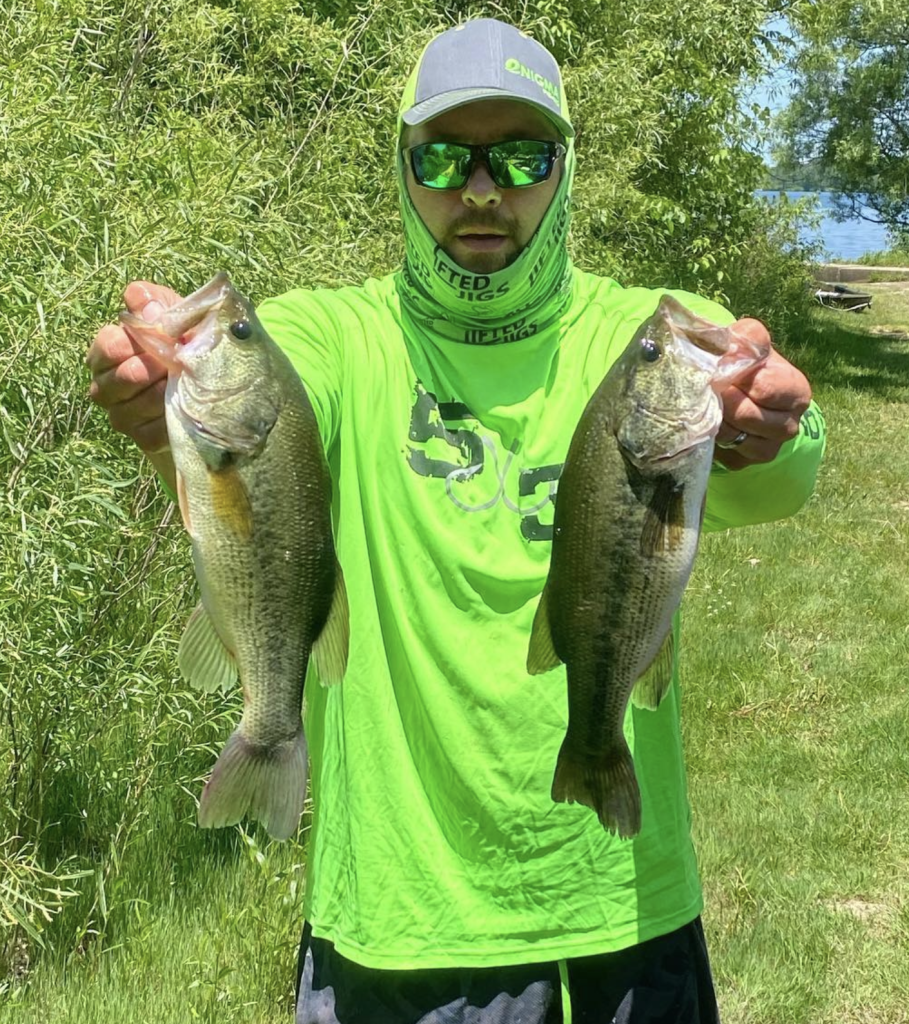
Pymatuning straddles the Ohio-Pennsylvania border at over 17,000 acres and produces walleye, muskellunge, yellow perch, and crappie in numbers that make it one of the most consistently productive multi-species fisheries in the Northeast. The walleye fishing in spring rivals anything in the region, and the ice fishing for perch in winter has a culture around it that brings dedicated anglers back annually.
The multi-state situation means Ohio and Pennsylvania regulations both apply depending on where you’re fishing, and they’re not always identical. Both states maintain separate access facilities on their respective shores and the total infrastructure around the lake is well-developed.
The Angler Summary
Key species: Walleye, muskellunge, yellow perch, crappie
Closest town: Linesville, Pennsylvania or Andover, Ohio
Camping/lodging costs: State park camping $25 to $45 per night; nearby cabins and lodges $100 to $250 per night
Best timing: April through May for walleye, summer for muskie, winter for ice fishing
11. Lake Martin (Alabama)
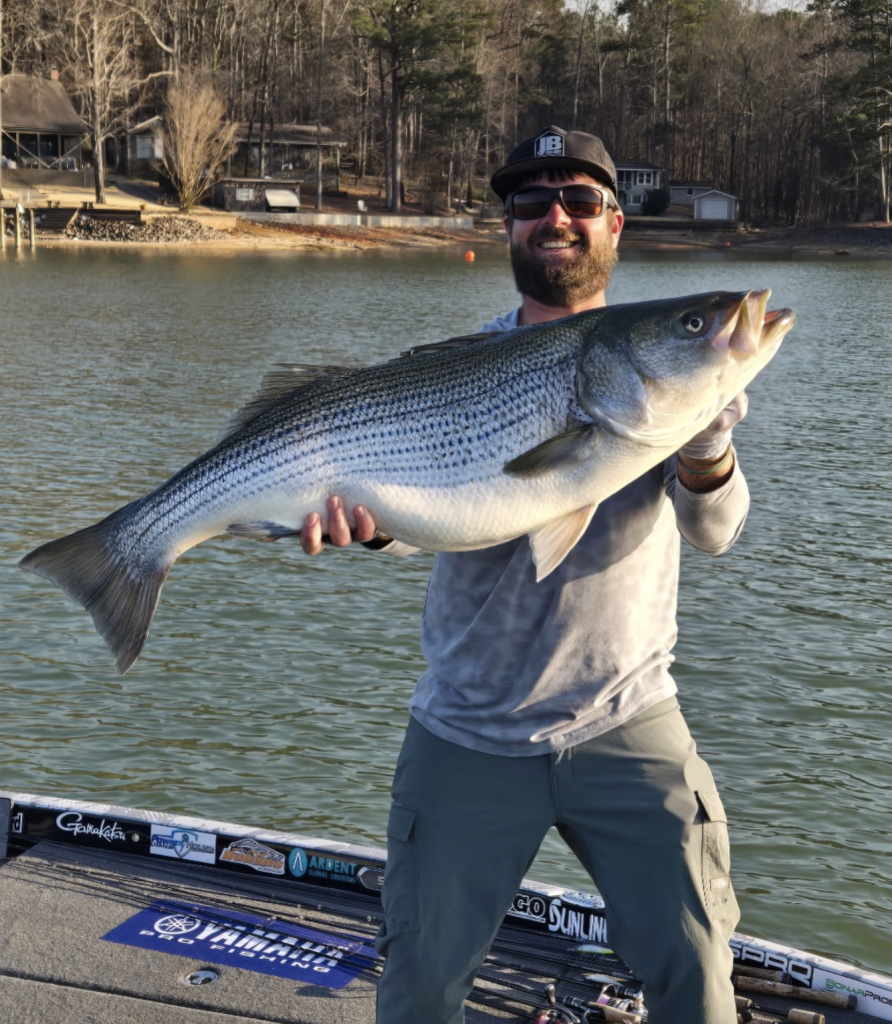
Lake Martin covers 39,000 acres near Alexander City, Alabama and produces largemouth and spotted bass, crappie, striped bass, and catfish in a reservoir with the kind of cove and rocky bluff structure that gives serious bass anglers multiple productive approaches across a full season. The spotted bass here specifically run larger than what most visitors expect.
The scenery is genuinely striking for an impoundment. The clear water, steep bluffs, and surrounding Alabama hill country make Lake Martin one of the prettier reservoirs in the Southeast. The summer recreational boating crowd is the honest challenge, pushing serious fishing to early mornings and the spring and fall shoulder seasons when the pleasure boats thin out.
The Angler Summary
Key species: Largemouth and spotted bass, crappie, striped bass, catfish
Closest town: Alexander City, Alabama
Camping/lodging costs: Campgrounds $20 to $45 per night; lakefront lodges and vacation rentals $130 to $300 per night
Best timing: Spring for bass during the spawn, fall for topwater
10. Weiss Lake (Alabama)
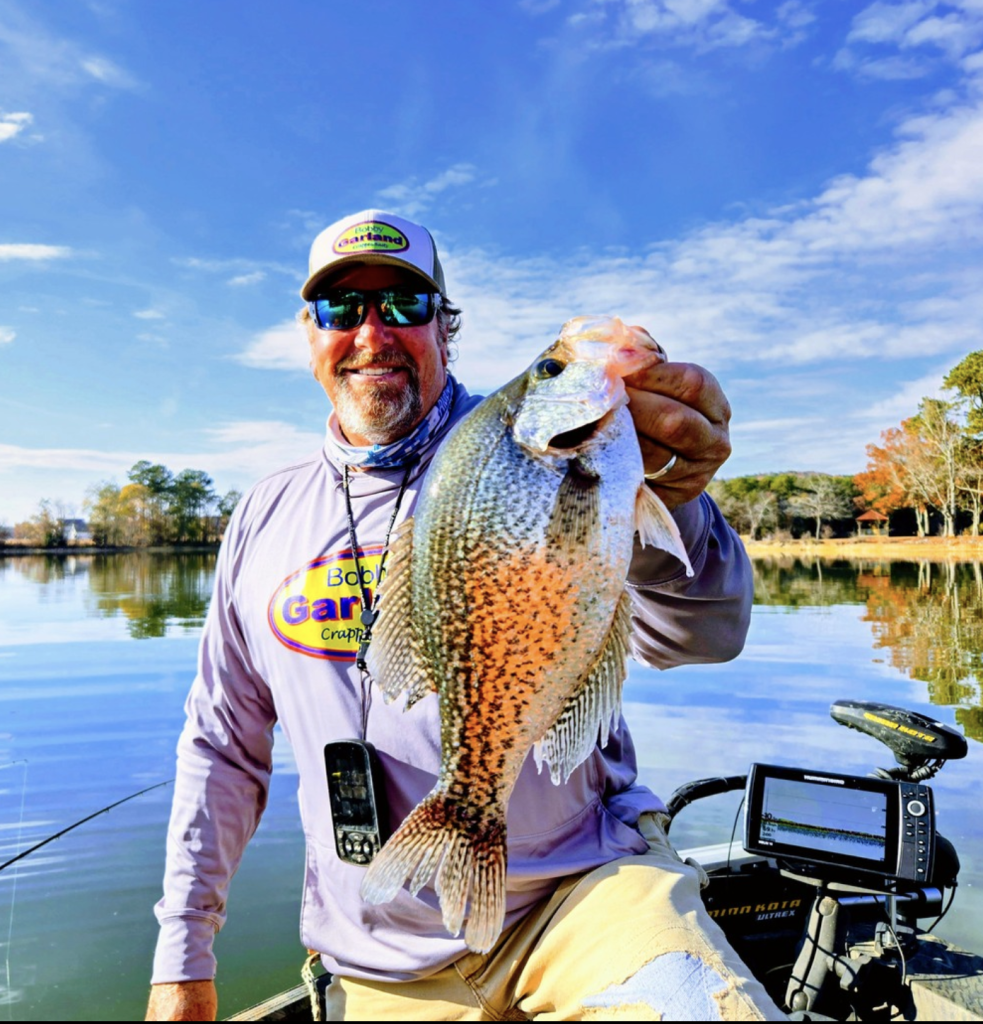
Weiss Lake in Cherokee County in northeast Alabama is called the Crappie Capital of the World and the title is backed up by production numbers that make it hard to argue with. The 30,000-plus acres of shallow, vegetation-heavy water produce crappie in the two-pound-and-up range during peak spring season in numbers that draw anglers from multiple states.
Largemouth and spotted bass, catfish, and bluegill round out the species list and the access infrastructure is good enough for families and beginning anglers. The pressure during peak crappie season is significant but the lake is large enough that finding fishable water away from the crowds is possible with a little effort.
The Angler Summary
Key species: Crappie, largemouth and spotted bass, catfish, bluegill
Closest town: Centre, Alabama
Camping/lodging costs: Campgrounds $20 to $40 per night; nearby cabins and fish camps $100 to $200 per night
Best timing: February through April for crappie, spring through fall for bass
9. Lake Eufaula (Alabama and Georgia)
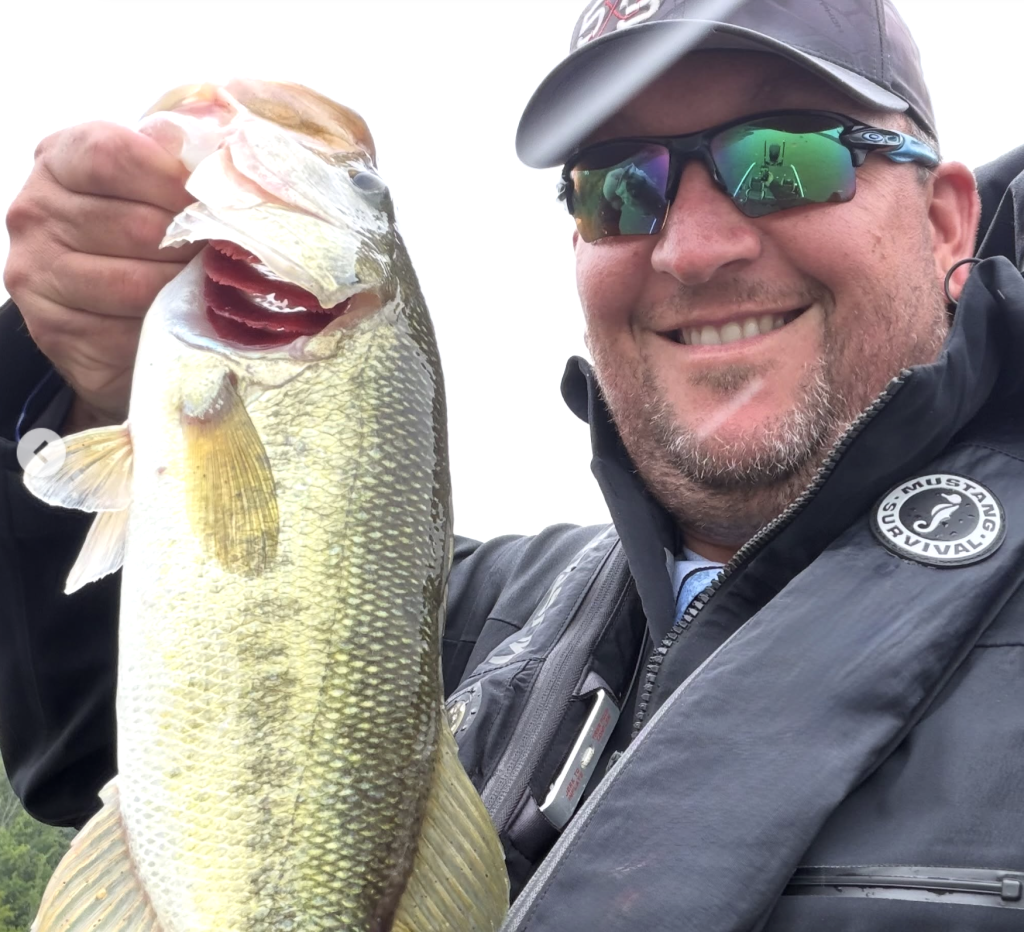
Lake Eufaula sits on the Alabama-Georgia border and carries the “Bass Capital of the World” designation that several major bass lakes claim, but Eufaula backs it up with decades of Major League Fishing and Bassmaster event results that show genuine trophy production. The 45,000-acre reservoir’s grass beds and standing timber produce largemouth in the five to ten pound range when conditions align in late winter and spring.
The Georgia-Alabama border creates a dual-license situation that visiting anglers need to account for. The best grass fishing changes year to year based on vegetation growth cycles, which is why a local guide on a first trip to Eufaula is money well spent. The crappie and catfish fishing provides reliable secondary options throughout the season.
The Angler Summary
Key species: Largemouth bass, crappie, catfish
Closest town: Eufaula, Alabama
Camping/lodging costs: Campgrounds $20 to $45 per night; lakefront lodges and vacation rentals $150 to $350 per night; guided bass trips $350 to $500 per day
Best timing: February through May for bass, year-round for catfish
8. Clear Lake (California)
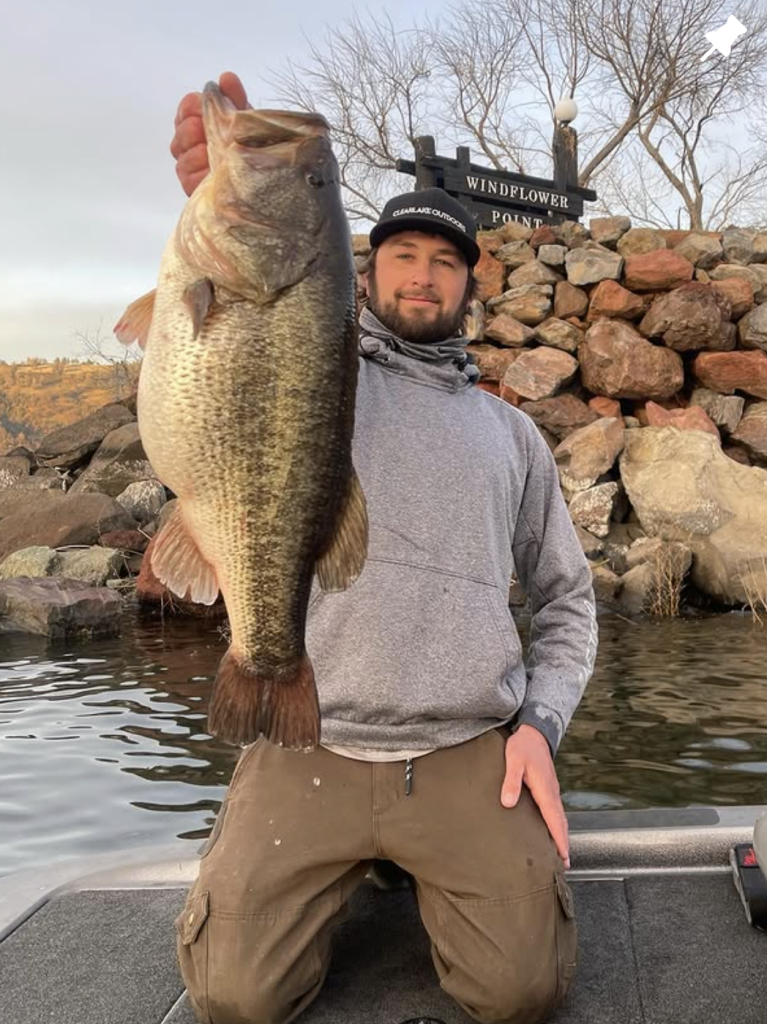
Clear Lake in Lake County, California regularly appears at the top of Bassmaster’s annual best bass lakes rankings and has for years. The nutrient-rich, warm, shallow water produces largemouth bass at a density that most anglers from other parts of the country find genuinely surprising on a first visit. Double-digit bass are common enough here that serious anglers don’t consider them the trip highlight in the way they would elsewhere.
The lake covers roughly 68 square miles and the bass are distributed throughout a complex of tules, docks, riprap, and open water that rewards anglers who take the time to learn the different sections. Blue-green algae blooms in late summer can affect water quality and access, similar to Okeechobee. Check current conditions before planning a summer trip.
The Angler Summary
Key species: Largemouth bass, crappie, catfish
Closest town: Lakeport, California
Camping/lodging costs: Campgrounds $25 to $45 per night; lakefront resorts $150 to $300 per night; guided bass trips $350 to $500 per day
Best timing: April through June and September through November for peak bass
7. Lake Guntersville (Alabama)
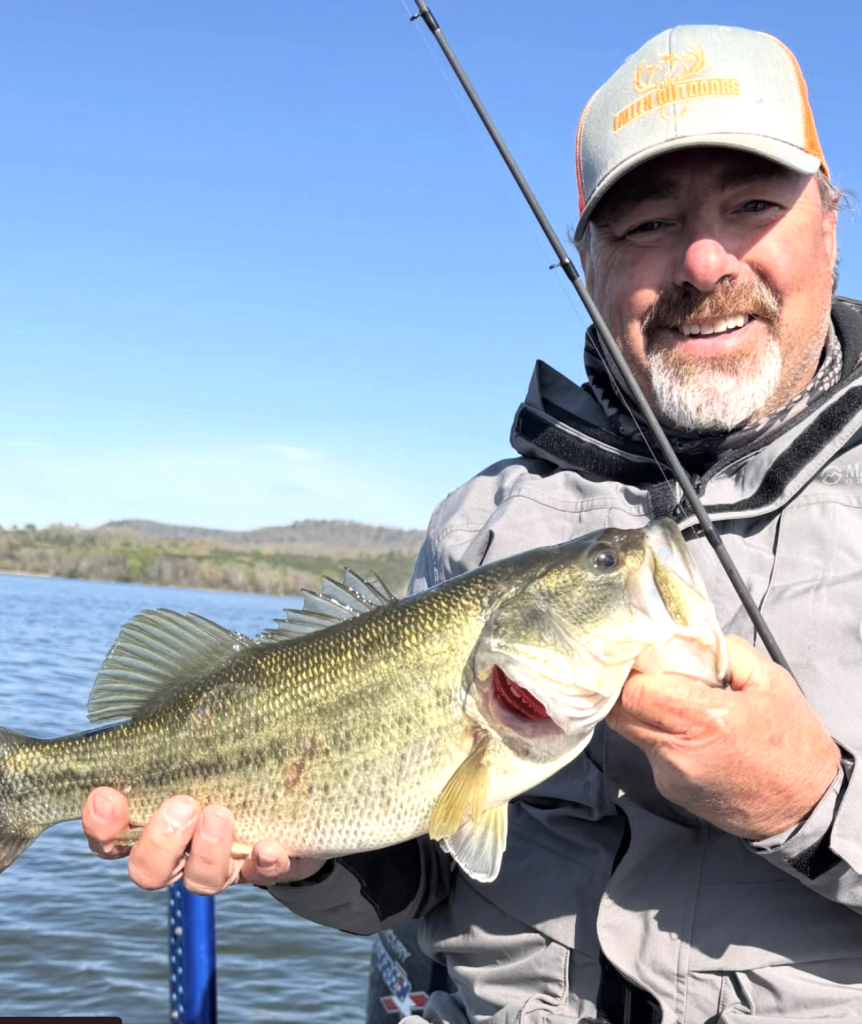
Guntersville is Alabama’s most famous bass lake and the most complete bass fishery in the Southeast for combining numbers, size, habitat variety, and access. The 69,000-acre Tennessee River impoundment has grass flats, deep ledges, creek channels, and stump fields that hold largemouth bass year-round in ways that most grass lakes don’t, and the double-digit fish that come out every season are the reason serious tournament anglers return annually.
A full-day guided trip on Guntersville runs $350 to $500 for two anglers. Worth every dollar on a first visit because the lake is large enough and the productive water specific enough that local knowledge makes a significant difference. Crappie, catfish, striped bass, and hybrid stripers round out what’s available for non-bass fishing.
The Angler Summary
Key species: Largemouth bass, crappie, catfish, striped bass
Closest town: Guntersville, Alabama
Camping/lodging costs: State park camping $20 to $40 per night; lakefront cabins and Guntersville State Park Lodge $100 to $250 per night; guided bass trips $350 to $500 per day
Best timing: Late February through April for the prespawn, fall for topwater
6. Florida Trophy Bass Waters (Lake Okeechobee, the Kissimmee Chain, and the St. Johns River)
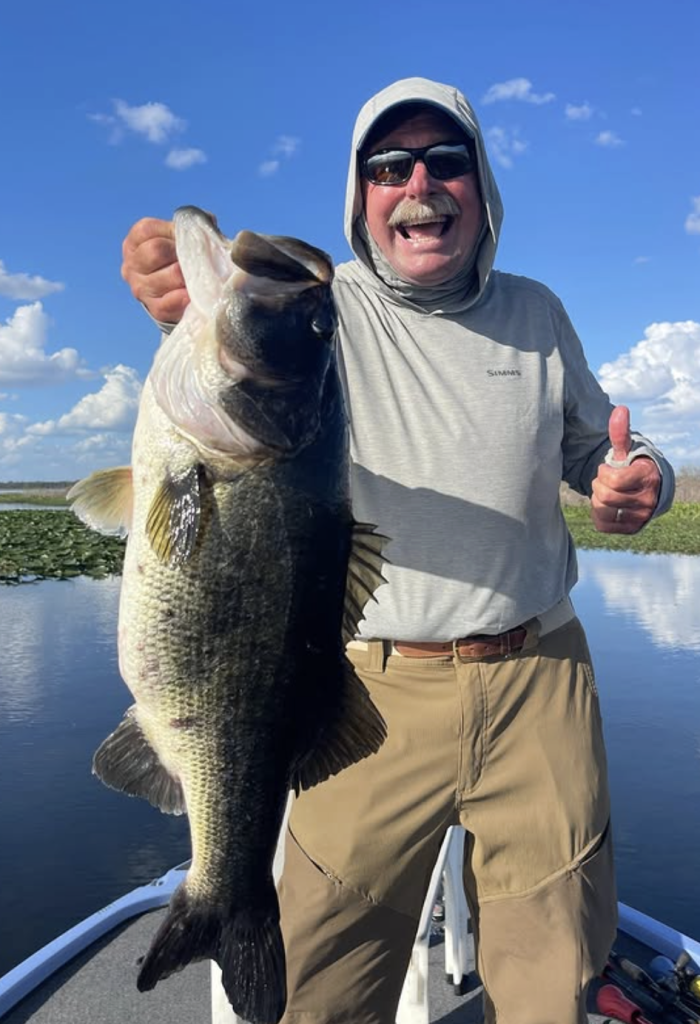
Florida’s freshwater bass fishery deserves its own entry beyond the individual Okeechobee listing because the full picture is larger than any single lake. The Kissimmee chain of lakes from Kissimmee south to Lake Istokpoga, the St. Johns River system running north through central Florida, and Okeechobee itself form a concentration of native Florida largemouth habitat that is unmatched anywhere in the country for producing trophy-class fish.
The native Florida largemouth subspecies grows larger than the northern strain fish stocked in most of the country’s bass lakes, which is why fish over eight pounds that would be a career catch in Michigan or Ohio are a realistic expectation on a good Florida winter morning. Guides on the Kissimmee chain and St. Johns consistently put clients on double-digit fish throughout the winter season in ways that make January in Florida feel like a different sport from January anywhere else.
The Angler Summary
Key species: Florida largemouth bass, crappie, bluegill, catfish
Closest towns: Kissimmee or Okeechobee, Florida for the chain; Palatka or Sanford for the St. Johns
Camping/lodging costs: Fish camps and campgrounds $20 to $50 per night; guided trophy bass trips $400 to $600 per day
Best timing: December through March for trophy bass
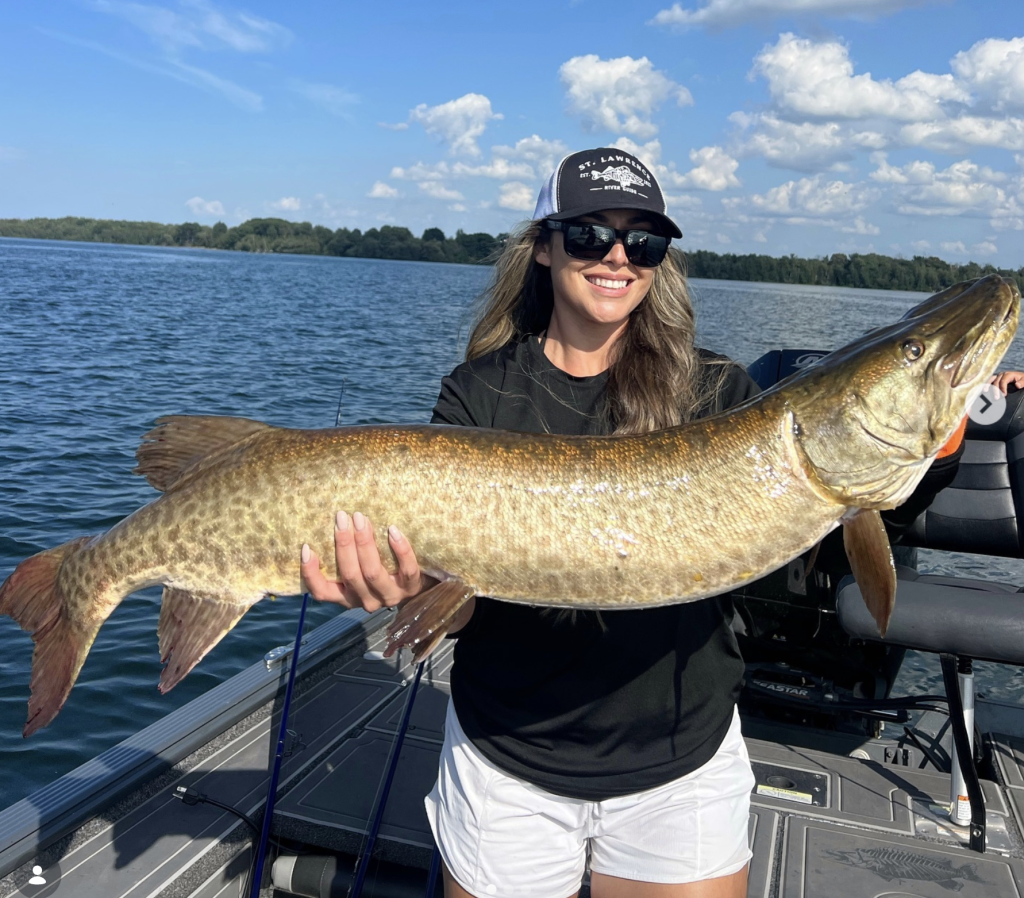
5. St. Lawrence River (New York)
The St. Lawrence River along the New York-Ontario border is where the smallmouth bass fishing conversation in the eastern United States tends to end. The rocky shoals, island-studded channels, and cold, clear water of the Thousand Islands section produce smallmouth in the four to six pound range in numbers that make it the benchmark fishery for the species in North America.
Northern pike in the weed beds, muskellunge in the main channels, and walleye in the deeper pools add a multi-species dimension that makes the St. Lawrence a full-destination fishery rather than a one-species trip. Charter and guide operations in the Alexandria Bay and Clayton area have been doing this for generations and the local knowledge available is among the best of any fishery on this list.
The Angler Summary
Key species: Smallmouth bass, northern pike, muskellunge, walleye
Closest town: Alexandria Bay or Clayton, New York
Camping/lodging costs: Campgrounds $25 to $60 per night; Thousand Islands waterfront lodges and inns $150 to $400 per night; guided trips $400 to $600 per day for two anglers
Best timing: Late June through September for smallmouth, summer for muskie
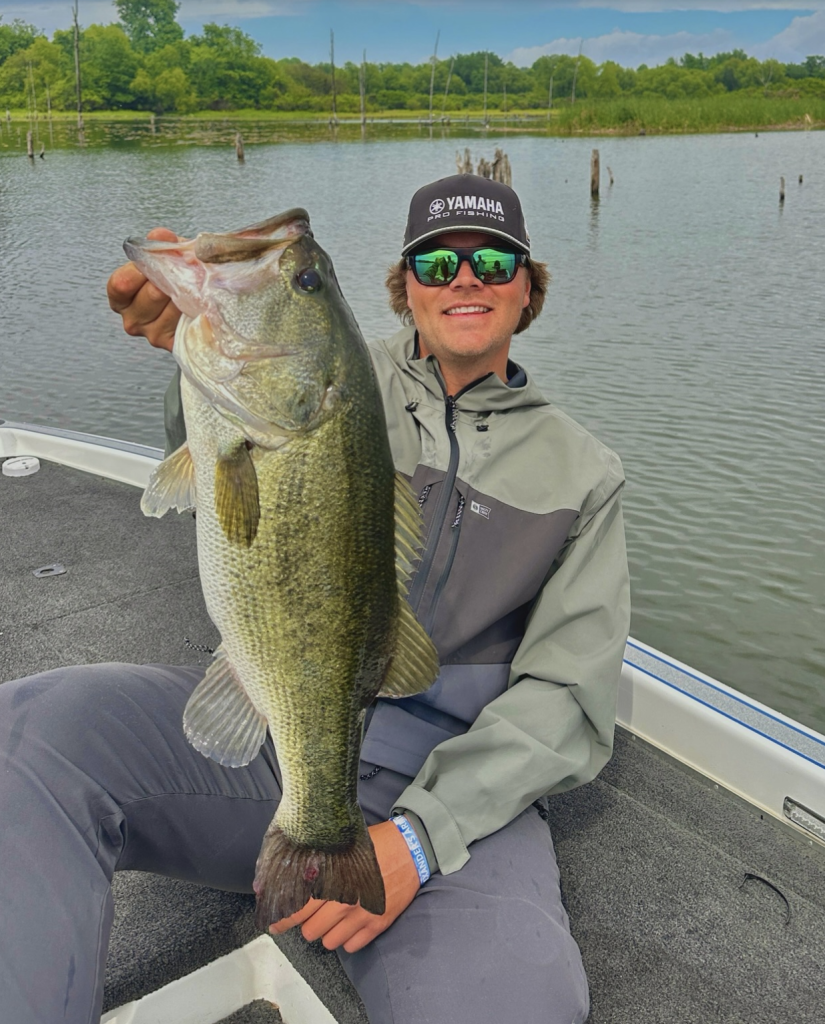
4. Lake Fork and the Texas Trophy Bass Triangle (Texas)
Lake Fork is the most famous individual trophy largemouth lake in America and it earns that position through documented production that no other lake in the country matches for consistent double-digit bass. Multiple Texas state records have come from Fork, more than any other single water, and the flooded timber, grass, and cove structure gives bass exactly what they need to reach maximum size.
The broader east Texas bass triangle that includes Sam Rayburn Reservoir and Toledo Bend means that a dedicated bass trip to this part of Texas can cover three world-class fisheries within a reasonable drive of each other. For anglers making a trophy bass trip specifically, the concentration of quality bass water in east Texas is unmatched anywhere in the country.
The Angler Summary
Key species: Largemouth bass (trophy focus)
Closest town: Quitman, Texas (Fork), Jasper (Sam Rayburn), Many, Louisiana (Toledo Bend)
Camping/lodging costs: Fishing lodges $150 to $400 per night; guided trips $400 to $600 per day for serious trophy hunting
Best timing: February through May for the best combined trophy bass fishing across all three lakes
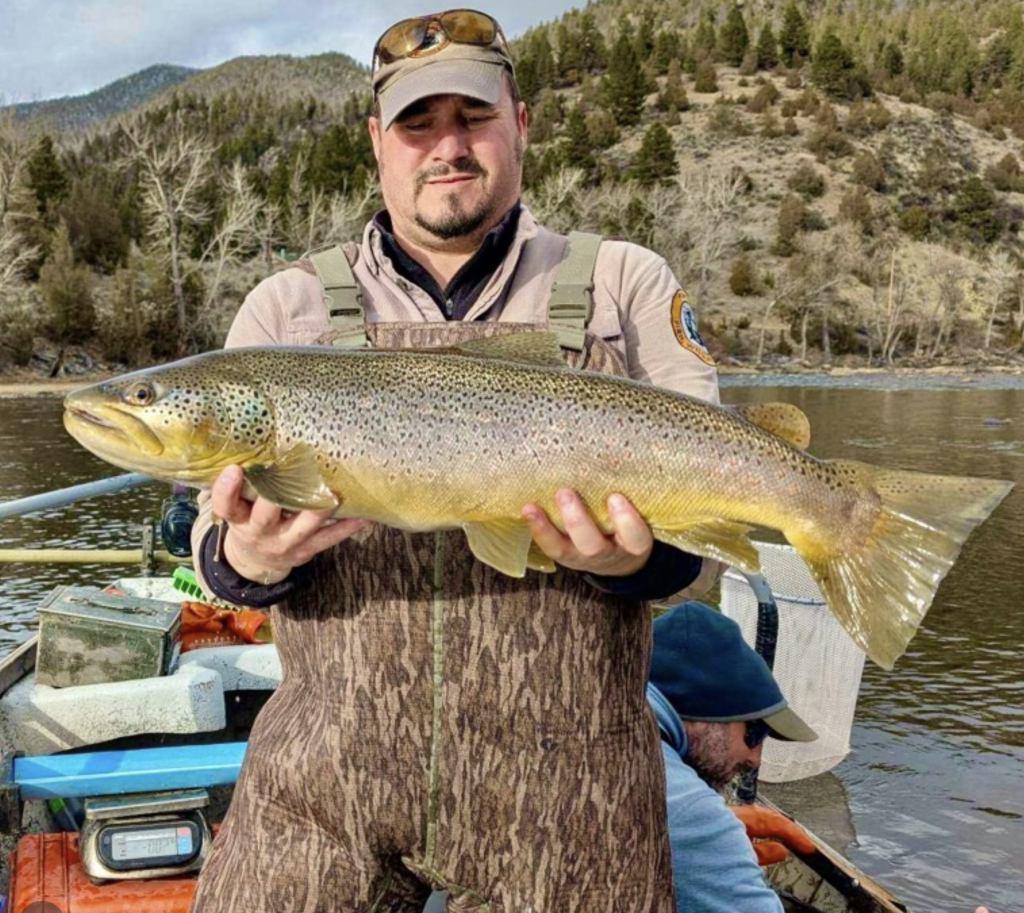
3. Montana and Idaho Blue-Ribbon Trout Rivers
The Missouri River below Holter Dam in Montana, the Madison River through Yellowstone country, the Henry’s Fork of the Snake River in Idaho, and the South Fork of the Snake produce trout fishing that defines what world-class means for the species. Wild rainbow and brown trout in the 18 to 24 inch range are realistic daily catches on the best of these rivers. The scenery through which they run is among the most remarkable in the country.
These rivers require different skills and different gear than most of the lakes on this list. Fly fishing is the primary method on most reaches, and local guides make a meaningful difference. A full-day float trip on the Missouri or Madison with a licensed outfitter runs $400 to $600 for two anglers and is worth the cost on a first trip.
The Angler Summary
Key species: Wild rainbow trout, brown trout, cutthroat trout
Closest towns: Craig or Cascade, Montana (Missouri); Ennis, Montana (Madison); Ashton, Idaho (Henry’s Fork)
Camping/lodging costs: Public campgrounds $10 to $25 per night; fly fishing lodges and outfitter operations $200 to $600 per night depending on inclusions; guided float trips $400 to $600 per day for two anglers
Best timing: June through September, with hatches peaking in July and August on most rivers
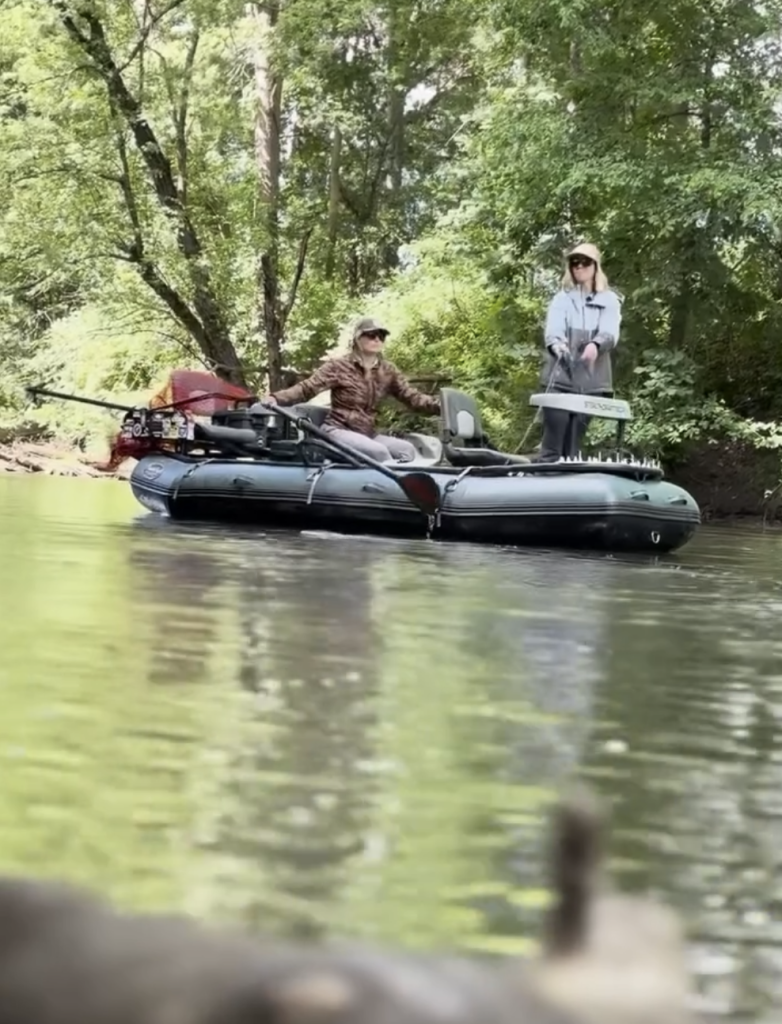
2. Lake Erie (Ohio, Pennsylvania, New York, and Michigan)
Lake Erie is the Walleye Capital of the World and the claim is not meaningfully contested. The western basin off the Ohio and Michigan shores produces annual walleye harvests that no other freshwater body on earth matches for sheer volume, and the fish are accessible from shore, from piers, and from charter boats that operate out of a dozen ports along the southern shore.
Yellow perch in the eastern basin, smallmouth bass on the rocky reefs around the islands, steelhead in the tributary streams from October through April, and lake trout in the deeper sections give Lake Erie a species calendar that runs twelve months. The infrastructure of guides, charter boats, bait shops, and public access is the best developed of any fishery on this list.
What it costs to fish it right: Full-day walleye charter out of Port Clinton, Ohio or Erie, Pennsylvania typically runs $100 to $175 per person. Perch charters run $80 to $130 per person. Private boaters can access the same water without the charter cost, but Lake Erie demands respect. The lake is shallow in the western basin and wave action develops faster than most anglers expect.
The Angler Summary
Key species: Walleye, yellow perch, smallmouth bass, steelhead, lake trout
Closest towns: Port Clinton, Sandusky, or Huron, Ohio; Erie, Pennsylvania; Buffalo, New York
Camping/lodging costs: State park camping $25 to $50 per night; lakeside motels and resorts $120 to $350 per night; charters $85 to $175 per person per day
Best timing: May through July for walleye on the western basin, August through September for perch, October through April for steelhead in the tributaries
1. Alaska: Bristol Bay, the Kenai River, and the Remote Fisheries
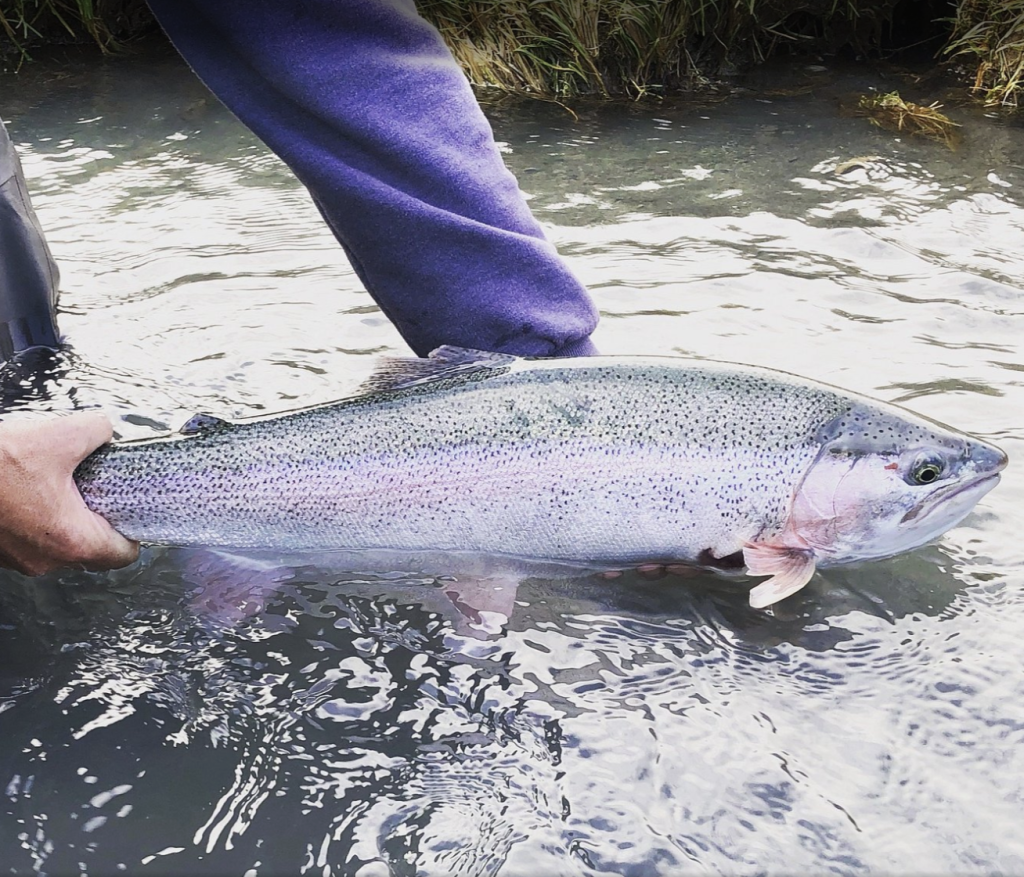
The top of this list belongs to Alaska not because of one lake or one river but because Alaska is the only place in North America where the fishing conversation genuinely resets. The salmon runs in Bristol Bay are the largest wild salmon runs on earth. The rainbow trout that grow on those salmon in the Naknek, Kvichak, and Nushagak rivers reach sizes that most freshwater anglers never encounter anywhere else. The Kenai River produces king salmon in the 50 to 97 pound range and is accessible by road.
Nothing on this list, including everything from Lake Fork to the St. Lawrence to Lake Erie at its best, prepares you for what Alaskan fishing looks like at full scale. The Bristol Bay lodge experience runs $5,000 to $15,000 per week all-in and is worth saving for. The road-accessible Kenai Peninsula offers a credible version of the same fishery at a fraction of the cost if the remote lodges aren’t in the budget this year.
The halibut fishing out of Homer and Seward adds saltwater trophy fishing to what’s already an extraordinary freshwater destination. A full-day halibut charter runs $250 to $350 per person and produces fish in the 50 to 200 pound range with regularity.
The Angler Summary
Key species: All five Pacific salmon, rainbow trout, Dolly Varden, Arctic grayling, Pacific halibut, lake trout
Closest gateway cities: Anchorage for most destinations, King Salmon for Bristol Bay
Camping/lodging costs: Road-accessible camping $10 to $30 per night at state campgrounds; guided Kenai River float trips $300 to $500 per day for two; Bristol Bay lodge packages $5,000 to $15,000 per week all-inclusive; Homer halibut charters $250 to $350 per person per day
Best timing: June through September for salmon, July through August for the peak Bristol Bay rainbow fishing, May through August for halibut
Our Time is Limited. The Fish We Catch Isn’t!
There are hundreds of bodies of water that deserved consideration for this list and didn’t make it. The Boundary Waters in Minnesota, the Green River below Flaming Gorge in Utah, the Smith River in California, the New River Gorge in West Virginia, the Ozark tailwaters in Arkansas. The list could be twice as long and still leave out fisheries that serious anglers would argue belong.
What this list represents is the range of what American fishing looks like at its best. Family-friendly crappie lakes in Alabama, technical trout streams in Montana, charter fisheries on the Great Lakes, trophy bass destinations in Texas, and something in Alaska that redefines what the word excellent means when applied to fishing.
Always verify current licenses and regulations with the relevant state or federal agency before every trip. Seasons, bag limits, and special regulation waters change and the current year’s rules are the ones that matter.
The water is out there. Go find out what it’s like.
