
27 Snack Foods That Are Healthier Than They Look

This post may contain affiliate links. We may earn a commission at no extra cost to you. See our full disclosure.
Everyone acts like ordering a salad is automatically the healthy choice. But a restaurant salad drowning in croutons, candied nuts, creamy dressing, and bacon bits can hit roughly 1,200 calories with almost no fiber or protein.
Meanwhile, some foods we wrote off as junk have real nutrition hiding inside. We count down from mildly surprising to genuinely shocking, and the one at #1 packs more fiber than most people eat in an entire day. Number 5 will make you look at kale differently forever.
#27. Ketchup
Most people don’t think of ketchup as a health food. They’re not wrong. But they’re missing something.
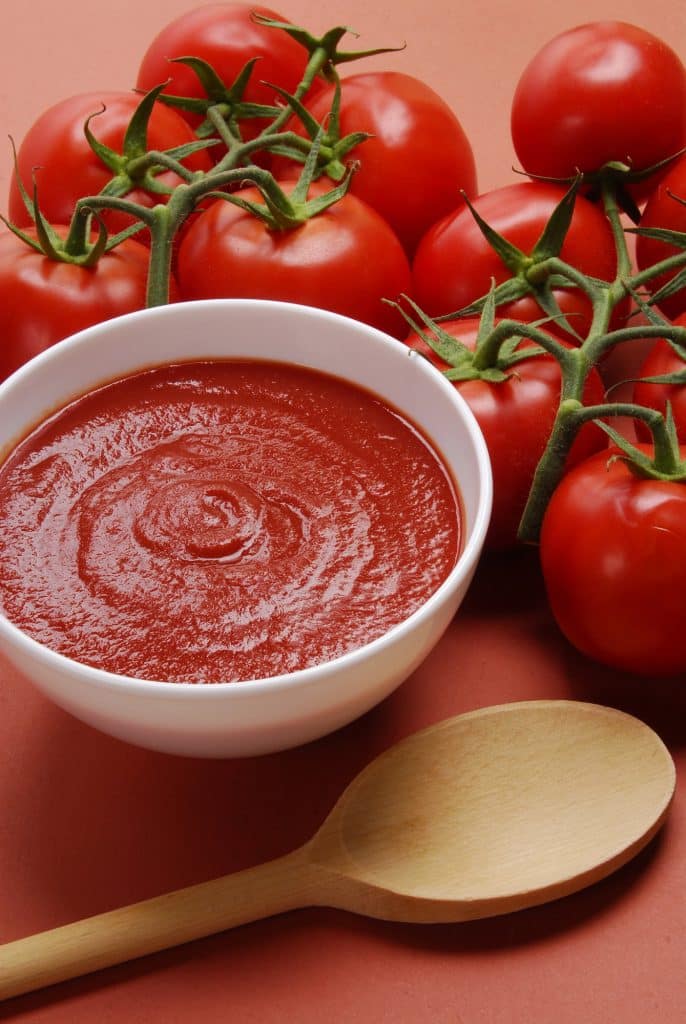
Processed tomatoes deliver more usable lycopene than raw ones. Heat breaks down the cell walls, so a tablespoon carries roughly 2 to 5mg of the antioxidant, which observational research has tied to heart and prostate health.
That beats a plain iceberg salad with zero tomatoes in it. Pick a low-sugar bottle and this condiment is quietly better than the crunchy water it gets poured near. Portion still matters, though. It’s mostly sugar and sodium after the lycopene.
#26. Regular Soda (select real-ingredient versions)
This one is barely making the cut, and honesty demands we say so up front. It’s the weakest case on the whole list.

Certain tonic waters and sodas made with real botanical extracts or fruit carry trace flavonoids and a little vitamin C. Tonic water even started life as a medicinal drink. It’s the nutritional equivalent of finding a dollar on the ground.
The only reason it’s here: shredded iceberg with fat-free bottled dressing offers almost nothing. A few plant compounds beat zero plant compounds. That’s a low bar, and soda clears it by about an inch.
#25. French Fries (baked or air-fried, skin-on)
A skin-on baked or air-fried fry has more going on than its reputation suggests. The potato underneath is doing real work.

A medium serving of skin-on fries can carry roughly 500 to 900mg of potassium, which supports blood pressure. Cool them and reheat them and you also pick up resistant starch, which feeds gut bacteria and blunts the glucose response.
Deep frying in bad oil with a salt avalanche cancels most of this. But the baked version is a completely different product from a bag of fast food fries. The potato was never the problem. What we do to it is.
#24. Ice Cream (full-fat, minimal additives)
Full-fat ice cream made from real dairy does something a plain salad almost never does. It actually fills you up.

The dairy base brings calcium, protein, and B vitamins. And full-fat dairy has been largely rehabilitated in recent research. The old link to poor metabolic outcomes was never as clean as the low-fat era claimed.
An 800-calorie restaurant salad that leaves you hungry an hour later loses to a scoop of quality ice cream that satisfies you and delivers calcium. That’s not a defense of ice cream for dinner. It’s an indictment of what passes for a healthy salad.
#23. Cheeseburger (quality beef, veggie toppings, whole-grain bun)
A well-built burger is a nutritionally complete meal in a way most salads on the same menu genuinely aren’t.

Quality beef delivers complete protein plus heme iron, zinc, and B12 in some of the most absorbable forms found anywhere. The body takes up heme iron at rates several times higher than plant iron.
Add real vegetable toppings and a whole-grain bun and you’ve out-built a Caesar salad carrying four times the calories in dressing and croutons. The burger concept was never the issue. The processed fast food execution was.
#22. Pizza (veggie-loaded, thin or whole-grain crust)
A well-made pizza hits nutritional notes a plain side salad misses entirely. Every layer contributes something.
Keep Reading
Related, and worth the detour:

Cooked tomato sauce delivers usable lycopene. Real cheese adds calcium and protein. Vegetable toppings bring fiber and micronutrients, and a thin or whole-grain crust keeps the refined carbs in check.
Compare that with iceberg drenched in a 200-calorie dressing pour and a few croutons for texture. The pizza wins. Two inches of greasy cheese on white flour is a different food entirely, so don’t hear this as a chain-pizza pardon.
#21. Granola (nut and seed focused, low sugar)
Quality granola built from nuts, seeds, and oats is one of the most nutrient-dense snacks in the store.

The nut and seed base carries healthy fats, vitamin E, magnesium, fiber, and protein. Oats add beta-glucan for cholesterol. Large cohort studies keep linking regular nut eaters to better heart and weight outcomes despite the calorie density.
The catch: most commercial granola is a sugar delivery system with oats mixed in. If added sugar sits in the first three ingredients, you’re holding a cookie in disguise. Check the label before you feel smug at breakfast.
#20. Protein and Energy Bars (whole-food base, nut and seed focused)
A quality bar built from dates, nuts, seeds, and real protein is trail mix that learned to hold a shape.

The protein and fiber in a well-made bar sustain energy and keep you full in a way voluminous low-calorie salads rarely manage. When the ingredient list reads like a recipe you could make at home, the bar earns its wrapper.
The range in this category is huge. Roughly 20 grams of whole-food protein and 5 grams of fiber is one product. A candy bar with a protein logo is another. The concept is sound. Most of the market just doesn’t execute it.
#19. Oatmeal Cookies or Dark Chocolate Chip Cookies (quality ingredients)
An oatmeal cookie made with real oats delivers beta-glucan fiber whether you file it under health food or not.

The same beta-glucan that earned oatmeal an FDA-recognized cholesterol claim shows up in a well-made oatmeal cookie. Dark chocolate chips add cocoa flavanols that improve blood vessel function. Neither exists in a bowl of plain lettuce.
Sugar and butter are real concerns, and this is not a swap-cookies-for-vegetables argument. It’s an argument that the working compounds in a quality oatmeal dark chocolate cookie are more functional than anything else in the dessert case.
#18. Potato Chips (baked, skin-on, potato or sweet potato)
Baked skin-on chips keep more of what makes a potato worth eating than their aisle placement suggests.

A serving can carry a few hundred milligrams of potassium for blood pressure and electrolyte balance, and the skin brings fiber a white salad base doesn’t have. Sweet potato versions stack beta-carotene on top.
While You're Here
27 Frozen Foods Healthier Than Fresh
The freezer aisle wins more of these matchups than anyone expects.
Fried in low-quality oil with too much salt is a different conversation. But the baked, skin-on version sits in a mineral category plain lettuce can’t reach. Not a lot. But more than zero, which is the whole theme here.
#17. Dark Chocolate Candy (70%+ cocoa)
Dark chocolate at 70 percent cocoa or higher has human clinical trial data behind it. That’s more than most salads can say.

Cocoa flavanols improve flow-mediated dilation, a measure of how well arteries expand under increased blood flow, with measurable effect sizes in trials. A one-ounce square also brings magnesium along for the ride.
The Aztecs and Maya treated cacao as medicine, and researchers eventually worked out why. That bitter, peppery catch at the back of your throat from good dark chocolate signals higher flavanol content. Chocolate makes another run at this list later, and higher.
#16. Sparkling Water, Flavored Sodas, or Kombucha
The fermented versions are doing something the plain ones aren’t. Live cultures change the math.

Real kombucha carries probiotic cultures that support gut microbiome diversity, and the tea base adds polyphenols. Modest effects, sure, but present in something most people file under fun drink rather than functional food.
Standard sugary sodas don’t get this pass. The gap between a quality kombucha and plain sparkling water is smaller than the gap between kombucha and a sugar bomb. Choose accordingly, and watch the sugar line either way.
#15. Frozen Yogurt or Cultured Dairy Treats
Frozen yogurt made with real cultured dairy hands you probiotics, calcium, and protein in dessert clothing.

Live cultures in genuine frozen yogurt support digestion the same way regular yogurt does. The dairy base brings calcium and protein a crouton-and-iceberg salad simply doesn’t deliver.
The key word is cultured. Look for live and active cultures on the label. A frozen dessert wearing yogurt branding without them is a different product, and plain or lightly sweetened versions win the category every time.
#14. Bran Cereals or High-Fiber Oat Cereals (low sugar)
A bowl of genuine bran cereal is one of the highest-fiber breakfasts you can eat without trying very hard.

Oat beta-glucan carries the FDA-recognized cholesterol claim at roughly 3 grams a day, a bar very few foods clear. Bran versions add insoluble fiber for regularity, and fortification stacks B vitamins and iron on top.
Sugary cereals are a different product and get none of this credit, though some so-called junk cereals surprise people too. Keep the low-sugar version in mind. Its bigger sibling is waiting at #1.
Reader Favorite
The "Phone Money" Trick Our Readers Keep Writing In About
Every week we get emails asking the same thing: is there a legit way to make extra money without taking on a second job? The answer that keeps coming back from readers is reward apps that pay real cash for things you're probably already doing on your phone, like answering surveys or playing games while the TV is on.
One reader told us she covers most of her monthly streaming bills this way. Another uses his payouts to pad the grocery budget. It won't replace a paycheck, but an extra $50 to $100 a month for downtime you'd spend scrolling anyway is hard to argue with.
- Free $5 signup bonuses just for joining
- Cash out via PayPal, check, or gift card
- No fees, no experience, nothing to buy
We compared the highest-rated options so you don't have to dig: see the best ways to make money from your phone →
We may earn a commission if you sign up through a link on this page.
#13. Whole-Grain or Nut-Filled Pastries
When the filling does real work, the pastry earns its spot. Nuts change everything about the math.

Nut fillings bring monounsaturated fats, vitamin E, magnesium, and protein. Whole-grain dough adds fiber and B vitamins. In most commercial pastries, sugar and refined flour swamp all of it, so the version matters enormously.
The gap between a proper whole-grain walnut pastry and a cream-filled croissant is enormous. Both are pastries. Only one makes a nutritional argument. The category is never the product, which might be the motto of this entire list.
#12. Air-Popped or Microwave Popcorn (plain)
Plain popcorn is a whole grain. That single fact carries fiber, B vitamins, and antioxidants into your movie night.

The intact bran layer delivers insoluble fiber with every kernel, and the polyphenol content per serving beats many fruits and vegetables, which genuinely surprised the researchers who measured it. People in the ancient Americas ate it long before theaters existed.
Volume works in its favor too, since a big serving fills you up cheaply. It’s one of the foods that keep you full for almost nothing. Hold that thought until #5, where popcorn picks a fight with kale.
#11. Whole-Grain or Legume Pasta (cooled and reheated)
Pasta cooked, cooled overnight, and reheated carries more resistant starch than fresh pasta. Same trick as the potatoes earlier.

The cooling step roughly doubles the resistant starch, which feeds gut bacteria and produces butyrate, an anti-inflammatory compound your colon loves. Whole-grain versions add fiber and B vitamins. Chickpea and lentil pastas add near-complete protein.
Meanwhile the crouton-topped restaurant salad is delivering refined carbs with almost no fiber and calling itself the responsible order. Fresh pasta is good. Yesterday’s pasta, reheated, is quietly better for your blood sugar.
#10. Trail Mix or Nut and Seed Snacks (minimal additives)
A handful of quality trail mix is dense nutrition that traveled with humans long before packaging did.

Nuts and seeds bring healthy fats, vitamin E, magnesium, zinc, protein, and fiber. Big cohort studies keep tying regular nut consumption to lower cardiovascular risk and better weight outcomes despite all those calories.
The fat-and-protein combo also outlasts a plain salad on fullness by hours. Candy-heavy mixes with chocolate buttons and yogurt chips are a different animal. Nuts, seeds, some dried fruit, maybe dark chocolate. That’s the entry.
#9. Veggie or Bean Chips (baked, minimal additives)
A baked chip made from real lentils, black beans, or chickpeas keeps the legume’s protein, fiber, and potassium.
From Around Our Desks
One more we think you'll like: the vegetables that make the best one-pan dinners

Some lentil chips carry roughly 4 to 5 grams of protein per serving straight from the legume base, not from isolates dusted on afterward. The fiber supports gut health and keeps you full past the next snack urge.
Processing level is everything. A chip whose first ingredient is a whole legume with a short list behind it is a different product from a corn puff wearing vegetable powder. Read the back of the bag, not the front.
#8. Hummus or Chickpea-Based Snacks
Hummus delivers plant protein, resistant starch, and fiber in amounts most salads never approach.

A few tablespoons of the good stuff carry roughly 5 to 8 grams of fiber from chickpeas, real plant protein, and healthy fats from tahini and olive oil. The resistant starch feeds gut bacteria and softens blood sugar spikes.
Chickpeas have been a Middle Eastern staple for thousands of years, and hummus is one of the most efficient ways ever devised to eat them. Pair it with raw vegetables and you’ve out-nutritioned most restaurant salads for pocket change.
#7. Edamame or Bean-Based Snacks
Edamame is a complete plant protein with all essential amino acids. Almost nothing else in the snack world can claim that.

You get around 18 grams of protein per cup plus fiber, folate, vitamin K, and iron. And because it’s flash-frozen at peak ripeness, the nutrition survives better than fresh produce riding a distribution chain, one reason some frozen foods beat fresh outright.
A grilled chicken salad can technically compete on protein, but rarely does once 600 calories of dressing, croutons, and cheese pile on. Edamame just boils for three minutes and delivers. Soy sensitivity is the one caveat worth knowing.
#6. Whole-Grain Crackers or Flatbreads (with real toppings)
The base plus what goes on it builds something a dressed side salad genuinely can’t match.

Whole grains bring B vitamins, fiber, and slow-burning carbs. Then the toppings do the heavy lifting: omega-3s and vitamin D from smoked fish, plant protein from hummus, vitamin E from nut butter.
Refined white crackers with processed cheese spread get none of this credit. Whole grain, short ingredient list, real food on top. That combination has more nutritional breadth than the bottled-dressing salad sitting next to it on the menu.
#5. Air-Popped Popcorn (generous serving, plain or lightly seasoned)
Here’s the one people argue about. A generous bowl of plain popcorn carries more fiber than kale. Seriously.

Raw chopped kale holds roughly 2 to 2.5 grams of fiber per cup. Three to five cups of air-popped popcorn deliver around 10 to 15 grams of whole-grain fiber. That’s a factor of five, on the exact metric kale gets the most credit for.
Readers Can't Stop Opening These
★ 37 Foods to Always Stockpile Before Winter
★ 31 Childhood Snacks Still Worth Buying
★ 23 Ways to Slash Your Household Bills That Most People Never Try
Add intact bran for gut motility, polyphenols rivaling many produce items, and serious fullness at a laughable calorie cost. It even sneaks onto lists of foods with calorie counts that look fake. Just skip the butter avalanche, which turns it into a different food.
#4. Chia or Flax Seed Puddings and Snacks
An ounce of chia seeds packs roughly 10 grams of fiber. That’s more than most people manage in half a day.

The soluble fiber forms a thick gel in your stomach that slows digestion, blunts blood sugar spikes, and feeds gut bacteria. Plant omega-3 ALA adds heart support, with calcium, magnesium, and phosphorus riding along.
The Aztecs called chia strength and mixed it with water as portable fuel, which was basically chia pudding. The health food aisle took roughly five hundred years to catch up to that idea.
#3. Dark Chocolate (70%+ cocoa bars or nibs)
Told you chocolate would be back. This time with human clinical trial data, which is more than your salad has.

Cocoa flavanols improve endothelial function, meaning your blood vessels dilate better, within hours of eating a normal serving. That result has been replicated enough times to take seriously. The magnesium is a bonus.
The 70 percent threshold is where flavanol levels get meaningful, and the bitter peppery bite at the back of the throat marks the good stuff. A Caesar salad with croutons has no peer-reviewed intervention trial behind it. A dark chocolate bar does. Sit with that.
#2. Full-Fat Greek Yogurt, Quality Cheese, or Cultured Dairy Snacks
One food delivering protein, calcium, probiotics, and real fullness. The research has largely defended every piece of it.

Full-fat Greek yogurt carries roughly 15 to 20 grams of protein per cup plus live cultures that support gut diversity and even help lactose-intolerant people digest dairy. Recent research on full-fat dairy runs neutral to favorable in a balanced diet.
A 900-calorie grilled chicken salad with minimal fiber and no probiotics is not automatically the healthier order next to plain yogurt with real fruit. The salad just feels healthier after decades of marketing. Plain, no added sugar, is the version this entry defends.
#1. High-Fiber Bran Cereals, Legume Chips, or Optimized Whole-Grain Bran Items
Here it is. A single serving can deliver roughly 10 to 20 grams of fiber, more than most people eat in an entire day.

Oat bran beta-glucan carries the FDA-recognized cholesterol claim. Wheat bran’s insoluble fiber supports regularity better per serving than iceberg, romaine, or even the greens that top the fiber rankings. Legume chips stack resistant starch and plant protein into something shaped like a snack.
The catch is what commercial versions do to that base. Sodium loads and added sugar can turn it into nutritional noise, so plain low-sugar bran or a clean-label legume chip is the version being defended here. When that version is in your hand, you’re holding a food that beats almost every restaurant salad on fiber, most on protein, at a fraction of the price. The salad never had a chance.
Not All Salads and Junk Foods Are Equal
The throughline is that the category is never the problem. Potatoes, chocolate, yogurt, popcorn, legumes all have real cases behind them, and plenty of everyday foods carry surprising benefits nobody markets. What wrecks them is industrial processing, excess sugar and salt, and the assumption that packaging tells you anything.

The same logic runs in reverse for salads. Leafy greens, lean protein, seeds, and a light dressing make something genuinely excellent, especially built around vegetables that quietly pack protein. Iceberg, croutons, bacon bits, and four ounces of ranch make a high-calorie meal with good branding. The menu name tells you nothing. The ingredients tell you everything.
Enjoyed this article? Here are more fun reads:
