
27 Frozen Foods That Are Healthier Than Fresh

This post may contain affiliate links. We may earn a commission at no extra cost to you. See our full disclosure.
The freezer aisle is misunderstood. Somewhere along the way we all decided that fresh means healthy and frozen means lazy, and grocery stores are happy to ride that wave. Fresh foods get the warm lighting and the mist. Frozen foods get a foggy aisle and a door, right next to the ice cream.
Whatever you picture when you hear “fresh” is probably not the whole story. That fresh broccoli was likely cut a week or two ago. Fresh mangoes were picked before they were ripe and shipped across the ocean to reach the store. Even the fish sold as fresh at the counter was often frozen at sea and thawed for display.
Frozen produce is picked and frozen at just the right time, and in a lot of cases the nutrients hold up better than fresh because the food never has to make a long, slow trip to the store. Some studies even show frozen produce beating fresh produce that traveled the exact same route.
So here’s a comprehensive list of foods where the frozen version beats the fresh one. The ranking comes down to three things: the nutrition level of frozen versus fresh, how big that gap actually is, and how good the frozen version tastes compared to fresh.
One rule for this whole list: we’re keeping it simple and sticking to plain packaging. Nothing with sauce counts. Sauce is where frozen food loses to fresh.

27. Frozen Avocado Chunks
We all know the pain of buying fresh avocado. Rock hard with no give one day, mushy and brown the next, with barely a window in between. Frozen avocado chunks skip that entirely. They were ripe when they went into the bag.
Nutritionally, avocado is avocado, fresh or frozen. The composted one you never got around to eating makes a strong case for the fresh side, but not a stronger case than the avocado you actually eat. Don’t let it go to waste.
Quick Facts
- Frozen edge: picked and frozen at real ripeness, so no race against the clock
- What to grab: plain chunks or halves
- Easy move: smoothies, or thaw and mash

26. Frozen Banana Slices
Bananas might be the only fruit we buy underripe on purpose, since the counter finishes the job. Frozen slices skipped ahead. They were frozen at full ripeness, sugars developed, sweetness peaked.
Let’s talk about waste for a second. Americans throw out bananas by the ton every year. If a freezer bag changes a banana’s fate from trash to actually eaten, that banana just became the healthier choice by default. Blended frozen banana is also suspiciously close to soft serve. Don’t tell the banana police, but it’s a great snack.
Quick Facts
- Frozen edge: frozen at peak ripeness, as sweet as a banana gets
- What to grab: frozen slices, or freeze your own before they turn
- Easy move: into a smoothie, or blend alone for fake ice cream

25. Frozen Okra
Fresh okra turns fast. It’s a vegetable that does not hold up well once picked, and frozen okra gets processed before any of that decline sets in.
If the slime is what’s kept you away from okra, roasting it from frozen at 425 mostly solves that, and you keep the fiber and folate along the way.
Quick Facts
- Frozen edge: frozen at its peak, before it has a chance to turn
- What to grab: whole for roasting, cut for gumbo
- Easy move: hot oven, straight from the bag

24. Frozen Butternut Squash
Cutting a butternut squash belongs on any list of the most frustrating kitchen tasks there is. The prep alone is enough to put people off squash for the year.
Frozen cubes keep the beta carotene and the fiber without any of that. Winter squash also takes months to reach the store, while the frozen cubes were processed much closer to harvest. The nutritional gap here is small, which is why it lands at 24, but a squash you’ll actually cook beats a squash you won’t touch.
Quick Facts
- Frozen edge: same beta carotene, none of the knife work
- What to grab: plain cubes, skip the seasoned bags
- Easy move: roast, or straight into soup

23. Frozen Cranberries
Fresh cranberries are only around for a short stretch each fall, then they disappear. Frozen cranberries are that same harvest, held at its peak and available the other ten months of the year.
Keep Reading
Worth a look before you keep going:
Cranberries are loaded with polyphenols, and their structure makes them ideal for freezing. For most of the year, frozen isn’t the backup option. It’s the only option.
Quick Facts
- Frozen edge: the same fall harvest, available year-round
- What to grab: whole, unsweetened
- Easy move: baking, or a tart sauce

22. Frozen Artichoke Hearts
Fresh artichokes take a lot of time and money for not much food, which is why most people buy them jarred instead. Jarred means packed in brine, and that’s not exactly a health food either.
Frozen hearts split the difference: fiber and folate, no sodium bath, no labor. Next to a fresh artichoke that’s been toughening in the produce section for a week, it isn’t close.
Quick Facts
- Frozen edge: no brine, unlike jarred or canned
- What to grab: plain hearts, sodium line near zero
- Easy move: roast until the edges crisp, or toss into pasta

21. Frozen Brussels Sprouts
Brussels sprouts have a reputation for being tricky to cook. Steaming, which is what most people default to, doesn’t do them any favors, and the skins can turn a little mushy in the process. The fix is to thaw them, halve them, let them dry for a couple of minutes, then roast at 450 until they’re done.
Quick Facts
- Frozen edge: vitamins locked in before storage has a chance to chip away at them
- What to grab: whole sprouts, smaller ones cook better
- Easy move: dry them well, then roast hot

20. Frozen Carrots
Of all the frozen vegetables, carrots might be the least changed from their fresh selves, which almost makes the case easier. Beta carotene handles heat well, and the quick blanch before freezing softens the cell walls in a way that may make it easier for your body to actually absorb.
Compare that to the bag of fresh baby carrots developing a white film in the crisper drawer. The frozen bag doesn’t have that problem.
Quick Facts
- Frozen edge: blanching may make the beta carotene easier to absorb
- What to grab: frozen baby carrots, or coins
- Easy move: roast with oil, since fat helps the beta carotene absorb

19. Frozen Bell Pepper Strips
Bell peppers pack about as much vitamin C as an orange, but that C starts fading the moment they’re cut, and peppers travel a long way while looking better on the outside than they are on the inside.
Raw and frozen don’t mix, so salads are out. But for stir-fry, eggs, or fajitas, the pepper was already headed soft in the pan, and the frozen one started from a better place nutritionally. They’re also already sliced, which can be the difference between dinner happening and dinner not happening.
Quick Facts
While You're Here
37 Foods to Always Stockpile Before Winter
The shelf-life ranked list readers keep printing out.
- Frozen edge: frozen before the vitamin C fades in transit
- What to grab: tricolor strips, plain
- Easy move: anywhere they’ll be cooked

18. Frozen Kale
Kale wilts in the fridge the same way spinach does, and loses vitamins along the way. Most kale at the store has already had a few days to start that slide.
Frozen kale skips the washing and de-stemming, and it’s ready to go straight into soup, often carrying more nutrition than the fresh bunch that’s been sitting in your crisper.
Quick Facts
- Frozen edge: frozen before the fade sets in
- What to grab: chopped, plain
- Easy move: soups, smoothies, garlic saute

17. Frozen Cauliflower
A head of cauliflower looks like it could last forever, but the vitamin C fades the same as any other vegetable. Frozen florets were locked in before that decline started.
Frozen riced cauliflower deserves its own mention here. It’s the reason cauliflower rice became an actual easy dinner instead of a food-processor project, since the fresh pre-riced tubs in the produce section tend to spoil before you get to them.
Quick Facts
- Frozen edge: frozen fast, versus a long trip as a whole head
- What to grab: florets or riced, plain
- Easy move: roast florets hot, or riced straight into the pan

16. Frozen Peaches
An out-of-season peach is a losing bet. It goes from crunchy and hard to mealy with no good stretch in between.
Frozen peaches were picked in summer at peak ripeness and frozen right away. Out of season, there’s no real competition. Frozen wins.
Quick Facts
- Frozen edge: picked ripe in season, not hard for shipping
- What to grab: unsweetened slices
- Easy move: smoothies, oatmeal, baked anything

15. Frozen Strawberries
Fresh strawberries are bred to survive a long truck ride, which comes at the expense of flavor. The ones headed for the freezer don’t have to survive that trip, so they get picked riper.
Strawberries are loaded with vitamin C, and that C fades the longer they sit after harvest. Frozen at peak beats fresh in decline, every time. They do go soft once thawed, but nobody’s judging a smoothie.
Quick Facts
- Frozen edge: frozen ripe, while fresh is bred for shipping
- What to grab: whole, unsweetened
- Easy move: smoothies, sauces, thawed over yogurt

14. Frozen Edamame
Unless you live near a soybean farm, you’ve probably never actually eaten fresh edamame. The pods decline so fast after picking that almost all of the edamame sold in the US arrives frozen. The freezer bag isn’t the alternative here. It’s the only real option.
And it’s a good one: complete plant protein, fiber, and folate, frozen within hours of harvest.
Reader Favorite
The "Phone Money" Trick Our Readers Keep Writing In About
Every week we get emails asking the same thing: is there a legit way to make extra money without taking on a second job? The answer that keeps coming back from readers is reward apps that pay real cash for things you're probably already doing on your phone, like answering surveys or playing games while the TV is on.
One reader told us she covers most of her monthly streaming bills this way. Another uses his payouts to pad the grocery budget. It won't replace a paycheck, but an extra $50 to $100 a month for downtime you'd spend scrolling anyway is hard to argue with.
- Free $5 signup bonuses just for joining
- Cash out via PayPal, check, or gift card
- No fees, no experience, nothing to buy
We compared the highest-rated options so you don't have to dig: see the best ways to make money from your phone →
We may earn a commission if you sign up through a link on this page.
Quick Facts
- Frozen edge: frozen almost immediately after harvest, since fresh edamame barely exists in US stores
- What to grab: in the shell for snacking, shelled for cooking
- Easy move: boil for 5 minutes, then add salt

13. Frozen Green Beans
Green beans are one of the vegetables researchers have actually put through a head-to-head test, and fresh beans stored in the fridge for a few days came out with less vitamin C than the frozen ones. The beans that look perfectly fine in your crisper are quietly less nutritious than they seem.
Whole frozen beans, blistered in a hot dry pan and then finished with oil and garlic, taste far better than green beans’ reputation would suggest.
Quick Facts
- Frozen edge: holds vitamin C better than beans stored in the fridge
- What to grab: plain, whole beans
- Easy move: hot dry pan first, then oil and garlic

12. Frozen Corn
Old farm families used to rush corn straight from the field to the pot because sugar starts converting to starch the moment it’s picked. Frozen corn is processed shortly after harvest, keeping the sugars intact, while the corn at your store has often been off the stalk for days.
Quick Facts
- Frozen edge: sugars locked in before they turn to starch
- What to grab: plain kernels
- Easy move: straight into the pan, no thawing

11. Frozen Cherries
Fresh cherries are expensive, and pitting them stains your thumbs purple. Frozen cherries arrive ripe, dark, and already pitted, at a fraction of the price, and they carry the same anthocyanins researchers keep studying for recovery and inflammation.
Frozen cherries aren’t really the backup plan here. Fresh is.
Quick Facts
- Frozen edge: pitted, picked ripe, available outside a short season
- What to grab: dark sweet cherries, unsweetened
- Easy move: smoothies, oatmeal, warmed over anything
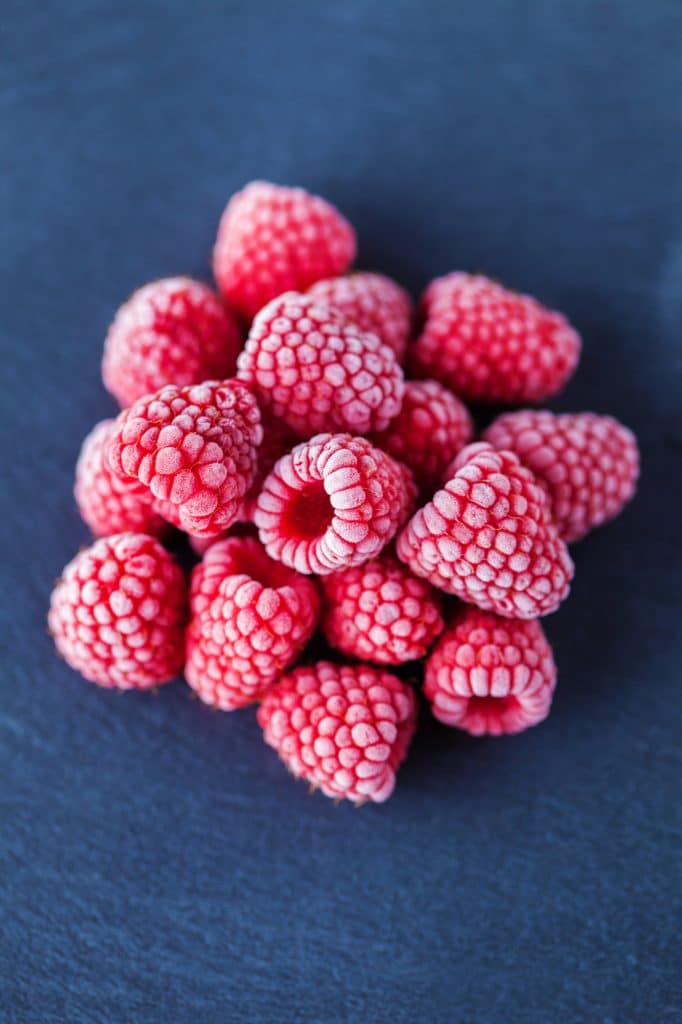
10. Frozen Raspberries
Raspberries are doomed from the start. Give them about 40 minutes on the counter and they’re already going soft. That fragility means the fresh ones get picked underripe and still lose the race.
Frozen raspberries skip the whole ordeal. Picked ripe and frozen fast, at a much better price than the fresh clamshell. Try them still half-frozen over yogurt.
Quick Facts
- Frozen edge: the most fragile berry, frozen before it has a chance to fall apart
- What to grab: a bag that isn’t one solid brick, unsweetened
- Easy move: half-thawed over yogurt

9. Frozen Mango
Export mangoes get picked underripe so they can survive the trip, while frozen mango is captured at real ripeness. The vitamin C and beta carotene are at their peak when frozen, and the fresh version shipped underripe never quite catches up.
From Around Our Desks
One more we think you'll like: 47 dinners a 90s mom made for almost no money
Quick Facts
- Frozen edge: frozen ripe at origin, while fresh ships underripe
- What to grab: plain mango chunks
- Easy move: smoothies, or thawed with lime and chili

8. Frozen Pineapple
A pineapple doesn’t ripen after it’s picked, no matter what you might assume. Whatever sweetness it had at harvest is all it will ever have, and fast shipping means picking early, ready or not.
Frozen pineapple is harvested and packed at peak ripeness, so you get the flavor of fresh without the knife work.
Quick Facts
- Frozen edge: pineapple can’t ripen after picking, and frozen was picked ready
- What to grab: plain chunks, no syrup
- Easy move: smoothies, or straight from the bag, half-frozen

7. Frozen Broccoli
Broccoli is a great option nutritionally and on price, but it has a reputation problem, mostly because it’s so easy to overcook into something dry and soggy at the same time.
The fix is all in the prep. Roasted hot on a sheet pan until the edges crisp, frozen broccoli is genuinely good. Steamed, it’s the version everyone complains about.
Quick Facts
- Frozen edge: blanched and frozen within hours of cutting
- What to grab: florets, plain, no cheese sauce
- Easy move: hot sheet pan, straight from frozen

6. Frozen Shrimp
It’s close to common knowledge at this point that most of the shrimp at the seafood counter was frozen at some point and thawed for display. So the “fresh” shrimp on ice is often just older frozen shrimp with a markup attached.
Buying the frozen bag puts you in charge of the thaw. The nutritional profile is identical either way, and the price is better.
Quick Facts
- Frozen edge: counter shrimp is usually just thawed frozen shrimp, and older
- What to grab: raw, IQF bags, shell-on if you have ten extra minutes
- Easy move: cold-water thaw in 15 minutes

5. Frozen White Fish
With fish, speed matters more than almost anything else. Fish frozen at sea gets locked in fast, while the fillet at the counter may be several days into its journey, and some of it was frozen once already and thawed for the display case.
Cod, pollock, and haddock are all solid picks here, and the frozen versions are often in better shape than their fresh counterparts, with the same lean protein and vitamins either way.
Quick Facts
Readers Can't Stop Opening These
★ 37 Things You Stop Buying Once You're a Real Adult
★ The Strange Frugal Hacks Grandmothers Swear By
★ 23 Ways to Slash Your Household Bills That Most People Never Try
- Frozen edge: frozen at sea quickly, instead of aging before it reaches the counter
- What to grab: vacuum-sealed portions
- Easy move: bake from frozen, add about 10 minutes

4. Frozen Wild Salmon
Alaska’s wild salmon season is short, and a lot of that catch gets frozen right on the boat. The “fresh, never frozen” salmon at the counter is usually farmed, since farms are the only source that can supply fresh salmon year-round.
So the frozen option often gets you the actual wild fish, with its strong omega-3 profile, at a lower price than fresh wild salmon ever sells for. The freezer is how wild salmon gets inland at all.
Quick Facts
- Frozen edge: wild salmon is usually frozen on the boat at its peak
- What to grab: vacuum-sealed sockeye or coho
- Easy move: thaw in the fridge overnight, then cook it like the good stuff it is

3. Frozen Blueberries
Blueberries take the bronze because freezing might genuinely make them better. The anthocyanins that give them their color live in the skin, and researchers at South Dakota State University found that the ice crystals formed during freezing break down cell walls in a way that may make those compounds easier to absorb.
Fresh blueberries are also one of the moldiest items in the produce section, if we’re being honest. The frozen bag is picked ripe, costs less, and lasts months. Matching fresh would have been enough. Possibly beating it is just showing off.
Quick Facts
- Frozen edge: anthocyanins may become easier to absorb after freezing
- What to grab: wild frozen blueberries when you can find them, more skin per bite
- Easy move: straight into oatmeal, even half-frozen

2. Frozen Spinach
Fresh spinach fades fast. Research has shown it can lose a big share of its vitamin C and folate within about a week of refrigerated storage, and a week is roughly how old it is by the time you buy it.
Frozen spinach was blanched and frozen right after harvest, so the nutrients are locked in. It’s also concentrated, meaning one frozen block replaces a mountain of fresh leaves you were probably never going to finish anyway. Just remember to squeeze the water out before it goes into anything.
Quick Facts
- Frozen edge: fresh spinach loses nutrients fast in the fridge; frozen holds onto them
- What to grab: chopped, plain, bag or box
- Easy move: squeeze dry, then eggs, pasta, or soup

1. Frozen Peas
Fresh peas start losing their sweetness within just a few days of being picked, since their sugars convert fast. Frozen peas are picked and frozen within hours, so the sweetness actually stays put.
Fresh shelling peas have also nearly disappeared from regular grocery stores, so unless you’re growing your own, frozen is really the only option. For about a dollar, you get a whole bag of peas packed with protein, fiber, and vitamin C.
Quick Facts
- Frozen edge: frozen within hours, before sugars have a chance to fade
- What to grab: petite peas, plain
- Easy move: two minutes in the microwave and they’re done

Don’t Knock Frozen Fruits Before You Try Them
Frozen vegetables are still fresh vegetables. They’re just fresh on a different clock, and the nutrition lives in that timing.
None of this makes the produce section a scam. Local, in-season, fresh produce is genuinely great, and worth buying whenever you can. But a lot of what’s in the produce section in February has traveled a long way and sat around a while before it got there. Frozen vegetables, still packed at their peak, are often the better buy.
If pantry storage is more your problem than freezer space, our ranking of the pantry foods with the longest shelf life covers the rest of the kitchen. And for the freezer itself, keep things sealed and the temperature at zero, and most of what’s on this list will keep for months.
Enjoyed this article? Here are more fun reads:
