25 Alaska Fishing Waters That Feel Like Stepping Into Another World

Alaska is not a fishing destination in the way that most places are fishing destinations.
It’s more like fishing as a category gets redefined when you’re standing in it. The rivers here run with salmon in numbers that don’t seem real until you see them. The lakes hold fish that have never seen a lure before. The remote stuff requires a floatplane, a guide, and a budget that will make you wince, but the people who go say it ruins fishing everywhere else for a while.
The road-accessible stuff is genuinely excellent too, which is something that gets lost in the wilderness mystique. You can drive to some of the best salmon fishing in the world on the Kenai Peninsula with nothing but a valid license and a reasonable rod setup.
This list goes from good and accessible at the bottom to the kind of fishing that ends up in the stories people tell for the rest of their lives at the top. Everything on it is worth your time. Some of it requires more money and logistics than others, and that’s covered honestly for each entry.
Before any trip, verify current regulations, emergency orders, bag limits, and consumption advisories with the Alaska Department of Fish and Game. Alaska fishing regulations change frequently, sometimes mid-season through emergency orders, and nobody wants to find that out the hard way.
A nonresident sport fishing license runs $145 for the full season or $55 for three days, with king salmon stamp requirements adding additional cost depending on what you’re targeting. The GoFishAK Interactive Map is the best starting point for planning any specific trip.
21. Quartz Lake (Interior, Near Delta Junction)
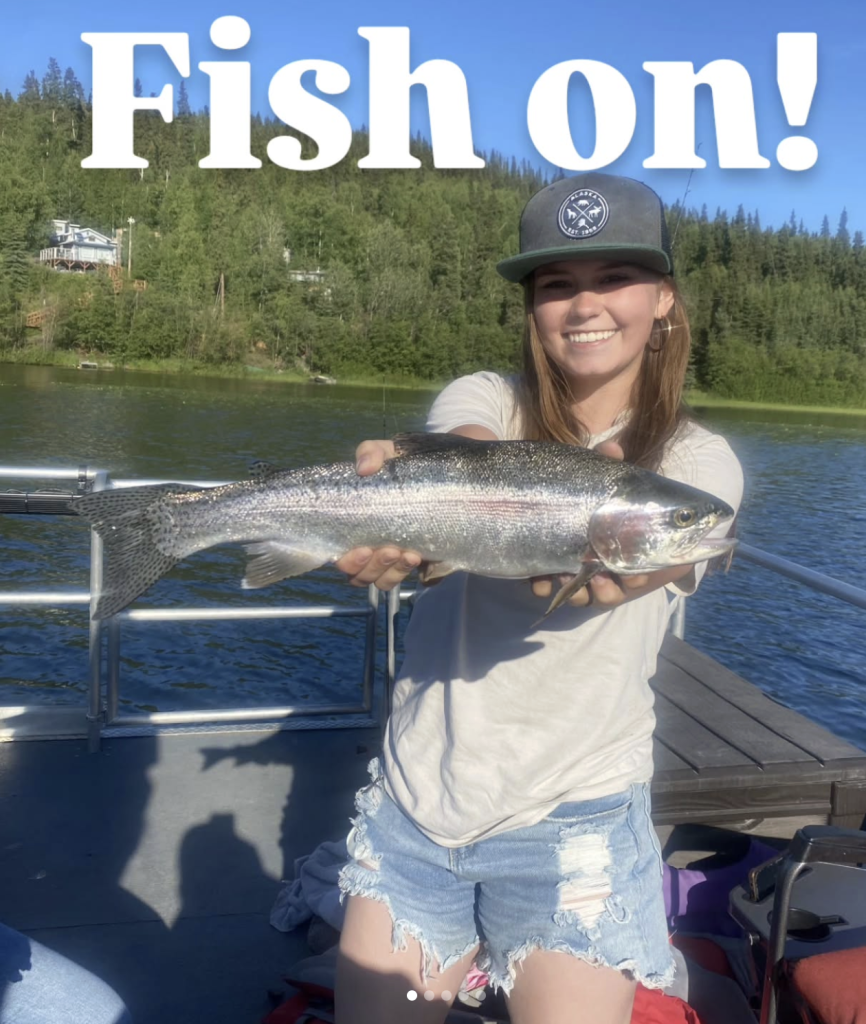
Quartz Lake sits in the Interior near Delta Junction and covers over 1,000 acres of some of the most reliably productive stocked water in the state. Lake trout, Arctic grayling, rainbow trout, and landlocked salmon all live here, and the infrastructure around it is as good as anything road-accessible in Alaska. Boat ramps, campgrounds, winter ice fishing access. For families or anyone new to Alaska fishing, this is a comfortable and productive starting point.
The stocking program is what makes it consistent. ADFG manages the population carefully and the fishing reflects it, though success does vary with stocking cycles and you’ll want to check the ADFG stocking plan before planning a trip around a specific species.
The honest drawback is that peak stocking and harvest periods bring crowds, and strict cleaning protocols are required to prevent the spread of invasive species. Neither of those things is a dealbreaker. They’re just part of fishing a managed lake that a lot of people know about.
🎣 What You’ll Catch
- Rainbow Trout ⭐⭐⭐⭐⭐
- Arctic Grayling ⭐⭐⭐⭐
- Lake Trout ⭐⭐⭐⭐
- Landlocked Salmon (Coho/Chinook) ⭐⭐⭐⭐
📅 Best Time To Fish
- Summer: Excellent (stocked trout/grayling)
- Fall: Good (lake trout)
- Winter: Good (ice fishing)
🏆 Trophy Potential – 6/10 (Reliable stocked fishery; solid rainbows but managed/crowded at peaks.)
20. Harding Lake (Interior, Near Fairbanks)
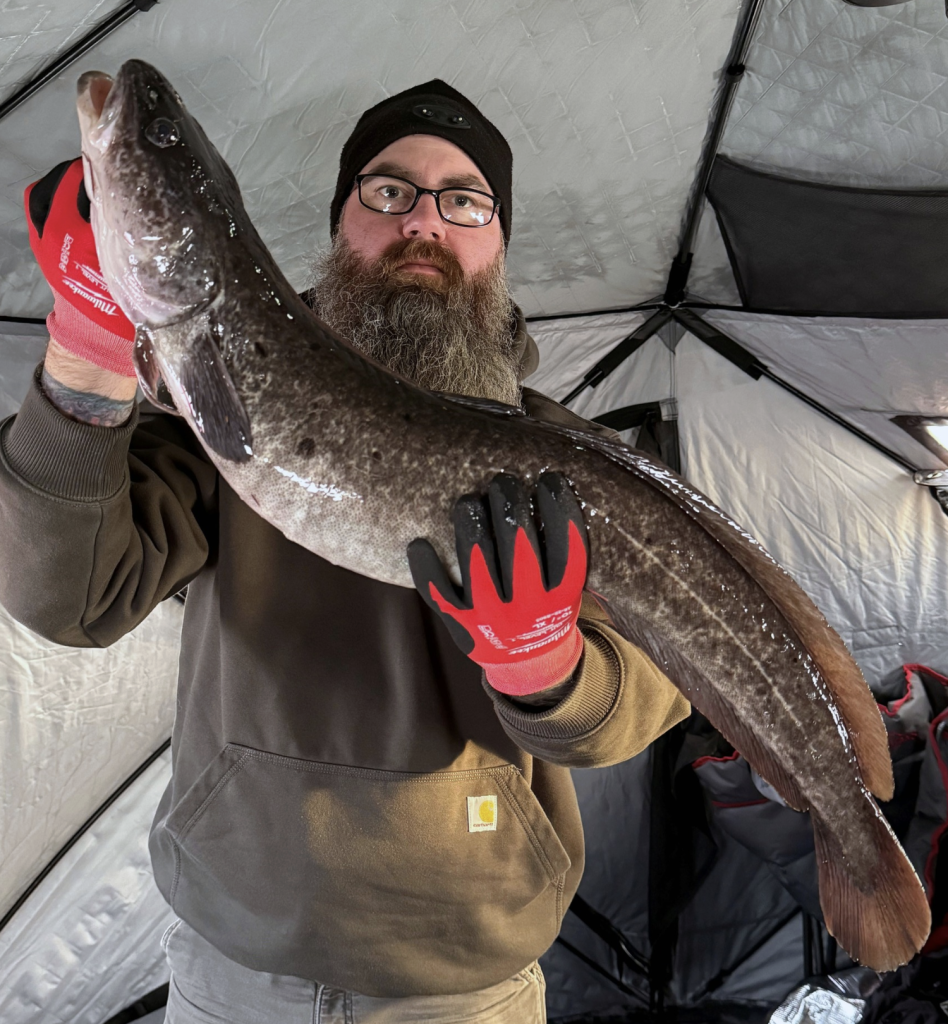
Harding Lake is a large Interior lake with highway access near Fairbanks that produces northern pike, lake trout, burbot, and whitefish in good numbers. The shore and boat access is easy, the campgrounds are solid, and multi-day trips built around this lake are entirely reasonable without the logistical challenges that come with more remote destinations.
The northern pike situation here is worth understanding before you go. Pike are native to Interior Alaska and part of the legitimate fishery at Harding, which is different from the Southcentral and Mat-Su region situation where illegal pike introductions have devastated native salmon populations. At Harding you’re fishing a natural system, not a damaged one, which changes the character of the fishing considerably.
🎣 What You’ll Catch
- Northern Pike ⭐⭐⭐⭐⭐
- Lake Trout ⭐⭐⭐⭐
- Burbot ⭐⭐⭐⭐
- Whitefish ⭐⭐⭐⭐
📅 Best Time To Fish
- Summer: Excellent (pike/whitefish)
- Fall: Good
- Winter: Excellent (ice fishing)
🏆 Trophy Potential – 7/10 (Natural pike fishery; good numbers in accessible setting.)
19. Finger Lake (Mat-Su Valley, Near Palmer)
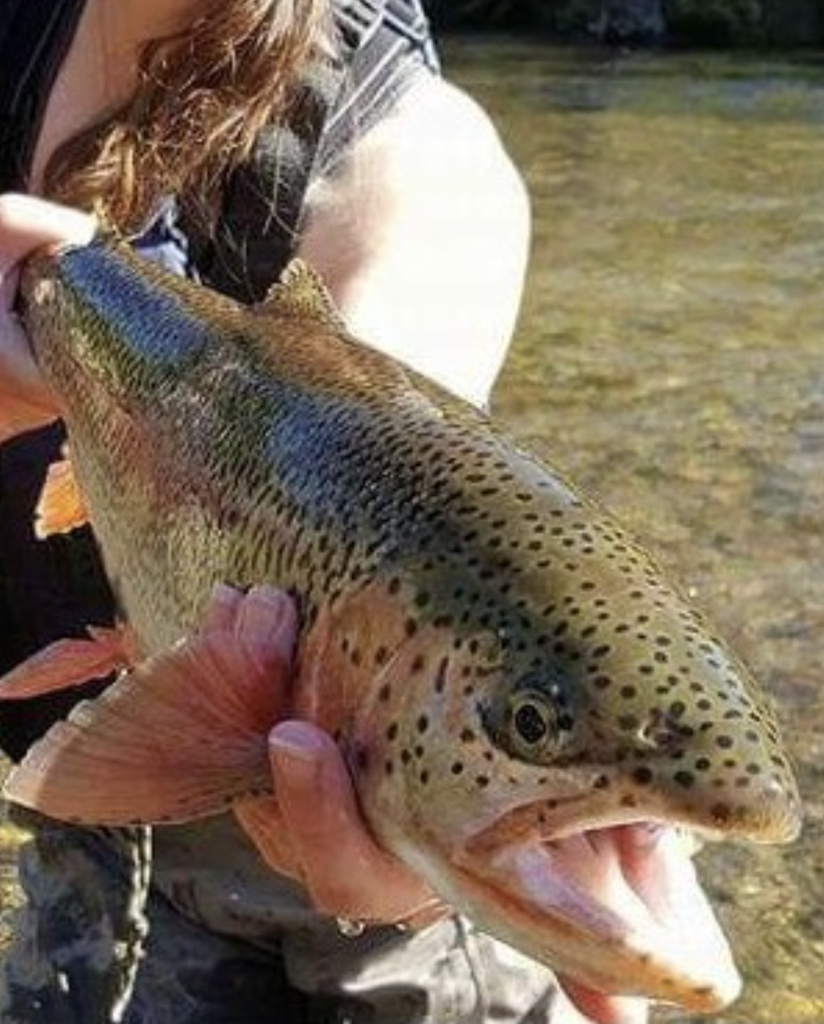
Finger Lake in the Mat-Su Valley is a road-accessible fishery with rainbows, landlocked salmon, and Dolly Varden that works well for beginners and anyone who wants a productive day without extensive planning. It’s part of the stocked lake network that ADFG manages across the valley and the access is about as easy as Alaska fishing gets.
The thing worth knowing about Finger Lake, and several other Mat-Su lakes, is the ongoing northern pike problem. Illegal introductions of pike into the Mat-Su watershed have caused serious damage to native fish populations across the region, and ADFG has been working on removal programs for years. Their invasive species regulations page covers what’s expected of anglers, including in some cases a requirement to kill and not release any pike you catch.
It’s a complicated situation in a beautiful place. Know the rules before you go.
🎣 What You’ll Catch
- Rainbow Trout ⭐⭐⭐⭐
- Landlocked Salmon ⭐⭐⭐⭐
- Dolly Varden ⭐⭐⭐⭐
📅 Best Time To Fish
- Summer: Excellent (stocking periods)
🏆 Trophy Potential – 5/10 (Beginner-friendly stocked lake; pike management issues noted.)
18. Sand Lake (Anchorage Urban Area)
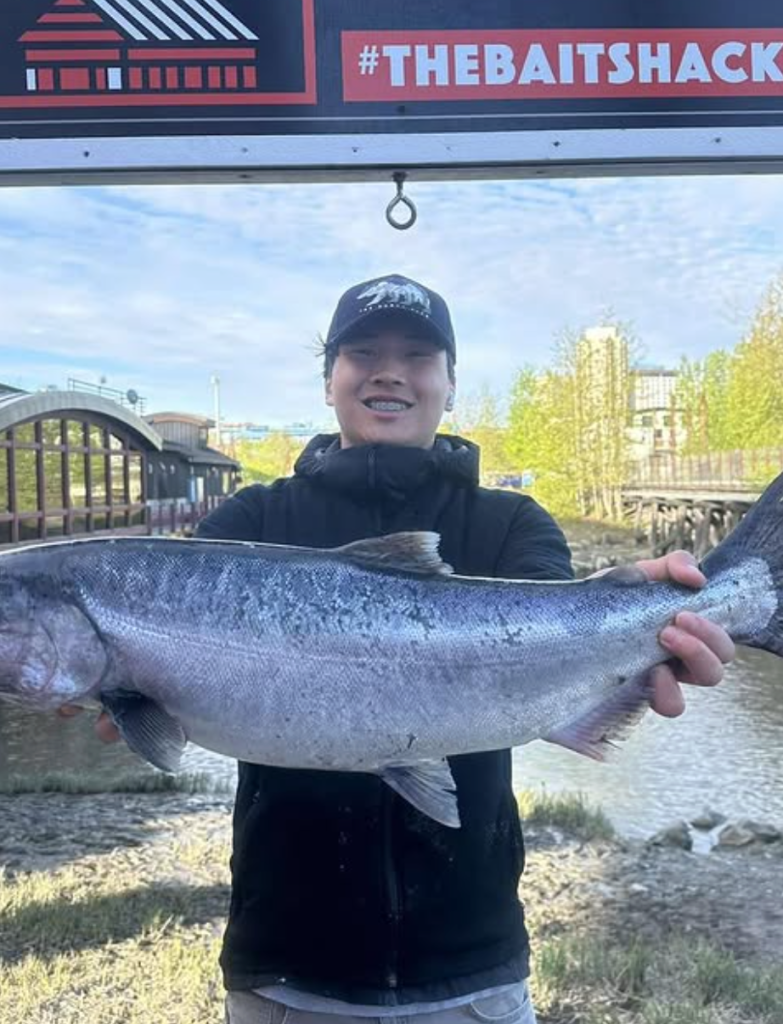
Sand Lake is what it is: an urban fishery inside the city of Anchorage that offers pan-sized rainbows, Arctic char, and occasional salmon in a setting that is convenient rather than spectacular. For Anchorage residents who want to wet a line without driving anywhere, it works. For families introducing kids to fishing in a low-pressure environment, it works for that too.
The limitations are real. Urban runoff affects water quality and catch-and-release is often advised for certain species for health reasons. Angler traffic is high. You are in a city, and the fishing feels like it.
What it has going for it is simply being there, accessible, free of charge, and fishable on an afternoon when you don’t have time for anything else. Nobody is putting Sand Lake on their Alaska bucket list, but it earns its spot on this list for the people it serves well.
🎣 What You’ll Catch
- Rainbow Trout ⭐⭐⭐⭐
- Arctic Char ⭐⭐⭐⭐
- Occasional Salmon ⭐⭐⭐
📅 Best Time To Fish
- Spring: Good
- Summer: Excellent (stocking)
🏆 Trophy Potential – 4/10 (Convenient urban fishery; pan-sized fish, high traffic.)
17. Byers Lake (Denali Area, Parks Highway)
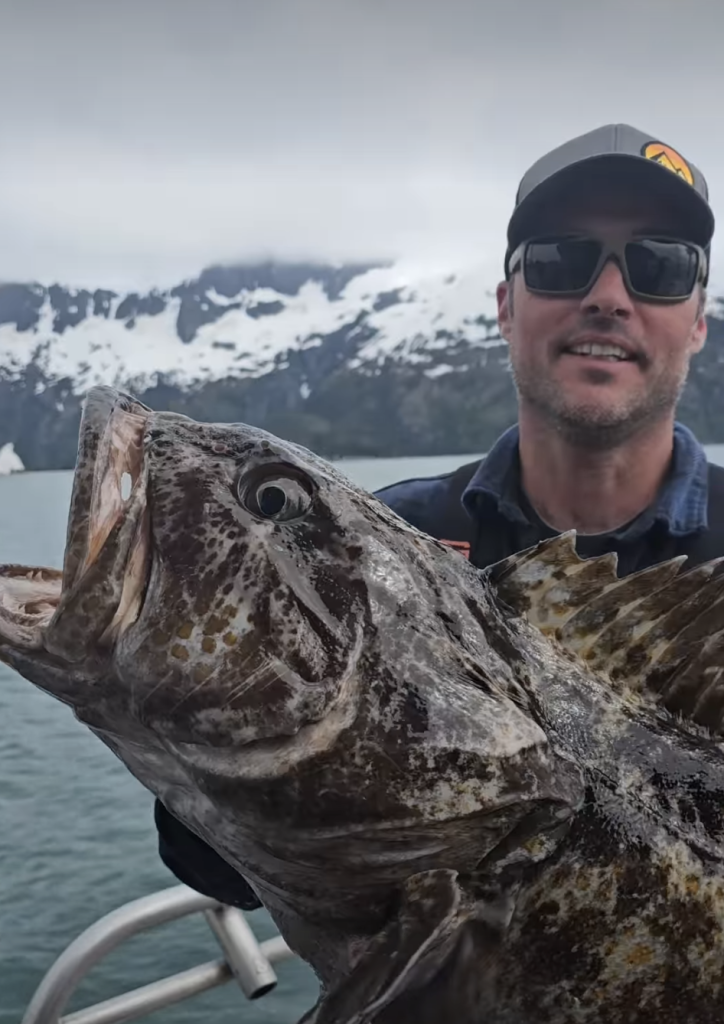
Byers Lake sits along the Parks Highway in the Denali area and combines lake trout, burbot, and rainbow fishing with scenery that makes most other fishing backdrops look ordinary. When the weather cooperates you’re fishing with Denali visible in the distance, which is the kind of thing that makes you stop casting for a minute just to look at it.
The campground at Byers Lake is one of the better ones along the Parks Highway and the integration of hiking and fishing makes it a natural multi-day destination. Access for bank fishing has some limitations depending on where you are around the lake, and the weather in this part of Alaska can be genuinely challenging in ways that affect both access and fishing quality.
The fishing isn’t the most productive on this list, but the experience of being there is in a different category from most of what’s below it.
🎣 What You’ll Catch
- Lake Trout ⭐⭐⭐⭐
- Burbot ⭐⭐⭐⭐
- Rainbow Trout ⭐⭐⭐⭐
📅 Best Time To Fish
- Summer: Excellent (June–August)
🏆 Trophy Potential – 6/10 (Scenery elevates it; solid fishing with Denali views.)
16. Tustumena Lake (Kenai Peninsula)
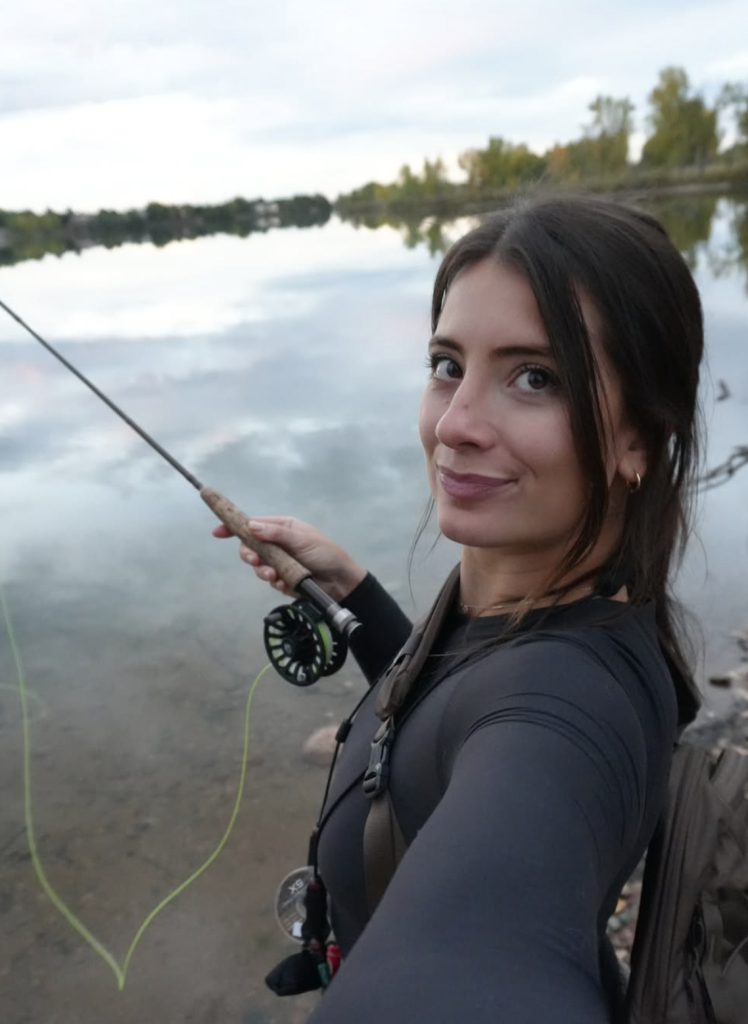
Tustumena is a large wilderness lake on the Kenai Peninsula that feeds the Kasilof River and produces strong salmon runs, rainbow trout, and Dolly Varden. It has a genuinely wild character that the more accessible Kenai Peninsula options don’t, and the fishing reflects that wildness in ways that make it worth the extra effort.
The lake is big and it gets windy. This is not a place to be on the water in a small boat when conditions turn, and conditions can turn fast. Solid boating skills and appropriate gear are not optional here. The runs are also tied to what’s happening in the Kasilof River below, which means timing matters more than on lakes with stable year-round populations.
For anglers who want the Kenai Peninsula experience with less company than the Russian River or the main Kenai, Tustumena offers a legitimate alternative with its own character.
🎣 What You’ll Catch
- Rainbow Trout ⭐⭐⭐⭐⭐
- Dolly Varden ⭐⭐⭐⭐
- Salmon (Sockeye/King) ⭐⭐⭐⭐
📅 Best Time To Fish
- Summer: Excellent (salmon runs June–August)
🏆 Trophy Potential – 7/10 (Wild character; wind/wilderness adds challenge.)
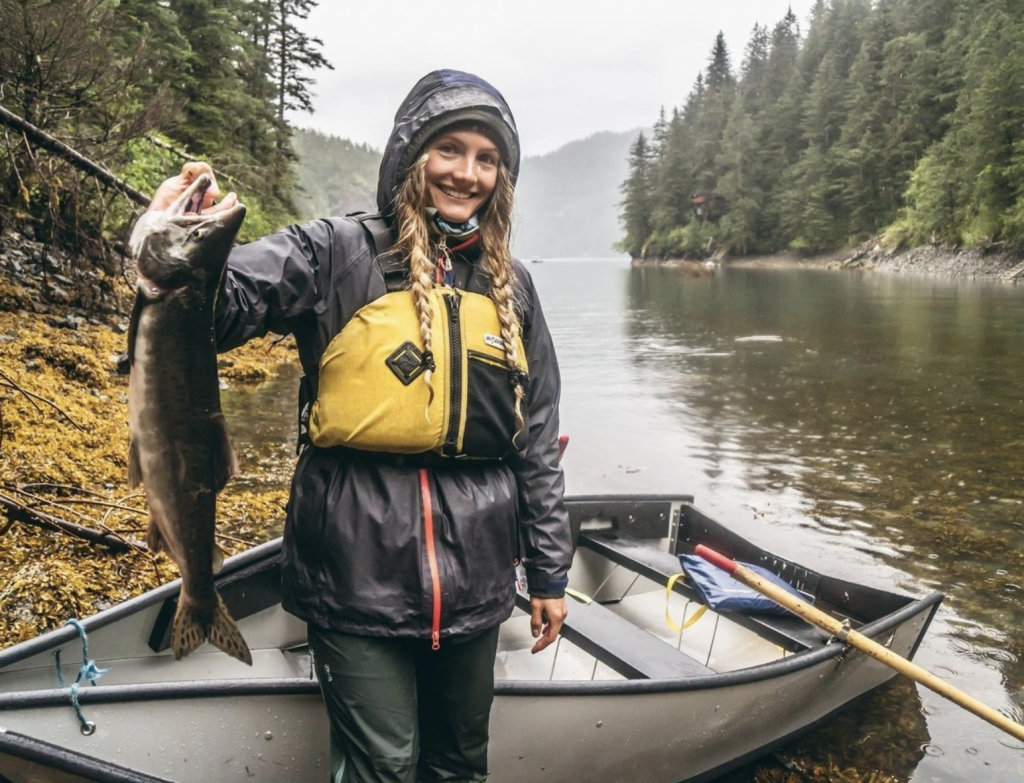
15. Susitna River and Tributaries (Mat-Su Valley)
The Susitna system drains a massive piece of Southcentral Alaska and produces all five Pacific salmon species plus rainbow trout and Dolly Varden across its many miles of accessible water.
Road-accessible sections near Talkeetna are the easiest entry point, and the river supports both drift boat fishing and bank fishing across a wide range of experience levels. For a glacially-fed river with road access, the species variety here is genuinely hard to match.
The honest challenge with the Susitna is the glacial silt. During snowmelt and heavy rain periods the water runs thick and brown, making certain techniques ineffective and certain sections nearly unfishable. The braided channels create real navigation hazards for boats.
Neither issue is unusual for a big glacial river in Alaska, but they’re worth planning around rather than discovering on arrival. Local knowledge or a guide makes a significant difference here. Where you fish matters as much as when.
🎣 What You’ll Catch
- All Five Pacific Salmon ⭐⭐⭐⭐⭐
- Rainbow Trout ⭐⭐⭐⭐
- Dolly Varden ⭐⭐⭐⭐
📅 Best Time To Fish
- Summer: Excellent (June–September, species-dependent)
🏆 Trophy Potential – 8/10 (Multi-species glacial river; variety is strong.)
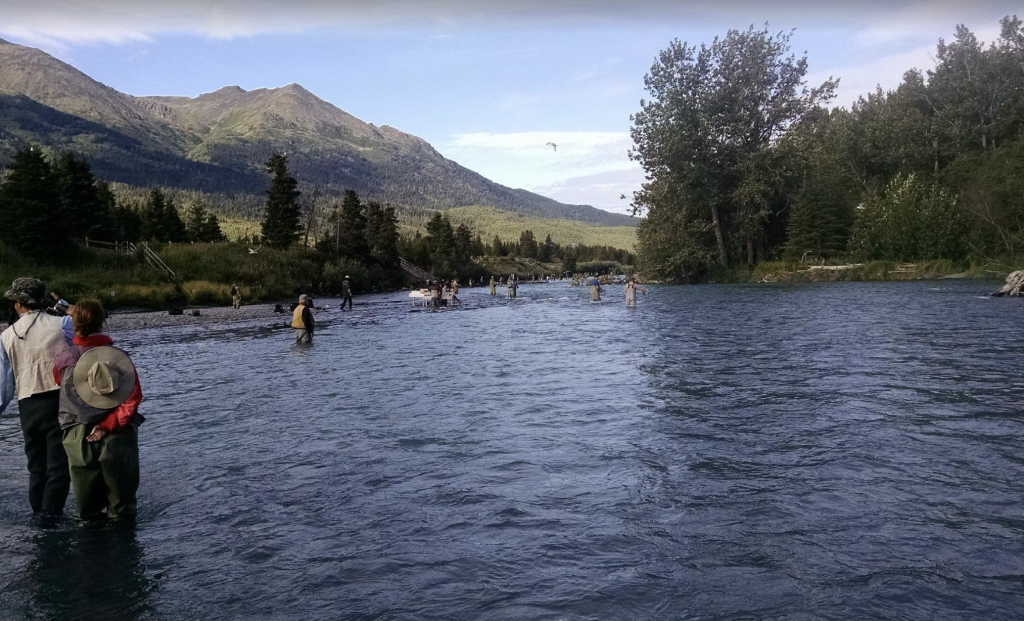
14. Russian River (Kenai Peninsula)
The Russian River has a specific kind of fame in Alaska fishing circles, and like most famous things it comes with a specific kind of problem. The sockeye runs here are massive, the water is clear and beautiful, the trails and campgrounds are well-maintained, and the fishing at peak times can be genuinely extraordinary.
The problem is that peak times at the Russian River are what Alaska anglers call combat fishing. Shoulder to shoulder on the banks, lines crossing constantly, more of a shared experience than a solitary one. People do it and they catch fish and they come back, so clearly the crowd doesn’t ruin it for everyone. But if your vision of Alaska fishing involves solitude and open water, the Russian River during peak sockeye season is not that.
The ADFG Russian River guide is worth reading before you go. The regulations here are specific and the pressure on the fishery means they’re enforced.
🎣 What You’ll Catch
- Sockeye Salmon ⭐⭐⭐⭐⭐
- Coho Salmon ⭐⭐⭐⭐
📅 Best Time To Fish
- Summer: Excellent (June for first sockeye run, late July–August for second, fall for coho)
🏆 Trophy Potential – 7/10 (Massive runs; combat fishing at peaks.)
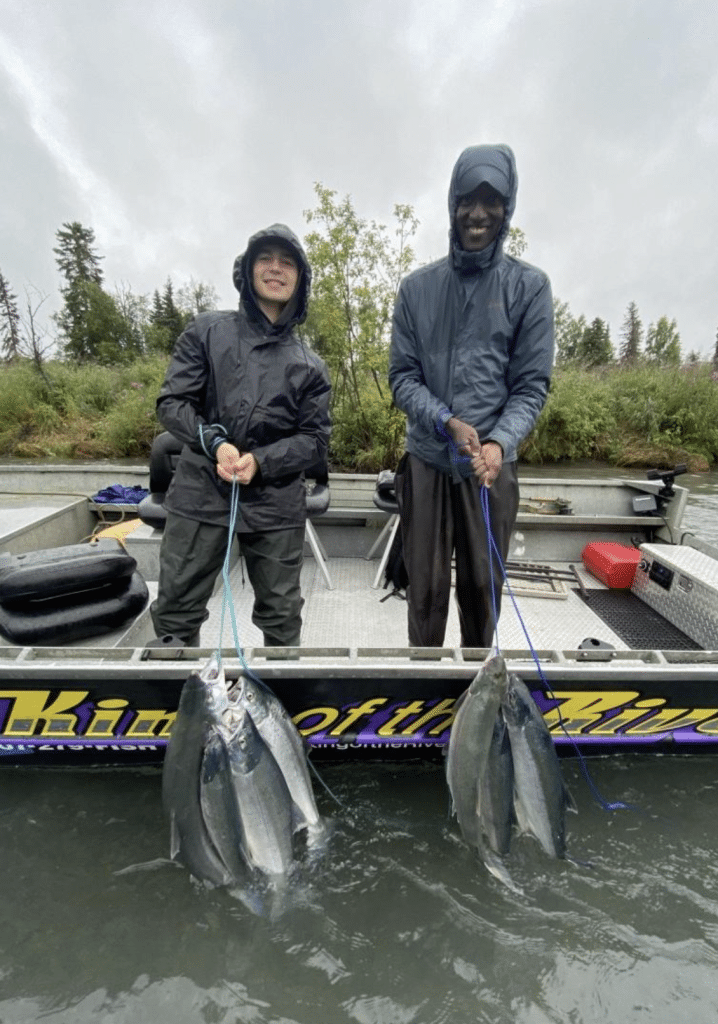
13. Kasilof River (Kenai Peninsula)
The Kasilof runs out of Tustumena Lake and carries strong sockeye and king salmon runs in a setting that feels slightly less pressured than the Kenai River a few miles away. Wade fishing and boat fishing are both viable depending on the section and the season, and the river has a character that rewards exploration rather than just showing up at the obvious access points.
Crowding during peak salmon runs is a real issue here too, though less extreme than the Russian River or the lower Kenai. Water clarity varies with conditions and what’s happening at Tustumena Lake upstream. At its best the Kasilof is a genuinely beautiful river to fish. At its worst it’s a crowded, murky slog. The difference between those two experiences often comes down to timing and which section you target.
🎣 What You’ll Catch
- Sockeye Salmon ⭐⭐⭐⭐⭐
- King Salmon ⭐⭐⭐⭐
- Rainbow Trout / Dolly Varden ⭐⭐⭐⭐
📅 Best Time To Fish
- Summer: Excellent (June kings, July–August sockeye)
🏆 Trophy Potential – 8/10 (Strong runs with less pressure than Kenai.)
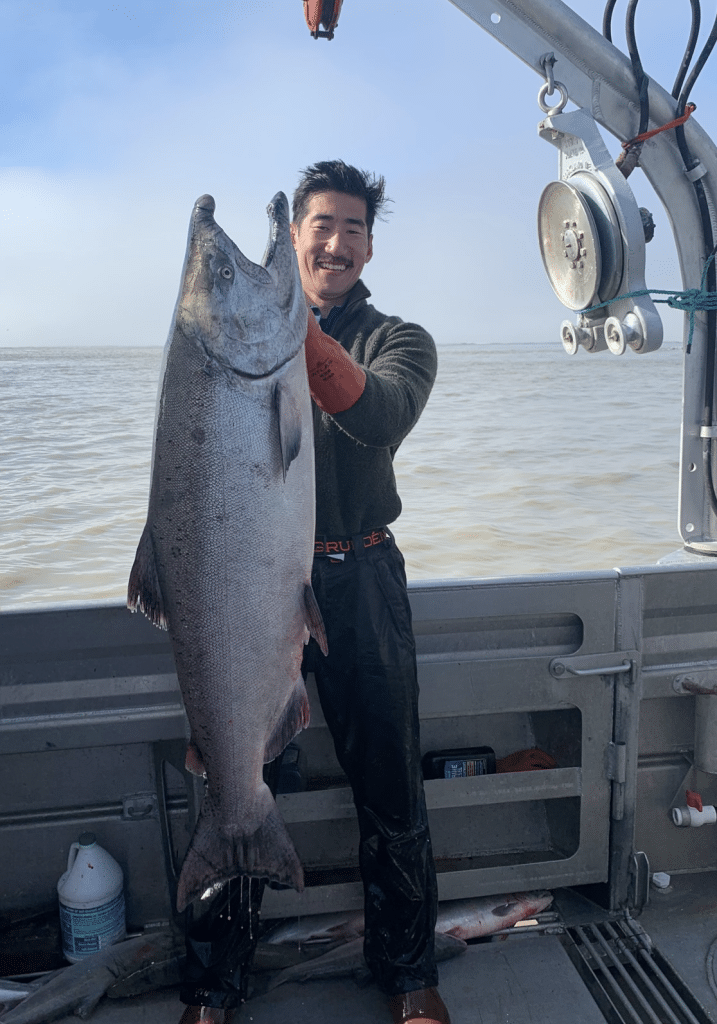
12. Copper River (Southcentral)
Copper River salmon, specifically the sockeye called Copper River reds, have a reputation that extends well beyond the fishing community into the food world. The fat content of these fish coming out of the glacially cold water is exceptionally high, which is why they command premium prices at fish markets and restaurants across the country.
Catching them yourself is obviously the better economic outcome. Copper River reds at retail run $25 to $40 per pound in season. A good day on the river can fill a cooler that would cost several hundred dollars at a grocery store.
Road-accessible tributaries like the Gulkana provide entry points that don’t require fly-in logistics, though the best fishing often requires more effort to reach. The commercial fishing tension on the Copper River is real. Sport anglers and commercial fishers compete for the same fish runs in ways that periodically create friction and influence regulation decisions.
New king salmon permit requirements in upper sections as of 2026 are part of that ongoing management conversation. Strong glacial currents make wading hazardous in many sections. Take that seriously before you step in.
🎣 What You’ll Catch
- Sockeye Salmon (Copper River Reds) ⭐⭐⭐⭐⭐
- King Salmon ⭐⭐⭐⭐
📅 Best Time To Fish
- Summer: Excellent (mid-May–June kings, July sockeye)
🏆 Trophy Potential – 8/10 (Premium fat sockeye; commercial/sport tension.)
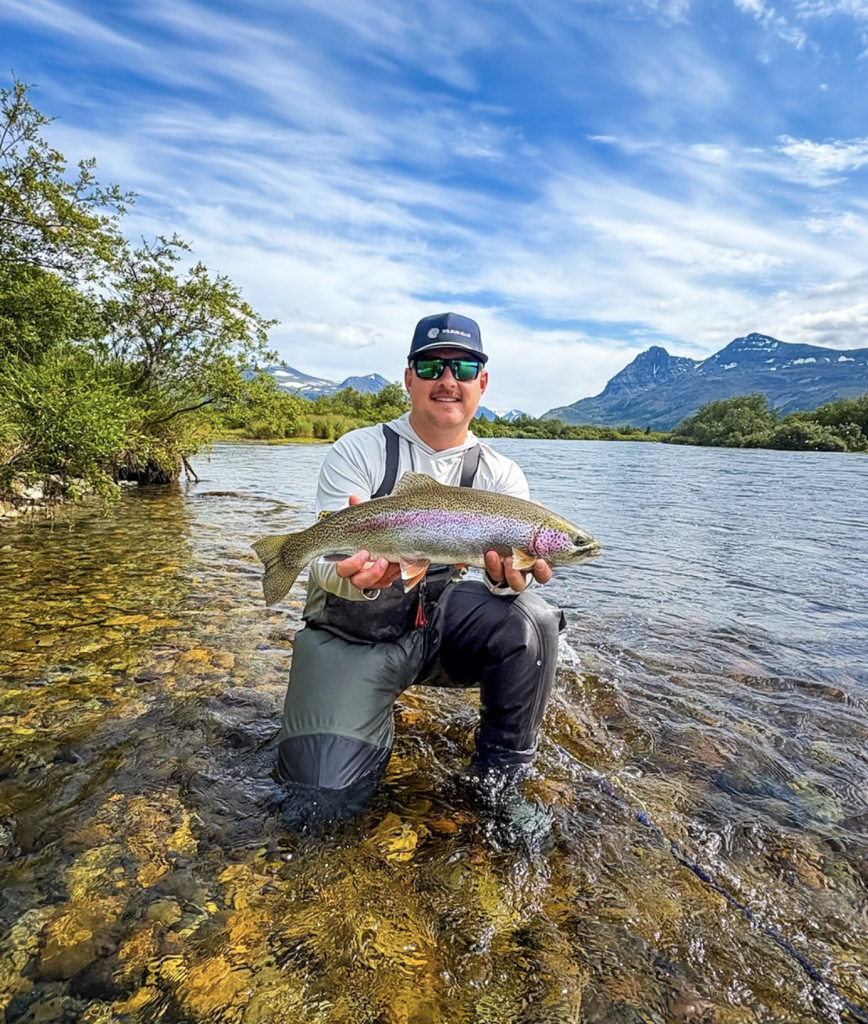
11. Naknek River (Bristol Bay)
The Naknek River flows out of Naknek Lake near King Salmon and produces some of the most remarkable rainbow trout fishing in the world, fueled by the millions of sockeye salmon that pass through the system and leave their nutrients behind. The rainbows here grow enormous on that forage base, and catching one in the 28 to 32 inch range is not an unusual day. All five salmon species also run through the Naknek, which gives you multi-species options throughout the season.
The access situation is what it is with most Bristol Bay fishing: fly-in, expensive, remote, and worth it if you can make the logistics work. Lodge costs for a week of guided fishing on the Naknek run $5,000 to $10,000 and up. That’s the reality of world-class remote fishing in Alaska and there’s no version of this river that doesn’t involve that conversation.
Bear activity is high throughout the season. SportQuest Holidays covers the river well if you’re in the planning stages.
🎣 What You’ll Catch
- Rainbow Trout (trophy) ⭐⭐⭐⭐⭐
- All Five Pacific Salmon ⭐⭐⭐⭐⭐
📅 Best Time To Fish
- Summer/Fall: Excellent (July–September; rainbows peak August–September)
🏆 Trophy Potential – 10/10 (World-class giant rainbows on salmon forage.)
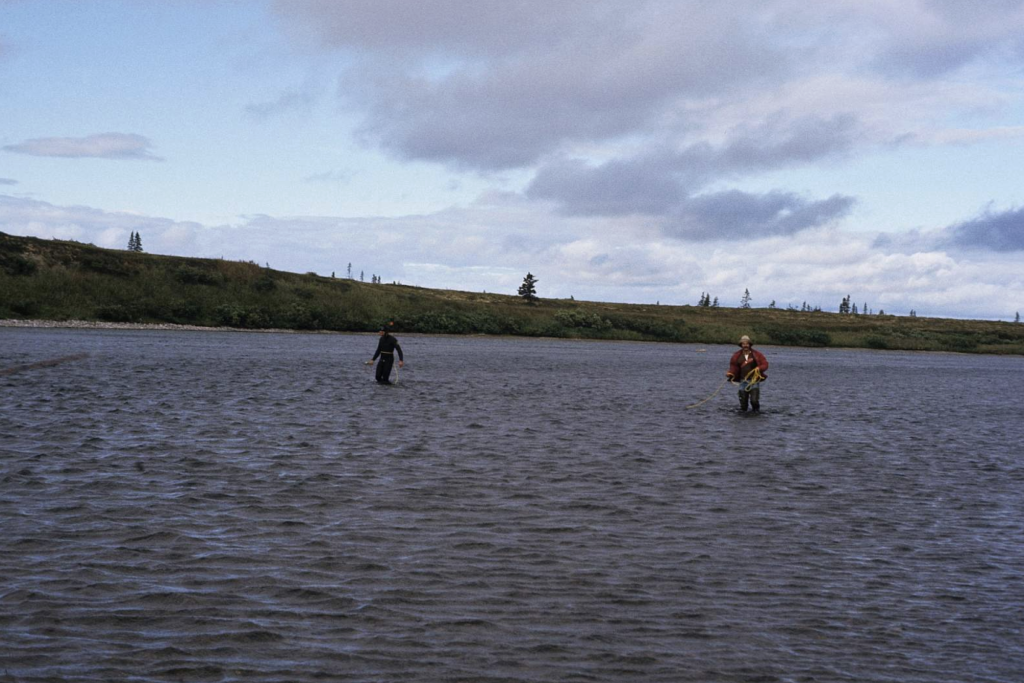
10. Alagnak River (Bristol Bay / Katmai)
The Alagnak flows out of the Katmai National Park area through braided channels that create miles of varied water holding all five Pacific salmon species plus trophy rainbow trout, Arctic grayling, and Dolly Varden. Gravel bar wading is the primary fishing method here and it suits the river well. The wildlife viewing that comes with fishing the Alagnak is as good as anywhere in Alaska, which is saying something.
National Park regulations govern part of the river, which affects where you can fish and how. The fly-in access and associated costs apply here the same as the rest of the Bristol Bay remote fisheries. What makes the Alagnak slightly more accessible in relative terms is the variety of lodges and guides operating in the area, which gives you more options for finding a trip that fits a budget, even if that budget is still significant by any normal standard.
🎣 What You’ll Catch
- All Five Pacific Salmon ⭐⭐⭐⭐⭐
- Rainbow Trout (trophy) ⭐⭐⭐⭐⭐
- Arctic Grayling / Dolly Varden ⭐⭐⭐⭐
📅 Best Time To Fish
- Summer: Excellent (late June–September)
🏆 Trophy Potential – 10/10 (Multi-species wilderness gem with wildlife.)
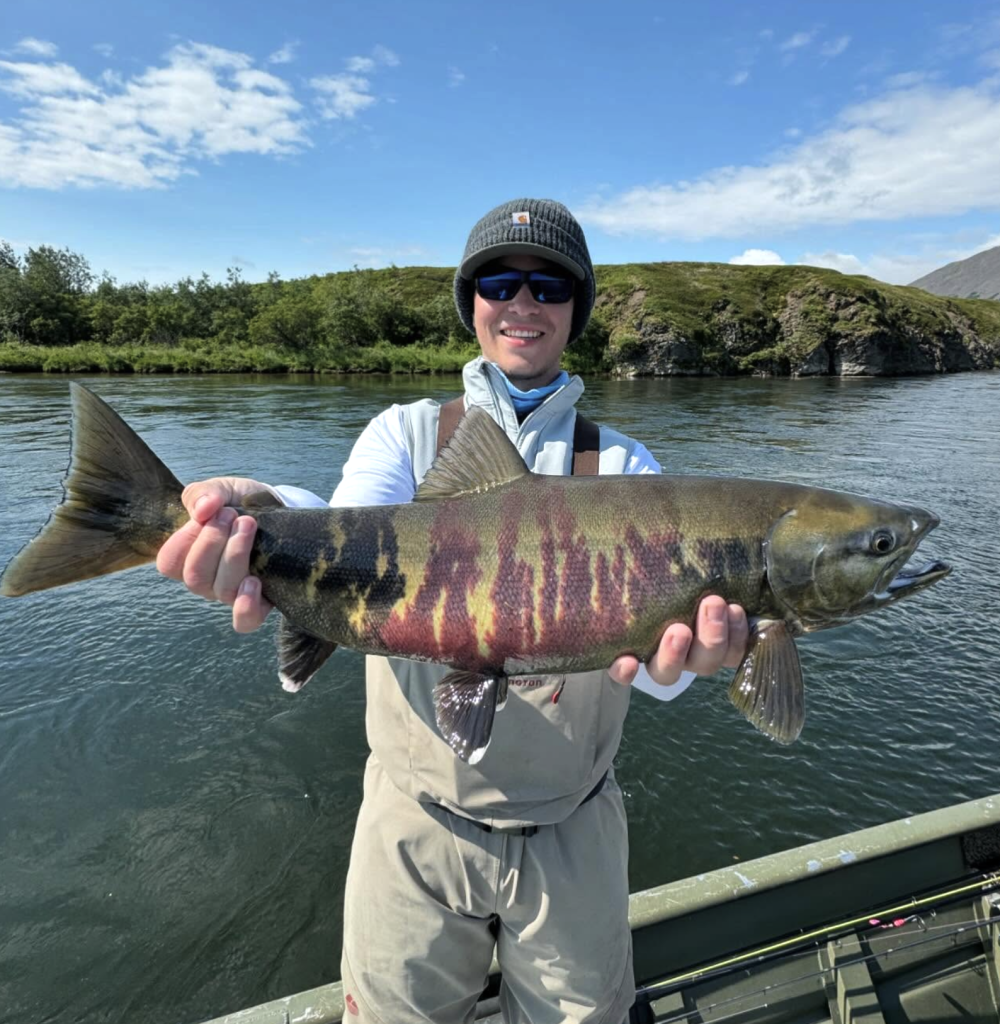
9. Goodnews River (Togiak National Wildlife Refuge)
The Goodnews River in the Togiak National Wildlife Refuge is the kind of river that anglers who have fished it describe in terms that sound like exaggeration until you understand what’s actually there. Salmon arriving fresh from the ocean with sea lice still on them, meaning they’ve been in fresh water for hours rather than days. Leopard-spotted rainbow trout. Arctic grayling in clear water over gravel. Dolly Varden alongside all of it.
The wilderness here is genuine and complete. No roads, no infrastructure, just the river and everything living in it.
The season is limited, the access is fly-in only, and the costs reflect both of those facts. This is not a trip you put together casually. But for anglers who have done Alaska fishing and want to understand what the upper end of the experience looks like, the Goodnews River is a serious answer to that question.
🎣 What You’ll Catch
- All Five Pacific Salmon ⭐⭐⭐⭐⭐
- Rainbow Trout (leopard-spotted) ⭐⭐⭐⭐⭐
- Arctic Grayling / Dolly Varden ⭐⭐⭐⭐
📅 Best Time To Fish
- Summer: Excellent (July–August)
🏆 Trophy Potential – 10/10 (Remote, pristine, fresh ocean fish.)
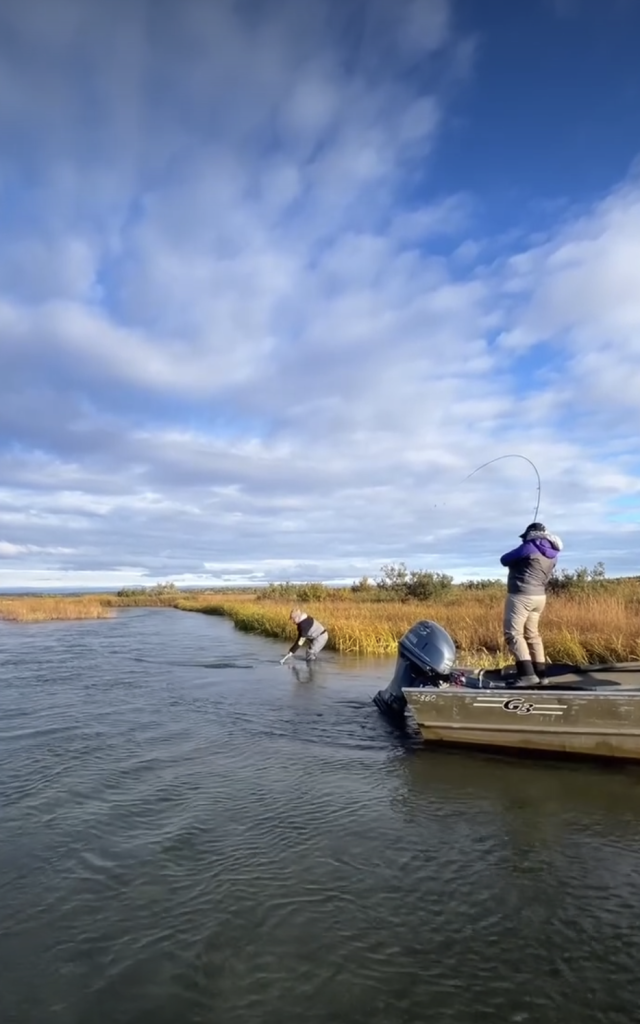
8. Kvichak River (Bristol Bay)
The Kvichak drains Lake Iliamna, the largest lake in Alaska, and carries one of the largest sockeye salmon runs in the world through its short course to Bristol Bay. The rainbow trout that live in this system and feed on the salmon are the primary attraction for most visiting anglers, and the numbers here are remarkable. Fish in the 80 centimeter range, about 31 inches, are not trophies in the sense of once-in-a-trip encounters. They’re part of what a good day on the Kvichak looks like.
The currents are strong throughout much of the river, which affects wading access and requires attention from boat anglers. Remote logistics apply here as they do throughout Bristol Bay. What separates the Kvichak from similar Bristol Bay fisheries is the sheer biomass flowing through it, which produces rainbow trout on a scale that most fisheries simply can’t match.
🎣 What You’ll Catch
- Rainbow Trout (trophy) ⭐⭐⭐⭐⭐
- Sockeye Salmon ⭐⭐⭐⭐⭐
📅 Best Time To Fish
- Summer/Fall: Excellent (August–September for rainbows)
🏆 Trophy Potential – 10/10 (Massive biomass supports enormous rainbows.)
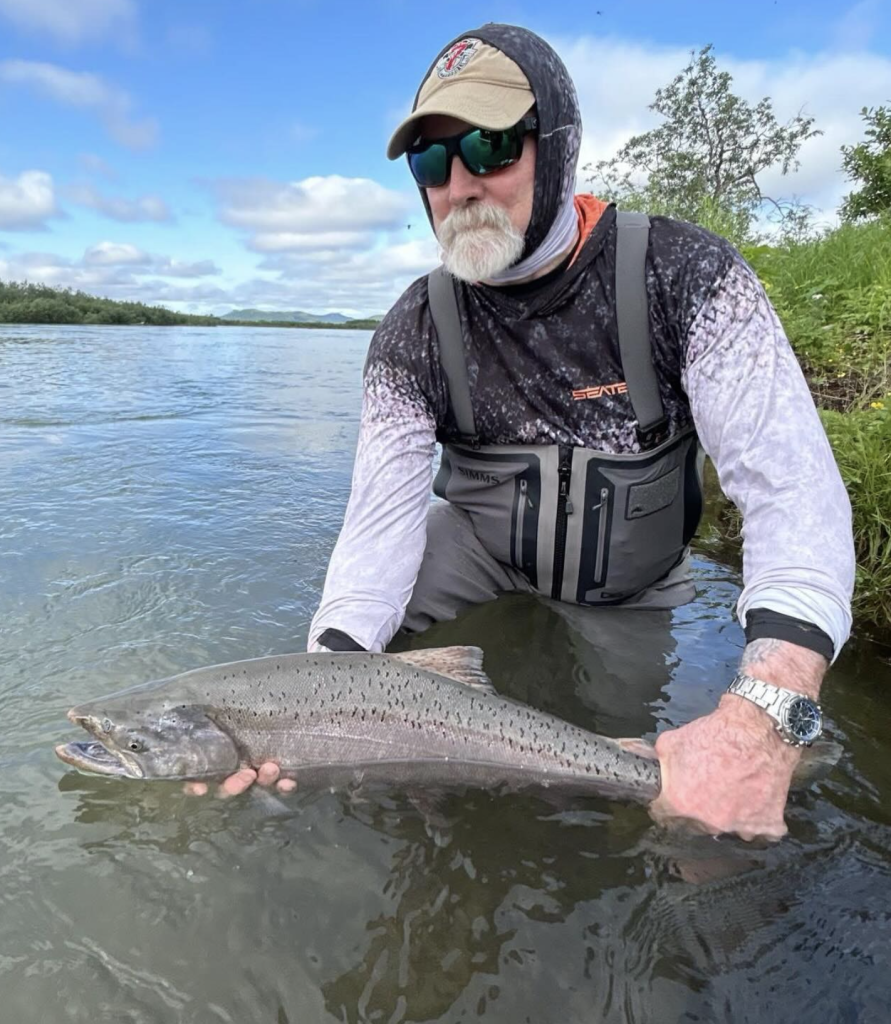
7. Togiak River
The Togiak River sits in the Togiak National Wildlife Refuge and is one of the most complete multi-species fisheries in Alaska. All five Pacific salmon run through it. The rainbow trout and Dolly Varden are large and numerous. The Arctic grayling fishing is excellent in the upper sections.
What makes the Togiak distinctive beyond the species list is how the different fisheries stack through the season. You can fish kings in late June, move to sockeye and chums in July, target pinks and silvers in August, and find rainbows responding to every stage of the salmon runs throughout.
A week on the Togiak with a good guide doesn’t require you to choose what you’re fishing for. You just fish what’s there, and what’s there changes every few weeks in ways that keep the experience fresh across the whole trip.
Remote fly-in access and the associated costs are the reality here, same as the rest of the Bristol Bay region. The refuge designation also means specific regulations govern parts of the river. Check current ADFG guidelines before planning a trip and make sure your guide is operating legally within the refuge boundaries.
🎣 What You’ll Catch
- All Five Pacific Salmon ⭐⭐⭐⭐⭐
- Rainbow Trout / Dolly Varden ⭐⭐⭐⭐⭐
- Arctic Grayling ⭐⭐⭐⭐⭐
📅 Best Time To Fish
- Summer: Excellent (late June–September, rotating species)
🏆 Trophy Potential – 10/10 (Complete multi-species rotation in wilderness.)
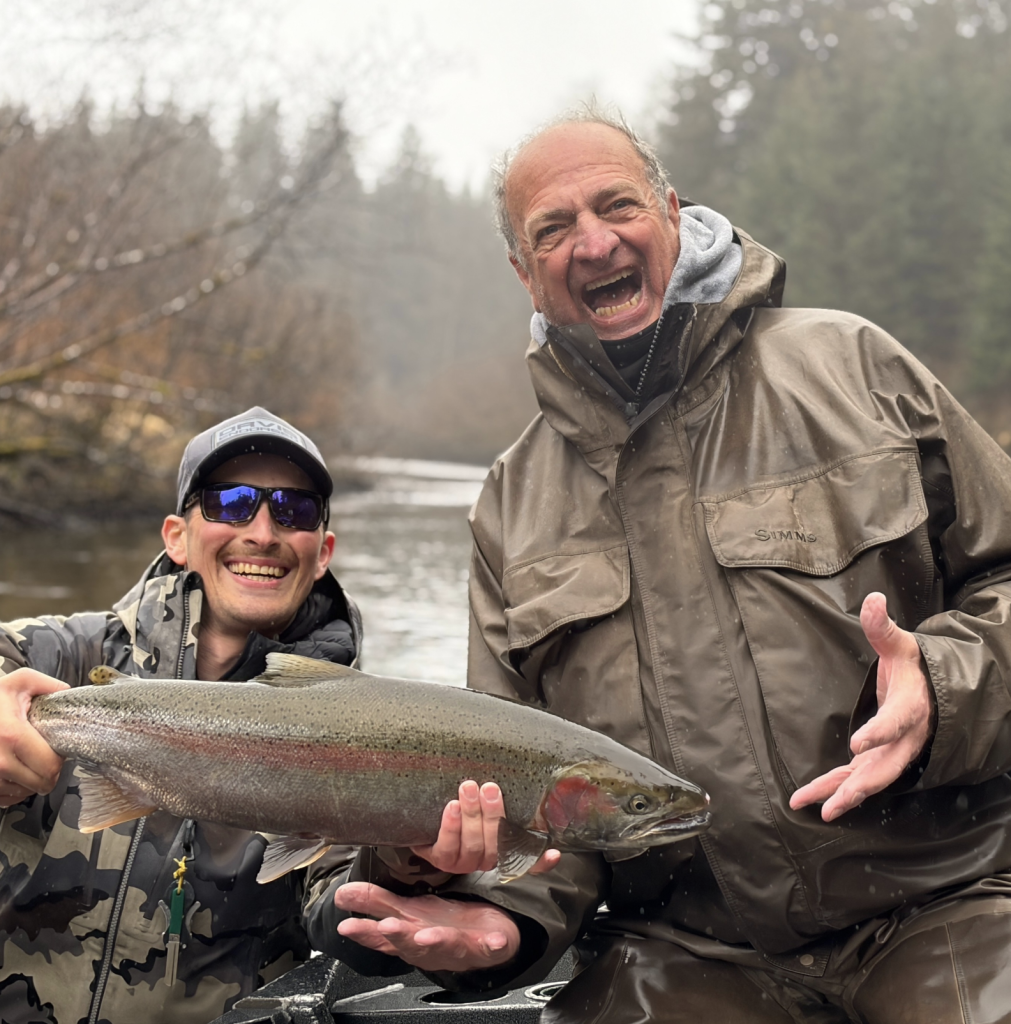
6. Situk River (Yakutat)
The Situk River near Yakutat in Southeast Alaska is one of those places that serious Alaska anglers mention in a specific tone of voice. Coho salmon, pink salmon, steelhead, cutthroat trout, and Dolly Varden all use this river, and the wade fishing on the Situk is considered among the best in the state for its combination of accessibility and quality.
Yakutat is not a road-accessible destination from the Alaska road system. You fly there, which adds cost and weather dependency. Yakutat weather is notoriously variable even by Southeast Alaska standards, which means trip cancellations and days stuck waiting for conditions to clear are part of the experience. The anglers who account for that and build flexibility into their trips consistently report excellent fishing.
The ADFG Southeast region covers current regulations for the Situk. The steelhead fishing here in particular has a strong following among anglers who travel specifically for that species.
🎣 What You’ll Catch
- Coho Salmon ⭐⭐⭐⭐⭐
- Pink Salmon ⭐⭐⭐⭐
- Steelhead ⭐⭐⭐⭐⭐
- Cutthroat Trout / Dolly Varden ⭐⭐⭐⭐
📅 Best Time To Fish
- Spring: Excellent (April–May steelhead)
- Summer: Excellent (July–August salmon)
- Fall: Good (coho)
🏆 Trophy Potential – 9/10 (High-quality wade fishing.)
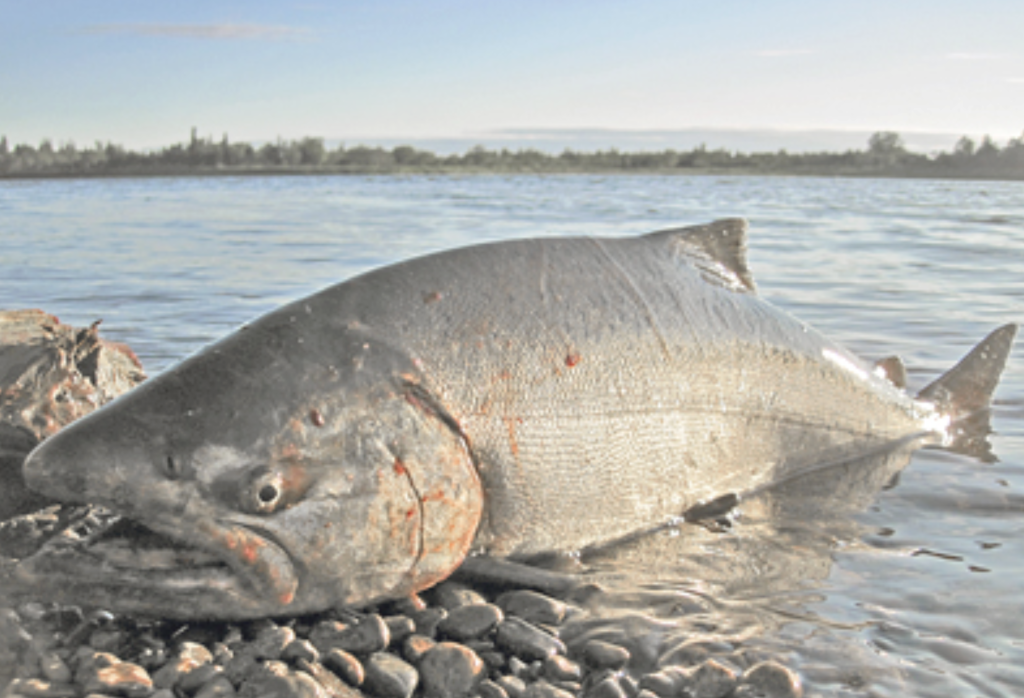
5. Nushagak River (Bristol Bay)
The Nushagak is Alaska’s premier king salmon river by most credible measures. The runs here have historically produced more king salmon than almost any other drainage in the state, and fishing for them in this system is a different experience than king fishing on more pressured rivers. The fish are fresh, strong, and numerous in good years.
Sockeye, chum, pink, and coho salmon all run through the Nushagak too, which makes it a legitimate multi-species destination beyond just the king fishery. The tributaries, particularly the Mulchatna, add significant additional water and character to what’s already a large and productive system.
Remote access and cost apply as they do throughout Bristol Bay. Pressure during peak king season has increased as the river’s reputation has grown. Going with a guide who knows the specific water makes a meaningful difference here more than on most rivers.
🎣 What You’ll Catch
- King Salmon ⭐⭐⭐⭐⭐
- All Other Pacific Salmon ⭐⭐⭐⭐⭐
📅 Best Time To Fish
- Summer: Excellent (June kings, July–August others)
🏆 Trophy Potential – 10/10 (Premier king salmon river.)
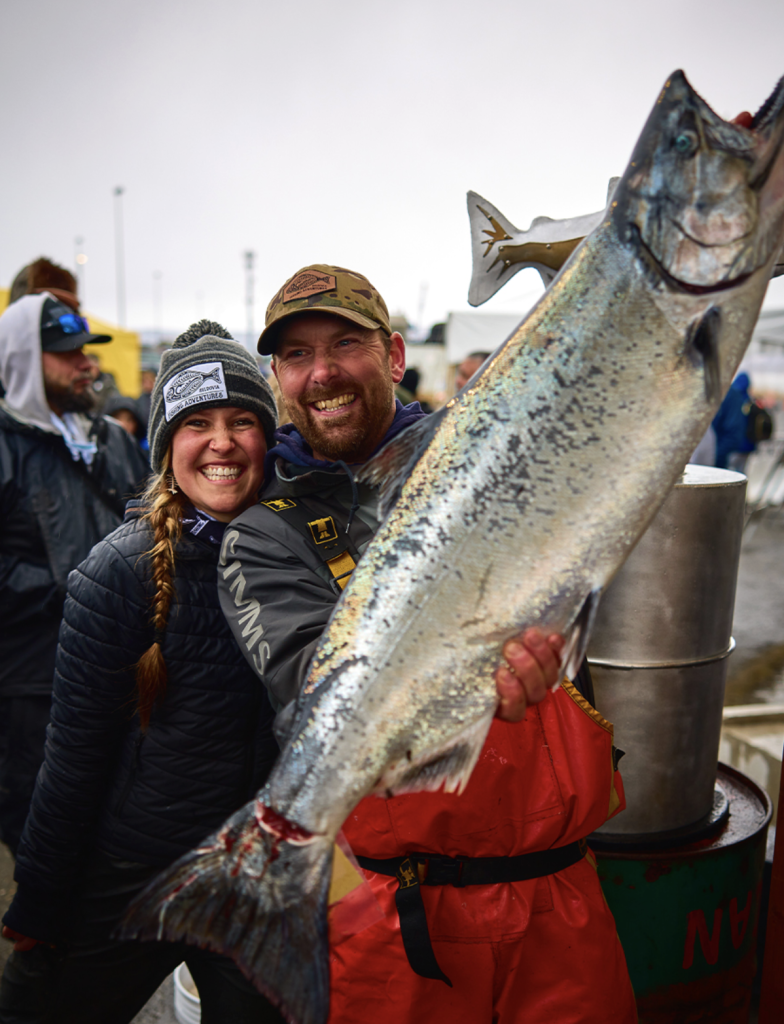
4. Homer and Kachemak Bay (Saltwater)
Homer bills itself as the halibut capital of the world and the claim is reasonably defensible. The charter fleet operating out of Homer Spit accesses Kachemak Bay and the outer Kenai Peninsula coast where Pacific halibut in the 50 to 150 pound range are genuinely routine catches. Fish over 200 pounds come up every season.
Salmon, lingcod, rockfish, and various bottomfish round out what’s available. This is the most family-accessible saltwater fishing in Alaska: drive to Homer, book a charter, catch halibut.
Full-day halibut charters out of Homer typically run $250 to $325 per person. Multi-species combination trips that add salmon or bottomfish are available and generally worth the upgrade. The Homer Spit has enough restaurants, shops, and activity to make a multi-day trip worthwhile even on weather days when the boats don’t go out.
The honest complications are weather cancellations, which are common and unpredictable in any coastal Alaska fishery, and tightening catch limits that reflect conservation pressure on the Pacific halibut stock. The limits have shifted in recent years and checking current ADFG regulations before a trip is worth doing rather than assuming last year’s limits still apply.
🎣 What You’ll Catch
- Pacific Halibut ⭐⭐⭐⭐⭐
- Salmon ⭐⭐⭐⭐
- Lingcod / Rockfish ⭐⭐⭐⭐
📅 Best Time To Fish
- Summer: Excellent (June–August)
🏆 Trophy Potential – 9/10 (Halibut capital; routine 50–150+ lb fish.)
3. Seward and Resurrection Bay / Prince William Sound
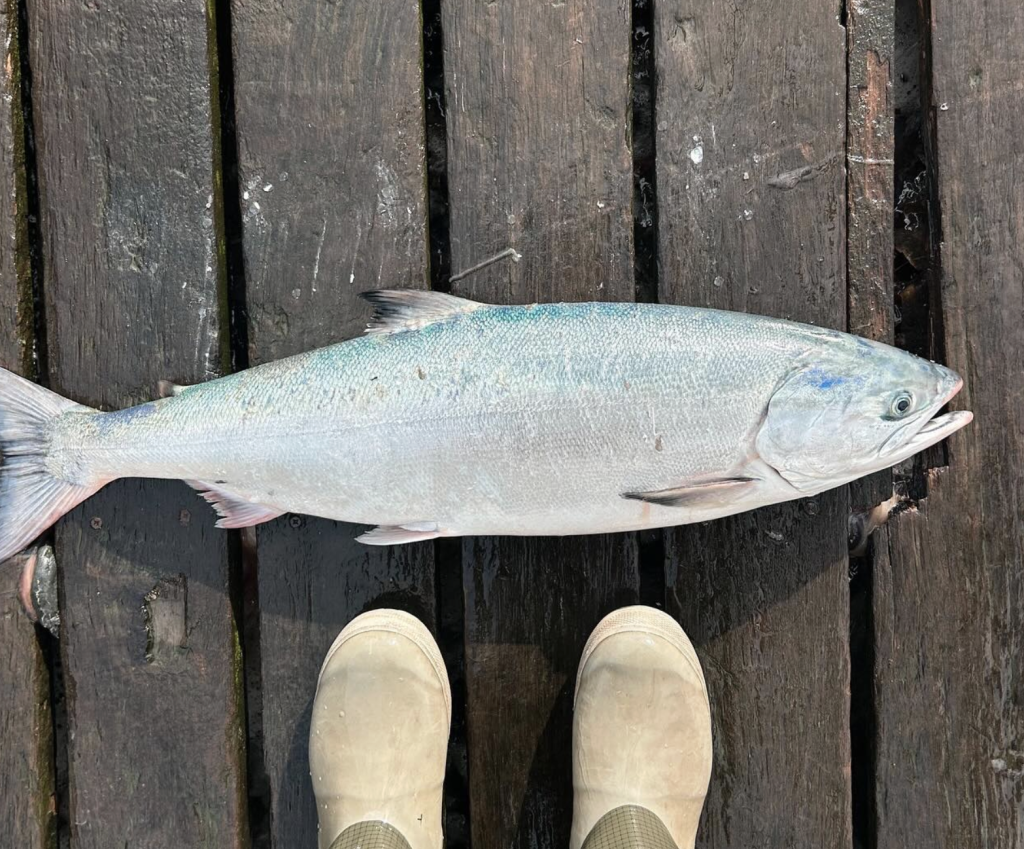
Seward sits at the head of Resurrection Bay and gives boat anglers access to some of the most productive saltwater in Alaska. Halibut, lingcod, Pacific cod, rockfish, and multiple salmon species all come through this fishery, and the combination of the bay’s protected waters and the Prince William Sound beyond it creates fishing variety that’s hard to match anywhere on the road system.
A full-day halibut charter out of Seward typically runs $250 to $350 per person. Combination trips targeting halibut and salmon are common and worth the extra cost. The fish coming out of Resurrection Bay are serious: halibut over 100 pounds are caught regularly, and the silver salmon fishing in August is as good as any in the state.
The scenery at Seward is genuinely spectacular even by Alaskan standards. Glaciers calving into the bay, sea otters floating on their backs, seabirds working the same baitfish schools as the salmon, and the occasional humpback whale moving through. It’s one of those places where you look up from the rod more than you expect to.
Access here is entirely boat-dependent and the tides, weather, and swells of the North Pacific are constant variables. Charter operators in Seward are experienced and well-equipped for these conditions, which is the right reason to book with one rather than going out on your own without knowing the water. Private boaters need to respect what the Gulf of Alaska can do when conditions change quickly.
🎣 What You’ll Catch
- Pacific Halibut ⭐⭐⭐⭐⭐
- Salmon (including Silvers) ⭐⭐⭐⭐⭐
- Lingcod / Rockfish / Cod ⭐⭐⭐⭐
📅 Best Time To Fish
- Summer: Excellent (May–September; silvers peak August)
🏆 Trophy Potential – 9/10 (Productive protected waters with spectacular scenery.)
2. Kenai River (Kenai Peninsula)
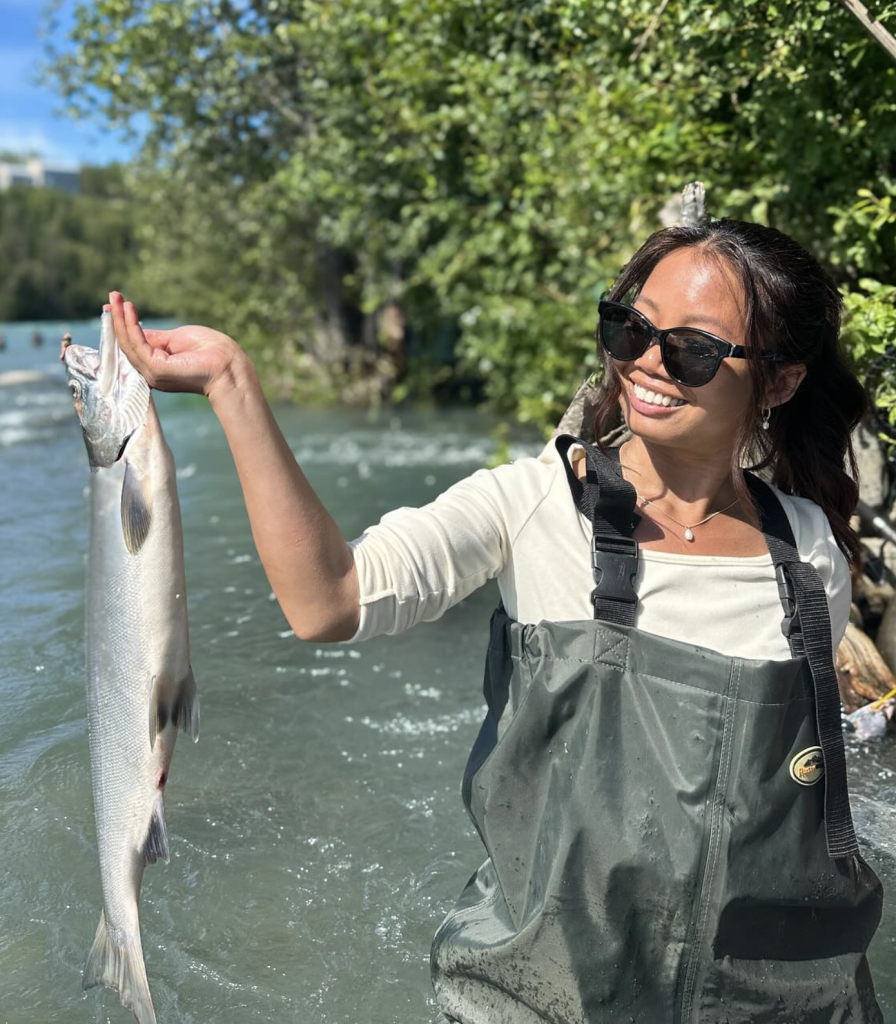
The Kenai River has a legitimate claim to being the most famous sport fishery in Alaska, and the reputation is earned.
The world-record king salmon, 97 pounds 4 ounces, came out of the Kenai in 1985 and the record has stood for four decades. The river holds all five Pacific salmon species, produces rainbow trout and Dolly Varden that would be trophy fish on any river in the lower 48, and runs through some of the most beautiful scenery on the Kenai Peninsula.
It’s road-accessible, has a well-developed infrastructure of guides and drift boat operations, and the upper, middle, and lower sections each fish differently enough that multiple trips produce genuinely different experiences. The ADFG Kenai River page keeps current regulation information, which changes frequently based on run strength.
The honest picture of the Kenai includes its significant pressures. Angler traffic during peak salmon season creates the combat fishing conditions the Russian River is famous for, but spread across a larger and more varied river. Emergency orders restricting king salmon retention have been common in recent years as run sizes have come in below historical levels. Invasive northern pike in parts of the watershed remain an ongoing management challenge.
None of that changes what the river is. It’s just the full picture of fishing a resource that a lot of people love very much and have loved for a long time.
🎣 What You’ll Catch
- All Five Pacific Salmon ⭐⭐⭐⭐⭐
- Rainbow Trout (trophy) ⭐⭐⭐⭐⭐
- Dolly Varden ⭐⭐⭐⭐⭐
📅 Best Time To Fish
- Summer: Excellent (May–June kings, July sockeye, August–September silvers/rainbows)
🏆 Trophy Potential – 10/10 (World-record history; legendary multi-species.)
1. Bristol Bay Region (Katmai, Lake Iliamna, and the Remote Rivers)
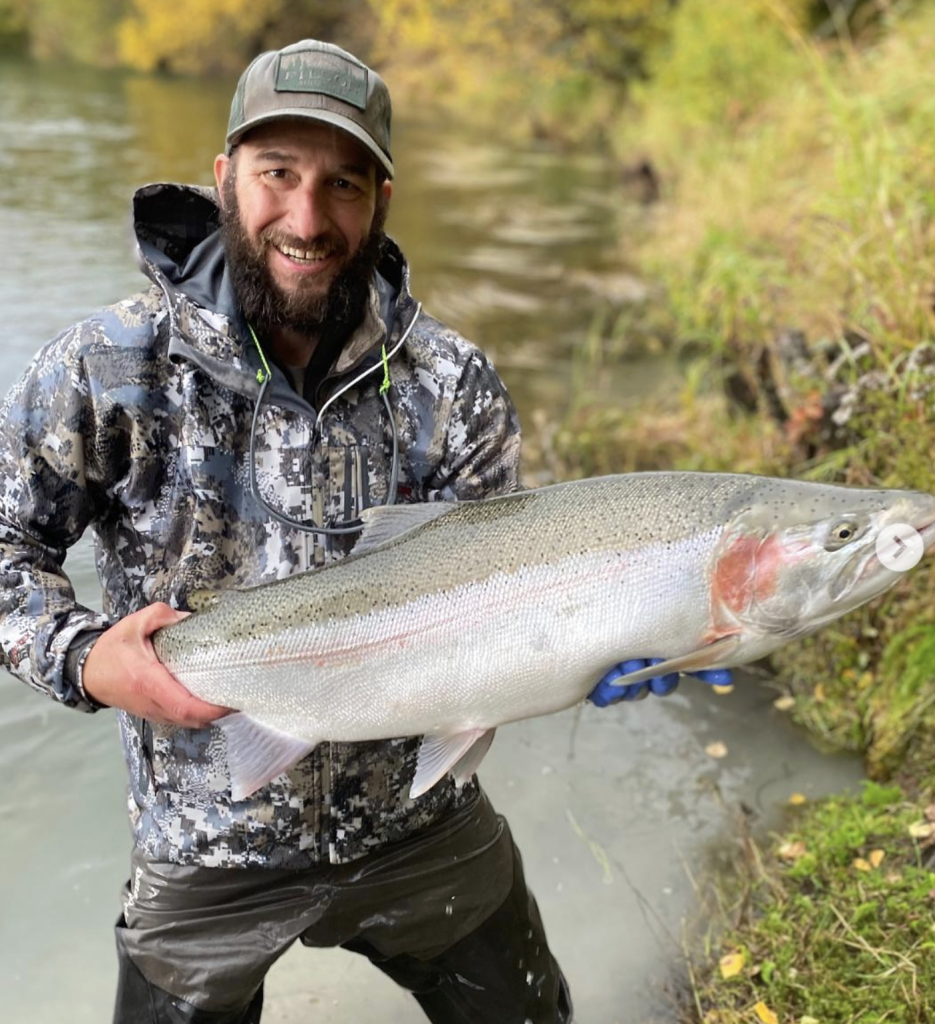
Putting the Bristol Bay region at the top of this list rather than a single river is a deliberate choice, because what makes this part of Alaska special isn’t one river or one fishery. It’s the concentration of world-class fishing across dozens of rivers and lakes in a roadless wilderness that produces the largest wild sockeye salmon run on earth and the most extraordinary rainbow trout fishing anywhere in the world.
The Naknek, the Kvichak, the Nushagak, the Alagnak, the Goodnews, and a dozen other rivers all flow through this region. Each is covered earlier on this list. But experiencing Bristol Bay as a place rather than as individual rivers is a different thing entirely.
The scale of the salmon runs here defies easy description. Tens of millions of sockeye move through this drainage every summer, feeding everything: the rainbows, the Dolly Varden, the bears, the eagles, the entire ecosystem. Being on the water during a peak run and watching salmon stacked in every pool and riffle is one of those experiences that reorganizes how you think about natural abundance.
What it costs: A week of guided lodge fishing in Bristol Bay typically runs $5,000 to $15,000 per person all-in depending on the lodge, the river, and the time of season. Fly-in day trips from Anchorage are possible for $600 to $1,200 per person for a shorter taste of the same fishing. Neither is cheap. Both are worth the conversation about whether it fits your budget.
What you need: A valid Alaska sport fishing license, current ADFG regulations for the specific drainage you’re fishing, bear awareness and safety protocol, and some flexibility around weather because floatplane access means weather controls your schedule whether you like it or not.
If you make one serious fishing trip in your life, there are arguments for a lot of places. Bristol Bay is the argument for Alaska.
🎣 What You’ll Catch
- All Five Pacific Salmon ⭐⭐⭐⭐⭐
- Rainbow Trout (trophy) ⭐⭐⭐⭐⭐
- Dolly Varden / Arctic Grayling ⭐⭐⭐⭐⭐
📅 Best Time To Fish
- Summer/Fall: Excellent (July–August peak; late June kings, September rainbows)
🏆 Trophy Potential – 10/10 (World-class abundance and wilderness scale.)
Alaska’s Best Fishing All Year Round!
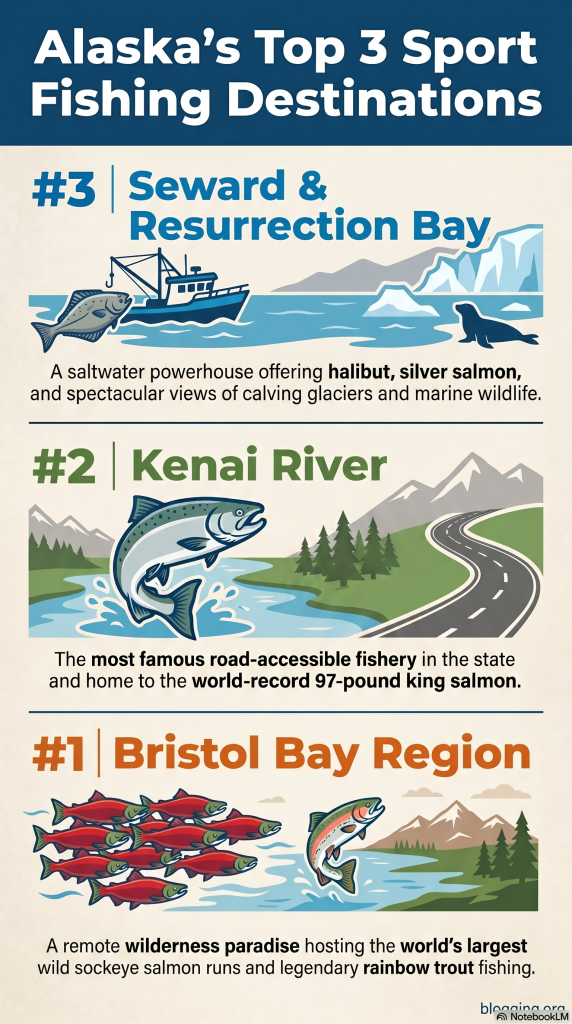
Alaska fishing is a subject that can consume years of planning and still leave you feeling like you haven’t scratched the surface. The road-accessible options at the bottom of this list are genuine and productive. The remote Bristol Bay fisheries at the top are in a different category of experience that’s worth working toward if fishing matters to you in a serious way.
Start with what’s accessible and what fits your budget. The Kenai Peninsula has enough to keep most anglers busy for years. When you’re ready for something more, the rest of Alaska is there waiting.
Check current regulations at ADFG before every trip. Alaska fishing regulations change faster than almost any other state in the country and the consequences of fishing outside current rules are real. Clean, drain, and dry all gear between water bodies. Report invasive species. Follow all emergency orders as they come down during the season.
The fish are worth protecting. That’s the whole reason they’re still there to talk about.