New Jersey’s 21 Best Fishing Lakes and Rivers You Can’t Afford to Miss

New Jersey doesn’t get credit for its fishing and the reasons are obvious if you’ve never lived here. It’s the most densely populated state in the country, it’s wedged between New York and Philadelphia, and most people who’ve never fished it picture turnpike exits and refineries rather than 180-foot-deep trout lakes and smallmouth rivers running through mountain gaps.
What’s actually here is a genuinely diverse fishery packed into a small footprint. The northwest corner of the state holds deep, cold reservoirs that produce lake trout and trophy brown trout in water clear enough to see thirty feet down. The Delaware River along the Pennsylvania border is one of the best smallmouth bass rivers on the East Coast. Lake Hopatcong, the state’s largest lake, holds more game fish species than almost anywhere else in New Jersey in one body of water.
And where the freshwater systems meet the bays and the ocean, striped bass, white perch, and weakfish connect this list to the larger Jersey Shore fishery that most freshwater anglers never explore.
This list covers the freshwater lakes, reservoirs, and rivers that define New Jersey fishing, going from solid and accessible at the bottom to the destinations serious New Jersey anglers consider home water at the top. Each entry includes what you’ll actually catch, when to go, and how good the trophy potential really is.
Before any trip, check current regulations in the NJDEP 2026 Fishing Digest and the NJDEP Places to Fish guide. A fishing license is required for anyone 16 and older. A trout stamp is required to fish for or possess trout in New Jersey’s trout-stocked waters. A marine stamp applies to certain saltwater and anadromous species. Clean, drain, and dry all gear between water bodies.
21. Swartswood Lake (Sussex County)
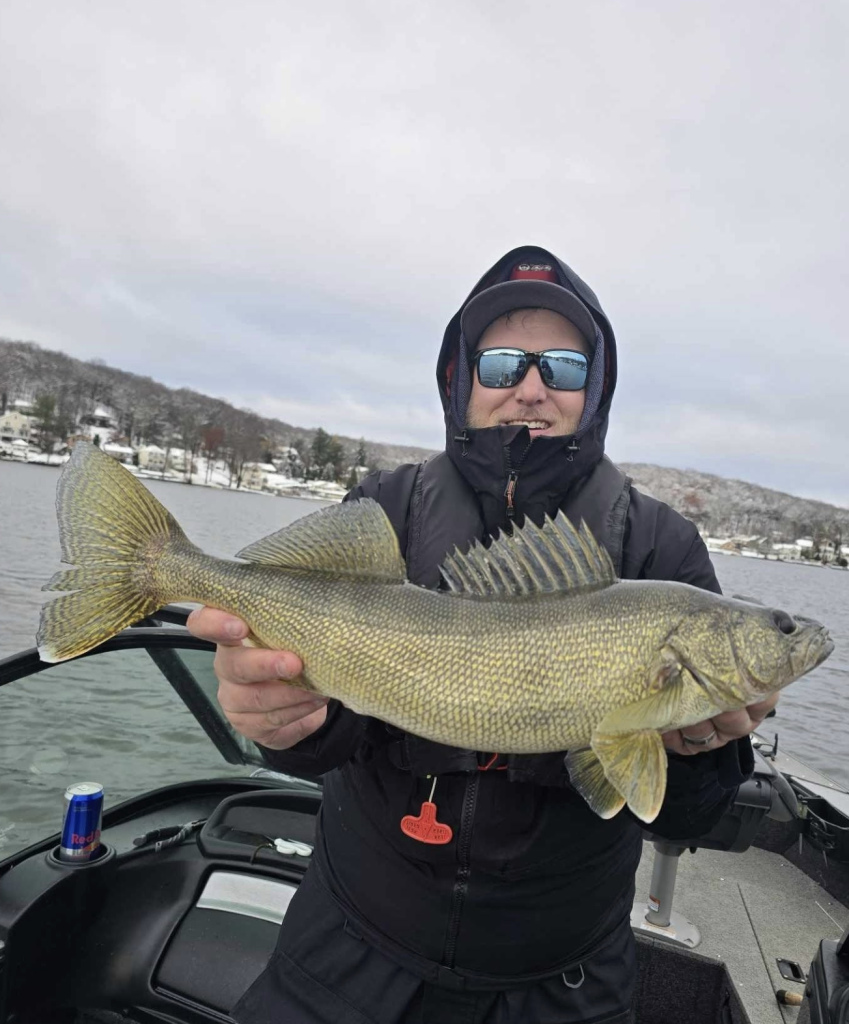
Swartswood Lake sits inside Swartswood State Park in Sussex County and produces a genuinely reliable multi-species fishery in clear mountain water. It’s the kind of lake that doesn’t have one standout species so much as a little bit of everything done well, which makes it a comfortable choice for anglers who want options rather than a specific trophy hunt.
The bass fishing holds up across spring and fall, the walleye respond to jigging around the deeper structure, and the perch fishing in summer gives families something productive when the bass go quiet in the heat. The state park setting means access is easy and the surrounding area is genuinely pretty.
The honest limitation is depth. Swartswood doesn’t have the deep-water structure that the northwest reservoirs further up this list offer, which caps how big the walleye and bass get relative to those waters. Summer crowds at the park beach and boat launch are real but manageable with an early start.
🎣 What You’ll Catch
- Largemouth and Smallmouth Bass ⭐⭐⭐⭐
- Walleye ⭐⭐⭐⭐
- Yellow Perch ⭐⭐⭐⭐
- Chain Pickerel ⭐⭐⭐
📅 Best Time To Fish
- Spring: Excellent (bass spawning)
- Summer: Good (perch and walleye in early mornings)
- Fall: Excellent (bass feeding aggressively before winter)
🏆 Trophy Potential – 7/10 (Quality walleye and bass, not giants, but consistent across species.)
20. Merrill Creek Reservoir (Warren County)
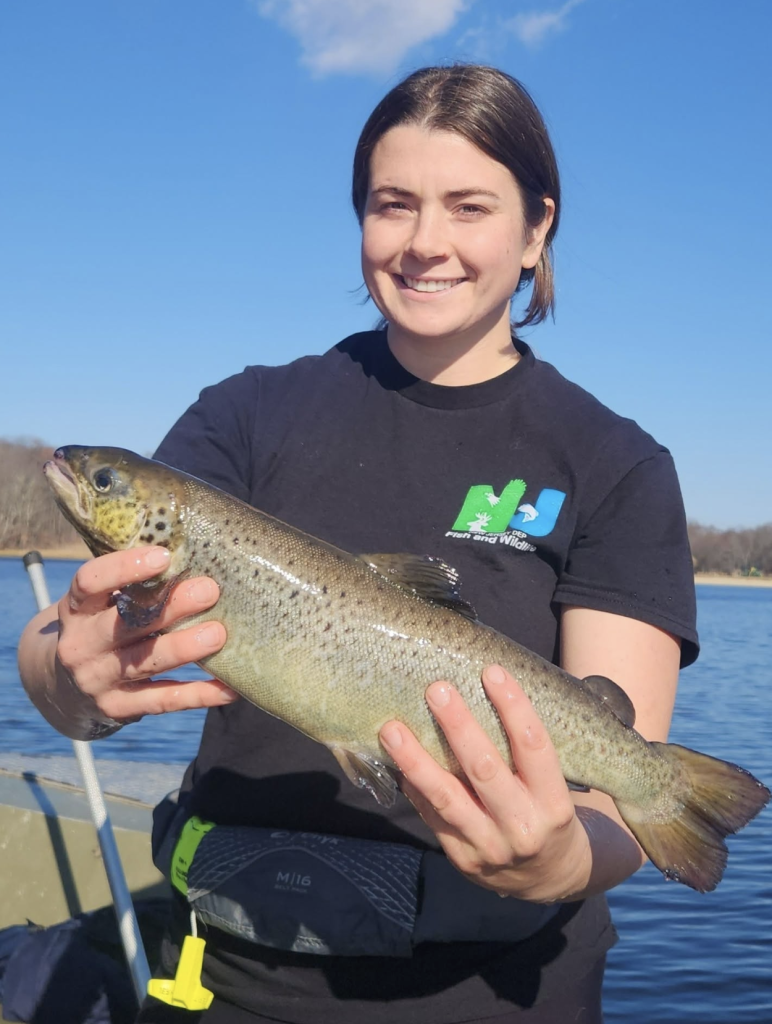
Merrill Creek is a 650-acre reservoir in Warren County built specifically as a water supply backup for the Delaware River and managed with minimal development around it, which has produced one of the better holdover trout fisheries in the state. The deep, clear, cold water supports brown trout, rainbow trout, and lake trout that survive year to year rather than just getting caught out within weeks of stocking.
The brown trout fishery specifically is the standout. Holdover browns here grow larger than typical stocked fish because the water stays cold enough through summer to support them without the stress that kills trout in shallower lakes. Largemouth bass round out the warm-water option for anglers who want variety.
Access is the trade-off for the water quality. Boat access is limited to electric motors only, and shore fishing is the primary approach for most visitors. That restriction is exactly why the fishery has stayed as good as it has. Fewer boats means less pressure on a relatively small lake.
🎣 What You’ll Catch
- Brown Trout ⭐⭐⭐⭐⭐
- Rainbow Trout ⭐⭐⭐⭐
- Lake Trout ⭐⭐⭐
- Largemouth Bass ⭐⭐⭐
📅 Best Time To Fish
- Spring: Excellent (trout active in cooling surface water)
- Summer: Good (deep trolling for lake trout)
- Fall: Excellent (trout and bass both feeding before winter)
🏆 Trophy Potential – 8/10 (Strong holdover trout fishery with browns that grow well beyond stocked size.)
19. Manasquan Reservoir (Monmouth County)
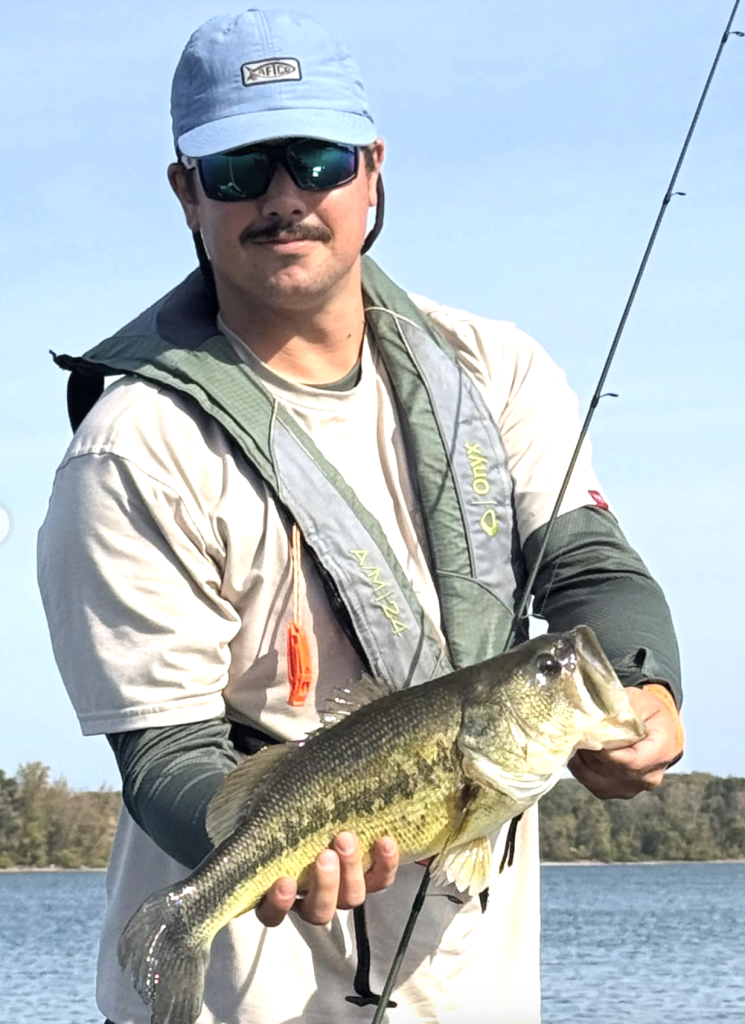
Manasquan Reservoir in Monmouth County serves central Jersey the way Morse Reservoir serves Indianapolis. It’s a convenient, well-managed multi-species lake that produces consistent action for largemouth bass, crappie, bluegill, and channel catfish in a setting that’s easy to get to from most of central New Jersey.
The crappie fishing here is a genuine strength and underappreciated relative to the bass reputation. Spring crappie around the brush and timber structure produces good numbers of fish in the half-pound to pound range, which is exactly the size that makes for a great panfish dinner and an enjoyable afternoon.
The reservoir’s relatively recent construction compared to some of New Jersey’s older lakes means the habitat is still maturing in places, but the fish populations have established well. Weekend pressure from the surrounding population centers is steady but the lake’s size absorbs it reasonably.
🎣 What You’ll Catch
- Largemouth Bass ⭐⭐⭐⭐
- Crappie ⭐⭐⭐⭐
- Bluegill ⭐⭐⭐⭐
- Channel Catfish ⭐⭐⭐
📅 Best Time To Fish
- Spring: Excellent (bass and crappie both active)
- Summer: Good (bluegill and catfish carry the action)
- Fall: Excellent (bass feeding before water cools further)
🏆 Trophy Potential – 7/10 (Solid numbers across species, not a trophy-specific destination.)
18. Spruce Run Reservoir (Hunterdon County)
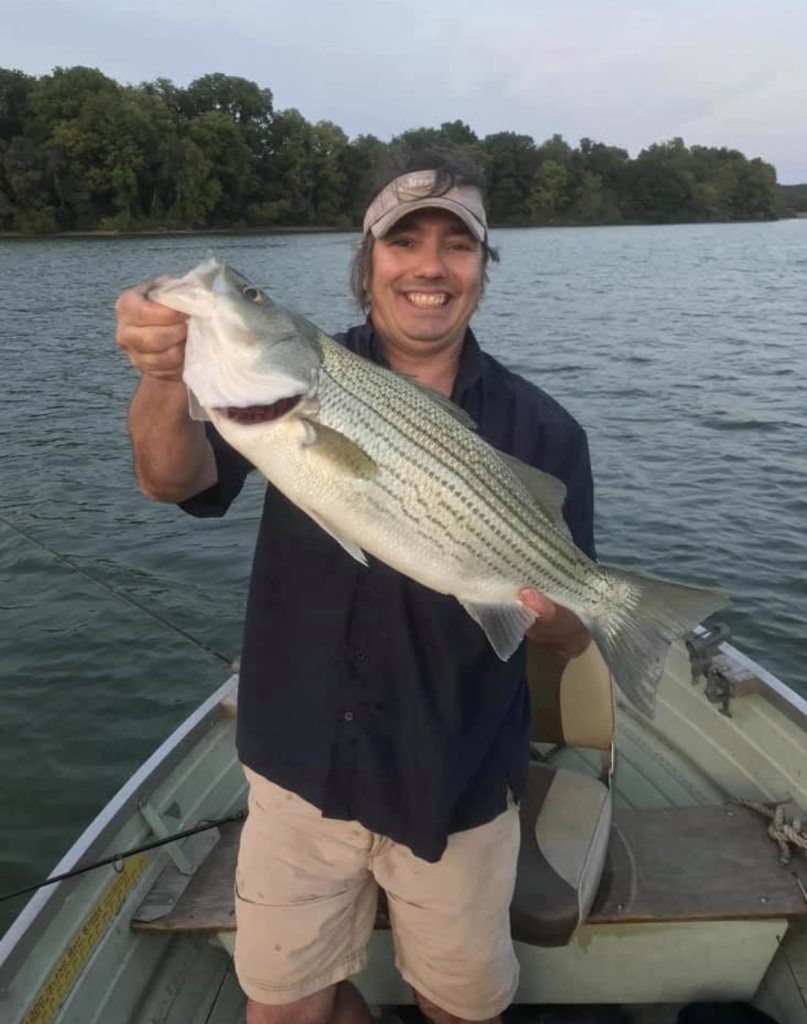
Spruce Run Reservoir covers about 1,300 acres in Hunterdon County and holds one of New Jersey’s most genuinely exciting multi-species fisheries. Walleye, northern pike, largemouth bass, and hybrid striped bass all inhabit the reservoir, and the northern pike population is the headline. The New Jersey state record northern pike came from Spruce Run, which tells you everything about what this lake is capable of producing.
The walleye fishing benefits from consistent stocking and the structure around the dam and the deeper main basin holds fish predictably enough that trolling crankbaits produces results for anglers who put in the time to learn the contours. The hybrid striped bass add an aggressive, hard-fighting option that most New Jersey freshwater anglers don’t get to experience regularly.
Boat ramps provide solid access and the lake is large enough to spread out the pressure that comes with its reputation. For anglers who want the chance at a genuinely large pike in New Jersey, Spruce Run is the destination with the track record to back it up.
🎣 What You’ll Catch
- Walleye ⭐⭐⭐⭐⭐
- Northern Pike ⭐⭐⭐⭐
- Largemouth Bass ⭐⭐⭐⭐
- Hybrid Striped Bass ⭐⭐⭐⭐
📅 Best Time To Fish
- Spring: Excellent (walleye and pike both aggressive in cooler water)
- Summer: Good (bass and hybrids in deeper structure)
- Fall: Excellent (pike feeding heavily before winter)
🏆 Trophy Potential – 8/10 (State record pike water, with walleye that reach genuinely impressive sizes.)
17. Round Valley Reservoir (Hunterdon County)
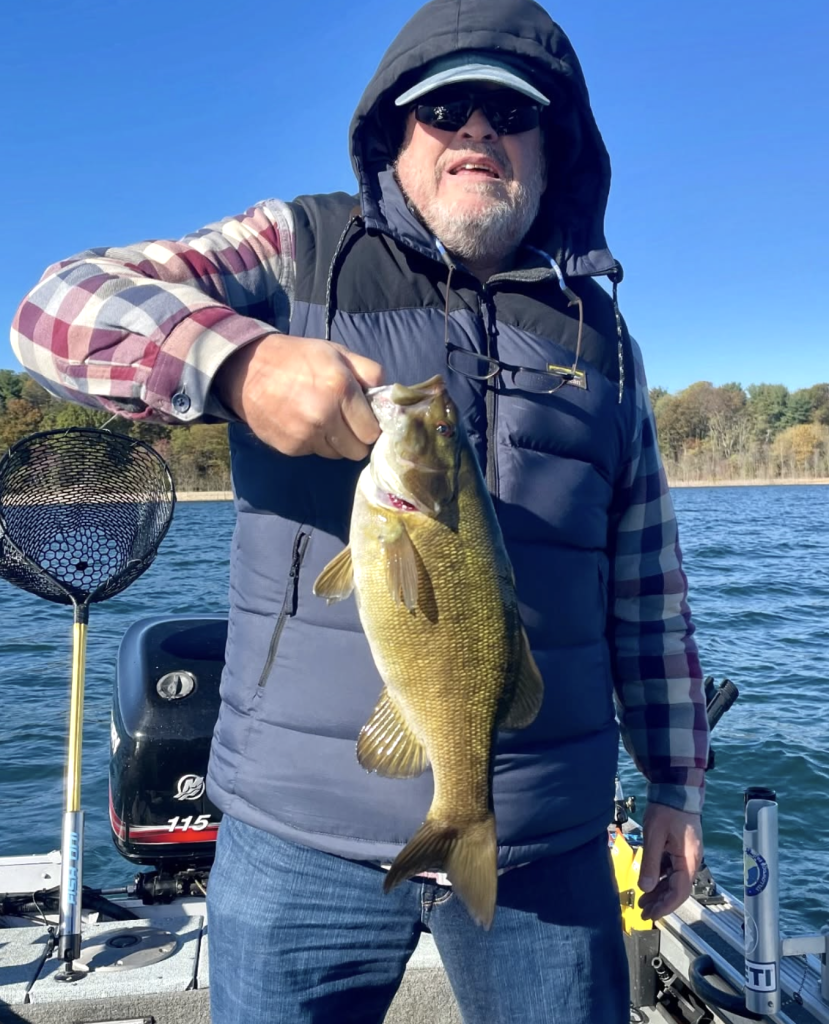
Round Valley Reservoir is New Jersey’s deepest lake at over 180 feet and the water clarity here is the kind that makes people who’ve only fished New Jersey’s other lakes do a double take. This is the premier trophy trout destination in the state, and it has the state record lake trout and brown trout to prove it.
The lake trout fishery is the headline. Lakers here grow to genuinely impressive sizes in the cold, deep, oxygen-rich water, and the deep trolling techniques required to catch them consistently are a specific skill set that serious Round Valley anglers develop over years. Brown trout and rainbow trout add additional trophy potential, and the smallmouth and largemouth bass in the shallower coves give warm-water anglers something to do without competing for the deep-water trout structure.
The access situation mirrors Merrill Creek. Boat access is limited and shore fishing dominates for most visitors, which has helped keep the fishery in the exceptional condition it’s known for. The hike-in access to some of the better shore spots is part of what keeps Round Valley from being overrun despite its reputation.
🎣 What You’ll Catch
- Lake Trout ⭐⭐⭐⭐⭐
- Brown Trout ⭐⭐⭐⭐⭐
- Rainbow Trout ⭐⭐⭐⭐
- Largemouth and Smallmouth Bass ⭐⭐⭐
📅 Best Time To Fish
- Spring: Excellent (trout active near the surface before thermal stratification sets in)
- Summer: Good (deep trolling required as trout retreat to cold water)
- Fall: Excellent (trout return to accessible depths as surface water cools)
🏆 Trophy Potential – 9/10 (Multiple state record species and the clearest, deepest water in New Jersey.)
16. Lake Hopatcong (Morris and Sussex Counties)
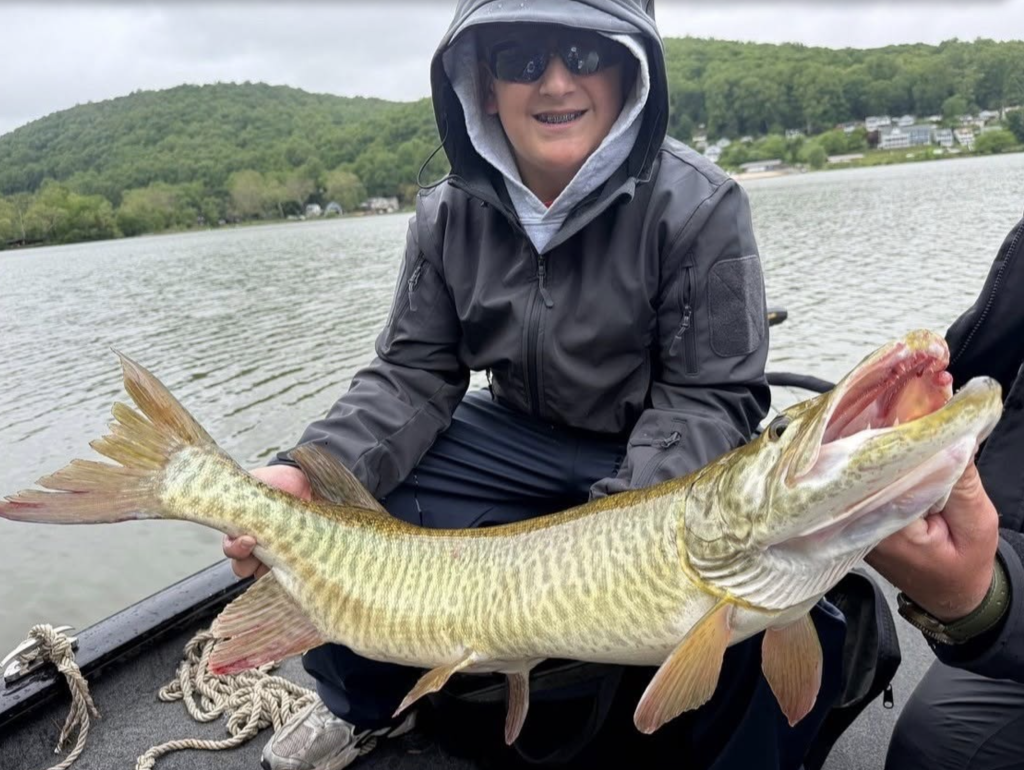
Lake Hopatcong is New Jersey’s largest lake at over 2,700 acres and it holds the greatest variety of game fish of any single body of water in the state. Largemouth and smallmouth bass, walleye, northern pike, yellow perch, and crappie all live here in numbers and sizes that make Hopatcong the closest thing New Jersey has to an all-in-one fishing destination.
The bass fishing is the primary draw for most visiting anglers and the lake has produced quality largemouth and smallmouth across its many bays, points, and drop-offs for generations. The walleye and northern pike fisheries add cold-water predator options that most lakes this size in New Jersey don’t offer simultaneously.
Hopatcong State Park provides excellent public access including multiple boat ramps, and the surrounding lake community has supported a fishing culture here for over a century. The size of the lake means weekend boat traffic from the recreational community is real, but the sheer amount of water and the variety of structure mean there’s always somewhere productive to fish regardless of what else is happening on the lake.
🎣 What You’ll Catch
- Largemouth and Smallmouth Bass ⭐⭐⭐⭐⭐
- Walleye ⭐⭐⭐⭐
- Northern Pike ⭐⭐⭐⭐
- Yellow Perch ⭐⭐⭐⭐
- Crappie ⭐⭐⭐⭐
📅 Best Time To Fish
- Spring: Excellent (bass spawning across the many coves and points)
- Summer: Good (early mornings for bass, deeper water for walleye and pike)
- Fall: Excellent (pike and bass both feeding aggressively)
🏆 Trophy Potential – 8/10 (The widest species variety in New Jersey with genuine trophy potential across most of them.)
15. Delaware River (Northwest New Jersey Sections)
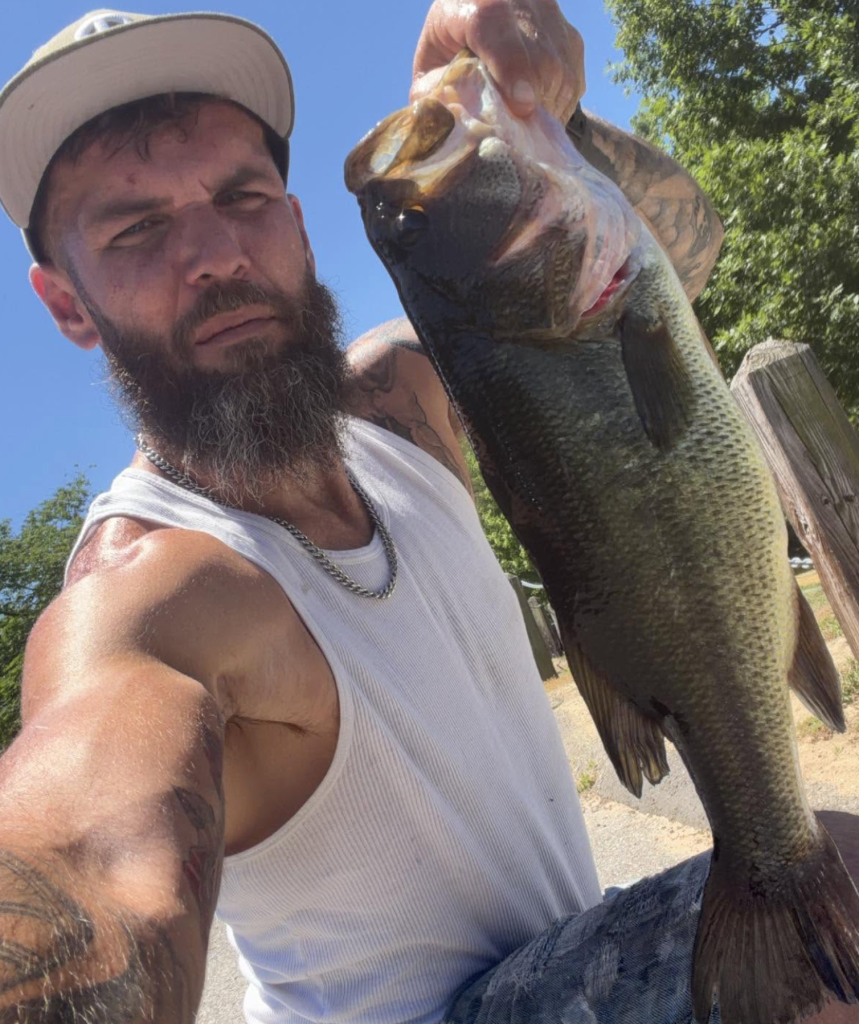
The Delaware River along New Jersey’s northwest border, particularly the Water Gap section, is one of the best smallmouth bass rivers on the East Coast and most New Jersey anglers who haven’t specifically fished it underestimate what it holds. The clear water running over rock and gravel through the Gap produces smallmouth in the 14 to 18 inch range with enough consistency that serious bass anglers make the trip from across the region.
Walleye and channel catfish add depth to the fishery, and the spring shad run brings American shad up the river in numbers that produce a completely different and often overlooked fishing experience for a couple of weeks each year. The Delaware Water Gap National Recreation Area provides access and the scenery alone is worth the trip independent of the fishing.
Wading is the standard approach for smallmouth in normal water conditions, and the river’s flow is generally manageable through summer when water levels drop and clarity improves. Current can become significant after heavy rain and the river requires respect during high water periods.
🎣 What You’ll Catch
- Smallmouth Bass ⭐⭐⭐⭐⭐
- Walleye ⭐⭐⭐⭐
- Channel Catfish ⭐⭐⭐⭐
- American Shad (spring run) ⭐⭐⭐⭐
📅 Best Time To Fish
- Spring: Excellent (shad run plus early-season smallmouth)
- Summer: Excellent (smallmouth at their best in clear, lower water)
- Fall: Good (smallmouth still active, walleye picking up)
🏆 Trophy Potential – 8/10 (Genuinely excellent smallmouth fishing by any East Coast standard.)
14. Greenwood Lake (Passaic County)
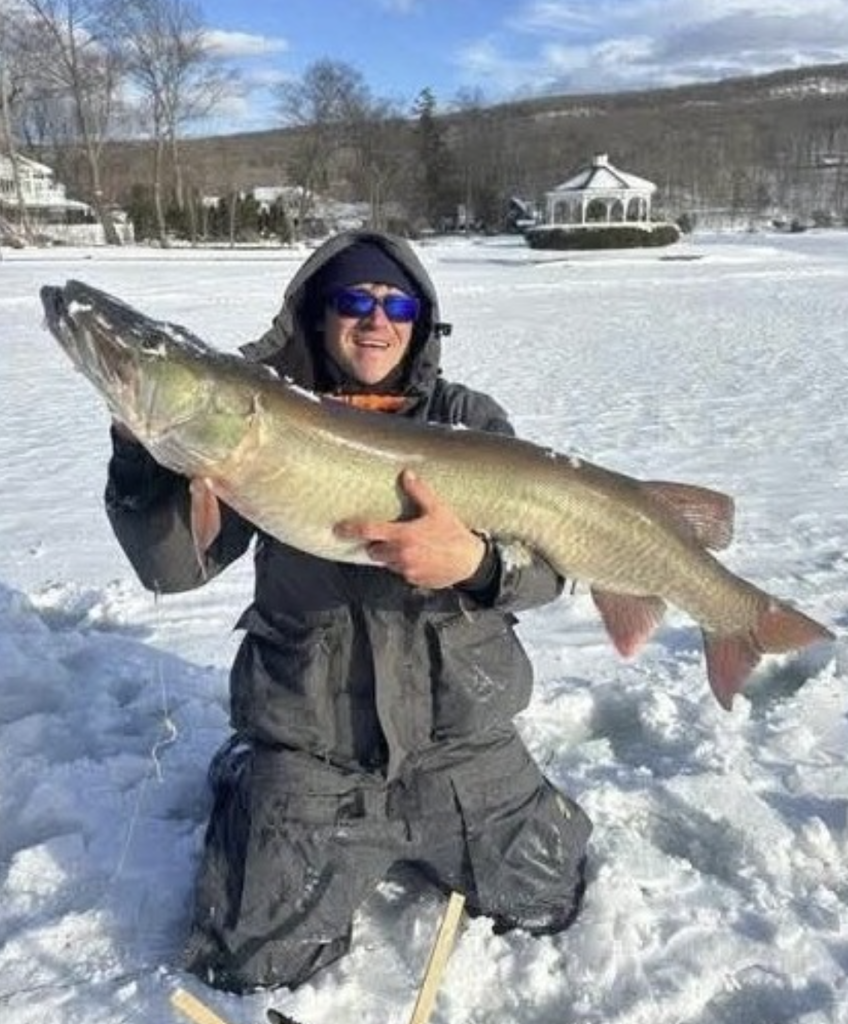
Greenwood Lake straddles the New York-New Jersey border in Passaic County and covers roughly 1,900 acres total across both states, producing largemouth bass, smallmouth bass, walleye, and yellow perch in a setting that feels more like a New England lake than what most people picture for northern New Jersey. The lake’s overall length, running close to seven miles between the two states, gives it more variety of structure and depth than most New Jersey lakes its size.
The smallmouth bass fishing here is a specific strength, with rocky points and drop-offs along the New Jersey side producing fish that average larger than typical New Jersey smallmouth waters. The walleye fishing has a smaller but dedicated following among anglers who know where the deeper basins hold fish through summer.
The dual-state situation means New York and New Jersey licenses both apply depending on which side of the lake you’re fishing, and the regulations aren’t always identical between the two states. Check current rules for whichever side you plan to fish.
🎣 What You’ll Catch
- Smallmouth Bass ⭐⭐⭐⭐
- Largemouth Bass ⭐⭐⭐⭐
- Walleye ⭐⭐⭐
- Yellow Perch ⭐⭐⭐⭐
📅 Best Time To Fish
- Spring: Excellent (bass spawning along the extensive shoreline)
- Summer: Good (smallmouth on rocky points, walleye in deeper basins)
- Fall: Excellent (smallmouth and largemouth both feeding heavily)
🏆 Trophy Potential – 7/10 (Above-average smallmouth for New Jersey in a genuinely scenic setting.)
13. Monksville Reservoir (Passaic County)
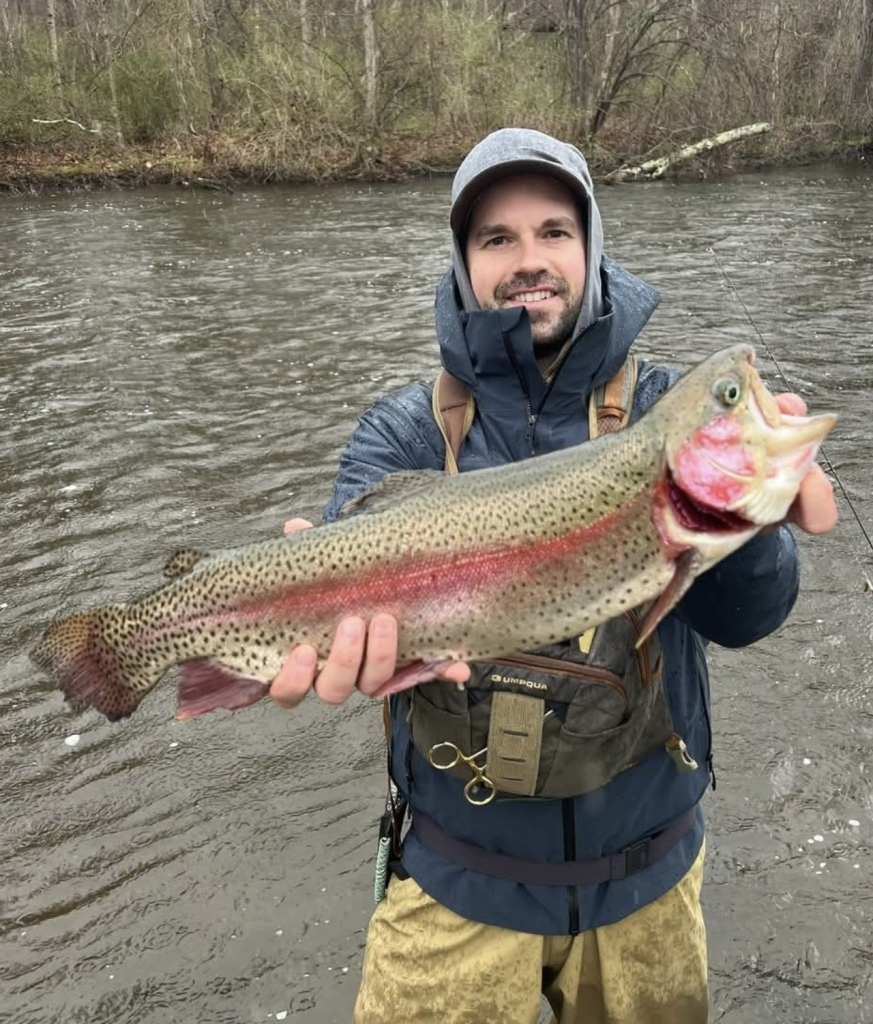
Monksville Reservoir in Passaic County is part of the Wanaque watershed system and produces largemouth bass, smallmouth bass, and a muskellunge population that gives it a specific identity among New Jersey anglers who know where to look for the species. The reservoir’s relatively undeveloped shoreline and rocky structure give it a wilder character than many of the more developed lakes further south in the state.
The muskie fishing here is the draw for serious species hunters. New Jersey isn’t a state most anglers associate with muskellunge, but Monksville is one of the small number of New Jersey waters where the state has maintained a stocked muskie program, and the fish that are present reward anglers willing to put in the casts even if the overall numbers are modest. Bass fishing fills in the rest of the calendar with solid numbers if not exceptional size.
Access is more limited here than at the larger reservoirs on this list, with boat launch facilities more modest and a smaller overall footprint. That relative obscurity is part of why the fishing holds up as well as it does.
🎣 What You’ll Catch
- Muskellunge ⭐⭐⭐⭐
- Largemouth Bass ⭐⭐⭐⭐
- Smallmouth Bass ⭐⭐⭐
- Yellow Perch ⭐⭐⭐
📅 Best Time To Fish
- Spring: Excellent (bass spawning)
- Summer: Good (muskie become more active as water warms)
- Fall: Excellent (muskie feeding aggressively before winter, the prime window for serious muskie anglers)
🏆 Trophy Potential – 7/10 (One of the few legitimate muskie destinations in New Jersey.)
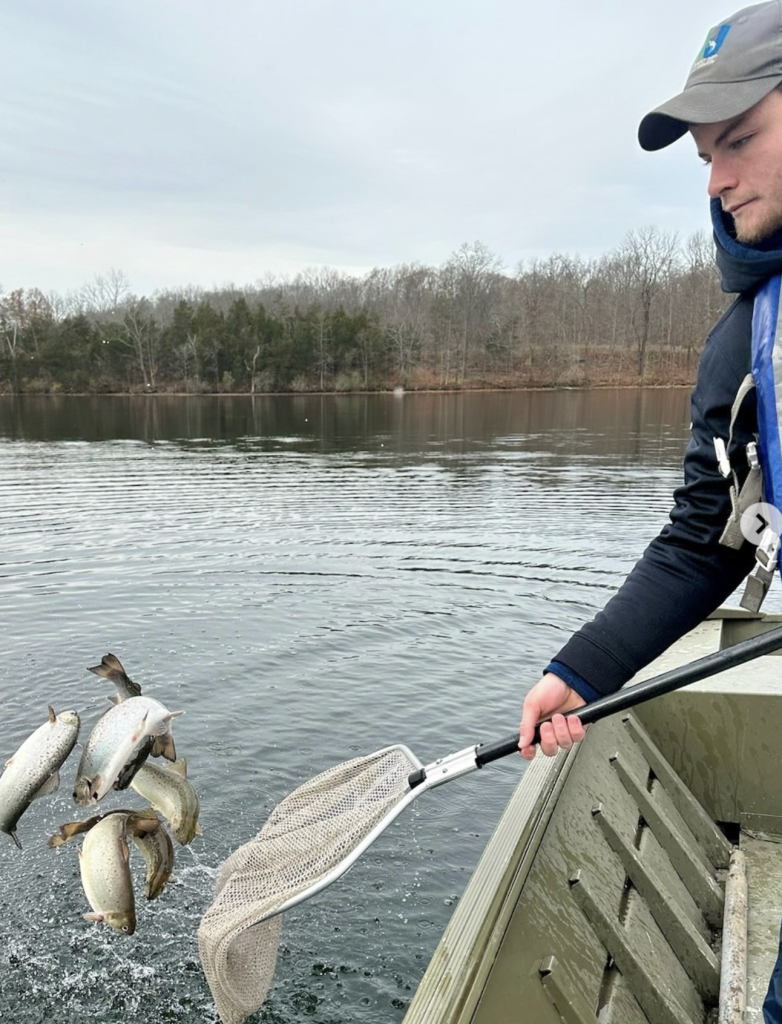
12. Lake Musconetcong (Morris and Sussex Counties)
Lake Musconetcong is a roughly 325-acre natural lake in Morris and Sussex counties that produces largemouth bass, chain pickerel, and panfish in a smaller, more intimate setting than the major reservoirs further up this list. The lake has a long history as a fishing destination for north Jersey families and the access infrastructure reflects decades of recreational use.
The chain pickerel fishing here is a specific strength that gets overlooked in a state where bass dominate most fishing conversations. Pickerel in the weed beds provide aggressive, toothy action on light tackle that’s genuinely fun and underappreciated. Largemouth bass fishing is consistent without being exceptional, and the panfish population gives families and beginning anglers reliable action.
The lake’s smaller size and shallower average depth mean it warms faster in spring and cools faster in fall than the deep northwest reservoirs, which shifts the best fishing windows earlier and later in the season respectively compared to places like Round Valley.
🎣 What You’ll Catch
- Largemouth Bass ⭐⭐⭐⭐
- Chain Pickerel ⭐⭐⭐⭐
- Bluegill and Sunfish ⭐⭐⭐⭐
- Yellow Perch ⭐⭐⭐
📅 Best Time To Fish
- Spring: Excellent (bass and pickerel both active early due to faster warming)
- Summer: Good (panfish carry the action through the heat)
- Fall: Excellent (pickerel especially active as water cools)
🏆 Trophy Potential – 6/10 (Solid numbers fishery rather than a trophy destination, but genuinely fun pickerel action.)
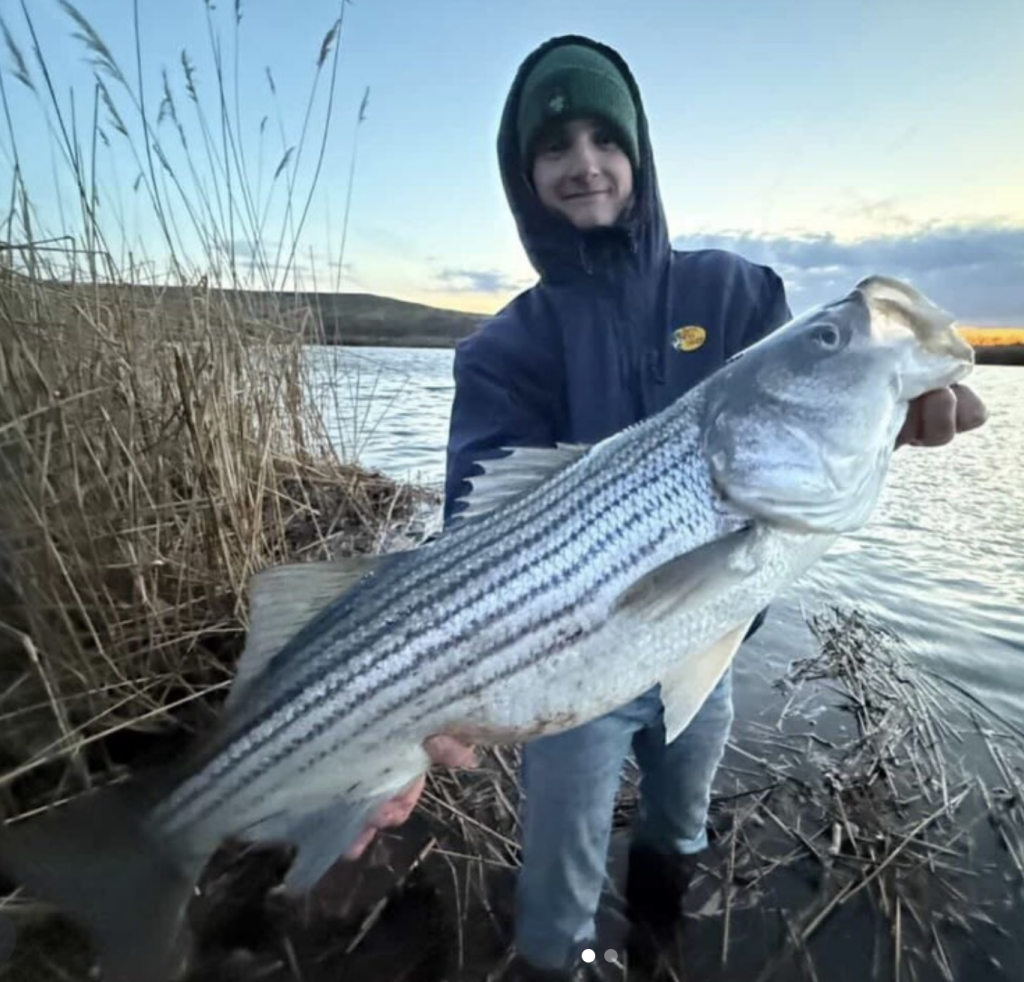
11. Raritan River (South Branch and Main Stem)
The Raritan River system, particularly the South Branch through Hunterdon and Somerset counties, is New Jersey’s most significant trout stream system outside of the far northwest corner of the state. Wild and stocked brown and rainbow trout inhabit the South Branch in water cold enough to support them through most of the year, and the river’s accessibility from central New Jersey population centers makes it the practical trout fishery for a huge number of anglers.
Below the trout water, the main stem Raritan transitions into smallmouth bass and channel catfish habitat, giving the system a seasonal range that extends well beyond the spring trout opener that most anglers associate with it. The river corridor includes several access points maintained specifically for fishing, including sections managed under New Jersey’s trout conservation regulations.
Pressure on the popular trout sections during the spring stocking season is intense, with opening day crowds that are as much a New Jersey tradition as the fishing itself. The smallmouth and catfish sections downstream see considerably less pressure and reward anglers willing to explore beyond the trout water.
🎣 What You’ll Catch
- Brown and Rainbow Trout ⭐⭐⭐⭐
- Smallmouth Bass ⭐⭐⭐⭐
- Channel Catfish ⭐⭐⭐
- Chain Pickerel ⭐⭐⭐
📅 Best Time To Fish
- Spring: Excellent (trout opener and stocking season)
- Summer: Good (smallmouth in the warmer downstream sections)
- Fall: Excellent (trout feeding before winter, smallmouth still active)
🏆 Trophy Potential – 6/10 (More about access and variety than individual trophy fish, with the exception of holdover trout in the better sections.)
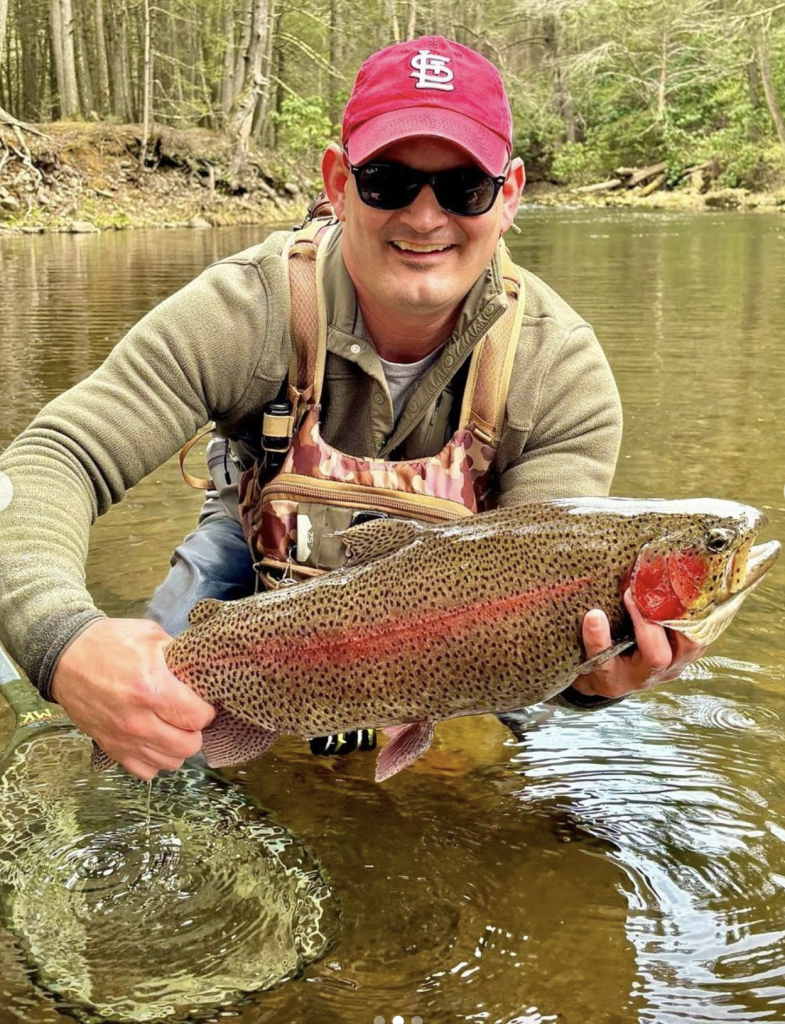
10. Wanaque Reservoir (Passaic County)
Wanaque Reservoir is one of the largest reservoirs in New Jersey at over 2,300 acres and serves as a major water supply for the northern part of the state, which has kept development around it minimal and the fishery in genuinely good condition. Largemouth bass, smallmouth bass, and a strong panfish population inhabit the reservoir, along with a trout fishery supported by cold-water sections near the dam.
The size and relatively undeveloped character of Wanaque give it a wilder feel than most reservoirs this close to the New York metropolitan area. Bass fishing across the extensive shoreline and submerged structure produces consistent action, and the trout near the dam add a cold-water option that most anglers don’t expect from a reservoir primarily known for bass.
Access has historically been more restricted here than at other major New Jersey reservoirs due to the water supply function, and checking current access rules through NJDEP before planning a trip is worth doing since policies have shifted over the years.
🎣 What You’ll Catch
- Largemouth Bass ⭐⭐⭐⭐
- Smallmouth Bass ⭐⭐⭐⭐
- Trout (near the dam) ⭐⭐⭐
- Bluegill and Panfish ⭐⭐⭐⭐
📅 Best Time To Fish
- Spring: Excellent (bass spawning across extensive shoreline)
- Summer: Good (bass in deeper structure, trout near the dam)
- Fall: Excellent (bass feeding before winter)
🏆 Trophy Potential – 7/10 (Underfished relative to its size, which benefits the fish populations.)
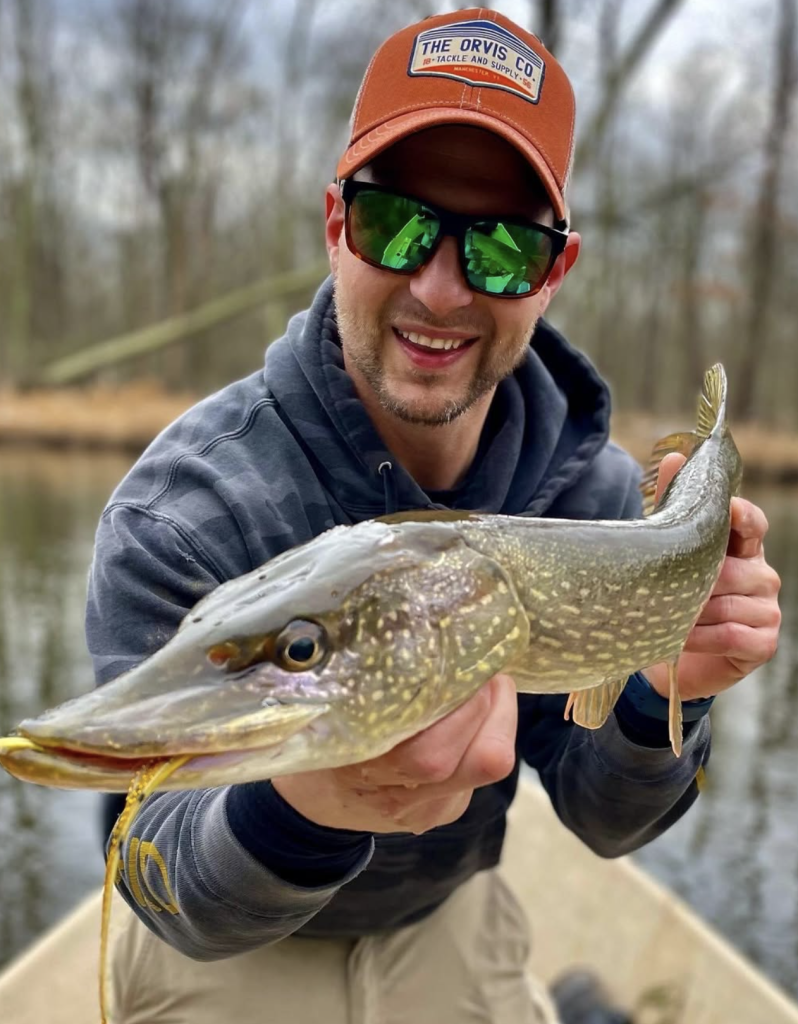
9. Passaic River (Great Swamp and Upper Sections)
The Passaic River’s upper sections, particularly through and around the Great Swamp National Wildlife Refuge, produce a surprisingly productive largemouth bass and panfish fishery in a setting that feels nothing like the industrial lower Passaic that most people associate with the river’s name. The wetland character of the upper river creates slow-moving, vegetation-heavy water that bass and pickerel use extensively.
Chain pickerel are a specific highlight in the Great Swamp sections, where the combination of slow current, abundant vegetation, and minimal fishing pressure produces pickerel that grow larger than in more heavily fished waters. Largemouth bass and a healthy panfish population round out the fishery.
The lower Passaic carries a well-documented industrial pollution history with consumption advisories that are serious and longstanding. The upper river sections covered here are a different environment entirely, but anglers should be clear about which section of the Passaic they’re discussing, since the name covers water with dramatically different conditions along its length.
🎣 What You’ll Catch
- Largemouth Bass ⭐⭐⭐⭐
- Chain Pickerel ⭐⭐⭐⭐
- Bluegill and Sunfish ⭐⭐⭐⭐
- Yellow Perch ⭐⭐⭐
📅 Best Time To Fish
- Spring: Excellent (bass and pickerel active in the warming wetland shallows)
- Summer: Good (heavy vegetation requires working the edges and pockets)
- Fall: Excellent (pickerel particularly active as water cools)
🏆 Trophy Potential – 6/10 (Genuinely underrated pickerel water in a setting most people overlook entirely.)
8. Pequest River (Warren County)
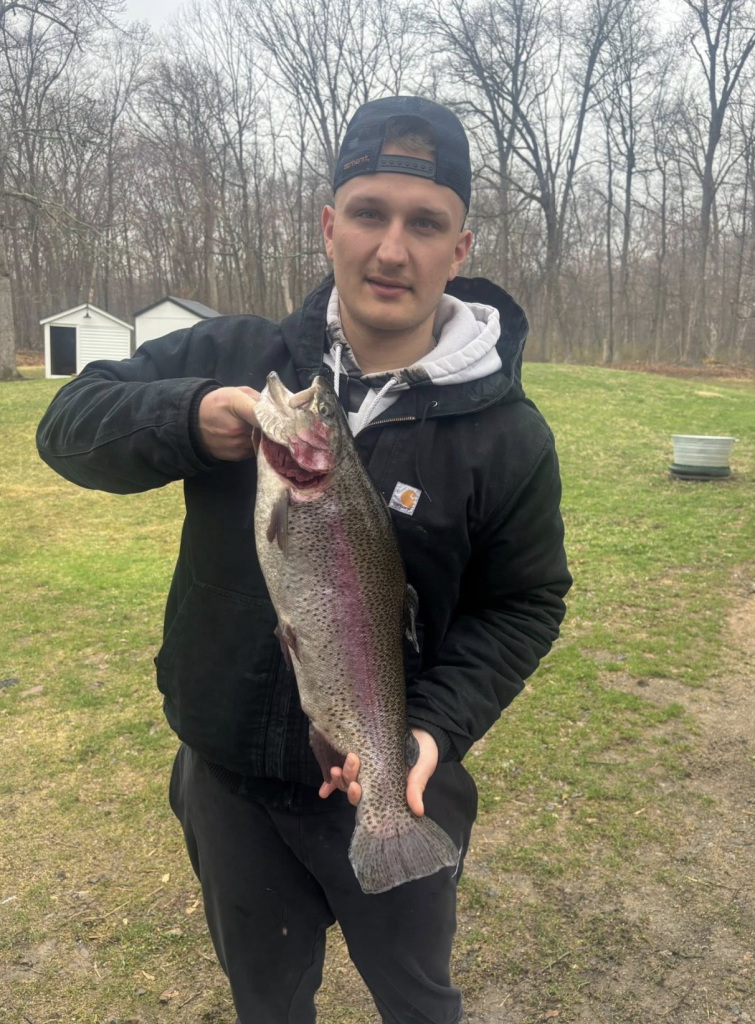
The Pequest River in Warren County is home to the Pequest Trout Hatchery, New Jersey’s primary trout production facility, and the river itself produces some of the best put-and-take and holdover trout fishing in the state as a direct result. The cold spring-fed water and the proximity to the source of the state’s trout stocking program combine to create a fishery that gets attention disproportionate to the river’s modest size.
Brown and rainbow trout are the primary targets, and the sections below the hatchery hold fish year-round in numbers that smaller streams further from stocking infrastructure simply can’t match. The Pequest Wildlife Management Area surrounding the river provides extensive public access and the area functions as something of an educational center for New Jersey’s trout management programs, which adds an informational dimension to a visit beyond just the fishing.
Pressure during stocking season is significant, as anyone familiar with New Jersey’s trout opener traditions would expect. The river is small enough that crowds genuinely affect the fishing experience on the busiest days, but the consistency of the fishery makes return visits worthwhile across the season.
🎣 What You’ll Catch
- Brown Trout ⭐⭐⭐⭐⭐
- Rainbow Trout ⭐⭐⭐⭐⭐
- Brook Trout (stocked, fall) ⭐⭐⭐
- Smallmouth Bass (lower sections) ⭐⭐⭐
📅 Best Time To Fish
- Spring: Excellent (opening day and continued stocking through the season)
- Summer: Good (holdover fish in the coldest sections near the hatchery)
- Fall: Excellent (fall stocking and feeding trout before winter)
🏆 Trophy Potential – 6/10 (More about consistent action and access than individual trophy fish.)
7. Lake Mohawk and Sparta-Area Lakes (Sussex County)
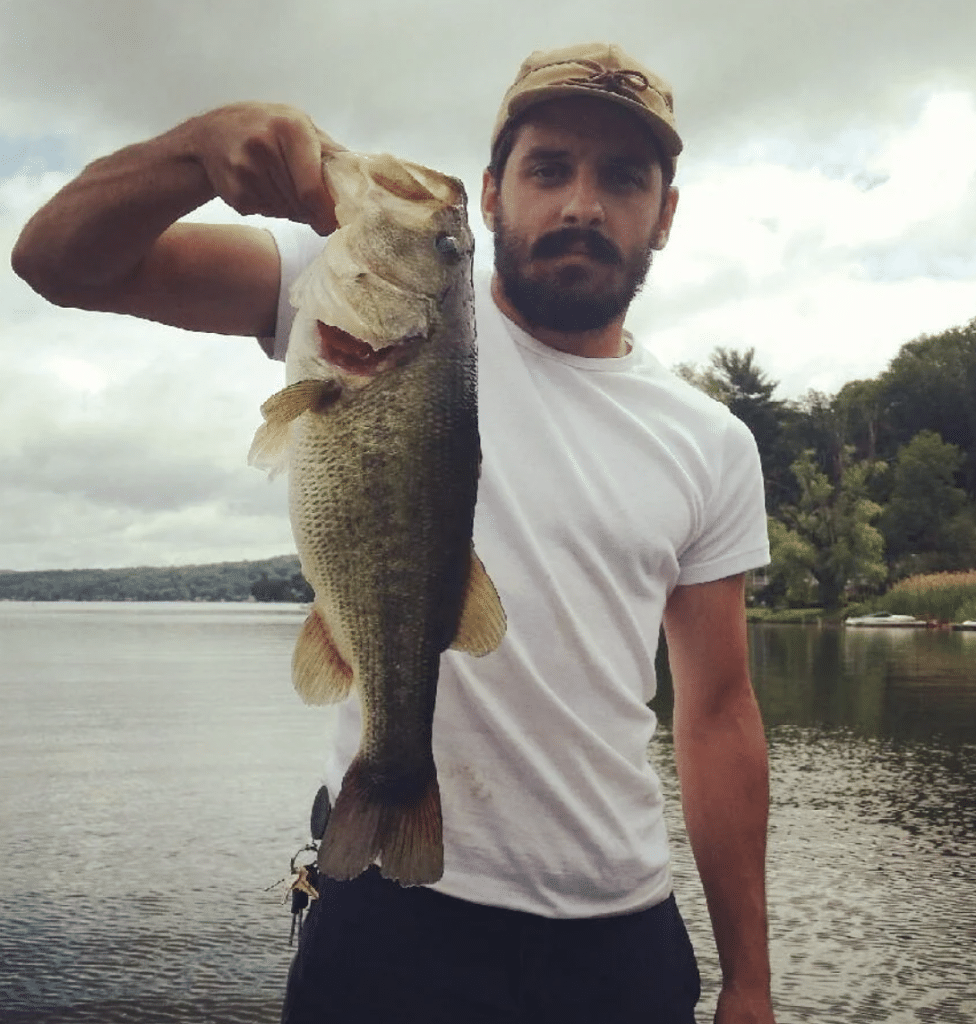
The cluster of lakes around Sparta in Sussex County, including Lake Mohawk and several smaller connected and nearby waters, represents a concentration of quality bass and panfish lakes in New Jersey’s northwest highlands that doesn’t get the individual attention that Hopatcong or Round Valley receive but collectively provides some of the most consistent fishing in the region.
Largemouth and smallmouth bass, chain pickerel, and strong panfish populations are typical across these waters, and the clear, cooler water character of the Sussex County highlands gives them a quality edge over similar-sized lakes further south and east in the state. Many of these lakes have private community associations that affect public access, which is worth researching before planning a specific trip.
The regional character here, rolling hills, clear lakes, and a noticeably cooler climate than central and south Jersey, makes the Sparta area a worthwhile destination for anglers who want the northwest New Jersey experience without committing to the deep reservoirs at Round Valley or Merrill Creek.
🎣 What You’ll Catch
- Largemouth and Smallmouth Bass ⭐⭐⭐⭐
- Chain Pickerel ⭐⭐⭐⭐
- Yellow Perch ⭐⭐⭐
- Bluegill and Sunfish ⭐⭐⭐⭐
📅 Best Time To Fish
- Spring: Excellent (bass spawning in the clear highland water)
- Summer: Good (cooler water than southern New Jersey keeps fish more active)
- Fall: Excellent (bass and pickerel both feeding before winter)
🏆 Trophy Potential – 6/10 (Consistent quality across a cluster of good lakes rather than one standout trophy water.)
6. Manasquan River and Barnegat Bay Tributaries (Brackish Sections)
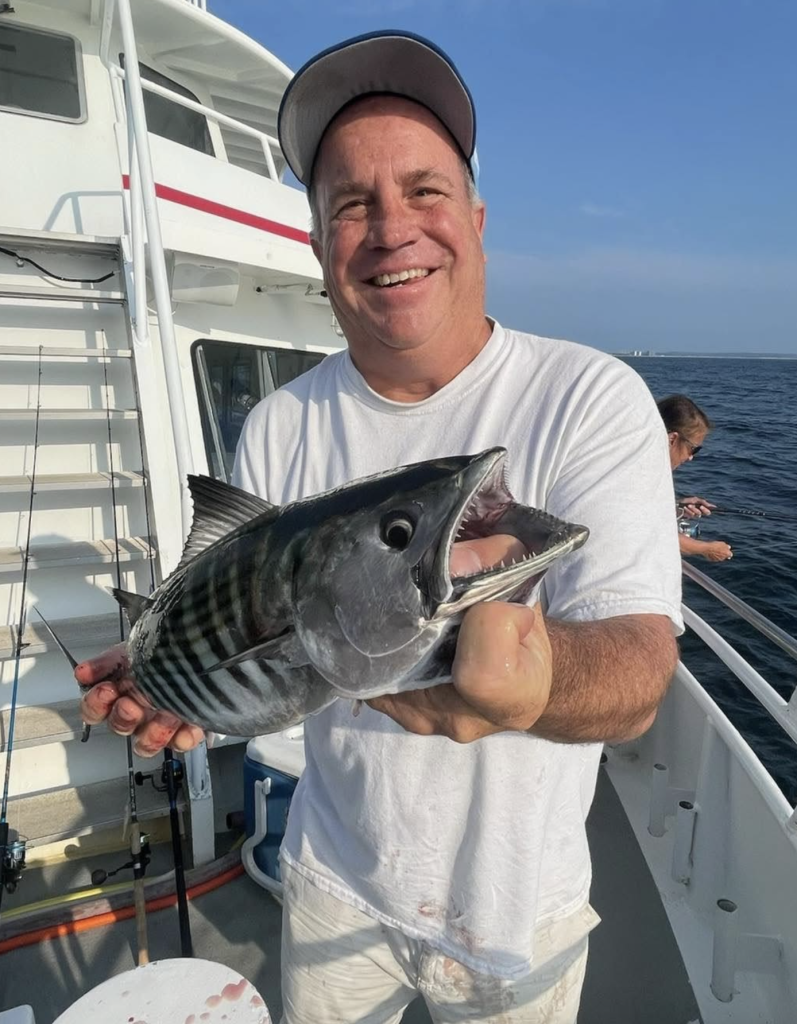
Where New Jersey’s freshwater fishing transitions into the saltwater fishery that the Jersey Shore is famous for, the brackish sections of rivers like the Manasquan and the tributaries feeding Barnegat Bay produce a fishery that most freshwater-focused anglers never explore. Striped bass move into these brackish reaches seasonally, white perch are present year-round in genuinely good numbers, and the transition zone between fresh and salt water creates a species mix that changes throughout the year.
White perch fishing in the brackish sections is a specifically underappreciated New Jersey fishery. These fish school in numbers that produce fast action on light tackle, and they’re genuinely good eating, which most anglers who haven’t targeted them specifically don’t realize.
The striped bass that move into these waters seasonally, particularly in spring and fall, connect the freshwater and saltwater fisheries in a way that few other New Jersey waters do. A New Jersey saltwater registry is required for striped bass regardless of where you’re fishing for them, including in these brackish tributary sections.
🎣 What You’ll Catch
- White Perch ⭐⭐⭐⭐⭐
- Striped Bass (seasonal) ⭐⭐⭐⭐
- Bluefish (seasonal) ⭐⭐⭐
- Catfish ⭐⭐⭐
📅 Best Time To Fish
- Spring: Excellent (striped bass moving through, white perch active)
- Summer: Good (white perch consistent, bluefish present)
- Fall: Excellent (striped bass run, white perch still strong)
🏆 Trophy Potential – 7/10 (The striped bass potential alone makes this worth knowing about for freshwater anglers who’ve never fished brackish water.)
5. Delaware Bay (Lower Delaware River and Bay Tributaries)
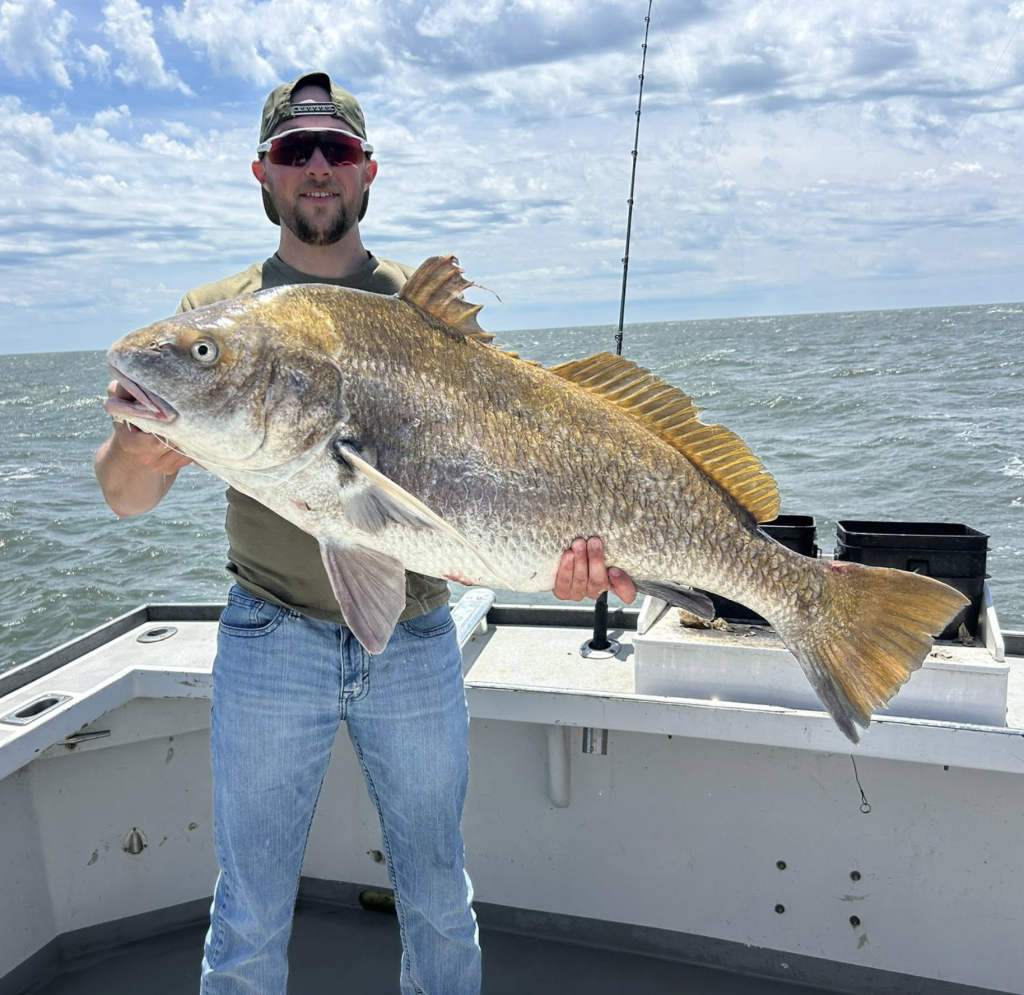
Delaware Bay represents one of the most significant and underrated fisheries on the entire Jersey Shore, and the fact that it sits on the opposite side of the state from the more famous Atlantic beaches keeps it from getting the attention it deserves. Striped bass, weakfish, and one of the most important blue crab fisheries on the East Coast all exist in this estuary, alongside a spring horseshoe crab spawning event that draws naturalists from around the world.
The striped bass fishing in Delaware Bay during the spring migration is genuinely excellent, with fish moving through the bay in numbers that support both shore and boat fishing across the bay’s tributaries and the bay itself. Weakfish, once one of New Jersey’s most important inshore species before population declines in recent decades, still show up in Delaware Bay in numbers that give dedicated anglers a shot at a species that’s become harder to find elsewhere on the coast.
The Maurice River and Cohansey River, both tributaries feeding into Delaware Bay, provide brackish and tidal freshwater fishing that connects to the bay’s larger ecosystem and offers striped bass, white perch, and catfish in a setting most New Jersey anglers have never explored.
🎣 What You’ll Catch
- Striped Bass ⭐⭐⭐⭐⭐
- Weakfish ⭐⭐⭐⭐
- White Perch ⭐⭐⭐⭐
- Blue Crab (not a fish, but worth knowing about) ⭐⭐⭐⭐⭐
📅 Best Time To Fish
- Spring: Excellent (the striped bass migration through the bay is the signature event)
- Summer: Good (weakfish and white perch carry the season)
- Fall: Excellent (striped bass again as fish move back through)
🏆 Trophy Potential – 8/10 (An underrated striped bass fishery that most New Jersey anglers overlook entirely in favor of the Atlantic side.)
4. Round Valley Reservoir (Second Look: The Deep-Water Specialist Fishery)
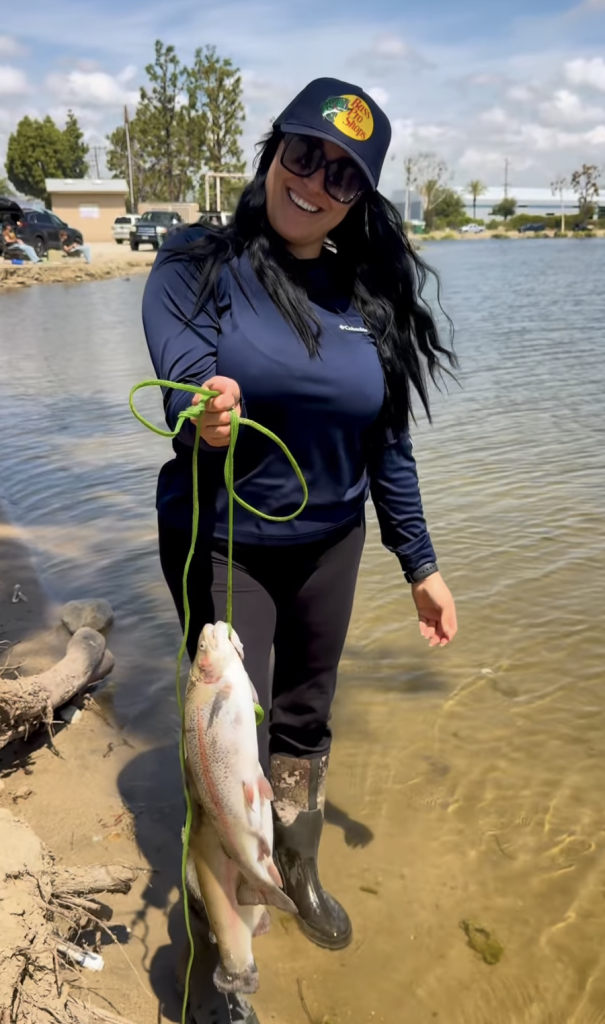
Round Valley earned its individual entry at #17 for the basics, but it deserves a second mention near the top of this list because the specific skill and reward combination it offers doesn’t exist anywhere else in New Jersey. This is the lake where serious trout anglers in New Jersey go to test themselves against fish that have grown large in genuinely wild conditions for a heavily populated state.
The lake trout here are not stocked-and-caught-quickly fish. They’re a population that’s established itself in 180 feet of clear, cold water and grown over years into the kind of fish that show up in state record conversations. Deep trolling with downriggers, understanding thermocline depths through the season, and reading the kind of structure that exists at 80, 100, and 120 feet down are skills that Round Valley specifically demands and rewards.
For New Jersey anglers who want to develop genuine deep-water trout fishing skills without traveling to the Adirondacks or New England, Round Valley is the place to do it. The learning curve is real, but the fish are there for anglers who put in the time.
🎣 What You’ll Catch
- Lake Trout (trophy class) ⭐⭐⭐⭐⭐
- Brown Trout (trophy class) ⭐⭐⭐⭐⭐
- Rainbow Trout ⭐⭐⭐⭐
- Smallmouth Bass ⭐⭐⭐
📅 Best Time To Fish
- Spring: Excellent (trout accessible at shallower depths before stratification)
- Summer: Good (deep trolling required, but lake trout remain catchable for those with the right gear)
- Fall: Excellent (the best window for trophy browns as they move shallower)
🏆 Trophy Potential – 9/10 (The deepest, clearest trophy trout water in New Jersey, full stop.)
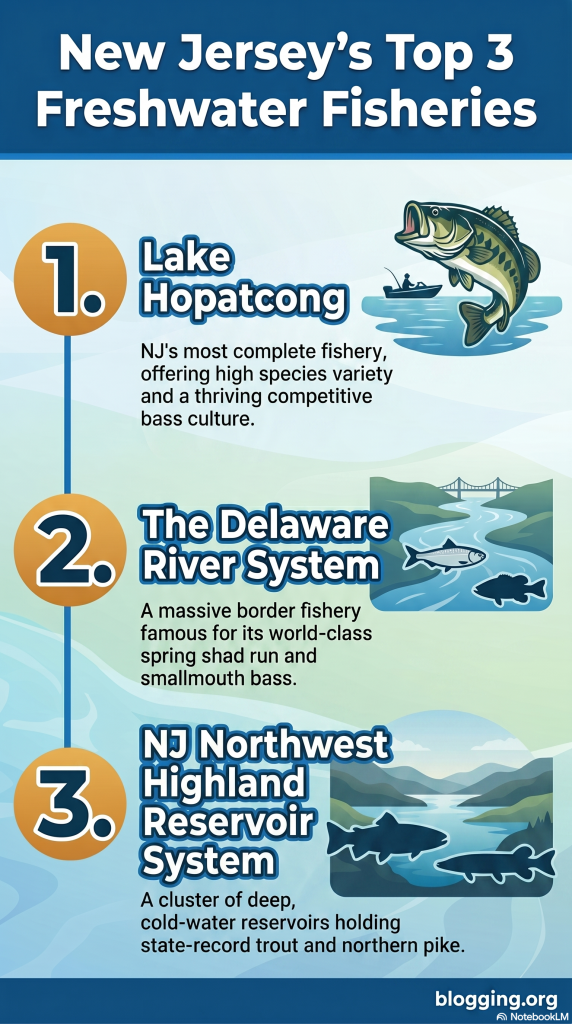
3. Lake Hopatcong (Second Look: The Complete New Jersey Fishery)
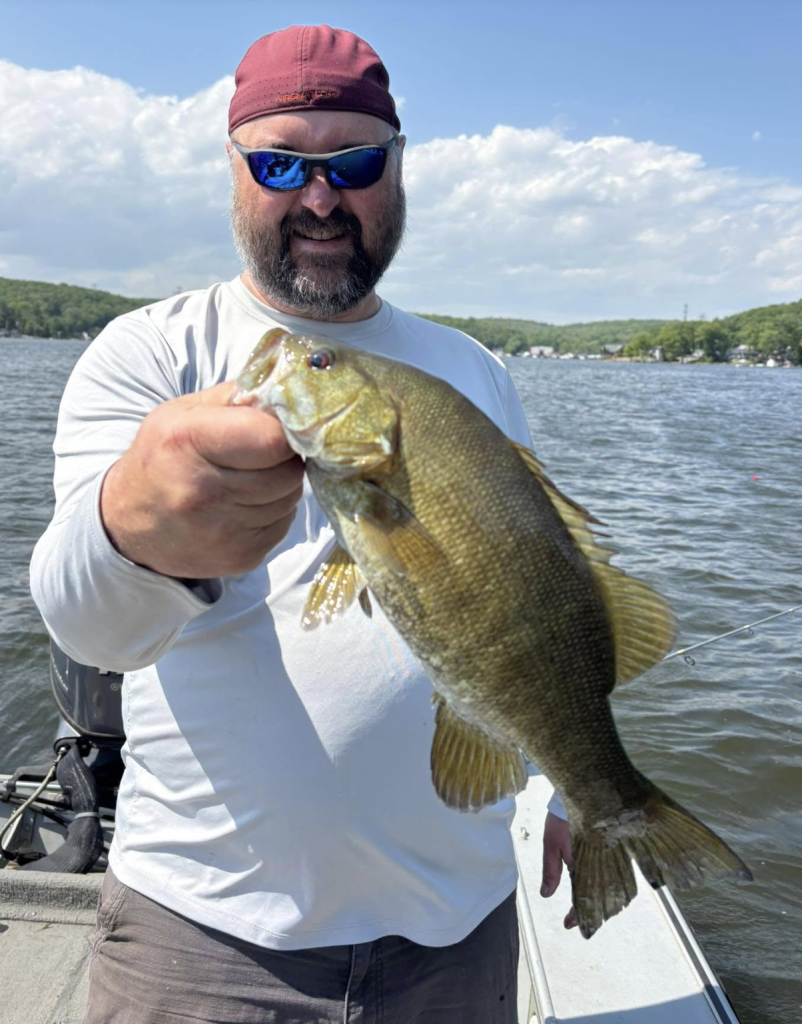
Lake Hopatcong’s individual entry at #16 covered the basics, but the case for ranking it this high is about what the lake represents for New Jersey fishing as a whole. No other single body of water in the state offers this combination of size, species variety, access, and historical fishing culture.
The Lake Hopatcong Foundation and the fishing community around the lake have maintained a level of stewardship and stocking advocacy that has kept the fishery strong despite the lake’s age and the development pressure around it. Walleye stocking programs specifically have made Hopatcong one of the more reliable walleye fisheries in the state, which is genuinely unusual for a lake this developed and this close to major population centers.
The bass tournaments held on Hopatcong throughout the season reflect a competitive fishing culture that few other New Jersey lakes can match, and the fact that a largemouth bass tournament, a walleye trip, and a pickerel outing for kids can all happen successfully on the same lake in the same week says something about what Hopatcong actually offers.
🎣 What You’ll Catch
- Largemouth and Smallmouth Bass ⭐⭐⭐⭐⭐
- Walleye ⭐⭐⭐⭐⭐
- Northern Pike ⭐⭐⭐⭐
- Yellow Perch and Crappie ⭐⭐⭐⭐
📅 Best Time To Fish
- Spring: Excellent (bass spawning across dozens of coves and points)
- Summer: Good (early mornings for bass, deeper structure for walleye and pike)
- Fall: Excellent (everything feeds aggressively as water cools)
🏆 Trophy Potential – 8/10 (The most complete fishery in New Jersey, with genuine trophy potential in multiple species simultaneously.)
2. The Delaware River System (Full New Jersey Length)
The Delaware River’s individual entry at #15 covered the Water Gap section specifically, but the river’s full length along New Jersey’s western border represents one of the most significant fisheries on the East Coast, and treating it as a single regional entry does more justice to what it actually is.
From the upper sections near the Water Gap with their world-class smallmouth bass, down through the middle river with its walleye and catfish, to the tidal sections near Trenton and beyond where striped bass move in seasonally and the river transitions toward its bay, the Delaware represents nearly the entire length of New Jersey’s western edge as a connected fishery. The spring shad run that moves up the entire river is one of the most significant annual fish migrations on the Atlantic coast, and New Jersey anglers along the length of the river participate in a tradition that goes back generations.
Multi-state regulations apply throughout, since Pennsylvania borders the river for its entire New Jersey length and New York and Delaware both border sections as well. The river’s role as a drinking water source for millions of people in the watershed has driven decades of water quality improvement that has directly benefited the fishery, making the modern Delaware a genuinely different and better river than it was decades ago.
🎣 What You’ll Catch
- Smallmouth Bass ⭐⭐⭐⭐⭐
- American Shad (spring run) ⭐⭐⭐⭐⭐
- Walleye ⭐⭐⭐⭐
- Striped Bass (lower tidal sections) ⭐⭐⭐⭐
📅 Best Time To Fish
- Spring: Excellent (the shad run is one of the best annual events on the East Coast)
- Summer: Excellent (smallmouth at peak activity in clear, lower water)
- Fall: Excellent (smallmouth still strong, striped bass moving into tidal sections)
🏆 Trophy Potential – 9/10 (One of the most significant rivers on the East Coast, with a fishery to match its scale.)
1. New Jersey’s Northwest Highland Reservoir System (Round Valley, Merrill Creek, Spruce Run, and Lake Hopatcong)
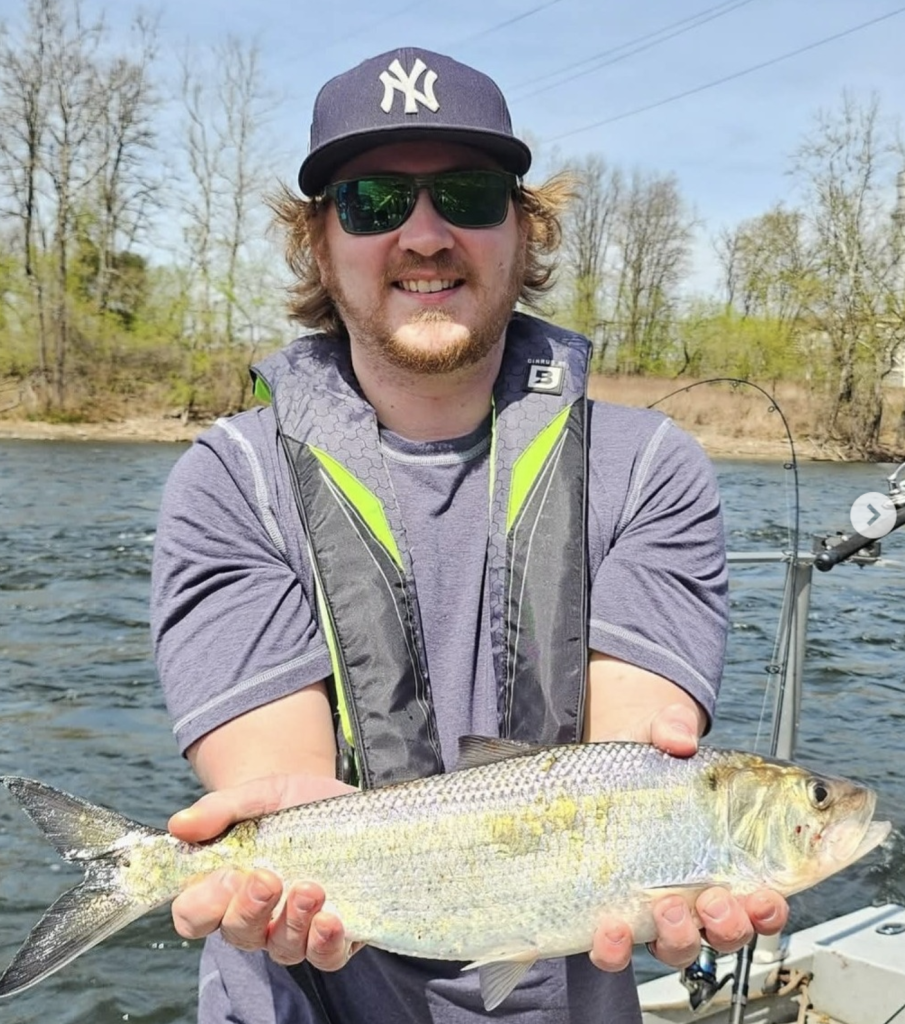
The top of this list belongs to the cluster of reservoirs in New Jersey’s northwest highlands rather than any single body of water, because together they represent something that doesn’t exist anywhere else in this part of the country: a concentration of deep, clear, cold-water reservoirs holding trophy-class trout, lake trout, walleye, and northern pike, all within an hour or two of one of the most densely populated regions in the United States.
Round Valley’s 180 feet of clear water and state record lake trout and brown trout. Merrill Creek’s holdover brown trout fishery maintained through careful access management. Spruce Run’s state record northern pike and consistently strong walleye population. Lake Hopatcong’s combination of size, variety, and fishing culture that makes it the most complete single fishery in the state. Together, these four reservoirs within a relatively short drive of each other give New Jersey anglers access to a week of genuinely different, genuinely excellent fishing without leaving Hunterdon, Morris, and Sussex counties.
What makes this exceptional: Most states with fisheries this good have them in remote areas that require significant travel. New Jersey’s highland reservoir system sits within an hour of New York City and Philadelphia, both among the largest metropolitan areas in the country, and yet the fishing quality rivals destinations that most people would expect to require a much longer drive.
The honest complication: Access restrictions, particularly the electric-motor-only and shore-fishing-focused rules at Round Valley and Merrill Creek, mean this isn’t fishing the way most people picture lake fishing with a powerboat and a livewell. The restrictions are also exactly why the fisheries have stayed this good. Trade-offs that feel limiting in the moment are the reason the fish are still there to catch.
If you fish one region of New Jersey seriously, make it this one. The variety across these four reservoirs, from 180-foot-deep trophy lake trout water to a state-record pike lake to the most species-diverse lake in New Jersey, represents the best the state has to offer in a geographic area small enough to explore thoroughly over a single season.
🎣 What You’ll Catch
- Lake Trout (Round Valley) ⭐⭐⭐⭐⭐
- Brown Trout (Round Valley and Merrill Creek) ⭐⭐⭐⭐⭐
- Northern Pike (Spruce Run) ⭐⭐⭐⭐⭐
- Largemouth and Smallmouth Bass (Hopatcong) ⭐⭐⭐⭐⭐
- Walleye (Spruce Run and Hopatcong) ⭐⭐⭐⭐
📅 Best Time To Fish
- Spring: Excellent (trout, pike, and bass all active across the system simultaneously)
- Summer: Good (deep trolling required at Round Valley and Merrill Creek, surface fishing remains strong at Hopatcong and Spruce Run)
- Fall: Excellent (the best overall window across all four reservoirs as everything feeds before winter)
🏆 Trophy Potential – 9/10 (State record potential across multiple species within a single region, accessible from two of the largest cities in America.)
New Jersey Has Some of the Best Fishing Spots in the USA!
New Jersey fishing rewards anglers who look past the state’s reputation and pay attention to what’s actually here. The northwest highlands hold some of the clearest, deepest, most productive trout and predator water on the East Coast. The Delaware River is a world-class smallmouth fishery hiding in plain sight along the state’s western border. And the transition zones where fresh water meets the bay and the ocean, from the Manasquan to Delaware Bay, hold striped bass and white perch fisheries that most freshwater anglers never discover.
Check current regulations in the NJDEP 2026 Fishing Digest before every trip. Trout stamp requirements, saltwater registry rules for striped bass, and access restrictions at the highland reservoirs all catch anglers off guard regularly. The NJDEP Places to Fish guide is worth bookmarking for planning any New Jersey trip.
The fishing here is better than its reputation. Most people just haven’t looked past the turnpike.