
The 21 Best Fishing Lakes and Rivers in Minnesota

This post may contain affiliate links. We may earn a commission at no extra cost to you. See our full disclosure.
Minnesota takes its fishing seriously, and why shouldn’t it, with its 11,842 lakes. With its status as the state with the most lakes, Minnesota is built to be a fishing destination. The fishing here is world class and continues to draw anglers from all over the world from spring to the end of the ice season.
Part of the reason anglers flock here is because of Lake of the Woods, which covers over a million acres and is called the Walleye Capital of the World for good reason. Year after year anglers catch trophy walleye at this North American fishing destination. If that isn’t enough, this massive lake has trophy pike to boot and the NW Angle is one of the most unique fishing destinations in the entire country.

It’s a well known fact that Mille Lacs Lake has some of the best walleye fishing in the entire Midwest. Being the second largest lake in the state at 132,000 acres, the other species here don’t always get the attention they deserve. In addition to walleye, anglers can find great muskellunge, pike, and smallmouth bass. The ice fishing also draws a crowd that comes to get a slice of this angler’s paradise.
Leech Lake at 112,000 acres is the multi-species destination that serious Minnesota anglers talk about. Anglers here can catch great walleye, pike, largemouth bass, muskies, burbot, and more. Portage Bay and Sucker Bay in the fall are a true muskie destination that anglers at Leech Lake flock to.
Located on the Iron Range, Lake Vermilion is 40,000 acres of boulder littered water loaded with 365 islands and one of the best combinations of walleye and muskellunge fishing in the state. The scenery alone is worth the drive. This guide covers all of it and more.
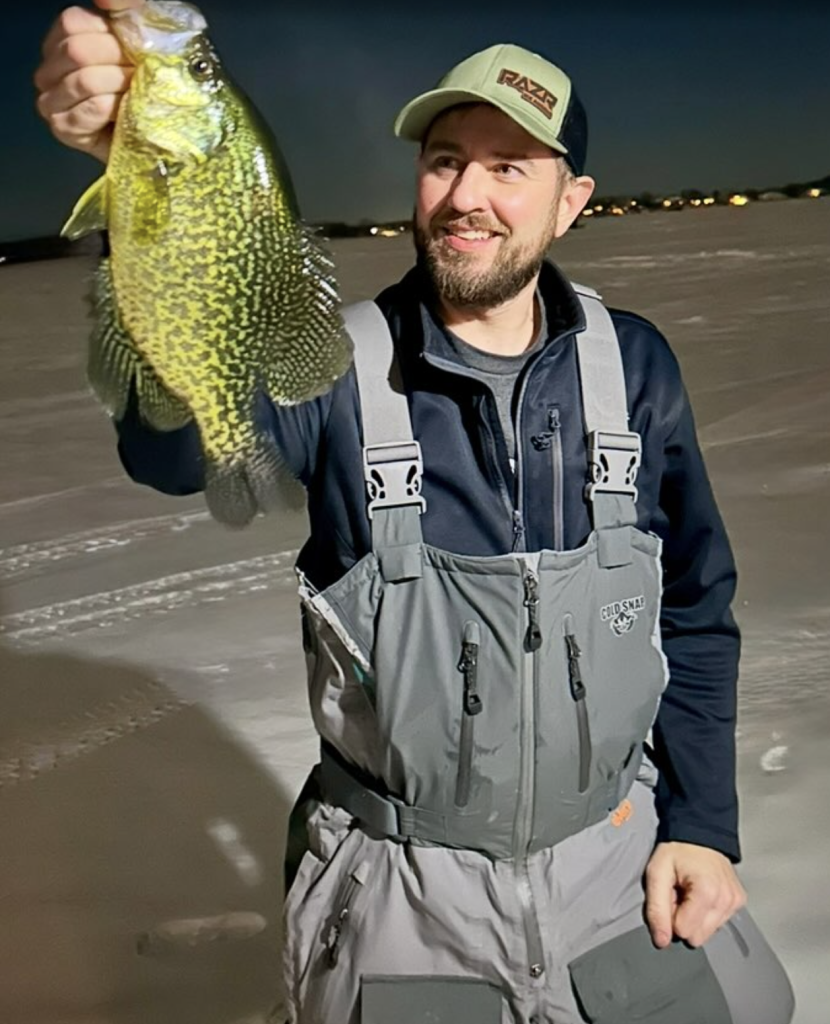
21. Lake Minnetonka (Hennepin County)
Lake Minnetonka sits in the western Twin Cities suburbs and covers roughly 14,000 acres across more than a hundred miles of shoreline, which makes it one of the largest lakes this close to a major metro area anywhere in the country. Largemouth and smallmouth bass, walleye, muskellunge, and panfish all inhabit the lake’s many bays and channels, and the sheer size of Minnetonka means there’s always somewhere fishable regardless of wind or weather.
The muskie fishing here is a genuine surprise to anglers who don’t expect a suburban lake to hold a serious muskie population, but Minnetonka has produced fish in the 45 to 50 inch range with enough regularity that dedicated muskie anglers treat it as a legitimate destination rather than an afterthought. The bass fishing across the lake’s many bays is consistently good, particularly in the quieter bays away from the main recreational traffic.
The honest limitation is the boat traffic. Minnetonka is one of the most heavily used recreational lakes in the state, and summer weekends bring out enough pleasure boats that serious fishing requires either early mornings, weekdays, or a willingness to work around the chaos.
🎣 What You’ll Catch
- Muskellunge ⭐⭐⭐⭐
- Largemouth and Smallmouth Bass ⭐⭐⭐⭐
- Walleye ⭐⭐⭐
- Bluegill and Crappie ⭐⭐⭐⭐
📅 Best Time To Fish
- Spring: Excellent (bass spawning across the many bays)
- Summer: Good (early mornings before recreational traffic builds)
- Fall: Excellent (muskie and bass both feeding aggressively before winter)
🏆 Trophy Potential – 7/10 (A legitimate muskie lake hiding in plain sight in the Twin Cities suburbs.)
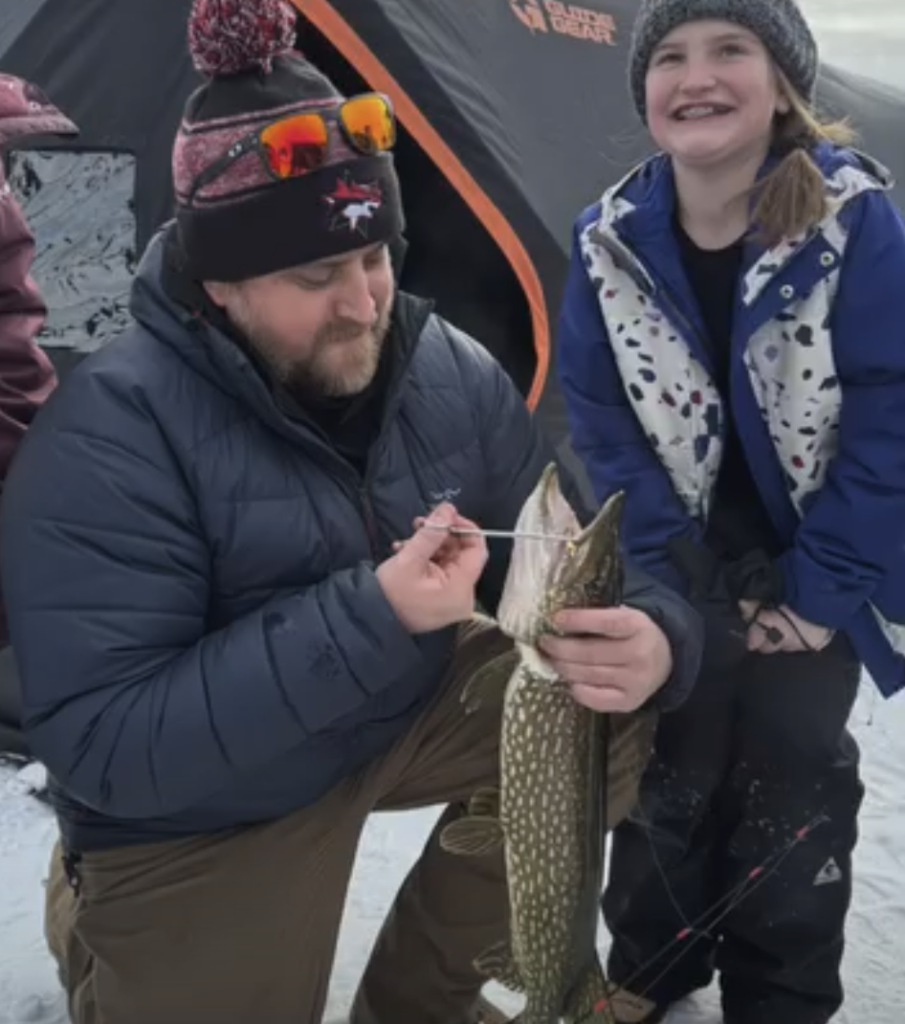
20. White Bear Lake (Ramsey and Washington Counties)
White Bear Lake sits just northeast of St. Paul and covers about 2,400 acres of water that produces walleye, largemouth bass, and panfish in a setting that’s been a Twin Cities fishing destination for generations. The lake has faced well-documented water level challenges over the past couple of decades tied to groundwater use in the surrounding area, and those fluctuations have affected both the fishery and the shoreline access at various points.
When water levels are healthy, the walleye fishing here is solid, particularly in spring before the lake warms and during the fall turnover period. Largemouth bass in the weedier bays and panfish throughout the lake provide consistent action for anglers who don’t have time for a longer drive.
The proximity to St. Paul means this is a convenience pick more than a destination pick, but for Twin Cities anglers who want a productive evening on the water without a long drive, White Bear delivers.
🎣 What You’ll Catch
- Walleye ⭐⭐⭐
- Largemouth Bass ⭐⭐⭐⭐
- Bluegill and Crappie ⭐⭐⭐⭐
- Northern Pike ⭐⭐⭐
📅 Best Time To Fish
- Spring: Excellent (walleye and bass both active in shallower water)
- Summer: Good (panfish carry the action through the heat)
- Fall: Excellent (walleye fishing picks up again during turnover)
🏆 Trophy Potential – 6/10 (A convenient metro lake rather than a trophy destination, with fishing quality tied to water level conditions.)
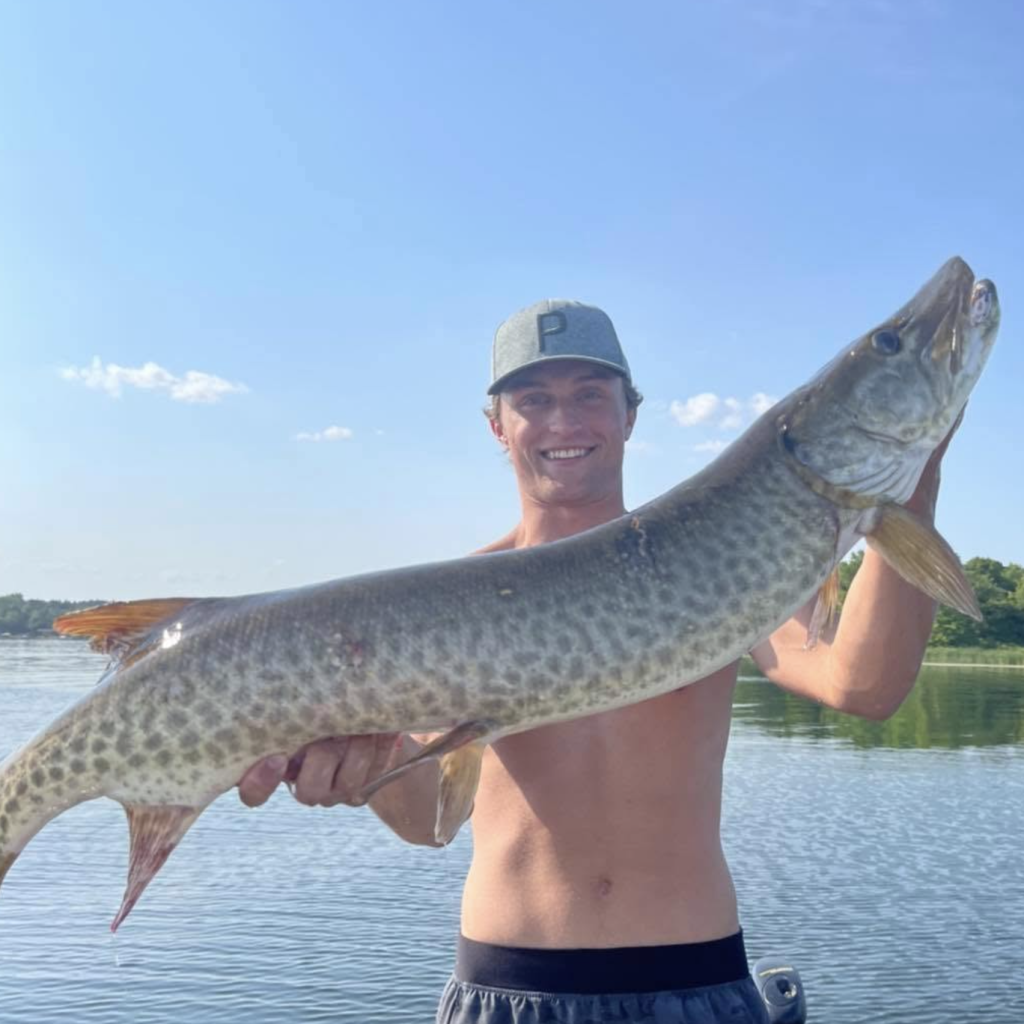
19. Pelican Lake (Crow Wing County)
Pelican Lake near Brainerd is a roughly 7,800-acre lake that produces excellent walleye and muskellunge fishing in the heart of Minnesota’s lake country resort region. The lake has a strong panfish population as well, and the combination of species variety with the well-developed resort infrastructure around Brainerd makes it a practical choice for visiting anglers and families.
The muskie population here has been actively managed and has developed a following among anglers who specifically target the species in this part of the state. Walleye fishing benefits from the lake’s structure of points, bars, and weed edges that hold fish predictably through the season.
The Brainerd lakes area as a whole is one of the most resort-developed parts of Minnesota, which means Pelican Lake sees consistent recreational pressure throughout summer. The fishing holds up despite that pressure, particularly for anglers willing to fish early or late in the day.
🎣 What You’ll Catch
- Walleye ⭐⭐⭐⭐
- Muskellunge ⭐⭐⭐⭐
- Bluegill and Crappie ⭐⭐⭐⭐
- Largemouth Bass ⭐⭐⭐
📅 Best Time To Fish
- Spring: Excellent (walleye active on points and bars)
- Summer: Good (early mornings before recreational traffic)
- Fall: Excellent (muskie and walleye both feeding before winter)
🏆 Trophy Potential – 7/10 (Solid walleye and muskie fishing in a well-developed resort setting.)
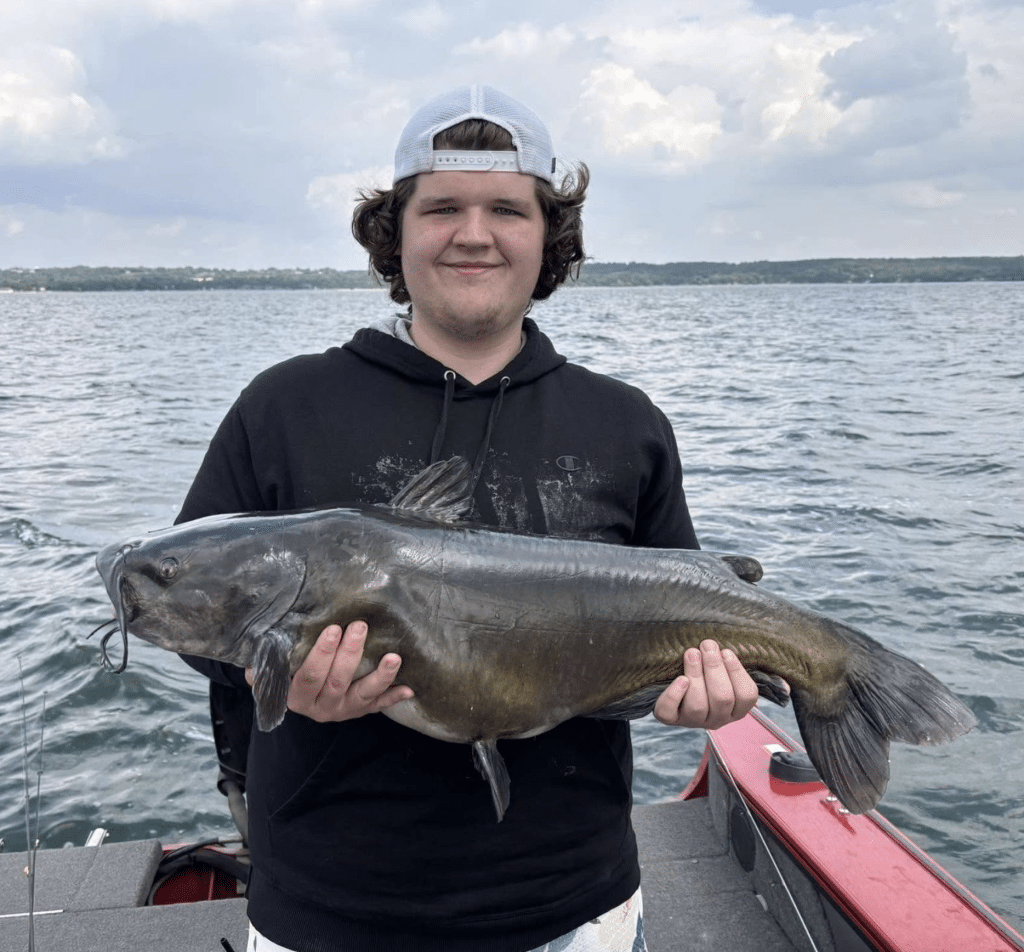
18. Lake Minnewaska (Pope County)
Lake Minnewaska in west-central Minnesota covers roughly 6,500 acres and produces walleye, largemouth bass, and panfish in one of the larger lakes in the western part of the state. The lake’s location away from the more famous lake country regions of central and northern Minnesota means it sees less pressure relative to its size and fish quality.
Walleye fishing on Minnewaska benefits from the lake’s depth variation and structure, and the population has historically produced fish that average well for a west-central Minnesota lake. The town of Glenwood on the lake’s shore provides access and basic services without the resort-heavy development of the Brainerd area.
For anglers in western Minnesota or the Dakotas who don’t want to make the longer drive to the central lakes region, Minnewaska offers comparable walleye fishing considerably closer to home.
🎣 What You’ll Catch
- Walleye ⭐⭐⭐⭐
- Largemouth Bass ⭐⭐⭐
- Bluegill and Crappie ⭐⭐⭐⭐
- Northern Pike ⭐⭐⭐
📅 Best Time To Fish
- Spring: Excellent (walleye active in shallower structure)
- Summer: Good (deeper structure holds fish through the heat)
- Fall: Excellent (walleye fishing improves again as water cools)
🏆 Trophy Potential – 6/10 (Solid western Minnesota walleye fishing with considerably less pressure than the central lakes region.)
17. Otter Tail Lake (Otter Tail County)
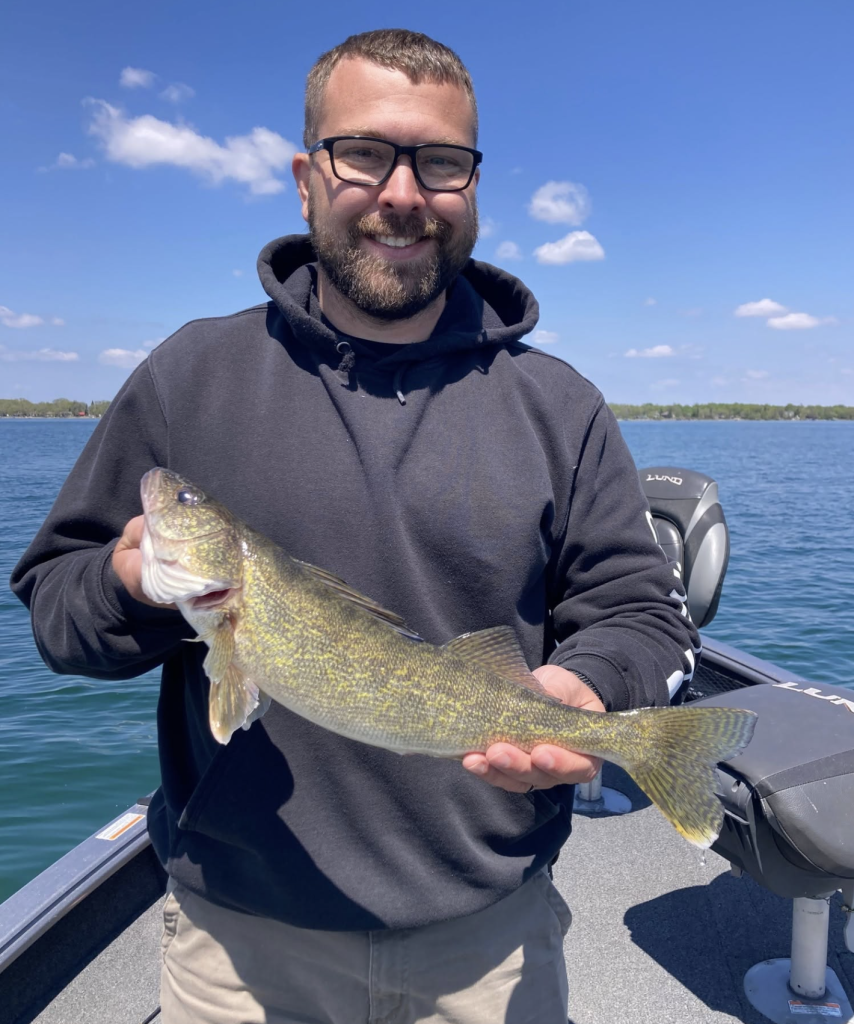
Otter Tail Lake covers roughly 13,000 acres in west-central Minnesota and produces walleye, muskellunge, and smallmouth bass in a large, clear lake that’s become one of the more significant fisheries in this part of the state. The lake’s size and depth variation give it more structure diversity than most lakes in the immediate region, and that diversity supports a genuinely multi-species fishery.
The smallmouth bass population here is a specific strength that surprises anglers who associate the species with rockier lakes further north and east. Walleye fishing benefits from consistent stocking and natural reproduction both, and the muskie population, while not as famous as the north-central Minnesota muskie lakes, produces legitimate fish for anglers willing to put in the time.
Otter Tail County as a whole holds dozens of lakes, and Otter Tail Lake itself is the anchor for a region that west-central Minnesota anglers know well but that doesn’t get the statewide attention of the Brainerd or Park Rapids areas.
🎣 What You’ll Catch
- Walleye ⭐⭐⭐⭐
- Muskellunge ⭐⭐⭐
- Smallmouth Bass ⭐⭐⭐⭐
- Largemouth Bass ⭐⭐⭐
📅 Best Time To Fish
- Spring: Excellent (walleye and smallmouth both active)
- Summer: Good (deeper structure for walleye, rocky areas for smallmouth)
- Fall: Excellent (muskie and walleye both feeding before winter)
🏆 Trophy Potential – 7/10 (An underrated multi-species lake in a region that doesn’t get the statewide attention it deserves.)


16. Vermilion Lake (St. Louis and Lake Counties)
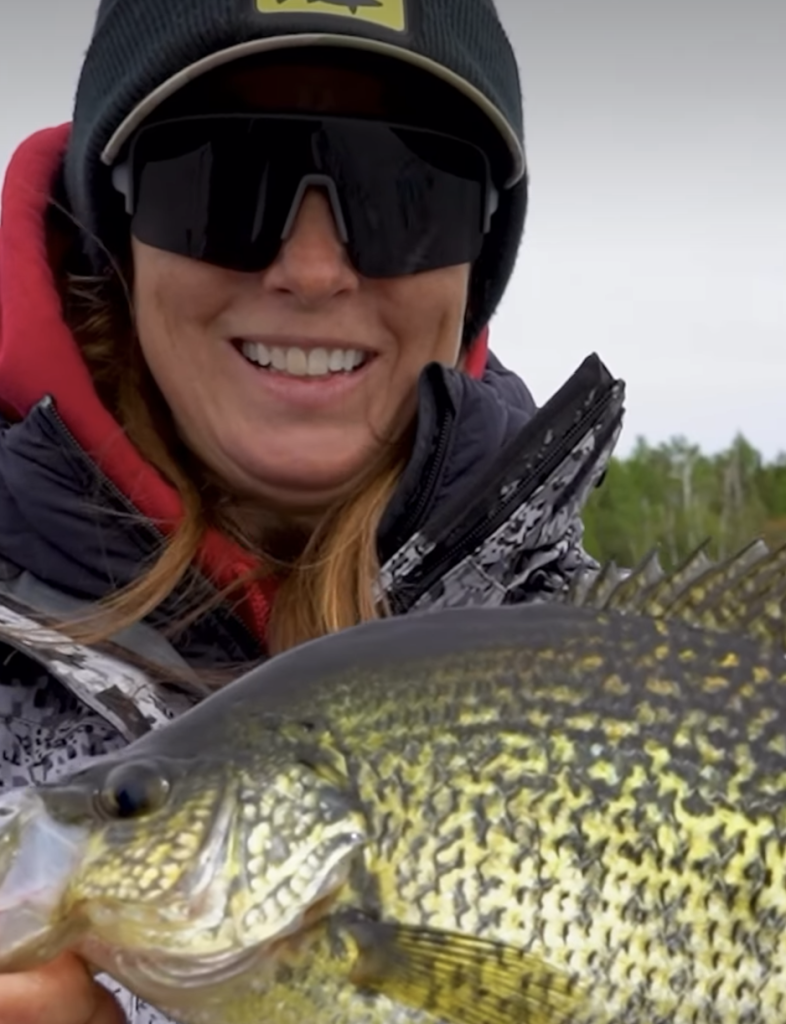
Lake Vermilion covers roughly 40,000 acres in northeastern Minnesota and produces some of the best walleye fishing in the entire state, along with muskellunge, northern pike, and smallmouth bass in a setting that genuinely feels like the edge of the wilderness even though the lake has a well-developed resort infrastructure along parts of its shoreline.
The walleye population at Vermilion has been managed carefully for decades and the lake consistently produces fish across a range of sizes, with trophy fish in the 27-inch-plus range a realistic target for anglers who know the structure. The muskie fishing has grown in reputation over the past couple of decades as the population has matured, and Vermilion now competes with the more traditionally famous muskie lakes for serious species hunters.
The lake’s massive size, with hundreds of islands and an enormously complex shoreline, means a guide or significant local knowledge makes a real difference on a first visit. Vermilion State Park on the lake’s shore provides public access and camping that makes multi-day trips practical.
🎣 What You’ll Catch
- Walleye ⭐⭐⭐⭐⭐
- Muskellunge ⭐⭐⭐⭐
- Northern Pike ⭐⭐⭐⭐
- Smallmouth Bass ⭐⭐⭐⭐
📅 Best Time To Fish
- Spring: Excellent (walleye active on the extensive shallow structure)
- Summer: Good (deeper structure and the lake’s many islands hold fish)
- Fall: Excellent (muskie and walleye both feeding aggressively before ice)
🏆 Trophy Potential – 9/10 (One of the best all-around walleye and muskie lakes in the state, with a wilderness feel despite the resort access.)
15. Leech Lake (Cass County)
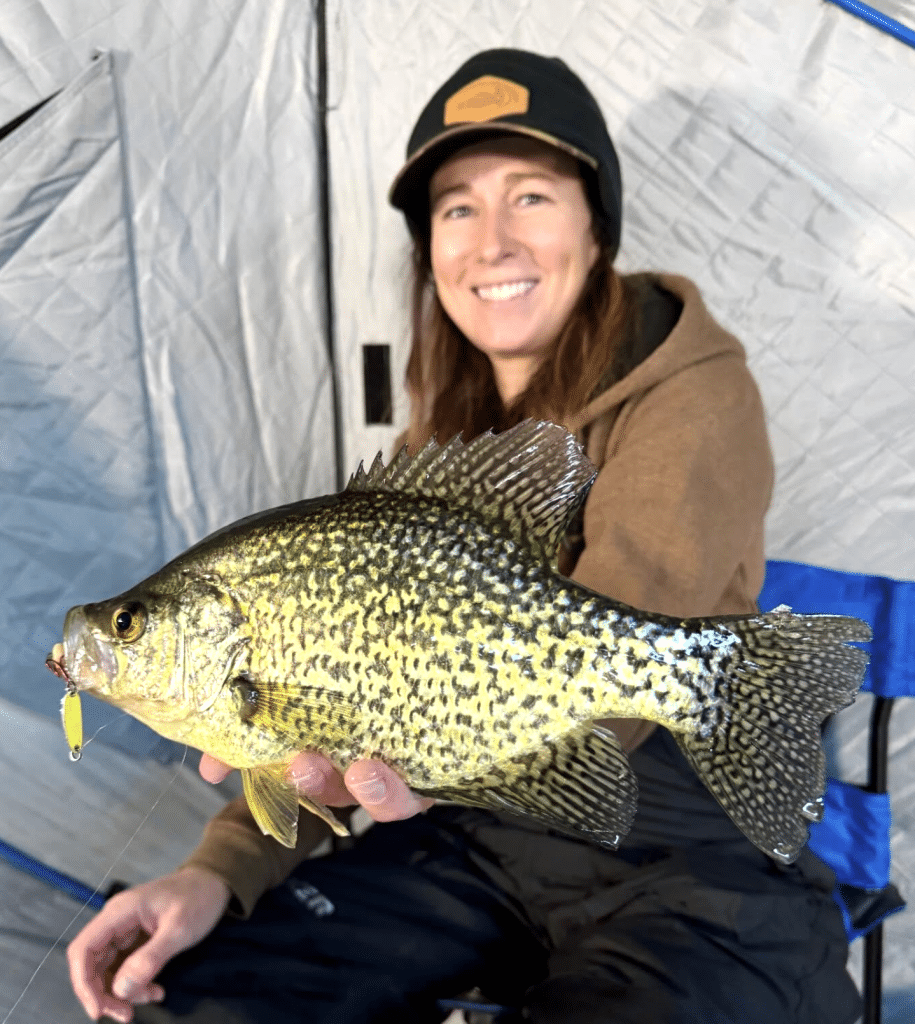
Leech Lake covers roughly 112,000 acres in north-central Minnesota and is one of the largest lakes entirely within the state, second only to Red Lake, producing walleye, muskellunge, smallmouth bass, and northern pike across a fishery with enough scale to support serious exploration over multiple trips. The walleye population at Leech has gone through documented cycles over the decades, including periods of decline tied to changes in the forage base, but active management has kept the fishery productive.
The muskie fishing at Leech Lake has a serious following, with the lake producing fish in the 50-inch class regularly enough that dedicated muskie anglers consider it one of the must-fish lakes in Minnesota. Walleye fishing benefits from the lake’s complex structure of bays, points, and underwater humps, and the smallmouth bass population in the rockier sections adds another genuinely productive species to the mix.
The town of Walker on the lake’s shore provides the primary access point and infrastructure, and the surrounding Chippewa National Forest gives the area a genuinely wild character despite the developed shoreline in places.
🎣 What You’ll Catch
- Walleye ⭐⭐⭐⭐⭐
- Muskellunge ⭐⭐⭐⭐⭐
- Northern Pike ⭐⭐⭐⭐
- Smallmouth Bass ⭐⭐⭐⭐
📅 Best Time To Fish
- Spring: Excellent (walleye active across the extensive shallow bays)
- Summer: Good (deeper structure and humps hold fish through the heat)
- Fall: Excellent (the prime window for trophy muskie as fish feed before ice)
🏆 Trophy Potential – 9/10 (One of Minnesota’s premier muskie lakes, with a walleye fishery that has weathered cycles and remained genuinely productive.)
14. Red Lake (Beltrami and Clearwater Counties)
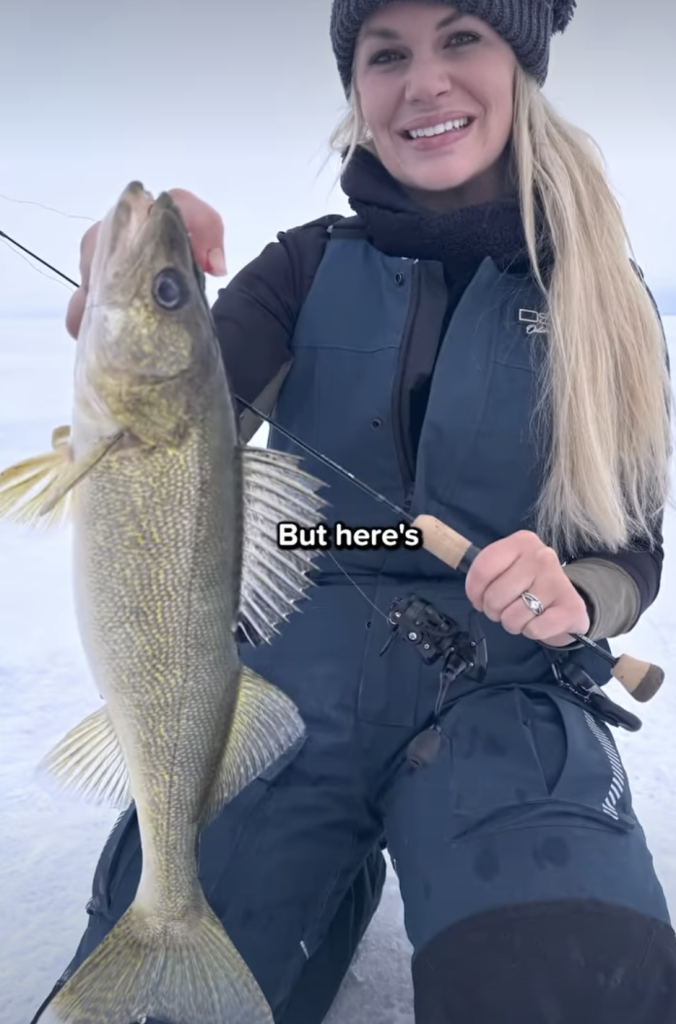
Upper and Lower Red Lake together cover over 288,000 acres in northern Minnesota, making the combined system the largest lake entirely within Minnesota’s borders. The walleye fishery here has one of the most remarkable recovery stories in fisheries management history. The population collapsed in the 1990s due to a combination of overharvest and ecological factors, leading to a complete fishing closure, and the subsequent recovery under a cooperative management plan between the state and the Red Lake Band of Chippewa has restored the lake to one of the best walleye fisheries in the country.
The scale of Red Lake is genuinely difficult to communicate. The lake is shallow relative to its size, which means wind affects fishability significantly, but the walleye population that has rebuilt here produces numbers that rival anything in the state. Much of Lower Red Lake is within the Red Lake Reservation, and anglers need to be aware of the specific access and regulation situation, which involves both Minnesota DNR and tribal management depending on location.
The recovery of Red Lake’s walleye fishery is one of the genuine success stories in American fisheries management, and fishing it today means fishing a population that didn’t exist twenty-five years ago in any meaningful sense.
🎣 What You’ll Catch
- Walleye ⭐⭐⭐⭐⭐
- Yellow Perch ⭐⭐⭐⭐
- Northern Pike ⭐⭐⭐
📅 Best Time To Fish
- Spring: Excellent (walleye active in the shallow, wind-affected water)
- Summer: Good (wind conditions dictate fishable areas more than season)
- Fall: Excellent (walleye fishing remains strong as the lake cools)
🏆 Trophy Potential – 8/10 (One of the great fisheries recovery stories in the country, now producing walleye numbers that rival any lake in the state.)
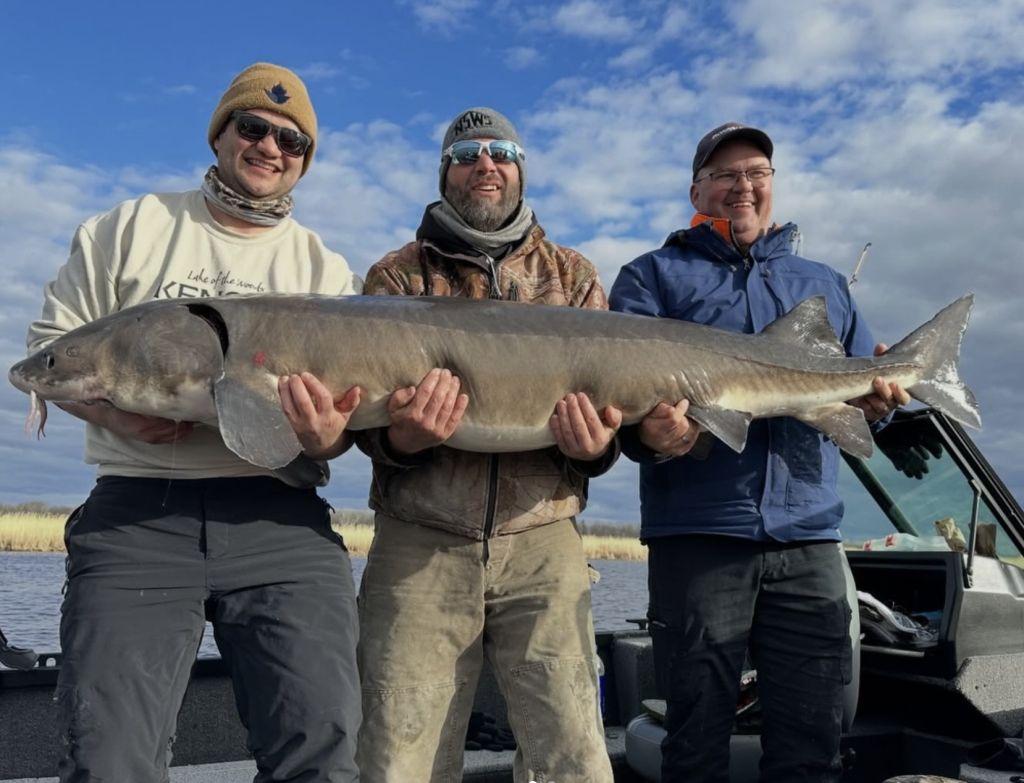
13. Lake of the Woods (Northern Minnesota Border)
Lake of the Woods spans the Minnesota-Ontario-Manitoba border and covers over 1.3 million acres across its full extent, with the Minnesota portion alone holding some of the best walleye fishing anywhere on the continent. Northern pike, smallmouth bass, muskellunge, and yellow perch round out a multi-species fishery that gives anglers options across an enormous amount of water.
While You're Here
69 of the Most Insane Things Found on Facebook Marketplace
Real listings. Real people. Unreal decisions.
The walleye fishing at Lake of the Woods is the draw, and the lake produces numbers and sizes that have made it nationally known among walleye anglers. The Rainy River, which feeds into the lake’s southern end, has its own legendary spring walleye run that draws anglers specifically for the few weeks when fish stack up in the river before the main lake season opens.
The scale and remoteness of Lake of the Woods means resort packages with guide service are the practical approach for most visiting anglers. The town of Baudette on the Minnesota side serves as the primary gateway, and the ice fishing culture here, including heated fish houses towed onto the lake, is as serious as anywhere in the state.
🎣 What You’ll Catch
- Walleye ⭐⭐⭐⭐⭐
- Northern Pike ⭐⭐⭐⭐⭐
- Muskellunge ⭐⭐⭐⭐
- Smallmouth Bass ⭐⭐⭐⭐
📅 Best Time To Fish
- Spring: Excellent (the Rainy River walleye run is one of the best events of the year)
- Summer: Excellent (walleye and pike both productive across the enormous main lake)
- Winter: Excellent (the ice fishing culture here is as serious as anywhere in Minnesota)
🏆 Trophy Potential – 9/10 (Nationally known walleye water with a spring river run that’s become a destination event in itself.)
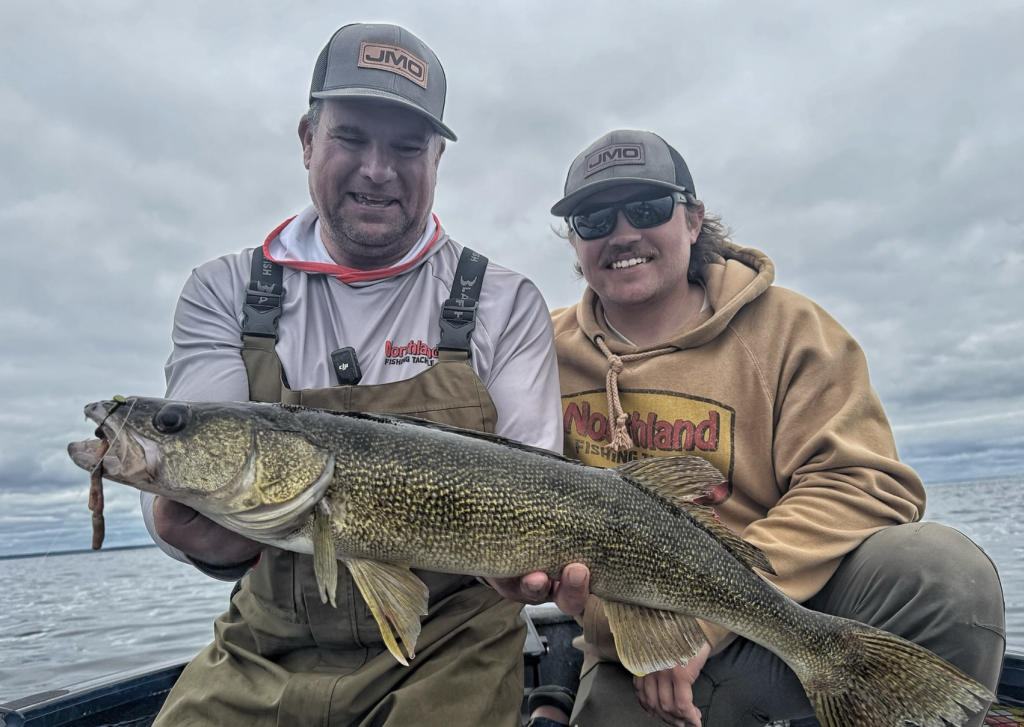
12. Lake Winnibigoshish (Itasca and Cass Counties)
Lake Winnibigoshish, called Lake Winnie by everyone who fishes it, covers roughly 58,000 acres in north-central Minnesota and produces walleye and muskellunge fishing that competes with the more famous lakes in the region without quite the same name recognition outside the state. The lake’s shallow, wind-affected character is similar to Red Lake’s, and conditions can change quickly enough that local knowledge of where to find protected water matters.
The walleye population at Winnie has been strong for decades, and the lake’s structure of underwater humps, points, and the Mississippi River channel running through it, since the Mississippi actually flows through Winnibigoshish, gives anglers specific structure to target rather than just open water. The muskie fishing has developed a following among anglers who specifically work the lake’s deeper structure in fall.
The Mississippi headwaters region surrounding Winnibigoshish gives the area a specific identity, and anglers who fish here are fishing the same river system that eventually becomes the Mississippi River as most of the country knows it, just at a scale that’s hard to reconcile with that fact.
🎣 What You’ll Catch
- Walleye ⭐⭐⭐⭐⭐
- Muskellunge ⭐⭐⭐⭐
- Northern Pike ⭐⭐⭐⭐
- Yellow Perch ⭐⭐⭐
📅 Best Time To Fish
- Spring: Excellent (walleye active on the extensive shallow structure)
- Summer: Good (wind conditions affect which areas are fishable)
- Fall: Excellent (muskie fishing on the deeper structure peaks)
🏆 Trophy Potential – 8/10 (A genuinely excellent walleye and muskie lake that doesn’t get the outside attention its fishing quality deserves.)
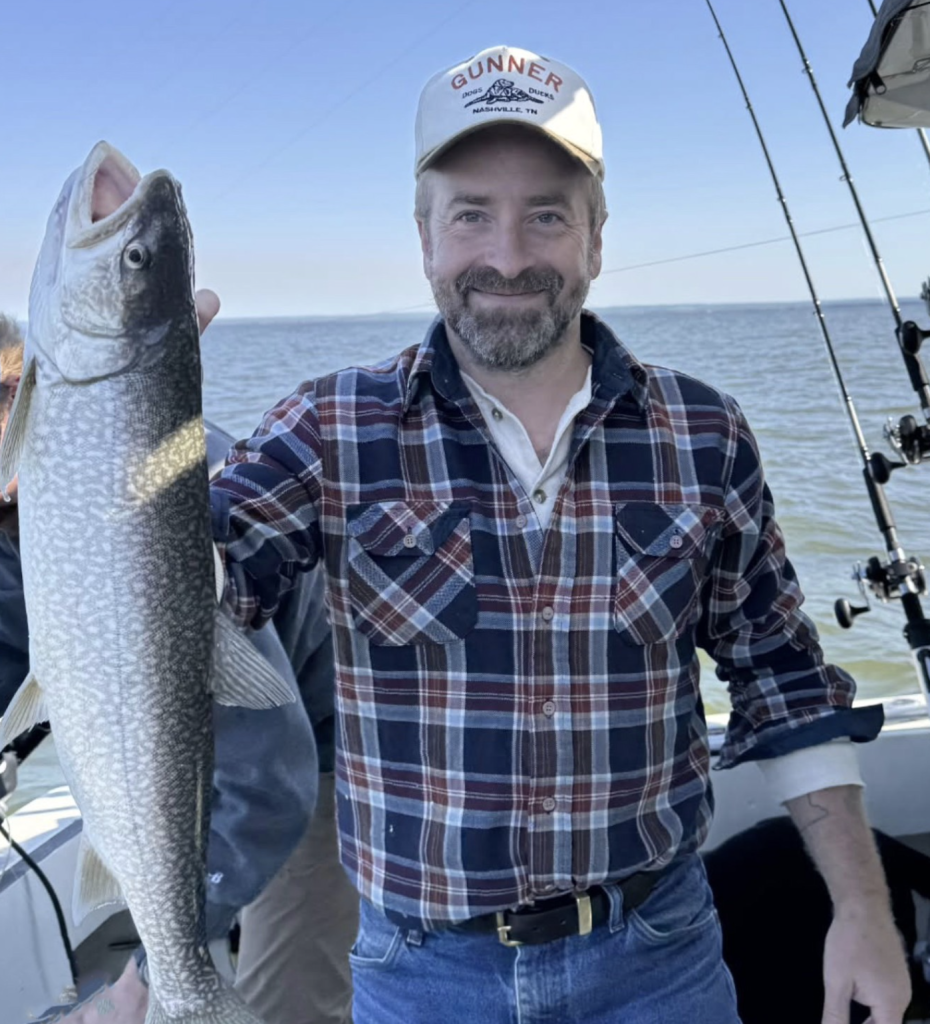
11. Boundary Waters Canoe Area Wilderness (Cook and Lake Counties)
The Boundary Waters Canoe Area Wilderness covers over a million acres along the Minnesota-Ontario border and produces a fishing experience that exists nowhere else in the lower 48 states. Smallmouth bass, walleye, northern pike, and lake trout inhabit the hundreds of interconnected lakes throughout the wilderness, and the fact that motorized access is prohibited in most of the area means the fishing pressure per lake is lower than almost anywhere else in the country.
Smallmouth bass in the Boundary Waters grow in water that has essentially no development pressure, and the lake trout in the deeper, colder lakes produce fish that most Minnesota anglers never specifically pursue because of the effort required to reach them. The experience of paddling into a lake, setting up camp, and having an entire smallmouth or lake trout fishery to yourself for days is unlike anything else available in the eastern half of the country.
Permits are required and quotas limit how many groups can enter through each entry point, which means planning ahead is essential, particularly for the more popular entry points during peak summer season. The portaging required to move between lakes is real physical work, and the wilderness character means self-sufficiency is not optional.
🎣 What You’ll Catch
- Smallmouth Bass ⭐⭐⭐⭐⭐
- Lake Trout ⭐⭐⭐⭐
- Walleye ⭐⭐⭐⭐
- Northern Pike ⭐⭐⭐⭐
📅 Best Time To Fish
- Spring: Excellent (fish active in shallower water before summer heat)
- Summer: Excellent (the primary season for most entry points and trip planning)
- Fall: Excellent (smallmouth and lake trout both feed aggressively before ice, with far fewer people in the wilderness)
🏆 Trophy Potential – 9/10 (A genuinely wilderness fishing experience with smallmouth and lake trout fishing that essentially has no equivalent in the eastern United States.)
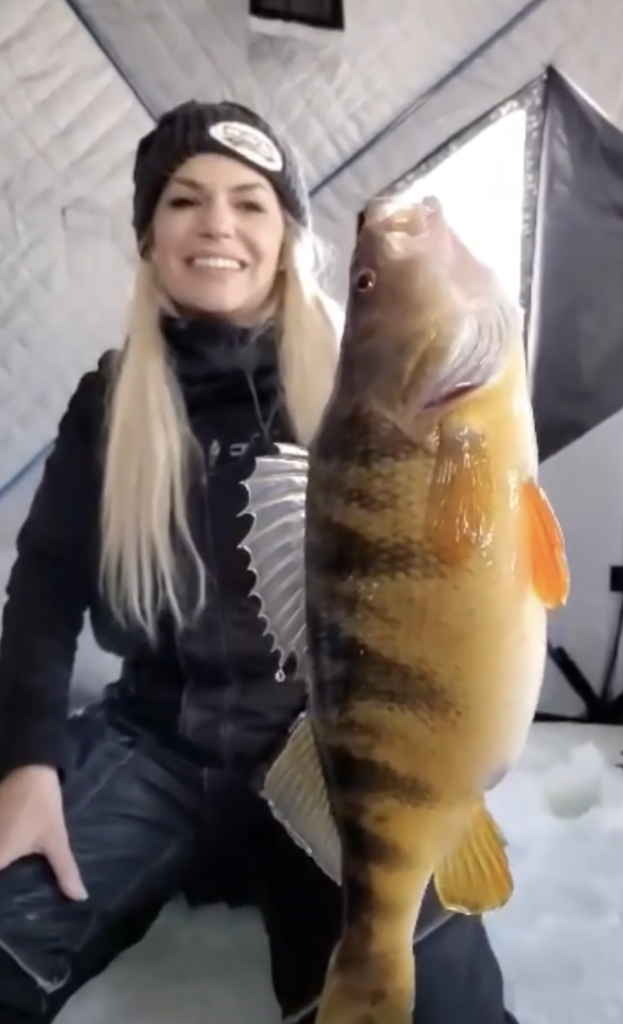
10. Whitefish Chain (Crow Wing County)
The Whitefish Chain near Crosslake in the Brainerd lakes area is a system of fourteen interconnected lakes covering roughly 14,000 acres that represents one of the most popular and most productive multi-species fisheries in the entire Brainerd region. Walleye, muskellunge, largemouth and smallmouth bass, and panfish all inhabit the chain, and the connectivity between the lakes gives anglers an enormous range of structure and habitat within a relatively compact area.
The muskie fishing on the Whitefish Chain has a serious following, and the chain has produced fish in the trophy class with enough regularity that it’s considered one of the better muskie systems in central Minnesota. Walleye fishing benefits from the variety of structure across the connected lakes, and the smallmouth bass population in the rockier sections adds yet another genuinely productive option.
The Brainerd lakes area resort infrastructure is at its most developed around the Whitefish Chain, which means access and lodging are straightforward but also means summer weekend pressure is significant. The chain’s size and connectivity mean there’s almost always somewhere with less pressure if you’re willing to move between lakes.
🎣 What You’ll Catch
- Muskellunge ⭐⭐⭐⭐⭐
- Walleye ⭐⭐⭐⭐
- Largemouth and Smallmouth Bass ⭐⭐⭐⭐
- Bluegill and Crappie ⭐⭐⭐⭐
📅 Best Time To Fish
- Spring: Excellent (bass and walleye both active across the connected system)
- Summer: Good (early mornings before recreational traffic, with options across fourteen lakes)
- Fall: Excellent (the prime muskie window as fish move and feed before ice)
🏆 Trophy Potential – 8/10 (One of the best muskie systems in central Minnesota, with enough connected water to spread out from the Brainerd crowds.)
Reader Favorite
The "Phone Money" Trick Our Readers Keep Writing In About
Every week we get emails asking the same thing: is there a legit way to make extra money without taking on a second job? The answer that keeps coming back from readers is reward apps that pay real cash for things you're probably already doing on your phone, like answering surveys or playing games while the TV is on.
One reader told us she covers most of her monthly streaming bills this way. Another uses his payouts to pad the grocery budget. It won't replace a paycheck, but an extra $50 to $100 a month for downtime you'd spend scrolling anyway is hard to argue with.
- Free $5 signup bonuses just for joining
- Cash out via PayPal, check, or gift card
- No fees, no experience, nothing to buy
We compared the highest-rated options so you don't have to dig: see the best ways to make money from your phone →
We may earn a commission if you sign up through a link on this page.
9. Rainy River (Koochiching County)
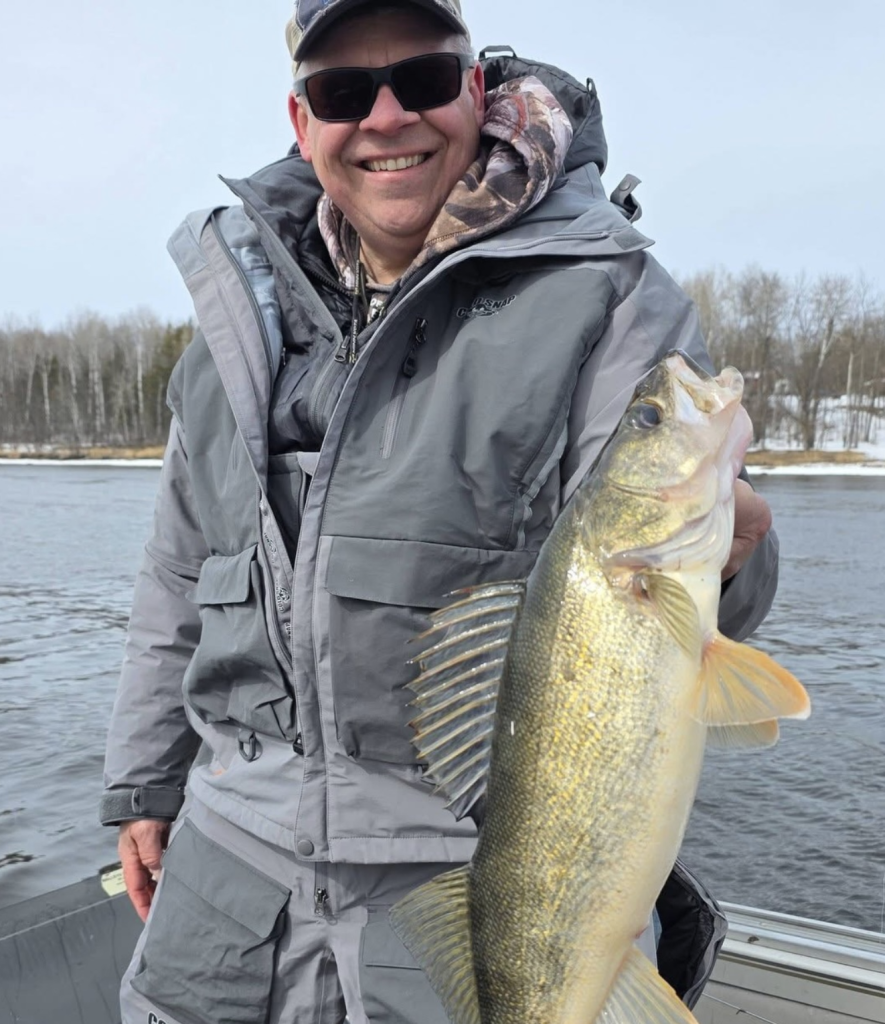
The Rainy River forms part of the Minnesota-Ontario border in far northern Minnesota and produces one of the most anticipated annual fishing events in the state every spring, when walleye and sauger stack up in the river in numbers that draw anglers from across the Midwest for a few intense weeks before the main lake season opens on Lake of the Woods, which the Rainy River feeds.
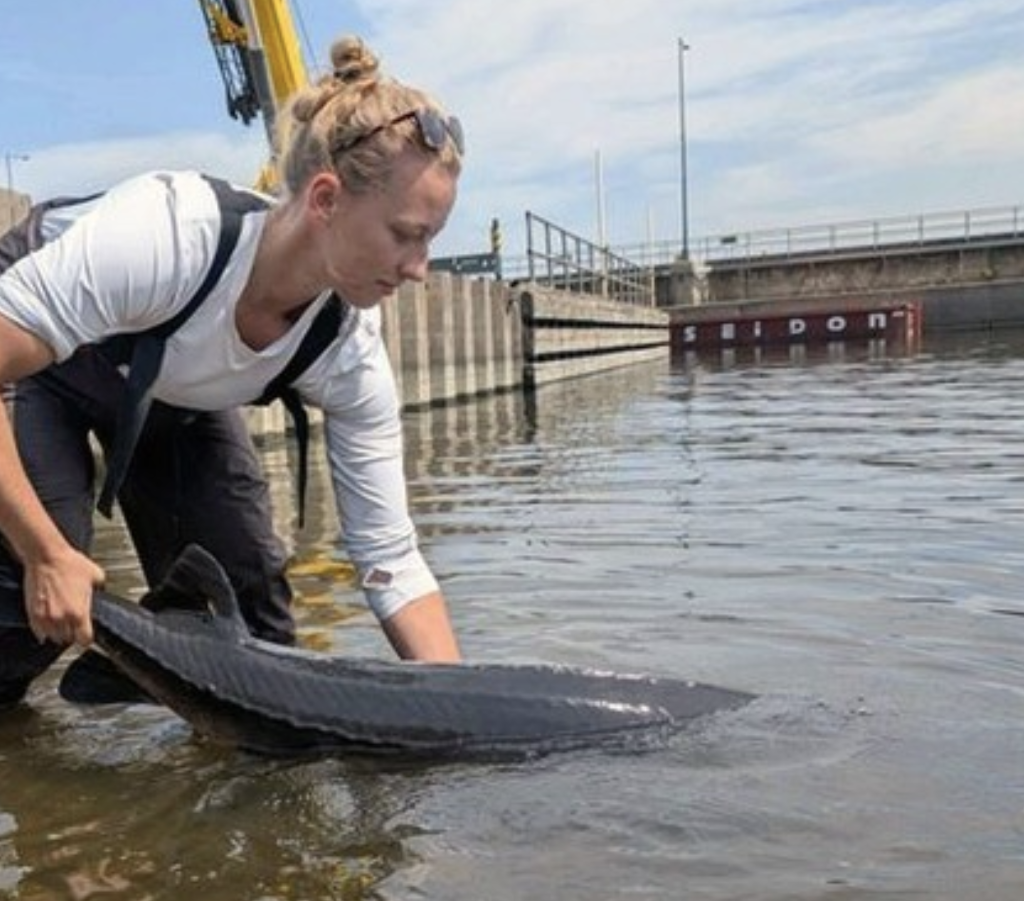
The spring run on the Rainy River is the headline event, but the river holds fish throughout the season for anglers who know where to find them. Sturgeon fishing on the Rainy River has also developed a dedicated following, with the river holding lake sturgeon that can exceed six feet in length, a genuinely prehistoric-feeling fish that most Minnesota anglers have never specifically targeted.
International Falls serves as the primary access point on the Minnesota side, and the river’s connection to Lake of the Woods means many anglers fish both the river and the lake during the same trip, particularly during the spring run when the two fisheries are essentially one continuous system for a few weeks.
🎣 What You’ll Catch
- Walleye ⭐⭐⭐⭐⭐
- Sauger ⭐⭐⭐⭐
- Lake Sturgeon ⭐⭐⭐⭐
- Smallmouth Bass ⭐⭐⭐
📅 Best Time To Fish
- Spring: Excellent (the walleye and sauger run is one of the most anticipated events in Minnesota fishing)
- Summer: Good (sturgeon fishing remains productive throughout the warmer months)
- Fall: Good (walleye fishing holds up as fish move with the season)
🏆 Trophy Potential – 8/10 (The spring run alone makes this a destination, and the sturgeon fishing adds a species most Minnesota anglers have never pursued.)
8. Lake Mille Lacs (Aitkin, Crow Wing, and Mille Lacs Counties)
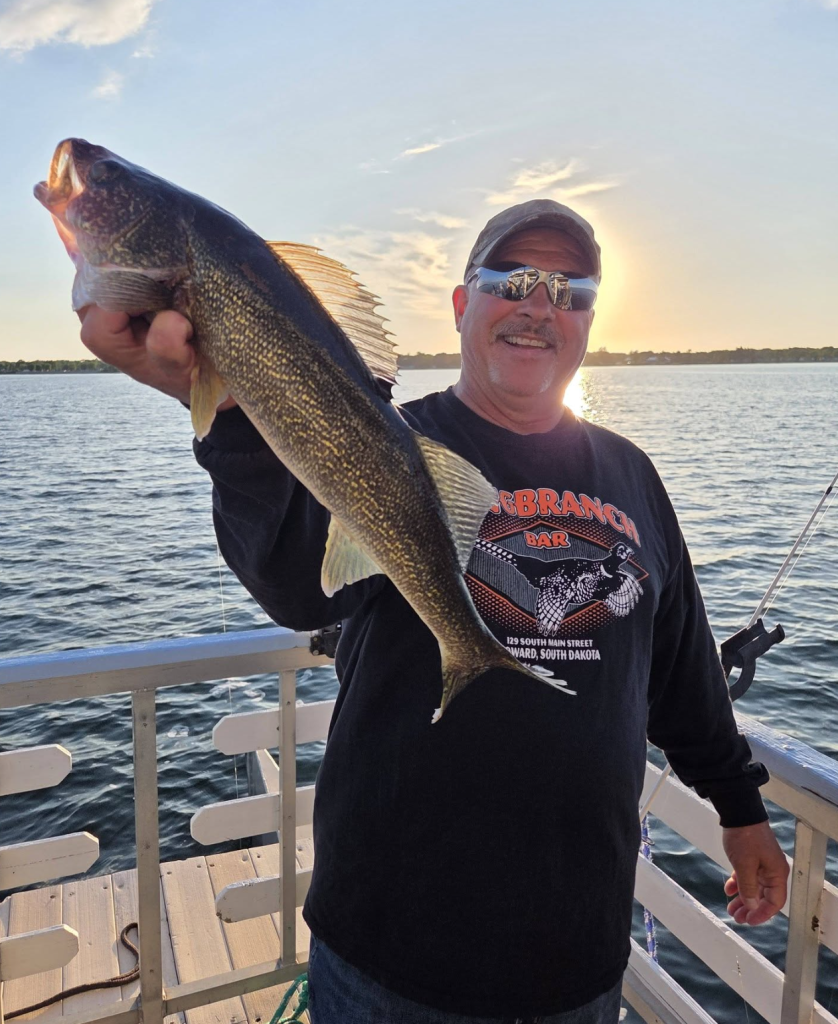
Lake Mille Lacs covers roughly 132,000 acres in central Minnesota and has been one of the most significant walleye fisheries in the country for generations, producing both the fish populations and the surrounding resort culture that helped define what a Minnesota fishing vacation means to several generations of anglers. Walleye, northern pike, smallmouth bass, muskellunge, and yellow perch all inhabit the lake in a fishery with genuine national name recognition.
The walleye management situation at Mille Lacs has been one of the most closely watched and most debated fisheries issues in Minnesota over the past decade. Declining walleye populations led to significantly tightened harvest regulations, including periods of catch-and-release-only seasons, that have been contentious among anglers, resort owners, and the Mille Lacs Band of Ojibwe who share management authority under treaty rights. The walleye population has shown signs of stabilization in recent years, but anglers planning a trip specifically for walleye harvest need to check current regulations carefully, as they have changed significantly and could change again.
The smallmouth bass fishing at Mille Lacs has actually benefited from some of the same conditions affecting walleye, and the lake now produces smallmouth fishing that ranks among the best in the state, with fish in the four to six pound range realistic on a good day. The muskie population has also grown, giving Mille Lacs a multi-species identity beyond its historical walleye fame.
🎣 What You’ll Catch
- Smallmouth Bass ⭐⭐⭐⭐⭐
- Walleye ⭐⭐⭐⭐
- Muskellunge ⭐⭐⭐⭐
- Northern Pike ⭐⭐⭐⭐
📅 Best Time To Fish
- Spring: Excellent (smallmouth and walleye both active in shallower water)
- Summer: Good (smallmouth fishing on the reefs and rock structure is a highlight)
- Fall: Excellent (muskie and walleye both feed heavily before ice)
🏆 Trophy Potential – 9/10 (A historically significant walleye lake that has evolved into one of the best smallmouth bass fisheries in the state, with regulations that change based on population assessments.)
7. Mississippi River (Headwaters to Twin Cities)
The Mississippi River begins at Lake Itasca in north-central Minnesota and by the time it reaches the Twin Cities has grown from a stream you can wade across into a genuinely significant river producing smallmouth bass, walleye, muskellunge, and catfish across a length that most people don’t think of as a single fishery because the character changes so dramatically along the way.
The headwaters sections near Itasca and through the Brainerd area hold smallmouth bass and walleye in clear, rocky water with a character closer to a northern Minnesota lake outlet than what most people picture as the Mississippi. By the time the river reaches the Twin Cities, it’s a genuinely large river with deep pools, lock and dam structures, and a smallmouth bass fishery in the metro area itself that surprises people who don’t expect quality fishing inside Minneapolis and St. Paul.
The Mississippi River gorge through the Twin Cities specifically has developed a reputation among smallmouth anglers as one of the better urban fisheries in the country, with fish in the 16 to 20 inch range caught regularly within sight of downtown Minneapolis. Catfish in the deeper pools below the locks and dams add another dimension for anglers who specifically target them.
🎣 What You’ll Catch
- Smallmouth Bass ⭐⭐⭐⭐⭐
- Walleye ⭐⭐⭐⭐
- Muskellunge ⭐⭐⭐
- Catfish ⭐⭐⭐⭐
📅 Best Time To Fish
- Spring: Excellent (smallmouth active throughout the river system)
- Summer: Excellent (peak smallmouth season, especially in the Twin Cities gorge)
- Fall: Excellent (catfish and smallmouth both remain productive as water cools)
🏆 Trophy Potential – 8/10 (An urban smallmouth fishery that rivals anything in the country, running through the heart of the Twin Cities.)
6. Driftless Area Trout Streams (Southeast Minnesota)
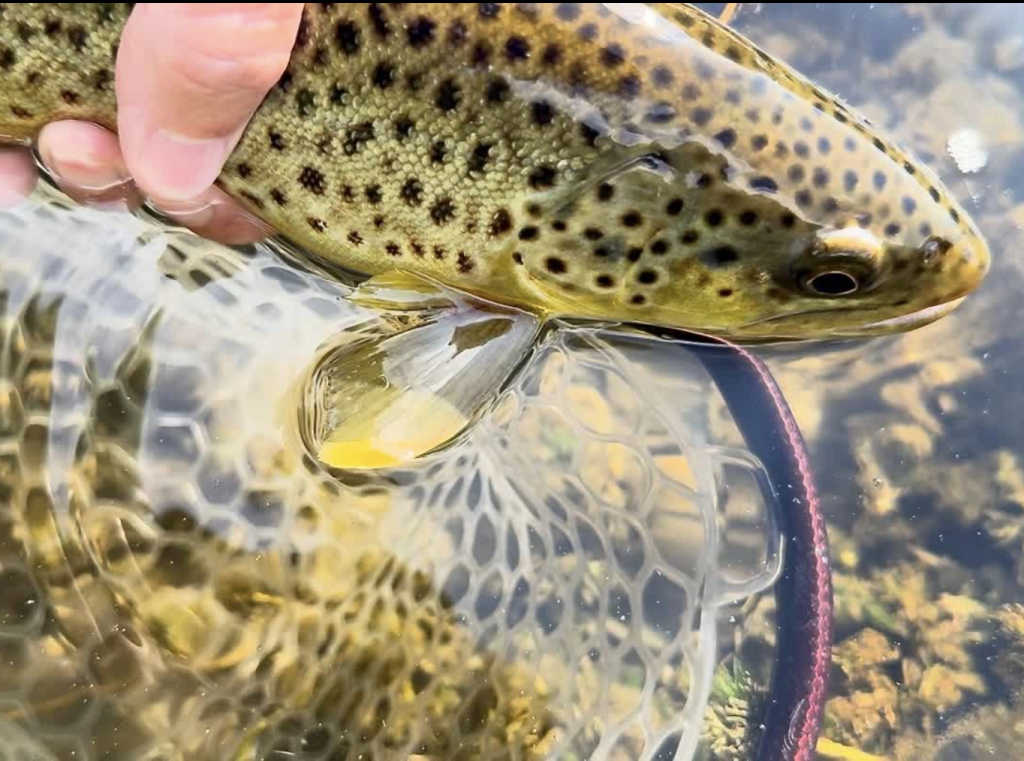
The Driftless Area of southeast Minnesota, the region that the glaciers missed during the last ice age, produces a network of spring-fed limestone trout streams that most people who think of Minnesota as flat lake country have no idea exists. Wild brown trout and some native brook trout inhabit dozens of named streams throughout Winona, Houston, Fillmore, and surrounding counties in water that stays cold year-round thanks to the limestone spring sources.
The character of this region is genuinely unlike the rest of Minnesota. Steep bluffs, deep valleys, and clear, cold streams running through a landscape that looks more like parts of Vermont or the Appalachians than what most people picture for the state. The wild brown trout populations have been built over decades of habitat restoration work, and streams like the Whitewater River, Trout Run Creek, and the South Branch of the Root River have developed reputations among fly anglers throughout the upper Midwest.
The technical nature of fishing these streams, clear water, wary wild fish, and the need to approach carefully, makes this a different kind of Minnesota fishing experience entirely. For anglers who associate Minnesota exclusively with walleye boats and ice houses, a day on a Driftless Area stream with a fly rod is a genuine reset.
🎣 What You’ll Catch
From Around Our Desks
One more we think you'll like: the cheapskate tricks that sound ridiculous but quietly work
- Brown Trout ⭐⭐⭐⭐⭐
- Brook Trout ⭐⭐⭐⭐
- Rainbow Trout ⭐⭐⭐
📅 Best Time To Fish
- Spring: Excellent (early season hatches and active fish before summer heat)
- Summer: Good (early mornings and evenings as water warms during the day)
- Fall: Excellent (brown trout become more aggressive as they move toward spawning)
🏆 Trophy Potential – 7/10 (A completely different kind of Minnesota fishing experience, with wild trout in limestone streams that most people don’t know exist in this state.)
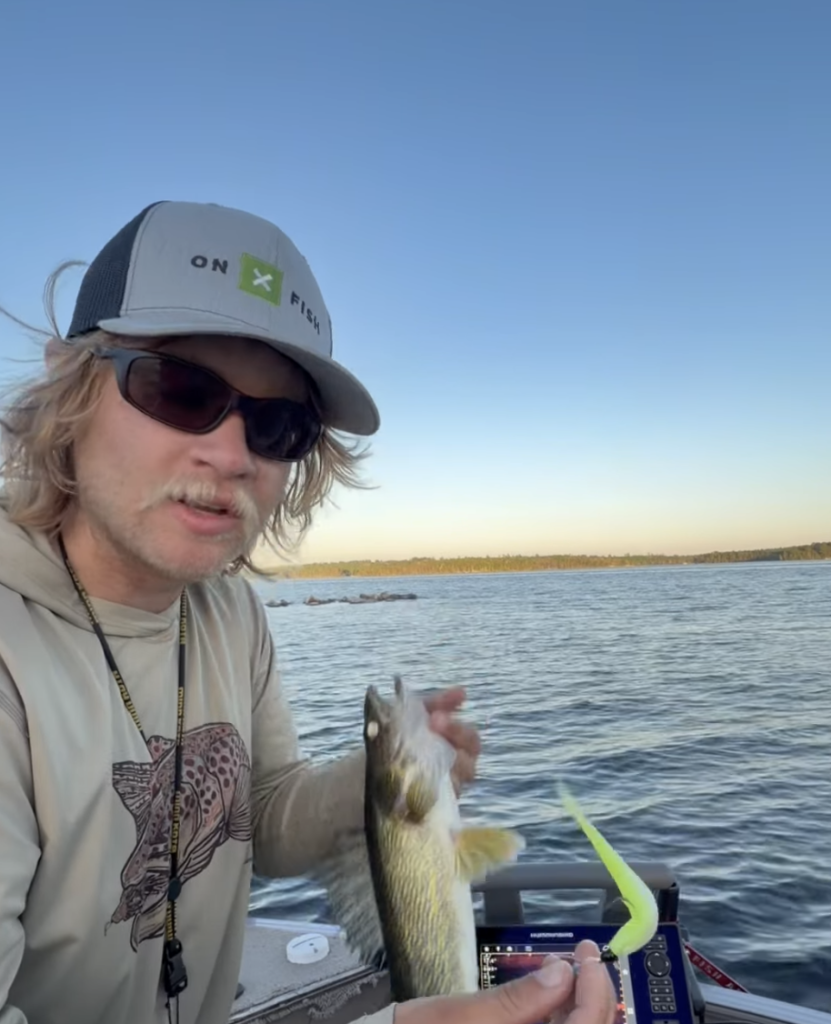
5. Lake Vermilion and the Iron Range Lakes (Second Look)
Lake Vermilion earned its individual entry at #16, but the broader Iron Range region of northeastern Minnesota, including Vermilion along with nearby lakes like Burntside, Shagawa, and the many smaller lakes scattered through the area around Ely and Tower, deserves recognition as a region rather than just individual lakes.
This part of Minnesota sits at the transition between the more developed lake country to the south and the Boundary Waters wilderness to the north, and the lakes here offer a middle ground: genuinely excellent walleye, muskie, and smallmouth fishing with road access and resort infrastructure, but in a setting that retains the rugged, forested character of the Iron Range’s mining and logging history. Burntside Lake near Ely specifically is known for exceptional water clarity and a smallmouth bass fishery that rivals anything in the Boundary Waters itself, with the advantage of being accessible by car.
For anglers who want the character of the Boundary Waters without the permit system and portaging, the Iron Range lakes around Ely and Tower provide a genuinely comparable experience with considerably easier logistics.
🎣 What You’ll Catch
- Walleye ⭐⭐⭐⭐⭐
- Smallmouth Bass ⭐⭐⭐⭐⭐
- Muskellunge ⭐⭐⭐⭐
- Lake Trout ⭐⭐⭐
📅 Best Time To Fish
- Spring: Excellent (walleye and smallmouth both active across the region’s lakes)
- Summer: Excellent (the clear water lakes around Ely fish exceptionally well through summer)
- Fall: Excellent (muskie and walleye both feed heavily before ice across the region)
🏆 Trophy Potential – 9/10 (Boundary Waters quality fishing with road access, anchored by Vermilion and the exceptional clear-water lakes around Ely.)
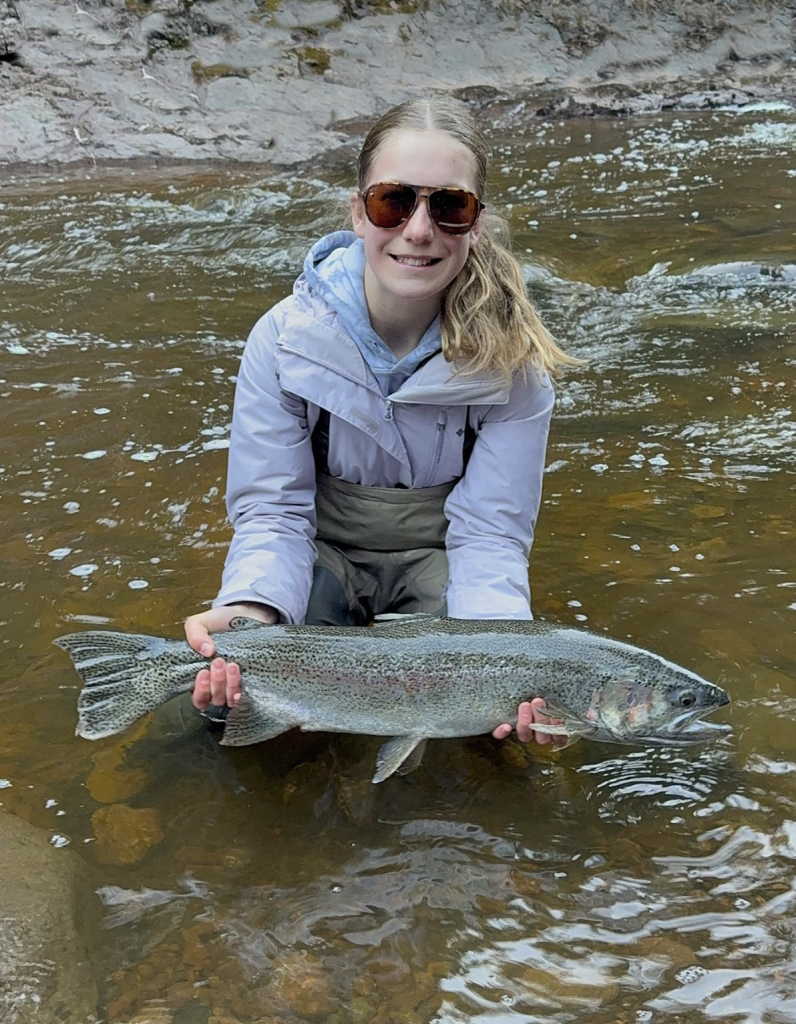
4. Leech Lake and the Chippewa National Forest Lakes (Second Look)
Leech Lake earned its individual entry at #15, but the broader Chippewa National Forest region surrounding it holds dozens of additional lakes that, combined with Leech itself, form one of the most concentrated areas of quality muskie and walleye water in the entire state.
Lakes like Cass, Winnibigoshish, and the many smaller lakes within the national forest boundaries all share the deep, clear, structure-rich character that makes this part of north-central Minnesota exceptional for both species. The Chippewa National Forest itself adds nearly 1.6 million acres of public land surrounding these lakes, which has kept development pressure lower than in the Brainerd area while maintaining road access that the Boundary Waters doesn’t offer.
The muskie fishing across this region collectively represents one of the most significant concentrations of trophy muskie water in the country, and anglers who treat the region as a system, fishing whichever lake is producing best in current conditions rather than committing to just Leech, access a genuinely exceptional muskie fishery.
🎣 What You’ll Catch
- Muskellunge ⭐⭐⭐⭐⭐
- Walleye ⭐⭐⭐⭐⭐
- Northern Pike ⭐⭐⭐⭐
- Smallmouth Bass ⭐⭐⭐⭐
📅 Best Time To Fish
- Spring: Excellent (walleye active across the region’s extensive shallow structure)
- Summer: Good (deeper structure throughout the national forest lakes holds fish)
- Fall: Excellent (one of the most significant concentrations of trophy muskie water anywhere, at its best as fish feed before ice)
🏆 Trophy Potential – 9/10 (A region rather than a single lake, representing one of the most significant muskie and walleye concentrations in the country.)
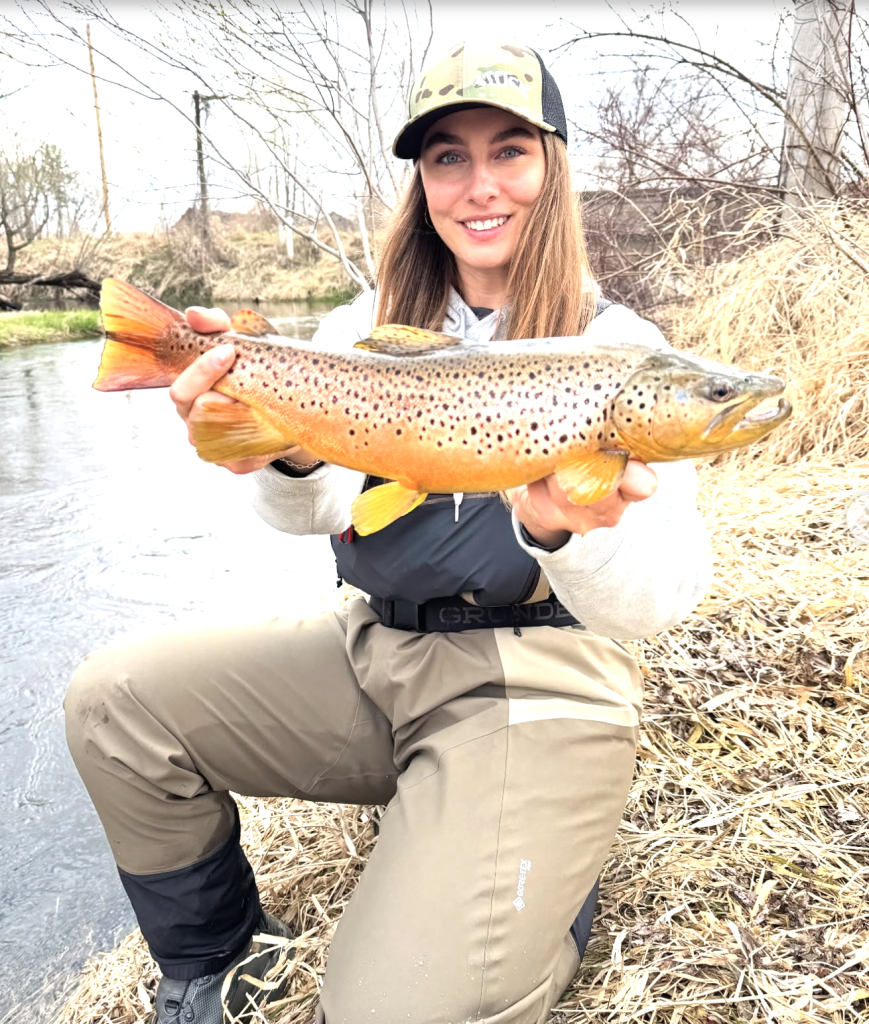
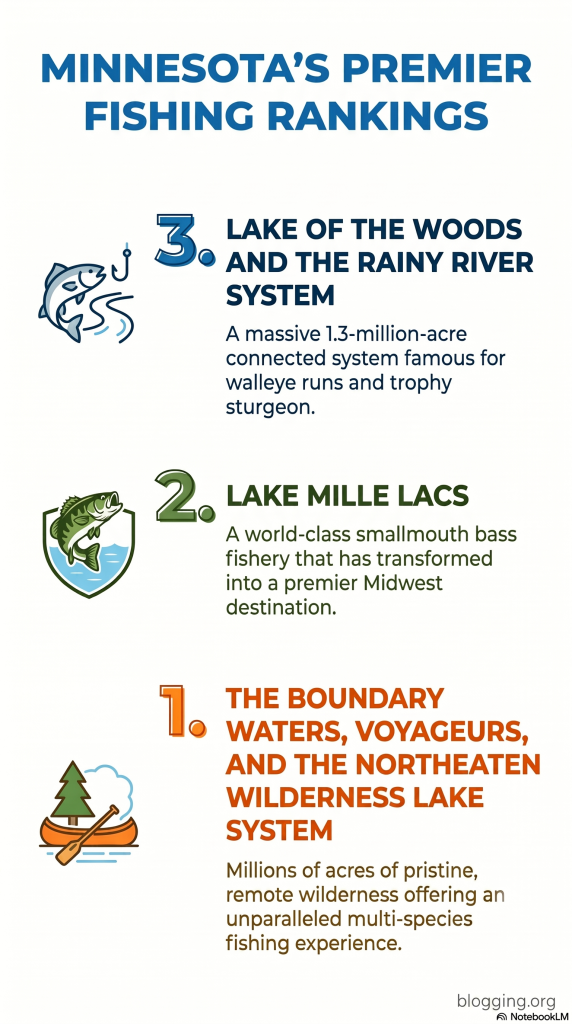
3. Lake of the Woods and the Rainy River System (Second Look)
Lake of the Woods earned its individual entry at #13 and the Rainy River its own entry at #9, but the combined system deserves recognition near the top of this list because together they represent a connected fishery of a scale that few destinations anywhere can match.
The Rainy River feeds Lake of the Woods, and the spring walleye and sauger run on the river connects directly to the massive walleye population in the lake itself. Anglers who plan a trip around the late April and early May river run, then transition to the main lake as the season opens, experience two distinct fisheries that are actually one connected system. The sturgeon population in the river adds yet another dimension that most visiting anglers never explore.
The scale of this combined system, over 1.3 million acres of lake plus the connecting river, with walleye numbers that have made it nationally famous, sturgeon that most Minnesota anglers have never targeted, and an ice fishing culture in winter that brings heated houses out onto the lake in numbers that look like small towns, makes this one of the most complete freshwater fishing destinations in North America.
🎣 What You’ll Catch
- Walleye ⭐⭐⭐⭐⭐
- Northern Pike ⭐⭐⭐⭐⭐
- Lake Sturgeon ⭐⭐⭐⭐
- Muskellunge ⭐⭐⭐⭐
📅 Best Time To Fish
- Spring: Excellent (the Rainy River run into the main lake season is the signature annual event)
- Summer: Excellent (walleye and pike both productive across the enormous main lake)
- Winter: Excellent (one of the most serious ice fishing cultures anywhere, with heated houses covering the lake)
🏆 Trophy Potential – 9/10 (A connected river and lake system at a scale that few freshwater destinations anywhere can match.)
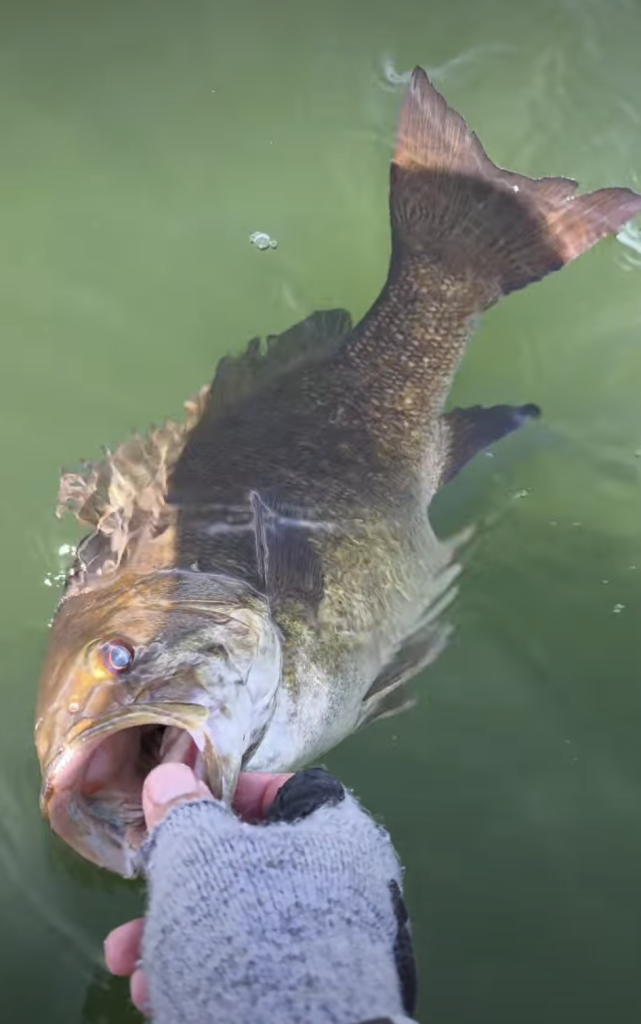
2. Lake Mille Lacs and the Smallmouth Renaissance (Second Look)
Lake Mille Lacs earned its individual entry at #8, but its position here reflects something specific: the lake represents one of the most significant fisheries transformation stories in the country, and understanding that story is part of what makes fishing Mille Lacs today genuinely compelling.
For generations, Mille Lacs meant walleye, full stop. The resort culture, the fishing opener tradition, the entire identity of the lake was built around walleye harvest. The population decline and subsequent regulatory changes that followed disrupted that identity in ways that were genuinely painful for the communities built around it. But the same conditions that reduced walleye harvest, less competition for forage, changed predator dynamics, have coincided with Mille Lacs becoming one of the best smallmouth bass fisheries in the Midwest, with a population of four to six pound smallmouth on rock reefs that rivals famous smallmouth destinations like the St. Lawrence River.
Fishing Mille Lacs today means experiencing a lake in the middle of an ongoing transformation. The walleye are still there and the population has shown stabilization. The smallmouth fishery is genuinely world-class and growing in reputation. The muskie population has expanded. Anglers who fish Mille Lacs now are fishing a lake that’s becoming something different from what it was, and that’s worth experiencing regardless of which species brings you there.
Readers Can't Stop Opening These
★ 29 Dollar-Store Items That Beat the Name Brand
🎣 What You’ll Catch
- Smallmouth Bass ⭐⭐⭐⭐⭐
- Walleye ⭐⭐⭐⭐
- Muskellunge ⭐⭐⭐⭐
- Northern Pike ⭐⭐⭐⭐
📅 Best Time To Fish
- Spring: Excellent (smallmouth and walleye both active in the shallower reef areas)
- Summer: Excellent (smallmouth fishing on the rock reefs is genuinely world-class)
- Fall: Excellent (muskie and walleye both feed heavily before ice across the lake)
🏆 Trophy Potential – 9/10 (A lake transforming in real time, with a smallmouth fishery that now rivals the most famous destinations in the country.)
1. The Boundary Waters, Voyageurs, and the Northeastern Wilderness Lake System
The top of this list belongs to the connected wilderness lake system of northeastern Minnesota, the Boundary Waters Canoe Area Wilderness, Voyageurs National Park, and the Superior National Forest lakes that surround and connect them, because together they represent something that simply doesn’t exist anywhere else in the eastern United States: an enormous, genuinely wild freshwater system where smallmouth bass, lake trout, walleye, and northern pike live in water with minimal development pressure across a scale of millions of acres.
Voyageurs National Park, bordering the Boundary Waters to the west, adds its own dimension to this system. Unlike the Boundary Waters, motorized boats are permitted on Voyageurs’ major lakes, including Rainy Lake and Kabetogama Lake, which gives anglers who want the wilderness character without the portaging a genuinely excellent walleye and smallmouth fishery with houseboat rentals and lodge access that make multi-day trips practical for families as well as serious anglers.
What makes this exceptional: The combination of true wilderness in the Boundary Waters, motorized wilderness access in Voyageurs, and the connecting Superior National Forest lakes in between creates a region where an angler can choose their level of remoteness, from a houseboat on Rainy Lake to a multi-day portage trip into the deepest parts of the Boundary Waters, while fishing essentially the same interconnected ecosystem of smallmouth bass, lake trout, walleye, and northern pike throughout.
The honest complication: This is genuinely not convenient fishing. The Boundary Waters requires permits, quotas, and physical capability for portaging. Even Voyageurs, despite motorized access, requires boat travel across large open water that can become dangerous in wind. This is not a lake you drive up to and launch from a ramp in twenty minutes. The inconvenience is also exactly why the fishing remains as good as it does across such an enormous area.
If you fish one region of Minnesota for the experience rather than just the fish, make it this one. Nowhere else in the eastern United States offers freshwater fishing at this scale, in water this clean, with this little development, for species that most anglers specifically travel to find.
🎣 What You’ll Catch
- Smallmouth Bass ⭐⭐⭐⭐⭐
- Walleye ⭐⭐⭐⭐⭐
- Lake Trout ⭐⭐⭐⭐⭐
- Northern Pike ⭐⭐⭐⭐⭐
📅 Best Time To Fish
- Spring: Excellent (fish active in shallower water across the entire system before summer heat)
- Summer: Excellent (the primary season for both Boundary Waters trips and Voyageurs houseboat access)
- Fall: Excellent (smallmouth, lake trout, and walleye all feed aggressively before ice, with the fewest people anywhere in the system)
🏆 Trophy Potential – 10/10 (An interconnected wilderness fishery at a scale with no real equivalent in the eastern United States, offering everything from houseboat walleye trips to multi-day wilderness smallmouth and lake trout fishing.)
Land of 10,000 Lakes: Minnesota Fishing Is as Good as It Gets
Minnesota is not just one of the best fishing states in the Midwest. It is one of the best fishing states in the entire country and the anglers who have been here know exactly what that means. The variety of species available, the number of quality fisheries, and the ice fishing culture that extends the season well into winter make Minnesota a place worth coming back to over and over.
Lake of the Woods is the starting point for any serious conversation about Minnesota fishing. The walleye fishing here is legendary and the lake is big enough that you could spend a week on it and barely scratch the surface. Northern pike, sauger, sturgeon, and crappie round out a species list that is hard to match anywhere in the freshwater north. The Rainy River that feeds into Lake of the Woods is also worth knowing about with excellent walleye and sturgeon fishing in spring and fall.
Leech Lake and Lake Winnibigoshish are the two big names in Cass County and both earn their reputations. Leech is a 112,000 acre multi-species powerhouse that produces walleye, muskie, and jumbo perch season after season. Lake Winnie holds the Minnesota state record muskie at 54 pounds and also has outstanding walleye and northern pike that don’t get enough attention considering how big the fish get.
Lake Vermilion is the one that keeps muskie anglers coming back. The combination of clear water, boulder structure, and a well managed muskellunge population makes October fishing here something special. Walleye and smallmouth bass are excellent too and the 365 islands give you almost unlimited water to explore. The Boundary Waters Canoe Area Wilderness lakes up north add a whole different wilderness fishing experience with walleye, northern pike, and lake trout accessible only by paddle.
Before any Minnesota fishing trip check regulations with the Minnesota DNR at dnr.state.mn.us. Licenses are required for anyone 16 and older and trout stamps are required for designated trout waters. Mille Lacs has had changing walleye regulations in recent years so it is worth checking the specific rules for that lake before you go. Lake of the Woods straddles the Canadian border so make sure you check which regulations apply depending on what water you are fishing.
Minnesota fishing rewards people who put in the time to learn the lakes. There are over 11,000 of them and a lot of the best ones barely get any pressure outside of local anglers. Come with a plan and leave with a list of reasons to come back next season.

Species Guides Worth Reading
Minnesota has some of the best species specific fishing in the country and these guides are worth reading before your trip.
The Complete Walleye Fishing Guide is the most important starting point for anyone heading to Minnesota. Lake of the Woods, Mille Lacs, Leech Lake, and Lake Winnie all respond to specific walleye presentations and the guide covers the jigging, trolling, and live bait techniques that produce fish on large natural lakes.
For anyone targeting muskellunge at Lake Vermilion, Leech Lake, or Lake Winnibigoshish the Muskie Fishing Guide is worth reading before the trip. Minnesota muskie fishing peaks in fall and the guide covers the big lure presentations and figure eight techniques that turn followers into catches on clear northern lakes.
Northern pike are everywhere in Minnesota and the Northern Pike Fishing Guide covers the weed edge presentations and seasonal timing that consistently produce fish on the kind of shallow weedy bays you find across the state. Minnesota pike regularly push 30 inches and the guide helps you target the biggest ones.
Crappie fishing is excellent at Red Lake, Leech Lake, and several other Minnesota destinations and the Complete Crappie Fishing Guide covers the vertical jigging and minnow presentations that work on the deep clear lakes in the state. Minnesota crappie in the 12 to 14 inch range are very realistic targets if you fish the right water at the right time.

More Fishing Resources
If Minnesota has you planning your next fishing trip a few of these resources are worth bookmarking.
The Best Fishing Locations in America covers the top freshwater destinations across the country and Minnesota shows up right where you would expect given how much quality water the state has.
If you are building a Fishing Bucket List, Minnesota should be near the top of your list. A trophy walleye from Lake of the Woods, a 50 inch muskie from Lake Vermilion, and a giant northern pike from Lake Winnie are all realistic targets. That post covers the species every serious angler should catch at least once.
It is also worth checking the Best Fishing Baits and Lures post before any Minnesota trip. The state covers such a range of fishing situations from open water walleye trolling to ice fishing to muskie hunting in fall that having the right gear for each situation makes a real difference in how your trip goes.
Enjoyed this article? Here are more fun reads:
