
Indiana’s 21 Best Fishing Lakes and Rivers (Better Than You Expect)

Fishing might not be the first thing people think about when they travel to Indiana, but they are making a mistake. Indiana has thousands of streams and rivers, over 1,000 lakes, and even a portion of the Lake Michigan coastline. They even have salmon and walleye. There is so much variety here in Indiana.
Monroe Lake is over 10,000 acres and is the number one fishing lake in the state. The lake has even bigger fish in it than most people expect. Spring is the best time to go because of the crappie spawn and there are also catfish, bluegill, and a growing walleye fishery.

Brookville Lake is also a great crappie fishing lake in the southeast corner of the state. Walleye and muskie are in the lake too, giving you a variety of fish to catch. Brookville even has brook trout which is rare for an Indiana reservoir. The timber studded coves are loaded with fishing diversity and it is one of the best all around lakes in the state.
Up north you will find over 1,000 glacial lakes in Kosciusko, Steuben, and LaGrange counties. These lakes have some of the best muskellunge and walleye fishing in the Midwest. Indiana’s largest natural lake, Lake Wawasee, is 2,100 acres and holds walleye and bass. The state record for the largest muskie was caught in James Lake. The Tippecanoe River running through the region is a National Wild and Scenic River and Indiana’s best stream for walleye and smallmouth bass.
Indiana’s 45 miles of Lake Michigan shoreline give access to Chinook salmon, brown trout, lake trout, and steelhead that you simply cannot find anywhere else in the state. The salmon run in August and September attracts anglers from all over the Midwest. This guide covers everything you need to fish Indiana.
21. Morse Reservoir (Hamilton County)
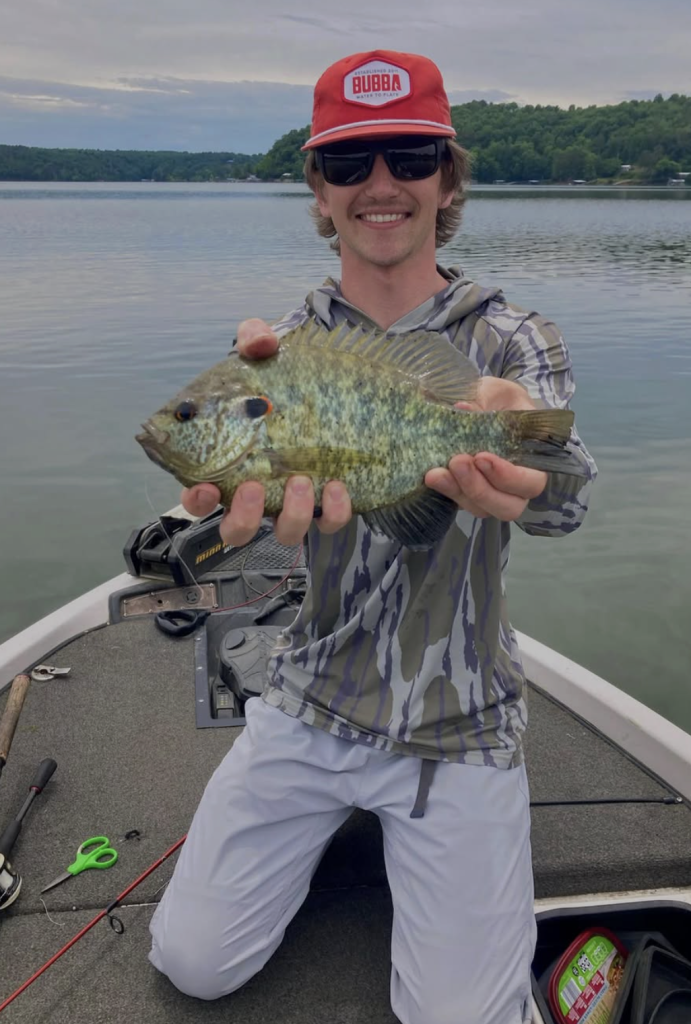
Morse Reservoir sits in Hamilton County just north of Indianapolis and covers roughly 1,500 acres of water that provides convenient multi-species fishing for the Indianapolis metro area. Largemouth bass, crappie, channel catfish, and bluegill all produce consistently enough to make it worth the short drive from the city. Shore access and multiple boat ramps give it a practical flexibility that more remote lakes don’t.
This is the lake that earns its spot on the list entirely through location and consistency rather than exceptional fish size or scenery. Heavy recreational boating in summer and the urban runoff that comes with proximity to a fast-growing suburb push the fishing quality down during peak season. Spring and early fall are when Morse fishes closest to its potential.
🎣 What You’ll Catch
- Largemouth Bass ⭐⭐⭐⭐
- Crappie ⭐⭐⭐⭐
- Channel Catfish ⭐⭐⭐⭐
- Bluegill ⭐⭐⭐⭐
📅 Best Time To Fish
- Spring: Excellent (bass)
- Summer: Good (early mornings)
- Fall: Excellent
🏆 Trophy Potential – 6/10 (Convenient metro access; consistent but pressured.)
20. Summit Lake (Henry County)
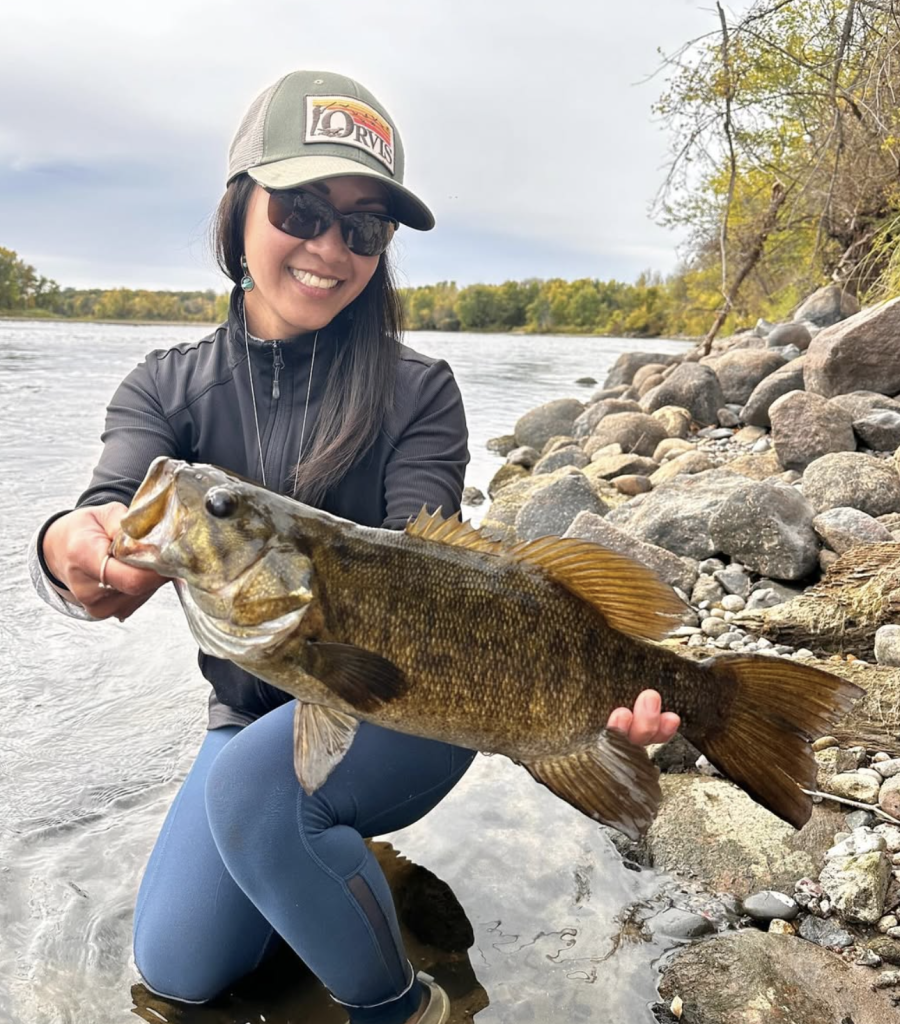
Summit Lake in Henry County is a state park reservoir with the kind of access infrastructure that makes it a practical destination for families and anglers who want a fishing trip without complicated logistics. Largemouth bass, crappie, and bluegill inhabit the lake and the population produces consistent action through the spring and early summer.
The fishing here is pleasant rather than exceptional. Summit Lake earns its place on this list because the state park setting is well-maintained, the access is easy, and for anglers in the Richmond and east-central Indiana area it provides a legitimate option without a long drive. Weekend pressure in summer is the consistent limitation.
🎣 What You’ll Catch
- Largemouth Bass ⭐⭐⭐⭐
- Crappie ⭐⭐⭐⭐
- Bluegill ⭐⭐⭐⭐
📅 Best Time To Fish
- Spring: Excellent
- Summer: Good
- Fall: Good
🏆 Trophy Potential – 6/10 (State park accessibility; pleasant family option.)
19. Lake Wawasee (Kosciusko County)
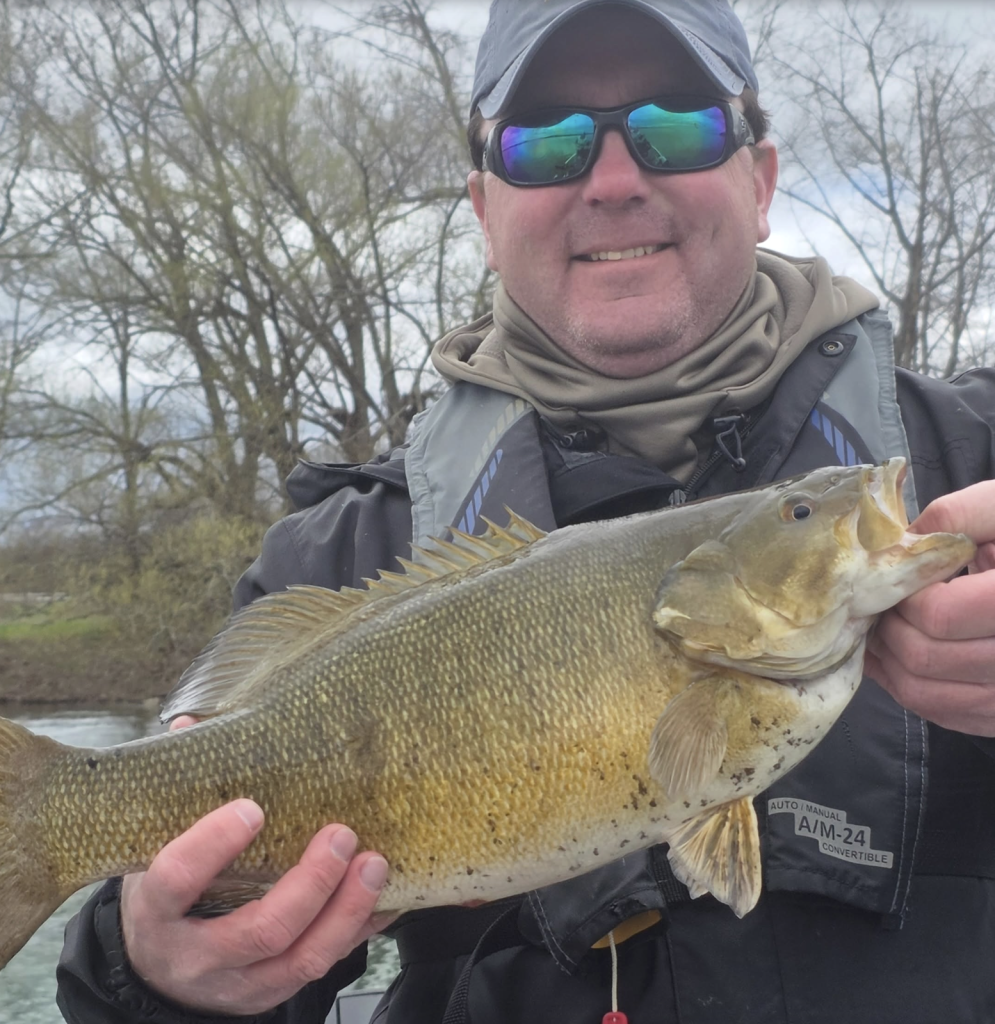
Lake Wawasee is Indiana’s largest natural lake at roughly 3,000 acres and it holds largemouth and smallmouth bass, northern pike, yellow perch, and bluegill in clear northern Indiana water with a character completely different from the central and southern reservoirs. The lake has been a destination for northern Indiana anglers for generations and the fish populations reflect decades of consistent management.
The primary practical challenge at Wawasee is access. Private shoreline dominates the lake perimeter, which limits where bank anglers can legally fish and makes a boat essentially necessary to reach productive water. The northern pike fishing in the weed edges specifically draws dedicated anglers from across the region. Summer is when the lake fishes best for most species, though the bass fishing in late spring before the recreational crowd arrives is worth targeting specifically.
🎣 What You’ll Catch
- Largemouth / Smallmouth Bass ⭐⭐⭐⭐
- Northern Pike ⭐⭐⭐⭐⭐
- Yellow Perch ⭐⭐⭐⭐
📅 Best Time To Fish
- Spring: Excellent (bass)
- Summer: Excellent (pike/weeds)
- Fall: Excellent (perch)
🏆 Trophy Potential – 7/10 (Largest natural lake; boat essential due to private shoreline.)
18. Salamonie Lake (Wabash and Huntington Counties)
Salamonie Lake covers roughly 2,800 acres in Wabash and Huntington counties in northeast Indiana and produces walleye, crappie, largemouth bass, and muskellunge in a reservoir with enough structure variety to hold fish in predictable locations once you learn the water. The walleye population here is consistently stocked and the fishing reflects that management.
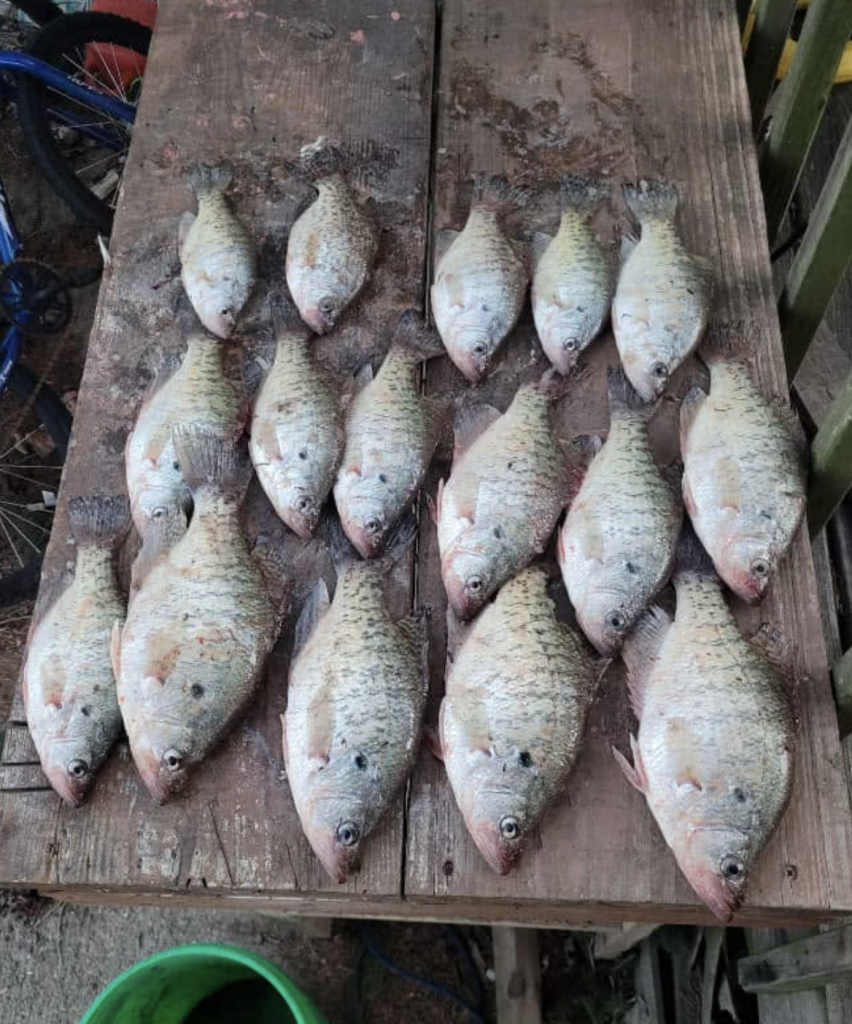
The crappie fishing around the brush piles and flooded timber during spring is one of the more reliable options in northeast Indiana for sheer numbers of fish. Seasonal drawdowns tied to Army Corps operations affect access and fish location in fall, which is the main variable to plan around. The surrounding state recreation area provides camping that makes multi-day trips practical.
🎣 What You’ll Catch
- Walleye ⭐⭐⭐⭐⭐
- Crappie ⭐⭐⭐⭐
- Largemouth Bass ⭐⭐⭐⭐
- Muskellunge ⭐⭐⭐⭐
📅 Best Time To Fish
- Spring: Excellent (walleye/crappie)
- Summer: Good (bass)
- Fall: Good
🏆 Trophy Potential – 7/10 (Stocked walleye; drawdowns affect access.)
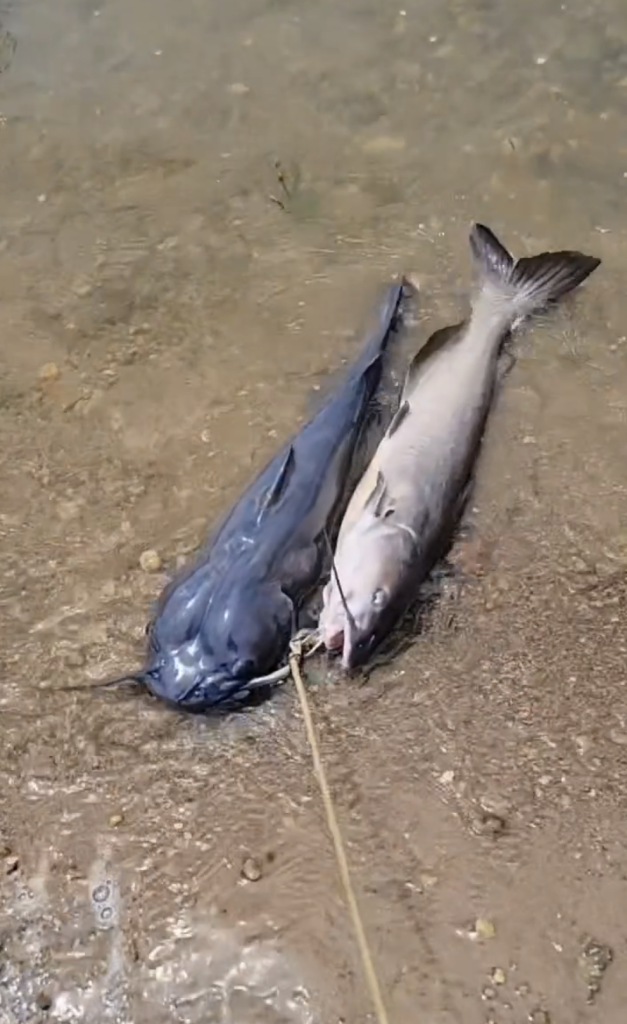
17. Mississinewa Lake (Miami and Wabash Counties)
Mississinewa Lake in Miami and Wabash counties is one of the better walleye lakes in central Indiana and it produces them in a reservoir setting that holds enough structure, in the form of creek channels, timber, and rock piles, to keep fish in findable locations across the season. Crappie and bass round out the species list.
The trolling and jigging approaches that produce walleye here work best in the clearer water of early spring before temperatures rise. The lake’s location in north-central Indiana puts it within range of Indianapolis and Fort Wayne both, which means it sees consistent fishing pressure from both directions. Variable water levels are the planning variable to pay attention to.
🎣 What You’ll Catch
- Walleye ⭐⭐⭐⭐⭐
- Crappie ⭐⭐⭐⭐
- Largemouth Bass ⭐⭐⭐⭐
📅 Best Time To Fish
- Spring: Excellent (walleye/crappie)
- Summer: Good
- Fall: Good
🏆 Trophy Potential – 7/10 (Strong central Indiana walleye; water levels vary.)


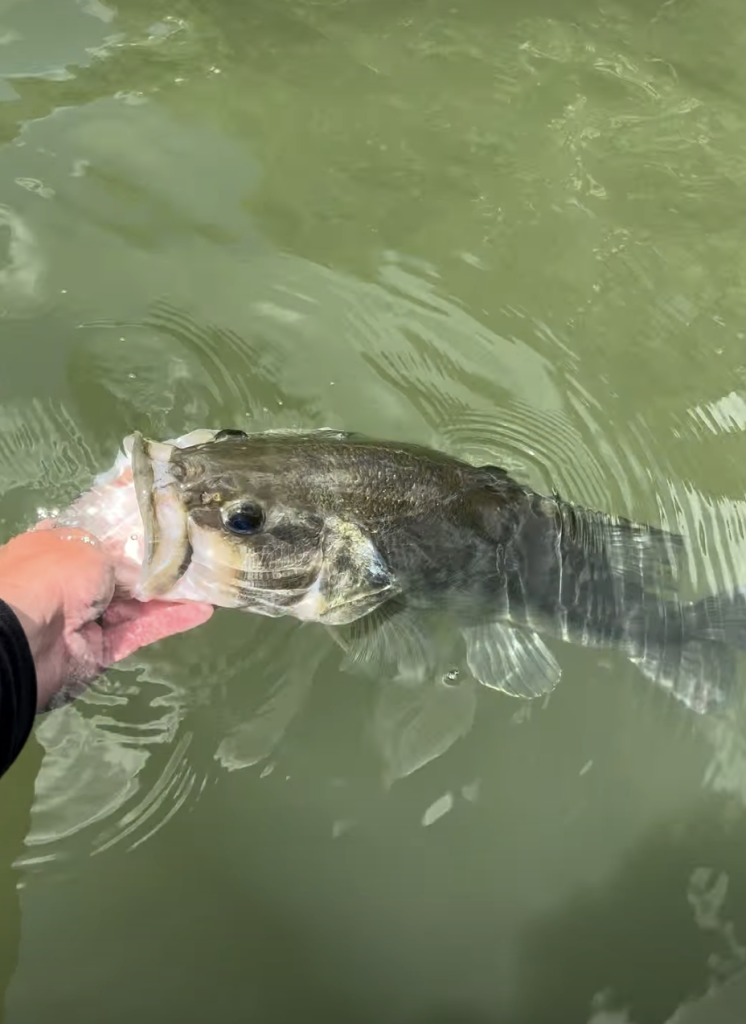
16. Patoka Lake (Dubois and Orange Counties)
Patoka Lake in southern Indiana is one of the state’s largest reservoirs at over 8,800 acres and it produces largemouth bass, crappie, bluegill, catfish, and walleye across a fishery with the kind of habitat variety that holds fish in multiple different ways depending on the season. The flooded timber, rocky points, and deep channel edges give serious anglers multiple productive approaches without exhausting the options.
The largemouth bass fishing on Patoka is the primary draw and the lake produces fish across a full range of sizes with consistent regularity. The crappie population in the brush piles and timber is strong enough in spring to make it a legitimate destination for dedicated crappie anglers from across southern Indiana. Heavy weekend pressure during the spring bass season is the consistent challenge.
FishingBooker’s Indiana guide covers access information and guide options for Patoka Lake.
🎣 What You’ll Catch
- Largemouth Bass ⭐⭐⭐⭐⭐
- Crappie ⭐⭐⭐⭐
- Walleye / Catfish ⭐⭐⭐⭐
📅 Best Time To Fish
- Spring: Excellent (bass/crappie)
- Summer: Good
- Fall: Excellent
🏆 Trophy Potential – 8/10 (Largest southern reservoir; habitat variety.)
15. Webster Lake (Kosciusko County)
Webster Lake in Kosciusko County in northern Indiana holds muskellunge and largemouth bass in a natural lake setting with the clear-water character that the glacial lakes of this part of the state produce. The muskie population gives Webster a specific identity among northern Indiana anglers who make dedicated trips for the species.
Catching a muskie anywhere is an event, and Webster Lake produces them in a setting that most southern Indiana anglers have never specifically targeted. The bass fishing provides consistent action on days when the muskie aren’t cooperating, and the lake’s natural character is a departure from the reservoir fishing that defines central and southern Indiana options.
🎣 What You’ll Catch
- Muskellunge ⭐⭐⭐⭐⭐
- Largemouth Bass ⭐⭐⭐⭐
📅 Best Time To Fish
- Spring: Excellent (bass)
- Summer: Good
- Fall: Excellent (muskie)
🏆 Trophy Potential – 8/10 (Dedicated muskie fishery in natural lake.)
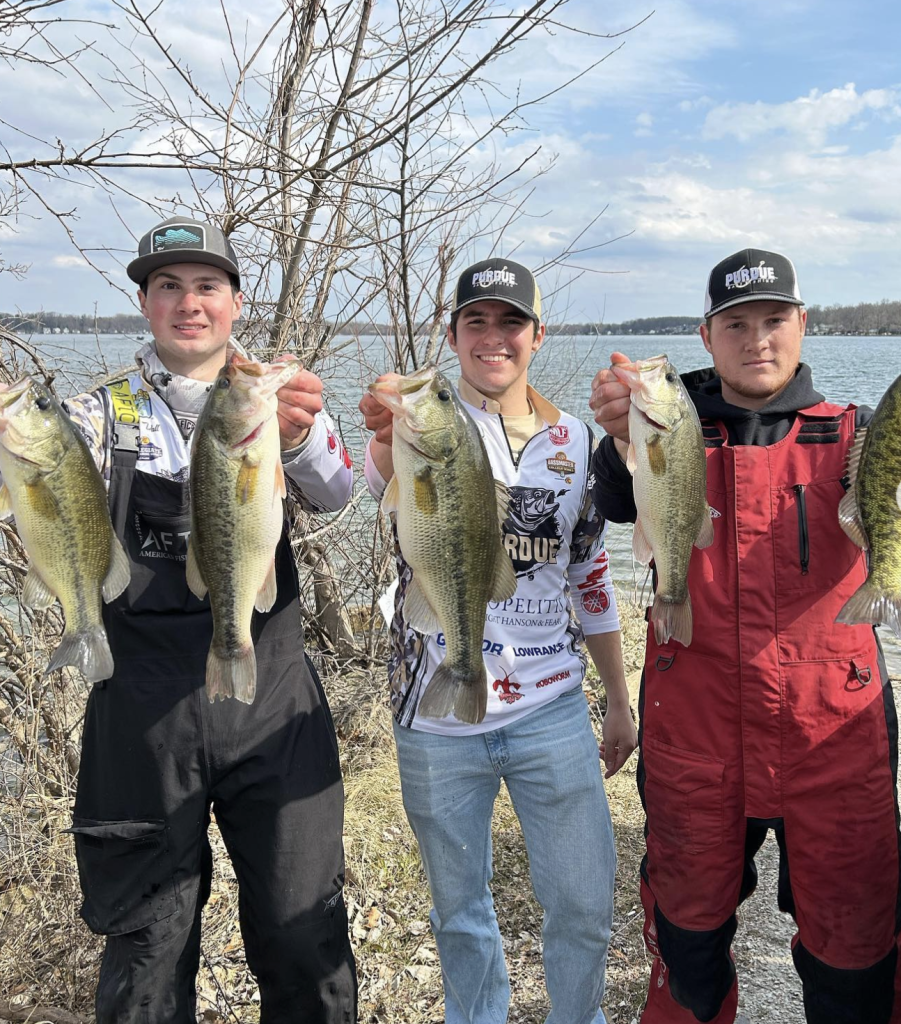
14. Lake Maxinkuckee (Marshall County)
Lake Maxinkuckee in Marshall County is one of Indiana’s clearest natural lakes and it holds smallmouth bass, largemouth bass, walleye, yellow perch, and panfish in water with visibility that makes sight fishing a genuine option in the shallows during the right conditions. The smallmouth bass fishing here is a specific strength and the fish average better sizes than most Indiana natural lakes.
The clear water that makes it productive also makes fish more selective about presentations. Anglers who fish Maxinkuckee well tend to downsize their tackle and slow down their presentations compared to what they’d use on murkier reservoirs. The walleye fishing in spring on the rocky structure is one of the better natural-lake walleye experiences in northern Indiana.
🎣 What You’ll Catch
- Smallmouth Bass ⭐⭐⭐⭐⭐
- Largemouth Bass ⭐⭐⭐⭐
- Walleye ⭐⭐⭐⭐
- Yellow Perch ⭐⭐⭐⭐
📅 Best Time To Fish
- Spring: Excellent (walleye/bass)
- Summer: Excellent (perch)
- Fall: Excellent
🏆 Trophy Potential – 8/10 (Clear natural lake; sight fishing possible.)
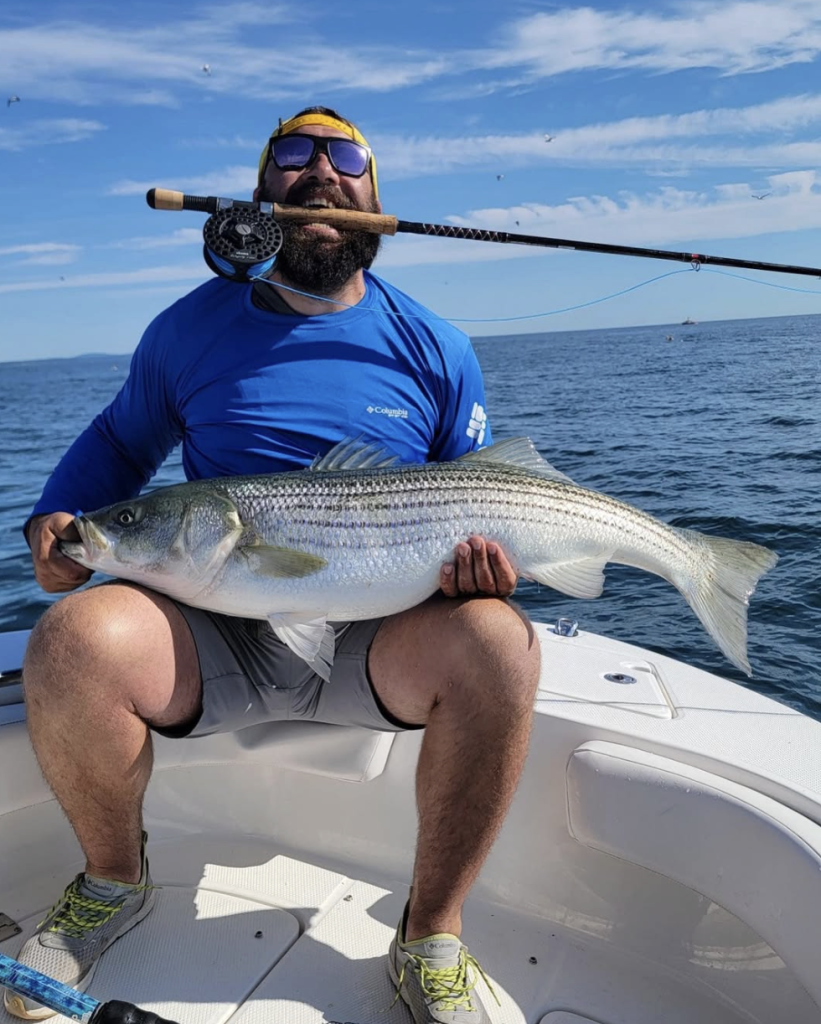
13. Cecil M. Harden Lake (Parke County)
Cecil M. Harden Lake, also called Raccoon Lake, sits in Parke County in west-central Indiana and has a specific distinction worth knowing: it operates under special bass size regulations that protect larger fish and encourage the population to produce quality fish over time. The largemouth bass fishing on Harden reflects those regulations in ways that are apparent when you’re catching fish that run larger on average than comparable Indiana reservoirs.
The lake covers roughly 2,060 acres and the surrounding Raccoon State Recreation Area provides solid access and camping infrastructure. Bass fishing is the primary draw and the special regulations are the reason to make a specific trip rather than just fishing a more convenient local reservoir.
🎣 What You’ll Catch
- Largemouth Bass ⭐⭐⭐⭐⭐
- Crappie ⭐⭐⭐⭐
- Catfish ⭐⭐⭐⭐
📅 Best Time To Fish
- Spring: Excellent (bass under special regs)
- Summer: Good
- Fall: Good
🏆 Trophy Potential – 8/10 (Protective size limits boost quality bass.)
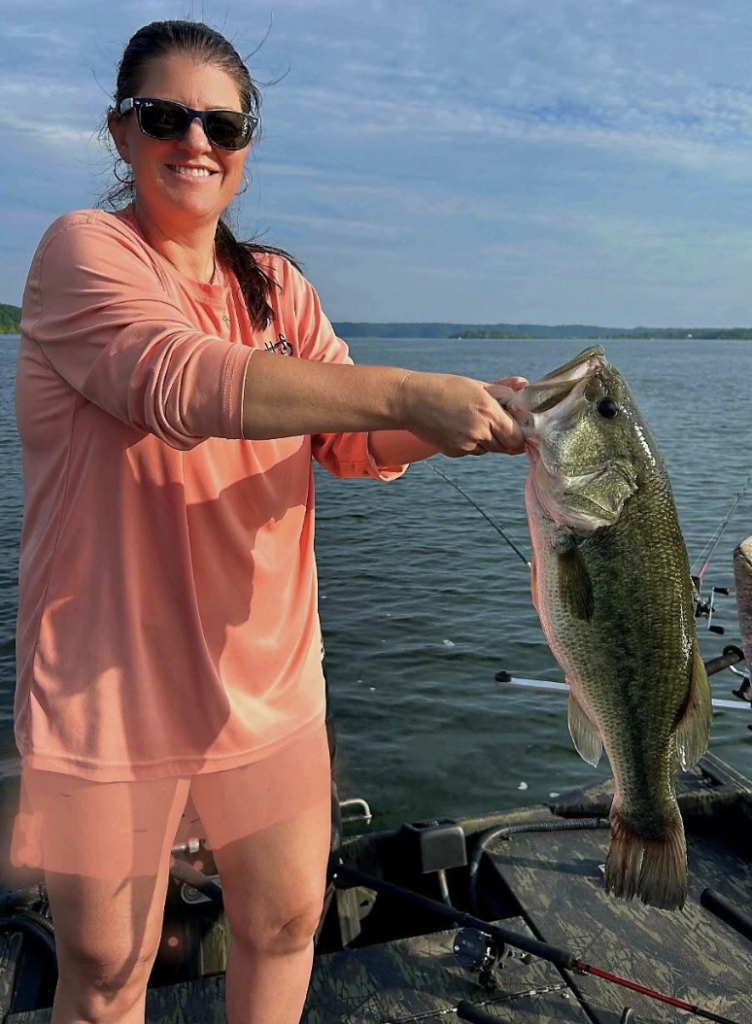
12. Monroe Lake (Monroe County)
Monroe Lake is the largest inland lake in Indiana at 10,750 acres and it sits just outside Bloomington, which means it has both the angling pressure of a university town nearby and the access infrastructure that serious reservoir fishing requires. Largemouth bass, crappie, bluegill, catfish, and hybrid striped bass all inhabit the lake in numbers that make it one of the most productive multi-species reservoirs in the state.
The hybrid striped bass fishery here is a specific draw that most Monroe Lake anglers who focus on largemouth overlook. Hybrids in the two to five pound range feed aggressively on shad in the main lake channels and produce exciting fishing for anglers who target them specifically in the cooler months. The bass structure around the creek arms and timber edges rewards systematic work.
High boat traffic in summer from the Bloomington recreation crowd is the consistent challenge. Spring and fall are when Monroe Lake fishes closest to its potential.
🎣 What You’ll Catch
- Largemouth Bass ⭐⭐⭐⭐⭐
- Hybrid Striped Bass ⭐⭐⭐⭐⭐
- Crappie ⭐⭐⭐⭐
- Catfish / Bluegill ⭐⭐⭐⭐
📅 Best Time To Fish
- Spring: Excellent (bass/crappie)
- Summer: Good
- Fall/Winter: Excellent (hybrids)
🏆 Trophy Potential – 8/10 (Largest inland lake; strong multi-species.)
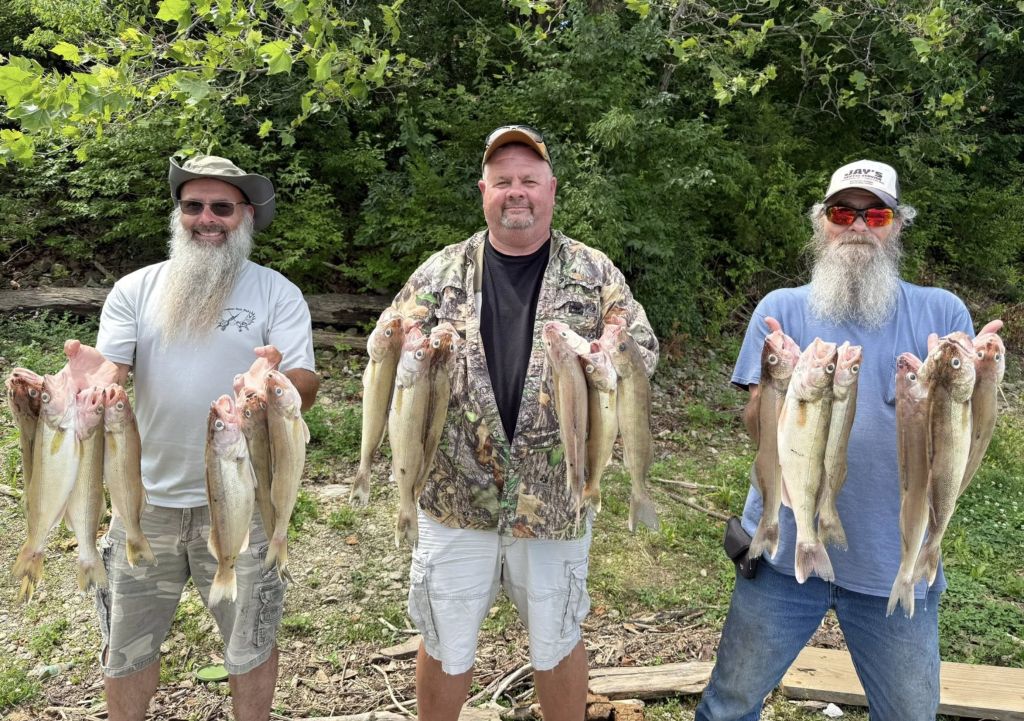
11. Brookville Lake (Franklin and Union Counties)
Brookville Lake in southeast Indiana covers roughly 5,200 acres and has a combination of species that most Indiana reservoirs don’t: walleye, smallmouth bass, and stocked trout in the tailwaters below the dam. That three-way species variety gives it more different fishing experiences within a single destination than most comparable Indiana lakes.
The tailwater trout fishery below Brookville Dam is the specific element that sets it apart. Stocked rainbow trout inhabit the cold water released from the dam and produce year-round fishing that Indiana doesn’t have many other places to offer. Fly fishing the tailwater in fall when the water is clear and the fish are active is one of the better trout experiences accessible by road in the state.
Water level fluctuations tied to Army Corps dam management affect the reservoir fishing in ways that benefit from checking current conditions before a trip. The walleye fishing in spring on the rocky structure in the clearer water of the main lake is consistently productive.
🎣 What You’ll Catch
- Walleye ⭐⭐⭐⭐⭐
- Smallmouth Bass ⭐⭐⭐⭐
- Crappie ⭐⭐⭐⭐
📅 Best Time To Fish
- Spring: Excellent (walleye/smallmouth)
- Summer: Good (crappie)
- Fall: Good
🏆 Trophy Potential – 8/10 (Diverse with tailwater trout access.)
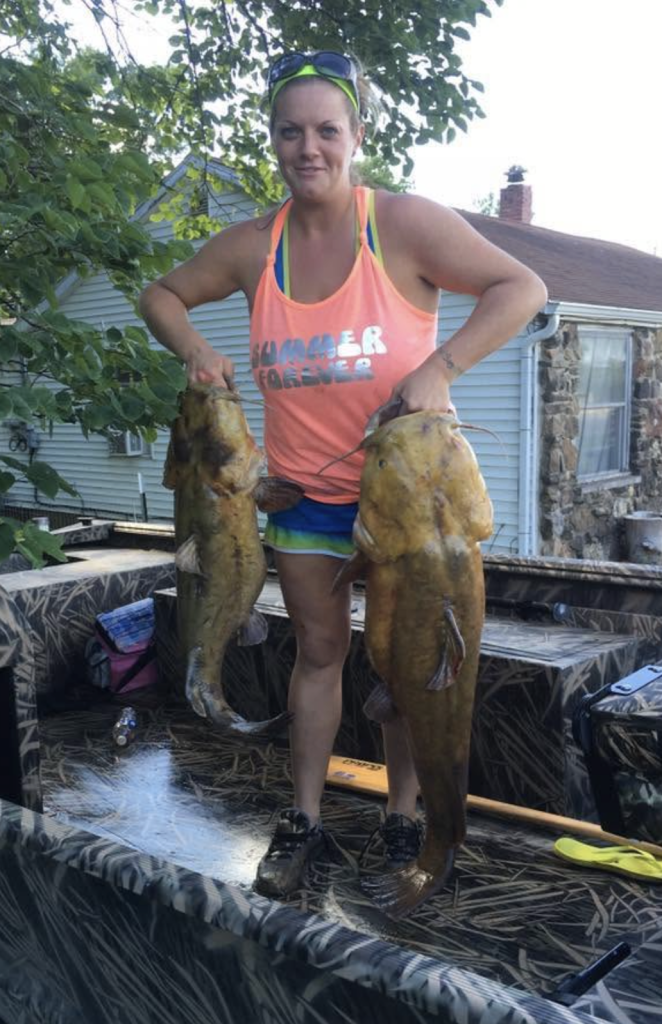
10. Tippecanoe River
The Tippecanoe River drains a large section of northern Indiana from its headwaters near Warsaw south and west through Carroll County to its mouth at the Wabash River near Delphi. Across that length it produces smallmouth bass fishing that ranks among the best in the state, with northern pike in the sections that transition through natural lake country in the north and walleye mixing in across the lower stretches.
The river is one of the most scenic in Indiana, running through a mix of wetlands, woodlands, and farm country in ways that give different sections completely different characters. Kayak and canoe float trips are the practical approach for covering the most productive water, and the small-town access points along the river make multi-day floats logistically manageable.
Variable flows after heavy rainfall are the consistent fishing challenge on the Tippecanoe. The river can rise and color quickly after rain and take several days to return to fishable clarity. Checking current gauge information before a planned trip saves wasted drives.
🎣 What You’ll Catch
- Smallmouth Bass ⭐⭐⭐⭐⭐
- Northern Pike ⭐⭐⭐⭐
- Walleye ⭐⭐⭐⭐
📅 Best Time To Fish
- Spring: Excellent (walleye)
- Summer: Excellent (smallmouth)
- Fall: Good
🏆 Trophy Potential – 8/10 (Top river smallmouth; scenic floats.)
9. White River
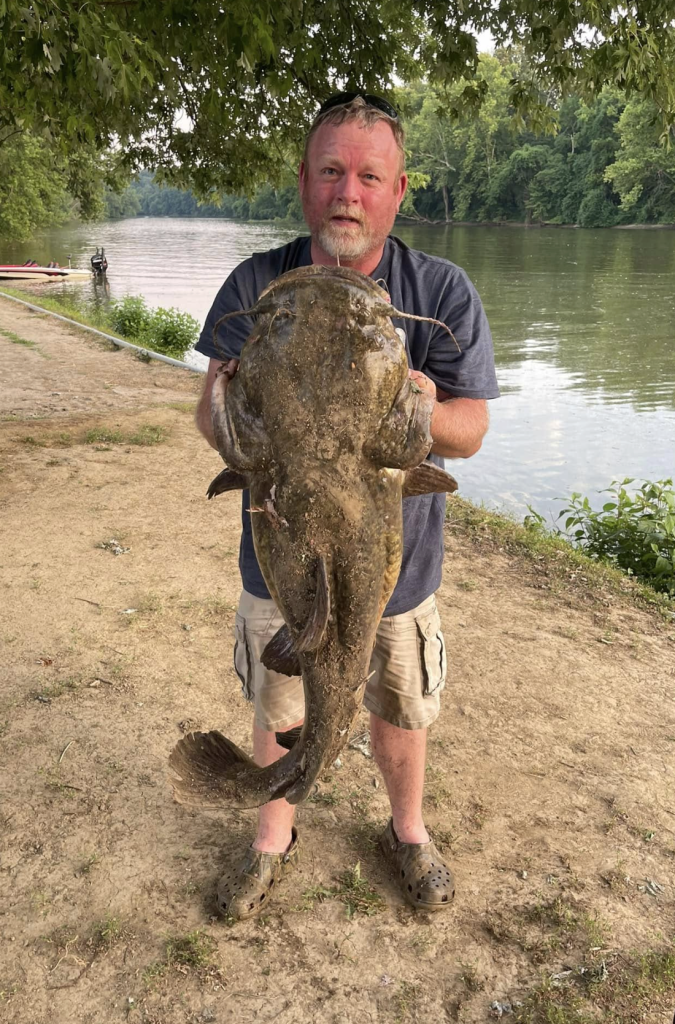
The White River is Indiana’s most significant river smallmouth bass fishery and it runs through the heart of the state in two forks before joining near Petersburg and continuing to the Wabash. The middle and lower sections of the West Fork specifically produce smallmouth bass in numbers and sizes that make it the benchmark Indiana smallmouth fishery.
Wade fishing and float trips are both viable depending on the section and water level. The river’s accessibility from Indianapolis means it sees consistent pressure on the sections closest to the city, but the stretches south of the metro toward Spencer and Bloomington fish with less competition and often with better quality fish. The White River smallmouth fishery is the kind of experience that converts anglers who have only fished still-water reservoirs into river fishing converts.
Some sections of the White River carry fish consumption advisories related to agricultural runoff and industrial history. Check current Indiana DNR advisories before keeping anything from the lower river sections specifically.
🎣 What You’ll Catch
- Smallmouth Bass ⭐⭐⭐⭐⭐
📅 Best Time To Fish
- Spring: Excellent
- Summer: Excellent
- Fall: Good
🏆 Trophy Potential – 9/10 (Benchmark Indiana smallmouth fishery.)
8. Wabash River
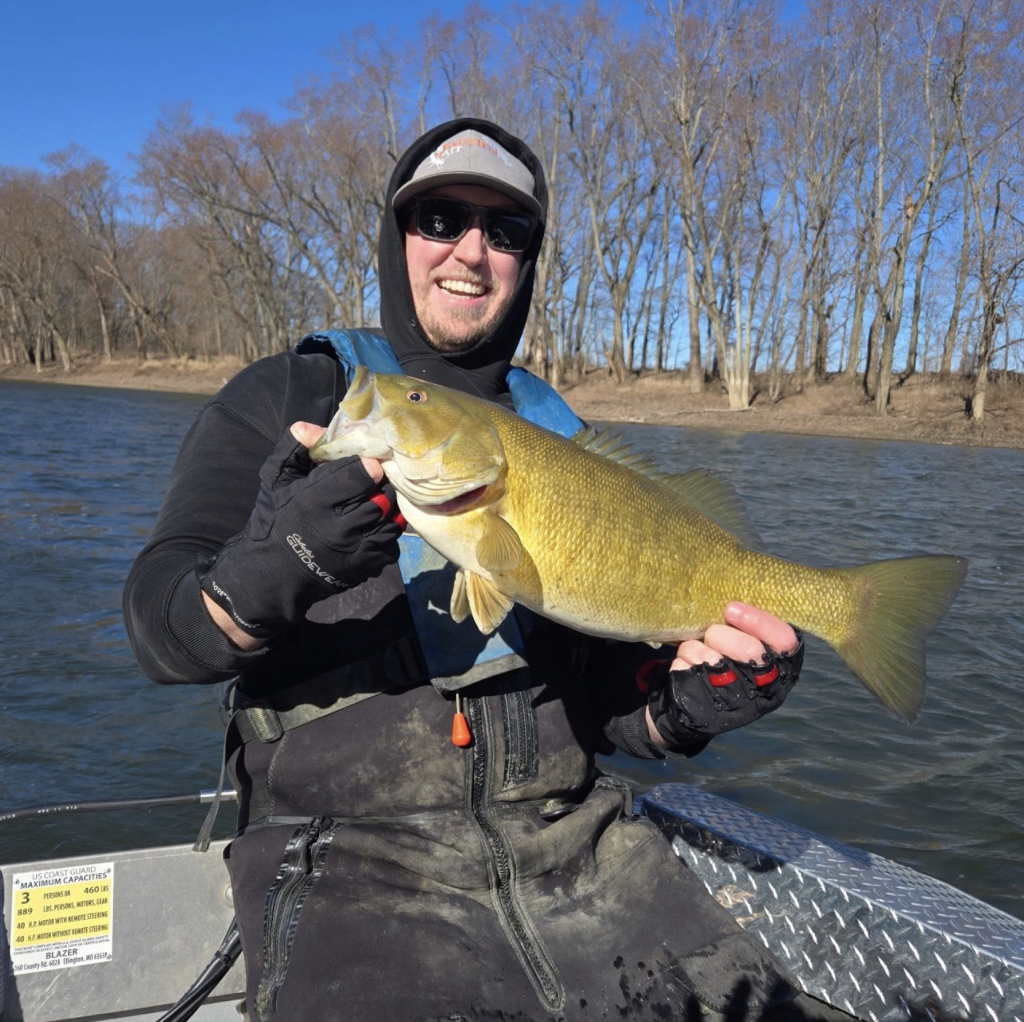
The Wabash River is Indiana’s official state river and one of the longest free-flowing rivers in the Midwest, which gives it a character of genuine wild river that most Indiana waterways don’t have. Catfish, largemouth and smallmouth bass, and sauger inhabit the river across its Indiana length, and the catfish fishing in the deeper pools is a specific draw for serious catfish anglers who understand what a long free-flowing river produces.
Blue catfish and flathead catfish both grow large in the Wabash’s deep pools and current breaks. The sauger fishing in the faster sections and below tributary mouths is an underappreciated dimension that most visitors to the river never discover. The river’s undammed character means flows are entirely rainfall-dependent, which creates the most natural seasonal cycle of any Indiana waterway.
The Wabash requires real planning for access. Boat ramps exist but are less frequent than on managed reservoirs, and the river’s current can be significant during high water periods that follow heavy rain.
🎣 What You’ll Catch
- Blue / Flathead Catfish ⭐⭐⭐⭐⭐
- Smallmouth / Largemouth Bass ⭐⭐⭐⭐
- Sauger ⭐⭐⭐⭐
📅 Best Time To Fish
- Spring: Excellent (sauger)
- Summer: Good
- Fall: Excellent (catfish/bass)
🏆 Trophy Potential – 9/10 (Free-flowing river with big catfish.)
7. St. Joseph River (Northern Indiana)
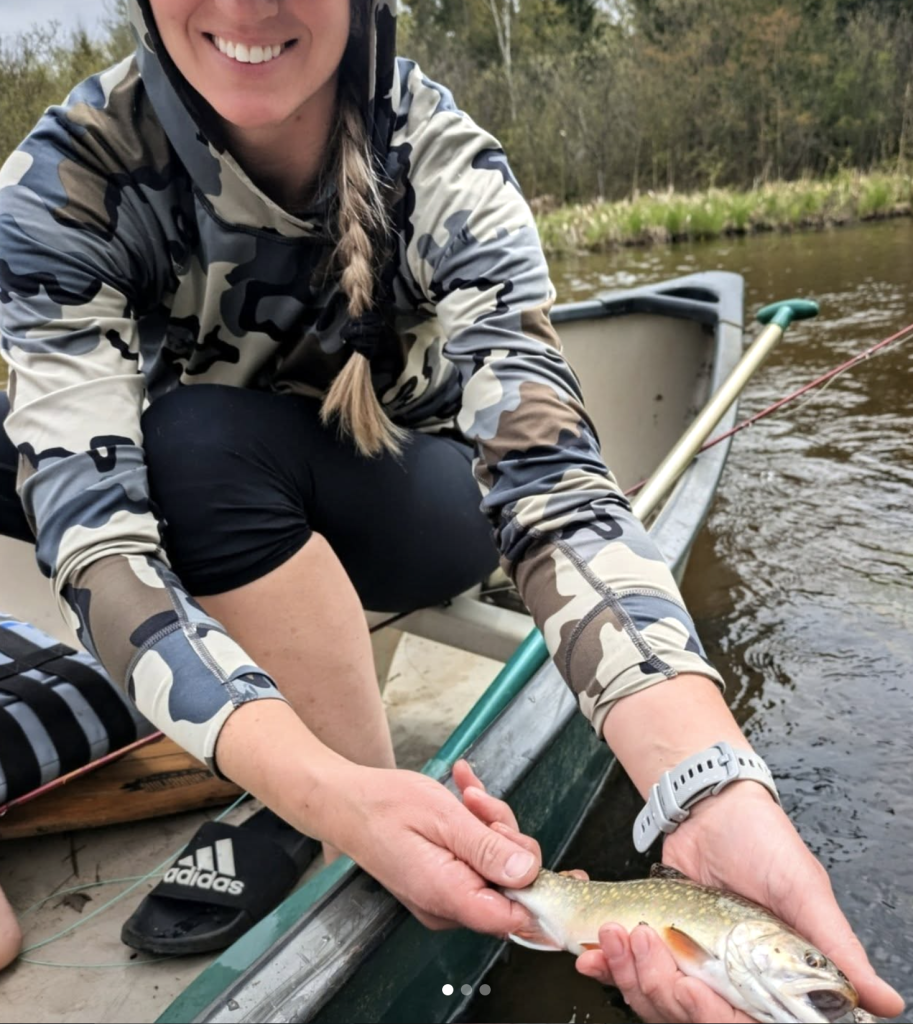
The St. Joseph River in northern Indiana flows from Michigan through Elkhart and South Bend counties toward Lake Michigan and carries smallmouth bass, walleye, and steelhead runs that make it the most diverse river fishery in the northern part of the state. The steelhead that enter from Lake Michigan in fall and winter produce fishing that most Indiana anglers know exists but relatively few make specific trips for.
The smallmouth bass fishing in the clear, rocky sections through South Bend and upstream is consistently good through summer and produces fish that average well for an Indiana river. Walleye in the lower sections toward Michigan add a species that the southern Indiana reservoirs don’t offer.
The steelhead run timing follows water temperature and rainfall into the Lake Michigan tributaries and typically peaks from October through December and again in March and April. Local guides and current Indiana DNR reports provide the most reliable information on where fish are stacking up in any given season.
🎣 What You’ll Catch
- Smallmouth Bass ⭐⭐⭐⭐⭐
- Walleye ⭐⭐⭐⭐
- Steelhead ⭐⭐⭐⭐⭐
📅 Best Time To Fish
- Spring: Excellent (walleye)
- Summer: Excellent (smallmouth)
- Fall/Winter: Excellent (steelhead)
🏆 Trophy Potential – 9/10 (Diverse with Lake Michigan steelhead runs.)
6. Brookville Lake Tailwaters (Separate Entry)
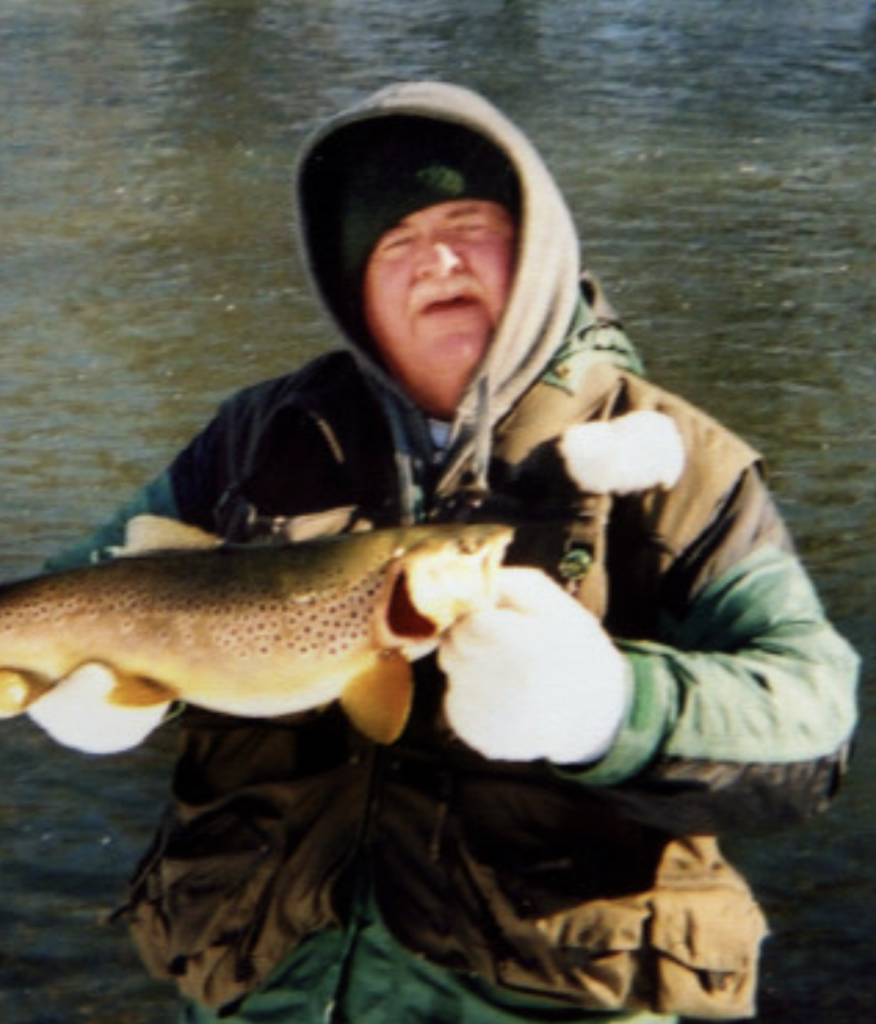
The Brookville Lake tailwater below the dam deserves its own entry separate from the main reservoir because it’s a completely different fishery that happens to exist within a short walk of the same parking lot. The cold-water release from the dam creates a genuine tailwater trout fishery in southeast Indiana that most anglers in the state don’t know about.
Stocked rainbow trout inhabit the cold section below the dam year-round, and the fishing on a fall morning when the water runs clear and cold is one of those experiences that feels out of place in Indiana in the best possible way. Fly fishing is the appropriate method here and produces results on standard trout patterns. The section is accessible without a boat and the limited distance of productive water means it doesn’t take long to fish it thoroughly.
The trout-stamp requirement applies here. That requirement catches visiting anglers off guard regularly and is worth confirming before you make the drive.
🎣 What You’ll Catch
- Rainbow Trout ⭐⭐⭐⭐⭐
📅 Best Time To Fish
- Spring: Excellent
- Summer: Good
- Fall: Excellent
🏆 Trophy Potential – 7/10 (Unique cold-water tailwater trout fishery.)
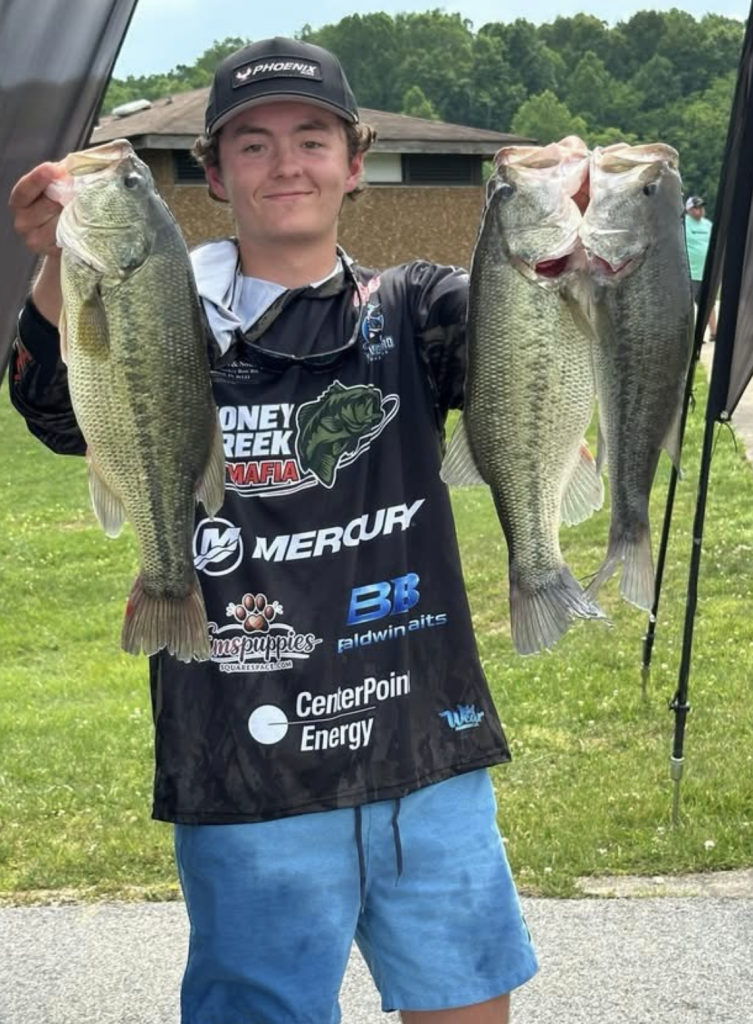
5. Patoka Lake (Second Look)
Patoka Lake’s individual entry at #16 covered the basics, but it deserves a second mention here because as southern Indiana reservoirs go, it’s the most complete option in the region. The 8,800-plus acres, the species variety, the habitat diversity, and the access infrastructure combine in a way that makes it the primary destination for serious anglers in the southern third of the state.
The largemouth bass fishery specifically has produced tournament-class fish over the years and the lake’s management has maintained a quality population despite the recreational pressure. For anglers who live in southern Indiana and want one home-water reservoir to learn deeply, Patoka is the choice.
🎣 What You’ll Catch
- Largemouth Bass ⭐⭐⭐⭐⭐
- Crappie ⭐⭐⭐⭐
- Walleye / Catfish ⭐⭐⭐⭐
📅 Best Time To Fish
- Spring: Excellent (prespawn bass/crappie)
- Summer: Good
- Fall: Excellent
🏆 Trophy Potential – 8/10 (Complete southern Indiana destination.)
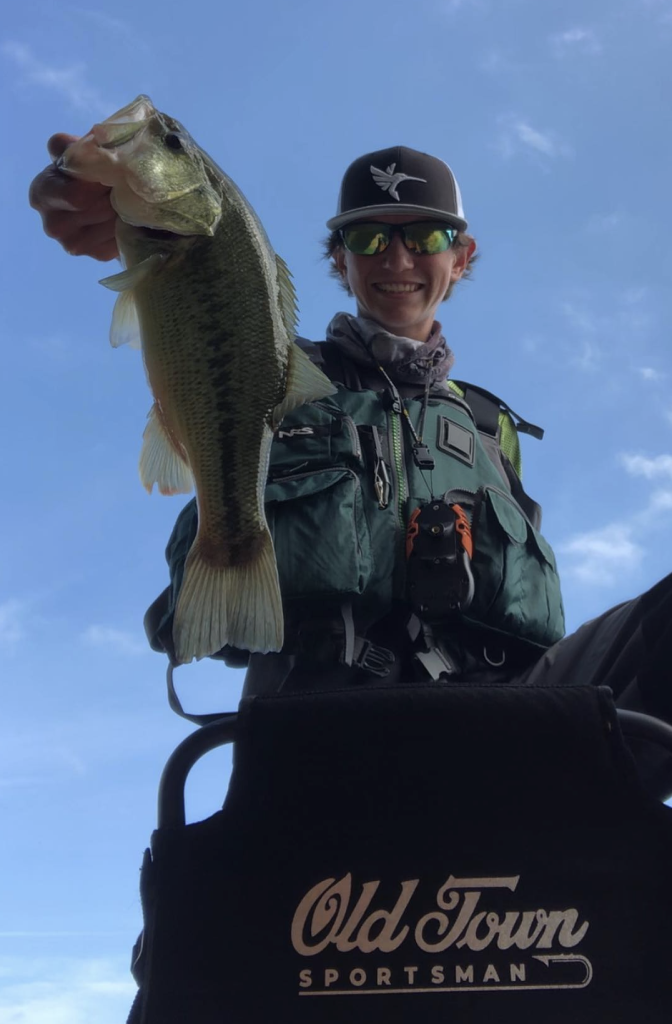
4. Monroe Lake (Second Look)
Monroe Lake at 10,750 acres is the single largest body of water in Indiana outside of Lake Michigan and the fishing reflects the size and the management. The combination of largemouth bass, hybrid striped bass, crappie, catfish, and bluegill across a lake with this much structure and this much variation in depth and habitat gives it a versatility that smaller Indiana lakes simply can’t match.
The hybrid striper fishery in particular sets Monroe apart from most Indiana reservoirs. A five-pound hybrid striper on light tackle in the main lake channels in November is a fish that most Indiana anglers who focus exclusively on bass have never experienced, and the Monroe Lake population makes it a realistic target for anyone willing to specifically pursue them.
🎣 What You’ll Catch
- Largemouth Bass ⭐⭐⭐⭐⭐
- Hybrid Striped Bass ⭐⭐⭐⭐⭐
- Crappie / Catfish ⭐⭐⭐⭐
📅 Best Time To Fish
- Spring: Excellent (bass/crappie)
- Summer: Good
- Fall/Winter: Excellent (hybrids)
🏆 Trophy Potential – 8/10 (Versatile large reservoir.)
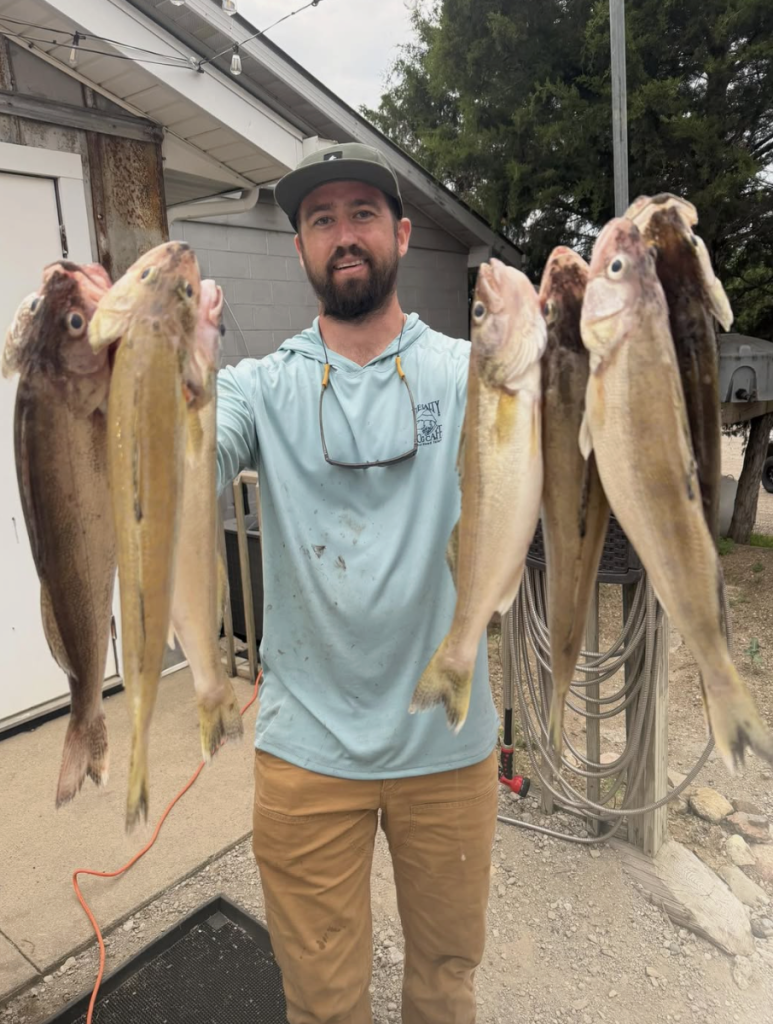
3. Brookville Lake System (Reservoir and Tailwaters Combined)
Brookville Lake earns its high position on this list by being genuinely two different fisheries in one place. The main reservoir produces walleye, smallmouth bass, and crappie across 5,200 acres of clear water with rocky structure. The tailwater below the dam produces year-round trout in water that belongs in a different state geographically but exists in southeast Indiana because the dam keeps it cold.
No other Indiana lake offers this combination. Walleye anglers, smallmouth bass anglers, crappie anglers, and trout anglers can all find legitimate reason to make the drive to Brookville, and the state park and reservoir facilities make it a complete multi-day destination rather than just a day trip.
The southeast Indiana location puts it within reasonable range of Cincinnati and Indianapolis both, which fills the lake with anglers who know what it offers.
🎣 What You’ll Catch
- Walleye ⭐⭐⭐⭐⭐
- Smallmouth Bass ⭐⭐⭐⭐
- Crappie ⭐⭐⭐⭐
- Rainbow Trout (tailwaters) ⭐⭐⭐⭐⭐
📅 Best Time To Fish
- Spring: Excellent (walleye/smallmouth/crappie)
- Summer: Good
- Fall: Excellent (trout)
🏆 Trophy Potential – 8/10 (Unique multi-fishery combination.)
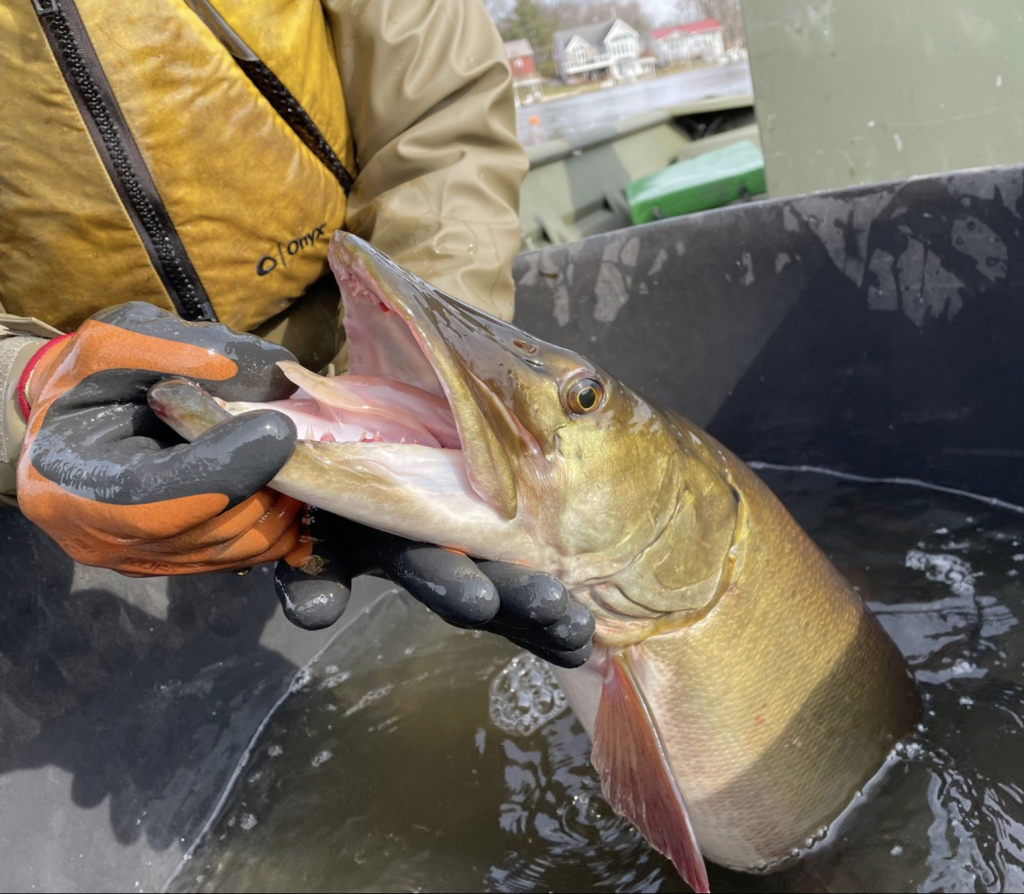
2. Indiana’s Natural Lakes (Northern Indiana Chain)
The glacial lakes of northern Indiana, particularly the Kosciusko, Marshall, Fulton, and LaGrange county lake chains, represent a fishing character so different from the reservoir fishing of the central and southern parts of the state that they deserve regional recognition rather than just individual entries.
Wawasee, Maxinkuckee, Webster, Syracuse, and the dozens of smaller connected and nearby lakes hold muskellunge, walleye, northern pike, smallmouth and largemouth bass, yellow perch, and bluegill in clear glacial water that looks more like northern Wisconsin than what most people picture when they think about Indiana.
The muskie fishing across the natural lake system is the specific draw for serious anglers who have looked past the well-known Illinois and Wisconsin destinations and found that northern Indiana produces comparable fish with considerably less pressure.
The access situation on many of these lakes, with private shoreline dominating the perimeter, requires a boat for most productive fishing. Resorts and fishing camps on the northern Indiana lakes are a long-standing tradition and provide the practical lodging infrastructure for multi-day trips.
🎣 What You’ll Catch
- Muskellunge ⭐⭐⭐⭐⭐
- Walleye ⭐⭐⭐⭐
- Northern Pike ⭐⭐⭐⭐
- Smallmouth / Largemouth Bass ⭐⭐⭐⭐
- Yellow Perch ⭐⭐⭐⭐
📅 Best Time To Fish
- Spring: Excellent (walleye/pike)
- Summer: Excellent (bass/perch)
- Fall: Excellent (muskie)
🏆 Trophy Potential – 9/10 (Glacial lakes with muskie focus; less pressured.)
1. Lake Michigan (Indiana Dunes and Michigan City)
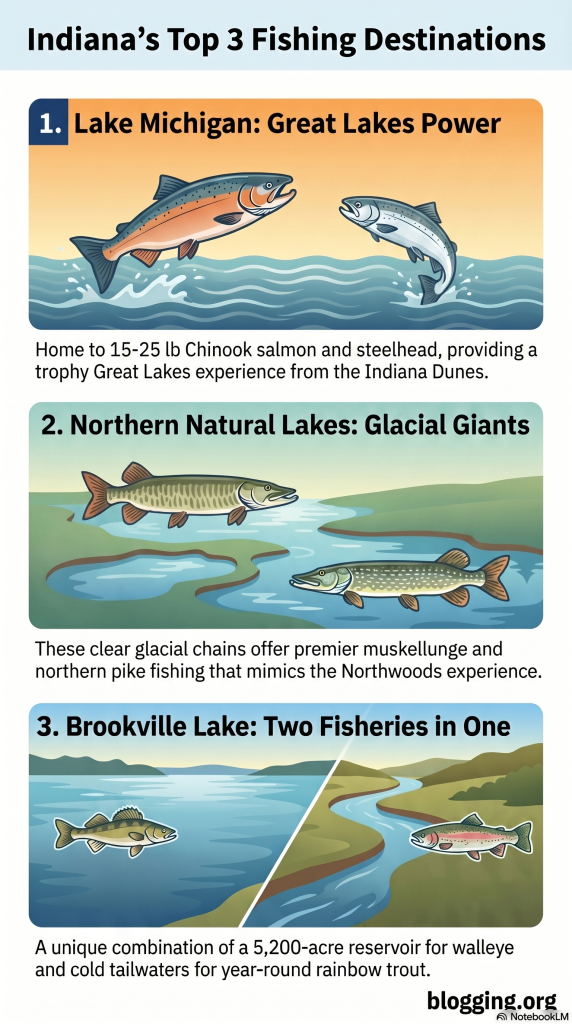
Indiana’s eleven miles of Lake Michigan shoreline produces fishing that has nothing in common with anything else in the state. Chinook salmon, coho salmon, lake trout, steelhead, and yellow perch all move through Indiana’s waters of Lake Michigan on the same seasonal cycles that drive the Great Lakes fishing calendar, and the charter fleet operating out of Michigan City and the Indiana Dunes area accesses all of it.
The Chinook salmon fishing from June through September is the peak draw. Fish in the 15 to 25 pound range are realistic catches on a productive charter day, and the pier fishing at Michigan City produces salmon for shore anglers during the fall runs when fish stack up before pushing into the tributaries. A charter trip for two out of Michigan City or Burns Harbor typically runs $100 to $175 per person for a half day, $150 to $250 for a full day.
Steelhead entering Indiana’s Lake Michigan tributaries from October through April extend the fishery into the cooler months and produce fish that are dramatically larger and stronger than the resident river fish most anglers in the state are used to catching. Trail Creek in Michigan City is the most accessible tributary and produces steelhead within walking distance of downtown.
The Lake Michigan permit is required in addition to a standard Indiana fishing license for fishing Indiana’s Lake Michigan waters. Weather is the constant variable on the lake. The charter captains know when not to go out and their judgment should be trusted. FishingBooker’s Indiana guide covers current charter operators and seasonal timing.
Indiana’s Lake Michigan fishery is the top of this list because it delivers a Great Lakes experience from one of the most overlooked sections of shoreline on the entire lake. The fishing is the same as Ohio or Michigan. The crowds are not.
🎣 What You’ll Catch
- Chinook / Coho Salmon ⭐⭐⭐⭐⭐
- Steelhead ⭐⭐⭐⭐⭐
- Lake Trout ⭐⭐⭐⭐
- Yellow Perch ⭐⭐⭐⭐
📅 Best Time To Fish
- Spring: Excellent (steelhead)
- Summer: Excellent (salmon/perch)
- Fall: Excellent (salmon/steelhead)
🏆 Trophy Potential – 10/10 (Great Lakes fishery on Indiana’s shoreline.)
Hoosier Fishing: More Lakes, More Rivers, and More Species Than You Probably Know About
Indiana fishing is the kind of thing that surprises you once you actually dig into it. The variety across different parts of the state is impressive and there are waters here producing fish at a level that most visiting anglers have no idea about. From glacial muskie lakes in the north to trophy catfish rivers in the south to Lake Michigan salmon on the shore, it covers a lot of ground.
In southern Indiana, there are two primary lakes that define the fishing. Monroe Lake is recognized for its diverse species and its big largemouth bass. Patoka Lake is recognized for trophy bass and giant crappie with plenty of timber and brush that provide year round habitat. Both lakes have several public access points with boat ramps and nearby camping.
Southern Indiana’s border with the Ohio River provides access to some of the largest catfish in the state. The state record blue catfish is 104 pounds and came from the Ohio. The combination of deep pools, strong current, and massive forage base creates a catfishing environment unlike anything else Indiana has to offer. The White River and Wabash River also hold excellent flathead and blue catfish through the state’s heartland.
The northern lake district has the best fishing for muskie, walleye, and moving water smallmouth bass. The Tippecanoe River has quality smallmouth fish with low pressure compared to more well known waters. The walleye run before the spawn in late February through early March is a great time to fish and the standard approach is night fishing with jigs tipped with minnows.
Before any Indiana fishing trip check the Indiana DNR at in.gov/dnr. Fishing licenses are required for anyone 18 and older and trout and salmon fishing require an additional stamp on top of the base license. Muskellunge has spring season closures in some waters and slot limits vary by lake so it is worth checking the specific rules for wherever you are planning to fish.
Indiana fishing encourages you to explore the whole state instead of just the most obvious lakes near the cities. The northern glacial lakes barely see pressure and there are river stretches in the south that most people drive past without stopping. Come with a plan and you will find a lot more than you expected.

Species Guides Worth Reading
Indiana has a solid mix of species worth targeting and these guides are worth reading before your trip.
The Largemouth Bass Fishing Guide covers the seasonal patterns and presentations that work on the big southern Indiana reservoirs like Monroe and Patoka where bass move through dramatically different depth ranges depending on the time of year and knowing those patterns makes a real difference.
For anyone targeting muskellunge in the northern lake district the Muskie Fishing Guide is worth reading before the trip. Indiana muskie fishing peaks in fall when fish go into aggressive feeding mode and the guide covers the big lure presentations and boat side techniques that turn followers into catches on the clear glacial lakes of the north.
The Complete Walleye Fishing Guide is useful before fishing the Tippecanoe River, Lake Freeman, or any of the central Indiana reservoirs with walleye stocking. Indiana walleye fishing in rivers responds best to specific jigging presentations in current and the guide breaks down the river and reservoir techniques that consistently produce fish.
The Catfish Fishing Guide is worth reading before fishing the Ohio River, White River, or Wabash River for flathead and blue catfish. Indiana’s record fish came from these rivers and the guide covers the live bait rigs and nighttime presentations that produce the biggest fish in the state’s major river systems.

More Fishing Resources
If Indiana has you planning a fishing trip a few of these resources are worth saving before you go.
The Best Fishing Locations in America covers the top freshwater destinations across the country and Indiana deserves more attention than it gets given the variety of fishing available across the state.
If you are building a Fishing Bucket List, Indiana is a solid state to knock species off the list. A trophy flathead catfish from the Ohio River, muskellunge from the northern glacial lakes, Chinook salmon from Lake Michigan, and giant crappie from Brookville Lake are all realistic targets here. That post covers the species every serious angler should catch at least once.
Before any Indiana trip it is also worth checking the Best Fishing Baits and Lures post. The state covers such a range of fishing situations from river catfishing to glacial lake muskie to Lake Michigan salmon that having the right gear for each target species makes a real difference in how your days on the water actually go.
