
How Calorie Counts Actually Get Calculated (And Why the Label Can Legally Be Wrong)

This post may contain affiliate links. We may earn a commission at no extra cost to you. See our full disclosure.
Here’s a fact that surprises almost everyone: the calorie number on a food label in the US is legally allowed to be off by 20 percent. A “200 calorie” snack can contain 240 calories and be perfectly compliant. Nobody is measuring your granola bar in a lab before it ships.
This guide covers where calorie numbers actually come from, how big the error bars really are, which foods are most likely to be mislabeled, and why the calories your body absorbs can differ from the label even when the label is right.
None of this is a reason to panic. It’s a reason to treat calorie counts as good estimates instead of laboratory truth, and to know when the estimate leans in which direction.
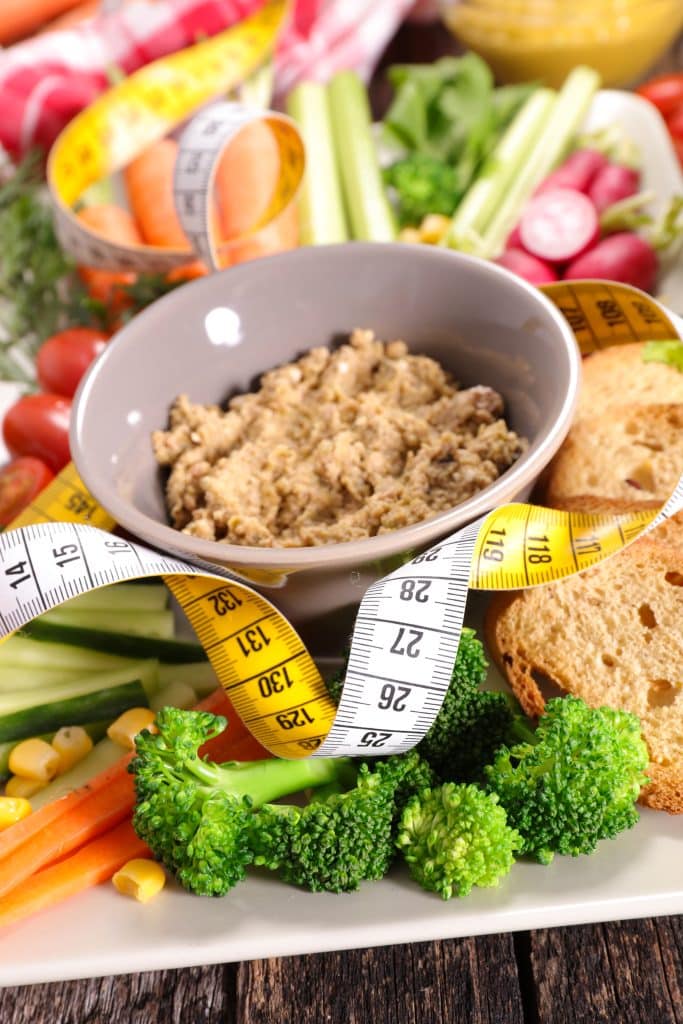
Where the Number on the Label Comes From
Most people picture scientists burning food in a machine. That machine exists (it’s called a bomb calorimeter), but it’s mostly not how modern labels get made. The dominant method is over a century old:
| Method | How it works | Who uses it |
|---|---|---|
| Atwater system | Count grams of protein, carbs, fat, alcohol, multiply by standard factors, add up | The vast majority of labels |
| Bomb calorimetry | Burn a dried sample, measure heat released | Research, some verification testing |
| Database lookup | Pull ingredient values from nutrient databases, sum the recipe | Restaurants, small producers, recipe apps |
The Atwater factors are the whole engine, and they’re worth knowing because they explain most label math you’ll ever see:
| Nutrient | Calories per gram |
|---|---|
| Fat | 9 |
| Alcohol | 7 |
| Protein | 4 |
| Carbohydrate | 4 |
| Fiber | Often counted at 0 to 2, treatment varies |
So a bar with 10g fat, 20g carbs, and 5g protein gets labeled at roughly 90 + 80 + 20 = 190 calories. No burning, no lab, just multiplication. The factors themselves are averages worked out from digestion studies in the late 1800s, applied to every food equally, which is where the interesting errors start.

The 20 Percent Rule
US labeling rules give manufacturers a tolerance: for calories (and several other nutrients), the actual content can run about 20 percent above the stated number before the label is considered out of compliance.
Understatements are policed more than overstatements for “good” nutrients, and enforcement testing is rare in practice. In plain terms:
Keep Reading
Related, and worth the detour:
→ the pantry staples that outlast everything else on the shelf
→ what frugal shoppers quietly dropped from the grocery list
| Label says | Could legally contain | Over a daily 5-item pattern |
|---|---|---|
| 100 calories | Up to ~120 | Up to ~100 hidden calories |
| 250 calories | Up to ~300 | |
| 500 calories | Up to ~600 |

None of this calls for paranoia. It calls for rounding. If you’re tracking, treating labels as plus-or-minus 10 to 20 percent puts you closer to reality than trusting them to the digit, and it explains why two people “eating 1,800 calories” can be having very different weeks.

Serving Sizes: The Bigger Distortion
The tolerance is small compared to the serving-size games sitting right next to it:
| Trick | Example | Effect |
|---|---|---|
| Tiny servings | Cooking spray at “0 calories” per one-third-second spray | Whole can is hundreds of calories |
| Rounding to zero | Anything under 5 calories per serving can label as 0 | “Zero calorie” foods that aren’t |
| Half the package | A bottle or bag that’s obviously one sitting listed as 2 to 2.5 servings | Real intake is double the front number |
| Dry vs prepared | Cereal without milk, pasta before sauce | The eaten meal is far bigger |
The rounding-to-zero rule is why sweeteners, sprays, and some “calorie-free” products can add up to real calories at real-world usage levels. It’s also the fine print behind a lot of what we covered in the snack foods that are healthier than they look and the foods with calorie counts so low they almost look fake: most of those foods really are that light, but “zero” on a label is a rounding artifact, not a measurement.
Keep reading: 33 Foods That Keep You Full Longer Than You’d Expect puts this whole section into a grocery list.
While You're Here
37 Foods to Always Stockpile Before Winter
The shelf-life ranked list readers keep printing out.

Label Calories vs. Absorbed Calories
Even a perfectly accurate label describes the food, not what your body extracts from it. The gaps run in both directions, and some are big enough to matter:
| Food situation | What happens | Direction vs label |
|---|---|---|
| Whole nuts (almonds especially) | Cell walls trap fat; studies suggest meaningfully fewer calories absorbed than Atwater math implies | You absorb less |
| Raw vs cooked starches | Cooking makes starch far more digestible | Cooked delivers more |
| Cooled cooked starch (resistant starch) | Some starch converts to a form your gut can’t fully use | Slightly less |
| High-fiber whole foods | Fiber blunts absorption and costs energy to process | Less |
| Ultra-processed foods | Pre-broken-down, absorbed fast and nearly completely | Full label value or more, effectively |
| Protein-heavy meals | Digestion itself burns a meaningful share of protein’s calories | Effectively less |
Two of these deserve a highlight. The nut research is one of the better-documented label gaps: whole almonds in particular appear to deliver noticeably fewer usable calories than their label suggests, because a share of the fat leaves the body unabsorbed.
And the processing effect may be the most underrated line in nutrition: the same ingredients, more processed, tend to yield more absorbed calories with less digestive effort.
It’s part of why food-quality lists like everyday foods with surprising health benefits and gut-friendly foods ranked by the strength of the science keep pointing at whole and fermented foods: the label math understates their advantages.
The honest summary: for whole foods the label tends to overstate what you absorb, and for ultra-processed foods it tends to be dead-on or generous to the food. Two “200 calorie” snacks are not the same 200 calories.
Reader Favorite
The "Phone Money" Trick Our Readers Keep Writing In About
Every week we get emails asking the same thing: is there a legit way to make extra money without taking on a second job? The answer that keeps coming back from readers is reward apps that pay real cash for things you're probably already doing on your phone, like answering surveys or playing games while the TV is on.
One reader told us she covers most of her monthly streaming bills this way. Another uses his payouts to pad the grocery budget. It won't replace a paycheck, but an extra $50 to $100 a month for downtime you'd spend scrolling anyway is hard to argue with.
- Free $5 signup bonuses just for joining
- Cash out via PayPal, check, or gift card
- No fees, no experience, nothing to buy
We compared the highest-rated options so you don't have to dig: see the best ways to make money from your phone →
We may earn a commission if you sign up through a link on this page.

Which Labels to Trust Least
Ranked by how wide the real-world error bars tend to run:
| Category | Reliability | Why |
|---|---|---|
| Packaged single-ingredient foods (rice, oats, oil) | High | Simple math, consistent product |
| Major-brand packaged foods | Decent | Standardized recipes, occasional testing |
| “Diet” and low-calorie labeled products | Mixed | Every incentive points down; rounding games common |
| Restaurant menu calories | Low | Portions vary plate to plate; spot checks find wide swings |
| Homemade recipes via apps | Low | Database entries vary wildly for the same ingredient |
| Anything sold by weight where a “unit” is listed | Low | Your bagel is not the reference bagel |
Restaurant numbers deserve the loudest asterisk. A menu figure describes a standardized reference plate, and the kitchen making yours is pouring oil by wrist feel.
Independent checks have found individual restaurant dishes running dramatically over their menu numbers, and generous portioning is the default failure mode. If a number matters to you, assume the plate in front of you is the menu figure plus a tip.

Why Two Apps Disagree on the Same Meal
Anyone who’s tracked food in more than one app has hit the moment: the same chicken breast is 165 calories in one app, 231 in another, and 280 in a third user-submitted entry with a suspicious number of confirmations. All three are “official” as far as the interface is concerned. Here’s the plumbing behind the disagreement:
From Around Our Desks
One more we think you'll like: the Sunday meal planning system that survived a real family
| Entry type | Where the number comes from | Trust level |
|---|---|---|
| Government database entries (USDA-sourced) | Lab-analyzed reference foods | Highest available |
| Brand-verified packaged foods | The label, with its 20 percent tolerance | Decent |
| Restaurant chain entries | The chain’s published menu math | Menu-grade, see above |
| User-submitted entries | Someone typed it once, possibly wrong, possibly for a different size | Lottery |
| “Generic” prepared dishes (lasagna, curry, casserole) | An averaged guess at an unknowable recipe | Wide open |
The generic-dish problem is the biggest one. “Beef stew, 1 cup” spans a huge calorie range depending on the recipe, and the app’s single number is a coin flip inside that range.
The fix that costs the least effort: prefer the government-database entries for whole ingredients, prefer brand entries for packaged items, and treat any user-submitted or generic-dish entry as plus-or-minus a lot. People who track seriously eventually log ingredients instead of dishes for exactly this reason.

Estimating Without Labels at All
Since the labels are estimates anyway, you might as well know the estimation method that needs no labels, no scale, and no app. Hand portions. It’s cruder than weighing and more accurate than most database guessing, because your hand scales with your body:
| Portion | Roughly equals | Typical calories |
|---|---|---|
| Palm (thickness and area) of cooked lean protein | 3 to 4 oz | 120 to 200 |
| Cupped hand of cooked carbs (rice, pasta, potato) | 1/2 to 2/3 cup | 100 to 150 |
| Thumb of fats (butter, oil, nut butter) | About 1 tablespoon | 90 to 120 |
| Fist of vegetables | About 1 cup | 25 to 50 |
| Handful of nuts or chips | About 1 oz | 130 to 180 |

A dinner of one palm, one cupped hand, one thumb, and two fists lands in the 400 to 600 range nearly regardless of cuisine, which is precise enough for the trend-tracking that actually matters.
Readers Can't Stop Opening These
★ 29 Dollar-Store Items That Beat the Name Brand
The hand method also travels to restaurants, potlucks, and every situation where the label-based system fails completely, and it pairs naturally with building plates around the foods where precision matters least, the high-volume, low-density end of the spectrum that fills the super low calorie foods you can basically eat without counting.

What To Actually Do With All This
None of this makes calorie counting useless. It makes precision theater useless. The adjustments that follow from the evidence:
- Track trends, not digits. Your weekly average is meaningful; the third decimal of a Tuesday is not. The error bars guarantee it.
- Round restaurant and prepared food up. Adding 10 to 20 percent to menu numbers is closer to the checks than taking them at face value.
- Let whole foods keep their discount. Nuts, fibrous vegetables, and minimally processed foods deliver less than their labels threaten. That’s a point in their favor the label can’t show, and it stacks with everything on the vegetables ranked by protein content and low-carb vegetables ranked by net carbs lists.
- Watch serving sizes harder than calories. The serving-size line is where labels mislead most, and it’s the one line nobody reads.
- Be most skeptical of the most flattering numbers. A suspiciously low count on a processed product is the single most likely place for label games to live.
Up next: hunting protein specifically? 37 High-Protein Fast Food Lunches does the menu math for you, and 31 Foods Your Body Will Thank You For covers the rest of the plate.
The calorie label is a decent estimate built on 130-year-old averages, a legal tolerance wide enough to hide a snack inside, and serving-size math designed by the marketing department. Used as an estimate, it’s genuinely useful.
Trusted as an exact measurement, it will steer you wrong, and usually in the direction that flatters the food.
Enjoyed this article? Here are more fun reads:
