25 Pennsylvania Fishing Spots So Good, Locals Almost Wish They Were Secret

Pennsylvania has more miles of trout streams than any other contiguous state in the country. That fact doesn’t get repeated enough. People think of Pennsylvania as a mid-Atlantic state with some nice farmland and a couple of cities, and meanwhile it has one of the most extensive cold-water fisheries east of the Mississippi running through its ridges and limestone valleys.
The diversity here is the real story. You can fly fish a class-A wild trout stream in the central part of the state, drive an hour and target muskie in a deep reservoir, and then spend a weekend chasing walleye and steelhead on Lake Erie without ever leaving Pennsylvania. Most states can’t offer that range within their own borders.
This list covers the full spectrum, from accessible urban lakes near Philadelphia to wilderness reservoirs in the Allegheny highlands to the Great Lakes shore in Erie County. It goes from solid and productive at the bottom to the kind of fishing that people structure their entire Pennsylvania fishing lives around at the top.
Before any trip, check current regulations at the Pennsylvania Fish and Boat Commission. The 2026 Fishing Summary covers all current seasons, size and creel limits, and special regulation waters.
A standard fishing license is required for residents and nonresidents, with a separate Trout and Salmon Permit required for trout and salmon fishing and a Lake Erie Permit required for fishing Pennsylvania’s Erie waters. Clean, drain, and dry all gear between water bodies. Invasive species pressure in Pennsylvania’s lakes and rivers is real and ongoing.
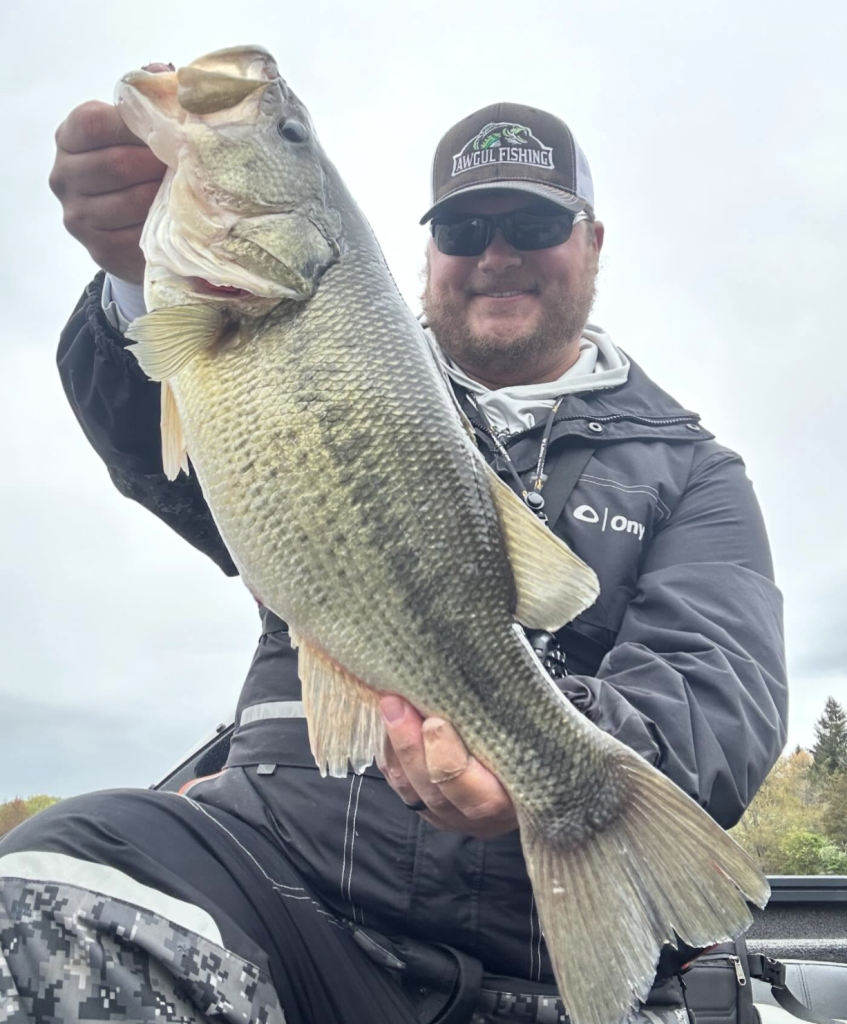
21. Lake Nockamixon (Bucks County)
Lake Nockamixon is a 1,450-acre reservoir in Nockamixon State Park in Bucks County, about an hour north of Philadelphia, and it produces the kind of consistent multi-species fishing that makes it a reliable destination for anglers across the southeastern part of the state. Largemouth and smallmouth bass, crappie, catfish, bluegill, and walleye all live here in numbers that reward regular visits.
The state park infrastructure around the lake is well-maintained with multiple boat ramps and shoreline access points that make it workable for anglers without a boat. The drawback is summer boat traffic from the recreation crowd that shares the park, which pushes serious fishing to early mornings and evenings during peak season.
VisitPA’s fishing overview covers the lake as part of its southeastern Pennsylvania resources. For families near Philadelphia looking for a half-day fishing option with reasonable fish populations, Nockamixon delivers without requiring a long drive.
Best timing: Spring for bass during the spawn, year-round for panfish and catfish.
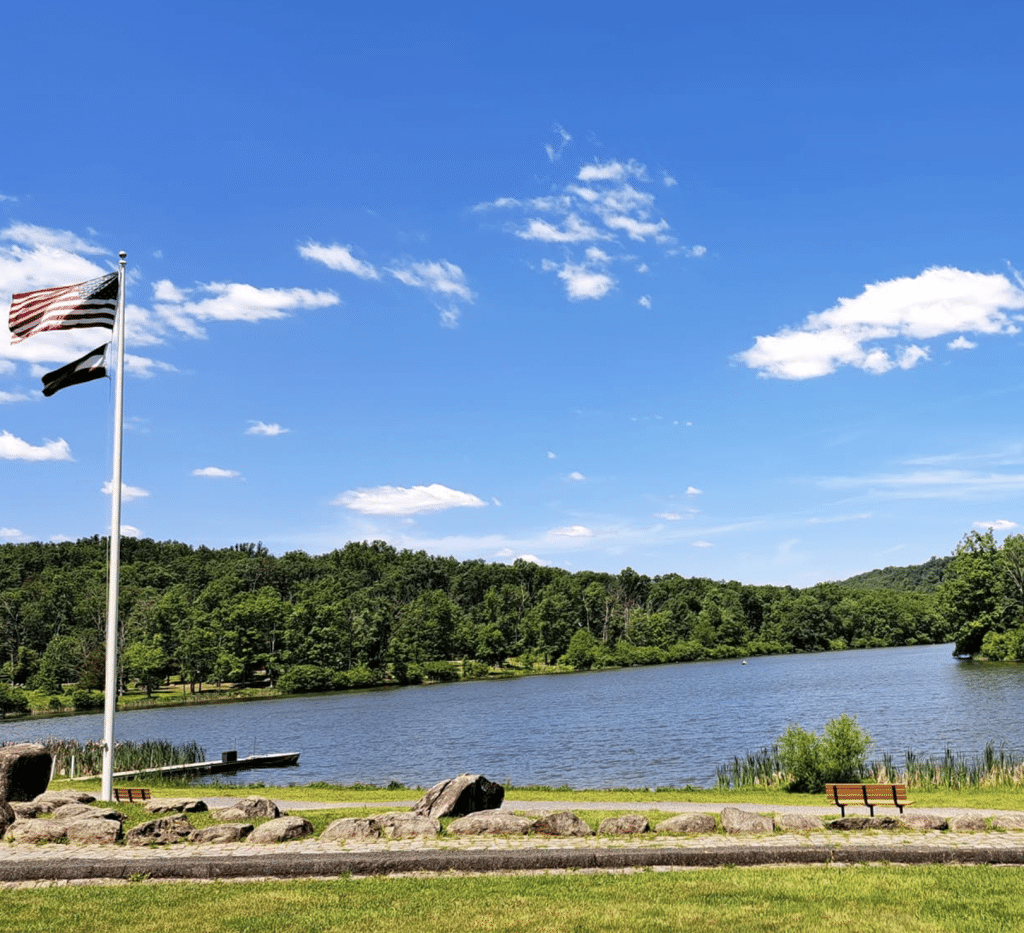
20. Green Lane Reservoir (Montgomery County)
Green Lane is an 814-acre lake in Montgomery County that sits close enough to Philadelphia to attract consistent pressure but far enough from the city to retain some character. Largemouth and smallmouth bass, channel catfish, yellow perch, crappie, and bluegill are all present, and the lake’s multiple access points in Green Lane Park make it one of the more accessible southeastern Pennsylvania options for bank anglers.
The pressure on weekends is the honest trade-off for the location. Green Lane isn’t a discovery for anyone in Montgomery County and it fishes accordingly on Saturday mornings in May. Go on a weekday or late evening and the experience changes considerably.
Best timing: Spring through summer for bass and panfish, fall for catfish in the deeper sections.
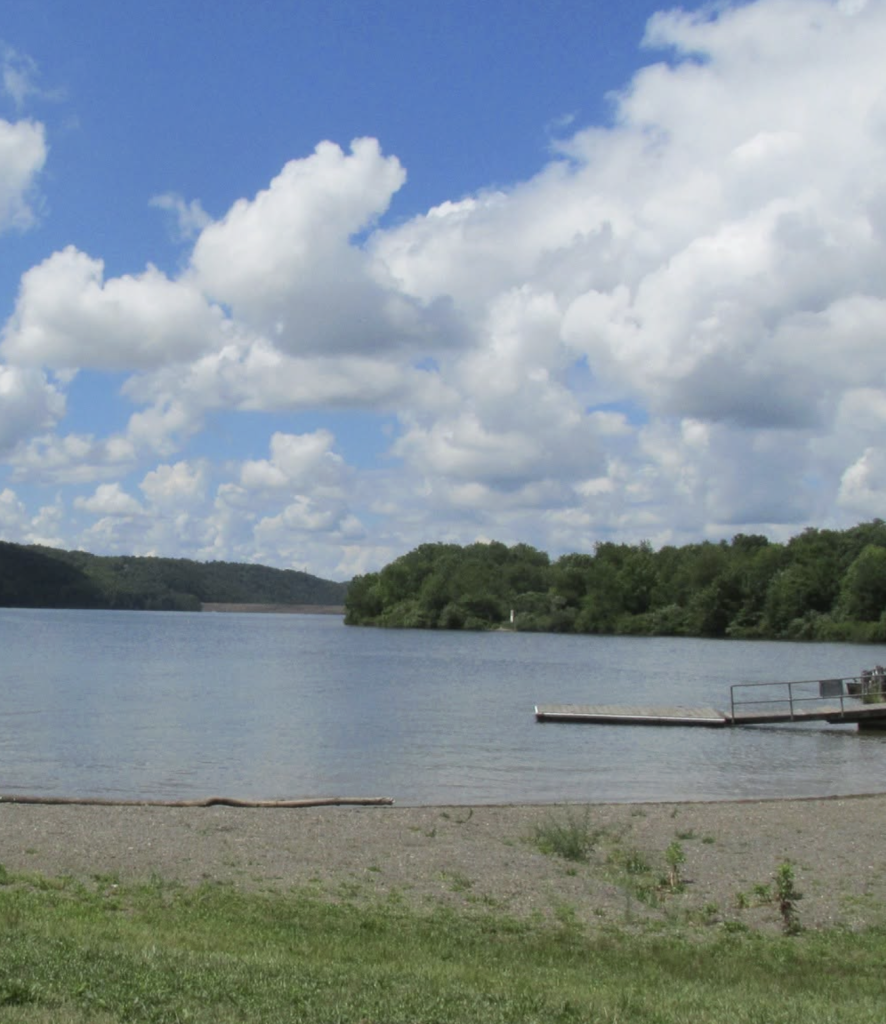
19. Beltzville Lake (Carbon County)
Beltzville Lake in the Pocono region of Carbon County is a clear, structure-rich reservoir that produces good walleye, largemouth and smallmouth bass, and muskellunge in water that has more visual character than most Pennsylvania reservoirs. The clarity here rewards sight fishing in the shallows in spring and electronics-based structure fishing in summer when fish go deep.
Boat traffic from the state park recreational crowd is the consistent challenge during summer months. Seasonal water level drawdowns can affect access and fish location in fall, which is worth accounting for when planning a late-season trip. The walleye fishing in spring when fish are in the shallows before the main recreational season kicks in is the best window.
Best timing: April through May for walleye and bass, fall for muskie.
18. Blue Marsh Lake (Berks County)
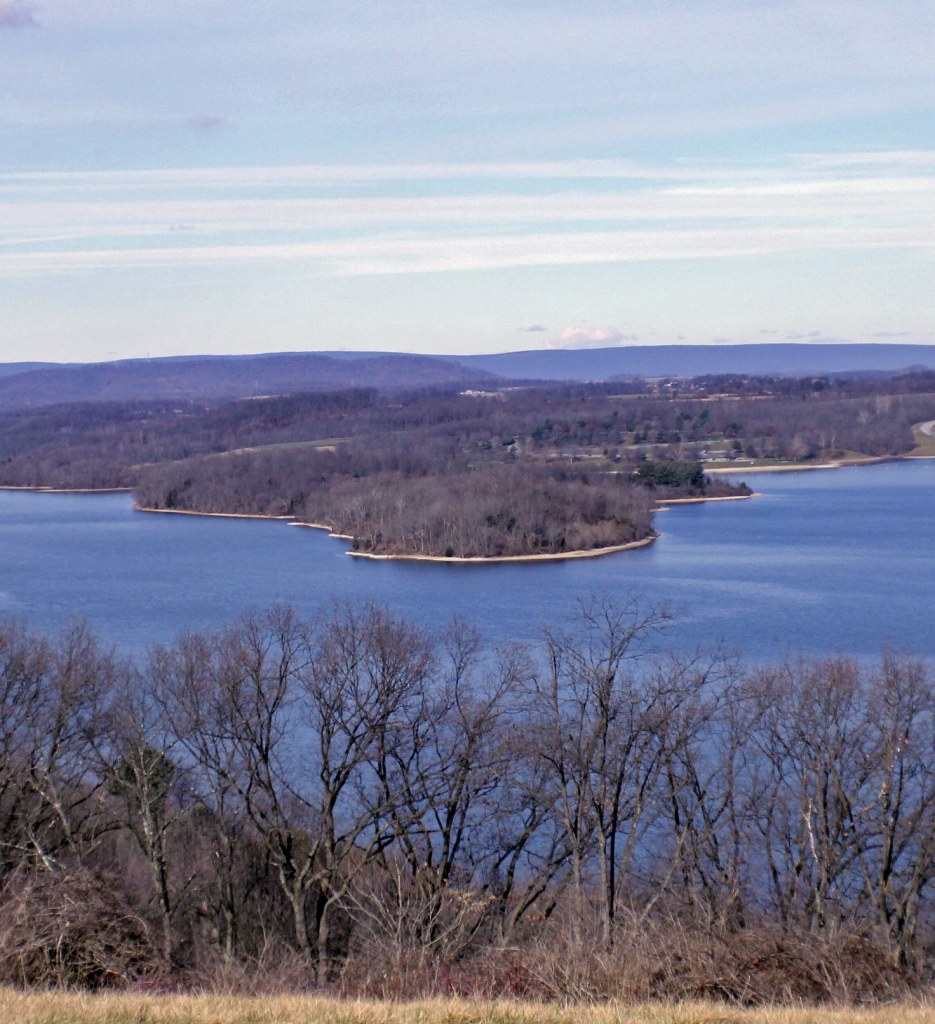
Blue Marsh sits in Berks County west of Reading and covers about 1,150 acres of Army Corps of Engineers water that produces walleye, largemouth and smallmouth bass, muskellunge, and panfish in a setting that sees less pressure than the lakes closer to Philadelphia. The access infrastructure is solid and the lake’s varied structure, including creek channels, points, and submerged timber, gives anglers multiple different approaches.
Water level fluctuations managed by the Army Corps for flood control can shift fish locations in ways that aren’t always predictable. The walleye and muskie populations are the highlights. For anglers in Berks, Lancaster, or Lebanon counties who want a lake worth fishing seriously rather than just casually, Blue Marsh earns the drive.
Best timing: Spring through fall for walleye, summer for bass and muskie.
17. Marsh Creek Lake (Chester County)
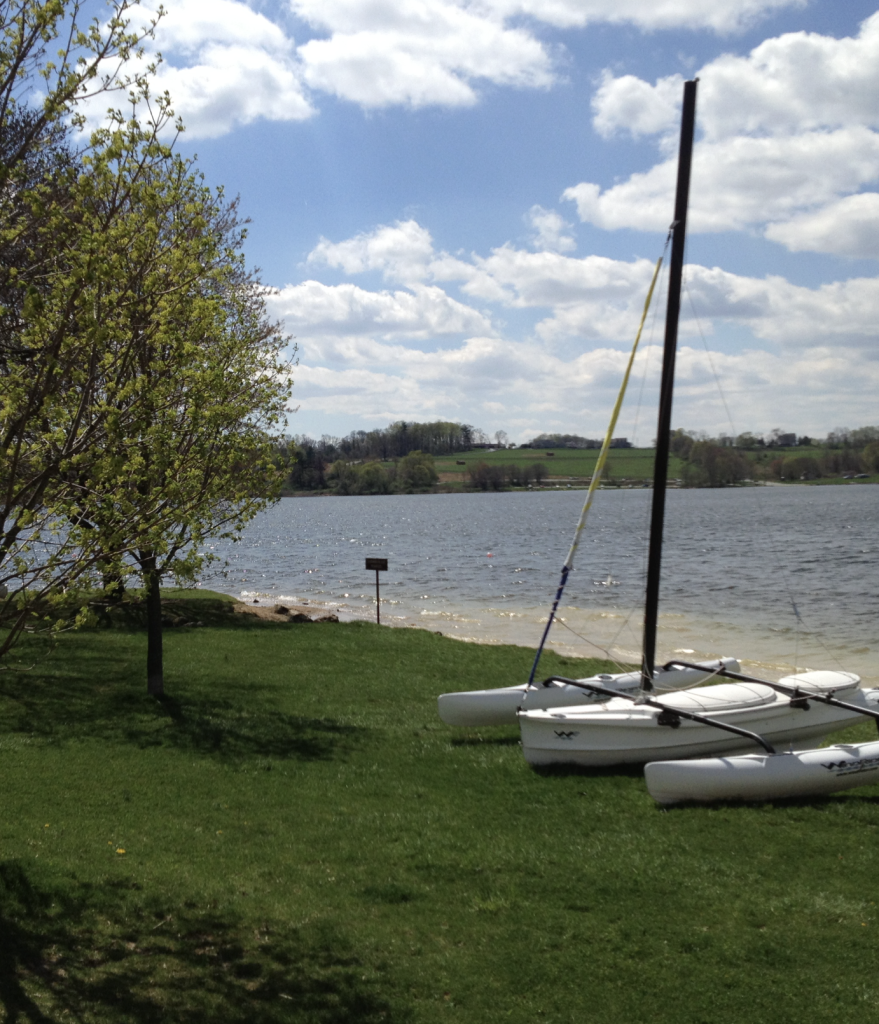
Marsh Creek is a 535-acre lake in Chester County that makes this list primarily because of its location. For the several million people living in the Philadelphia suburbs who want to fish without driving two hours, Marsh Creek is one of the closer options that produces actual fish rather than just water. Largemouth bass, northern pike, crappie, and panfish are all present.
Urban proximity is both what makes it useful and what limits it. The pressure here is real and consistent, the fish have seen a lot of presentations, and the pike population adds some excitement for anglers who haven’t specifically targeted them before. It’s not a destination for serious trophy hunters but it’s a legitimate option for suburban anglers who value convenience over solitude.
Best timing: Spring for bass and pike in the shallows, year-round for panfish.
16. Lake Arthur (Moraine State Park, Butler County)
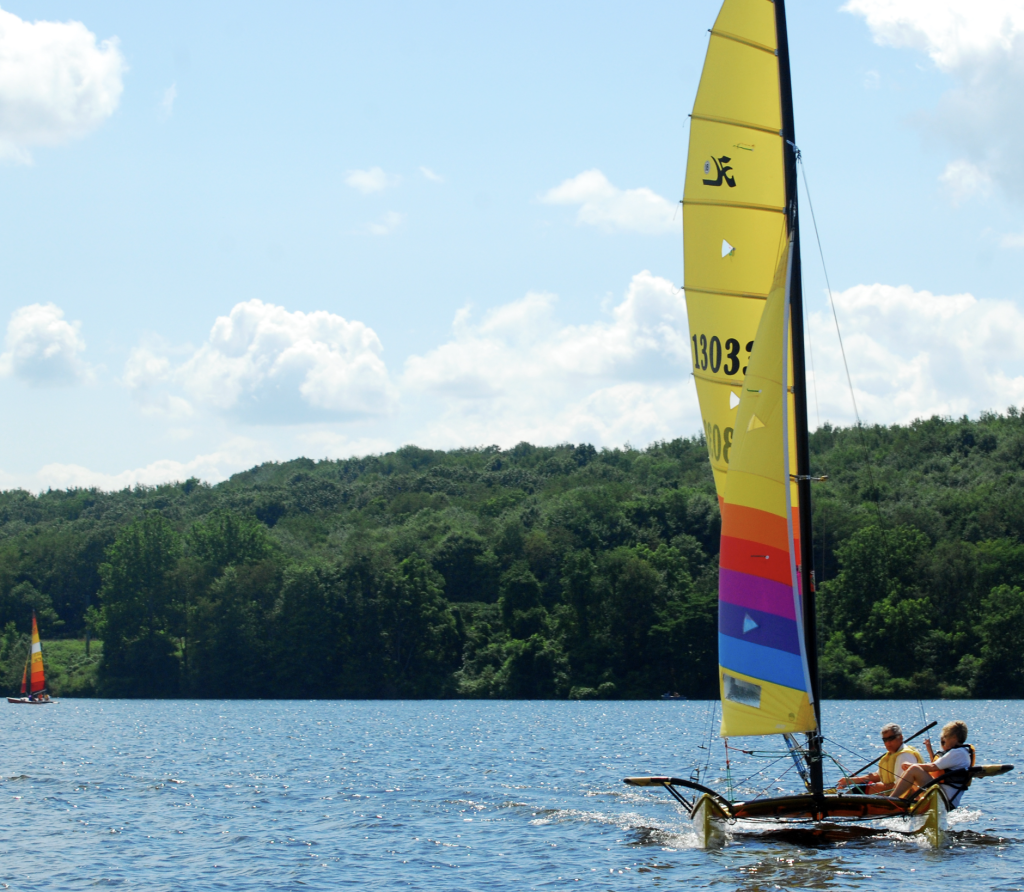
Lake Arthur is a 3,225-acre reservoir in Moraine State Park in Butler County, north of Pittsburgh, and it holds one of the most diverse species lists of any Pennsylvania lake. Largemouth bass, northern pike, muskellunge, crappie, bluegill, catfish, and walleye all live here in a park setting with the kind of access infrastructure that makes it genuinely family-friendly without sacrificing fishing quality.
The pike fishing here specifically gets less attention than it deserves. Lake Arthur pike run to respectable sizes and the weed bed structure in the lake’s shallower sections gives them exactly what they want. It’s a reasonable all-day destination for anglers from Pittsburgh who want variety without the drive to the bigger reservoir options further north.
Best timing: Spring for pike and bass spawning, fall for muskie as temperatures drop, year-round for panfish.
15. Youghiogheny River Lake (Somerset and Fayette Counties)
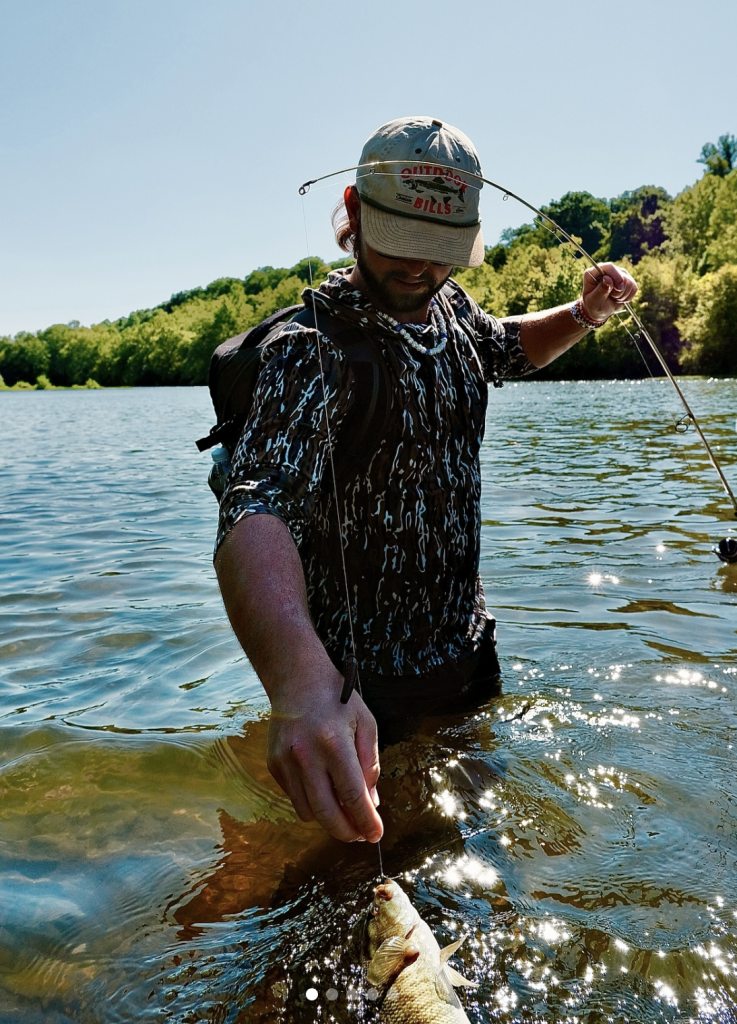
The Youghiogheny River Lake, called the Yough Lake by everyone who fishes it, sits on the Pennsylvania-Maryland border in the southwestern corner of the state and produces walleye, largemouth and smallmouth bass, and muskellunge in a deep, clear reservoir with scenery that the more central Pennsylvania lakes can’t match. The surrounding Laurel Highlands terrain gives the fishery a genuinely wild feeling.
The multi-state boundary creates a mild regulation complication for anglers fishing near the state line, and dam operations by the Army Corps affect water levels seasonally. The walleye fishing in spring and the smallmouth bass fishing through summer are the primary draws. For anglers in the Pittsburgh area who haven’t made the drive to the Yough Lake, it holds more than its regional profile suggests.
Best timing: April through June for walleye and spring bass, summer for smallmouth.
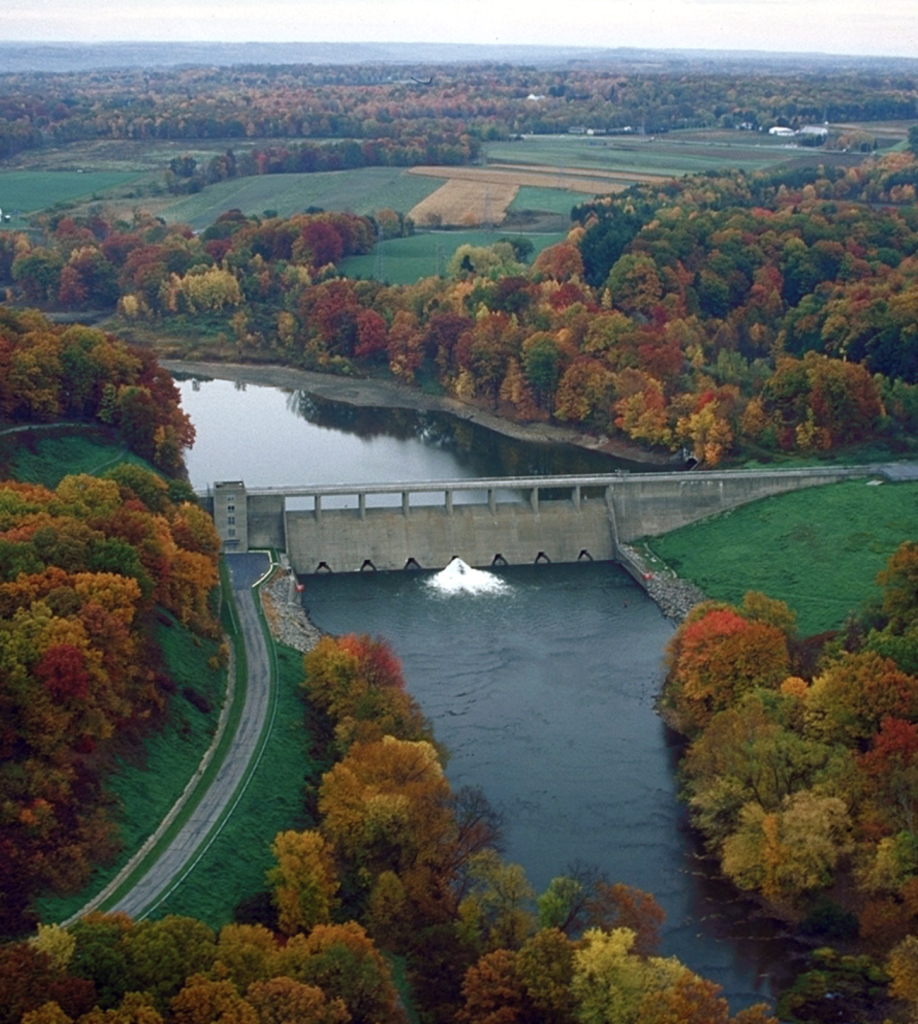
14. Shenango River Lake (Mercer County)
Shenango River Lake in Mercer County is a 3,560-acre Army Corps reservoir that produces strong walleye and bass numbers in water that doesn’t get the attention of Pymatuning just to its north. That lower profile is actually part of the appeal. The same species are available with less competition for the water on most days.
Walleye are the signature species and the population benefits from the lake’s structure of creek channels, points, and submerged timber that concentrate fish in predictable locations once you learn them. Variable water levels tied to Army Corps operations are the main planning variable.
The muskellunge population here is the underappreciated element. Shenango produces muskie that most anglers targeting walleye and bass walk right past, and the lake’s varied structure gives them plenty of productive water. A local guide or current PFBC information on conditions makes a first trip considerably more productive on any species.
Best timing: Spring for walleye, summer and fall for bass and muskie.
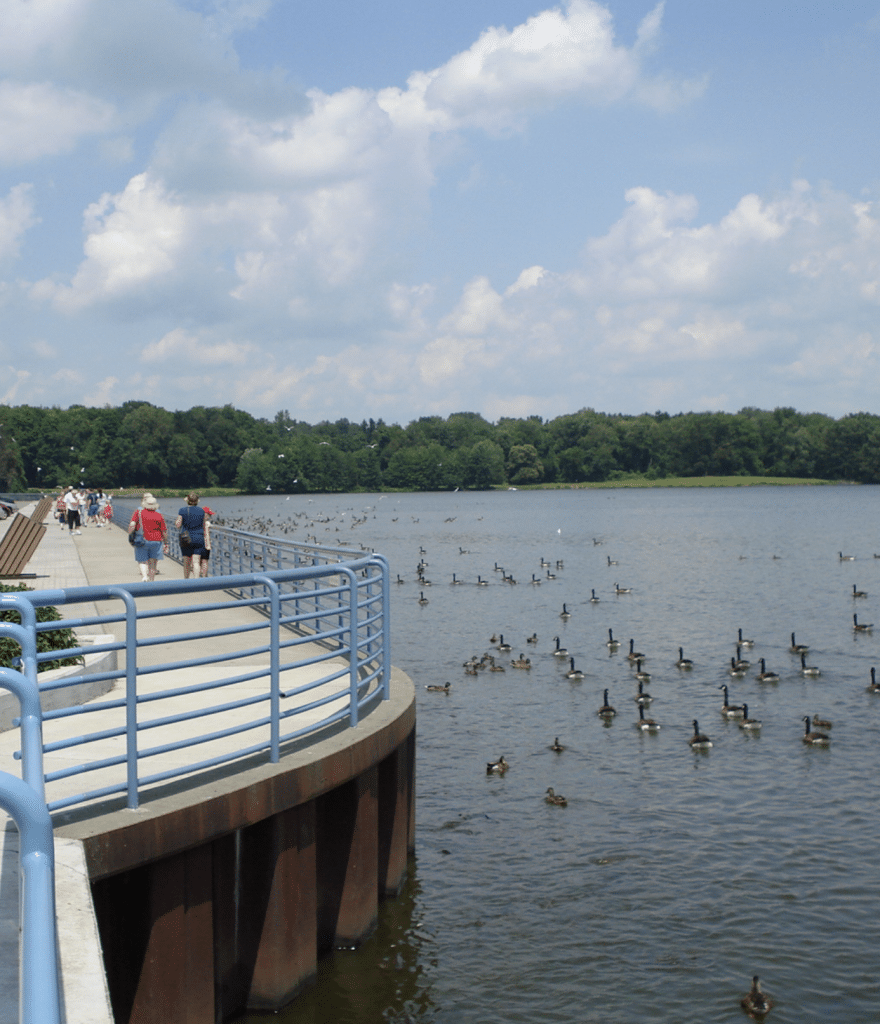
13. Pymatuning Reservoir (Crawford County)
Pymatuning is a massive lake by Pennsylvania standards. At over 17,000 acres shared between Pennsylvania and Ohio, it holds walleye, muskellunge, yellow perch, crappie, and largemouth bass in numbers that support one of the most active fisheries in northwestern Pennsylvania. The walleye population specifically is well-managed and consistently productive, and the ice fishing for perch in winter draws crowds that speak to how good the lake gets when it freezes.
The multi-state situation means Ohio and Pennsylvania regulations both apply depending on where you are on the water, and the two states don’t always have identical rules. Heavy fishing pressure during prime walleye season and during ice fishing weekends is real and unavoidable on a lake this popular and this accessible.
FishingBooker’s Pennsylvania guide covers Pymatuning guide options and current conditions. The PFBC interactive maps show access points for both the Pennsylvania and Ohio shores.
Best timing: April through May for walleye, early summer for crappie and bass, winter for ice fishing on perch.
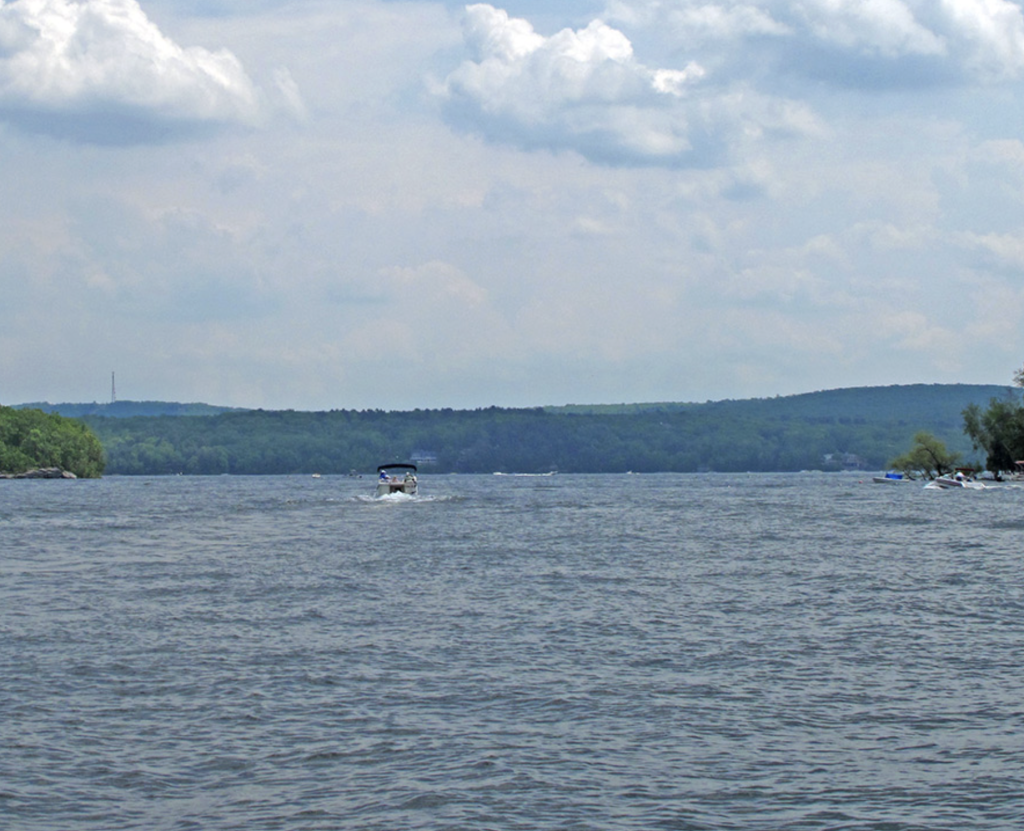
12. Lake Wallenpaupack (Pike and Wayne Counties)
Lake Wallenpaupack sits in the Pocono Mountains and covers nearly 5,700 acres of water that holds walleye, largemouth and smallmouth bass, lake trout, yellow perch, and chain pickerel in a setting that the tourist brochures for the Poconos have been using since they started printing tourist brochures for the Poconos. It’s a beautiful lake.
The lake trout fishery here is underutilized by most visiting anglers who come for the bass and walleye and miss the deeper water where lakers live through the summer months. Electronics and the willingness to go deep in July and August produce fish that most people assume aren’t there. The recreational boating from the resort communities around the lake is the main challenge for serious fishing, particularly on summer weekends.
Best timing: Spring for bass and walleye, summer mornings before boat traffic for lake trout, fall for all species as temperatures drop.
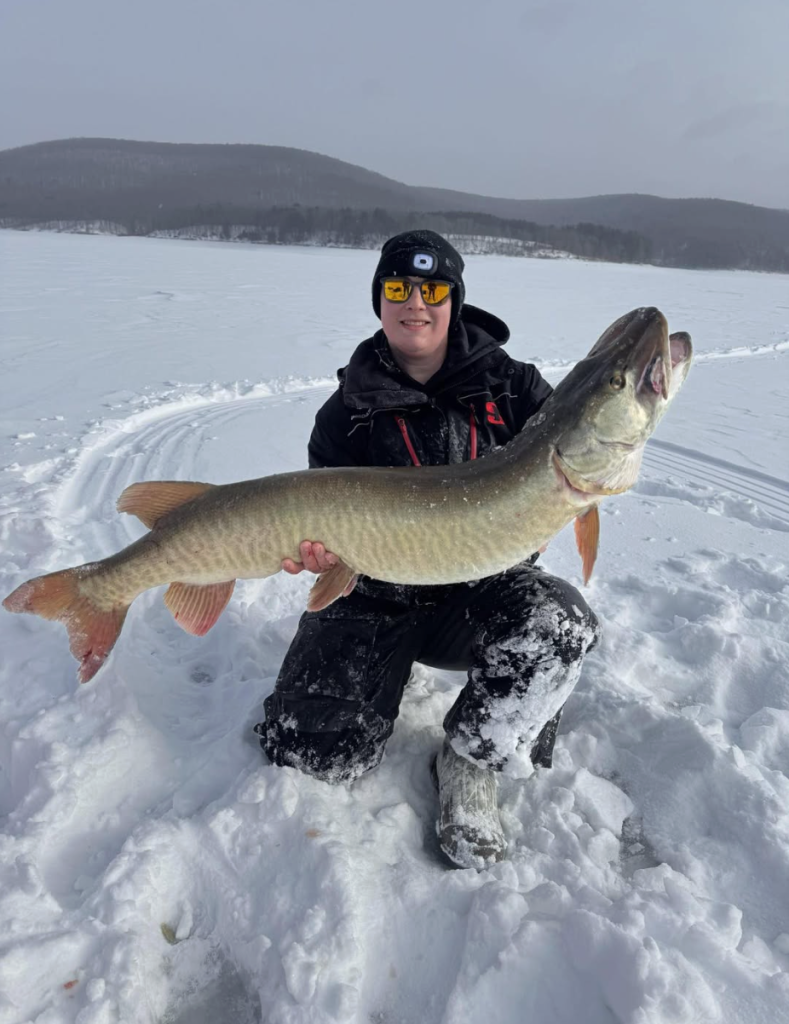
11. Allegheny Reservoir (McKean County)
The Allegheny Reservoir, formed by Kinzua Dam in McKean County along the New York border, covers roughly 12,000 acres of deep, clear water in what feels like genuine wilderness even though the road is relatively close. Walleye, muskellunge, largemouth and smallmouth bass, and lake trout all inhabit the deeper structure and rock piles that make this reservoir consistently productive for anglers willing to learn it.
The wilderness character is real. The Allegheny National Forest surrounds the reservoir on most sides and the fishing has a remote feel that most Pennsylvania lakes don’t provide. Water level changes from Kinzua Dam operations can be dramatic enough to relocate fish significantly, which is the main variable to account for when planning. The muskie fishing in the upper reservoir sections has a dedicated following and produces fish in the mid-30 inch and above range regularly.
Best timing: Spring and early summer for walleye and bass, fall for muskie, summer for lake trout in deep water.
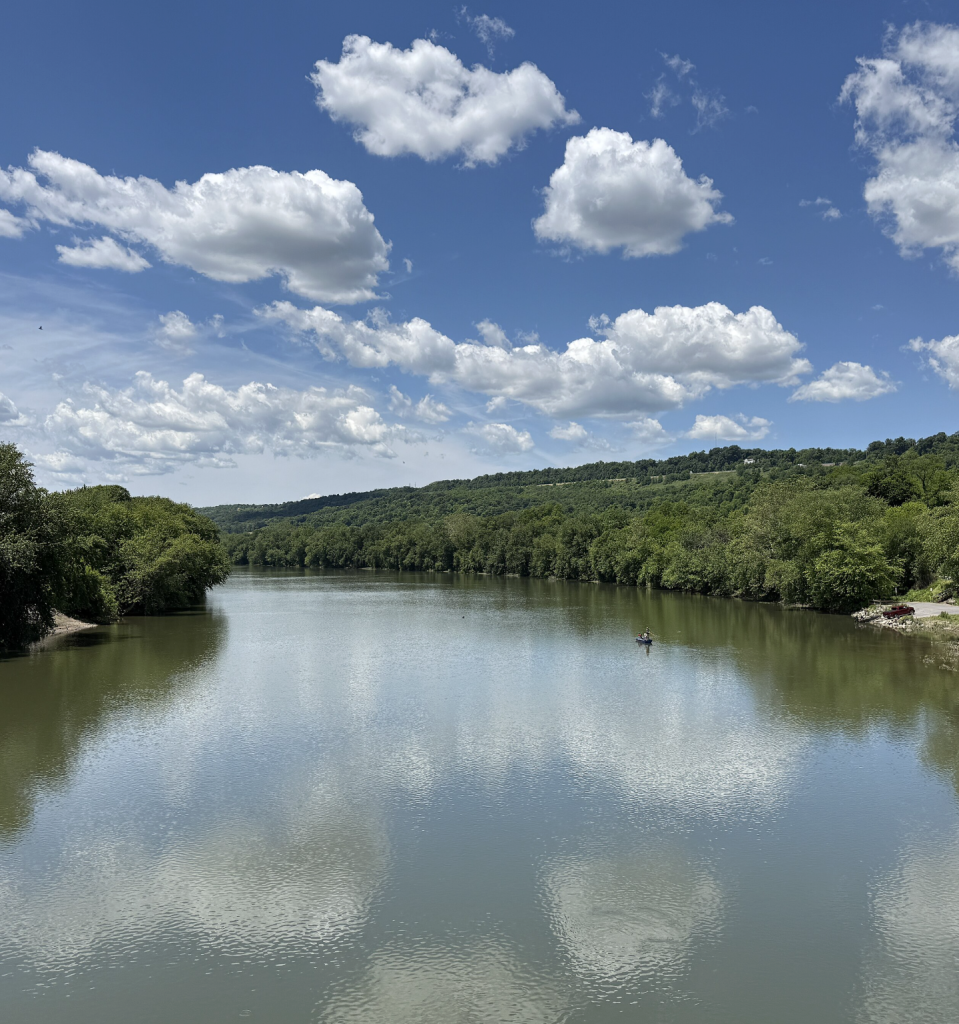
10. Juniata River
The Juniata runs through central Pennsylvania for roughly 150 miles before joining the Susquehanna near Duncannon, and across that length it produces smallmouth bass, walleye, muskellunge, and catfish in water that looks and fishes like a river that hasn’t been fully discovered yet, even though it absolutely has been.
Smallmouth are the signature species and the Juniata produces them with the kind of consistency that makes it a benchmark fishery for central Pennsylvania anglers. The walleye fishing is often overlooked in the conversation about the river’s bass reputation, but the deeper holes and current breaks below dams hold walleye in numbers that reward anglers who specifically target them.
Variable flows from upstream dam operations affect the river in ways that don’t always follow predictable patterns. The most productive stretches tend to be the ones between towns and dam structures where the river has the most natural character. Summer wading is the most productive approach on the Juniata, but fall float trips by canoe or kayak cover water efficiently when water levels cooperate.
Best timing: May through September for smallmouth bass, spring and fall for walleye.
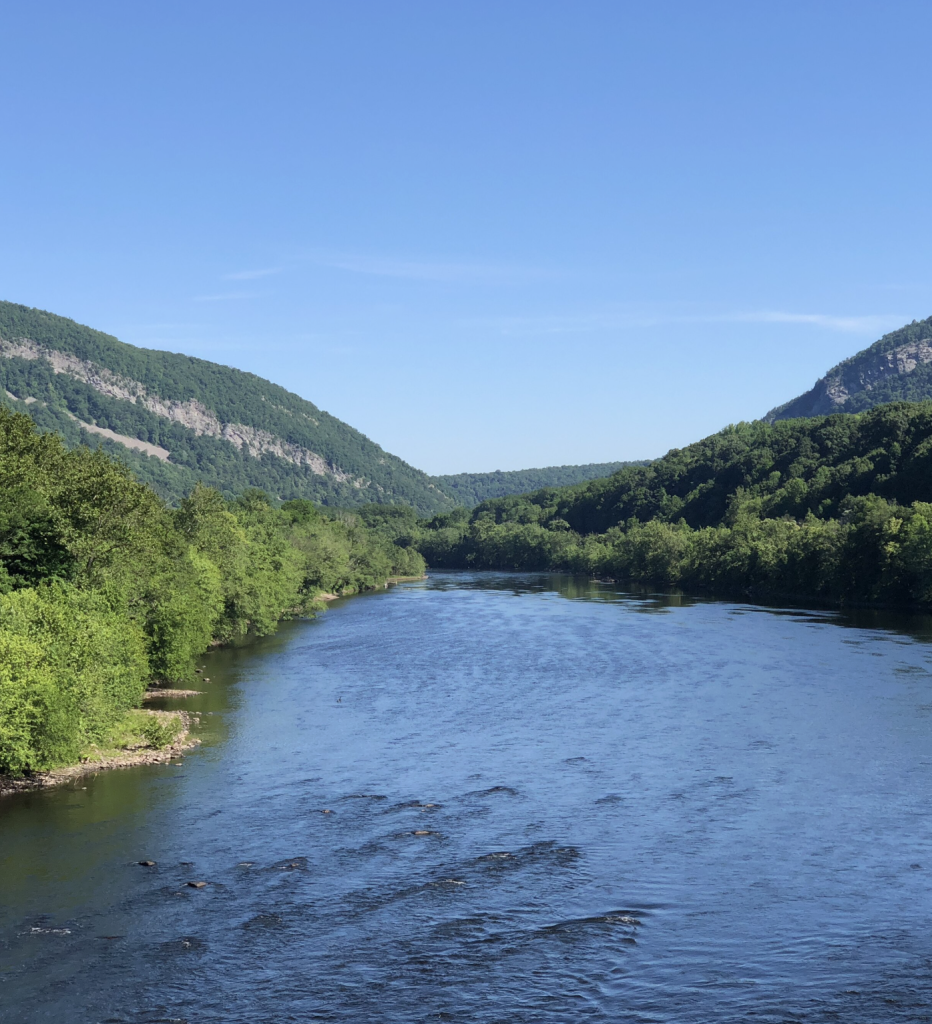
9. Delaware River (Including the Water Gap)
The Delaware River forms Pennsylvania’s eastern border and produces the kind of multi-species fishing that most states would be proud to claim as their best river. World-class smallmouth bass, walleye, American shad during the spring run, catfish, and muskellunge all inhabit different sections of the river across its Pennsylvania length.
The Delaware Water Gap section specifically is where the scenery makes the fishing feel like something out of a movie set. The ridge walls rising on both sides, the clear water running over boulders, and the fact that you can catch a 20-inch smallmouth in the middle of it makes it one of the more remarkable fishing experiences in the eastern United States.
The shad run in spring is one of the most underappreciated annual fishing events in Pennsylvania. American shad stack up in the Delaware in April and May in numbers that produce fast, exciting fishing for anglers who show up at the right time and the right section. Strong current in parts of the river requires appropriate wading gear and judgment, and the multi-state management with New Jersey means regulations can differ on opposite banks.
Best timing: April through May for shad, June through September for smallmouth bass, fall for walleye.
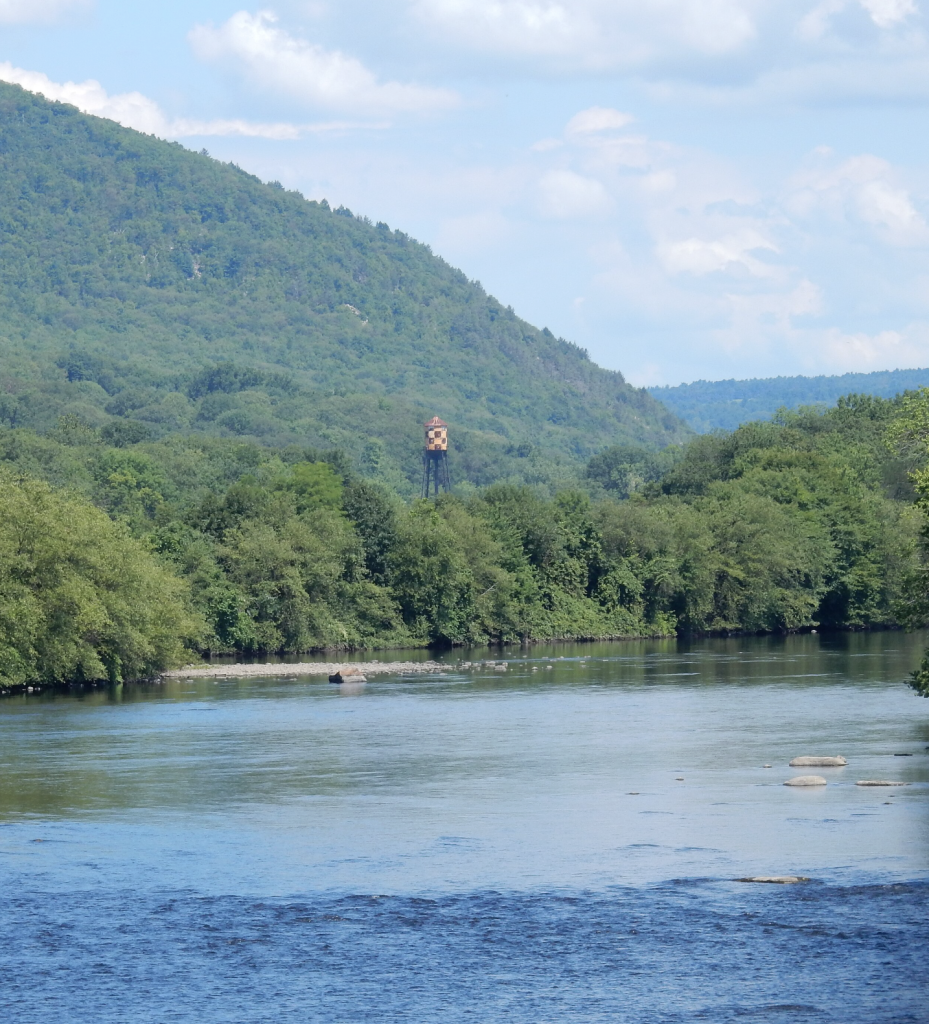
8. Lehigh River
The Lehigh runs through the mountains of northeastern Pennsylvania and the Carbon County gorge section specifically is one of the more underrated fishing experiences in the state. The tailwater below Francis Walter Dam produces quality trout that feed on predictable hatches in water that stays cold through the summer when most Pennsylvania streams warm beyond fishable temperatures.
Wild brown trout in the delayed harvest and catch-and-release sections grow to sizes that the stocked fish in more easily accessible streams don’t reach. The smallmouth bass fishing in the lower, warmer sections adds another seasonal option for anglers who fish the river through the calendar rather than just during trout season.
Crowds at the popular access points during peak trout season are the consistent limitation. The Lehigh Gorge State Park provides trail access to sections that require a walk to reach, which filters out enough casual pressure to make those sections fish better than the road-accessible spots. The walk is always worth it.
Best timing: April through June for trout in the upper tailwater, summer for smallmouth in the lower sections.
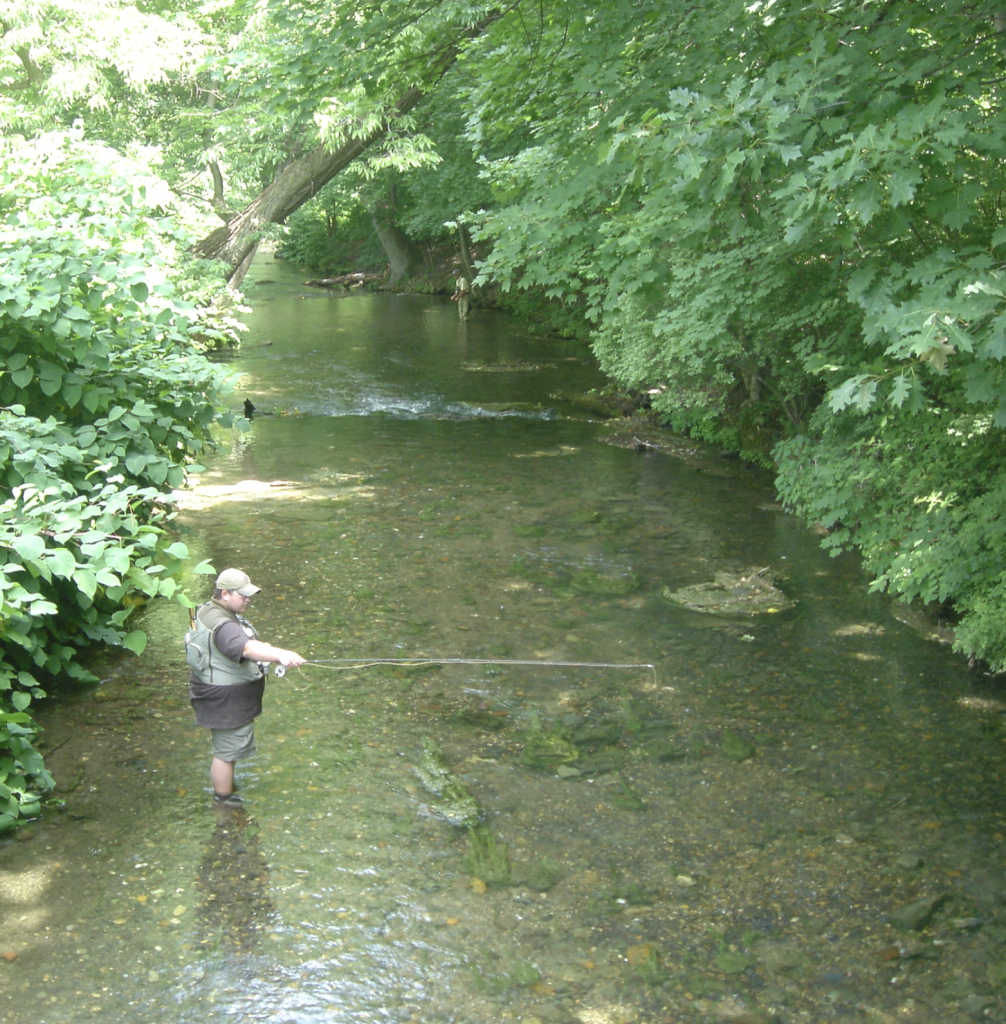
7. Yellow Breeches Creek (Cumberland County)
The Yellow Breeches is one of the most famous trout streams in Pennsylvania and the designation is earned in ways that take about fifteen minutes on the water to fully appreciate. The limestone spring water keeps temperatures stable year-round, the insect hatches are prolific and predictable, and the wild brown trout in the catch-and-release sections at Boiling Springs are educated in the specific way that fish get when they’ve been caught and released by skilled anglers for multiple seasons.
Fishing the Yellow Breeches well is a technical challenge. These fish have seen every popular pattern and every standard presentation. The anglers who consistently catch them tend to have specific approaches developed over multiple seasons on this specific water. That level of challenge is exactly what makes it worth the effort for serious fly fishers.
Pressure at the Boiling Springs section is among the highest of any creek in the state. Weekday trips in the shoulder seasons are when the fishing comes closest to its potential without the weekend crowds reducing it. The stocked sections below the catch-and-release water give beginner and intermediate anglers a more accessible entry point.
Best timing: Year-round due to the limestone spring-fed water, with peak hatches in spring and fall.
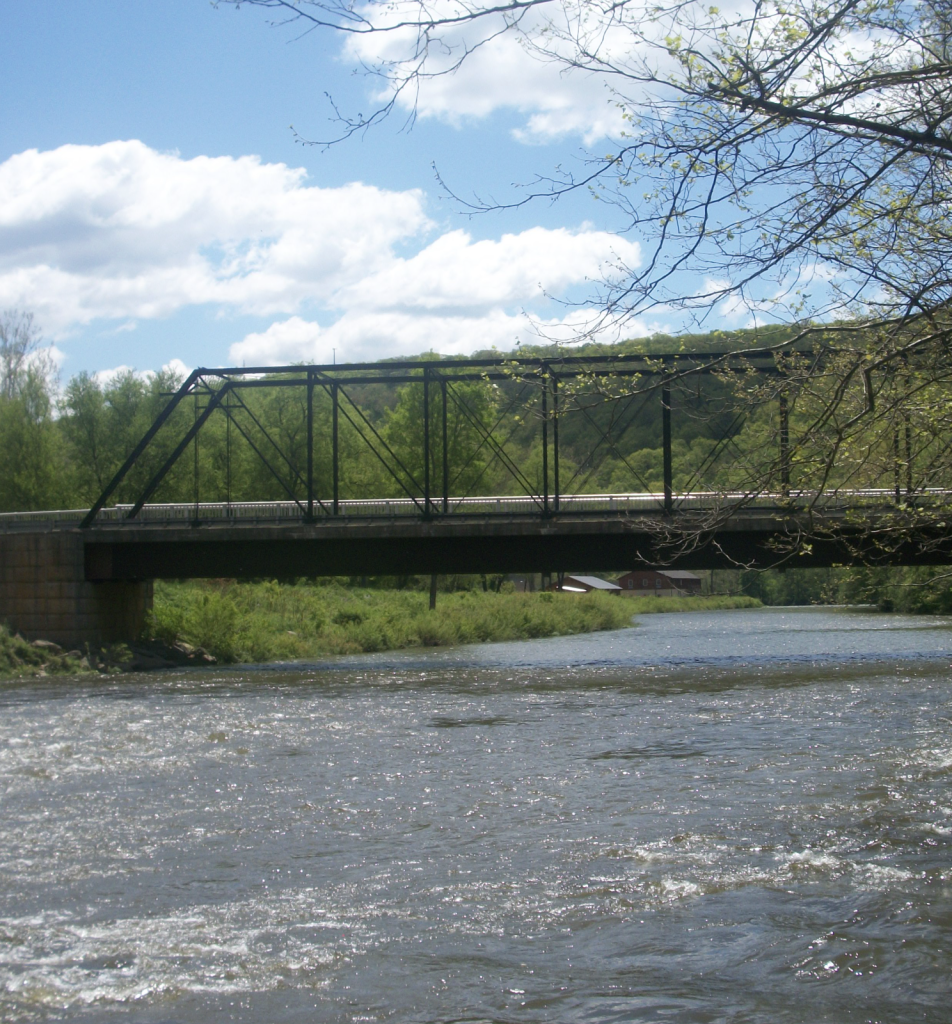
6. Oil Creek (Venango County)
Oil Creek flows through Oil Creek State Park in Venango County through terrain that looks like someone forgot to tell it the industrial revolution happened nearby. The park protects a stretch of creek that produces wild and stocked trout, smallmouth bass, and rock bass in water with more character than most Pennsylvania streams its size.
The trout fishing in the stocked sections gets the most attention during spring, but the wild brown trout in the upper sections of the park are the real prize for anglers willing to work for them. The smallmouth bass fishing through summer and into fall is often overlooked by anglers focused on the trout reputation.
Access in some stretches requires either wading the creek or taking the park trails to reach, which filters out much of the casual pressure and rewards anglers who put in the physical effort. The setting alone, with the steep wooded banks, the oil heritage history visible in the ruins along the creek, and the absence of road noise in most sections, makes a trip here memorable independent of the fishing.
Best timing: April through June for stocked and wild trout, summer for smallmouth bass.
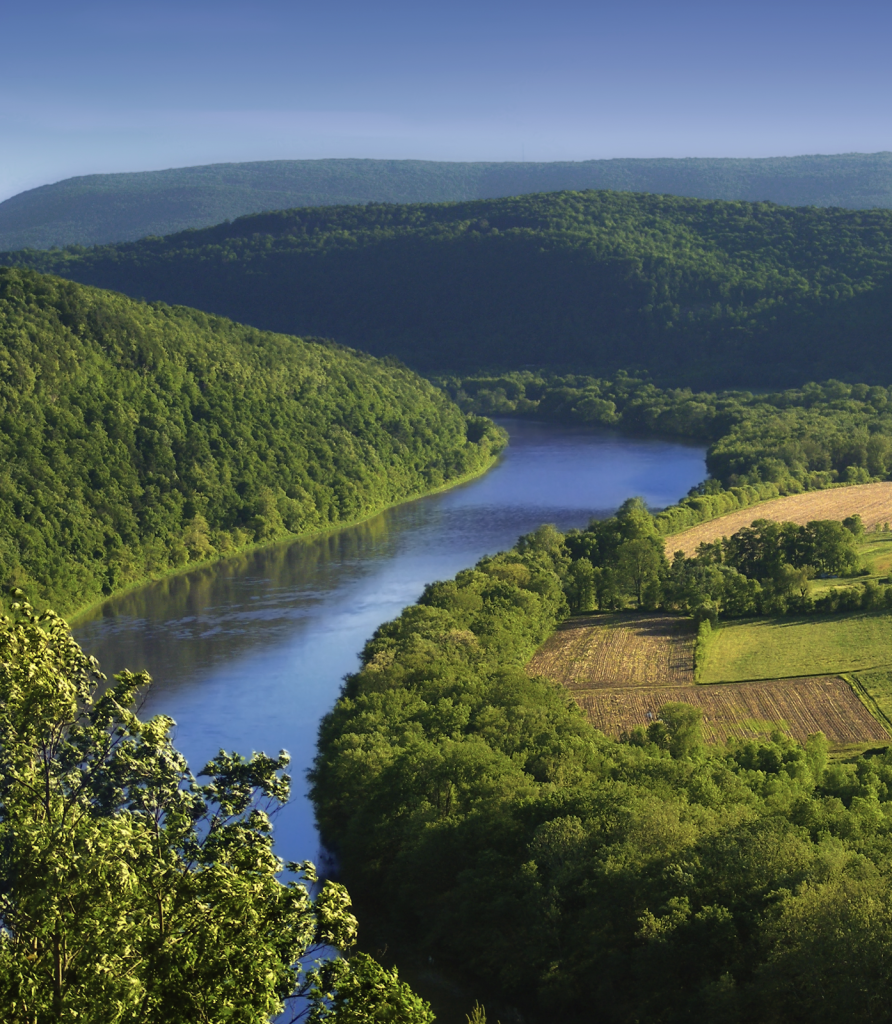
5. Susquehanna River
The Susquehanna is the largest river system on the East Coast by watershed drainage area, and across its Pennsylvania miles it produces smallmouth bass, walleye, muskellunge, catfish, and one of the most impressive American shad runs in the country. The North Branch running through the Wyoming Valley and the West Branch through the central Pennsylvania mountains are both productive and scenic.
The middle sections near Harrisburg and the lower Susquehanna produce walleye and catfish fishing that serious anglers return to annually. The West Branch in particular holds smallmouth bass in pool and riffle structure that rewards wade fishing, and the scenery through central Pennsylvania’s ridge-and-valley terrain is as good as any river fishing backdrop in the state.
The honest complications are real. The Susquehanna’s history with agricultural and industrial pollution in its lower sections is not fully resolved, and fish consumption advisories exist for certain species and certain stretches. Check current PFBC guidance before keeping fish from the lower river. Invasive species including hydrilla are an ongoing challenge in the lower sections.
Best timing: April through May for shad, June through September for smallmouth, fall and winter for walleye.
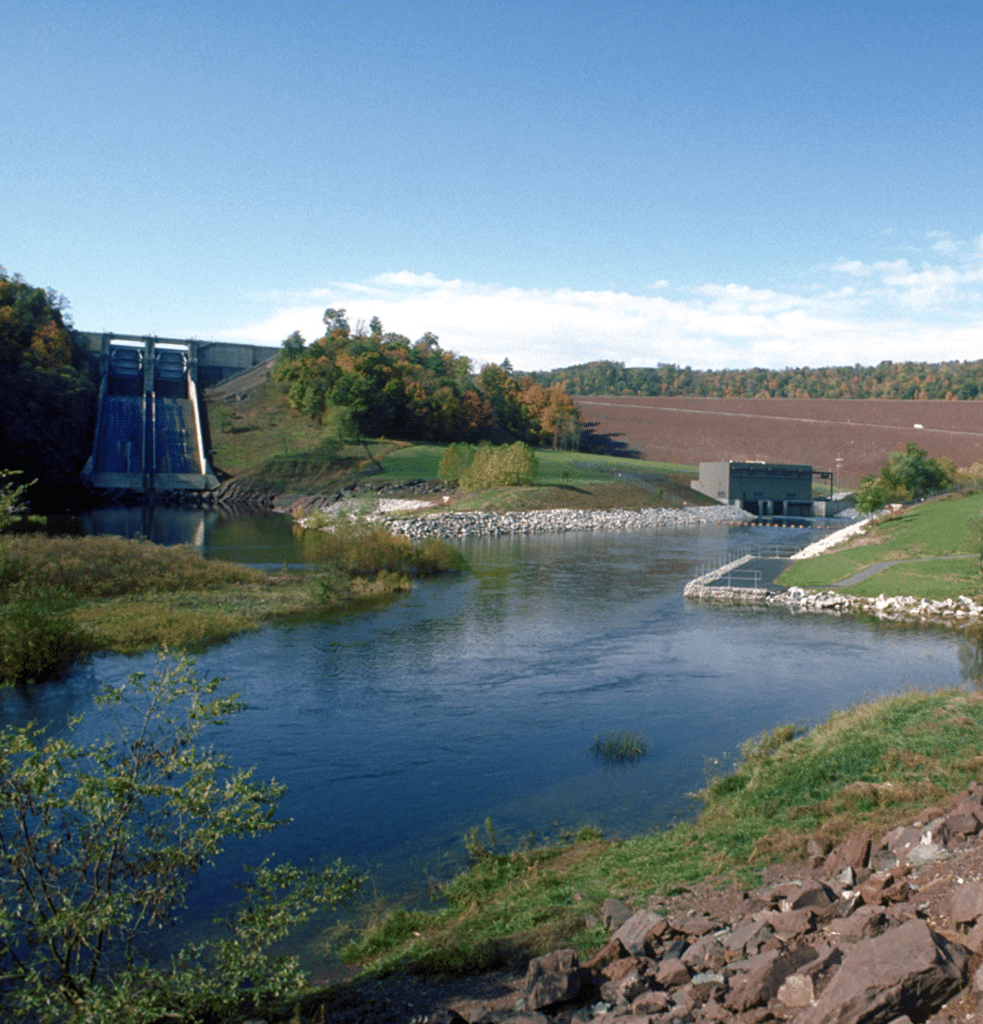
4. Raystown Lake (Huntingdon County)
Raystown Lake is Pennsylvania’s largest inland lake at 8,300 acres with 118 miles of shoreline, and it fishes like a lake that hasn’t fully decided which species it does best because the answer keeps changing depending on the season and the section. Striped bass are the draw that most people don’t expect: a landlocked striper fishery in central Pennsylvania that produces fish in the 20-pound range regularly and is managed specifically for that population.
Muskellunge, lake trout, largemouth and smallmouth bass, walleye, and catfish round out what’s available across a lake with enough variety of depth, structure, and habitat to hold something worth targeting in every month of the year. The 118 miles of shoreline is the relevant scale for understanding what Raystown actually is. This is not a lake you learn in a season.
The size is the honest challenge. A first visit to Raystown without local knowledge or a guide is as likely to produce a beautiful day on the water with minimal fish as a productive one, because the productive water is not obvious. A guided trip to start is money well spent on a lake this large.
Best timing: Spring for striped bass and walleye, summer for lake trout in deep water, fall for muskie.
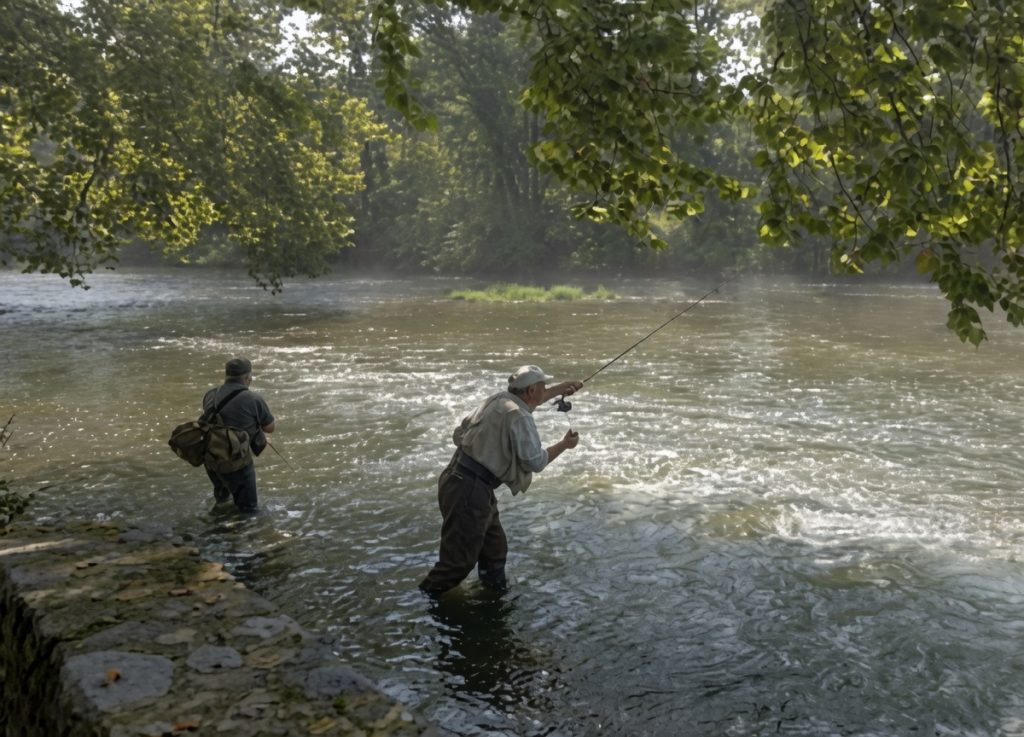
3. Yellow Breeches Creek and Central PA Limestone Streams (Regional)
Pennsylvania’s limestone stream corridor running through Cumberland, Centre, and other central counties represents a concentration of world-class trout fishing that doesn’t exist anywhere else on the East Coast. Spring Creek in Centre County, Big Spring Creek in Cumberland County, and the Letort Spring Run alongside the Yellow Breeches form a system of spring-fed streams that produce wild brown and brook trout in cold, clear water year-round.
Spring Creek specifically deserves mention beyond the Yellow Breeches. The wild brown trout in the Fisherman’s Paradise section at Bellefonte grow to sizes that most anglers don’t expect from a Pennsylvania creek, and the limestone clarity of the water makes every fish visible before it’s caught, which is its own kind of challenge. The Letort Spring Run has a similar character and a devoted following among anglers who have been fishing it for decades.
The technical difficulty is real and intentional. These streams are managed as challenge fisheries and the fish reflect that management. Anglers who come expecting easy production leave understanding why these streams have reputations that spread beyond the state.
Best timing: Year-round for the limestone streams, with the most active surface feeding in spring and fall.
2. Lake Erie and Presque Isle Bay (Erie County)
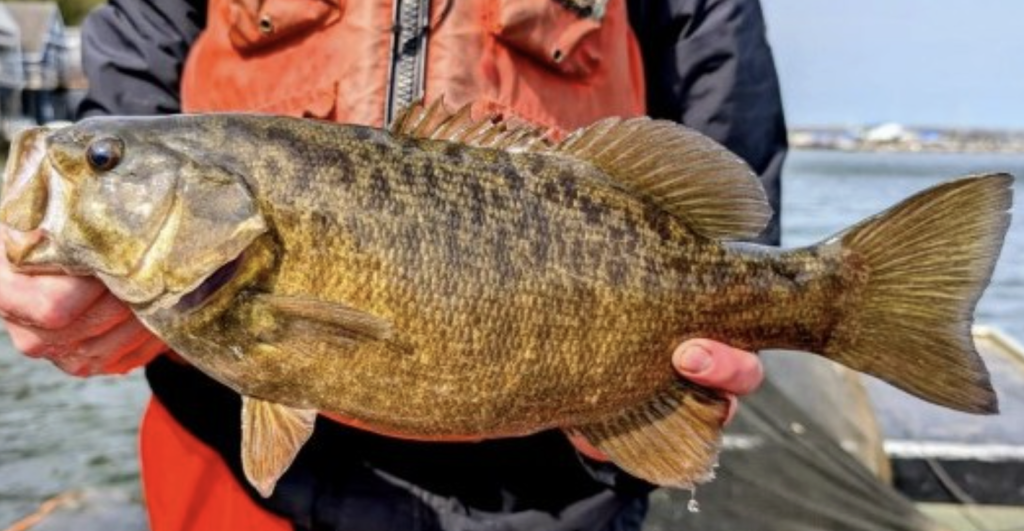
Pennsylvania’s 51-mile stretch of Lake Erie shoreline produces fishing that has nothing in common with anything else in the state. Walleye in the 10-pound range, yellow perch stacked so thick in fall that you can catch them three at a time on a multi-hook rig, steelhead running into the tributary streams from October through April, lake trout, smallmouth bass, and the occasional salmon that finds its way into Erie waters from the stocking programs in New York and Ohio.
Presque Isle Bay specifically is where the variety concentrates in a more sheltered setting than the open lake. The bay produces perch and bass fishing that doesn’t require offshore boat capability, and the piers and breakwalls give shore anglers access to fish that would otherwise require a charter.
What a charter costs: A full-day charter out of Erie, Fairview, or Harborcreek for walleye or perch typically runs $125 to $200 per person depending on the season and the operation. Steelhead guide trips on the tributary streams run $200 to $350 for a half-day for two anglers. The tributary steelhead fishing in particular is accessible enough on foot that a guide is optional if you know the streams, but the learning curve without one is steep.
The Lake Erie Permit is required in addition to a standard Pennsylvania fishing license for anyone fishing Pennsylvania’s Erie waters. Weather is the constant variable. Lake Erie can become genuinely dangerous for small boats quickly and the experienced charter captains cancel trips more often than they’d like because of it.
FishingBooker covers the Erie charter fleet extensively with current pricing and operator information.
Best timing: May through August for walleye, fall for perch and early steelhead, October through April for steelhead in the tributaries.
1. Pennsylvania’s Wild Trout Streams (Statewide System)
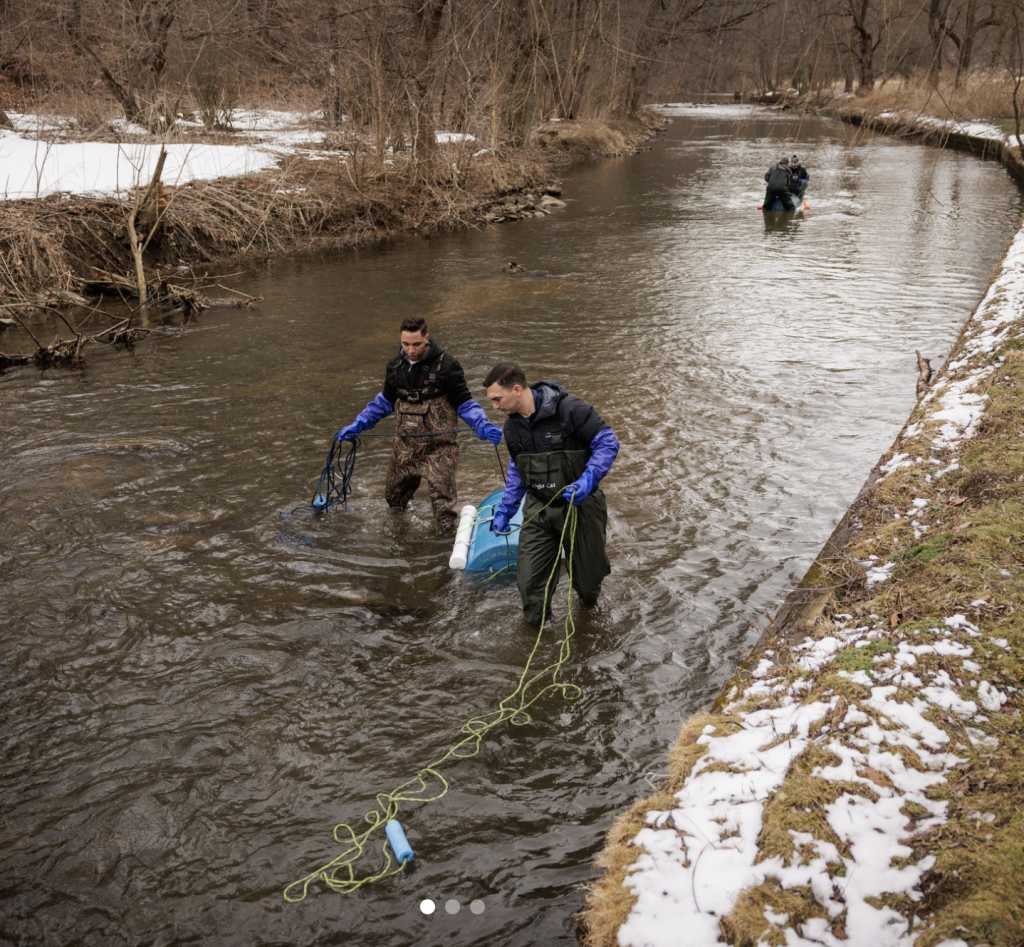
Pennsylvania has more miles of class A wild trout streams than any other contiguous state in the country, and the system as a whole is the reason Pennsylvania belongs in the national conversation about trout fishing alongside Montana, Idaho, and Colorado.
The variety within the system is what makes it exceptional. Limestone spring creeks in the Cumberland Valley and Centre County hold wild brown trout in alkaline water that grows fish fast and keeps them feeding through the winter. Freestone streams in the mountains of northern and central Pennsylvania hold wild brook trout that are native to the watershed and have been there since before anyone was keeping records. The tailwaters below major dams produce trophy brown trout in cold, clear water that stays fishable through summer heat that kills fish in most surrounding streams.
Wild brook trout in their native range are a specific category of fishing experience that Pennsylvania offers and most eastern states can no longer provide in meaningful quantity. The remote headwater streams of the Sproul, Tiadaghton, Loyalsock, and Kettle Creek drainages hold native brookies in water cold enough to require waders in July. These fish didn’t come from a hatchery and they don’t always cooperate, and that’s entirely the point.
What the system actually includes:
- Over 83,000 miles of streams and rivers statewide, more than any other contiguous state
- More than 4,000 miles designated as Class A wild trout waters
- Hundreds of delayed harvest, catch-and-release, and special regulation stretches
- Spring Creek, Big Spring Creek, Letort Spring Run, Yellow Breeches, Penns Creek, Loyalsock Creek, Kettle Creek, and dozens of other streams with national reputations
The honest picture: Pennsylvania also stocks millions of trout annually in streams and lakes across the state, which provides accessible fishing for the majority of the fishing public. The stocked fish and wild fish coexist in the system, sometimes in the same stream, and the distinction matters to some anglers more than others. The wild trout streams are the top of this list because they represent something that can’t be manufactured: a self-sustaining population of fish in their native watershed, producing the kind of fishing that existed before hatcheries existed.
Best timing: Year-round on limestone streams. April through June on freestone streams for the best hatches. Summer on tailwaters. Fall across all types as brown trout move into spawning behavior.
Check current regulations at PFBC and the 2026 Pennsylvania Fishing Summary via eRegulations before every trip. Special regulation waters have specific rules that change and the wild trout designation for specific streams is updated periodically.
The Many Hidden Fishing Treasures in Pennysylvania
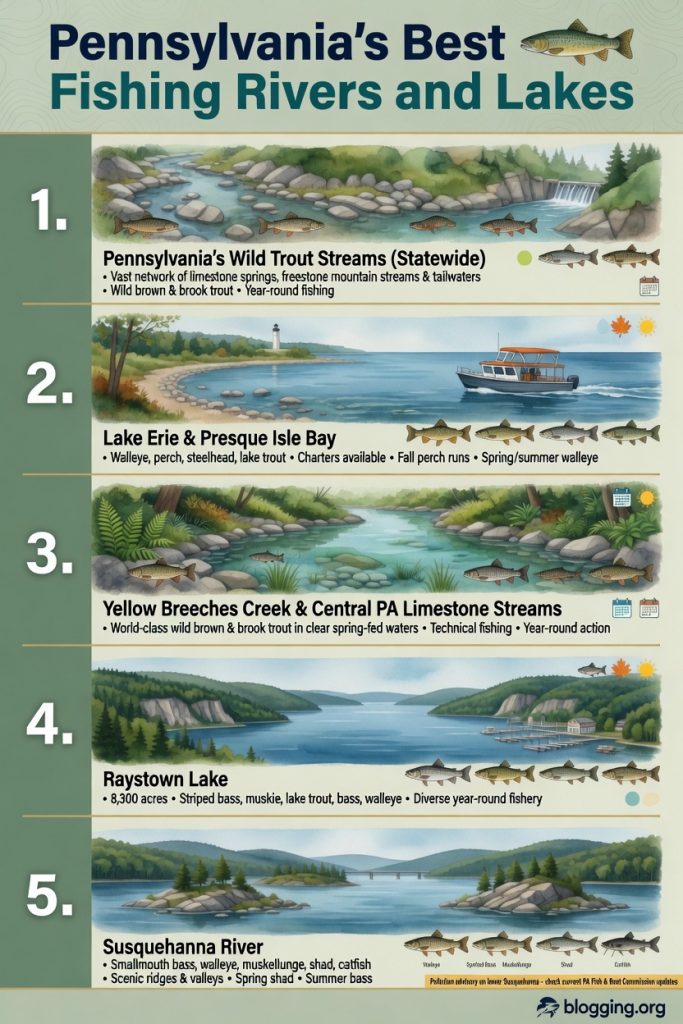
Pennsylvania fishing rewards the anglers who understand what the state actually has rather than what they expect it to have. The trout fishing here is world-class and underappreciated. The Lake Erie fishery is in a completely different category from anything else in the Mid-Atlantic. The muskie and walleye reservoirs in the western part of the state produce fish that most eastern anglers don’t know are there.
Start with what’s close to you and work outward. The PFBC interactive fishing maps are the most useful single tool for finding productive water anywhere in the state. The system rewards exploration in ways that most states don’t simply because there’s so much of it.
Clean, drain, and dry everything between water bodies. Pennsylvania’s trout streams are worth protecting and the invasive species threat to them is real. Pay attention to it.