
The 21 Best Fishing Lakes and Rivers in Kentucky

Kentucky sits at the crossroads of several distinct fishing regions, and that geography is exactly what makes it interesting. The western end holds Kentucky Lake and Lake Barkley, two of the largest man-made lakes in the eastern United States, connected by a canal and separated by the Land Between the Lakes. Together they form a bass and crappie fishery that draws anglers from across the region every season.
South-central Kentucky has Lake Cumberland, a deep, clear reservoir producing striped bass at sizes most people don’t expect from an inland lake. Right on the Tennessee border sits Dale Hollow, the lake that produced the world record smallmouth bass and still functions as the benchmark every serious smallmouth angler measures everything else against.

The eastern mountain lakes of the Cumberland Plateau, Cave Run, Laurel River, Buckhorn, and Fishtrap, add muskie, smallmouth, and largemouth fishing in clear water against terrain that surprises people who’ve never been to that part of the state. Kentucky has more distinct fisheries packed into its borders than most anglers realize.
Read this list all the way through and you’ll see exactly what’s been hiding here.

Source: https://www.instagram.com/p/DY7o4shkTCZ/
21. Barren River Lake (Barren and Allen Counties)
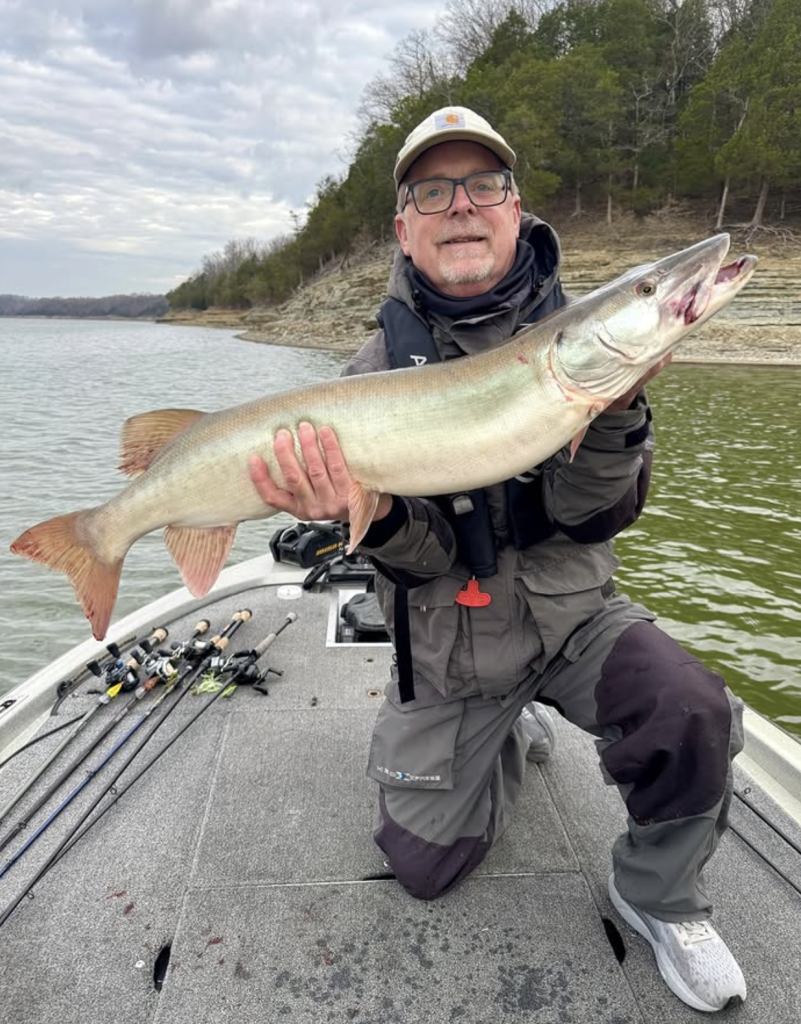
Barren River Lake covers roughly 10,000 acres in the rolling hills of south-central Kentucky and produces a genuinely balanced multi-species fishery, largemouth bass, crappie, bluegill, catfish, and walleye, across a reservoir with submerged timber, rocky points, and creek arms that give every species its own kind of structure to hold on. The lake’s reputation as a reliable destination for both tournament anglers and weekend fishermen reflects how consistently it produces across the board.
The bass fishing here benefits from the variety of structure, with Texas rigs and jigs around the timber producing well, and crappie fishing on minnows around brush piles is a genuine strength that draws dedicated panfish anglers. The state park facilities around the lake make it an easy multi-day destination.
Water level fluctuations tied to dam operations move fish seasonally, and anglers who fish Barren River regularly learn to adjust their approach based on current lake levels rather than assuming last visit’s pattern still holds.
🎣 What You’ll Catch
- Largemouth Bass ⭐⭐⭐⭐⭐
- Crappie ⭐⭐⭐⭐
- Bluegill ⭐⭐⭐⭐
- Catfish ⭐⭐⭐⭐
- Walleye ⭐⭐⭐
📅 Best Time To Fish
- Spring: Excellent (bass spawning around timber and points)
- Summer: Good (crappie and catfish carry the action through the heat)
- Fall: Excellent (bass feed aggressively before water cools further)
🏆 Trophy Potential – 8/10 (Consistent quality bass and crappie across a genuinely balanced multi-species fishery.)
Source: https://www.instagram.com/p/DV04uIKj-rc/
20. Rough River Lake (Grayson and Breckinridge Counties)
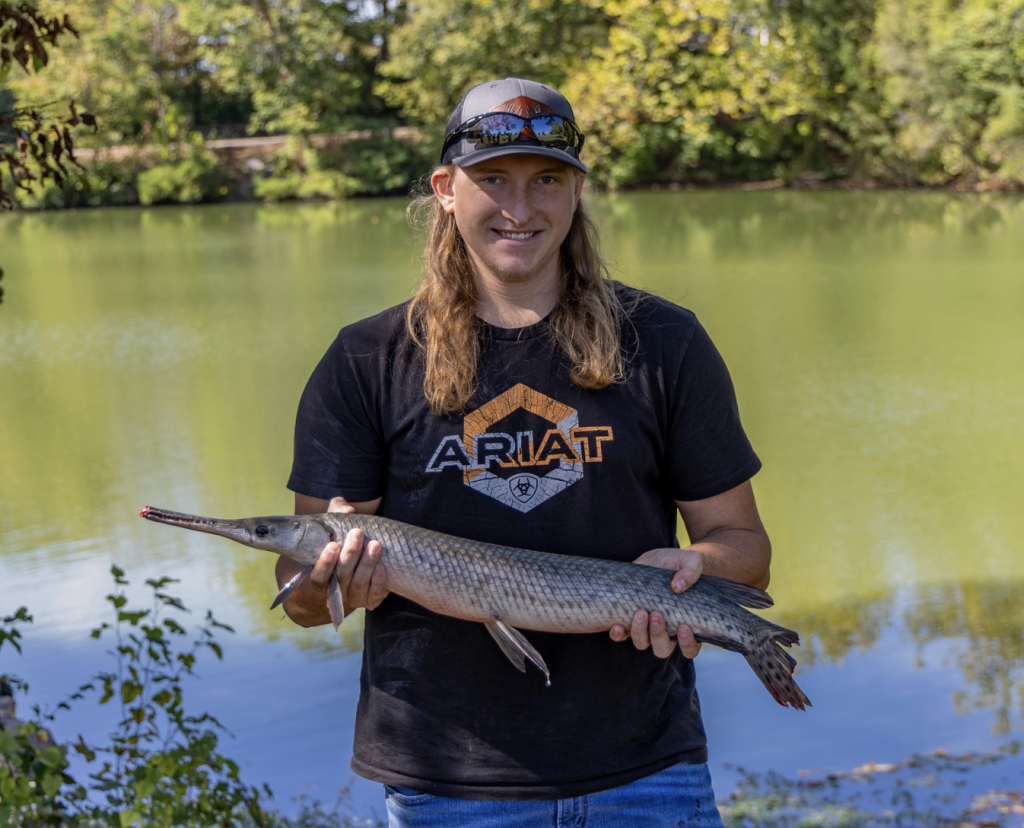
Rough River Lake covers roughly 5,000 acres in western Kentucky and produces strong largemouth bass, crappie, and catfish fishing in clear water with rocky banks and flooded timber, all within a setting that the surrounding state park has kept genuinely peaceful compared to busier Kentucky reservoirs. The lake’s clarity is a notable strength relative to its size, and the flooded timber gives bass predictable holding structure throughout the lake.
Flipping timber and jigging brush piles are the standard approaches here, and the crappie fishing benefits from the same structure that holds bass. Bluegill round out a fishery that gives families and casual anglers consistent action alongside the more serious bass and crappie fishing.
Seasonal vegetation growth in certain coves can affect navigation later in the season, and anglers planning to fish specific shallow areas should expect some of that growth by mid-summer.
🎣 What You’ll Catch
- Largemouth Bass ⭐⭐⭐⭐⭐
- Crappie ⭐⭐⭐⭐
- Catfish ⭐⭐⭐⭐
- Bluegill ⭐⭐⭐⭐
📅 Best Time To Fish
- Spring: Excellent (bass and crappie both active around timber)
- Summer: Good (vegetation growth affects some areas but fishing remains productive)
- Fall: Excellent (bass feed before water cools further)
🏆 Trophy Potential – 8/10 (A genuinely peaceful, clear-water reservoir with strong bass and crappie numbers and excellent state park access.)
Source: https://www.instagram.com/p/DPe2rSIDDJI/
19. Green River Lake (Taylor and Adair Counties)
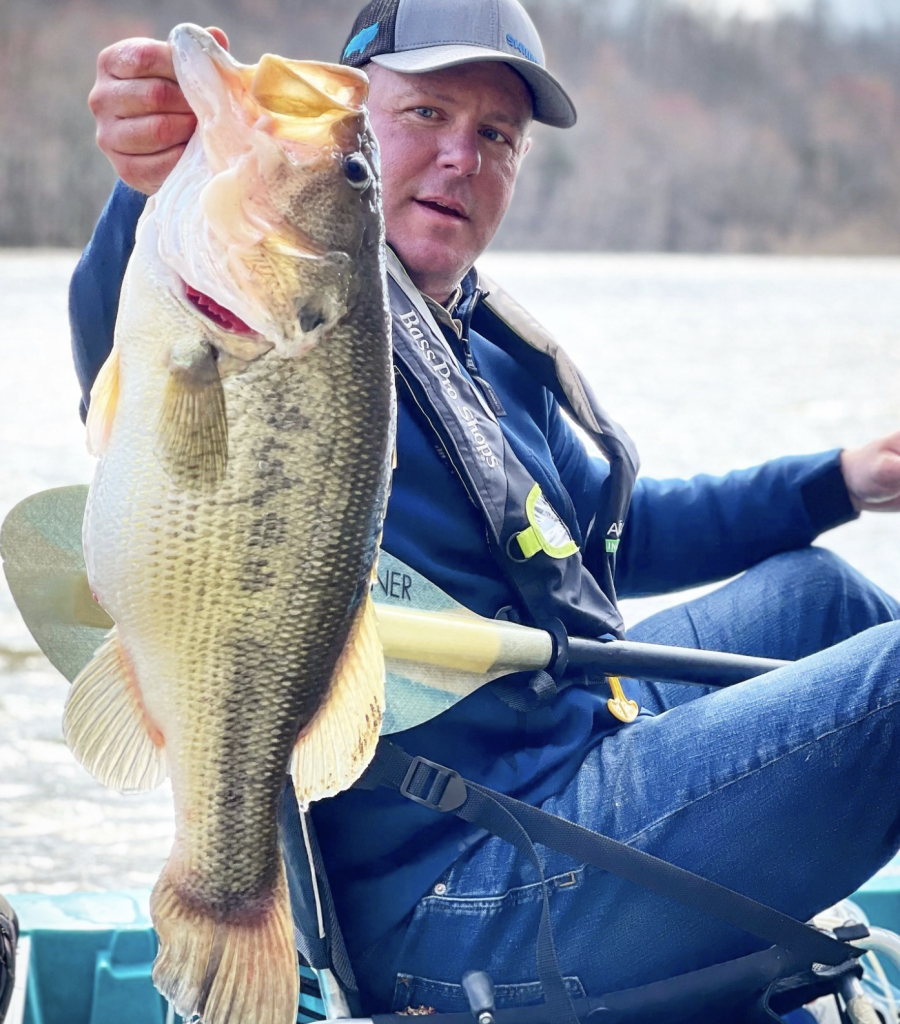
Green River Lake covers roughly 8,200 acres in central Kentucky and produces consistent largemouth bass and crappie fishing across diverse habitat, timber, points, and channels, that give the lake more structure variety than its modest size might suggest. The lake sits in the rolling farmland of central Kentucky and serves as the primary reservoir option for anglers in that part of the state.
The bass fishing benefits from the channel structure specifically, with fish holding along the drop-offs where the original river channel runs through the lake. Crappie fishing around the timber is consistent, and catfish provide a reliable option through the warmer months when bass fishing slows.
For central Kentucky anglers who don’t want the longer drive to the bigger western or south-central lakes, Green River Lake offers genuinely productive fishing closer to home.
🎣 What You’ll Catch
- Largemouth Bass ⭐⭐⭐⭐⭐
- Crappie ⭐⭐⭐⭐
- Catfish ⭐⭐⭐⭐
- Bluegill ⭐⭐⭐
📅 Best Time To Fish
- Spring: Excellent (bass and crappie both active around timber and channels)
- Summer: Good (catfish carry the action through the heat)
- Fall: Excellent (bass feed before water cools further)
🏆 Trophy Potential – 8/10 (A consistent central Kentucky producer with genuinely useful channel structure for bass.)
Source: https://www.instagram.com/p/DVehFV9jBWQ/?img_index=1
18. Nolin River Lake (Edmonson and Hart Counties)
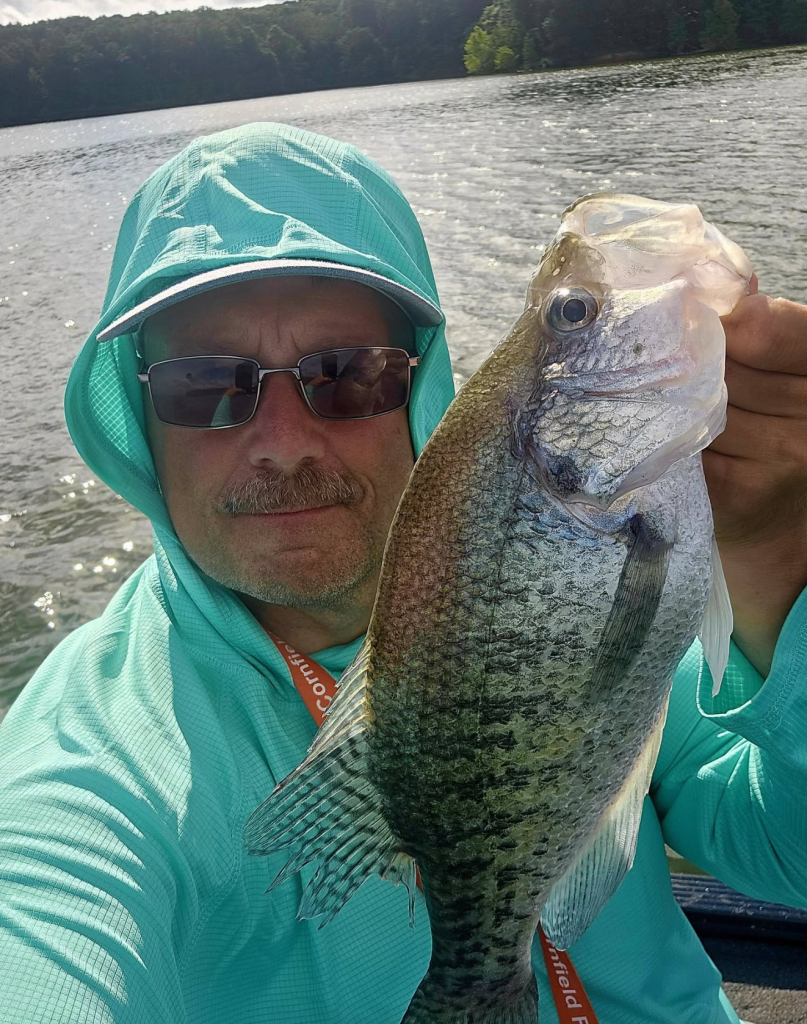
Nolin River Lake covers roughly 5,800 acres near Mammoth Cave National Park and produces quality smallmouth and largemouth bass fishing alongside solid walleye and crappie populations in clear water with rocky structure and deep channels. The lake’s clarity and rock-based structure give it a smallmouth profile that’s genuinely strong relative to its size.
The smallmouth bass fishing here is the standout, with rocky points and deep edges producing fish that average well for a lake this size. Largemouth bass in the timber-influenced sections and walleye in the deeper channel areas round out a fishery that gives serious anglers two distinct technical challenges within the same lake.
The proximity to Mammoth Cave gives Nolin River a tourism context that most Kentucky reservoirs this size don’t have, and anglers can combine a fishing trip with a visit to one of the most significant cave systems in the world.
🎣 What You’ll Catch
- Smallmouth Bass ⭐⭐⭐⭐⭐
- Largemouth Bass ⭐⭐⭐⭐
- Walleye ⭐⭐⭐⭐
- Crappie ⭐⭐⭐⭐
📅 Best Time To Fish
- Spring: Excellent (smallmouth and walleye both active in the clear shallow water)
- Summer: Good (deeper structure holds smallmouth and walleye through the heat)
- Fall: Excellent (smallmouth and walleye both feed before water cools further)
🏆 Trophy Potential – 8/10 (Genuinely strong smallmouth fishing for a lake this size, with a Mammoth Cave backdrop most visitors don’t expect.)
Source: https://www.facebook.com/photo/?fbid=27142699362025629
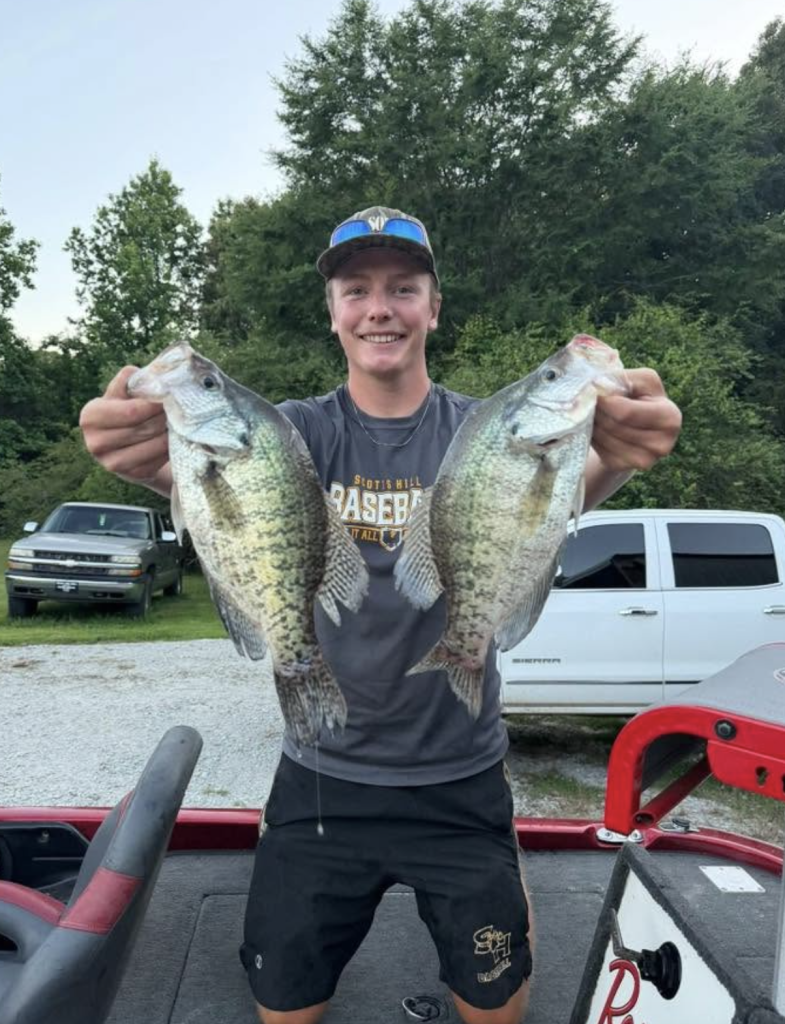
17. Martins Fork Lake (Bell County)
Martins Fork Lake sits at high elevation in the far southeastern corner of Kentucky near the Virginia border and produces a genuinely unusual combination, stocked rainbow trout alongside largemouth bass, in a small mountain lake setting that feels more like the Appalachians of Virginia or West Virginia than what most people picture for Kentucky. The lake’s elevation and the cold water it holds support trout in a setting most Kentucky anglers don’t expect.
The trout fishing here is the specific draw for anglers in this corner of the state, and the bass fishing provides a warm-water option in the same small lake. The high-elevation, mountain setting gives Martins Fork a genuinely different character from anything else on this list, and the surrounding Cumberland Mountains scenery adds to the appeal.
The lake’s small size and remote location mean it’s a destination for anglers specifically in or near Harlan County rather than a stop on a broader Kentucky fishing trip, but for those in the area, it offers something genuinely different.
🎣 What You’ll Catch
- Rainbow Trout ⭐⭐⭐⭐
- Largemouth Bass ⭐⭐⭐
- Bluegill ⭐⭐⭐
- Crappie ⭐⭐
📅 Best Time To Fish
- Spring: Excellent (trout active in the cold high-elevation water)
- Summer: Good (bass fishing carries the action as trout retreat to deeper, cooler water)
- Fall: Excellent (trout become more active again as water cools)
🏆 Trophy Potential – 7/10 (A genuinely unusual high-elevation trout and bass combination in the far southeastern corner of the state.)


Source: https://www.facebook.com/photo?fbid=10237962360172604&set=gm.1719559996031439
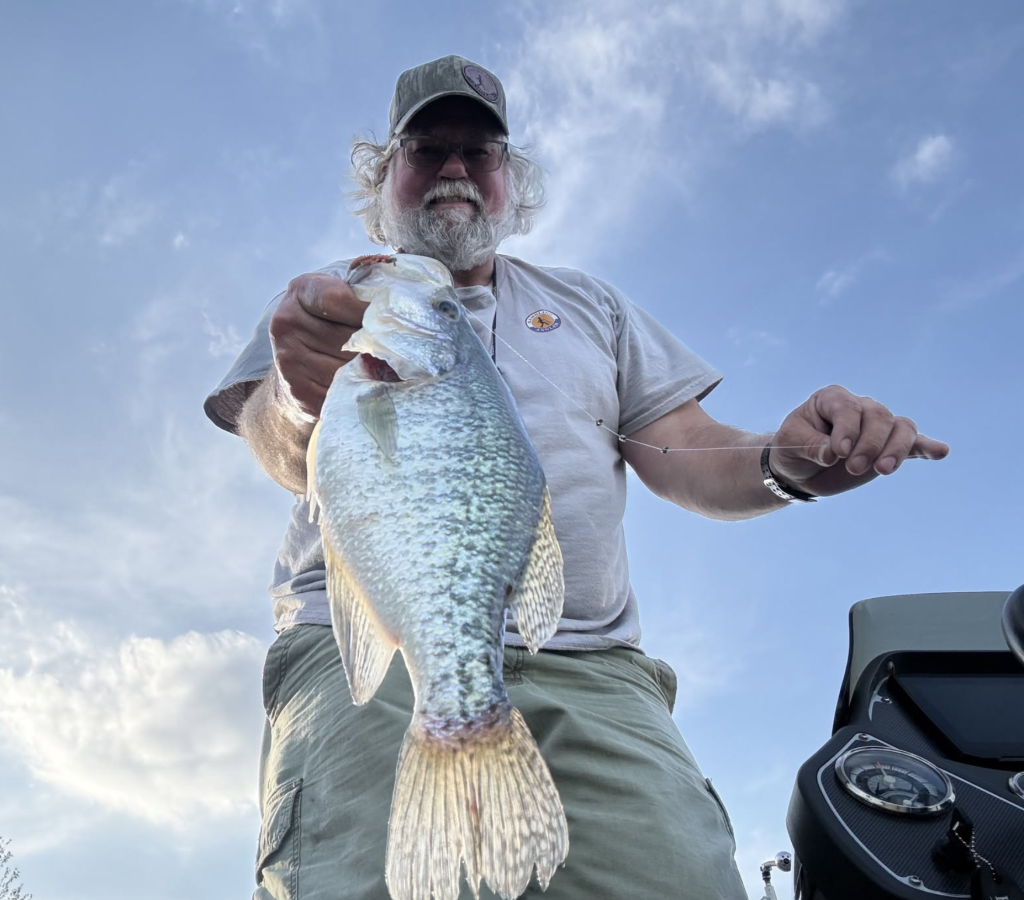
16. Dewey Lake (Floyd County)
Dewey Lake sits in the mountains of eastern Kentucky near Prestonsburg and produces good largemouth bass and crappie fishing in a scenic setting that benefits from the surrounding Jenny Wiley State Resort Park infrastructure. The lake’s relatively small size and mountain setting give it an intimate character that contrasts with the much larger reservoirs in western and south-central Kentucky.
The bass fishing here is solid without being exceptional, but the scenic mountain setting and the state park amenities make Dewey Lake a genuinely pleasant destination for eastern Kentucky anglers and visitors to the Jenny Wiley area. Crappie fishing provides consistent panfish action for families and casual anglers.
For anglers in the Big Sandy region of eastern Kentucky, Dewey Lake represents the practical local option, with fishing that’s good enough to justify a trip on its own even before factoring in the surrounding park’s other recreational offerings.
🎣 What You’ll Catch
- Largemouth Bass ⭐⭐⭐⭐
- Crappie ⭐⭐⭐
- Bluegill ⭐⭐⭐
- Catfish ⭐⭐
📅 Best Time To Fish
- Spring: Excellent (bass and crappie both active)
- Summer: Good (early mornings before heat affects activity)
- Fall: Good (bass feed as water cools)
🏆 Trophy Potential – 7/10 (A pleasant eastern Kentucky mountain lake with solid bass and crappie fishing and excellent state park access.)
Source: https://www.facebook.com/share/p/1BhYCNenmb/
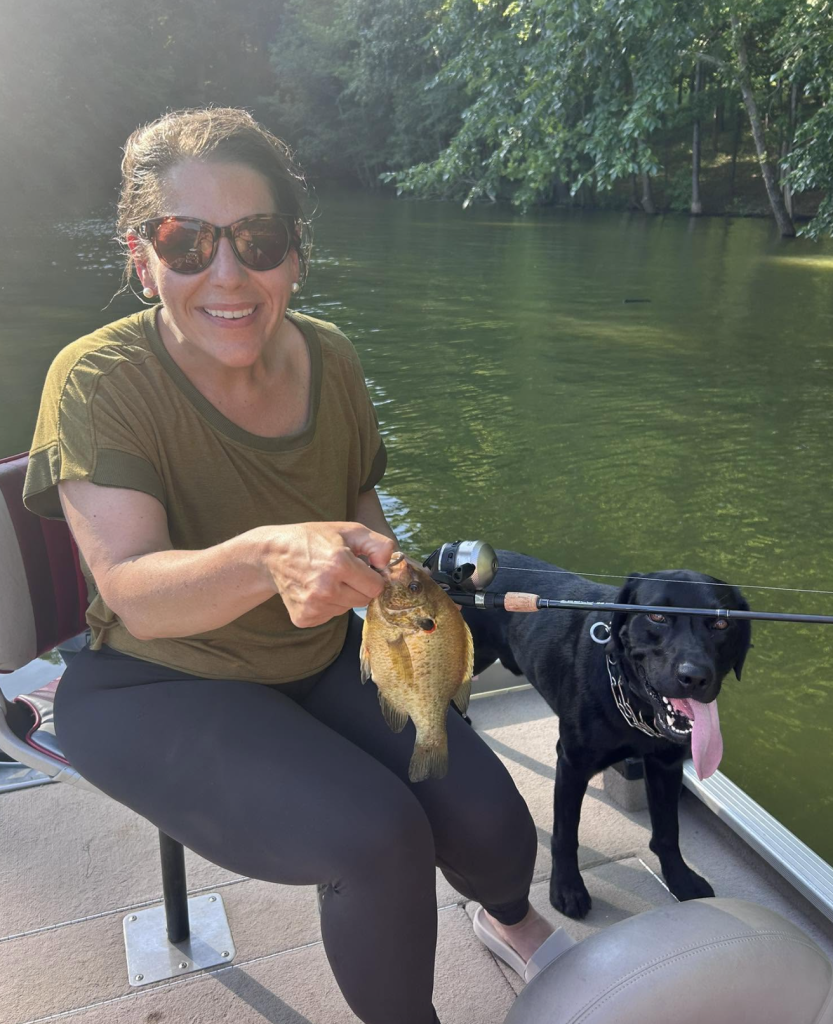
15. Fishtrap Lake (Pike County)
Fishtrap Lake sits in the far eastern corner of Kentucky in Pike County, deep in coal country near the West Virginia border, and produces strong largemouth bass and crappie fishing in a reservoir that benefits from being genuinely remote relative to the rest of the state. The lake’s mountain setting and the rugged terrain surrounding it give it a wilder character than many of Kentucky’s more developed reservoirs.
The bass fishing here produces consistently, and the crappie population provides good numbers for anglers willing to make the drive to this part of the state. The remoteness that defines this corner of Kentucky means Fishtrap sees considerably less pressure than reservoirs closer to Lexington or Louisville.
For anglers in far eastern Kentucky or nearby West Virginia, Fishtrap offers genuinely productive fishing in a setting that most of the state’s anglers never visit.
🎣 What You’ll Catch
- Largemouth Bass ⭐⭐⭐⭐⭐
- Crappie ⭐⭐⭐⭐
- Bluegill ⭐⭐⭐
- Catfish ⭐⭐⭐
📅 Best Time To Fish
- Spring: Excellent (bass and crappie both active)
- Summer: Good (early mornings before heat affects activity)
- Fall: Good (bass feed as water cools)
🏆 Trophy Potential – 7/10 (Strong bass and crappie fishing in one of the most remote and least-pressured corners of the state.)
Source: https://www.facebook.com/share/p/1HfY9B8nVc/
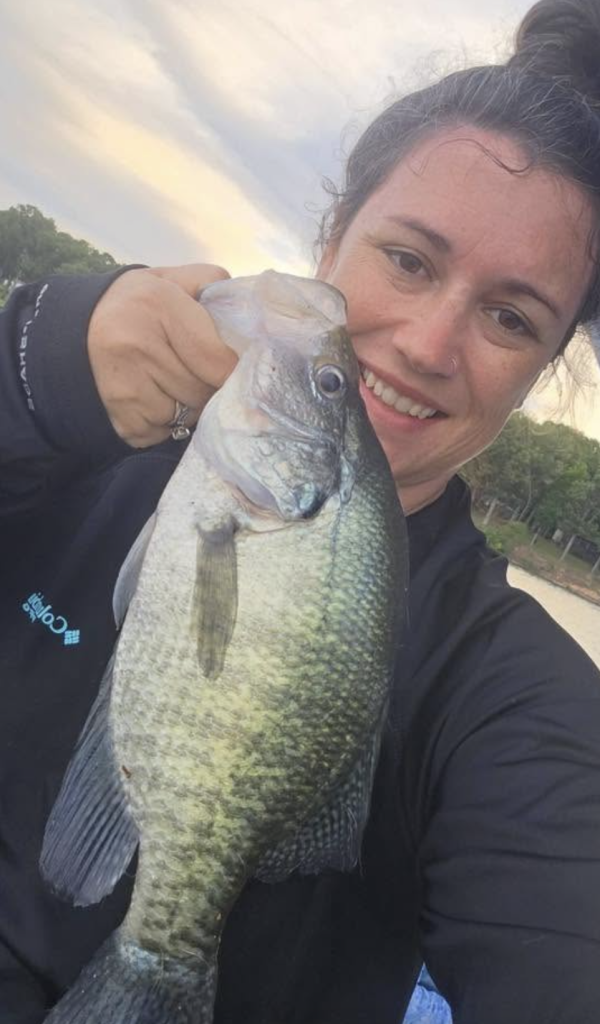
14. Buckhorn Lake (Perry and Leslie Counties)
Buckhorn Lake sits in the mountains of eastern Kentucky and produces good largemouth bass and crappie fishing in clear water with the kind of rugged, forested shoreline that defines this part of the state. The lake’s setting in the heart of Appalachian Kentucky gives it a scenic character that the surrounding state park has preserved well.
The bass fishing benefits from the lake’s natural structure, points and creek arms shaped by the mountain terrain rather than engineered habitat, and crappie fishing provides consistent panfish action. The lake’s relatively modest size compared to the western Kentucky reservoirs means it fishes more intimately, with anglers able to learn the whole lake over repeated visits in a way that’s not realistic on something the scale of Kentucky Lake.
For anglers in the Hazard and Leslie County area, Buckhorn represents the local reservoir option, with fishing quality that holds up well against other eastern Kentucky lakes its size.
🎣 What You’ll Catch
- Largemouth Bass ⭐⭐⭐⭐⭐
- Crappie ⭐⭐⭐⭐
- Bluegill ⭐⭐⭐
- Catfish ⭐⭐⭐
📅 Best Time To Fish
- Spring: Excellent (bass and crappie both active in the clear shallow water)
- Summer: Good (early mornings before heat affects activity)
- Fall: Good (bass feed as water cools)
🏆 Trophy Potential – 7/10 (A scenic Appalachian Kentucky lake with solid bass and crappie fishing in a genuinely intimate setting.)
Source: https://www.facebook.com/share/p/18pYt6yeku/
13. Laurel River Lake (Laurel and Whitley Counties)
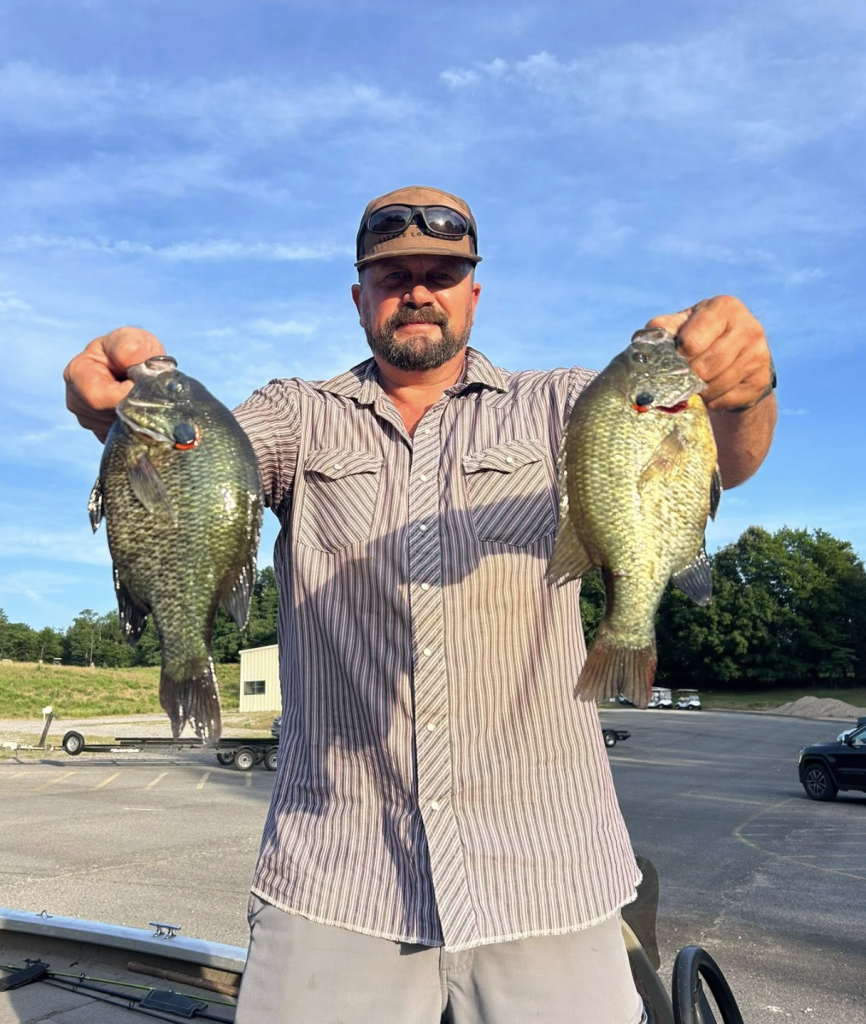
Laurel River Lake covers roughly 5,600 acres within the Daniel Boone National Forest and produces some of the clearest water and best smallmouth bass and walleye fishing in eastern Kentucky, set against rocky shorelines and forested hills that make it one of the more scenic reservoirs in the state. The lake’s depth and clarity give it a profile genuinely different from the murkier reservoirs in the western part of the state.
The smallmouth bass fishing on the rocky shorelines is the primary draw, and the walleye population benefits from the same clear, deep, cold water conditions. Largemouth bass and crappie round out a fishery that gives anglers options across the lake’s varied structure, and the surrounding national forest land has kept development around the lake genuinely minimal.
The lake’s location within the Daniel Boone National Forest means camping and outdoor recreation options extend well beyond the lake itself, making it a practical base for a broader eastern Kentucky outdoor trip.
🎣 What You’ll Catch
- Smallmouth Bass ⭐⭐⭐⭐⭐
- Walleye ⭐⭐⭐⭐
- Largemouth Bass ⭐⭐⭐⭐
- Crappie ⭐⭐⭐⭐
📅 Best Time To Fish
- Spring: Excellent (smallmouth and walleye both active in the clear shallow water)
- Summer: Good (deeper structure holds smallmouth and walleye through the heat)
- Fall: Excellent (smallmouth and walleye both feed before water cools further)
🏆 Trophy Potential – 8/10 (Some of the clearest water and best smallmouth fishing in eastern Kentucky, set in a genuinely scenic national forest.)
Source: https://www.facebook.com/share/p/1NZezD9qQg/
12. Cave Run Lake (Bath and Rowan Counties)
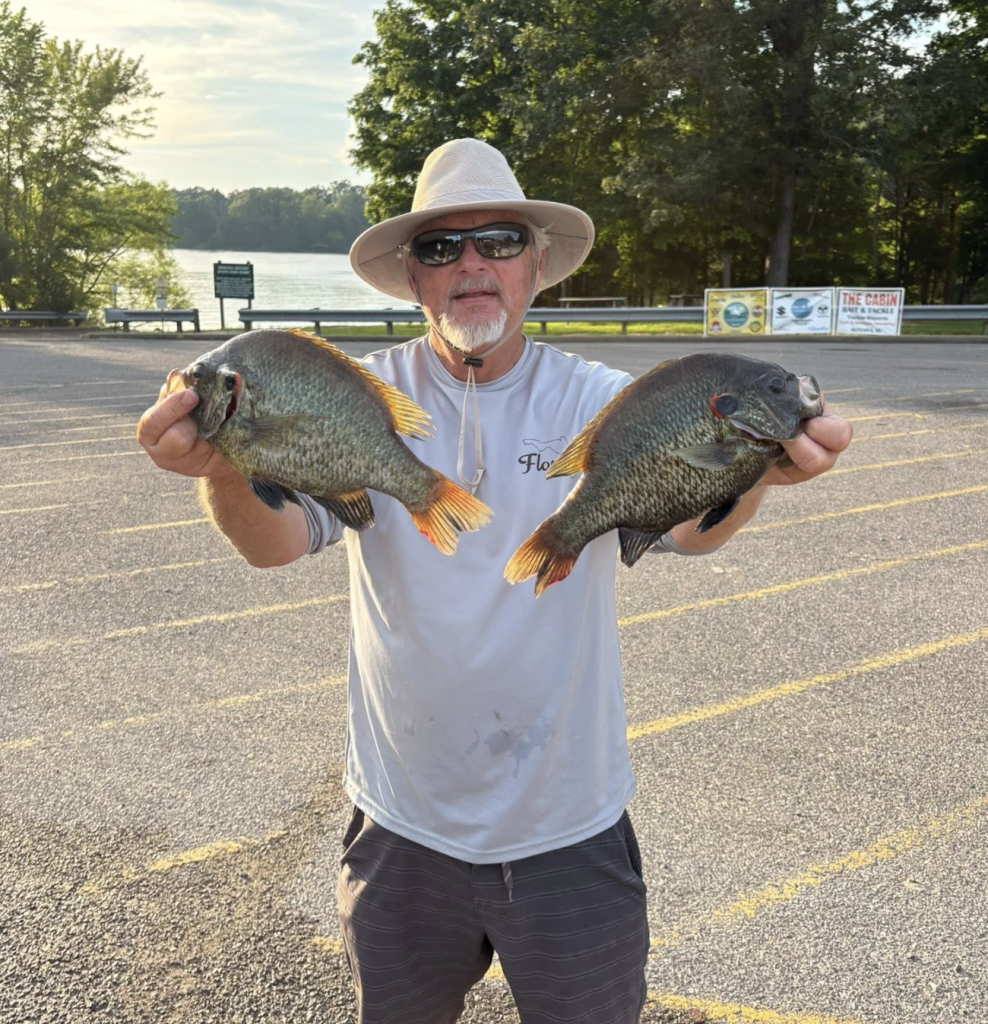
Cave Run Lake covers roughly 8,270 acres within the Daniel Boone National Forest and has built a genuine national reputation as one of the best muskie fisheries in the eastern United States, alongside solid largemouth bass and crappie populations in a forested setting that defines much of east-central Kentucky. The muskie program here has been managed for decades and has produced fish that draw dedicated muskie anglers from across the region specifically for the species.
The muskie fishing is the headline, and Cave Run’s reputation among serious muskie anglers extends well beyond Kentucky’s borders, with the lake mentioned alongside the more famous muskie waters of Wisconsin and Minnesota in muskie-specific fishing circles. Largemouth bass and crappie provide consistent action for anglers who aren’t specifically muskie hunting, and the forested national forest setting gives the lake a genuinely scenic character.
The fall muskie fishing specifically has developed a dedicated following, with anglers making the trip to Cave Run during the prime fall window when muskie feed aggressively before winter.
🎣 What You’ll Catch
- Muskellunge ⭐⭐⭐⭐⭐
- Largemouth Bass ⭐⭐⭐⭐
- Crappie ⭐⭐⭐⭐
- Bluegill ⭐⭐⭐
📅 Best Time To Fish
- Spring: Excellent (muskie active as water warms, bass and crappie also productive)
- Summer: Good (muskie fishing slows somewhat but bass and crappie remain productive)
- Fall: Excellent (the prime muskie window, drawing dedicated muskie anglers from across the region)
🏆 Trophy Potential – 9/10 (A nationally recognized muskie fishery mentioned alongside the famous waters of Wisconsin and Minnesota, in a genuinely scenic national forest setting.)
Source: https://www.facebook.com/share/p/1EajxJ2Ro9/
11. The Eastern Kentucky Mountain Lake System (Cave Run, Laurel River, Buckhorn, Fishtrap, and Dewey)
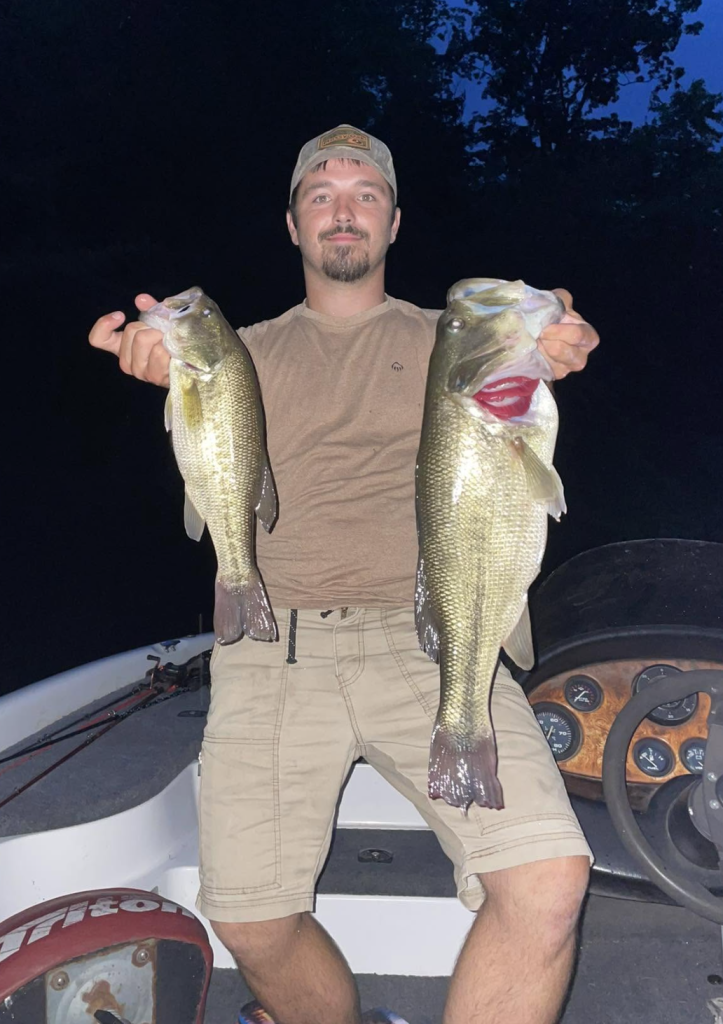
Cave Run, Laurel River, Buckhorn, Fishtrap, and Dewey lakes all earned individual entries on this list, but together they represent a regional concentration of clear, forested mountain reservoirs across eastern Kentucky’s Appalachian foothills and the Cumberland Plateau that few visiting anglers think of as a connected region, even though the lakes share a common character shaped by the same mountain geography.
These lakes collectively give eastern Kentucky a genuinely different fishing identity from the massive western reservoirs, smaller, clearer, set against mountain terrain, and each with its own specialty: Cave Run’s nationally recognized muskie fishery, Laurel River’s smallmouth and walleye in Daniel Boone National Forest, and the more intimate bass and crappie fishing at Buckhorn, Fishtrap, and Dewey. For anglers exploring eastern Kentucky, treating this region as a system means recognizing that a multi-day trip can combine muskie fishing at Cave Run with smallmouth at Laurel River and panfish at one of the smaller mountain lakes, all within a relatively compact region.
The Daniel Boone National Forest connects several of these lakes geographically and gives the region an outdoor recreation identity that extends well beyond fishing, with hiking, camping, and the broader Appalachian landscape all part of what a trip to this region offers.
🎣 What You’ll Catch
- Muskellunge ⭐⭐⭐⭐⭐
- Smallmouth Bass ⭐⭐⭐⭐⭐
- Largemouth Bass ⭐⭐⭐⭐
- Walleye ⭐⭐⭐⭐
- Crappie ⭐⭐⭐⭐
📅 Best Time To Fish
- Spring: Excellent (bass, crappie, and muskie all active across the region’s lakes)
- Summer: Good (deeper structure holds smallmouth and walleye through the heat across the region)
- Fall: Excellent (the prime muskie window at Cave Run, plus excellent smallmouth and bass fishing throughout the region)
🏆 Trophy Potential – 8/10 (A genuinely underrated regional system of clear mountain lakes, anchored by a nationally significant muskie fishery at Cave Run.)
Source: https://www.facebook.com/share/p/1DZzJEZ3vF/
10. Cumberland River (Below Wolf Creek Dam)
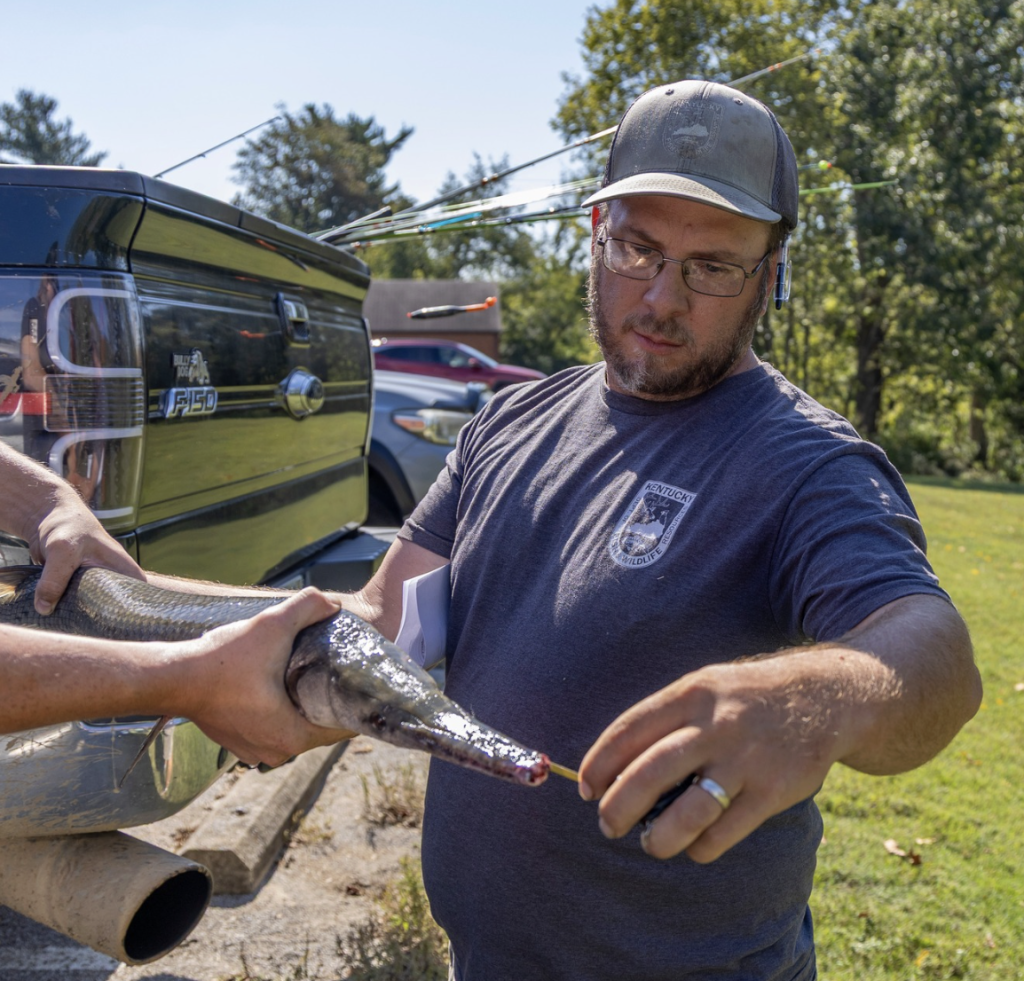
The Cumberland River below Wolf Creek Dam, the dam that creates Lake Cumberland, produces one of the most significant trout tailwater fisheries in the eastern United States, with the cold water released from the bottom of the lake supporting rainbow and brown trout in a river that most people don’t associate with Kentucky. The tailwater extends for miles below the dam and has developed a serious following among trout anglers from across the region.
The brown trout fishing here is the specific draw for serious anglers, with the river producing trophy-class browns that benefit from the consistent cold water and abundant forage the tailwater provides. Rainbow trout are stocked regularly and provide more consistent action for anglers who aren’t specifically targeting trophy browns.
The relationship between Lake Cumberland’s water levels and the tailwater fishery below means generation schedules at Wolf Creek Dam significantly affect the river’s flow and fishing conditions, and checking current release information before a trip is essential.
🎣 What You’ll Catch
- Brown Trout (trophy class) ⭐⭐⭐⭐⭐
- Rainbow Trout ⭐⭐⭐⭐⭐
- Smallmouth Bass ⭐⭐⭐
- Muskellunge ⭐⭐⭐
📅 Best Time To Fish
- Spring: Excellent (trout active throughout the cold tailwater)
- Summer: Excellent (the cold water keeps trout active even when air temperatures are high)
- Fall: Excellent (brown trout become more aggressive heading toward spawning)
🏆 Trophy Potential – 9/10 (One of the most significant trout tailwater fisheries in the eastern United States, producing trophy brown trout below one of Kentucky’s largest dams.)
Source: https://www.instagram.com/p/DPe2rSIDDJI/?img_index=2
9. Kentucky Lake (Multiple Counties)
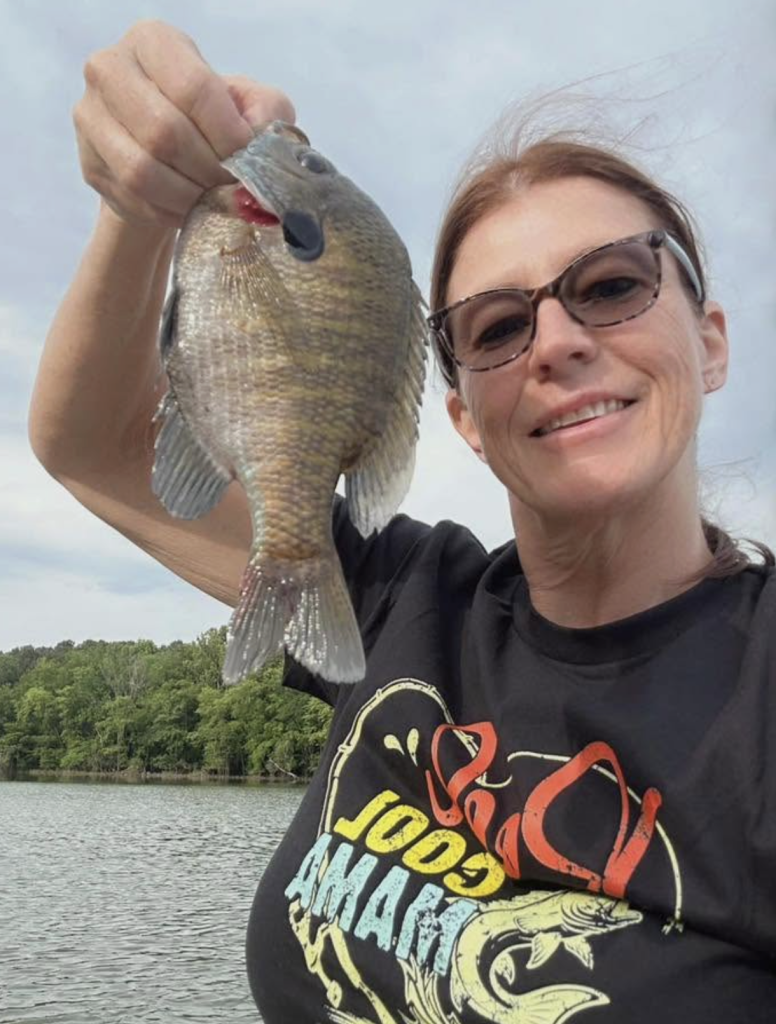
Kentucky Lake covers roughly 160,000 acres on the Tennessee River and is one of the largest man-made lakes in the eastern United States, with vast grass beds, channel structure, and habitat diversity that make it one of the top multi-species destinations in the entire country. The lake’s sheer size means it functions less like a single body of water and more like a series of connected fisheries, each with its own character depending on which section you’re fishing.
Largemouth and smallmouth bass both produce well across the lake’s grass beds and rocky areas, and the crappie fishing here has a genuinely national reputation, with the lake producing numbers and sizes that draw dedicated crappie anglers from across the country. Catfish in the deeper channel sections grow to significant sizes, and walleye, while not the primary draw, are present in numbers that surprise anglers who specifically target them.
The shared border with Tennessee means the lake’s full extent crosses state lines, and Kentucky and Tennessee regulations both apply depending on location, with the two states maintaining reciprocal agreements for some species and access situations.
🎣 What You’ll Catch
- Largemouth Bass ⭐⭐⭐⭐⭐
- Smallmouth Bass ⭐⭐⭐⭐
- Crappie ⭐⭐⭐⭐⭐
- Catfish ⭐⭐⭐⭐
- Walleye ⭐⭐⭐
📅 Best Time To Fish
- Spring: Excellent (bass and crappie both active across the grass beds)
- Summer: Good (deeper channel structure holds fish through the heat)
- Fall: Excellent (bass and crappie feed before water cools further)
🏆 Trophy Potential – 9/10 (One of the largest man-made lakes in the eastern United States, with a crappie fishery that has genuine national name recognition.)
Source: https://www.facebook.com/share/p/1Ah9fwKSUB/
8. Lake Barkley (Trigg and Lyon Counties)
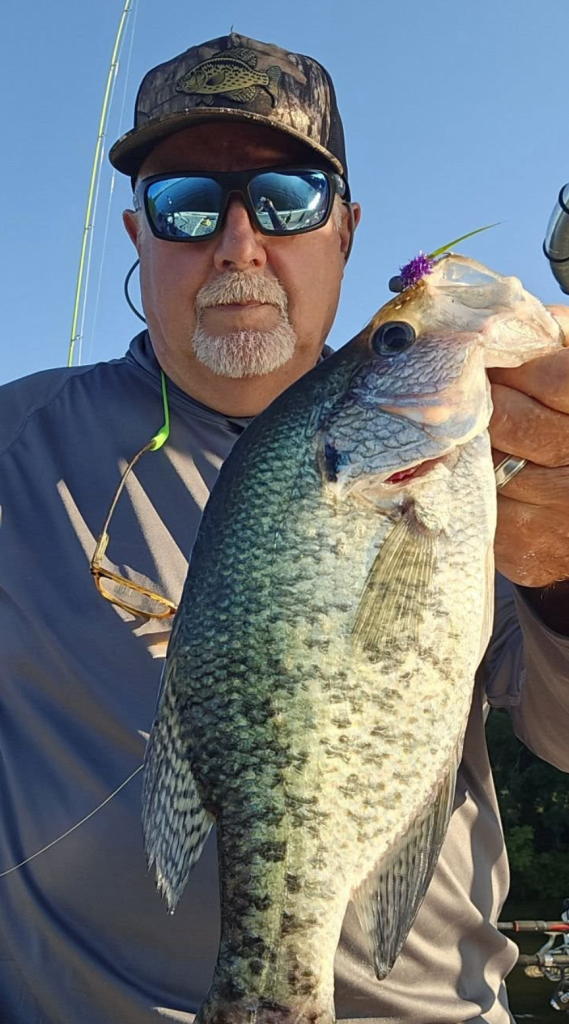
Lake Barkley sits adjacent to Kentucky Lake, separated by the narrow Land Between the Lakes National Recreation Area and connected by a canal that allows boat traffic between the two, and produces excellent largemouth bass and crappie fishing across habitat that closely mirrors its larger sister lake. Barkley’s character is similar enough to Kentucky Lake that anglers familiar with one generally find their skills transfer directly to the other, but the lake has its own identity and its own dedicated following.
The bass fishing on Barkley benefits from grass beds and timber similar to what makes Kentucky Lake productive, and the crappie fishing here is part of the same combined reputation that draws crappie anglers to this region specifically. Catfish in the deeper sections round out a fishery that, while sometimes treated as Kentucky Lake’s lesser-known neighbor, produces fishing that’s genuinely comparable.
The Land Between the Lakes National Recreation Area between the two lakes provides an enormous amount of public land, camping, and access for both, and many anglers visiting this region fish both lakes during the same trip given how close they are to each other.
🎣 What You’ll Catch
- Largemouth Bass ⭐⭐⭐⭐⭐
- Crappie ⭐⭐⭐⭐
- Catfish ⭐⭐⭐⭐
- Smallmouth Bass ⭐⭐⭐
📅 Best Time To Fish
- Spring: Excellent (bass and crappie both active across the grass beds and timber)
- Summer: Good (deeper structure holds fish through the heat)
- Fall: Excellent (bass and crappie feed before water cools further)
🏆 Trophy Potential – 9/10 (Often treated as Kentucky Lake’s neighbor, but a genuinely comparable fishery with its own dedicated following.)
Source: https://www.facebook.com/share/p/1BeEDTNQ3M/
7. Cumberland Lake (Multiple Counties)
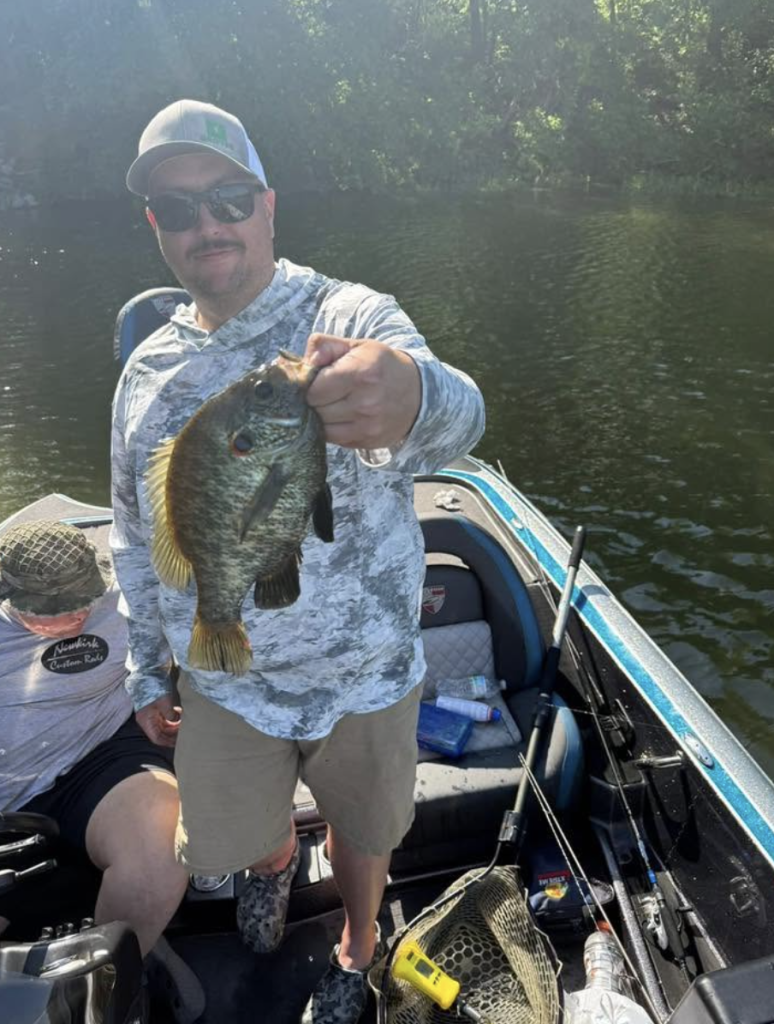
Lake Cumberland covers over 65,000 acres in south-central Kentucky and produces some of the best striped bass fishing in the inland United States, alongside largemouth and smallmouth bass and walleye in deep, clear water with rocky bluffs and long creek arms that reach back into the surrounding hills. The lake’s depth, among the deepest reservoirs in Kentucky, creates the cold-water conditions that striped bass need to thrive in a landlocked setting.
The striped bass fishery here has a serious national reputation, and Lake Cumberland regularly produces stripers in the 15 to 25 pound range with fish over 30 pounds a realistic trophy target, sizes that most anglers associate with coastal fisheries rather than an inland Kentucky reservoir. Smallmouth bass on the rocky bluffs and points produce well, and walleye benefit from the same deep, cold water that supports the stripers.
The lake’s massive Wolf Creek Dam has undergone significant rehabilitation work over the years tied to seepage concerns through the dam’s foundation, and lake levels were managed conservatively during major phases of that work, which is worth checking on before a trip since historical water level management has affected access at various points around the lake.
🎣 What You’ll Catch
- Striped Bass ⭐⭐⭐⭐⭐
- Smallmouth Bass ⭐⭐⭐⭐⭐
- Walleye ⭐⭐⭐⭐
- Largemouth Bass ⭐⭐⭐⭐
📅 Best Time To Fish
- Spring: Excellent (stripers, smallmouth, and walleye all active in the cooling surface water)
- Summer: Good (stripers in deeper, cooler water, requiring downrigger or deep trolling techniques)
- Fall: Excellent (stripers, smallmouth, and walleye all feed before water cools further)
🏆 Trophy Potential – 9/10 (One of the best inland striped bass fisheries in the country, with stripers reaching sizes most anglers associate with the coast.)
Source: https://www.facebook.com/share/p/196PTWYrGa/
6. Kentucky Lake and Lake Barkley (Second Look: The Twin Reservoir System)
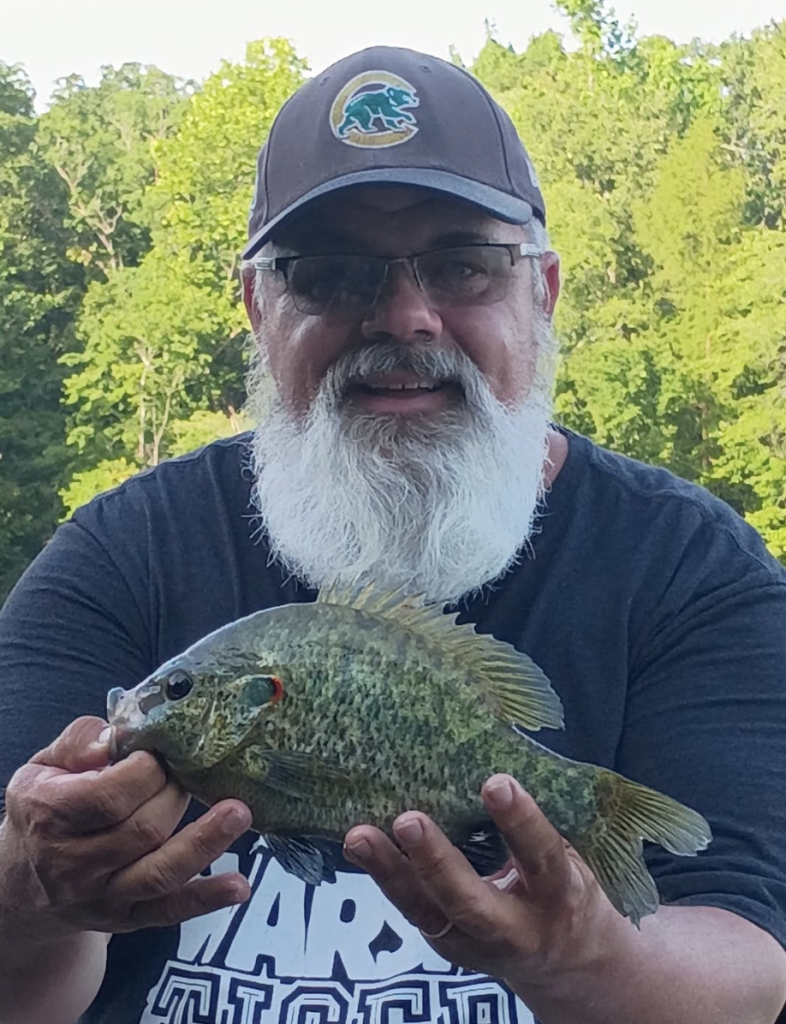
Kentucky Lake and Lake Barkley both earned individual entries on this list, but together, separated by the Land Between the Lakes National Recreation Area and connected by a canal, they form one of the largest connected freshwater fishing areas in the eastern United States, and treating them as a combined system reflects how many serious anglers who fish this region actually approach it.
The two lakes run roughly parallel to each other for much of their length, and the combined crappie fishery across both lakes has built a national reputation that draws anglers specifically for the species, with the region hosting major crappie tournaments that bring competitors from across the country. Bass, catfish, and walleye all produce across both systems, and the sheer amount of connected water means anglers can spend a week exploring without repeating the same stretch of shoreline twice.
The Land Between the Lakes area itself adds wildlife viewing, including a managed bison and elk herd, hiking, and camping to what a trip to this region offers, making it a genuinely complete outdoor destination beyond just the fishing.
🎣 What You’ll Catch
- Crappie ⭐⭐⭐⭐⭐
- Largemouth Bass ⭐⭐⭐⭐⭐
- Smallmouth Bass ⭐⭐⭐⭐
- Catfish ⭐⭐⭐⭐
- Walleye ⭐⭐⭐
📅 Best Time To Fish
- Spring: Excellent (bass and crappie both active across both connected lakes)
- Summer: Good (deeper structure across the combined system holds fish through the heat)
- Fall: Excellent (crappie fishing peaks across both lakes as fish group up before winter)
🏆 Trophy Potential – 9/10 (Two of the largest connected lakes in the eastern United States, with a combined crappie reputation that draws national tournament attention.)
Source: https://www.facebook.com/share/p/1HM792Y46q/
5. Lake Cumberland and the Cumberland River Tailwater System (Second Look)
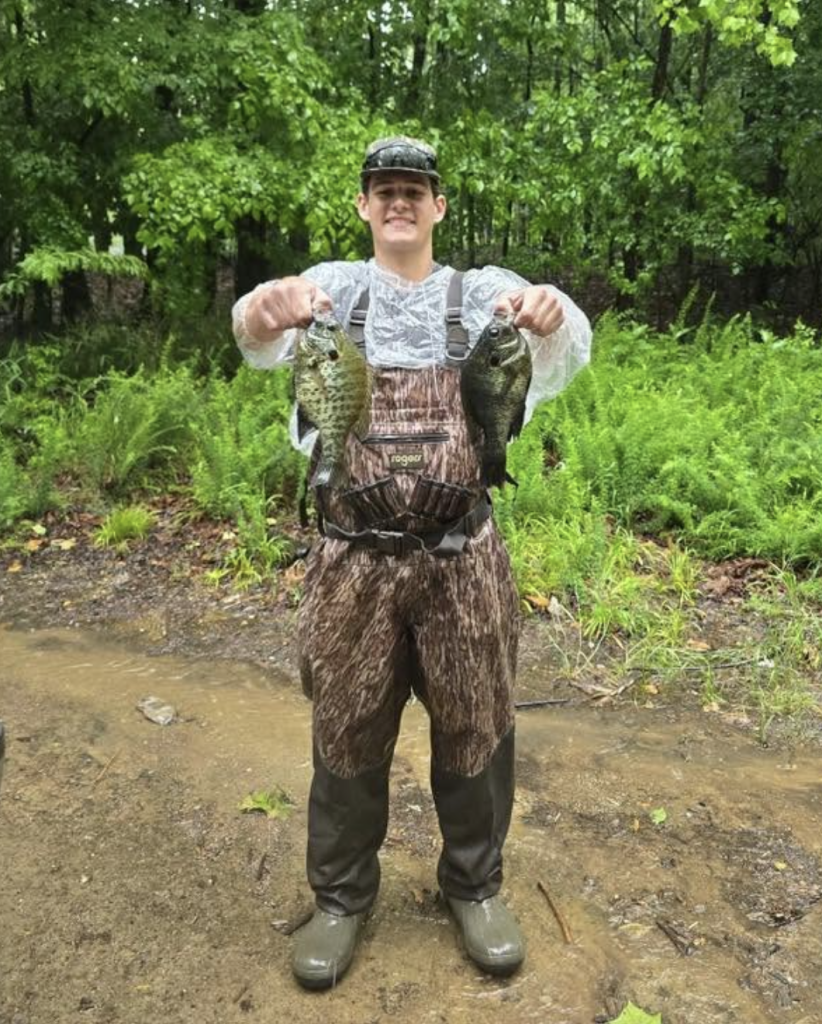
Lake Cumberland earned its individual entry at #7 and the Cumberland River tailwater its own entry at #10, but the combined system, the massive lake itself plus the trophy trout tailwater below Wolf Creek Dam, represents one of the most genuinely diverse single fishing destinations in Kentucky.
Few places offer the combination of inland striped bass reaching coastal sizes in the lake above the dam and a world-class trophy brown trout fishery in the tailwater below it, all within the same general area. Anglers who plan a trip around both, striper fishing on the lake in the morning and trout fishing in the tailwater in the evening, experience two completely different fisheries that most visitors treat as separate destinations rather than understanding as parts of the same system.
The scale of Lake Cumberland itself, one of the largest and deepest reservoirs in Kentucky, combined with a tailwater trout fishery that ranks among the best in the eastern United States, makes this combined system a genuine highlight of Kentucky fishing that rewards understanding both halves.
🎣 What You’ll Catch
- Striped Bass ⭐⭐⭐⭐⭐
- Brown Trout (tailwater, trophy class) ⭐⭐⭐⭐⭐
- Smallmouth Bass ⭐⭐⭐⭐⭐
- Rainbow Trout (tailwater) ⭐⭐⭐⭐
- Walleye ⭐⭐⭐⭐
📅 Best Time To Fish
- Spring: Excellent (stripers and smallmouth on the lake, trout active in the tailwater)
- Summer: Good (deep striper fishing on the lake, cold tailwater keeps trout active despite summer heat)
- Fall: Excellent (stripers and smallmouth feed before water cools, brown trout become more aggressive in the tailwater)
🏆 Trophy Potential – 9/10 (A combined system offering coastal-sized striped bass and world-class trophy brown trout within the same general area, a combination that’s genuinely rare anywhere.)
Source: https://www.facebook.com/share/p/1BYSHeZtPJ/
4. Dale Hollow Lake (Kentucky-Tennessee Border)
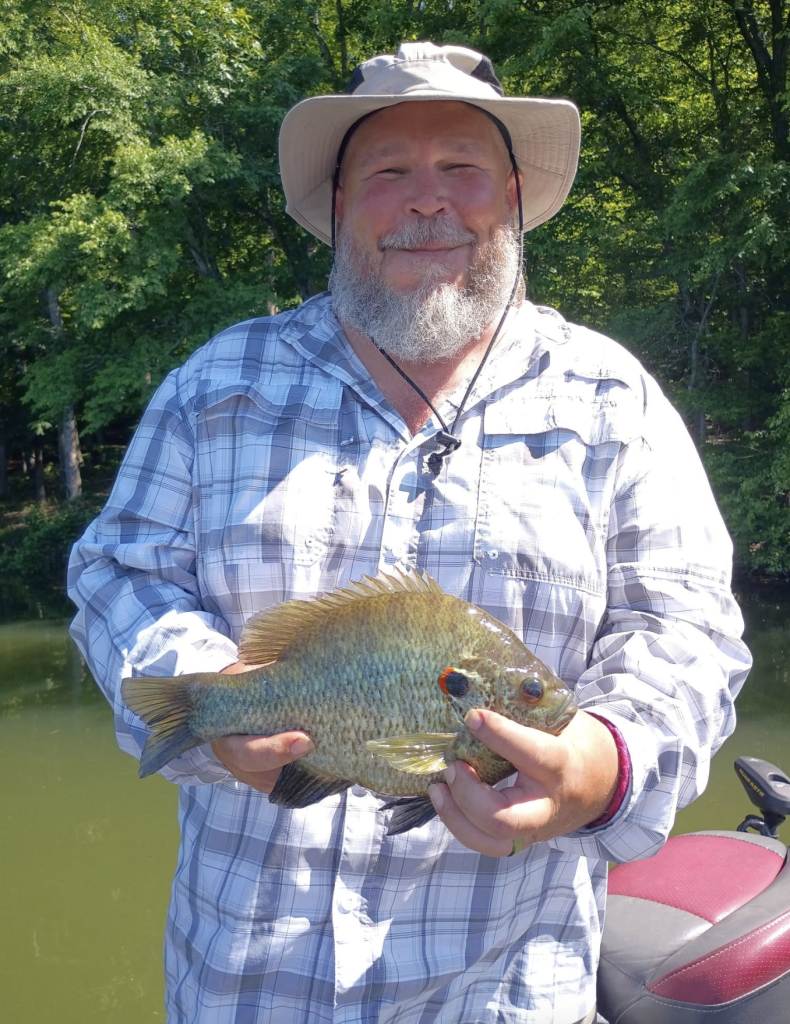
Dale Hollow Lake straddles the Kentucky-Tennessee border and is world-renowned for its rocky bluffs, submerged structure, and clear deep water that have produced an exceptional smallmouth bass fishery, including the world record smallmouth bass, an 11-pound, 15-ounce fish caught in 1955, a record that has stood for decades and remains the benchmark every serious smallmouth angler in the country measures against.
The clear, deep water and rocky structure that define Dale Hollow create exactly the conditions smallmouth bass thrive in, and the lake’s relative remoteness, away from major population centers on both sides of the state line, has helped keep the fishery in genuinely excellent condition for generations. Finesse drop-shot and tube jig presentations are the standard approach for the lake’s smallmouth, and the technical nature of fishing Dale Hollow well is part of what makes it a destination anglers return to repeatedly.
Largemouth bass, muskellunge, and crappie are all present and provide options beyond smallmouth, but Dale Hollow’s identity is built on smallmouth bass, and the multi-state border situation means anglers need to be clear about which state’s regulations apply depending on where on the lake they’re fishing.
🎣 What You’ll Catch
- Smallmouth Bass (world record class) ⭐⭐⭐⭐⭐
- Largemouth Bass ⭐⭐⭐⭐
- Muskellunge ⭐⭐⭐⭐
- Crappie ⭐⭐⭐⭐
📅 Best Time To Fish
- Spring: Excellent (smallmouth active in the clear shallow water during the spawn)
- Summer: Good (finesse techniques in deeper structure produce through the heat)
- Fall: Excellent (smallmouth feed aggressively before water cools further, historically the best window for the largest fish)
🏆 Trophy Potential – 10/10 (Home to the world record smallmouth bass and still the lake every serious smallmouth angler in the country measures every other destination against.)
Source: https://www.facebook.com/share/p/1KJ4T1a5Ee/
3. The Western Kentucky Twin Lakes and the South-Central Striper and Smallmouth Belt
Kentucky Lake, Lake Barkley, Lake Cumberland, and Dale Hollow all earned individual or combined entries on this list, but stepping back, these four reservoirs represent two genuinely different fishing identities within the same state, and understanding that contrast helps explain why Kentucky’s reputation is built the way it is.
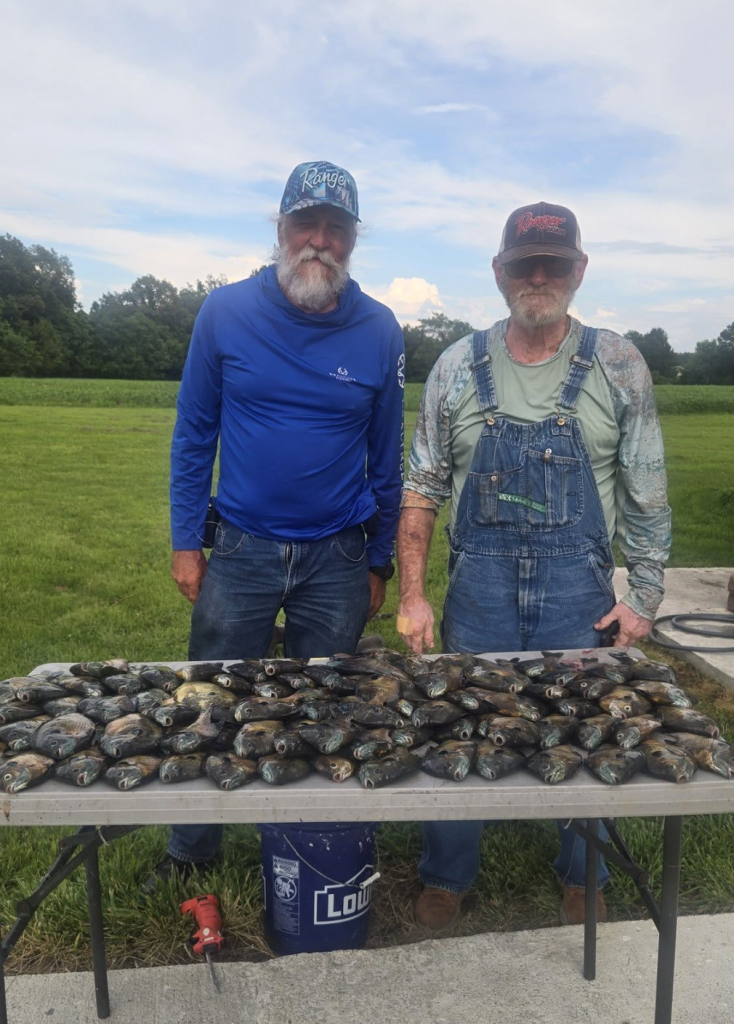
Kentucky Lake and Lake Barkley in the west are about scale and numbers, two of the largest connected lakes in the eastern United States, with a crappie fishery that draws competitors from across the country simply because there’s so much productive water. Lake Cumberland and Dale Hollow in the south-central and southeastern part of the state are about specificity, a single species pushed to its absolute limit, inland striped bass at sizes that compete with the coast, and a smallmouth bass record that’s stood for seven decades. Western Kentucky says come for the volume. South-central Kentucky says come for the record book.
For anglers trying to decide where to start in Kentucky, that contrast is the real decision point. A trip built around exploring as much productive water as possible points west. A trip built around chasing a specific trophy fish points south-central, toward Cumberland and Dale Hollow.
🎣 What You’ll Catch
- Crappie ⭐⭐⭐⭐⭐
- Smallmouth Bass (world record class) ⭐⭐⭐⭐⭐
- Striped Bass ⭐⭐⭐⭐⭐
- Largemouth Bass ⭐⭐⭐⭐⭐
- Brown Trout (tailwater) ⭐⭐⭐⭐
📅 Best Time To Fish
- Spring: Excellent (every species across all four destinations is at its best)
- Summer: Good (deeper techniques required across the lakes, tailwater trout remain excellent)
- Fall: Excellent (the prime window across the entire belt as fish feed before winter)
🏆 Trophy Potential – 10/10 (Four destinations, each ranking among the best in the country for their specialty, spread across the southern half of Kentucky.)
Source: https://www.facebook.com/share/p/1CceMQUGKK/
2. Dale Hollow Lake (Second Look: The World Record Standard)
Dale Hollow earned its individual entry at #4, but its position here near the very top of this list reflects what the lake represents beyond just being a great smallmouth fishery. The world record smallmouth bass, caught here in 1955 and still standing after seven decades, has made Dale Hollow a name that resonates with anglers who have never been to Kentucky and may never fish for smallmouth bass specifically, simply because the record is part of the broader fishing world’s shared knowledge.
For Kentucky specifically, Dale Hollow functions as the state’s calling card in national fishing conversations the way Lake Fork does for Texas trophy largemouth or the Boundary Waters does for Minnesota wilderness fishing. The lake’s continued production of genuinely large smallmouth, decades after the record was set, demonstrates that the fishery isn’t resting on a single historical catch. Anglers who make the trip specifically for smallmouth, and many do, are fishing the same water, the same rocky bluffs and clear depths, that produced the fish that’s been the standard for longer than most anglers alive today have been fishing.
The technical, finesse-based approach that Dale Hollow rewards has also influenced smallmouth fishing techniques more broadly, with drop-shot and tube presentations refined on this lake’s clear water becoming standard approaches that smallmouth anglers now use on lakes across the country.
🎣 What You’ll Catch
- Smallmouth Bass (world record class) ⭐⭐⭐⭐⭐
- Largemouth Bass ⭐⭐⭐⭐⭐
- Muskellunge ⭐⭐⭐⭐
- Crappie ⭐⭐⭐⭐
📅 Best Time To Fish
- Spring: Excellent (smallmouth active in the clear shallow water during the spawn)
- Summer: Good (finesse techniques in deeper structure produce through the heat)
- Fall: Excellent (smallmouth feed aggressively before water cools further, historically the best window for the largest fish)
🏆 Trophy Potential – 10/10 (The fishery that’s defined what trophy smallmouth fishing means nationally for seven decades, and continues producing at that level.)
1. Lake Cumberland, Dale Hollow, and the Kentucky-Tennessee Border Lakes System
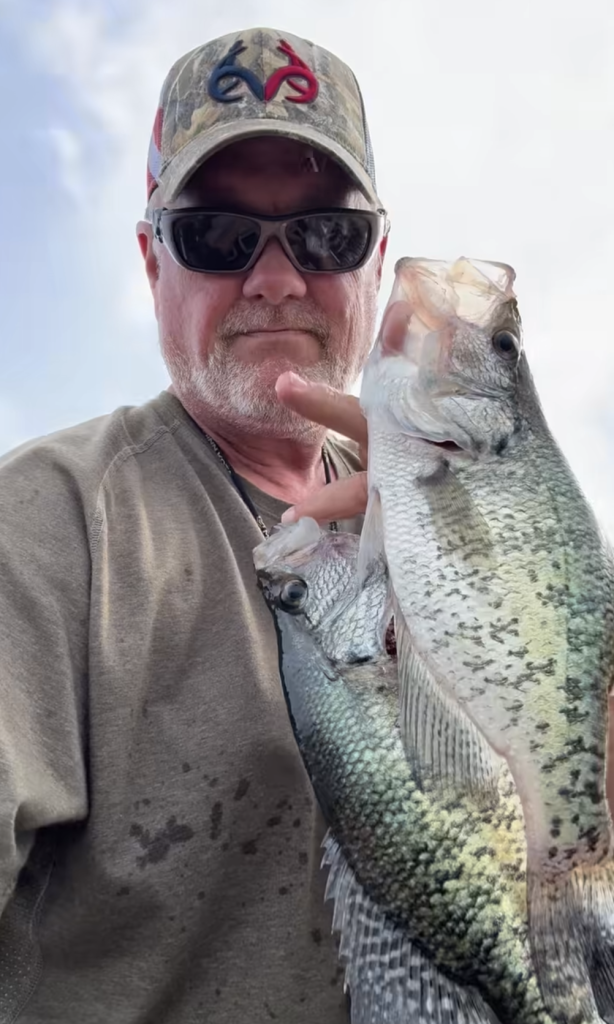
Lake Cumberland and Dale Hollow each earned significant individual recognition on this list, but together, along with the connected river systems and tailwaters that surround them, they represent the single most diverse high-end fishing region in Kentucky, and the reason this region tops this list.
Within roughly an hour or two of driving in south-central and southeastern Kentucky, anglers can access the world record smallmouth bass fishery at Dale Hollow, inland striped bass at Lake Cumberland reaching sizes that compete with coastal fisheries, a trophy brown trout tailwater below Wolf Creek Dam that ranks among the best in the eastern United States, and muskellunge in both Dale Hollow and Cave Run not far to the north. No other region in Kentucky, or arguably in the broader region, offers this combination of species and quality within such a compact geographic area.
What makes this exceptional: The combination of a world-record-producing smallmouth lake, an inland sea capable of producing striped bass over 30 pounds, and a trophy trout tailwater all exist within a region small enough that a dedicated angler could realistically fish all three within a single multi-day trip. Each of these fisheries would be the signature destination of most other states on its own.
The honest complication: The region’s lakes are deep, and Lake Cumberland specifically is large enough that local knowledge or a guide makes a genuine difference in finding productive water efficiently, particularly for striper fishing where understanding thermocline depth through the season matters. Generation schedules at Wolf Creek Dam affect the tailwater significantly, and checking current release information is essential for trout fishing.
If you fish one region of Kentucky, this is the one. The combination of a world record smallmouth lake, coastal-class striped bass, and a premier trout tailwater within the same general area represents the best of what Kentucky fishing has to offer, and arguably one of the most diverse high-end freshwater fishing regions anywhere in the eastern United States.
🎣 What You’ll Catch
- Smallmouth Bass (world record class) ⭐⭐⭐⭐⭐
- Striped Bass ⭐⭐⭐⭐⭐
- Brown Trout (tailwater, trophy class) ⭐⭐⭐⭐⭐
- Muskellunge ⭐⭐⭐⭐
- Largemouth Bass ⭐⭐⭐⭐
📅 Best Time To Fish
- Spring: Excellent (every species across the region is at its peak)
- Summer: Good (deep techniques for stripers and smallmouth, cold tailwater keeps trout excellent)
- Fall: Excellent (the prime window across the entire region as fish feed before winter)
🏆 Trophy Potential – 10/10 (The most diverse high-end fishing region in Kentucky, combining a world record smallmouth fishery, coastal-class striped bass, and a premier trout tailwater within the same general area.)
Every Angler Should Fish Kentucky at Least Once!
Kentucky fishing rewards anglers who understand that the state’s reputation rests on a small number of genuinely world-class destinations rather than broad mediocrity. Dale Hollow remains the smallmouth standard the entire country measures against. Lake Cumberland produces striped bass at sizes most people associate with the ocean, plus a trophy trout tailwater that few inland states can match. Kentucky Lake and Lake Barkley together form one of the largest connected freshwater systems in the East.
And the eastern Kentucky mountain lakes, anchored by Cave Run’s nationally significant muskie fishery, give the state a genuinely different character most visitors never explore.
Check current regulations at KDFWR before every trip. Trout stamp requirements, multi-state regulations on border lakes like Dale Hollow and Kentucky Lake, and Wolf Creek Dam generation schedules that affect the Cumberland River tailwater all require checking current information rather than assuming last year’s conditions still apply.
A handful of lakes here could anchor an entire state’s fishing reputation on their own. Kentucky has all of them within a few hours of each other.
