
The 21 Best Places to Fish in Ohio, Ranked by Beauty, Action, and Bragging Rights

Ohio gets written off by anglers who haven’t fished it, and that assumption does a lot of work for the people who have. The western basin of Lake Erie is the most productive walleye fishery in the world by almost any measure. That single fact should end the conversation about whether Ohio belongs in the national discussion.
The inland reservoir network fills in the rest of the picture. Ohio’s hatchery system stocks saugeye, a walleye and sauger hybrid that grows fast, bites readily, and handles turbid water better than pure walleye, across lakes within an hour of most of the state’s population.

The northeast corner adds smallmouth bass rivers that hold up against the best in the Midwest, and the muskie and crappie fishing across the interior reservoirs rounds out a lineup most visitors don’t see coming.
Ohio has world-class walleye water, a statewide saugeye fishery that’s unlike anything else in the region, legitimate smallmouth rivers, and inland lakes producing muskie and crappie at a serious level. If you’ve been sleeping on this state, this list is going to change that.
Read it all the way through before you decide where to go first.
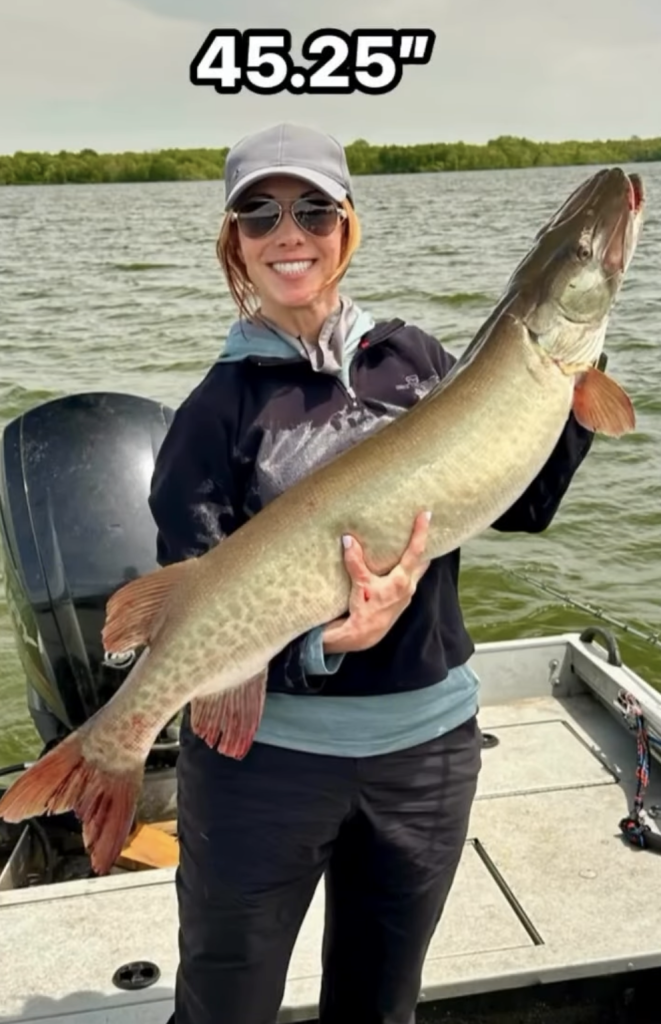
Source: https://www.instagram.com/reel/DYcPxHtxZQ-/
21. Alum Creek Lake (Delaware County)
Alum Creek Lake sits just north of Columbus in Delaware County and is one of the most fished reservoirs in central Ohio, partly because it produces well and partly because half the state lives within an hour of it. Saugeye are the signature species and the lake produces them consistently, with largemouth bass, muskellunge, crappie, and walleye rounding out a fishery that rewards year-round visits.
The structure here is better than most anglers expect from a central Ohio reservoir. Creek channel edges, submerged timber, and defined weed edges give predator fish places to set up that experienced anglers learn to find and return to. Shore fishing access is reasonable at multiple points, which makes it workable without a boat.
Summer recreational boating from the nearby Columbus metro is the consistent challenge. Water levels fluctuate with Army Corps management. Go on a weekday in early spring before the recreational crowd shows up and Alum Creek fishes closer to its potential.
Best timing: March through May for saugeye and bass, year-round for crappie and catfish.
Source: https://en.wikipedia.org/wiki/Caesar_Creek_State_Park
20. Caesar Creek Lake (Warren and Greene Counties)
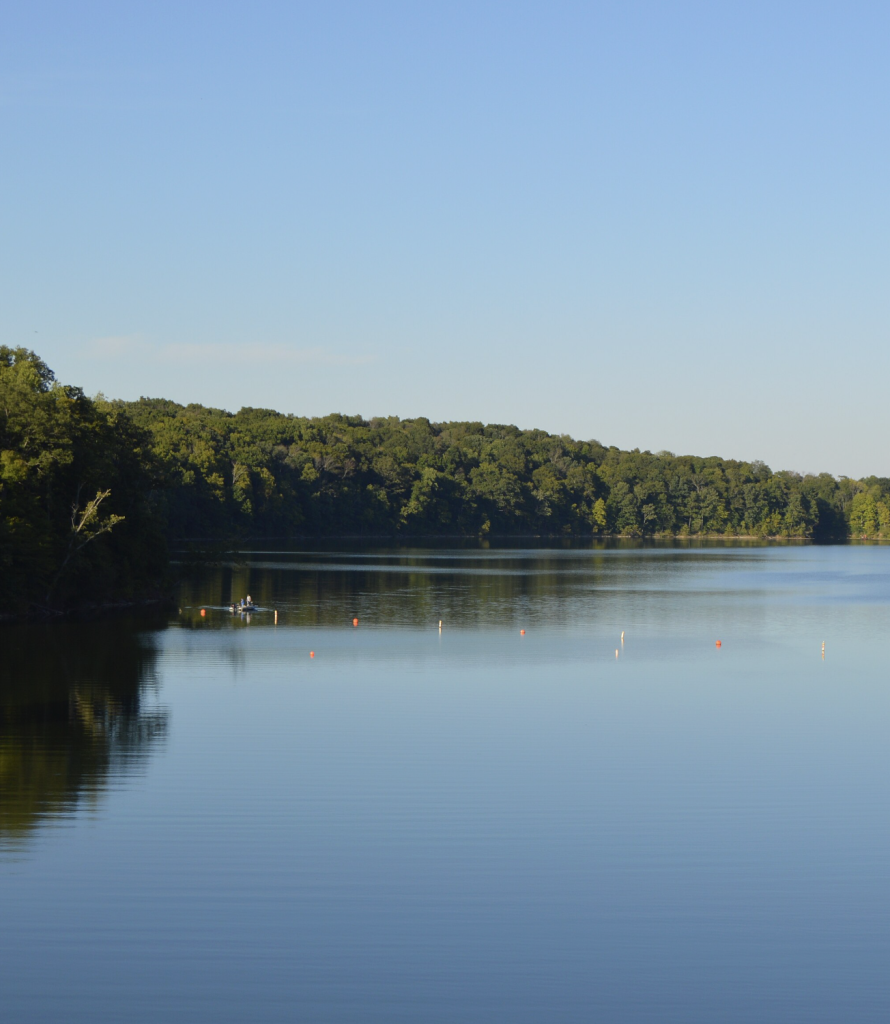
Caesar Creek Lake is a 2,830-acre Army Corps reservoir in Warren and Greene counties southwest of Dayton that produces saugeye, largemouth bass, crappie, and catfish in clearer water than most central Ohio lakes. The clarity here is the differentiating feature: fish can be seen and targeted in ways that turbid reservoirs don’t allow, which makes Caesar Creek more technical and more rewarding for anglers who fish it well.
Submerged timber and defined drop-offs give structure to the fishery and the crappie population specifically benefits from the extensive flooded brush in the creek arms. The clear water also means fish are more easily spooked, which is the trade-off that makes this lake more challenging than its neighbors.
Weekend pressure is the honest limitation. Caesar Creek draws anglers from Dayton and Cincinnati within easy driving distance and popular access points fill up during peak season. Aquatic vegetation management keeps the weed beds in check, which is a mixed situation depending on whether you’re fishing for bass or saugeye.
Best timing: Spring for saugeye and bass spawning, early summer for crappie, fall for bass as water cools.
19. Piedmont Lake (Guernsey and Harrison Counties)
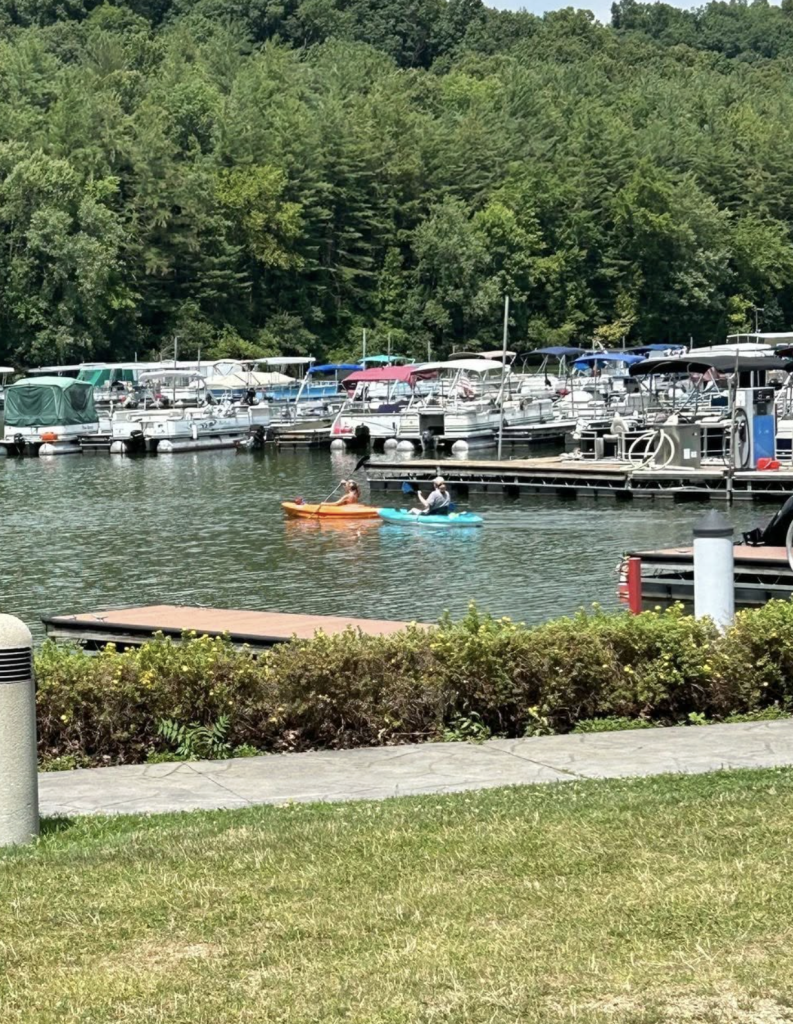
Piedmont Lake in eastern Ohio’s hill country is the state’s most respected muskie lake outside of a short list of better-known options, and it earns that reputation through consistent production rather than reputation alone. The 2,270-acre reservoir has the deep clear water, rocky structure, and forage base that grows large muskellunge, and the bass and crappie fishing is strong enough to make a trip worthwhile even when the muskie aren’t cooperating.
The eastern Ohio location keeps Piedmont off the radar for most Columbus and Cleveland anglers who don’t make the drive, which means the pressure is lower than the fishing quality warrants. The surrounding Guernsey and Harrison county terrain is genuinely scenic and the reservoir has a character that flatter central Ohio lakes don’t.
Variable water levels and more remote access than the central Ohio reservoirs are the honest trade-offs. For serious muskie anglers in Ohio who haven’t specifically targeted Piedmont, it deserves to be on the list.
Best timing: Spring through fall for muskie, spring for bass, year-round for crappie.
Source: https://en.wikipedia.org/wiki/Mosquito_Creek_Lake
18. Mosquito Creek Lake (Trumbull County)
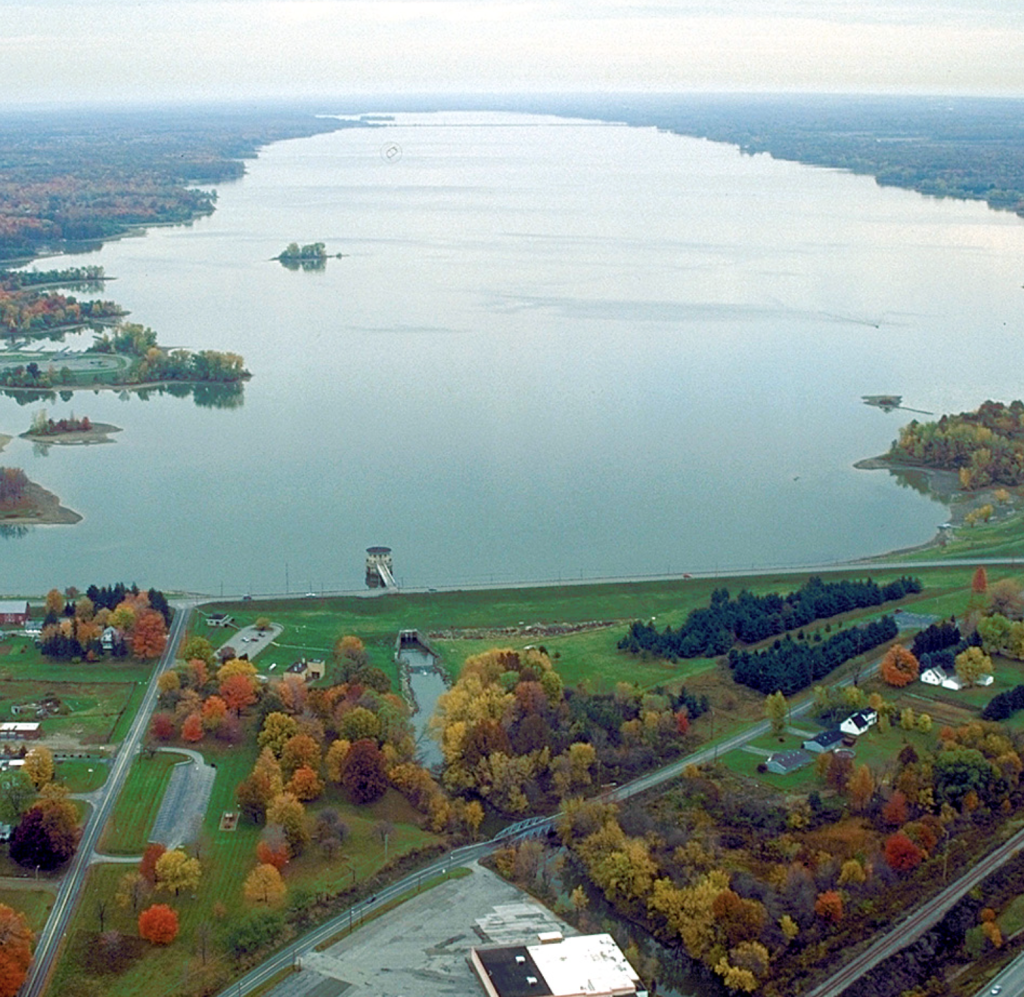
Mosquito Creek Lake in Trumbull County in northeast Ohio is one of the state’s most consistently productive inland walleye lakes, and some years it tops ODNR’s inland walleye harvest numbers statewide. The 7,850-acre reservoir has the combination of structure, forage, and water quality that walleye thrive in, and the population shows it.
Crappie, largemouth bass, and muskellunge round out the species list, and the lake’s ice fishing draws serious winter anglers who come specifically for the walleye and crappie bite when the lake freezes. The northeast Ohio location puts it within reach of the Cleveland and Youngstown markets, which means it sees consistent pressure.
Seasonal drawdowns that affect access and fish location in fall are the main variable to plan around. The walleye fishing in early spring before and after the spawn is the peak window, and early mornings at the productive structure before the weekend boat traffic starts is when the fishing is closest to what it can be.
Best timing: March through May for walleye, summer for bass and crappie, winter for ice fishing.
Source: https://en.wikipedia.org/wiki/Indian_Lake_(Ohio)
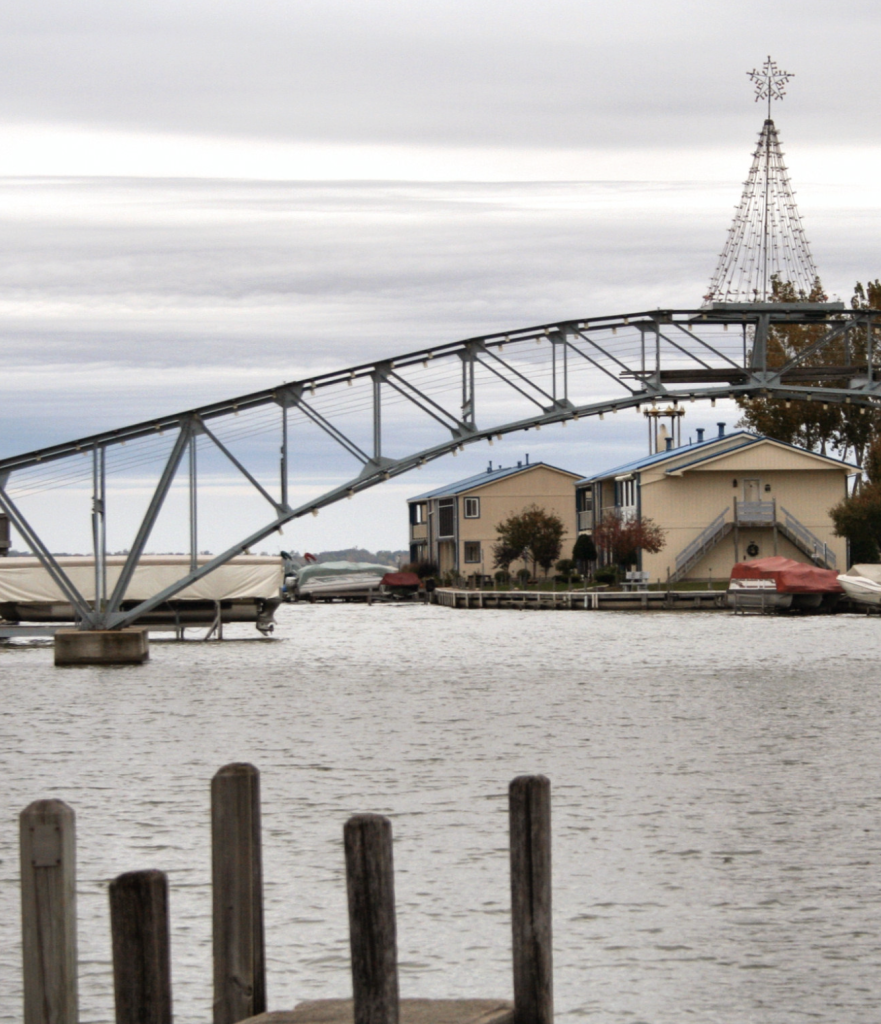
17. Indian Lake (Logan County)
Indian Lake is a 5,800-acre reservoir in Logan County in west-central Ohio and it has been one of the state’s most productive saugeye fisheries for decades. ODNR stocks it heavily and the fish respond to the forage base in ways that make it one of the more reliable central Ohio options for anglers who want consistent action rather than the technical challenge of clearer water lakes.
Yellow perch, crappie, largemouth bass, and channel catfish round out what’s available, and the multiple public access points and boat ramps distributed around the lake make it genuinely family-friendly in a way that some of the less-developed reservoirs aren’t. The infrastructure around Indian Lake is well-established.
High usage and boat traffic are the honest limitations. Indian Lake is a recreation destination as much as a fishing destination, and the two activities don’t always coexist comfortably at peak times. The fishing holds up year-round in ways that make it a reliable option when conditions at other lakes aren’t favorable.
Best timing: Year-round with peak saugeye fishing in spring and early fall.


Source: https://en.wikipedia.org/wiki/Atwood_Lake
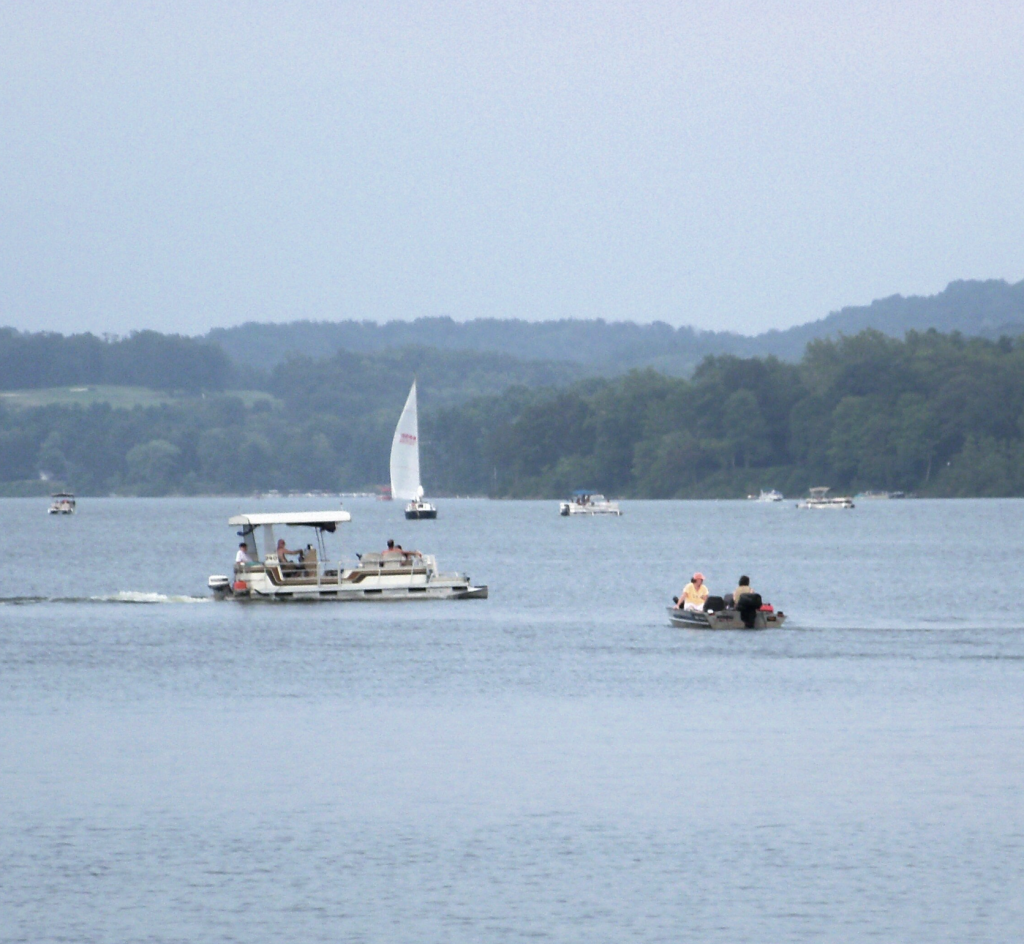
16. Atwood Lake (Tuscarawas and Stark Counties)
Atwood Lake in eastern Ohio covers about 1,540 acres and holds saugeye, largemouth bass, muskellunge, and crappie in rocky structure-heavy water that gives the fishery a different character from the flatter central Ohio reservoirs. The rock points, submerged timber, and creek channels hold fish in predictable locations through the season once you learn the lake.
The saugeye population benefits from the same stocking programs that maintain most of Ohio’s inland reservoirs, and the muskie population in the deeper sections has a following among anglers who make the drive from the Cleveland and Youngstown areas. The rocky structure that makes it good for both species also makes navigating it with a boat require attention to depth.
Water level fluctuations affect access and fish location seasonally, and the Muskingum Watershed Conservancy District manages the lake in ways that can affect conditions in fall. The eastern Ohio setting is scenic and the pressure is lower than on the centrally located reservoirs, which makes a trip here feel different in a way that’s hard to fully explain until you’re on the water.
Best timing: Spring for saugeye, spring and fall for muskie, summer for bass and crappie.
Source: http://en.wikipedia.org/wiki/Buckeye_Lake_State_Park
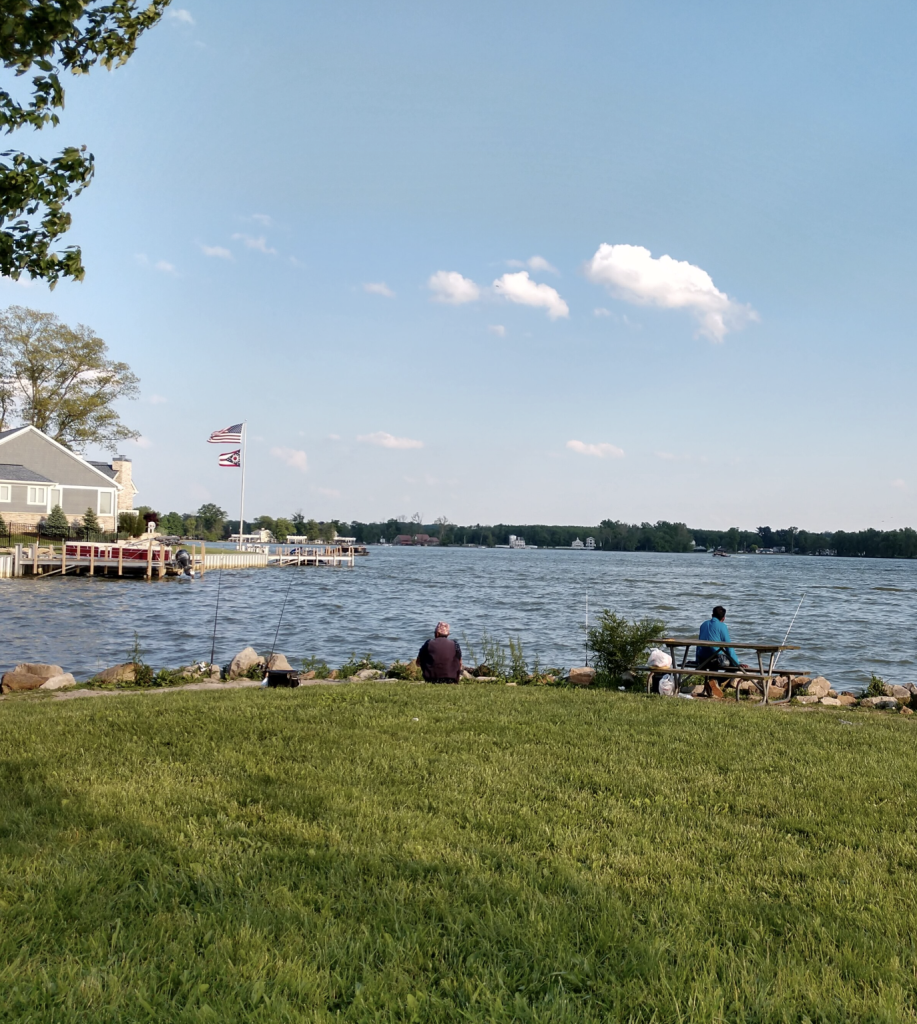
15. Buckeye Lake (Licking and Fairfield Counties)
Buckeye Lake east of Columbus has an unusual history for an Ohio reservoir. It’s one of the oldest man-made lakes in the country, was significantly degraded for decades by water quality problems and invasive species, and has been undergoing serious restoration work since a dam failure emergency in 2016 required draining and rebuilding. The fishing today reflects a lake in active recovery, which means it’s improving year over year in ways that make it worth revisiting.
Saugeye, largemouth bass, crappie, and catfish all inhabit the restored lake, and the fish populations are building toward what the lake can support at full health. The ongoing restoration work is genuinely promising, and anglers who fish Buckeye Lake now are essentially watching a recovery story play out in real time.
Check current ODNR conditions before a trip since restoration-related access and regulation changes occur periodically.
Best timing: Spring and summer for bass and saugeye, year-round for catfish as the lake continues to improve.
Source: https://www.instagram.com/reels/DLvRw05RMrC/
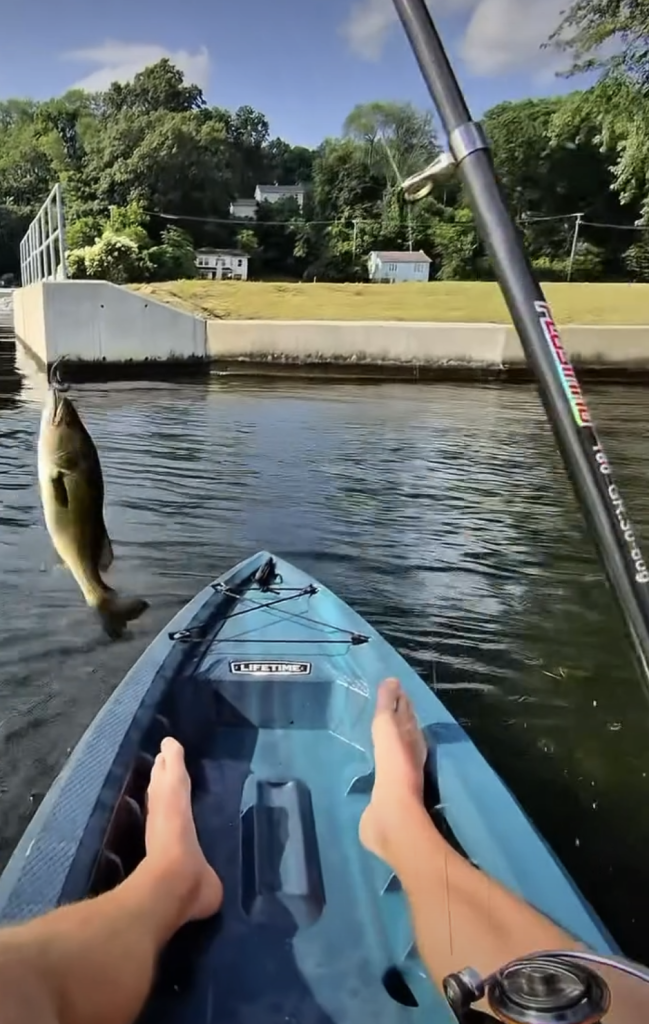
14. Portage Lakes (Summit County)
The Portage Lakes are a chain of connected lakes in Summit County south of Akron that produces largemouth bass fishing with enough Fish Ohio qualifying fish to give the chain a consistent regional reputation. The interconnected nature of the lakes creates a variety of fishing environments within a relatively compact area, and anglers who know the transitions between the lakes find productive water in most seasons.
Urban proximity to Akron and Cleveland means pressure is steady and the fish see presentations from a lot of anglers. The bass population is strong enough to absorb that pressure and still produce, which tells you something about the productivity of the system. Panfish and crappie round out the options for anglers who want variety beyond bass.
Best timing: Spring through fall for bass, year-round for panfish.
Source: https://www.tripadvisor.com/Attraction_Review-g50160
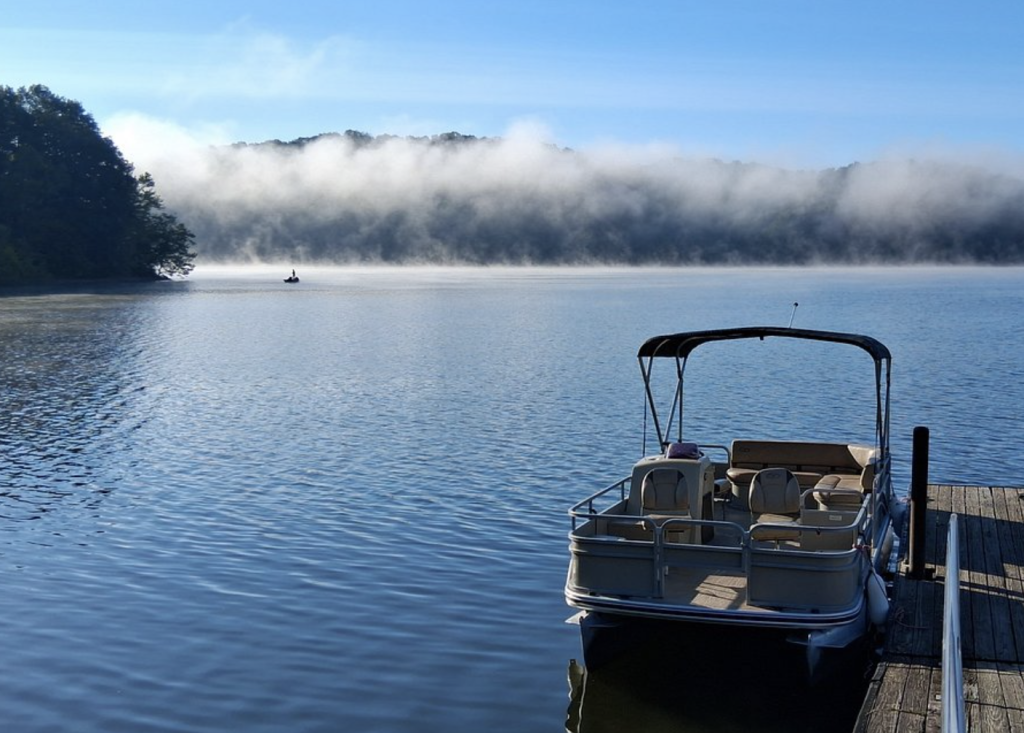
13. Salt Fork Lake (Guernsey County)
Salt Fork Lake covers roughly 2,952 acres and sits within Salt Fork State Park, which genuinely is the largest state park in Ohio and provides the kind of access infrastructure that makes multi-day fishing trips logistically easy. Saugeye, largemouth and smallmouth bass, crappie, and catfish all inhabit the lake in numbers that make it a reliable destination rather than a gamble.
The bass fishing here has a reputation that extends beyond the immediate region. The lake’s varied structure, including creek channels, submerged timber, weed edges, and rocky points, produces both largemouth and smallmouth in the kind of numbers that reward serious anglers. A boat matters here for reaching the most productive water efficiently.
Best timing: Spring for saugeye, late spring through summer for bass, year-round for crappie and catfish.
Source: https://en.wikipedia.org/wiki/Hoover_Dam_(Ohio)
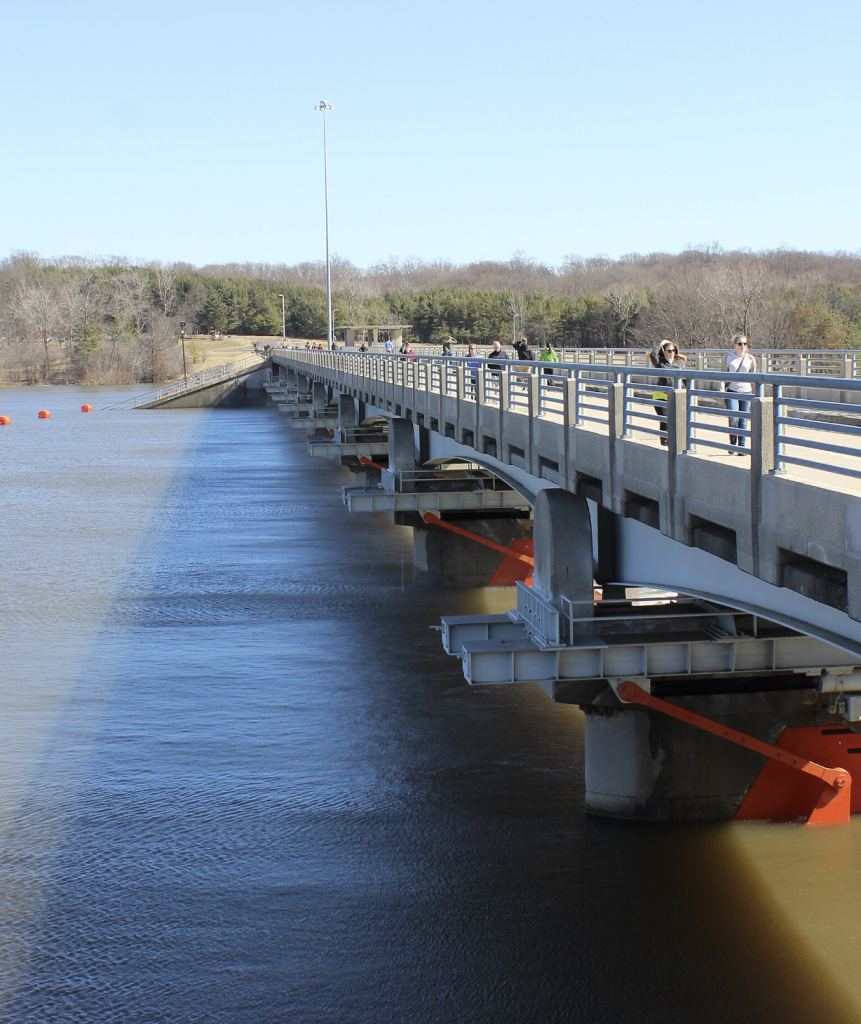
12. Hoover Reservoir (Delaware and Franklin Counties)
Hoover Reservoir sits on Big Walnut Creek northeast of Columbus and covers roughly 3,000 acres, functioning as a drinking water source for the city, which has historically meant more conservative regulation and less aggressive development around the reservoir than most comparable Ohio lakes. The result is a fishery that sees less pressure than its size and location would normally produce.
Channel catfish are the species most people associate with Hoover and the population is strong. Largemouth bass and saugeye are consistently present, and the reservoir’s proximity to Columbus makes it the kind of place that serious local anglers return to regularly without ever making it onto lists that visitors consult. That relative obscurity keeps the fishing better than it would otherwise be.
Best timing: Year-round for catfish, spring for saugeye, summer for bass.
Source: https://en.wikipedia.org/wiki/Senecaville_Lake
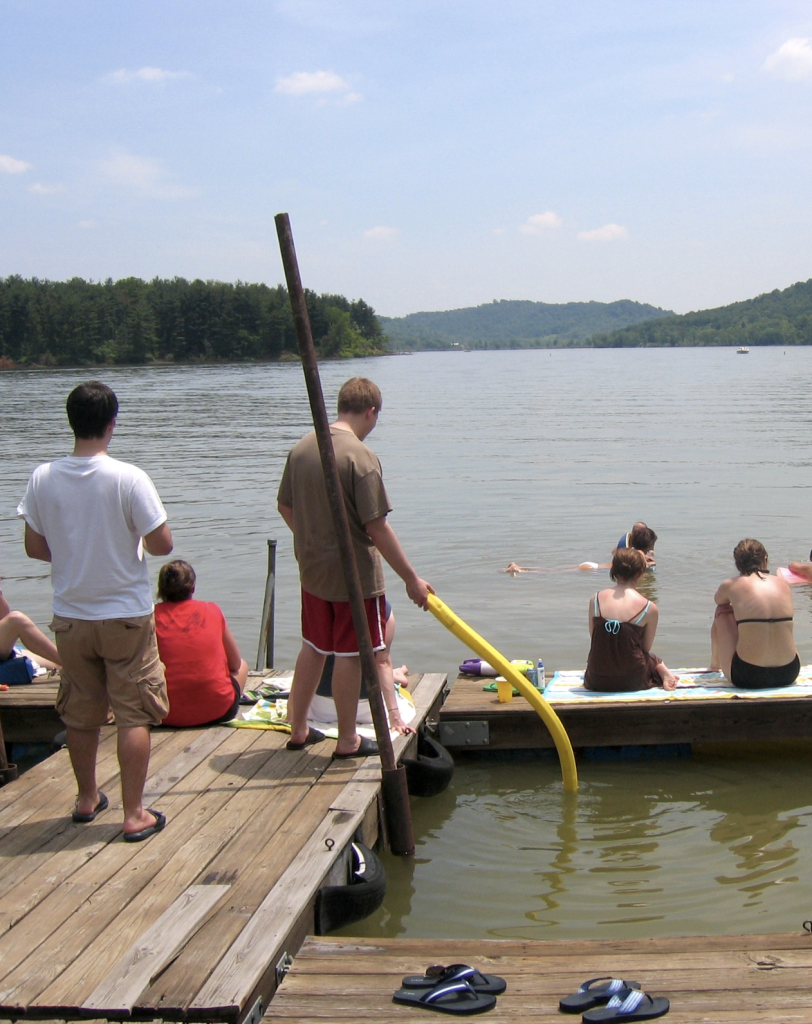
11. Senecaville Lake (Guernsey and Noble Counties)
Senecaville Lake sits in the hill country of southeastern Ohio near Caldwell and covers about 3,550 acres in a setting that feels more remote than its actual distance from population centers. Muskellunge are the highlight species and the lake maintains a reputation among serious muskie anglers across the state. Saugeye, largemouth bass, crappie, and catfish round out a fishery that holds up across the season.
The deeper, clearer water of the southeastern Ohio hill country gives Senecaville a different character from the flatter central Ohio reservoirs. Fish grow larger on average in this kind of environment and the muskie population specifically reflects the quality of the forage base.
Lower access infrastructure than the state park lakes is the honest trade-off for the lower pressure. Anglers who do their research on launch points and productive areas before a first trip to Senecaville are better prepared than those who show up expecting the same convenience as Salt Fork or Mosquito Creek.
Best timing: Spring through fall for muskie, spring for saugeye, summer for bass.
Source: https://en.wikipedia.org/wiki/Grand_River_(Ohio)
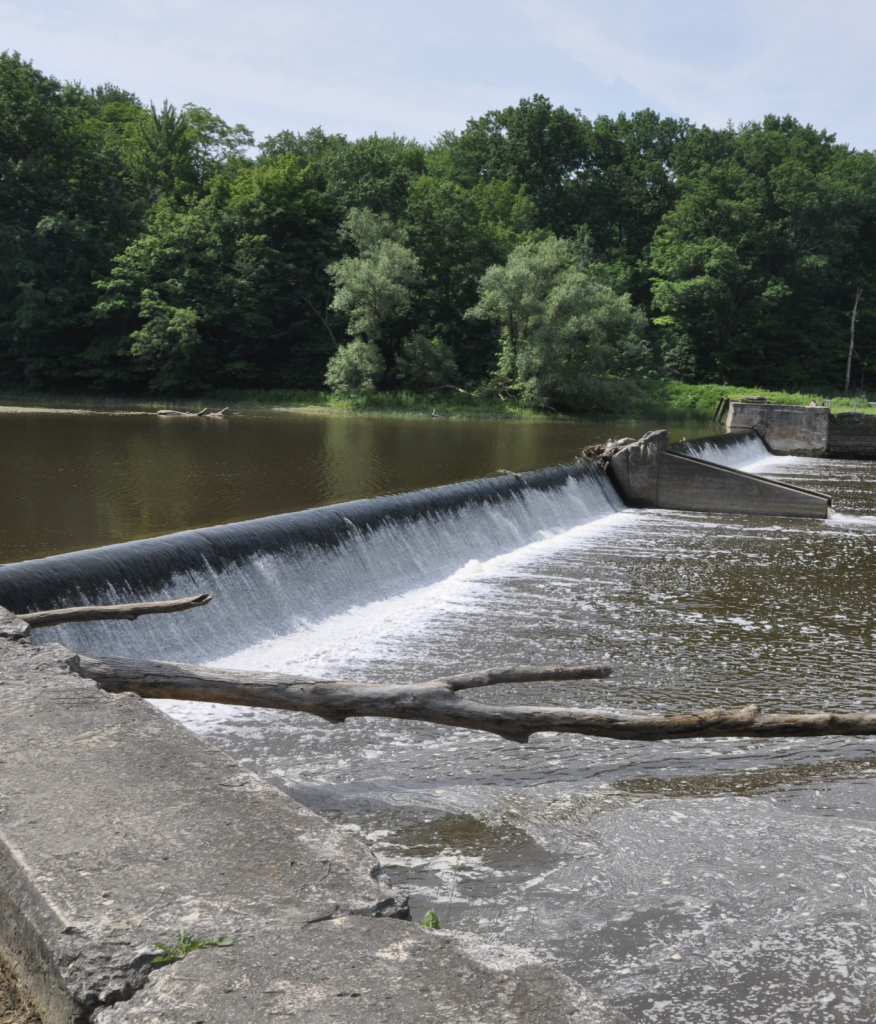
10. Grand River (Northeast Ohio)
The Grand River in northeast Ohio is a legitimate multi-species river that doesn’t get the national attention its fishing deserves, which is partly because Lake Erie is an hour away and partly because the river itself requires more local knowledge than the lake to fish effectively. Smallmouth bass, steelhead during fall and winter tributary runs, and walleye are the primary targets across different sections and seasons.
The smallmouth bass fishing from the middle sections through the lower river is as good as any river smallmouth fishing in the state. Fish over 18 inches are a realistic expectation on good days. The steelhead runs that push into the Grand River from Lake Erie in fall and winter bring a different and highly motivated group of anglers who return annually.
Variable flows from upstream dam releases and rainfall affect the river significantly. Wading in normal conditions is productive but the river can rise quickly after rain and become unfishable for days afterward. FishingBooker’s Ohio guide covers the Grand River as part of the northeast Ohio tributary system.
Best timing: June through September for smallmouth, October through March for steelhead, spring for walleye.
Source: https://www.instagram.com/p/DWKZidwgUjW/
9. Maumee River
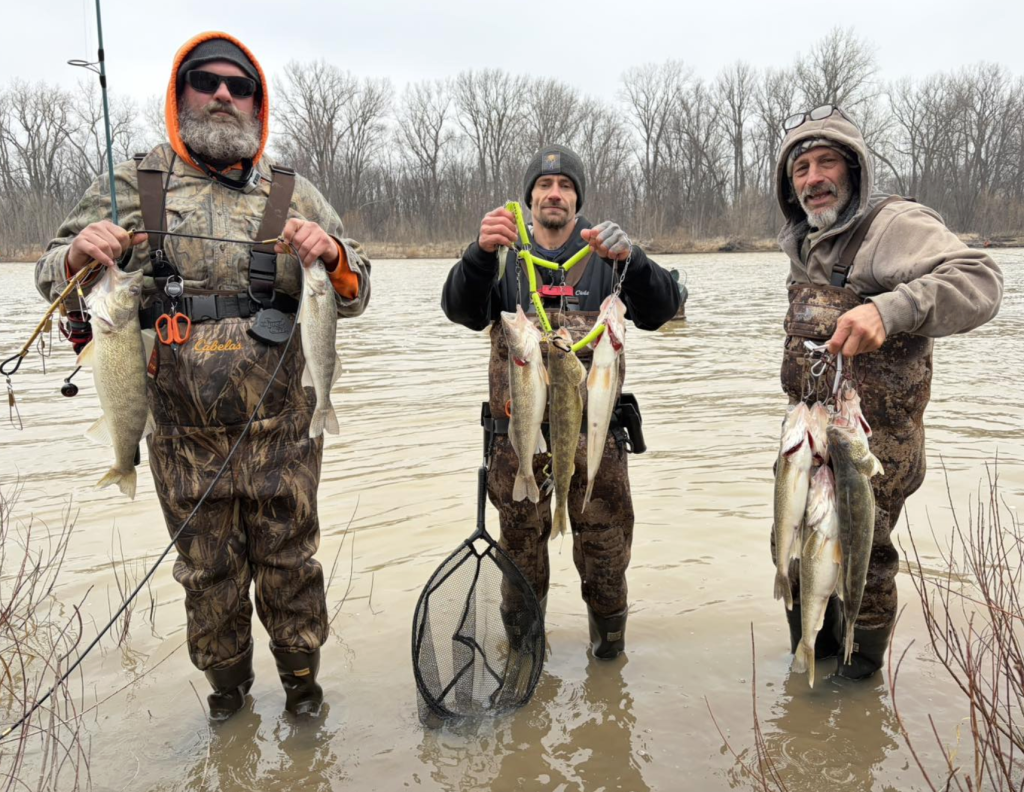
The Maumee River walleye run is one of the most remarkable annual fishing events in the Midwest and it happens in northwest Ohio every spring with a reliability that draws anglers from multiple states. Walleye stack up in the Maumee below the dams at Defiance, Grand Rapids, and Waterville in late March and April in numbers that make the river feel like it’s more fish than water during peak days.
The run is a wading fishery. Anglers stand in the river in chest waders and cast jigs and crawler harnesses into the current, and on good days they catch walleye on nearly every cast for hours. That’s not an exaggeration. The Maumee walleye run at its peak is the kind of fishing that people drive six hours to experience and then talk about for the rest of the year.
Smallmouth bass and catfish provide the off-season fishery when the walleye run has passed. Heavy pressure during the peak walleye run is unavoidable because the fishery is well-known and the access points on the river are finite. Get there on a weekday in early April and you’ll find a version of the experience closer to what it can be at its best.
Best timing: Late March through April for walleye, June through October for smallmouth, year-round for catfish.
Source: https://en.wikipedia.org/wiki/Great_Miami_River
8. Great Miami River
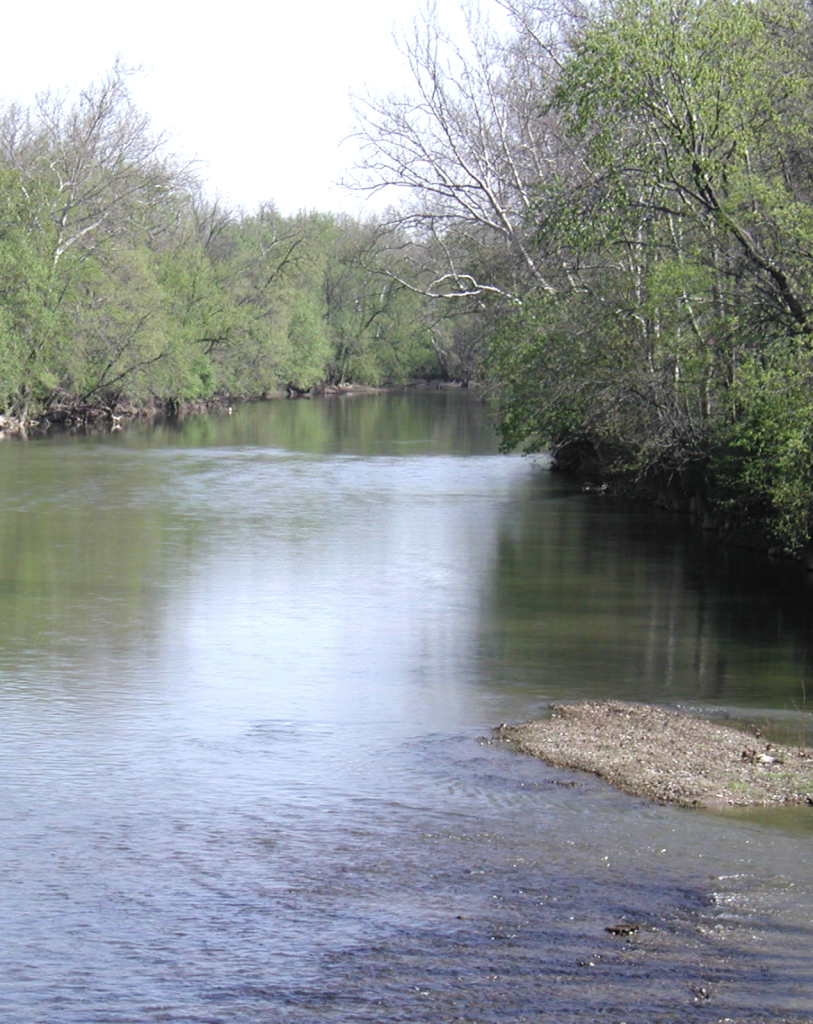
The Great Miami River runs from near Piqua through Dayton and down to its confluence with the Ohio River near Hamilton, and across that length it produces smallmouth bass fishing that makes it one of the premier bass rivers in the state. The stretches through and below Dayton in particular hold good populations of quality smallmouth in the riffle and pool structure that defines productive smallmouth water.
The river has been the subject of significant water quality improvement work over the past several decades and the fish populations reflect that recovery. Smallmouth bass in the 15 to 19 inch range are realistic targets on good days in the productive sections. Channel catfish and sauger round out the species list.
Water quality in the lower sections near Hamilton and the Ohio River confluence is less consistent than the middle river sections and worth checking before a trip focused on keeping fish. The upper and middle sections fish cleanest and most consistently.
Best timing: April through October for smallmouth bass, spring and fall for catfish.
Source: https://en.wikipedia.org/wiki/Scioto_River
7. Scioto River
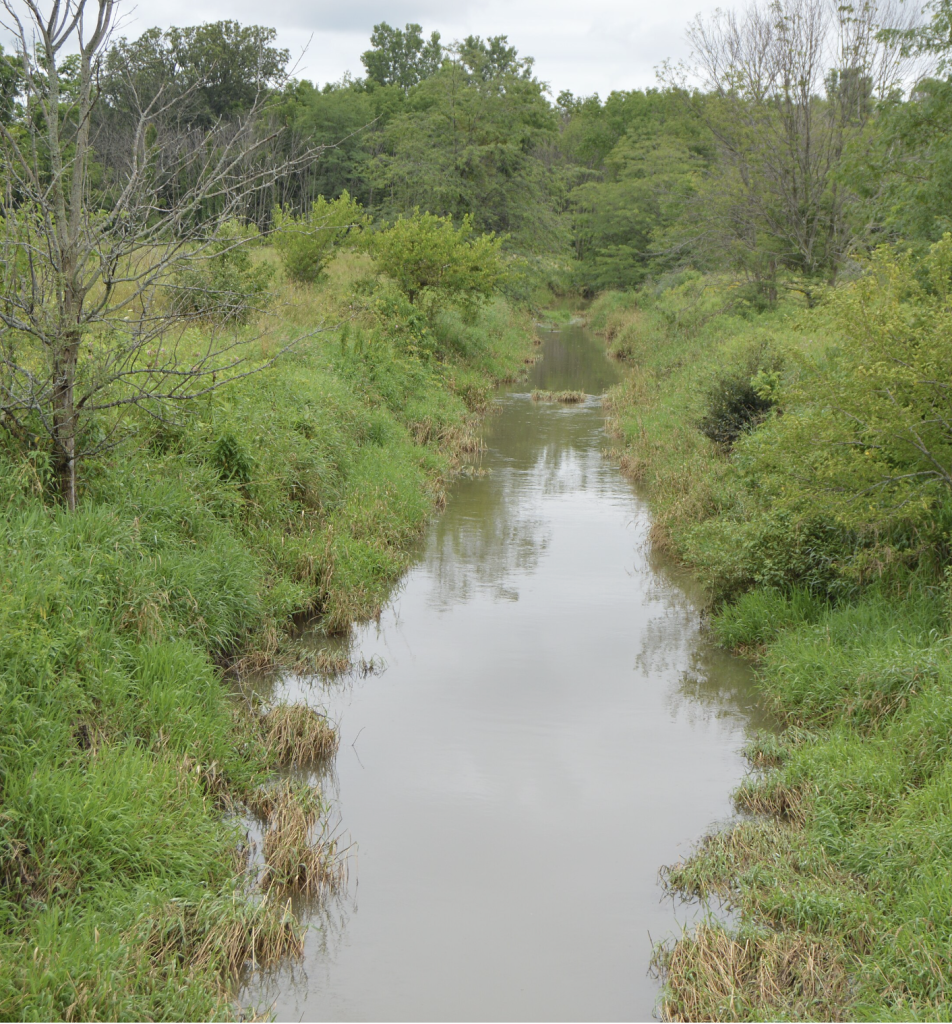
The Scioto runs through the middle of Ohio from near Marion south through Columbus all the way to Portsmouth and the Ohio River, and across that length it produces smallmouth bass, saugeye, catfish, and crappie in a river that’s accessible from more of the state’s population than almost any other waterway.
The stretches through central Ohio near Columbus get significant pressure from the metro population, but the river sections north of Columbus and in the rural stretches south of it fish with far less competition for the water. The smallmouth bass fishing in the upper and middle Scioto is consistently underrated relative to the river’s size and accessibility.
Some sections carry a history of agricultural and urban runoff that affects water quality in ways worth noting before keeping fish. ODNR maintains current consumption advisories for specific Scioto sections. The deeper pools hold catfish that serious catfish anglers target deliberately throughout the warm months.
Best timing: May through September for smallmouth and saugeye, year-round for catfish.
Source: https://www.instagram.com/reels/DZSIkdwjL1R/
6. Ohio River (Various Pools)
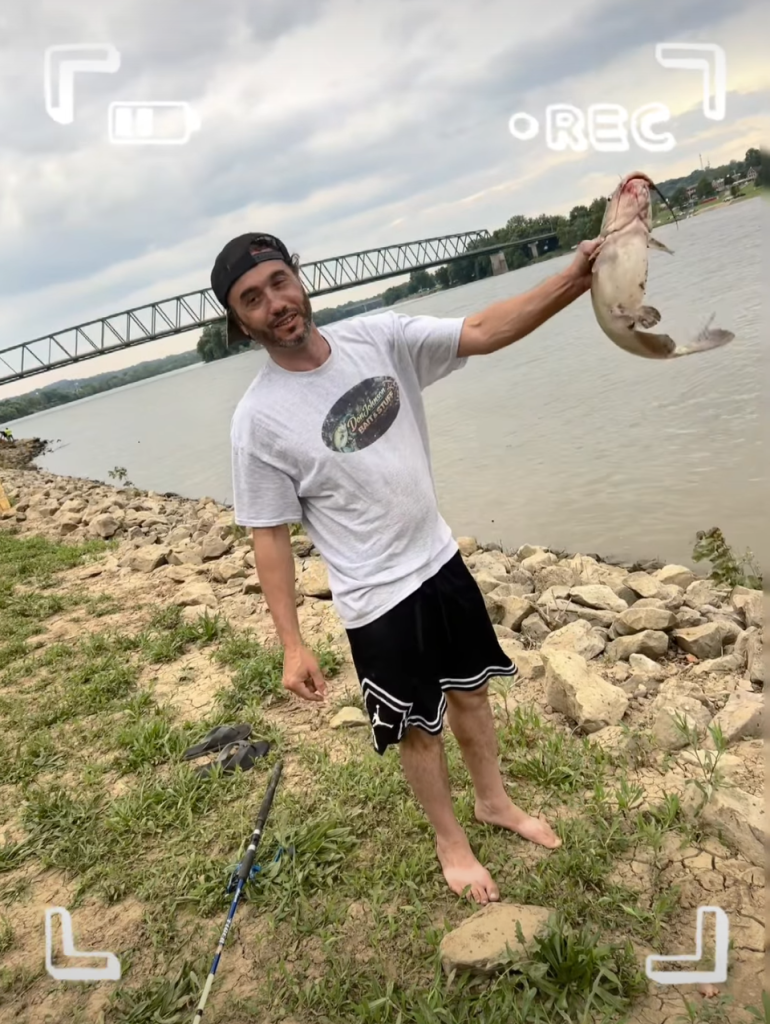
The Ohio River forms the entire southern border of Ohio and produces trophy catfish, smallmouth bass, sauger, walleye, and striped bass across its many miles of pools, tailwaters, and backwater areas. The tailwaters below the lock and dam structures that step down the Ohio River concentrate fish in ways that make those sections among the most reliably productive on the entire river.
Flathead and blue catfish grow to genuinely remarkable sizes in the deep pools of the Ohio River. Fish over 50 pounds come out every season and the larger ones approach 80 to 100 pounds in the most productive sections. Smallmouth bass in the rocky tailwaters below dams produce fish that rival any smallmouth river in the Midwest.
The multi-state situation means Ohio, Kentucky, and West Virginia regulations can potentially apply depending on location, and the commercial barge traffic requires attentiveness from boaters. Variable water quality across the river’s length and the long stretches that require a boat to access effectively are the planning variables. FishingBooker covers the Ohio River specifically with current access and guide information.
Best timing: Summer and fall for bass and catfish, spring for sauger and walleye near tailwaters.
Source: https://en.wikipedia.org/wiki/Pymatuning_Reservoir
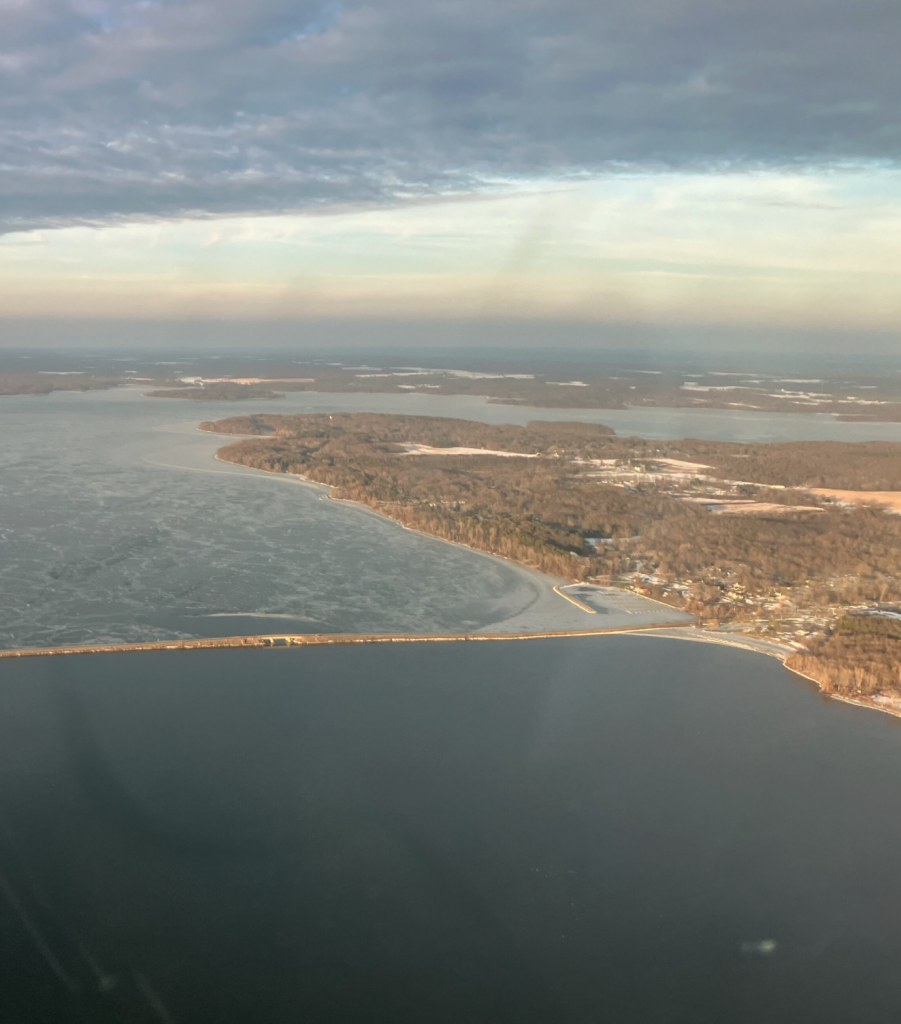
5. Pymatuning Reservoir (Ashtabula County, Ohio Side)
Ohio’s half of Pymatuning Reservoir sits in Ashtabula County in the far northeast corner of the state and shares the 17,000-plus-acre lake with Pennsylvania across a state line that runs through the middle of the water. The walleye fishing here is as consistently productive as any inland lake in Ohio, and the muskellunge, crappie, and yellow perch populations are strong enough to fill out a full fishing calendar.
The Ohio side has its own set of access points, launch ramps, and camping facilities that make it a destination rather than just a pass-through for anglers heading to the Pennsylvania side. Ice fishing for perch and walleye in winter draws crowds that confirm how good the lake gets when it freezes solid.
Ohio and Pennsylvania regulations both apply depending on which state’s waters you’re fishing, and they’re not always identical. Know which side of the line you’re on before fishing. ODNR fishing regulations cover the Ohio waters specifically.
Best timing: April through May for walleye, early summer for crappie, winter ice fishing for perch and walleye.
Source: https://en.wikipedia.org/wiki/Buckeye_Lake_%28Ohio%29
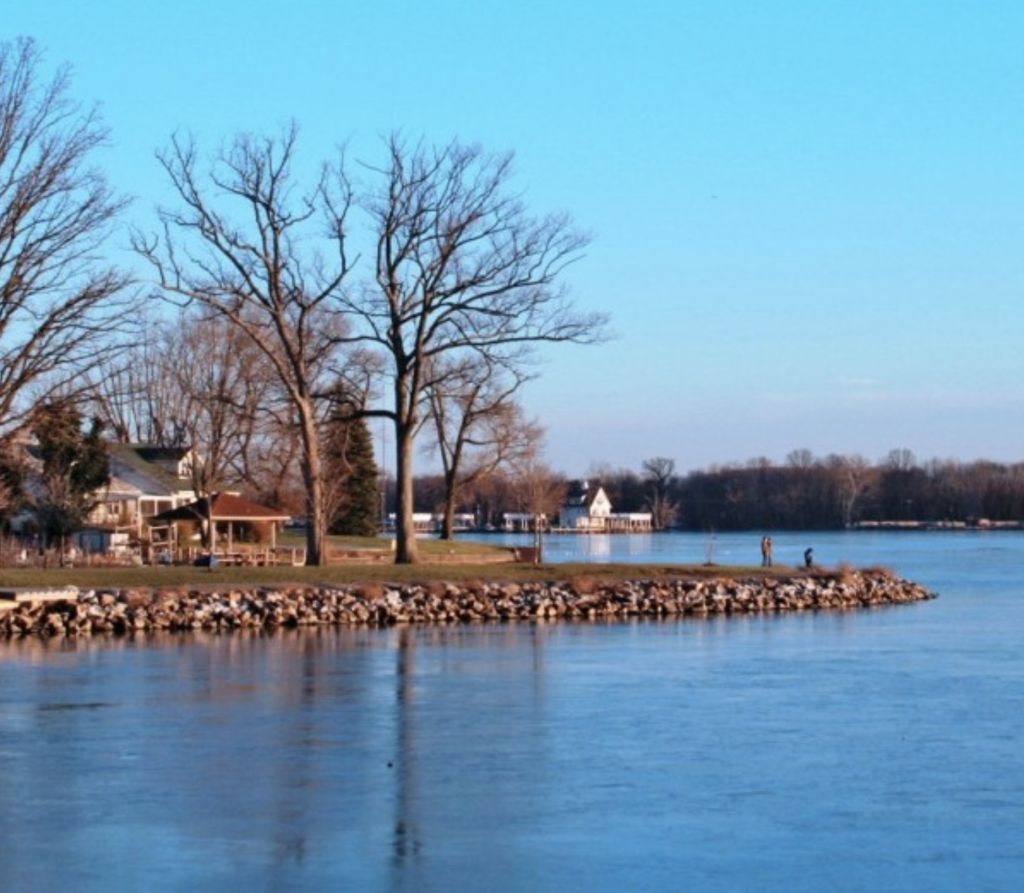
4. Inland Reservoir System (Statewide)
Ohio manages one of the most intentional inland fishing systems in the country. The saugeye stocking program that runs through reservoirs like Alum Creek, Caesar Creek, Indian Lake, Mosquito Creek, Salt Fork, and dozens of others represents a deliberate effort to provide quality fishing within reach of Ohio’s heavily populated interior, and it works in ways that most states haven’t replicated.
The system produces over 100 Fish Ohio citation-class saugeye annually across the inland lakes and the consistent harvest numbers across multiple lakes reflect management that’s paid attention to what actually produces fish rather than what sounds good in a report. Any serious Ohio angler who hasn’t specifically explored the inland reservoir system for saugeye is leaving some of the state’s most accessible quality fishing on the table.
The practical entry point is finding which lakes are performing best in any given season, and ODNR’s fishing reports and the top inland waters coverage from the Columbus Dispatch provide current rankings based on actual harvest data rather than reputation.
Best timing: Spring through early summer for peak saugeye across the system, year-round for the deeper reservoirs.
Source: https://ohiodnr.gov/home/additional-resources/division-of-wildlife/steelhead-fishing-promo
3. Lake Erie Tributaries (Northeast Ohio Steelhead Streams)
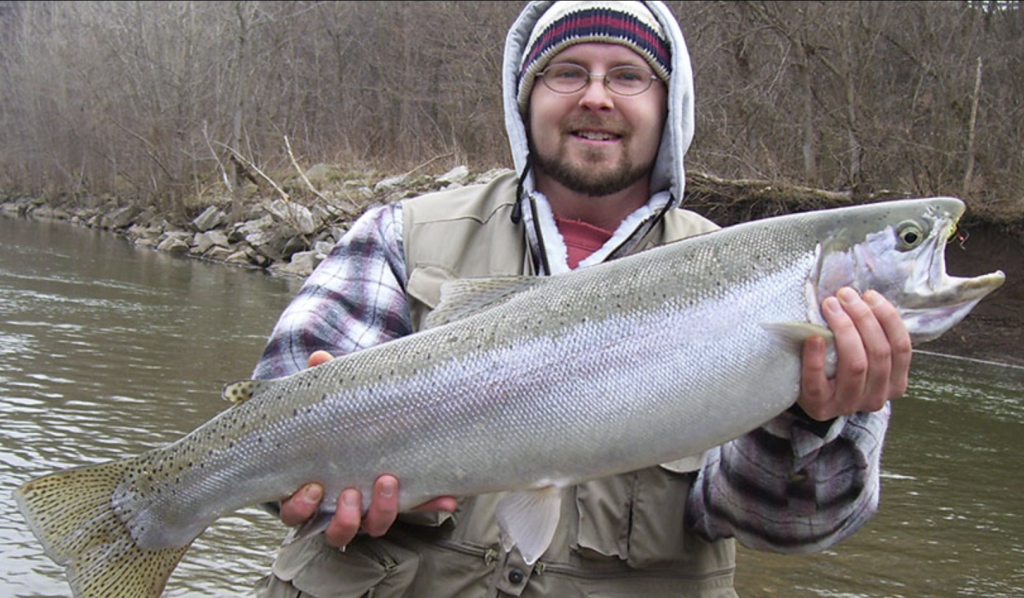
Ohio’s Lake Erie tributaries from the Pennsylvania border west through Ashtabula, Lake, Geauga, and Cuyahoga counties produce steelhead runs that begin in October and run through April, and the fish that come out of the lake into these streams are the same genetically as Pacific steelhead because that’s exactly what they are. ODNR and the Ohio Lake Erie Commission have stocked Pacific steelhead in the tributaries for decades and the fish that return from the lake are genuinely wild in the sense that they spent months growing in open lake water.
The Chagrin River, Rocky River, Conneaut Creek, Ashtabula River, and Grand River are the primary streams and each has distinct character. The Chagrin and Rocky run through Cuyahoga County within reach of Cleveland and produce fish in the middle of the metro area in ways that still feel slightly unreal to anglers used to thinking of Cleveland as a city rather than a fishing destination.
Steelhead in the 24 to 30 inch range are realistic targets throughout the season and fish over eight pounds come out of the tributary streams every winter. The runs peak in November and again in March and April as fish move up for spawning. Cold weather wading is the physical reality of fishing this well, and appropriate gear is not optional.
Best timing: October through April with peak runs in November and March through April.
Source: https://ocj.com/2016/07/big-catfishing-opportunities-abound-on-the-ohio-river/
2. Ohio River and Tributary Catfish System
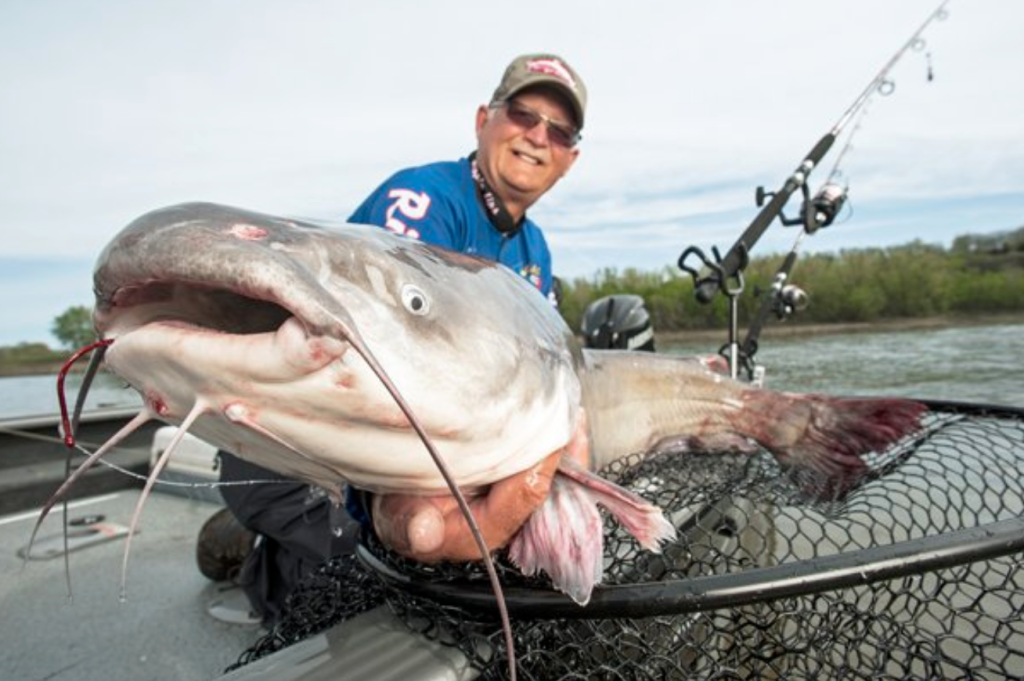
Ohio’s Ohio River pools and the tributary mouths where rivers like the Scioto, Maumee, and Great Miami enter the river produce flathead and blue catfish fishing that competes with anything in the Mississippi River drainage for sheer size potential.
The Ohio River flathead population specifically produces fish in ranges that most Great Lakes state anglers aren’t used to associating with their home waters. Fish in the 40 to 70 pound range are caught consistently, and the Ohio state record flathead catfish came from the Ohio River system, with fish in that trophy range still coming out of the river’s deepest holes regularly.
The tributary mouths where smaller rivers enter the Ohio create feeding stations that concentrate big cats during certain times of year, and anglers who learn those specific confluences have access to some of the most productive trophy catfish water in the eastern United States. The Ohio River is large, requires a real boat to access effectively, and demands knowledge of the specific pools and tailraces that hold fish. That barrier is part of why the fishery remains as productive as it is.
Best timing: May through October for peak flathead activity, year-round for channel and blue catfish.
Source: https://en.wikipedia.org/wiki/Lake_Erie
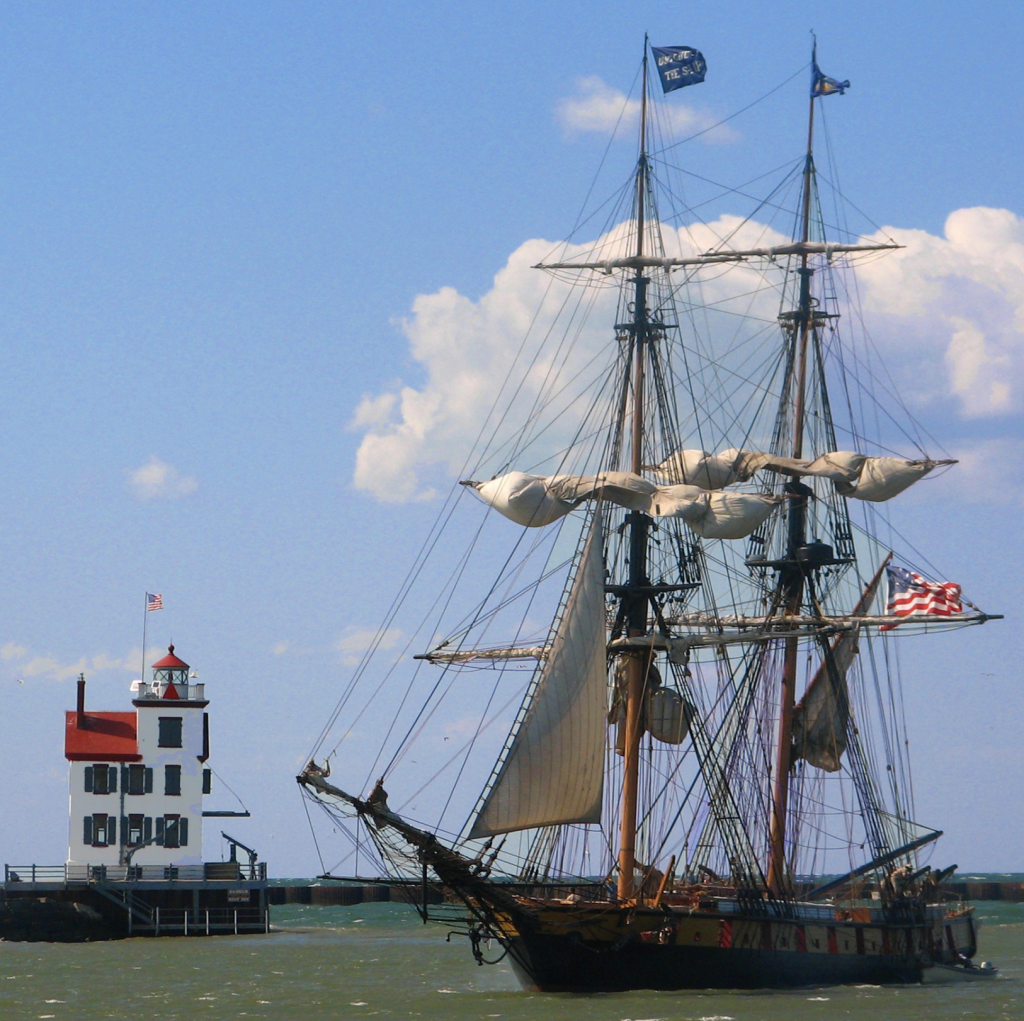
1. Lake Erie (Ohio Waters)
Lake Erie is the Walleye Capital of the World and the claim is not disputed by anyone who has spent time on the western basin in May and June.
The western basin of Lake Erie off the Ohio shoreline from Toledo east to Sandusky and beyond holds walleye populations that produce annual harvests that no other body of water on earth matches. The fish are abundant, they feed aggressively in the shallow, warm, nutrient-rich water of the western basin, and they grow quickly enough on the abundant forage base to produce consistent numbers of fish in the three to eight pound range with larger fish present throughout.
The yellow perch fishing adds a second world-class fishery to what’s already exceptional. Perch in the half-pound to three-quarter-pound range, the size most anglers call jumbos, are routine catches from the productive perch grounds east of Sandusky Bay and around the islands. On good days anglers regularly limit out on perch in a few hours and spend the rest of the day working on walleye.
Steelhead entering Ohio tributaries from Lake Erie add a fall and winter dimension that extends the Lake Erie fishing calendar into seasons when the open lake is inaccessible. Smallmouth bass on the rocky reefs around the Lake Erie islands produce fish in the four to six pound range in numbers that make it one of the better smallmouth fisheries in the country, and the Lake Erie smallmouth season has its own dedicated following among anglers who plan trips specifically around the reefs near Kelleys Island and the Bass Islands.
What a charter costs: A full-day walleye charter out of Port Clinton, Sandusky, or Huron typically runs $85 to $150 per person depending on the operation and the season. Perch charters on the productive grounds run $80 to $130 per person. Private boaters with appropriate boats for the open lake access the same fishery without the charter cost, but Lake Erie demands respect. The lake is shallow, wave action develops quickly in wind, and small boats have no business on the open western basin in significant weather.
The honest complications: Year-to-year variability in walleye run strength is real. Some years the fishing is extraordinary and some years are noticeably slower, driven by year-class strength and forage availability. Weather cancellations are a consistent reality for charter fishing. Round gobies and other invasive species are established in the lake and affect the forage dynamics in ways that ODNR manages actively. Check current regulations because Lake Erie management produces rule changes most years based on current population assessments.
The ODNR Lake Erie walleye forecast is published before each season and is worth reading before you plan a trip. FishingBooker’s Ohio guide covers current charter operators and seasonal timing.
If you fish one body of water in Ohio, make it Lake Erie in May. If you’ve already done that, you already know it doesn’t need more advertising.
Best timing: May through July for peak walleye on the western basin, summer for smallmouth around the islands, August through September for jumbo perch, October through April for steelhead in the tributaries.
The Real Beauty of Ohio Lies within It’s Lakes and Rivers
Ohio fishing rewards the anglers who understand both what the state has at the top and what it offers in between. Lake Erie is the showpiece. The inland reservoir saugeye system is the practical backbone that delivers quality fishing to a densely populated state year-round. The rivers in between produce steelhead, smallmouth, and trophy catfish that most visitors never discover.
Start with what’s close to you. Work toward the lake when you’re ready for what it delivers.
Check current regulations at ODNR before every trip. Regulations on Lake Erie change annually based on walleye population assessments and the current year’s rules are not always identical to last year’s. Clean, drain, and dry everything between water bodies every time without exception.
The goby is already in Lake Erie. Keep it there.
