
The 21 Best Fishing Lakes and Rivers in Texas

This post may contain affiliate links. We may earn a commission at no extra cost to you. See our full disclosure.
Texas is in a class of its own for freshwater fishing, and there is a good reason for it. With more than a thousand public lakes and reservoirs, nine major river systems, and a climate that allows for year-round fishing, Texas has more productive days on the water than nearly every other state. If you’re looking for trophy largemouth bass, blue catfish, or striped bass, Texas is the place to fish.
Lake Fork, Sam Rayburn, and Lake Texoma regularly reel in trophy bass. Lake Texoma also has some of the best striped bass and crappie fishing. Not only do these lakes have fish that are worthy of the best anglers, they also regularly appear in national fishing tournaments and have state fishing records.

Lake Texoma is one of the most unique lakes in the southern US. It has water from the Red and Washita Rivers that gives Texas one of the only natural spawn lakes for striped bass which doesn’t require hatchery stocking. Fish there can get up to 35 pounds.
East Texas is different. Lake Fork gets the name Trophy Bass Capital of Texas for being over 27,000 acres big and having many areas that create great conditions for bass fishing. Toledo Bend is over 185,000 acres and is known for being one of the best lakes in the whole country for bass fishing.
This guide tells you the best spots in Texas for fishing at lakes and rivers that are considered the best by the fishing community and are visited by anglers all over the country. These guide entries tell you exactly what you are going to catch, when to catch it, and more specific details about the location.
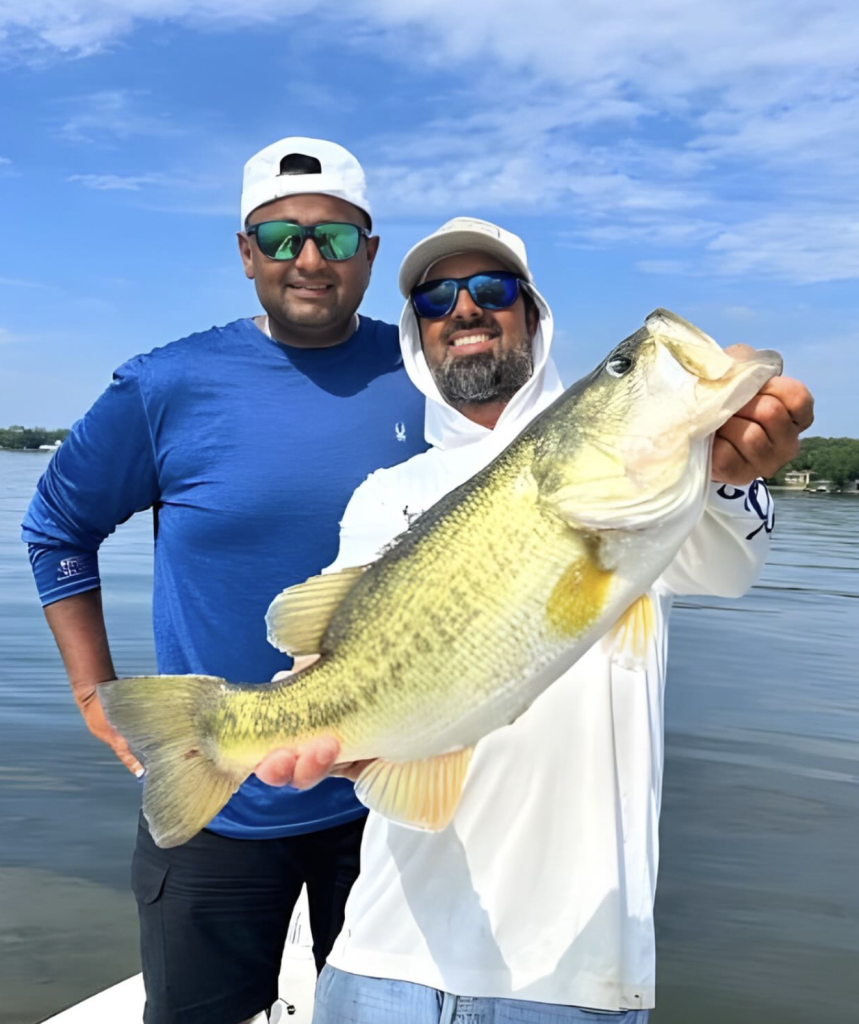
21. Lake Conroe (Montgomery County)
Lake Conroe sits north of Houston in Montgomery County and covers over 20,000 acres of water that produces largemouth bass, crappie, hybrid striped bass, and catfish in a setting with more marina infrastructure and access points than most Texas lakes. It’s one of the most convenient fishing options for the Houston metro area, which is both its appeal and its honest limitation.
The hybrid striped bass fishing here is a consistent producer through the cooler months and the crappie fishing around the brush piles and timber edges is solid in spring. Largemouth bass respond well to topwater presentations in the early mornings in the shallow coves.
Heavy recreational boat traffic from the Houston suburbs is the primary challenge. Conroe is as much a weekend recreation lake as it is a fishing destination, which means timing matters. Weekday morning trips in spring and fall produce better fishing than Saturday afternoons in summer by a significant margin.
🎣 What You’ll Catch
- Largemouth Bass ⭐⭐⭐⭐
- Hybrid Striped Bass ⭐⭐⭐⭐⭐
- Crappie ⭐⭐⭐⭐
- Channel / Blue Catfish ⭐⭐⭐⭐
📅 Best Time To Fish
- Spring: Excellent (bass/crappie)
- Summer: Good (hybrids/catfish)
- Fall: Excellent
🏆 Trophy Potential – 7/10 (Strong hybrids and solid bass; heavy recreation pressure limits true giants.)
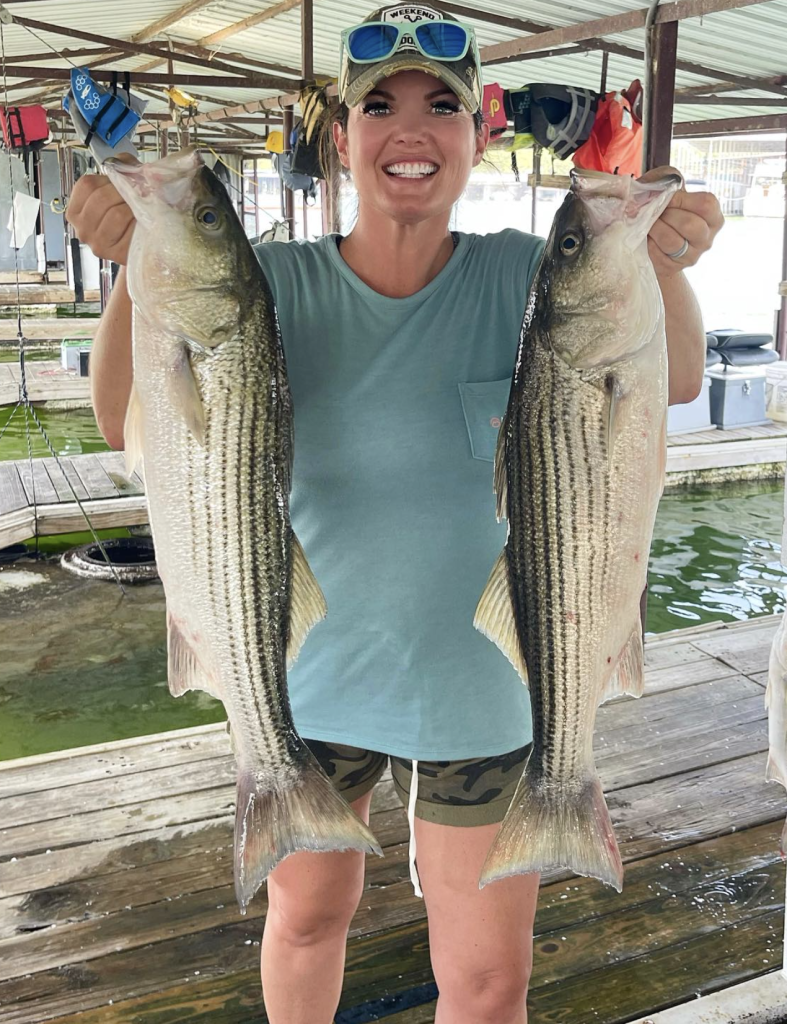
20. Lake Texoma (Grayson County)
Lake Texoma straddles the Texas-Oklahoma border on the Red River and covers roughly 88,000 acres of water that holds one of the best striped bass fisheries in the southern United States. The stripers here are not landlocked hatchery fish in the traditional sense. They reproduce naturally in the Red River tributaries, which produces a self-sustaining wild population that grows large on abundant shad forage.
Largemouth and smallmouth bass, crappie, and catfish round out a multi-species fishery that gives anglers options beyond just the stripers. The smallmouth bass population at Texoma is one of the more significant in Texas, which surprises anglers who associate that species with northern waters.
Multi-state regulations apply. Texas and Oklahoma both require their respective licenses for their respective waters, and the border runs through the middle of the lake. Check current TPWD regulations before you launch, particularly for the striper fishery where size and bag limits have changed periodically.
🎣 What You’ll Catch
- Striped Bass ⭐⭐⭐⭐⭐
- Smallmouth Bass ⭐⭐⭐⭐⭐
- Largemouth Bass ⭐⭐⭐⭐
- Crappie ⭐⭐⭐⭐
- Catfish ⭐⭐⭐⭐
📅 Best Time To Fish
- Spring: Excellent (stripers/bass)
- Summer: Good
- Fall: Excellent (stripers/shad chase)
🏆 Trophy Potential – 9/10 (Self-sustaining wild stripers and quality smallmouth; multi-state fishery.)
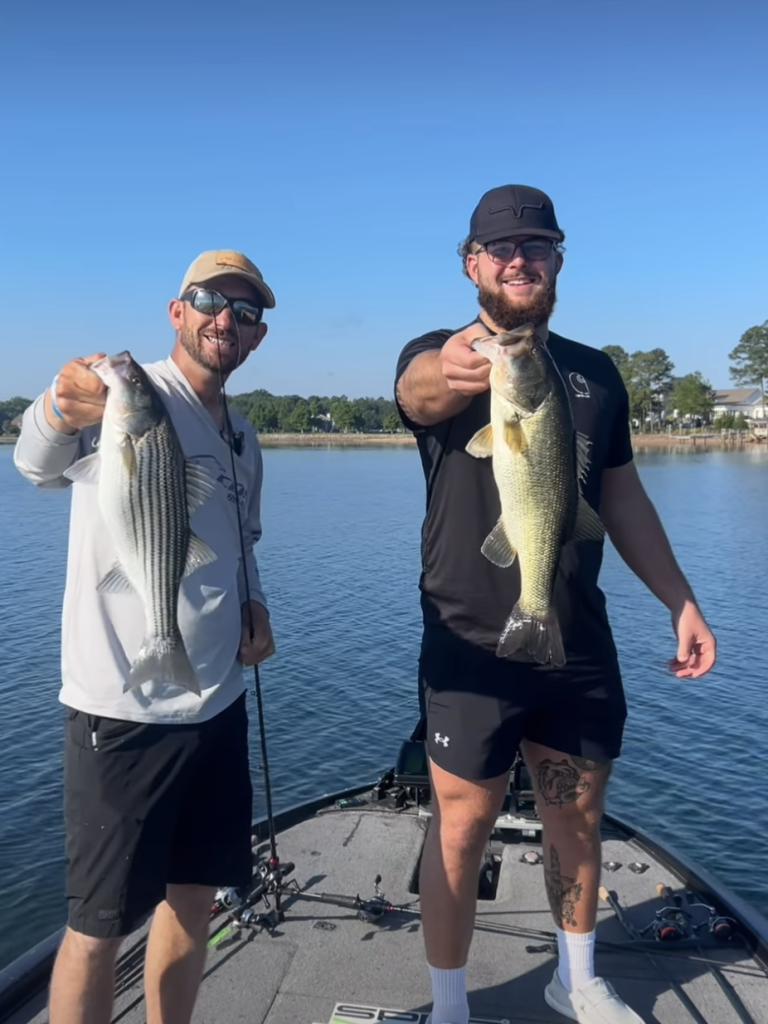
19. Falcon Lake (Zapata and Starr Counties)
Falcon Lake is an international reservoir on the Rio Grande shared with Mexico and it has been one of the most discussed bass fishing destinations in the Southwest for decades. The largemouth bass here are aggressive and hard-fighting in ways that anglers who have fished the more famous East Texas lakes find genuinely surprising. The rocky points, submerged brush, and clear-to-stained water conditions produce largemouth fishing that at its best rivals anything in the state.
The security situation along the Texas-Mexico border has affected Falcon Lake’s accessibility and reputation over the years, with periodic travel advisories that have discouraged some visiting anglers. Conditions change and it’s worth checking current advisories through TPWD and the local sheriff’s office before planning a trip. Local guides who fish Falcon regularly have the most current and reliable read on conditions.
Water levels fluctuate significantly with drought and release cycles on the Rio Grande, which affects structure access and fishing quality in ways that make a recent local report essential before the drive.
🎣 What You’ll Catch
- Largemouth Bass ⭐⭐⭐⭐⭐
- Catfish ⭐⭐⭐⭐
📅 Best Time To Fish
- Spring: Excellent
- Summer: Good
- Fall: Excellent (winter/spring peak per article)
🏆 Trophy Potential – 9/10 (Aggressive, hard-fighting largemouth with proven trophy history; water levels key.)
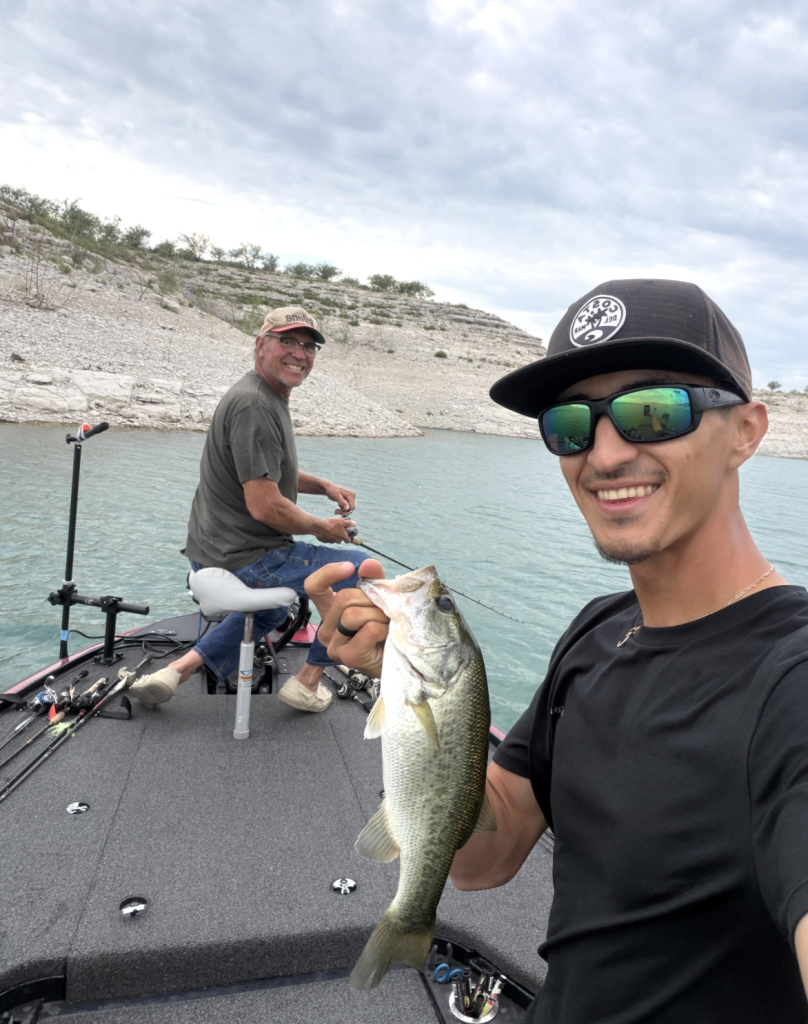
18. Lake Amistad (Val Verde County)
Lake Amistad is a 67,000-acre international reservoir in the canyon country of southwest Texas shared with Mexico, and it produces largemouth and smallmouth bass in clear water with dramatic limestone cliff scenery that looks nothing like the flat East Texas reservoirs that most people picture when they think about Texas fishing.
The smallmouth bass fishing at Amistad is some of the best in Texas, which is a low bar only until you fish it and realize the fish are larger and more aggressive than the equivalent fishery in most northern states. Largemouth hold along the canyon walls and rocky points. Striped bass add depth to the multi-species options. The clear water rewards finesse techniques and sight fishing in ways that most Texas reservoirs don’t.
The international border creates the same regulation considerations as Falcon Lake. Water levels vary with Rio Grande flows and drought conditions in the watershed. Remote location and limited lodging infrastructure are the honest practical trade-offs for a fishery that rewards the effort to reach it.
🎣 What You’ll Catch
- Largemouth Bass ⭐⭐⭐⭐⭐
- Smallmouth Bass ⭐⭐⭐⭐⭐
- Striped Bass ⭐⭐⭐⭐
📅 Best Time To Fish
- Spring: Excellent (smallmouth/bass)
- Summer: Good
- Fall: Excellent
🏆 Trophy Potential – 9/10 (Top-tier smallmouth in clear canyon water; dramatic setting.)
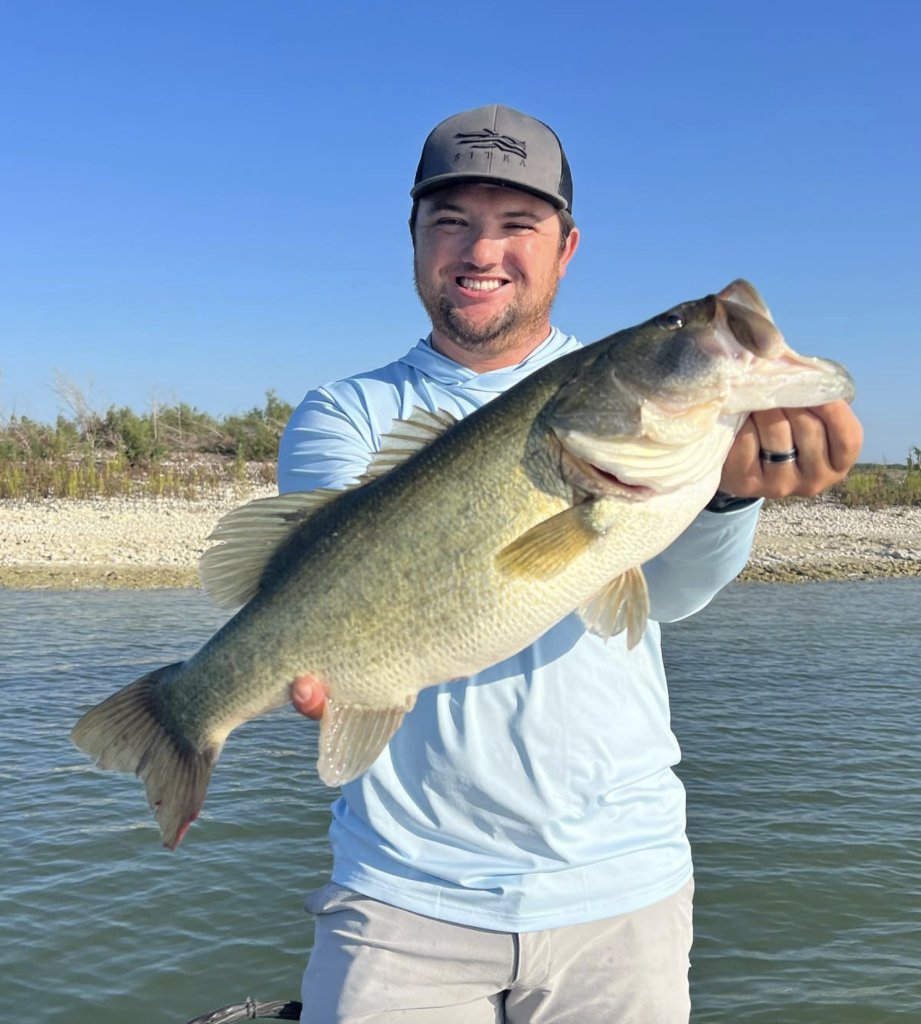
17. Choke Canyon Reservoir (Live Oak and McMullen Counties)
Choke Canyon in south Texas covers roughly 26,000 acres of water with flooded timber, aquatic vegetation, and creek channels that produce largemouth bass and crappie in a setting with less fishing pressure than the more famous East Texas and Dallas-area lakes. The reservoir benefits from being off the beaten path for most Texas anglers, which keeps the fish less pressured and more willing to cooperate.
The largemouth bass population here responds to the warm south Texas climate in ways that produce fish with good average size. Crappie fishing around the flooded timber structures is consistently productive in spring, and catfish are available year-round. The surrounding Choke Canyon State Park provides camping access that makes multi-day trips practical.
The south Texas setting also means this is deer country, and anglers who hunt as well as fish can combine a Choke Canyon fishing trip with access to some of the best whitetail habitat in Texas. Remote location relative to major population centers is the consistent trade-off for a fishery that rewards the trip. The drive from San Antonio is manageable but this isn’t a lake you drop into for a half day.
🎣 What You’ll Catch
- Largemouth Bass ⭐⭐⭐⭐⭐
- Crappie ⭐⭐⭐⭐
- Catfish ⭐⭐⭐⭐
📅 Best Time To Fish
- Spring: Excellent (bass/crappie)
- Summer: Good
- Fall: Good
🏆 Trophy Potential – 8/10 (Good average sizes with lower pressure; timber structure helps.)


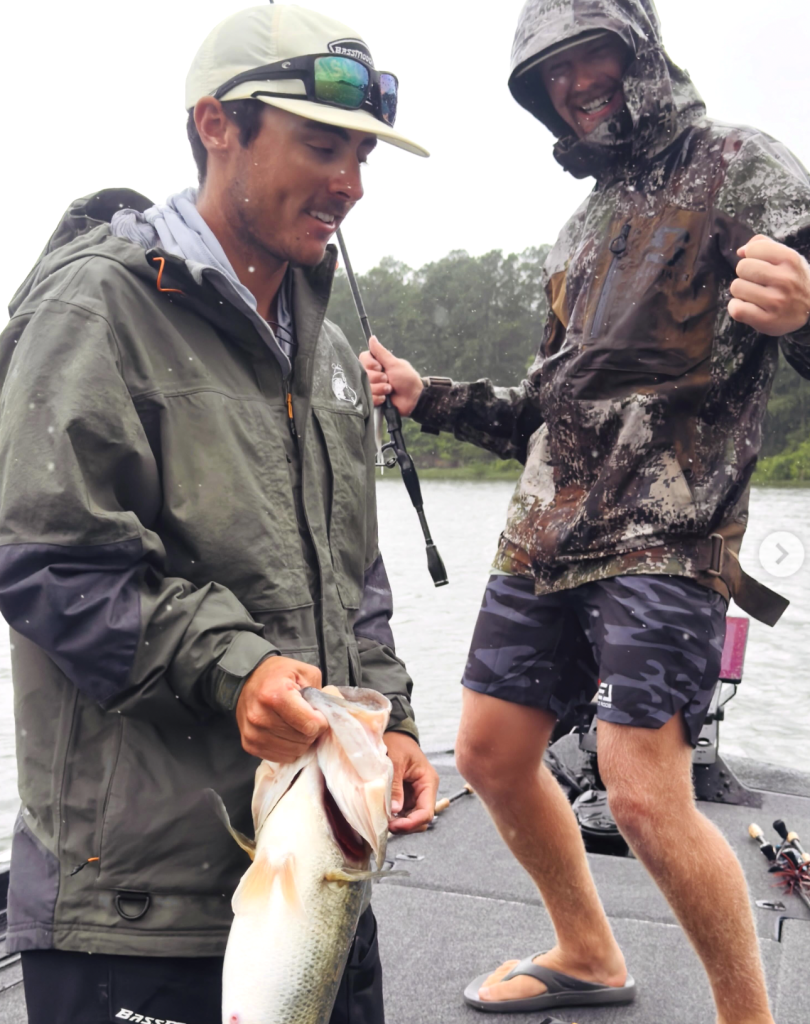
16. Lake Palestine (Cherokee and Smith Counties)
Lake Palestine in the Piney Woods of East Texas covers 25,560 acres and produces largemouth bass, crappie, and catfish across a fishery that benefits from timber and grass bed structure in the creek arms and main lake points. It sits in the heart of East Texas bass country and competes with nearby lakes like Lake Fork and Tawakoni for the attention of serious bass anglers.
The bass fishing on Palestine is solid without being exceptional by East Texas standards, which tells you something about how good East Texas is overall rather than anything negative about the lake itself. Crappie fishing in the flooded timber sections is a genuine strength and often gets overlooked by anglers focused on the bass reputation of the region.
🎣 What You’ll Catch
👕 Loved this post? You might also like:
17 Insanely Funny Food Shirts Every Foodie Needs to Own
Perfect for food lovers with a sense of humor.
- Largemouth Bass ⭐⭐⭐⭐
- Crappie ⭐⭐⭐⭐⭐
- Catfish ⭐⭐⭐⭐
📅 Best Time To Fish
- Spring: Excellent (bass/crappie)
- Summer: Good
- Fall: Excellent (crappie)
🏆 Trophy Potential – 7/10 (Solid East Texas fishery; crappie standout.)
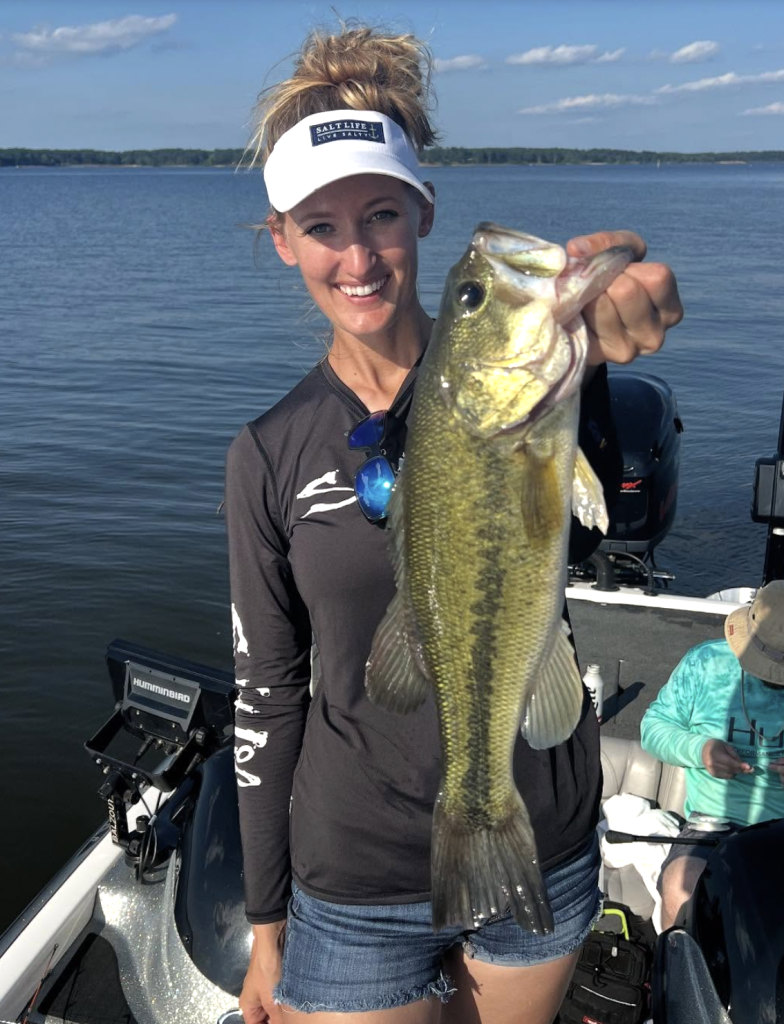
15. Lake O’ the Pines (Marion County)
Lake O’ the Pines in Marion County in the far northeastern corner of Texas is a timber-heavy reservoir that produces largemouth bass and crappie in a setting with genuine Piney Woods character. The standing timber, brush piles, and creek channels give fish exactly the kind of structure they use, and anglers who learn to work the timber effectively have productive days that the casual visitor doesn’t.
The crappie fishing is a specific strength here and draws dedicated anglers from across the region in spring. The bass population holds up year-round, and the scenic setting of East Texas pine country adds something to the experience that the more developed Dallas-area lakes don’t offer.
🎣 What You’ll Catch
- Largemouth Bass ⭐⭐⭐⭐
- Crappie ⭐⭐⭐⭐⭐
📅 Best Time To Fish
- Spring: Excellent (crappie/bass)
- Summer: Good
- Fall: Excellent (bass)
🏆 Trophy Potential – 7/10 (Timber-heavy; crappie strength in scenic Piney Woods.)
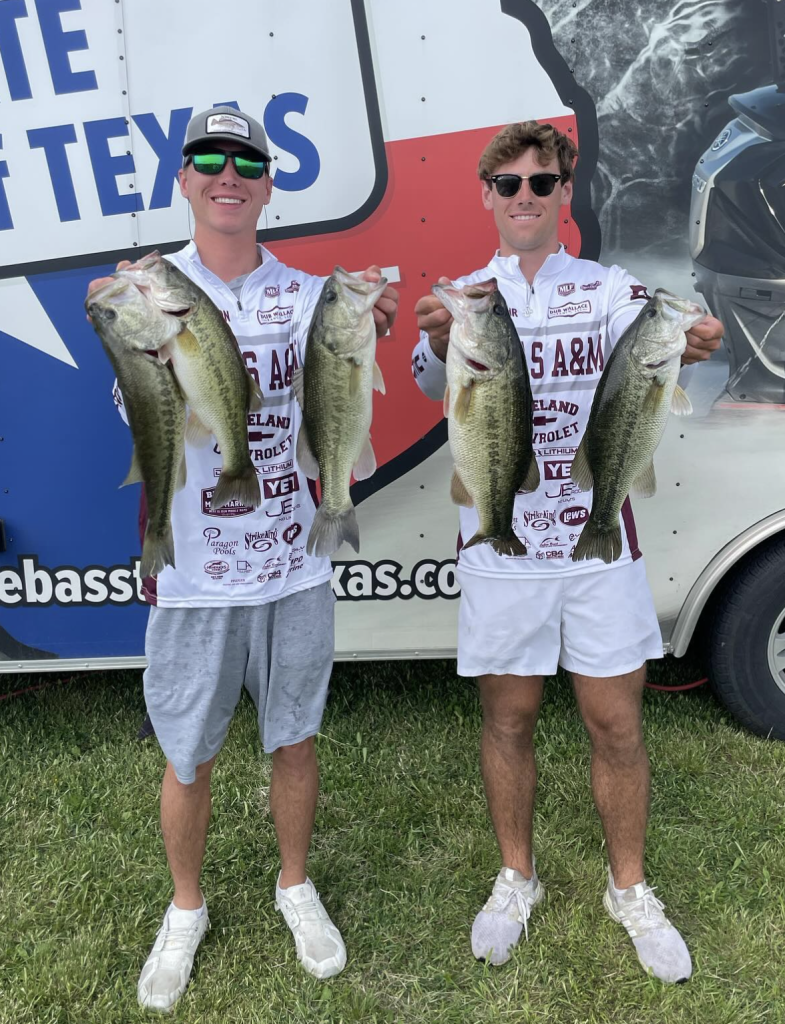
14. Lake Ray Roberts (Denton County)
Lake Ray Roberts sits in Denton County north of the Dallas-Fort Worth metroplex and serves as a reliable bass and crappie fishery for one of the most densely populated areas in the state. The lake covers roughly 29,350 acres and the state park system around it provides public access that makes it approachable for anglers who don’t own a boat.
The fishing is consistently good rather than exceptional, which is exactly what a lake serving millions of people within an hour’s drive needs to be. Bass, crappie, and catfish are all present in stable numbers. The proximity to DFW means weekend pressure is real and the fish see a lot of presentations. Weekday trips in spring and fall produce better quality fishing experiences.
🎣 What You’ll Catch
- Largemouth Bass ⭐⭐⭐⭐
- Crappie ⭐⭐⭐⭐
- Catfish ⭐⭐⭐⭐
📅 Best Time To Fish
- Spring: Excellent (bass)
- Summer: Good
- Fall: Good
🏆 Trophy Potential – 6/10 (Reliable near DFW; consistent but pressured.)
13. Lake Tawakoni (Van Zandt County)
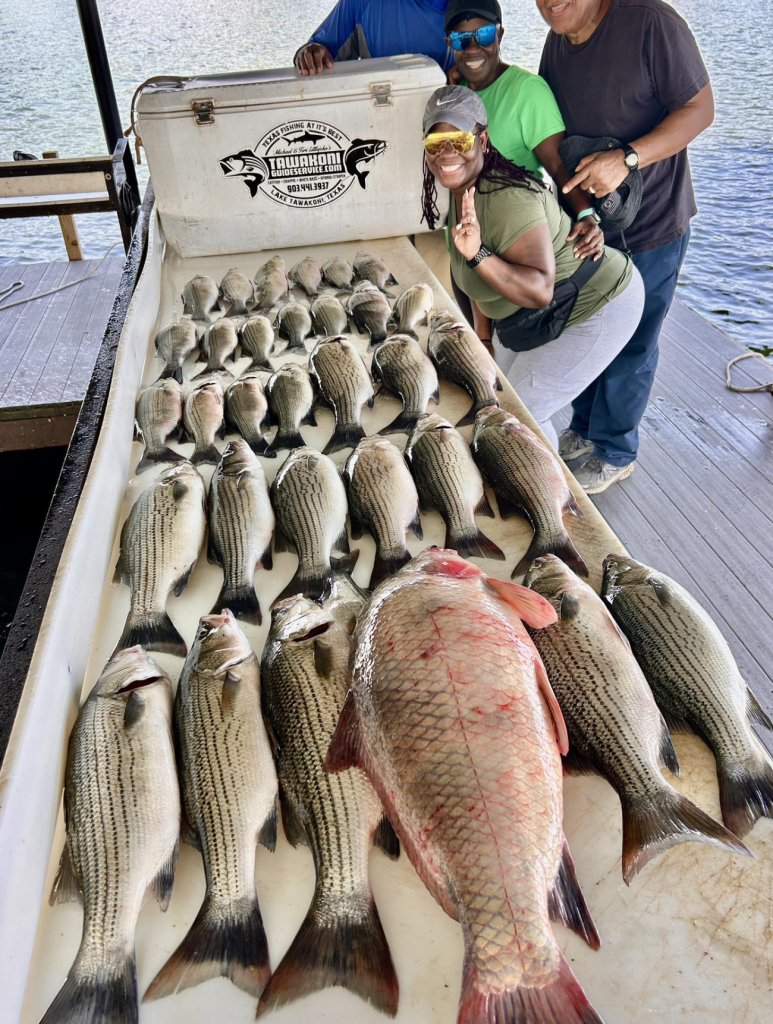
Lake Tawakoni in Van Zandt County east of Dallas covers roughly 36,700 acres of water that produces solid largemouth bass and crappie across a fishery that has historically been productive but doesn’t carry the name recognition of Lake Fork and Toledo Bend to its east. That relative obscurity is genuinely part of its appeal for anglers who want East Texas bass fishing without the trophy hunter crowds.
The bass fishing here holds up across multiple seasons and the crappie population in the brushy areas and standing timber is strong in spring. Tawakoni is a reasonable first East Texas reservoir experience for DFW anglers before graduating to the more technically demanding big-name lakes.
🎣 What You’ll Catch
- Largemouth Bass ⭐⭐⭐⭐
- Crappie ⭐⭐⭐⭐
- Catfish ⭐⭐⭐⭐ (trophy blues noted regionally)
📅 Best Time To Fish
- Spring: Excellent (bass/crappie)
- Summer: Good
- Fall: Excellent (bass)
🏆 Trophy Potential – 7/10 (Underrated East Texas option with catfish reputation.)
12. Lake Livingston (Polk and San Jacinto Counties)
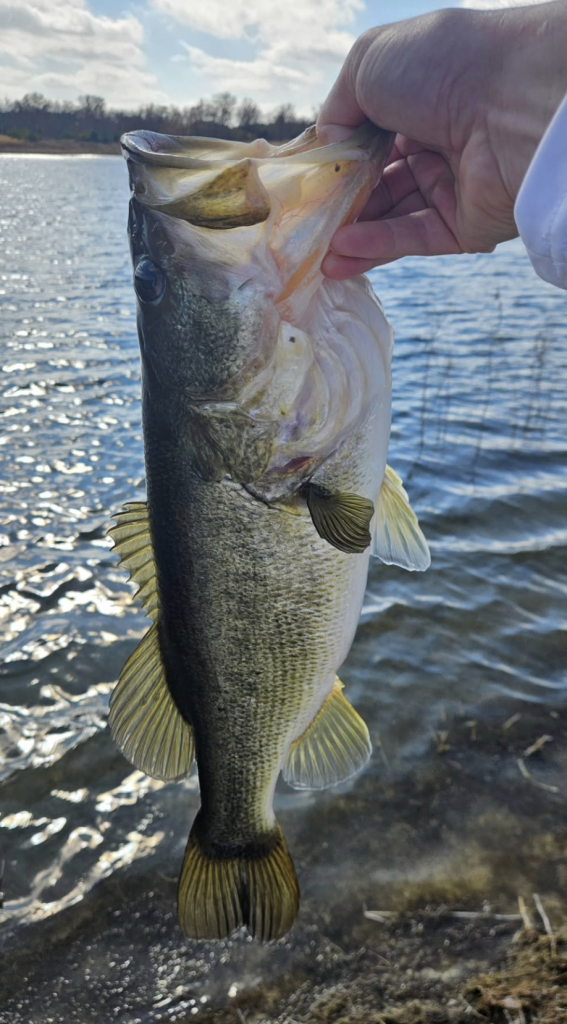
Lake Livingston is the Trinity River’s primary impoundment and covers roughly 82,600 acres of water that produces catfish, largemouth bass, and crappie in a lake that holds significant volume despite not carrying the bass trophy reputation of its East Texas neighbors. The catfish fishing here is the genuine strength. Blue catfish, flathead catfish, and channel catfish all inhabit the reservoir and the Trinity River sections feeding into it, and the production of large fish reflects the enormous forage base the lake supports.
The bass fishing runs second to the catfish reputation but holds up well in the timber and weed edges on the productive arms of the lake. Crappie fishing around brush piles is solid in spring. The sheer size of Livingston means there’s always somewhere to fish regardless of conditions, which gives it a practical reliability that smaller, more famous lakes sometimes can’t match.
🎣 What You’ll Catch
- Blue / Flathead / Channel Catfish ⭐⭐⭐⭐⭐
- Largemouth Bass ⭐⭐⭐⭐
- Crappie ⭐⭐⭐⭐
📅 Best Time To Fish
- Spring: Excellent (bass/crappie)
- Summer: Good
- Fall: Good
🏆 Trophy Potential – 8/10 (Premier catfish; large forage base supports big fish.)
11. Sam Rayburn Reservoir (Angelina and Jasper Counties)
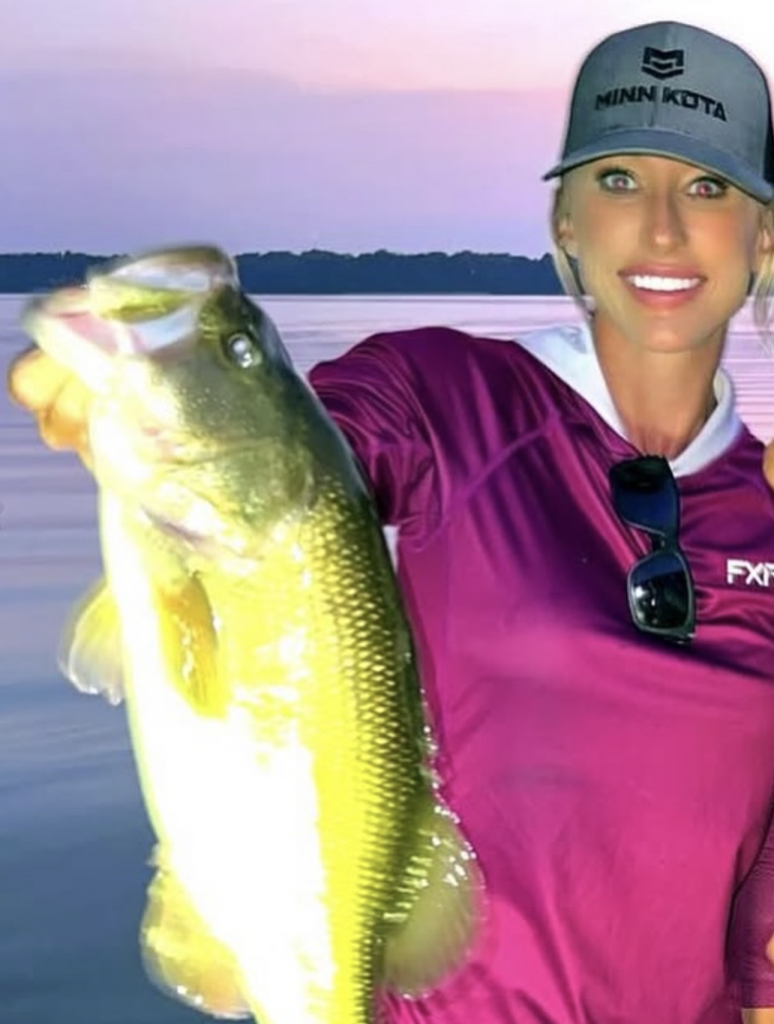
Sam Rayburn is the largest reservoir entirely within Texas at roughly 114,500 acres and it produces largemouth bass, crappie, and catfish across a fishery that has hosted more major bass tournaments than almost any other water in the state. The combination of flooded timber, grass beds, and deep channel structure gives anglers multiple productive approaches across all four seasons, and the fish population reflects consistent management over decades.
White bass and hybrid stripers add additional species targets throughout the year. The crappie fishing in the standing timber during spring is as good as any reservoir in East Texas for sheer numbers of fish. The tournament pressure here is real and the fish are educated by heavy angling attention, but the lake is large enough that finding productive water away from the most obvious access points is always possible. TPWD’s fishing resources cover current Sam Rayburn conditions and regulations in the east Texas regional guides.
🎣 What You’ll Catch
- Largemouth Bass ⭐⭐⭐⭐⭐
- Crappie ⭐⭐⭐⭐⭐
- Catfish ⭐⭐⭐⭐
- White Bass / Hybrids ⭐⭐⭐⭐
📅 Best Time To Fish
- Spring: Excellent (bass/crappie)
- Summer: Good
- Fall: Excellent (bass)
🏆 Trophy Potential – 9/10 (Tournament powerhouse with excellent multi-species action.)
10. O.H. Ivie Reservoir (Coleman and Concho Counties)
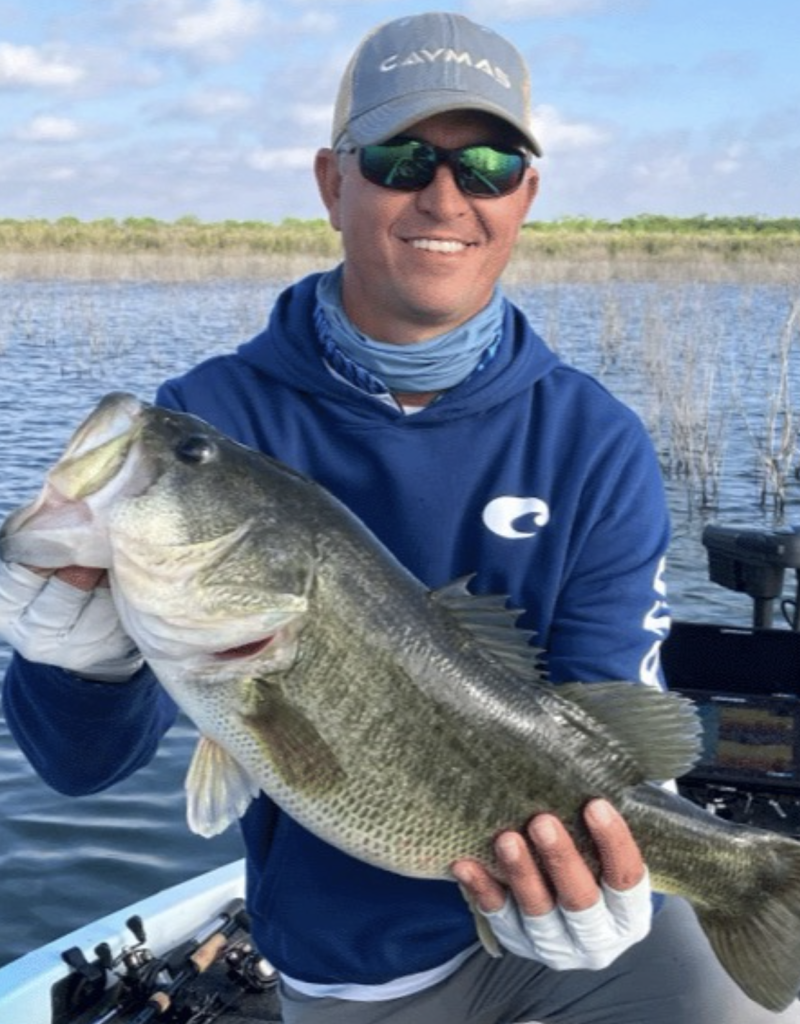
O.H. Ivie is a West Texas reservoir that emerged as one of the most talked-about trophy bass lakes in the state starting in the late 2010s and has maintained that reputation into the mid-2020s. The flooded timber, rocky points, and deep channels produce largemouth bass in the eight to twelve pound range with enough regularity to attract serious trophy hunters from across the state who have heard about what it can do.
The West Texas location sets Ivie apart visually and physically from the East Texas timber reservoirs that dominate the trophy bass conversation. The reservoir sits in Coleman and Concho counties in the rolling plains, and the clarity, structure variety, and relatively low pressure compared to Lake Fork give it a fishing character that rewards anglers who make the drive.
The remote location is the real limitation. There’s limited lodging and service infrastructure compared to the Lake Fork area, and the drive from major Texas cities is significant. The fishing justifies it for dedicated trophy hunters. Go with a guide on a first trip if the budget allows.
🎣 What You’ll Catch
- Largemouth Bass ⭐⭐⭐⭐⭐
📅 Best Time To Fish
- Spring: Excellent (prespawn)
- Summer: Good
- Fall: Good
🏆 Trophy Potential – 10/10 (Consistent producer of 8–12+ lb bass; trophy factory.)
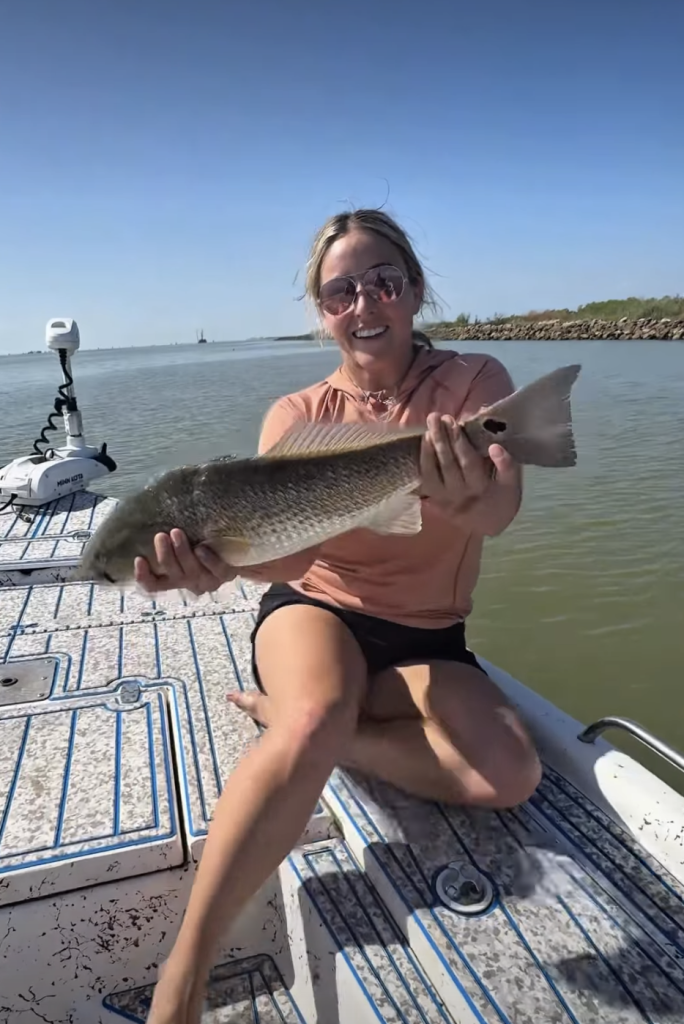
9. Gulf Coast Nearshore (Red Snapper, King Mackerel, Mahi-Mahi)
The Texas Gulf Coast’s nearshore and offshore fishery is the saltwater dimension that most inland-focused Texas fishing articles don’t give adequate space to. Red snapper season is one of the most anticipated fishing windows of the year for Texas coastal anglers, with the federally managed season opening producing days where skilled anglers limit out in under an hour.
King mackerel along the jetties and nearshore structure, mahi-mahi around floating grass lines offshore, and the excellent Spanish mackerel and cobia fishing that the Texas coast produces through spring and early summer all make the offshore fishery worth including. Charter boats out of Galveston, Port Aransas, and South Padre Island access this water and the trips are well-organized for anglers new to offshore fishing.
A valid Texas saltwater fishing license is required for all coastal fishing. Federal permits apply for red snapper during the managed season. Check current TPWD coastal regulations and the federal Gulf Council season dates before booking a trip, as they change annually based on stock assessments.
🛋️ While you're here, check this out:
69 of the Most Insane Things Found on Facebook Marketplace
You won't believe what people are selling!
🎣 What You’ll Catch
- Red Snapper ⭐⭐⭐⭐⭐
- King Mackerel ⭐⭐⭐⭐⭐
- Mahi-Mahi ⭐⭐⭐⭐
- Spanish Mackerel / Cobia ⭐⭐⭐⭐
📅 Best Time To Fish
- Spring: Excellent (cobia)
- Summer: Excellent (snapper/mackerel)
- Fall: Good
🏆 Trophy Potential – 8/10 (Managed snapper seasons yield strong catches; charters key.)
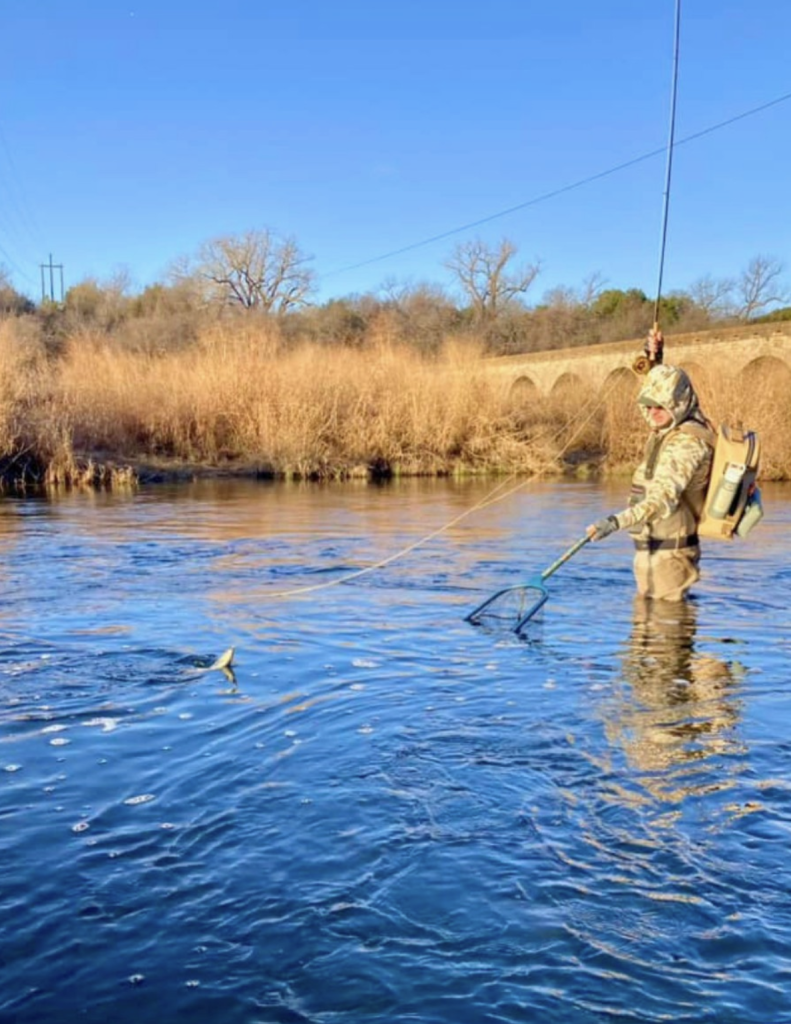
8. Brazos River
The Brazos River is the longest river entirely within Texas and it produces catfish fishing across its length that makes it one of the premier catfish destinations in the state. Blue catfish, flathead catfish, and channel catfish all inhabit the deeper pools and current breaks, and the trophy flathead fishing in the lower Brazos specifically has a dedicated following among Texas catfish anglers who understand what the river holds.
Largemouth bass and sunfish round out the species list in the slower sections. The river’s accessibility from multiple Texas metropolitan areas, including the DFW Metroplex and Austin, gives it a practical advantage as a destination for anglers who want moving water rather than reservoir fishing.
Water quality and flow levels vary considerably across the Brazos’s length depending on rainfall and upstream reservoir management. The lower river sections generally fish cleaner and more consistently than the upper stretches.
🎣 What You’ll Catch
- Blue / Flathead / Channel Catfish ⭐⭐⭐⭐⭐
- Largemouth Bass ⭐⭐⭐⭐
📅 Best Time To Fish
- Spring: Excellent (bass)
- Summer: Good (flatheads)
- Fall: Good
🏆 Trophy Potential – 9/10 (Premier river catfish; trophy flatheads in lower sections.)
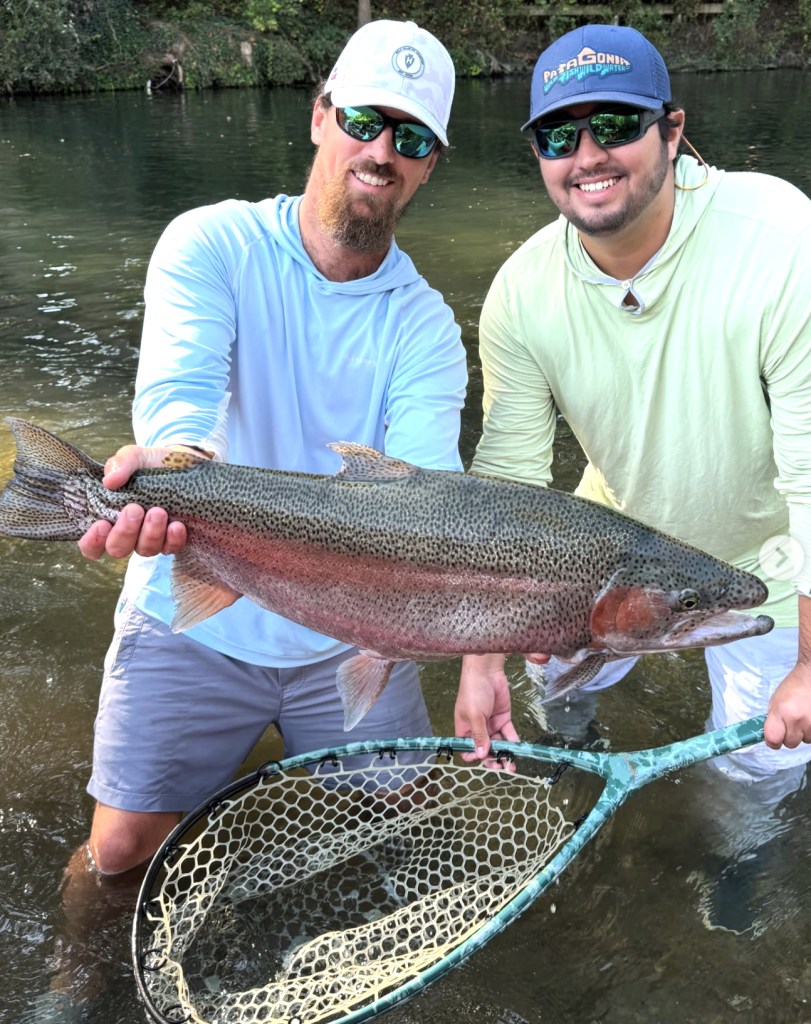
7. Guadalupe River (Hill Country)
The Guadalupe River below Canyon Lake Dam is one of the most unusual fisheries in Texas: a cold tailwater trout stream in the Texas Hill Country that produces rainbow trout in water cold enough to support them year-round. The Guadalupe River Trout Unlimited chapter manages stocking in the river and has worked for decades to maintain a fishery that has no business existing in central Texas.
Below the trout water, the Guadalupe transitions into excellent smallmouth bass habitat in the clear, spring-fed sections through Guadalupe River State Park. The river is one of the few places in Texas where dedicated fly anglers can find legitimate trout fishing without driving to a different state.
Crowds on the Guadalupe during summer are significant. The river corridor attracts tubers, kayakers, and swimmers in numbers that make serious fishing difficult from late May through early September. The shoulder seasons are when the river is worth specifically targeting.
🎣 What You’ll Catch
- Rainbow Trout ⭐⭐⭐⭐⭐
- Smallmouth Bass ⭐⭐⭐⭐⭐
📅 Best Time To Fish
- Spring: Excellent (trout/bass)
- Summer: Good (avoid crowds)
- Fall: Excellent (smallmouth)
🏆 Trophy Potential – 7/10 (Unique tailwater trout; clear-water smallmouth.)
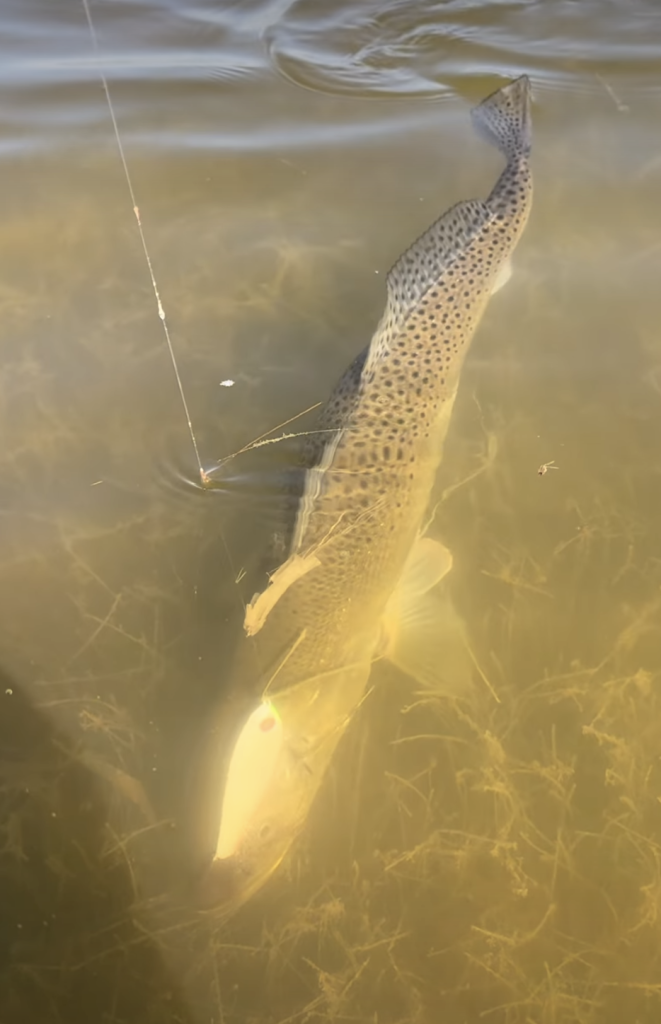
6. Lower Laguna Madre (Cameron and Willacy Counties)
The Lower Laguna Madre in the southernmost tip of Texas is one of the most productive shallow-water flats fisheries in North America. The grass flats and hypersaline water of the lagoon produce redfish and speckled trout in concentrations that make sight-fishing the standard approach rather than the exceptional one. Tailing redfish in clear shallow water over grass is the defining experience here.
The fishing in the Laguna Madre specifically is different from other Texas coastal fishing in ways that are hard to communicate until you’ve been there. The clarity of the water, the density of the grass, and the visibility of large redfish moving across the flats produces a sight-fishing experience comparable to tropical flats fishing in the Bahamas or Keys in terms of the visual element.
A shallow-draft boat or kayak is essentially required to access the productive water. The wind is a constant factor and can shut down flats fishing completely on days when the surface is choppy. Guides who know the lagoon are worth every dollar on a first trip.
🎣 What You’ll Catch
- Redfish ⭐⭐⭐⭐⭐
- Speckled Trout ⭐⭐⭐⭐⭐
📅 Best Time To Fish
- Spring: Excellent
- Summer: Good
- Fall: Excellent (redfish concentrations)
🏆 Trophy Potential – 9/10 (World-class shallow flats sight-fishing; grass beds.)
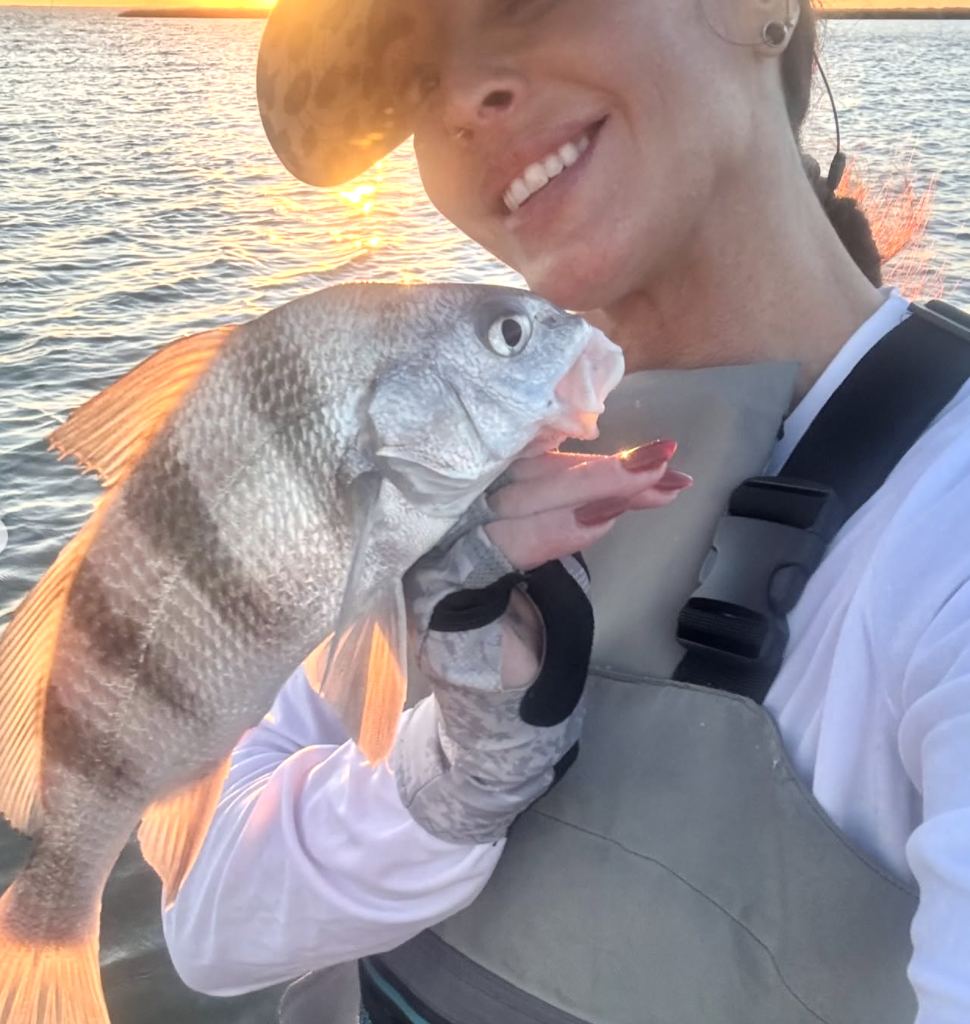
5. Texas Gulf Coast Inshore (Galveston, Port Aransas, Corpus Christi)
The Texas Gulf Coast inshore system from Galveston Bay through San Antonio Bay, Aransas Bay, Corpus Christi Bay, and the Laguna Madre north of the border produces redfish, speckled trout, flounder, and sheepshead in a connected bay system that gives anglers thousands of square miles of productive water to explore.
Speckled trout over the grass flats from spring through fall, redfish tailing in the shallow backwaters in fall and winter, flounder staging in the passes during the fall migration, and sheepshead around structure year-round all make the Texas coast a full-calendar fishery rather than a seasonal option.
Guided wade fishing trips out of Port Aransas and Corpus Christi are the standard entry point for visiting anglers. A full-day guided wade fishing trip typically runs $350 to $500 for two anglers and is worth it on a first trip to water this varied and this large. FishingBooker’s Texas guide covers current guide options across the coast.
🎣 What You’ll Catch
- Redfish ⭐⭐⭐⭐⭐
- Speckled Trout ⭐⭐⭐⭐⭐
- Flounder ⭐⭐⭐⭐
- Sheepshead ⭐⭐⭐⭐
📅 Best Time To Fish
- Spring: Excellent (trout/redfish)
- Summer: Excellent
- Fall: Excellent (flounder/redfish)
🏆 Trophy Potential – 8/10 (Vast bay system with consistent action.)
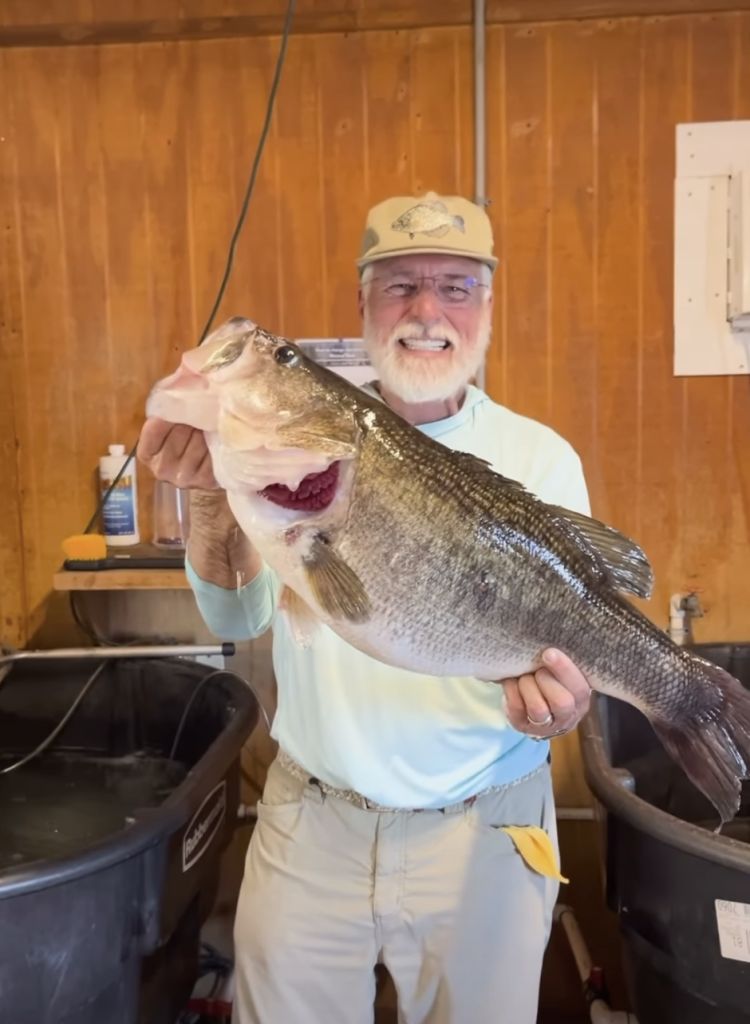
4. Toledo Bend Reservoir (Sabine County)
Toledo Bend sits on the Texas-Louisiana border and covers roughly 181,000 acres of water, making it one of the largest reservoirs in the South and one of the top bass fishing destinations in the country. The combination of abundant flooded timber, submerged brush, grass beds, and deep channel structure produces largemouth bass across all four seasons in numbers and sizes that make tournament anglers return annually.
The crappie fishing here is exceptional and often overlooked in the bass conversation. The standing timber throughout the lake holds crappie in numbers that produce fast action throughout the spring, and serious crappie anglers make specific trips to Toledo Bend for that reason alone. Catfish in the deeper sections round out a fishery that could occupy a dedicated angler for multiple trips before running out of new water to learn.
Multi-state regulations apply. Texas and Louisiana licenses are required for their respective waters and the two states don’t always share identical rules. TPWD covers the Texas side specifically.
🎣 What You’ll Catch
- Largemouth Bass ⭐⭐⭐⭐⭐
- Crappie ⭐⭐⭐⭐⭐
- Catfish ⭐⭐⭐⭐
📅 Best Time To Fish
- Spring: Excellent
- Summer: Good
- Fall: Excellent (bass)
🏆 Trophy Potential – 9/10 (National top-tier bass; exceptional crappie in timber.)
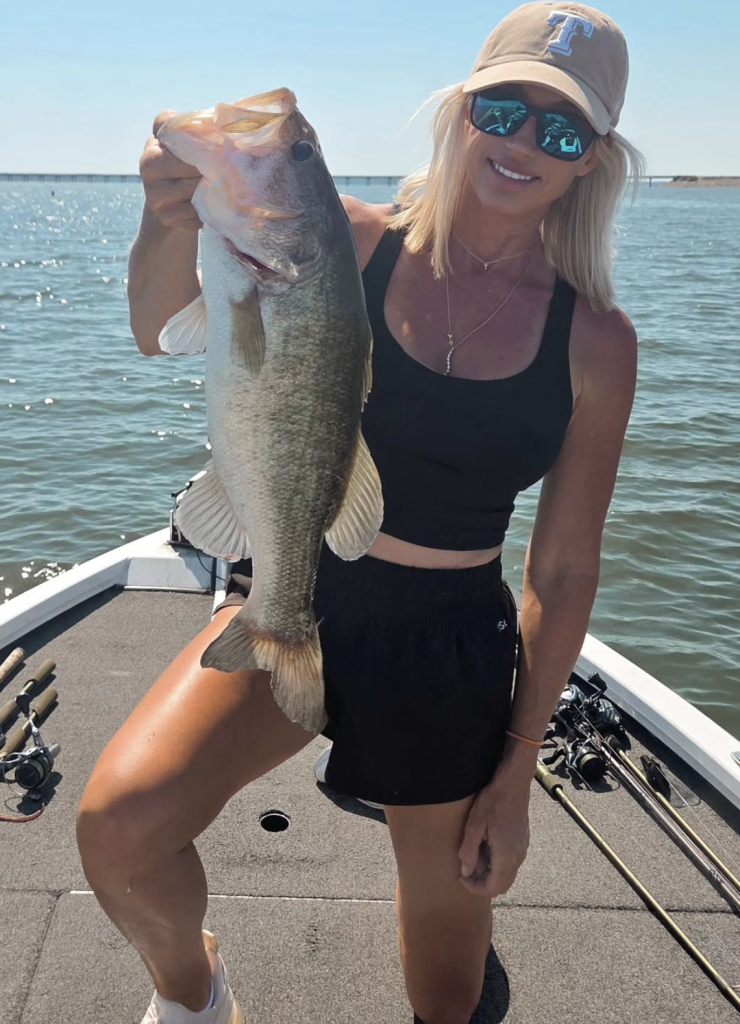
3. Sam Rayburn Reservoir and the East Texas Reservoir System
Sam Rayburn has its own entry at #11 but the full context of East Texas reservoir fishing belongs at the top of this list because the system as a whole is what makes Texas a bass fishing state of national significance.
The lakes of the Angelina and Sabine river drainages, from Sam Rayburn through Toledo Bend and down through the smaller eastern Texas reservoirs, form a connected fishery that produces more tournament-quality bass per square mile than any other comparable region in the country. The warm climate, abundant forage, and Florida-strain genetics that thrive in Texas’s reservoirs produce average fish sizes that anglers from colder states experience once and then spend years planning return trips to find again.
Sam Rayburn specifically has produced tournament winning bags that would be exceptional on any body of water. The lake’s sheer size, the variety of habitat, and the consistent stocking and management by TPWD make it the most complete bass fishery in Texas outside of Lake Fork’s specific trophy focus.
🎣 What You’ll Catch
📦 Crazy useful stuff on Amazon:
71 Weird Amazon Finds That Are Surprisingly Useful
Things you didn't know you needed… until now.
- Largemouth Bass ⭐⭐⭐⭐⭐
- Crappie ⭐⭐⭐⭐⭐
- Catfish ⭐⭐⭐⭐
- White Bass / Hybrids ⭐⭐⭐⭐
📅 Best Time To Fish
- Spring: Excellent (prespawn)
- Summer: Good
- Fall: Excellent
🏆 Trophy Potential – 9/10 (East Texas system powerhouse for numbers and quality.)
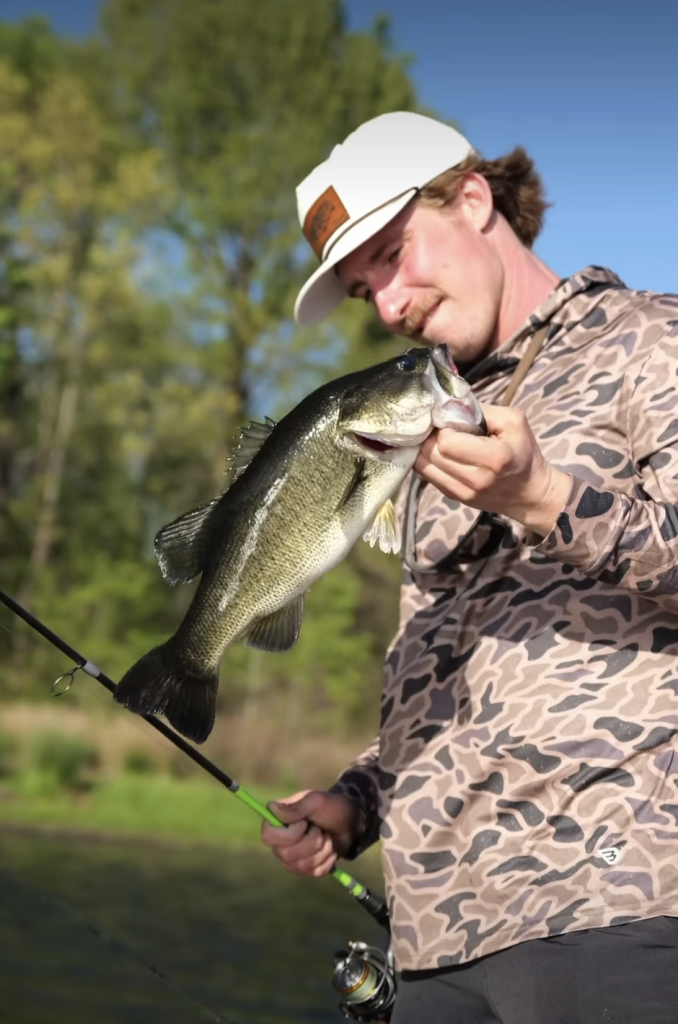
2. Lake Fork (Wood, Hopkins, and Rains Counties)
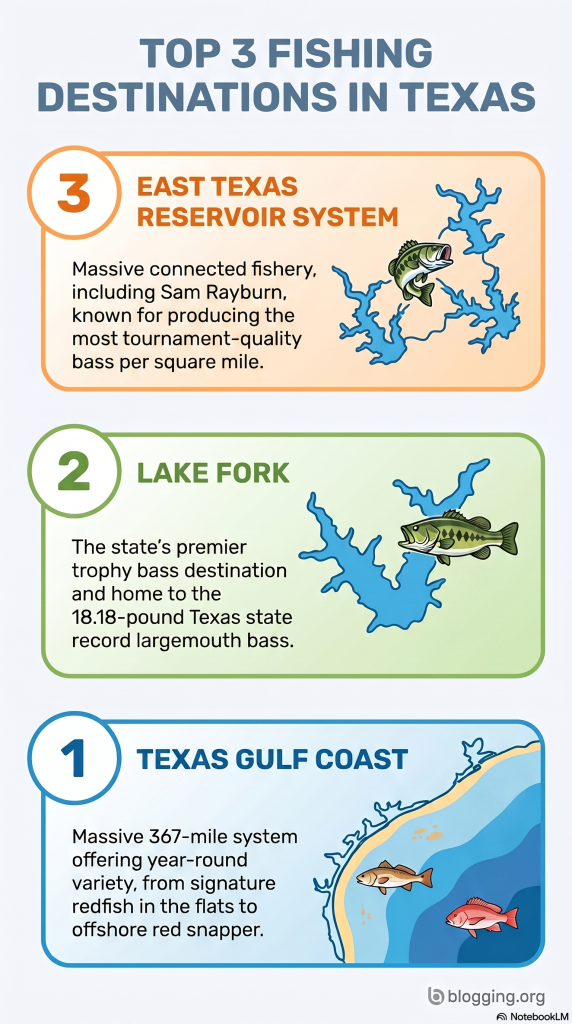
Lake Fork is the most famous trophy largemouth bass lake in Texas and the argument for calling it the best trophy bass lake in the country is not difficult to make. The Texas state record largemouth bass, 18.18 pounds, came from Lake Fork. The ShareLunker program that collects bass over 13 pounds from Texas lakes for spawning has received more fish from Fork than any other water in the state, by a margin that isn’t close.
The protective slot limit that prohibits keeping bass between 16 and 24 inches is the management tool that defines what Lake Fork is. It forces most of the intermediate-sized fish back into the lake where they grow rather than into coolers, and over decades that regulation has produced the population of genuinely large bass that makes the lake what it is. A fish over eight pounds at Lake Fork is not a rare event. It’s a realistic expectation on a good day.
What it costs to fish it right: Guided trophy bass trips on Lake Fork run $400 to $600 per day for two anglers with an experienced guide who knows the timber and the seasonal patterns. Lodging in the Quitman area runs $100 to $200 per night for basic motels and $200 to $400 for lakeside fishing lodges. The drive from Dallas is about two hours.
The honest trade-off is pressure. Lake Fork has been famous for thirty years and the fish have seen every technique and every lure. Casual fishing without local knowledge produces far fewer fish than a guided day or years of experience on the specific water. TPWD’s Lake Fork page covers current conditions and regulations.
🎣 What You’ll Catch
- Largemouth Bass ⭐⭐⭐⭐⭐
📅 Best Time To Fish
- Spring: Excellent (prespawn/spawn)
- Summer: Good
- Fall: Excellent
🏆 Trophy Potential – 10/10 (Texas trophy king; slot limit protects giants, state record holder.)
1. Texas Gulf Coast: The Complete Inshore and Offshore System
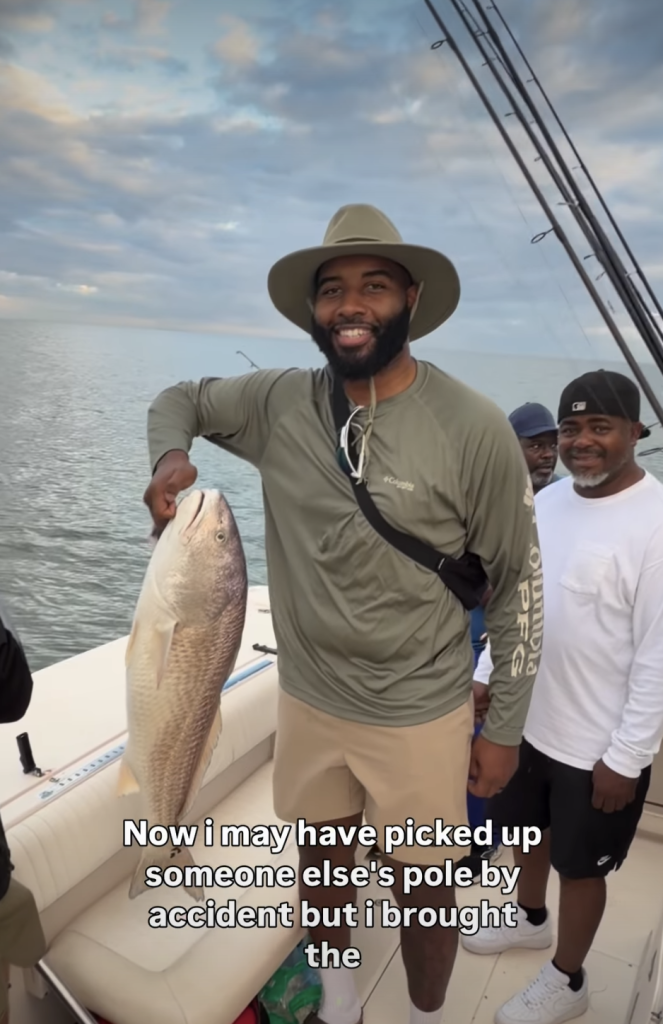
Texas has 367 miles of Gulf Coast shoreline and behind it one of the most productive bay and estuary systems in North America. The Laguna Madre, the bays behind the barrier islands, the tidal rivers, the inlets, and the offshore blue water together form a fishing system that can keep a dedicated angler busy for a lifetime without running out of new water.
The redfish is the signature species of the Texas coast, and the coast produces them in numbers and sizes that make every other inshore fish feel like a warm-up. From the giant bull reds that school along the Galveston jetties in fall to the tailing fish in the grass flats of the Lower Laguna Madre, redfish fishing on the Texas coast covers every technique and every experience level.
Speckled trout over the Corpus Christi bay system, flounder in the Sabine Lake passes, sheepshead on every piece of coastal structure, and offshore red snapper during the managed season all add dimensions that make the Texas coast more than just a redfish destination. Tarpon show up in the Galveston and Port Aransas areas during summer in enough numbers to support a dedicated fishery that most people don’t know about until they’re standing on a jetty watching silver kings roll in the pass.
What it costs: Guided wade fishing inshore $350 to $500 per day for two anglers. Offshore charter boats for red snapper or offshore species $200 to $400 per person for a full day out of Galveston or Port Aransas. The Lower Laguna Madre flat fishing guides who specialize in sight-fishing for redfish run $500 to $700 per day for two anglers.
The Texas coast competes with any inshore fishery in the country and the offshore dimension puts it in a different category from purely freshwater states. The combination of the trophy bass lakes in East Texas, the Hill Country trout streams, and the full extent of the Gulf Coast makes Texas the most diverse fishing state in the continental United States.
Check current coastal and offshore regulations at TPWD before every coastal trip. Federal red snapper regulations change annually and the season dates are not always what they were the previous year.
🎣 What You’ll Catch
- Redfish ⭐⭐⭐⭐⭐
- Speckled Trout ⭐⭐⭐⭐⭐
- Flounder ⭐⭐⭐⭐
- Red Snapper ⭐⭐⭐⭐⭐
- Tarpon / King Mackerel / Others ⭐⭐⭐⭐
📅 Best Time To Fish
- Spring: Excellent (trout/cobia)
- Summer: Excellent (offshore)
- Fall: Excellent (redfish/bull reds)
🏆 Trophy Potential – 10/10 (Diverse, productive year-round system rivaling any in the U.S.)
Big Water, Big Fish: Why Texas Belongs on Every Angler’s List
Texas is known as one of the best states for freshwater fishing in the country, and for good reason. The size of the fishing spots will totally surprise you if you haven’t been there to see it firsthand. Bass is the big catch in Texas, but a trip here wouldn’t be complete without fishing for catfish, striper, crappie, and white bass. These fishing spots are popular so you can bet there will be reasons you will want to come back to different lakes year after year.
Lake Texoma has a self-sustained striper population, making it your best option for striper fishing. For trophy largemouth, look no further than Lake Fork. With 185,000 acres of bass, crappie, and catfish year round as well as diverse structure, Toledo Bend should be your next fishing trip. To complete the top tier, Sam Rayburn has a massive timber and brush fishery that rewards anglers who work jigs and plastics around submerged wood.
In Texas, catfish deserve their own conversation. Multiple Texas lakes hold 40-pound trophy catfish, and both the Trinity and Brazos Rivers have blue and flathead catfish that are possibly the best in the country. Lake Tawakoni is likely the best catfish fishing in Texas without dispute.
Be sure to check the rules and regulations at tpwd.texas.gov before your trip. Fishermen above the age of 17 must possess a fishing license, and size or bag limits change by season and location. Toledo Bend requires a fishing license from either Texas or Louisiana, and both states honor either one on the shared water.
Texas embraces fishing like no other state. The combination of an amazing guide culture and infrastructure around every major lake means there is always somewhere producing. Come once and you will be making plans to fish Texas for years to come.

Species Guides Worth Reading
Texas gives you a realistic shot at several species that serious anglers spend entire careers chasing.
The Largemouth Bass Fishing Guide is worth reading before any trip to Lake Fork, Sam Rayburn, or Toledo Bend. It covers seasonal patterns, the best presentations, and how to fish the submerged timber and structure that defines the best bass lakes in East Texas.
For anyone heading to Lake Texoma or Lake Buchanan for striped bass, the Smallmouth Bass Fishing Guide covers moving water presentations and structure fishing techniques that carry directly over to striper behavior on large southern reservoirs.
Catfish anglers headed to Lake Tawakoni, the Trinity River, or the Red River system should read the Catfish Fishing Guide before they go. Blue and flathead catfish fishing in Texas rewards anglers who understand the right rigs, bait choices, and seasonal timing, and this guide covers all of it.
Toledo Bend, Sam Rayburn, and Lake O’ the Pines have some of the best crappie fishing in Texas and the Complete Crappie Fishing Guide explains the best ways to target fish through different parts of the season across these East Texas fisheries.

More Fishing Resources
If Texas has you thinking more seriously about your time on the water, here are a few posts worth saving before your next trip.
Best Fishing Locations in America outlines the top destinations across the country and puts Texas in the mix against other states competing for the title of best freshwater fishing in the lower 48.
If you are building a Fishing Bucket List, Texas gives you the best chance at landing a double-digit largemouth bass, a 30-plus-pound striper, and a trophy blue catfish all in one state. That post covers the species every serious angler should target at least once.
Also consider the Best Fishing Baits and Lures post before any Texas trip. The variety of species and lake types across the state means having the right presentations dialed in before you launch saves a lot of time on the water.
Enjoyed this article? Here are more fun reads:
