Florida’s Best Fishing Lakes and Rivers, 21 Spot You’ll Regret Missing

Florida is not a state with good fishing. Florida is the fishing capital of the country and the rest of the conversation is everyone else trying to catch up.
The freshwater bass fishing alone would put Florida at the top of most lists. The native Florida largemouth subspecies grows larger than the northern strain that stocks most of the country’s lakes, and the central Florida lake systems, the Kissimmee Chain, the Harris Chain, Lake Okeechobee, produce trophy bass with a consistency that no other state matches.
Then there’s the saltwater side, which is arguably even more impressive. The Florida Keys are the birthplace of modern flats fishing. Tampa Bay and Charlotte Harbor produce some of the best inshore redfish and snook fishing in the country. The Everglades backcountry offers the Florida Grand Slam, tarpon, snook, and redfish in a single day, in water that looks like nowhere else on earth.
This list covers both sides of what Florida offers, freshwater bass factories and world-class saltwater flats, going from excellent at the bottom to legendary at the top. Every entry includes what you’ll catch, when to go, and how good the trophy potential actually is.
Before any trip, check current regulations at Florida Fish and Wildlife Conservation Commission. A Florida fishing license is required for freshwater and saltwater fishing separately, and the two licenses are not interchangeable. Special permits apply for snook, tarpon, and certain other species. Clean, drain, and dry all gear between water bodies. Hydrilla and other invasive vegetation are managed actively across Florida’s lake systems and every angler who skips the cleaning protocol adds to the problem.
21. Lake Istokpoga (Highlands County)
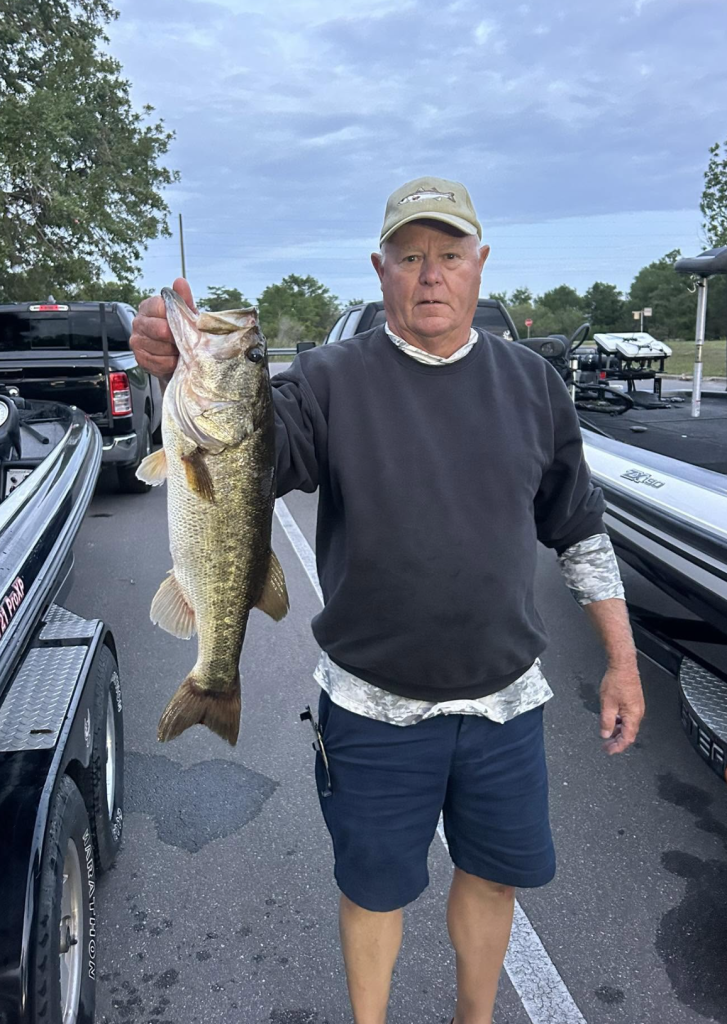
Lake Istokpoga covers roughly 27,000 acres of shallow water in Highlands County and produces some of the most consistent largemouth bass fishing in the state without the crowds that come with the more famous central Florida lakes. The vast grass flats, lily pad fields, and hydrilla edges give bass exactly the kind of ambush cover they want, and the lake’s relaxed atmosphere makes it accessible for bank anglers, kayakers, and airboat operators alike.
The crappie fishing here, known locally as speckled perch, is a genuine strength that often gets overlooked in the bass conversation. Bluegill and chain pickerel round out a fishery that rewards anglers willing to work the vegetation methodically with weedless presentations.
The dense vegetation that makes Istokpoga productive also makes navigation genuinely challenging for anglers unfamiliar with the lake. Seasonal water level fluctuations shift where fish hold throughout the year, and a local report before a trip saves time on the water.
🎣 What You’ll Catch
- Largemouth Bass ⭐⭐⭐⭐⭐
- Crappie (Speckled Perch) ⭐⭐⭐⭐
- Bluegill ⭐⭐⭐⭐
- Chain Pickerel ⭐⭐⭐
📅 Best Time To Fish
- Spring: Excellent (bass spawning across the grass flats)
- Summer: Good (topwater action early and late in the day)
- Fall: Excellent (feeding frenzy as water cools)
🏆 Trophy Potential – 8/10 (Consistent 8 to 12 pound bass with occasional larger fish for anglers who work the vegetation well.)
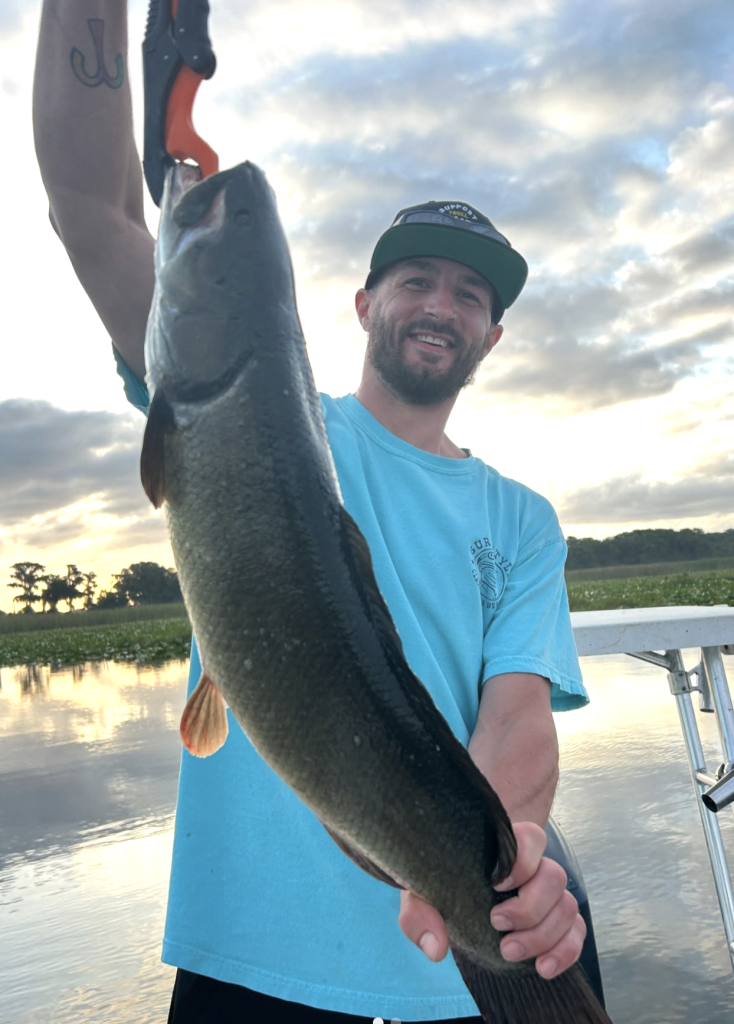
20. Lake Tohopekaliga (Osceola County)
Lake Tohopekaliga, known to everyone as Lake Toho, covers 22,700 acres as part of the Kissimmee Chain and produces bass fishing that regularly hosts major professional tournaments for good reason. The combination of massive grass flats, hydrilla lines, and deep channel structure gives the lake habitat diversity that supports both numbers and genuinely large fish.
Crappie, bluegill, and speckled perch round out a fishery that gives non-bass anglers plenty to do, but Toho’s reputation is built on bass and the lake delivers on it consistently. Flipping grass mats, frog fishing over matted vegetation, and Carolina rigs along the deeper edges are the standard productive techniques.
Tournament pressure during peak spring months is significant, and anglers who want to avoid the largest crowds should plan around the major tournament schedule or fish the shoulder seasons when the lake sees less competitive pressure.
🎣 What You’ll Catch
- Largemouth Bass ⭐⭐⭐⭐⭐
- Crappie ⭐⭐⭐⭐
- Bluegill ⭐⭐⭐⭐
- Speckled Perch ⭐⭐⭐
📅 Best Time To Fish
- Spring: Excellent (prespawn and spawn produce the biggest fish of the year)
- Summer: Good (deep water patterns as fish avoid the heat)
- Fall: Excellent (aggressive feeding as temperatures drop)
🏆 Trophy Potential – 8/10 (Frequent 10-plus pound bass during peak seasons, with tournament-documented production to back it up.)
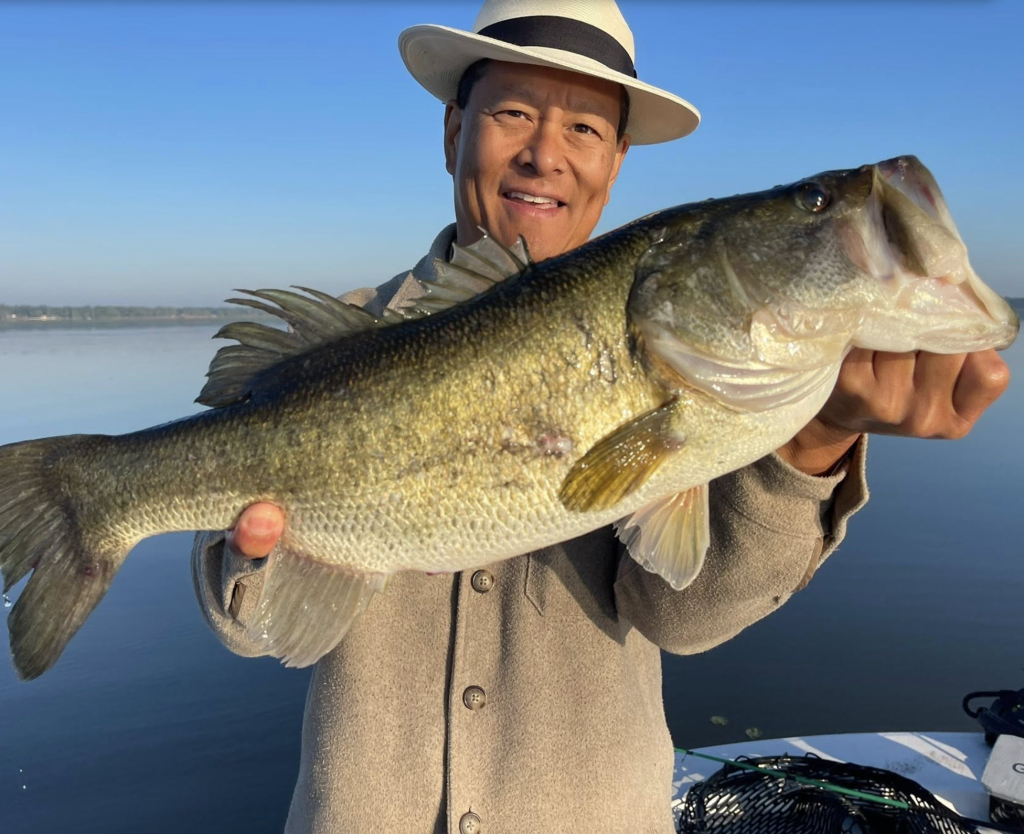
19. Harris Chain of Lakes (Lake County)
The Harris Chain, an interconnected system including Lake Harris, Lake Eustis, Lake Dora, Lake Griffin, and Lake Yale, spans thousands of acres of connected water in Lake County and produces one of central Florida’s most productive bass fisheries through sheer habitat diversity. The water flow between the connected lakes creates current-influenced areas that don’t exist in standalone lakes, and that variety supports consistent action across multiple species.
Crappie, bluegill, and speckled perch are all present in strong numbers throughout the chain, and the grass bed fishing for bass with topwater lures and punch rigs through matted vegetation is the standard approach that produces consistently across the system.
Heavy boat traffic on weekends, particularly on the more developed lakes in the chain like Dora and Eustis, is the consistent challenge. The size and connectivity of the chain means there’s almost always somewhere with less pressure if you’re willing to run to it.
🎣 What You’ll Catch
- Largemouth Bass ⭐⭐⭐⭐⭐
- Crappie ⭐⭐⭐⭐
- Bluegill ⭐⭐⭐⭐
- Speckled Perch ⭐⭐⭐
📅 Best Time To Fish
- Spring: Excellent (bass spawning throughout the connected system)
- Summer: Good (current areas between lakes hold fish in the heat)
- Fall: Excellent (feeding activity picks up across the chain)
🏆 Trophy Potential – 8/10 (The habitat diversity across five connected lakes gives this system genuine trophy potential in multiple zones.)
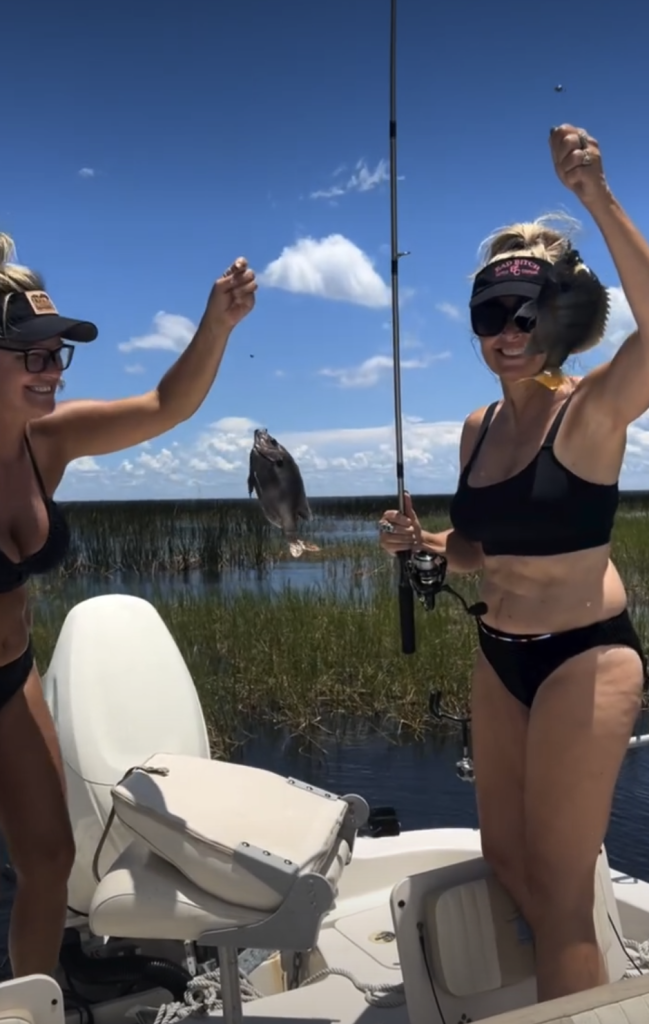
18. Lake George (Volusia and Putnam Counties)
Lake George is one of the largest lakes in the St. Johns River system and its size, combined with a mix of deep water, shallow flats, and varied structure, supports one of the more genuinely multi-species fisheries in Florida. Largemouth bass are the primary draw, but the striped bass population here is the element that surprises anglers who associate stripers with northern waters.
Crappie and bluegill round out the fishery and produce consistently in the shallower vegetated areas. The connection to the broader St. Johns River system means fish move through Lake George seasonally in ways that affect where the best fishing is at any given time of year.
Trolling and live bait approaches for striped bass require different tactics than the bass fishing most anglers come for, and a day on Lake George that targets both species effectively requires switching gears rather than expecting one approach to cover everything.
🎣 What You’ll Catch
- Largemouth Bass ⭐⭐⭐⭐⭐
- Striped Bass ⭐⭐⭐⭐
- Crappie ⭐⭐⭐⭐
- Bluegill ⭐⭐⭐
📅 Best Time To Fish
- Spring: Excellent (bass and striper activity both peak)
- Summer: Good (deeper water holds fish through the heat)
- Fall: Good (transitional period as fish move with the St. Johns system)
🏆 Trophy Potential – 8/10 (The striped bass population adds a trophy dimension that most Florida lakes this size don’t offer.)
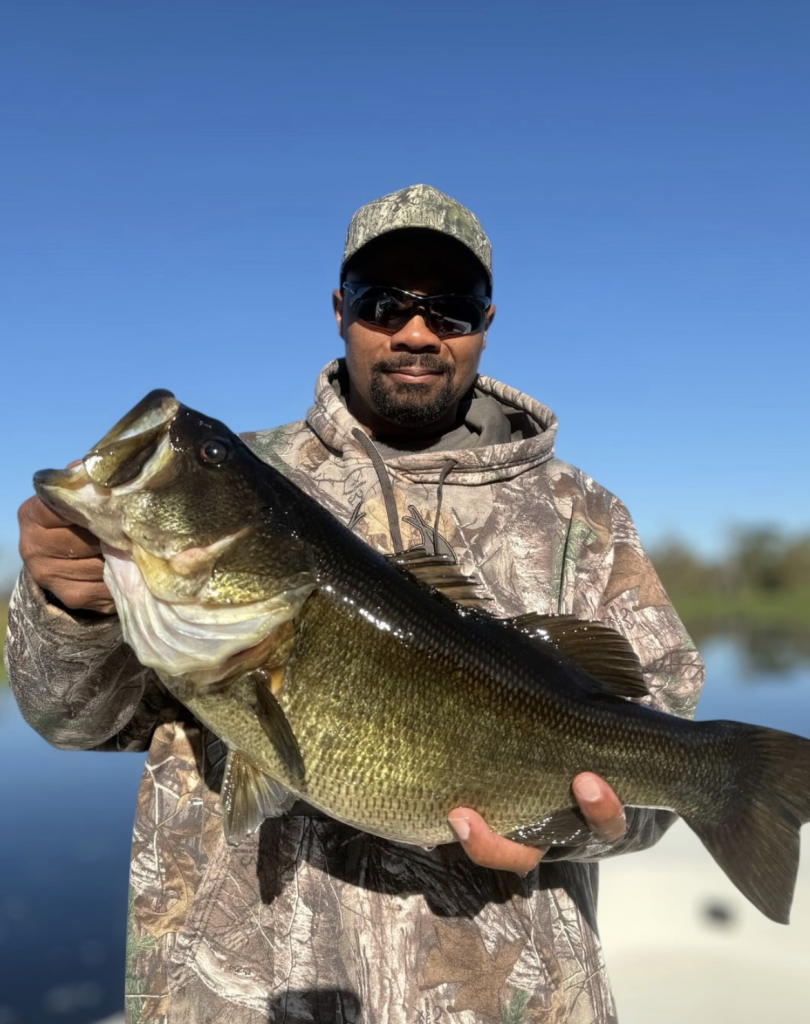
17. Rodman Reservoir (Marion and Putnam Counties)
Rodman Reservoir exists because of a partially completed and ultimately abandoned cross-Florida canal project, and the flooded timber left behind when the reservoir was created has turned into one of the most productive trophy bass habitats in the entire state. The standing dead timber provides cover that bass use throughout their lives, and the result is a fishery that produces genuinely huge fish.
Crappie and catfish are both present in solid numbers, but Rodman’s reputation is built entirely on bass, and specifically on big bass. Flipping and punching through the timber with heavy tackle is the standard approach, and anglers who fish Rodman seriously come prepared for combat fishing in cover that will break light gear.
The reservoir’s existence has been a subject of ongoing political and environmental debate in Florida for decades, tied to the larger question of whether the cross-Florida canal infrastructure should be removed to restore the Ocklawaha River’s natural flow. Anglers should be aware that the reservoir’s future has been periodically uncertain, though it has remained a fishery for the time being.
🎣 What You’ll Catch
- Largemouth Bass ⭐⭐⭐⭐⭐
- Crappie ⭐⭐⭐⭐
- Catfish ⭐⭐⭐
📅 Best Time To Fish
- Spring: Excellent (bass active and aggressive in the timber)
- Summer: Good (fish hold deeper in the timber during the heat)
- Fall: Excellent (feeding activity increases as temperatures drop)
🏆 Trophy Potential – 9/10 (A genuine trophy bass factory, with flooded timber habitat that produces consistently oversized fish.)
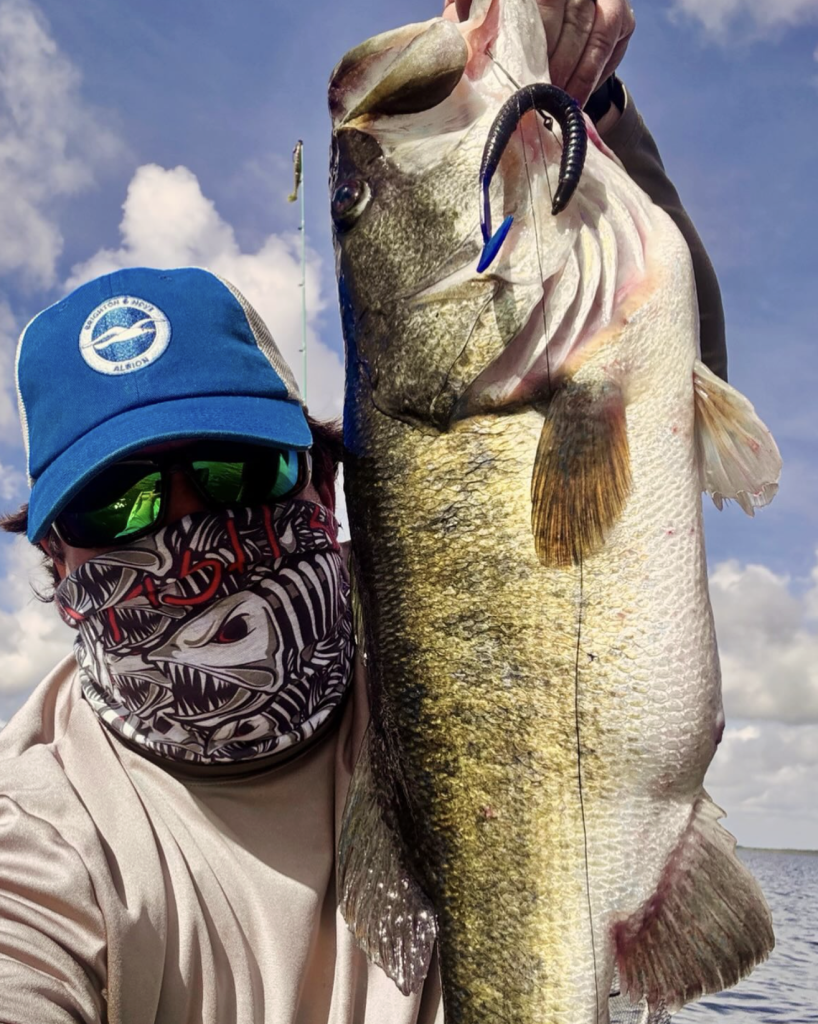
16. Lake Kissimmee (Osceola County)
Lake Kissimmee covers 34,900 acres and stands out even within the Kissimmee Chain for the quality of its grass beds and the consistency of the bass and panfish fishing they produce. The lake’s size gives it enough habitat diversity that serious anglers can spend multiple days exploring different sections without repeating water.
Crappie and bluegill are both strong throughout the lake, and the grass bed fishing here follows the same general pattern as the rest of the Kissimmee Chain: topwater and weedless presentations over and through vegetation produce the most consistent results.
The public ramp access is excellent, which makes Kissimmee one of the more approachable large lakes in central Florida for anglers without extensive local knowledge. The size of the lake means weather and wind can affect which sections are fishable on any given day, and having backup areas in mind is worth planning for.
🎣 What You’ll Catch
- Largemouth Bass ⭐⭐⭐⭐⭐
- Crappie ⭐⭐⭐⭐
- Bluegill ⭐⭐⭐⭐
📅 Best Time To Fish
- Spring: Excellent (bass spawning in the extensive grass beds)
- Summer: Good (early mornings before the heat and wind build)
- Fall: Excellent (feeding activity increases across the lake)
🏆 Trophy Potential – 8/10 (The grass bed quality here is among the best in the Kissimmee Chain, with consistent production of quality fish.)
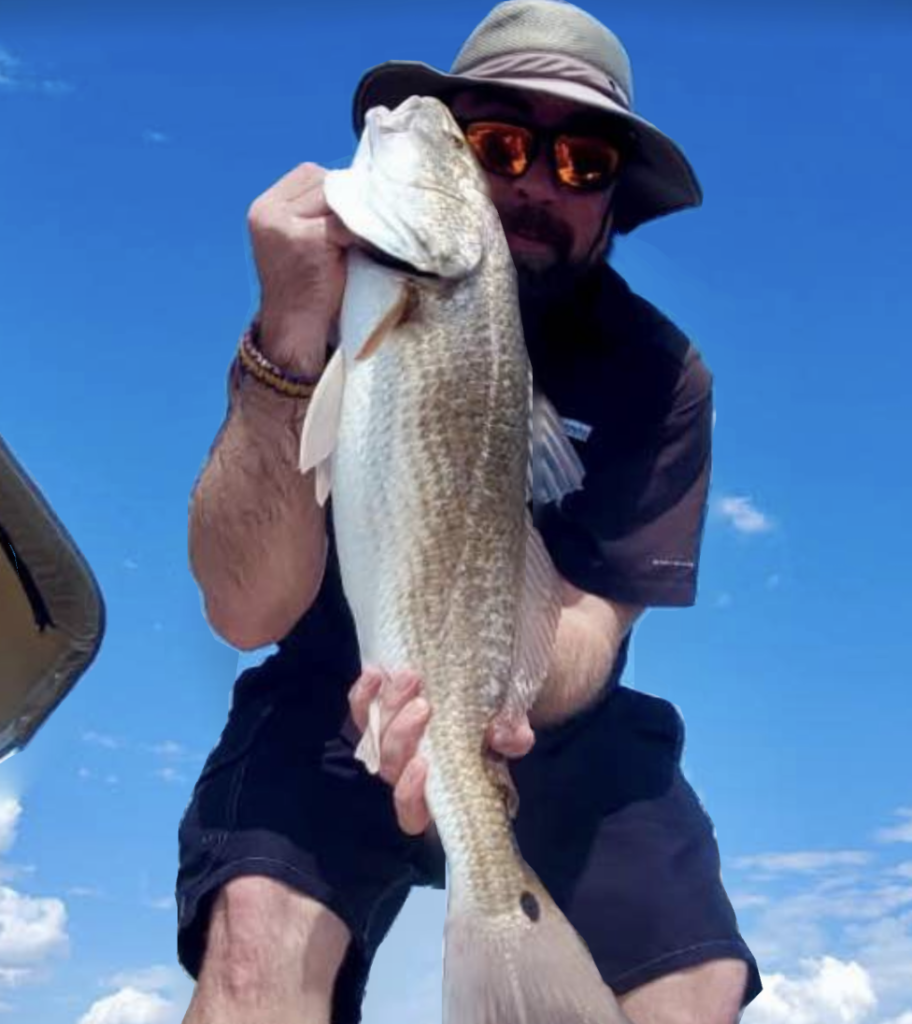
15. Apalachicola Bay and Panhandle Inshore (Franklin County)
Apalachicola Bay represents the Florida Panhandle’s signature inshore fishery, and the healthy grass beds and oyster bar structure throughout the bay support strong populations of redfish, spotted seatrout, and flounder in water that sees considerably less pressure than the more developed inshore fisheries further south.
The bay’s ecological significance extends beyond fishing. It’s one of the most productive estuaries on the Gulf Coast and has historically supported one of the most important oyster fisheries in the country, though that fishery has faced serious challenges in recent years from a combination of drought, upstream water management, and overharvest. The fishing for redfish and trout remains strong even as the oyster situation has been difficult.
Fall is when Apalachicola Bay fishes best, as redfish school up in numbers that make sight-fishing the shallow flats a realistic daily approach. The relative lack of development around the bay compared to Tampa or the Indian River Lagoon gives it a wilder character that Panhandle anglers specifically value.
🎣 What You’ll Catch
- Redfish ⭐⭐⭐⭐⭐
- Spotted Seatrout ⭐⭐⭐⭐
- Flounder ⭐⭐⭐
📅 Best Time To Fish
- Spring: Good (trout active over the grass flats)
- Summer: Good (early mornings before heat affects activity)
- Fall: Excellent (redfish school up across the bay in significant numbers)
🏆 Trophy Potential – 8/10 (Less pressured than comparable Florida inshore fisheries, which benefits both fish size and angler experience.)
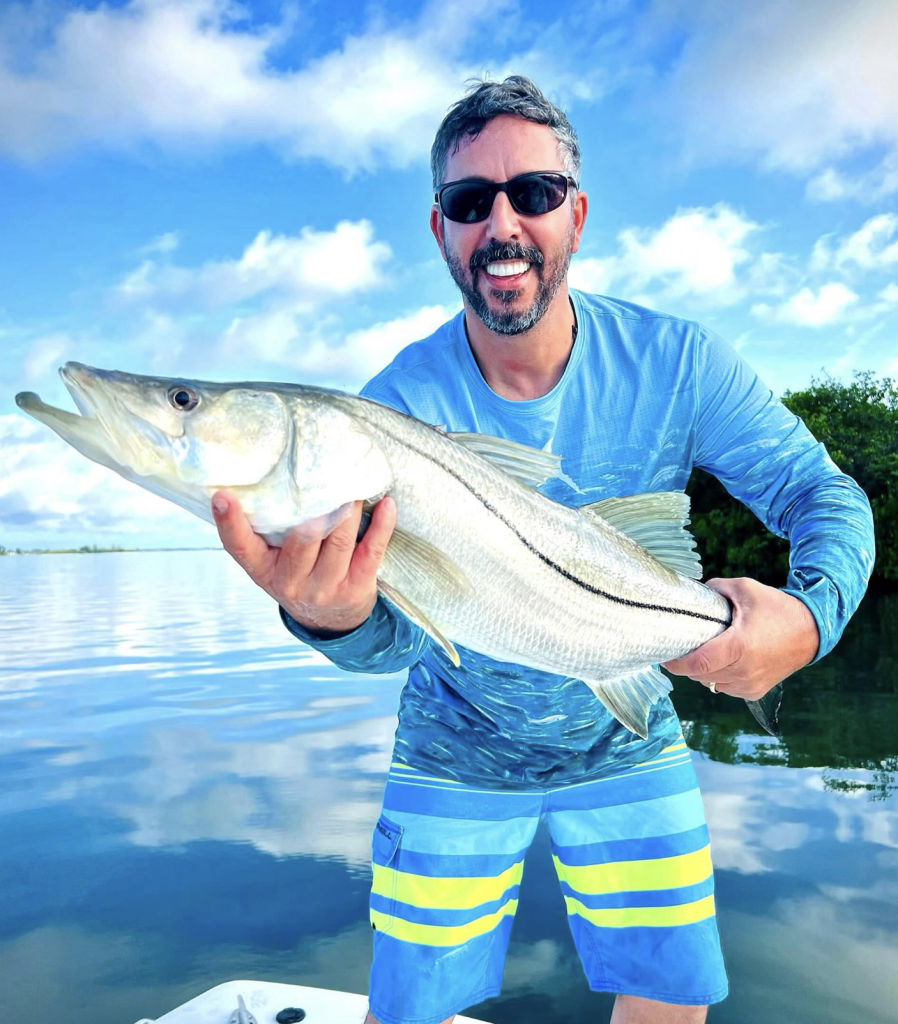
14. Indian River Lagoon (East Coast)
The Indian River Lagoon stretches along much of Florida’s east coast and represents one of the most biologically diverse estuaries in North America, supporting a level of inshore fishing productivity that reflects that ecological richness. Redfish, snook, and spotted seatrout are all present in strong numbers throughout the lagoon’s extensive grass flats and mangrove shorelines.
The lagoon has faced significant environmental challenges in recent years, including algae blooms and seagrass die-offs that have affected portions of the system, particularly in the northern sections. The fishing in the healthier southern and central portions of the lagoon remains genuinely excellent, and ongoing restoration efforts have been a priority for Florida’s environmental agencies given the lagoon’s economic and ecological importance.
Spring and fall are when the lagoon fishes best, with redfish and snook both feeding aggressively as water temperatures shift. The lagoon’s length means conditions vary considerably from north to south, and checking current conditions for the specific section you’re planning to fish is worth doing given the system’s recent challenges.
🎣 What You’ll Catch
- Redfish ⭐⭐⭐⭐⭐
- Snook ⭐⭐⭐⭐⭐
- Spotted Seatrout ⭐⭐⭐⭐
📅 Best Time To Fish
- Spring: Excellent (snook and redfish both active as water warms)
- Summer: Good (early mornings in the healthier sections)
- Fall: Excellent (peak activity for both species before winter)
🏆 Trophy Potential – 9/10 (One of the most productive inshore estuaries in the country when conditions in a given section are healthy.)
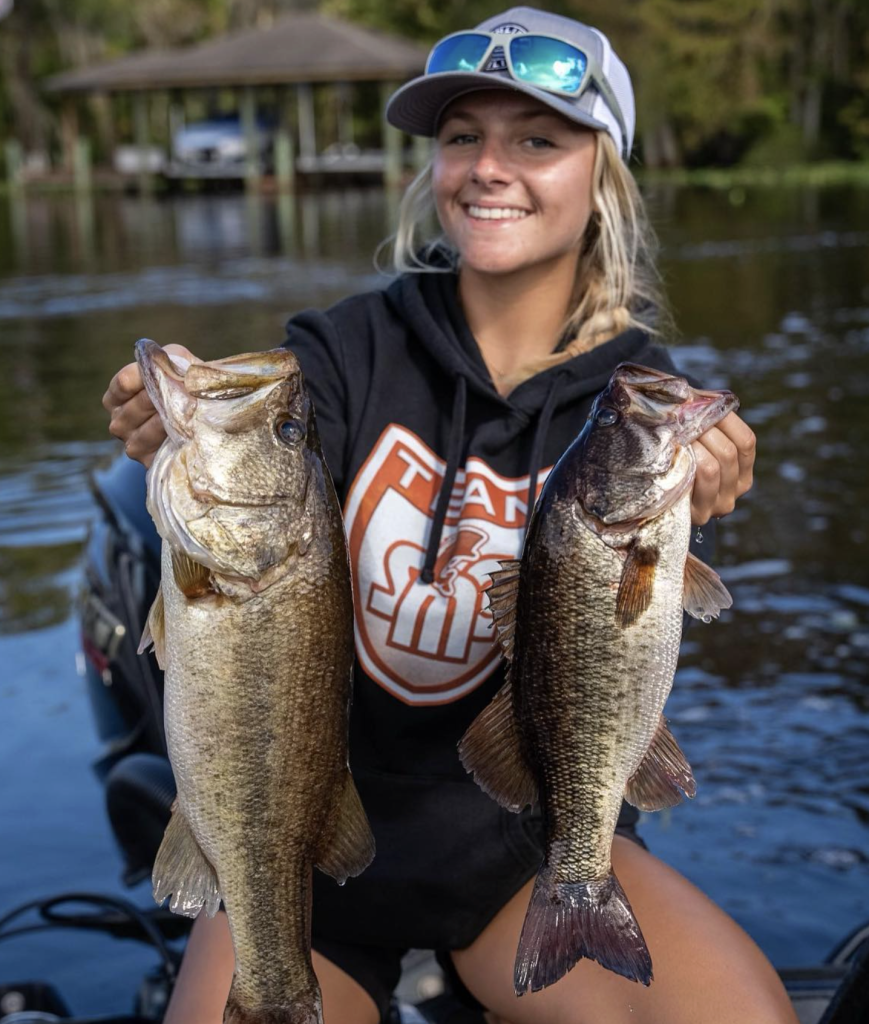
13. St. Johns River (Upper Basin)
The St. Johns River is one of the longest rivers in Florida and one of relatively few major rivers in the country that flows north, which means the upper basin, the river’s headwaters and southernmost sections, sits down near the Indian River and Brevard county area rather than up near Jacksonville where the river empties into the Atlantic. That upper basin produces excellent largemouth bass and panfish fishing across a habitat range from shallow flats to deeper channels, and the river’s slow gradient creates extensive wetland and marsh habitat throughout its length that bass and panfish use extensively.
Crappie, bluegill, and catfish are all present in solid numbers, and the river’s connectivity to lakes like Lake George means fish move between river and lake habitat seasonally. The headwater sections covered here, generally south of Lake George, tend to be less developed and less pressured than the wider, more urbanized middle and lower river near Sanford and Jacksonville.
Both boat and shore access are available depending on the specific section, and live bait approaches alongside standard bass artificials both produce well across the river’s varied habitat.
🎣 What You’ll Catch
- Largemouth Bass ⭐⭐⭐⭐⭐
- Crappie ⭐⭐⭐⭐
- Bluegill ⭐⭐⭐⭐
- Catfish ⭐⭐⭐
📅 Best Time To Fish
- Spring: Excellent (bass spawning throughout the marsh and channel habitat)
- Summer: Good (early mornings before the heat builds)
- Fall: Excellent (feeding activity increases throughout the basin)
🏆 Trophy Potential – 8/10 (Consistent bass production across a river system most visiting anglers never specifically explore.)
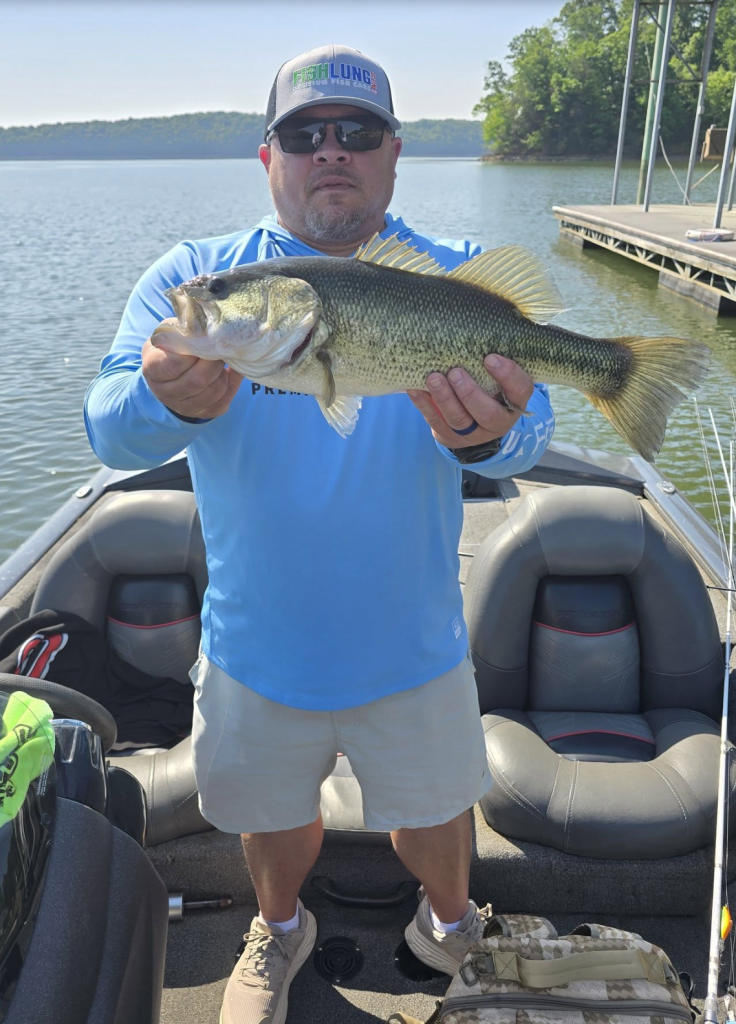
12. Lake Istokpoga and the South-Central Florida Lake Belt (Highlands and Okeechobee Counties)
Lake Istokpoga earned its individual entry at #21, but the broader south-central Florida lake belt that includes Istokpoga along with smaller connected waters in Highlands and Okeechobee counties represents a genuinely underexplored region for serious bass anglers willing to look beyond the famous Kissimmee Chain lakes.
This region sits geographically between the Kissimmee Chain to the north and Lake Okeechobee to the south, and the lakes here benefit from less attention than either of those more famous systems while holding comparable habitat quality. The native Florida largemouth bass genetics that make the entire region exceptional apply here just as much as they do in the more publicized lakes.
For anglers who have fished the Kissimmee Chain and Okeechobee extensively and want to explore comparable fishing without the crowds, the south-central lake belt rewards the kind of exploration that doesn’t show up in standard guide recommendations.
🎣 What You’ll Catch
- Largemouth Bass ⭐⭐⭐⭐⭐
- Crappie (Speckled Perch) ⭐⭐⭐⭐
- Bluegill ⭐⭐⭐⭐
- Chain Pickerel ⭐⭐⭐
📅 Best Time To Fish
- Spring: Excellent (bass spawning throughout the region’s grass flats)
- Summer: Good (topwater early and late in the day)
- Fall: Excellent (feeding activity increases across the region)
🏆 Trophy Potential – 8/10 (Comparable genetics and habitat to the famous Kissimmee Chain lakes, with considerably less pressure.)
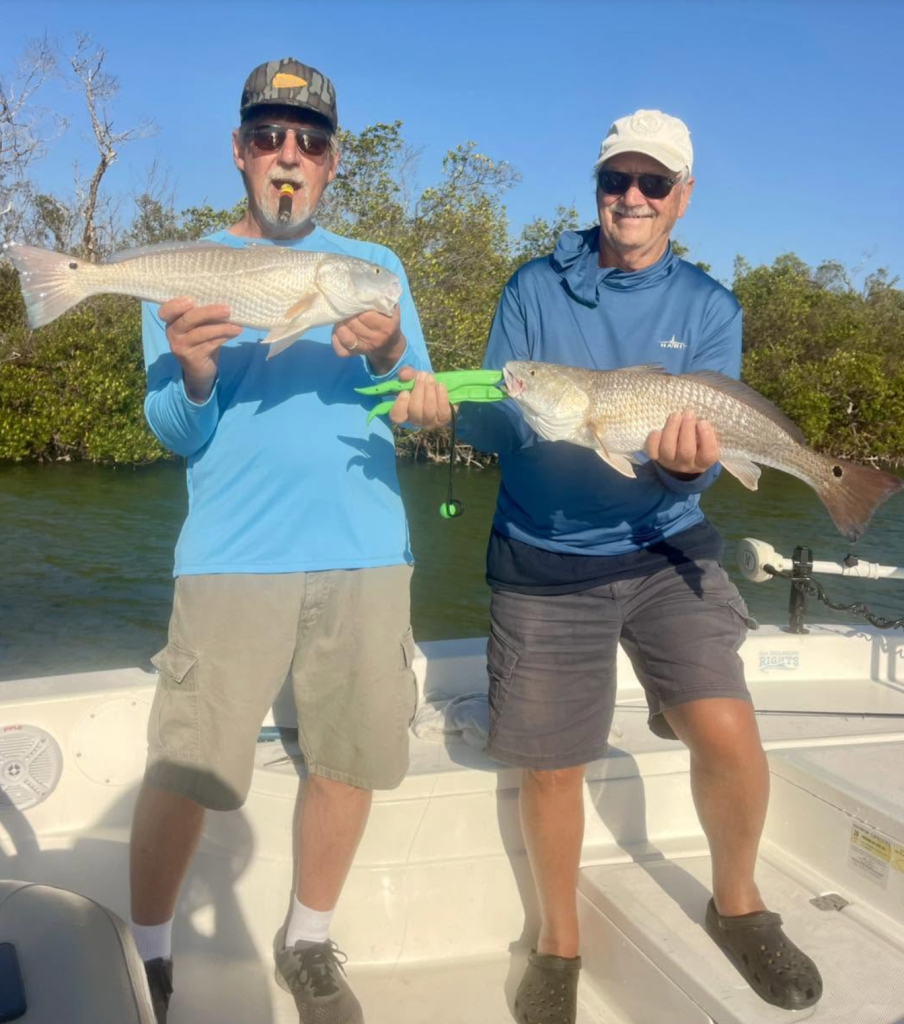
11. Tampa Bay and Charlotte Harbor System (Gulf Coast)
The connected estuary systems of Tampa Bay and Charlotte Harbor on Florida’s Gulf Coast represent one of the most accessible and consistently productive inshore fisheries in the entire state. The extensive grass flats, mangrove shorelines, and channel structure throughout both bays support exceptional populations of redfish, snook, and spotted seatrout that produce action through nearly every month of the year.
The spotted seatrout fishing here is genuinely exceptional, with both bays holding populations dense enough that finding trout over the grass flats is more often the expectation than the exception during the right conditions. Redfish and snook both use the mangrove edges and oyster bars throughout the system, and the variety of habitat means wade fishing, kayak fishing, and boat fishing all have productive applications depending on the specific area.
Spring and fall produce the most consistent action across the system, though the fishing holds up reasonably well through summer in the early mornings before the heat sets in. The accessibility from the Tampa and Sarasota metro areas means this system sees consistent angling pressure, but the scale of both bays absorbs it without significantly degrading the fishery.
🎣 What You’ll Catch
- Redfish ⭐⭐⭐⭐⭐
- Snook ⭐⭐⭐⭐⭐
- Spotted Seatrout ⭐⭐⭐⭐⭐
- Flounder ⭐⭐⭐
📅 Best Time To Fish
- Spring: Excellent (all three primary species active over the flats)
- Summer: Good (early mornings before heat affects activity)
- Fall: Excellent (peak activity across the entire system)
🏆 Trophy Potential – 9/10 (One of the most consistently productive inshore systems in the state, with genuine trophy potential for all three primary species.)
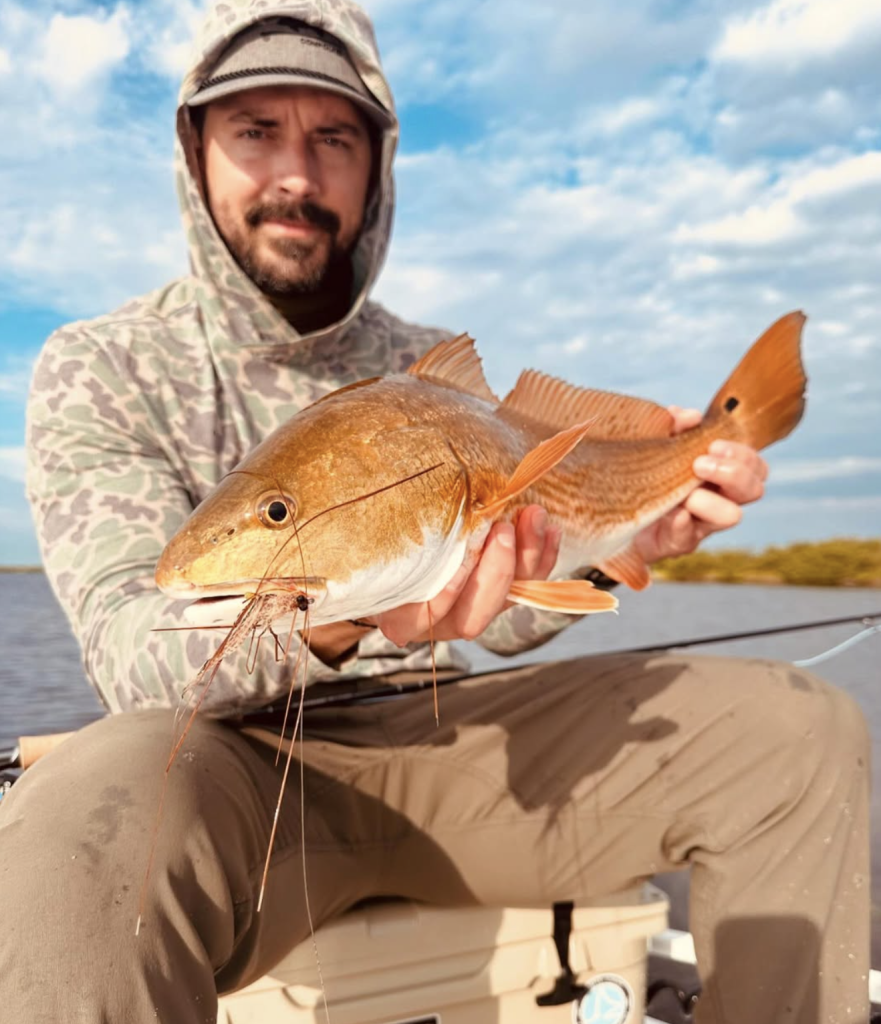
10. Mosquito Lagoon (Volusia and Brevard Counties)
Mosquito Lagoon sits at the northern end of the Indian River Lagoon system and has developed a reputation among serious redfish anglers as one of the best sight-fishing destinations in the country for the species. The shallow, clear water and extensive grass flats give redfish nowhere to hide, and the lagoon produces the kind of tailing redfish experience that flats anglers travel specifically to find.
The lagoon’s protected status as part of the Canaveral National Seashore and the Merritt Island National Wildlife Refuge has kept development around it minimal, which has directly benefited the fishery. The clarity of the water here is noticeably better than most of the broader Indian River Lagoon system, and that clarity is exactly what makes the sight-fishing so productive.
Redfish over 30 inches are a realistic target for anglers who fish the lagoon’s flats specifically with sight-fishing techniques. Snook and spotted seatrout are both present as secondary species, but Mosquito Lagoon’s reputation is built on redfish and the lagoon delivers on it with a consistency that few other Florida waters match.
🎣 What You’ll Catch
- Redfish ⭐⭐⭐⭐⭐
- Spotted Seatrout ⭐⭐⭐⭐
- Snook ⭐⭐⭐
📅 Best Time To Fish
- Spring: Excellent (redfish active on the flats as water warms)
- Summer: Good (early mornings before the heat and boat traffic build)
- Fall: Excellent (redfish schooling activity peaks)
🏆 Trophy Potential – 9/10 (Among the best sight-fishing redfish destinations in the country, with trophy-class fish a realistic target.)
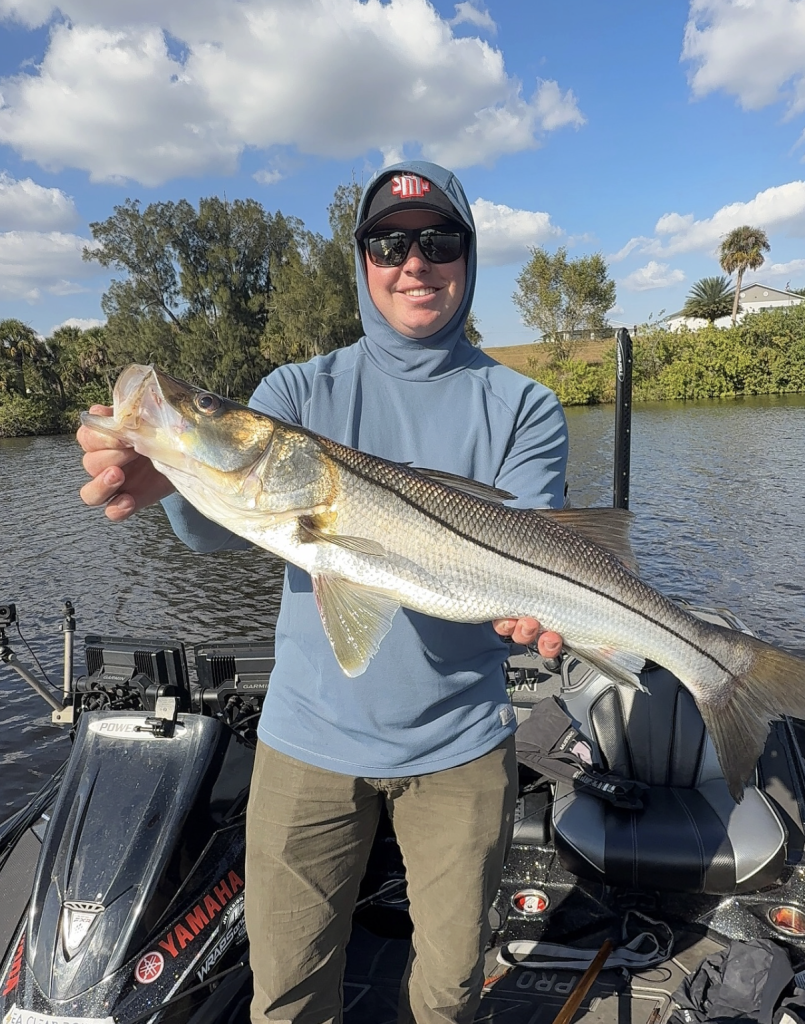
9. Lake Okeechobee and the Kissimmee Chain Connection
Lake Okeechobee has its own individual entry at #1, but the broader system connecting Okeechobee to the Kissimmee Chain through the Kissimmee River represents a genuinely connected fishery that most anglers treat as separate destinations rather than understanding as a single hydrological system.
Water flows from the Kissimmee Chain south through the Kissimmee River into Lake Okeechobee, and fish move through this system in ways that affect both fisheries. Understanding this connection matters practically for anglers planning multi-day trips that might combine a Kissimmee Chain lake with Okeechobee, since conditions and water levels in one affect the other with some lag time.
The Kissimmee River itself, much of which has been restored from a straightened canal back to its original meandering channel in one of the largest river restoration projects in American history, has become a fishery in its own right as the restoration has matured, producing bass and panfish in habitat that didn’t exist in the canal version of the river.
🎣 What You’ll Catch
- Largemouth Bass ⭐⭐⭐⭐⭐
- Crappie (Speckled Perch) ⭐⭐⭐⭐
- Bluegill ⭐⭐⭐⭐
- Catfish ⭐⭐⭐
📅 Best Time To Fish
- Spring: Excellent (bass spawning throughout the connected system)
- Summer: Good (deeper water in Okeechobee, river channels in the Kissimmee)
- Fall: Excellent (feeding activity throughout the system)
🏆 Trophy Potential – 9/10 (Understanding the connected system gives serious anglers an edge that most visitors miss entirely.)
8. Biscayne Bay (Miami-Dade County)
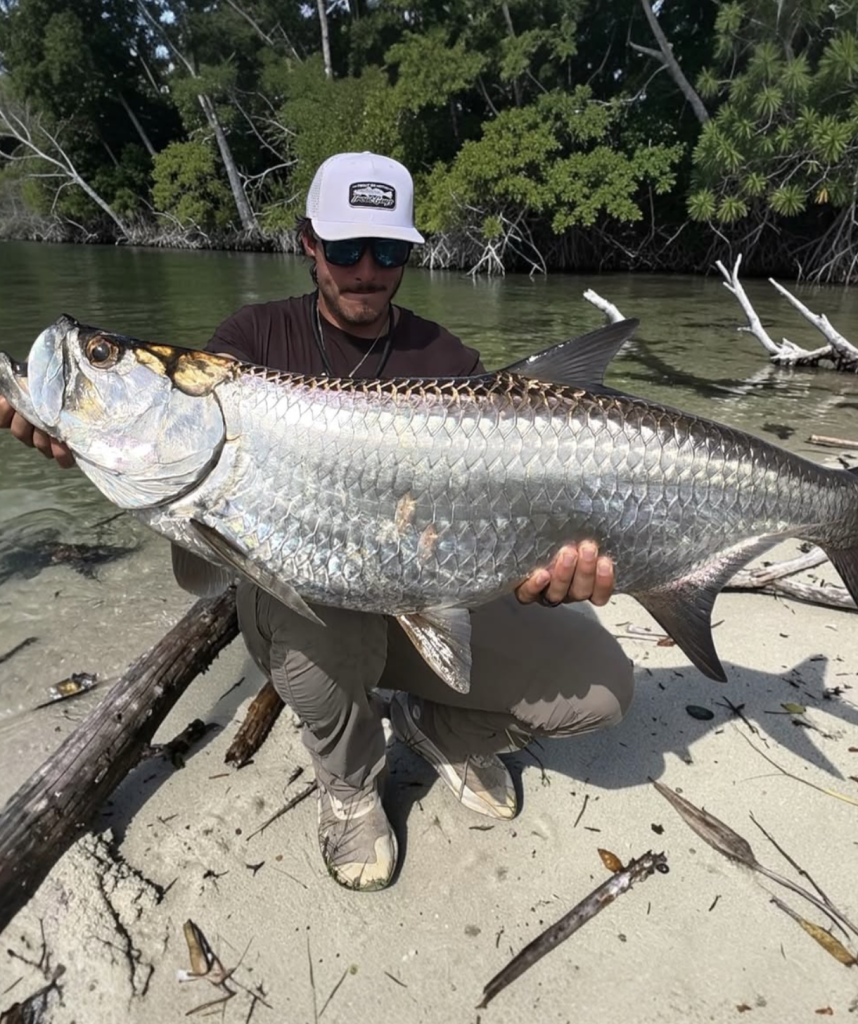
Biscayne Bay sits in the shadow of Miami’s skyline and produces a flats and backcountry fishery that most people who only know Miami as a city have no idea exists within sight of downtown. Bonefish, tarpon, and permit are all present in the bay’s flats, and the proximity to one of the largest cities in the country makes Biscayne Bay one of the most accessible world-class flats fisheries anywhere.
The bay’s bonefish population specifically has a dedicated following among South Florida anglers who fish it regularly without ever needing to travel to the Keys or the Bahamas for the same species. Permit on the flats and around channel edges in the bay add a genuinely difficult target for anglers looking for the toughest fish in flats fishing.
The bay’s proximity to Miami means it absorbs pressure from a large angler population, and the fish here are educated in ways that fish in more remote locations aren’t. That said, the experience of poling a flat with the Miami skyline visible in the distance while sight-casting to bonefish is unlike anything else in American fishing.
🎣 What You’ll Catch
- Bonefish ⭐⭐⭐⭐⭐
- Tarpon ⭐⭐⭐⭐⭐
- Permit ⭐⭐⭐⭐
- Redfish ⭐⭐⭐
📅 Best Time To Fish
- Spring: Excellent (tarpon and bonefish both active)
- Summer: Good (early mornings before heat and boat traffic)
- Fall: Excellent (bonefish and permit both feeding actively)
🏆 Trophy Potential – 9/10 (World-class flats fishing within view of a major American city, which is genuinely rare anywhere on earth.)
7. Homosassa and the Nature Coast (Citrus County)
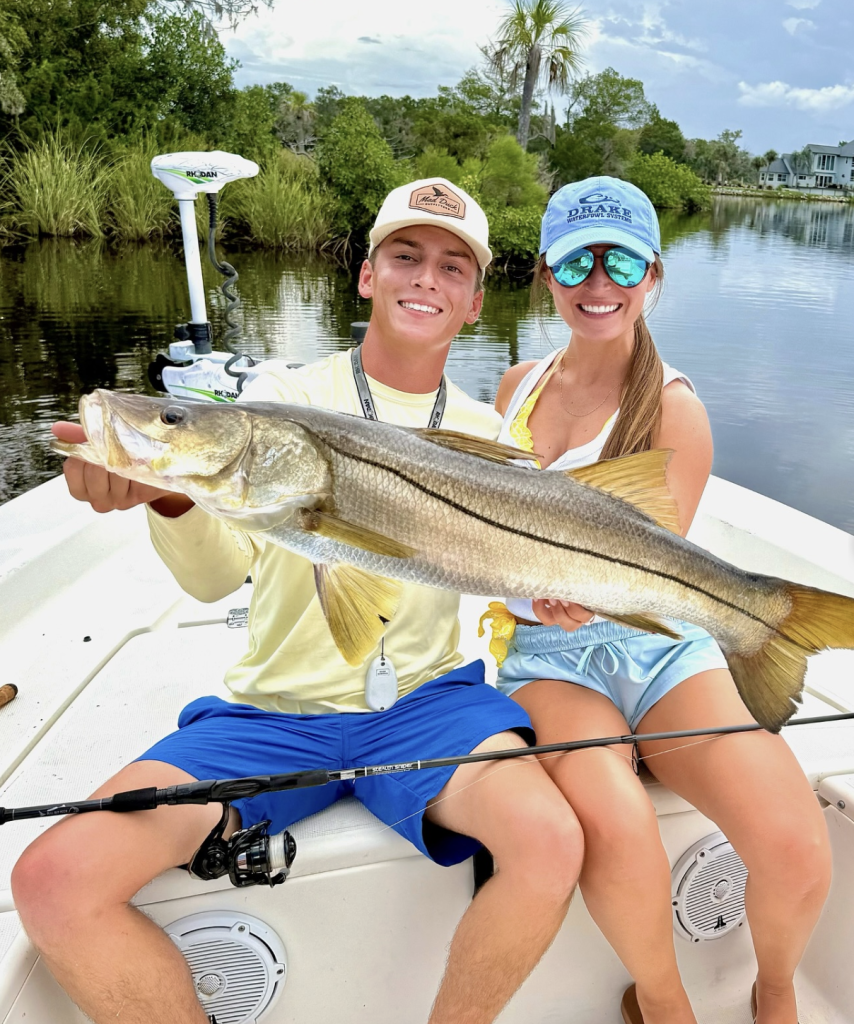
The Nature Coast region around Homosassa on Florida’s Gulf side produces a tarpon fishery that serious tarpon anglers consider among the best in the state for sheer size of fish, even though it doesn’t have the name recognition of the Keys or Boca Grande. Tarpon in the 100 to 150 pound range stage in the clear spring-fed water off Homosassa in late spring and early summer, and sight-fishing for tarpon of that size in water clear enough to watch the entire encounter is an experience that ranks with anything in Florida.
The spring-fed rivers themselves, including the Homosassa, Crystal, and Chassahowitzka, produce their own fisheries for snook, redfish, and trout in addition to serving as the staging area context for the offshore tarpon migration. The clarity of these spring-fed systems is exceptional and gives the area a character distinct from the more typical mangrove-and-grass-flat inshore fisheries elsewhere in Florida.
The tarpon season here is relatively compressed compared to the extended seasons in south Florida, which makes timing more important for anglers specifically targeting the migration. Local guides who track the tarpon’s annual arrival are essential for a trip focused on the big fish specifically.
🎣 What You’ll Catch
- Tarpon (large, seasonal) ⭐⭐⭐⭐⭐
- Snook ⭐⭐⭐⭐
- Redfish ⭐⭐⭐⭐
- Spotted Seatrout ⭐⭐⭐
📅 Best Time To Fish
- Spring: Excellent (the tarpon migration begins staging)
- Summer: Excellent (peak tarpon season for the largest fish)
- Fall: Good (snook and redfish in the spring-fed rivers remain productive)
🏆 Trophy Potential – 9/10 (Some of the largest tarpon in Florida stage here, in water clear enough to watch the entire fight.)
6. Everglades Backcountry and Ten Thousand Islands (Collier and Monroe Counties)
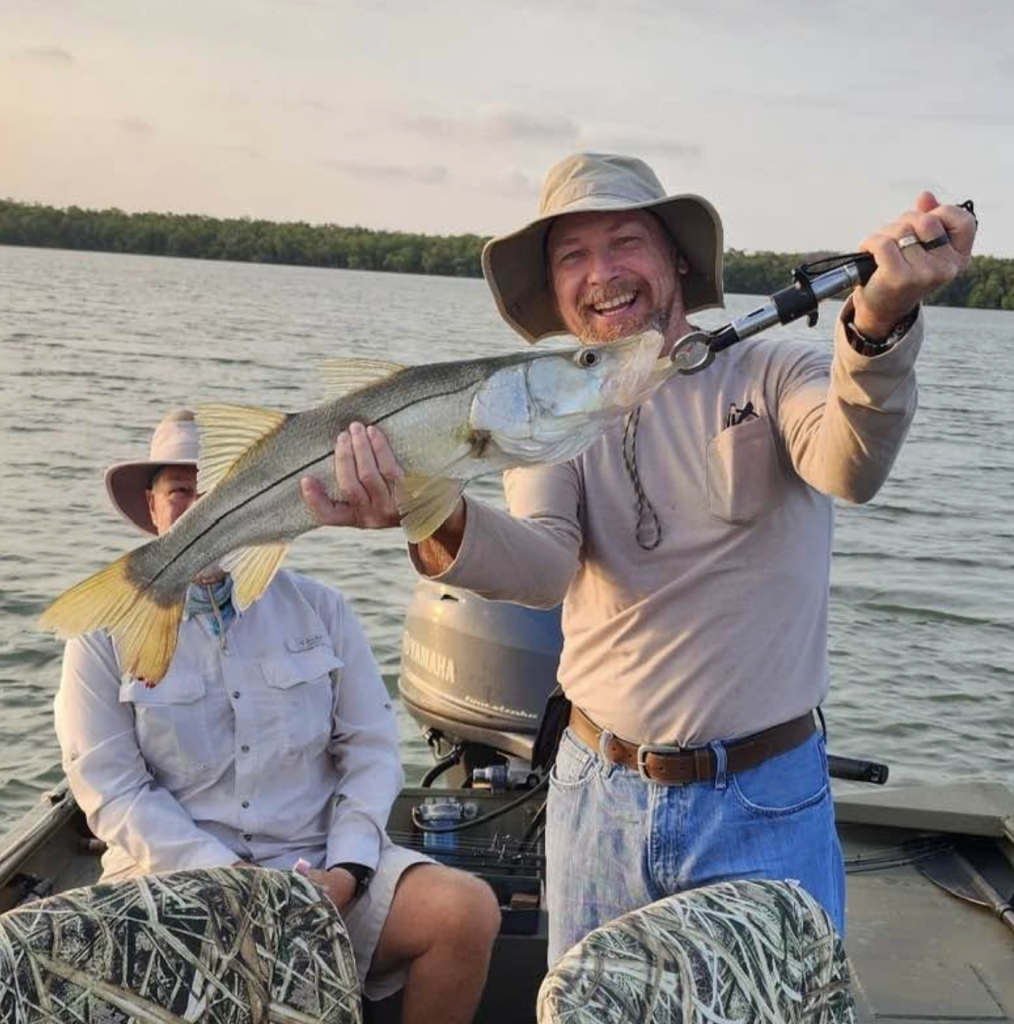
The Ten Thousand Islands and the broader Everglades backcountry represent one of the most iconic and genuinely wild fishing environments in the United States. The maze of mangrove islands, channels, and shallow bays stretching along Florida’s southwest coast and into Everglades National Park provides the setting for the Florida Grand Slam, redfish, snook, and tarpon, all in a single day, in water that looks fundamentally different from anywhere else in the state.
The sight-fishing here is the draw for serious flats anglers. Poling through the backcountry, watching for tailing redfish, rolling tarpon, or snook holding along mangrove edges, and presenting flies or lures to fish you can see is the experience that built modern flats fishing culture, and the Everglades backcountry is where much of that culture originated.
The complexity of the terrain is both the appeal and the genuine challenge. The maze of channels and islands is disorienting for anglers without local knowledge or GPS familiarity with the area, mosquitoes are a serious consideration depending on season and wind, and weather moves through the area quickly enough that checking forecasts before committing to a day in the backcountry matters.
🎣 What You’ll Catch
- Redfish ⭐⭐⭐⭐⭐
- Snook ⭐⭐⭐⭐⭐
- Tarpon ⭐⭐⭐⭐⭐
- Spotted Seatrout ⭐⭐⭐⭐
📅 Best Time To Fish
- Spring: Excellent (tarpon begin moving through as water warms)
- Summer: Good (early mornings before afternoon storms build)
- Fall: Excellent (redfish and snook both feeding heavily)
🏆 Trophy Potential – 10/10 (The Florida Grand Slam in a single day is a realistic goal here, in one of the wildest settings in the state.)
5. Florida Keys Backcountry (Islamorada to Key West)
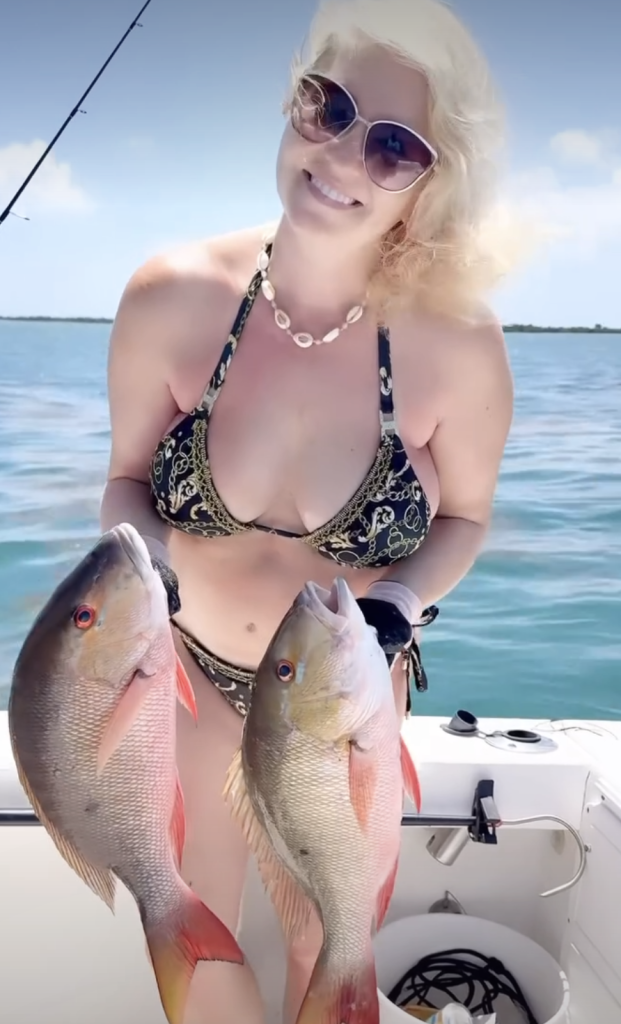
The Florida Keys backcountry, the shallow flats and basins on the Gulf side of the island chain, is where modern flats fishing as a sport was essentially invented, and the fishing here remains the standard against which flats fisheries worldwide are measured. Tarpon, bonefish, and permit, the three species that define the sport, are all present in the backcountry in numbers and sizes that draw anglers from around the world.
The spring tarpon migration through the Keys is one of the most anticipated annual events in all of fishing. Tarpon stack up along the ocean side and move through the channels and backcountry in numbers that create what old-timers used to describe as traffic jams of fish. Permit fishing on the flats requires a level of precision and patience that most anglers who haven’t specifically pursued the species don’t appreciate until they’ve tried it, and bonefish on the Keys flats are the foundational experience that the entire sport of flats fishing is built around.
The guide culture in the Keys has been developed over generations and represents some of the most experienced flats guides anywhere in the world. A day with a Keys backcountry guide isn’t just access to fish, it’s access to decades of accumulated knowledge about specific flats, tides, and fish behavior that would take years to develop independently.
🎣 What You’ll Catch
- Tarpon ⭐⭐⭐⭐⭐
- Bonefish ⭐⭐⭐⭐⭐
- Permit ⭐⭐⭐⭐⭐
- Snook and Redfish ⭐⭐⭐⭐
📅 Best Time To Fish
- Spring: Excellent (the tarpon migration is the signature event of the year)
- Summer: Excellent (tarpon remain strong, permit fishing peaks)
- Fall: Excellent (bonefish and permit both productive as crowds thin)
🏆 Trophy Potential – 10/10 (The birthplace of flats fishing and still the standard the rest of the world measures against.)
4. Lake Toho and the Kissimmee Chain (Second Look)
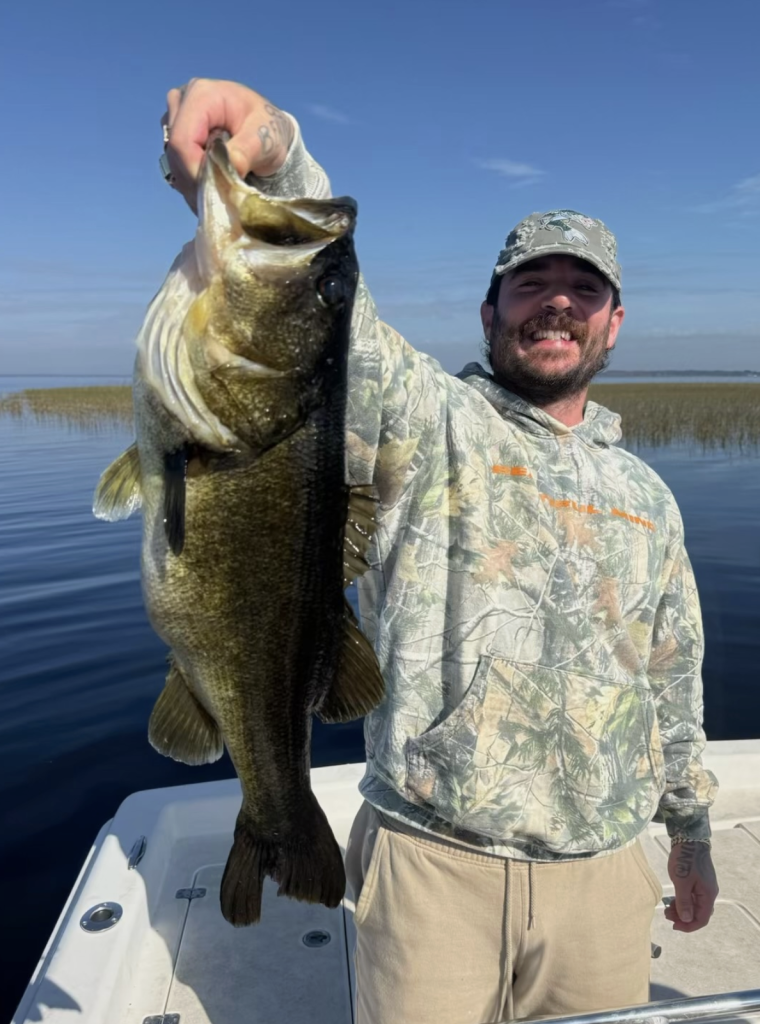
Lake Toho earned its individual entry at #20, but the Kissimmee Chain as a whole deserves recognition near the top of this list because the system represents the most concentrated trophy bass fishery in central Florida, and arguably in the country.
Toho, Lake Kissimmee, East Lake Toho, Cypress Lake, and Hatchineha all connect through the chain, and the combination of Florida-strain largemouth genetics, extensive grass habitat, and decades of careful fisheries management has produced a system that hosts more professional bass tournaments than almost any comparable body of water in America. The Bassmaster Elite Series and Major League Fishing both return to the Kissimmee Chain regularly, and the tournament weights reflect a system performing at the highest level the sport recognizes.
What makes the chain exceptional isn’t any single lake but the connectivity. Fish move between the lakes seasonally, and anglers who understand those movements and fish the chain as a system rather than isolated lakes consistently outperform those who pick one lake and stay there. For visiting anglers, a guide who fishes the entire chain rather than specializing in just one lake provides access to whatever section is fishing best that week.
🎣 What You’ll Catch
- Largemouth Bass ⭐⭐⭐⭐⭐
- Crappie (Speckled Perch) ⭐⭐⭐⭐⭐
- Bluegill ⭐⭐⭐⭐
- Spotted Sunfish ⭐⭐⭐
📅 Best Time To Fish
- Spring: Excellent (prespawn and spawn across the entire chain)
- Summer: Good (early mornings and deeper grass edges)
- Fall: Excellent (feeding activity throughout the connected system)
🏆 Trophy Potential – 9/10 (The most tournament-tested bass system in the country, with genuine trophy potential throughout.)
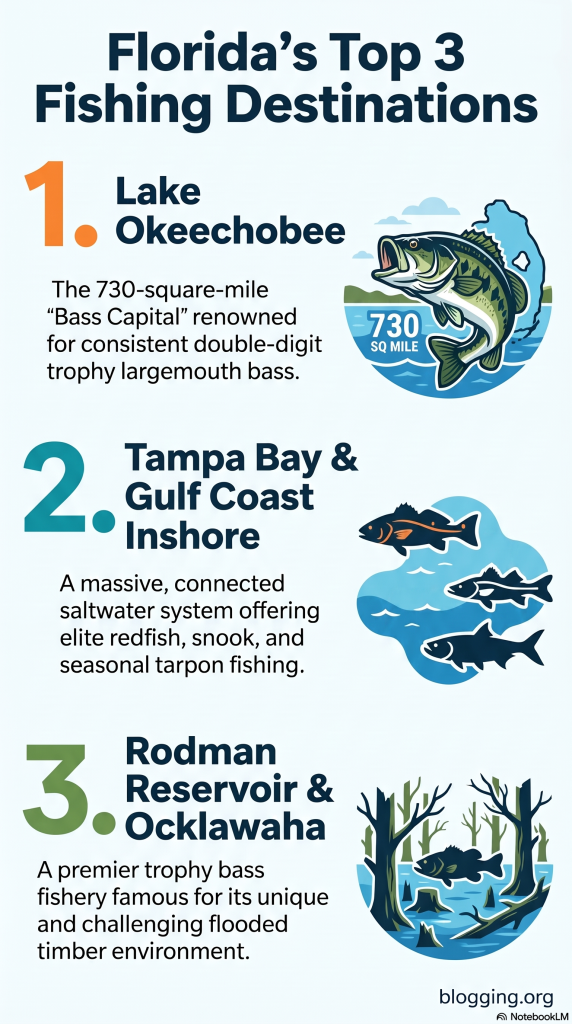
3. Rodman Reservoir and the Ocklawaha System (Second Look)
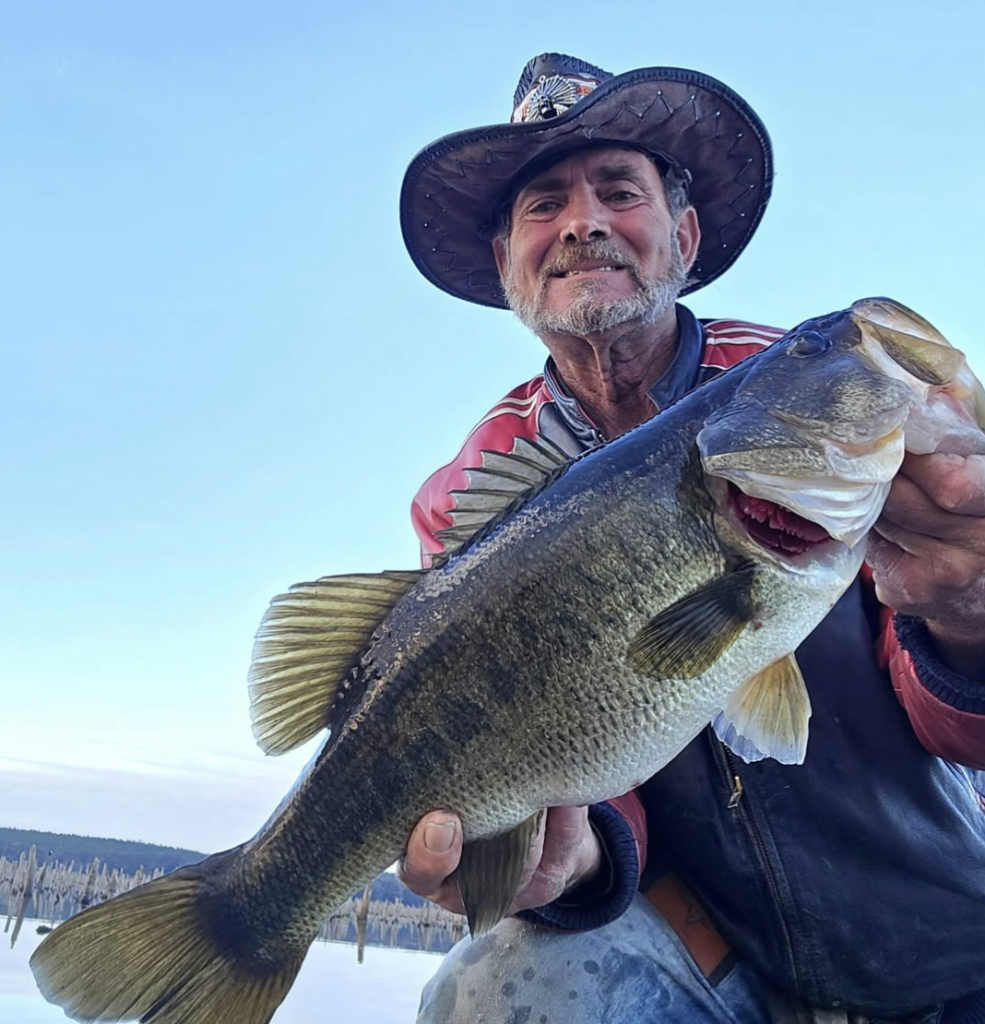
Rodman Reservoir earned its individual entry at #17, but it deserves a higher position when considered alongside the broader Ocklawaha River system that feeds it, because the combination represents one of Florida’s most significant and most contested fisheries.
The flooded timber that makes Rodman exceptional for bass exists because of the partially built Cross Florida Barge Canal, and the Ocklawaha River both above and below the reservoir holds its own bass and panfish populations in a more natural river setting. The contrast between the wild river sections and the flooded timber reservoir gives anglers two completely different experiences within the same general system.
The ongoing debate over whether to restore the Ocklawaha to its natural free-flowing state by removing the dam that creates Rodman has been one of Florida’s longest-running environmental and fishing community controversies. Bass anglers who value Rodman’s trophy fishery and environmental groups who want the river restored have been in tension for decades, and the outcome of that debate will eventually determine whether Rodman continues to exist in its current form. For now, it remains one of the best trophy bass fisheries in Florida, and anglers who haven’t fished it should do so while it exists in its current configuration.
🎣 What You’ll Catch
- Largemouth Bass ⭐⭐⭐⭐⭐
- Crappie ⭐⭐⭐⭐
- Catfish ⭐⭐⭐
- Bluegill (Ocklawaha sections) ⭐⭐⭐
📅 Best Time To Fish
- Spring: Excellent (bass active in the flooded timber)
- Summer: Good (fish hold deep in timber and river channels)
- Fall: Excellent (feeding activity increases throughout the system)
🏆 Trophy Potential – 9/10 (One of Florida’s premier trophy bass fisheries, with an uncertain long-term future that makes fishing it now worthwhile.)
2. Tampa Bay, Charlotte Harbor, and the Gulf Coast Inshore System (Second Look)
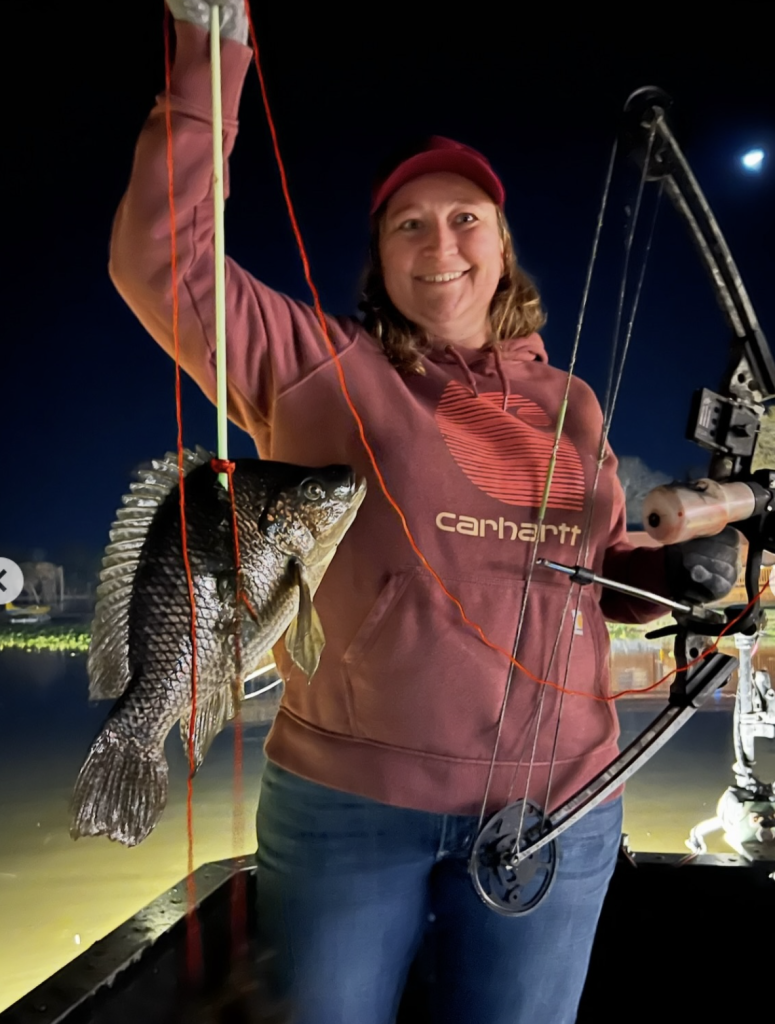
Tampa Bay and Charlotte Harbor earned an individual entry at #11, but the full Gulf Coast inshore system from Tampa south through Sarasota Bay, Charlotte Harbor, Pine Island Sound, and down to San Carlos Bay represents a connected inshore fishery of a scale that few other regions in the country can match.
This stretch of coastline holds redfish, snook, and spotted seatrout in numbers across hundreds of square miles of grass flats, mangrove shorelines, and passes, and the variety of access points, from major metropolitan launches in Tampa and Sarasota to more remote put-ins around Pine Island and Sanibel, means anglers can find both highly developed and genuinely wild stretches within the same general region.
Pine Island Sound and the waters around Sanibel and Captiva specifically produce excellent tarpon fishing in addition to the redfish and snook that define the broader system, adding another species to what’s already one of the most productive inshore regions in the country. The Gulf Coast’s barrier island chain creates a connected system of passes and sounds that fish move through seasonally, and understanding those movements is the difference between good fishing and exceptional fishing on any given day.
🎣 What You’ll Catch
- Redfish ⭐⭐⭐⭐⭐
- Snook ⭐⭐⭐⭐⭐
- Spotted Seatrout ⭐⭐⭐⭐⭐
- Tarpon (Pine Island Sound) ⭐⭐⭐⭐
📅 Best Time To Fish
- Spring: Excellent (all species active, tarpon beginning to stage)
- Summer: Excellent (tarpon peak in Pine Island Sound, redfish and trout remain strong)
- Fall: Excellent (peak activity across the entire system)
🏆 Trophy Potential – 9/10 (Hundreds of miles of connected inshore water, with genuine trophy potential for four major species.)
1. Lake Okeechobee
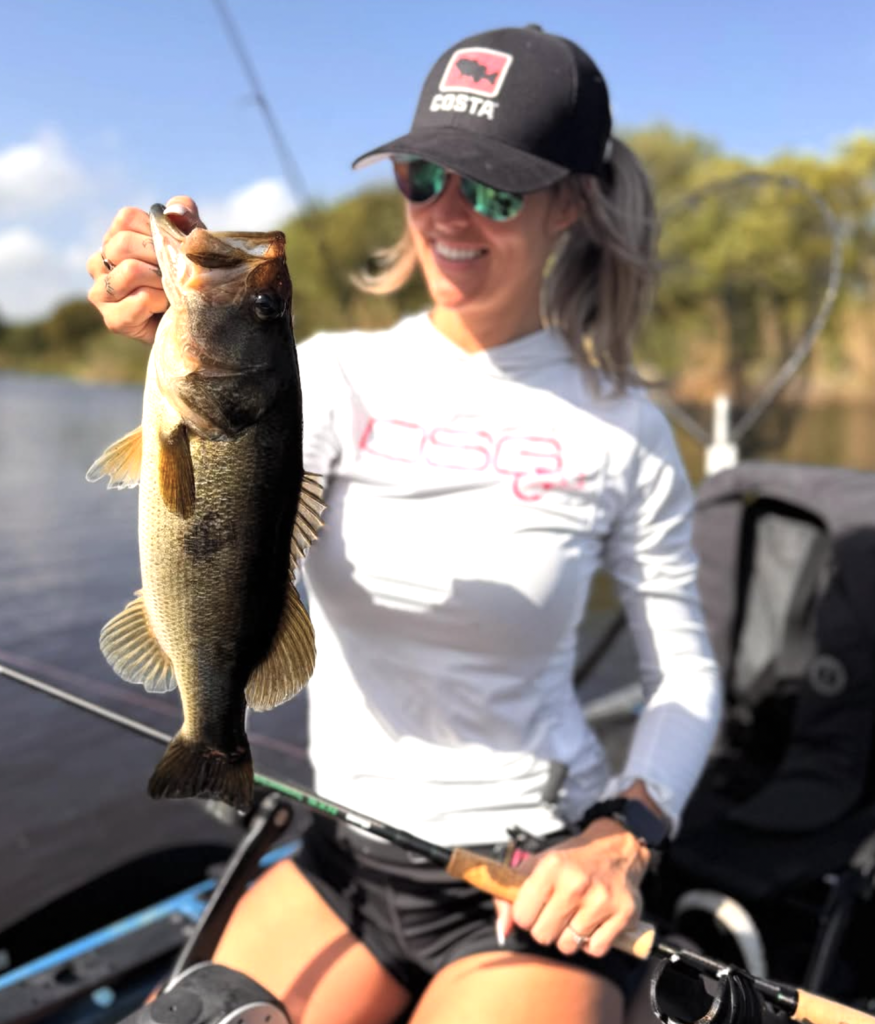
Lake Okeechobee is the largest freshwater lake in Florida at roughly 730 square miles and one of the premier largemouth bass fisheries in the world, and after everything else on this list, it still earns the top spot because of what it represents for Florida bass fishing as a whole.
The vast shallow water, extensive grass beds, canal systems, and diverse structure create conditions where productive water exists almost everywhere, which means anglers can find fish even when conditions change throughout a day. Five-fish tournament limits approaching 25 pounds are realistic for experienced anglers during the late winter and spring prespawn period, and double-digit individual bass are caught with enough regularity that they don’t stop the conversation the way they would almost anywhere else.
What it costs to fish it right: Guided trophy bass trips on Okeechobee run $350 to $500 per day for two anglers with an experienced guide who knows the current grass conditions, which change significantly from year to year based on water management decisions. Camping at the lake’s surrounding parks runs $20 to $40 per night, and waterfront fishing lodges in towns like Okeechobee and Clewiston run $150 to $400 per night.
The honest complications: Okeechobee’s water management is genuinely complicated and politically significant for the entire state, tied to Everglades restoration, agricultural water use, and coastal water quality from Lake Okeechobee discharges. Algae blooms have affected the lake periodically and can impact both fishing conditions and access. The thick vegetation that makes the lake productive also makes navigation hazardous for anglers unfamiliar with the lake, and local knowledge or a guide is genuinely valuable on a first visit.
None of that changes what Okeechobee is. It’s the lake that anchors Florida’s reputation as the best bass fishing state in the country, and a late winter or early spring trip here, with the right conditions and the right guide, produces the kind of day that explains why serious bass anglers from every other state eventually make the trip.
🎣 What You’ll Catch
- Largemouth Bass ⭐⭐⭐⭐⭐
- Crappie (Speckled Perch) ⭐⭐⭐⭐⭐
- Bluegill ⭐⭐⭐⭐
- Catfish ⭐⭐⭐⭐
📅 Best Time To Fish
- Winter/Spring: Excellent (prespawn bass produce the biggest fish of the year)
- Summer: Good (deep water and canal fishing as bass avoid the heat)
- Fall: Excellent (feeding activity increases across the entire lake)
🏆 Trophy Potential – 10/10 (World-renowned for consistent double-digit bass, and the lake that defines Florida’s reputation as the best bass fishing state in America.)
The Many Amazing Fishing Locations Throughout Florida
Florida fishing rewards anglers who understand that the state offers two completely different world-class fisheries simultaneously. The freshwater bass lakes, anchored by Okeechobee and the Kissimmee Chain, produce trophy largemouth at a scale no other state matches. The saltwater flats, from the Keys to the Everglades to Tampa Bay, define what modern inshore and flats fishing means as a sport.
Check current regulations at FWC before every trip. Freshwater and saltwater licenses are separate and both are required if you’re planning to fish both during the same visit. Snook and tarpon have specific seasonal and permit requirements that catch visiting anglers off guard regularly.
The fish are here in numbers and sizes that the rest of the country builds entire vacations around. Most of it is closer than people think.