25 Michigan Lakes and Rivers That Keep Anglers Coming Back Year After Year

Michigan is surrounded by four of the five Great Lakes and contains more than 11,000 inland lakes. It has over 36,000 miles of streams. The Upper Peninsula alone covers an area larger than Connecticut, Massachusetts, and Rhode Island combined, and most of it is water, forest, and not many people.
The fishing here is not a regional secret. Michigan consistently ranks among the top five fishing states in the country, and people who grew up here tend to be quietly smug about it in the way that only makes sense once you’ve seen what the lakes can do.
This list covers inland lakes, Great Lakes ports, and rivers across both peninsulas. It goes from solid and accessible at the bottom to the kind of fishing that people move to Michigan to be near at the top. Everything on it is worth your time. Some of it requires a boat. Some of it you can do from a pier in jeans. Read all the way down before you decide what to try first.
Before any trip, check current regulations at the Michigan DNR Fishing Page. The 2026 regulations run April 1, 2026 through March 31, 2027 and include changes to bass size limits, burbot limits, and several other species.
A fishing license is required for anyone 17 and older. Clean, drain, and dry all gear between water bodies. Zebra mussels and Eurasian watermilfoil have already spread farther than anyone wanted and the effort to stop them going further is real.
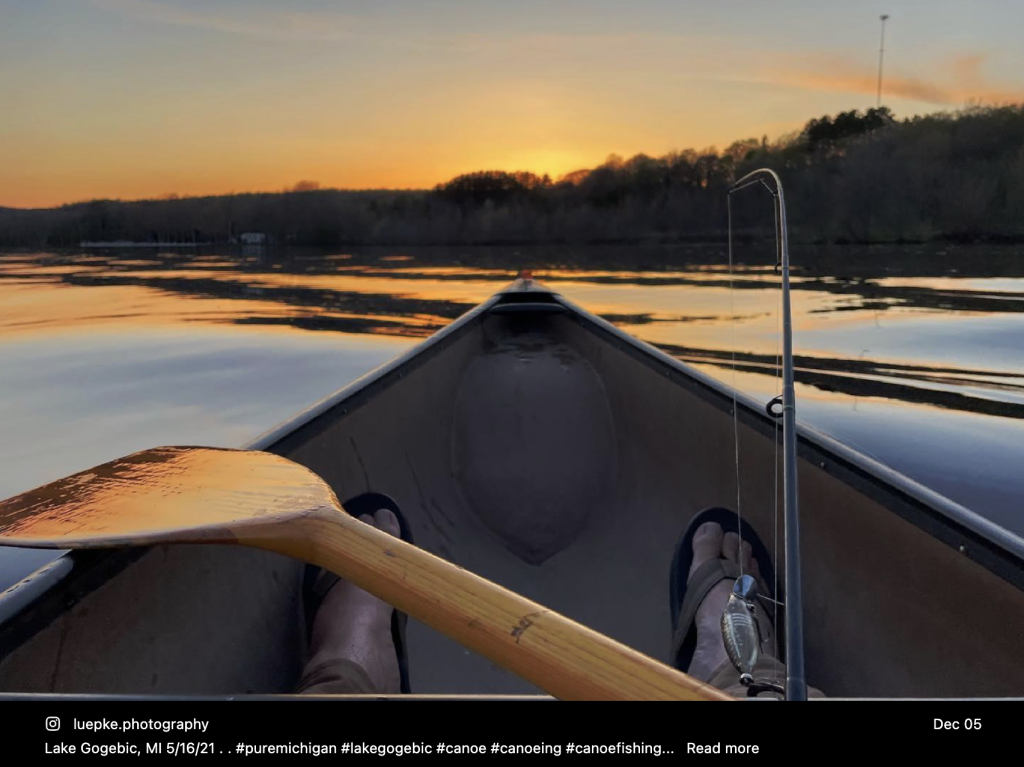
21. Lake Gogebic (Upper Peninsula, Gogebic and Ontonagon Counties)
Lake Gogebic is the largest lake in the Upper Peninsula, covering nearly 13,700 acres of water tucked into the western UP near the Wisconsin border. Walleye are the primary draw and the lake produces them consistently, with jumbo yellow perch, smallmouth bass, northern pike, and excellent ice fishing rounding out a fishery that doesn’t get the attention it deserves from anglers who don’t already know about it.
Public access is good, the boat ramps are functional, and the drop-offs and weed beds provide the kind of structure that keeps fish in predictable locations once you learn the water. The remote location keeps pressure lower than similar fisheries further south.
The honest limitations are the distance from population centers, wind that can make the open water genuinely rough, and ongoing invasive species management that comes with any large water body in Michigan. UP Travel covers the area well if you’re planning a trip from outside the region.
Best timing: Spring and early summer for walleye, winter for ice fishing on perch and pike.
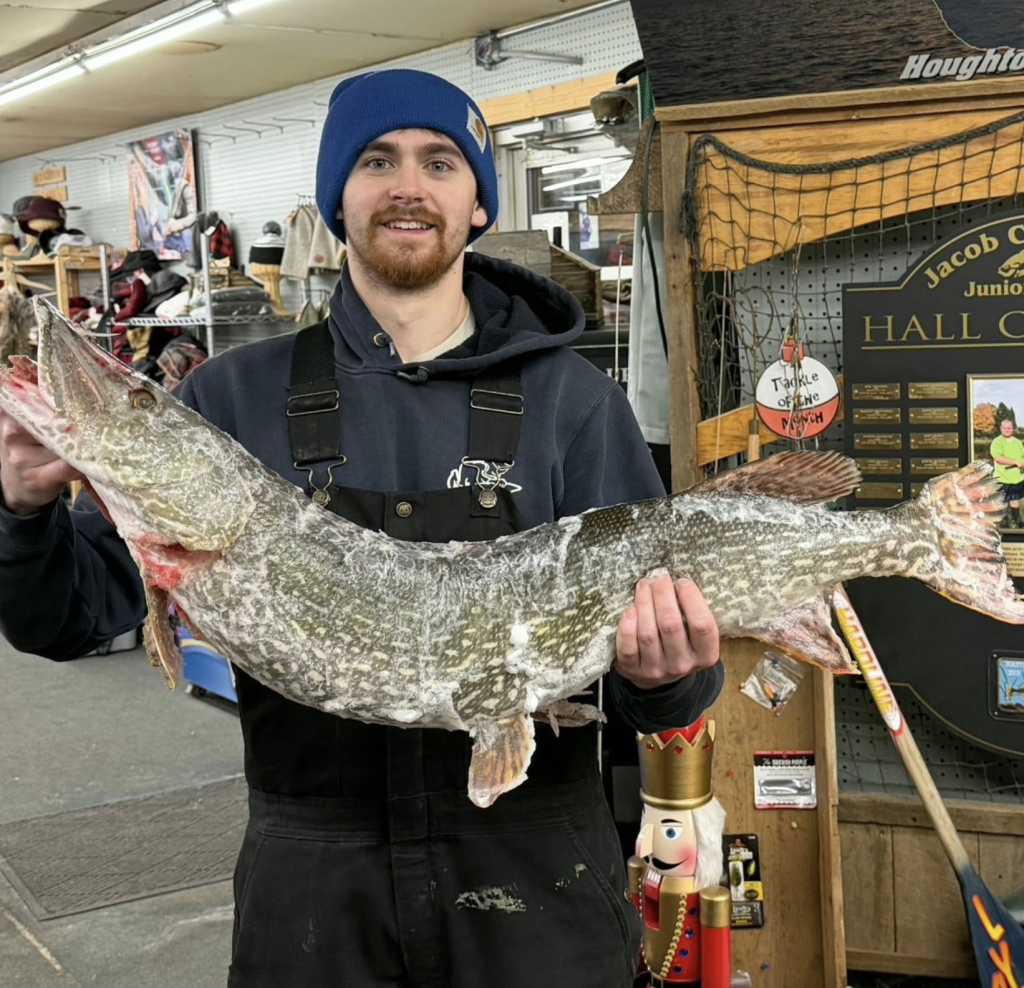
20. Higgins Lake (Roscommon County)
Higgins Lake has been called one of the most beautiful lakes in the world and the description isn’t far off. The water is exceptionally clear, the depth drops quickly from the shoreline, and lake trout, brown trout, rainbow trout, walleye, and perch all live in water that lets you see the bottom in places you’d expect it to be invisible.
The clarity that makes it beautiful also makes the fishing technical. Fish can see your line, your presentation, and you, which means sloppy technique gets punished here more than on murkier water. The ice fishing season draws serious crowds for good reason, and summer boat traffic from the state park campgrounds means peak season can feel more crowded than the fishing quality rewards.
onX Fish covers the lake in detail with current access and species information. Go on a weekday in the shoulder season and Higgins is a different experience than the July weekend version.
Best timing: Spring and fall for trout, winter for ice fishing, early summer for walleye before boat traffic picks up.
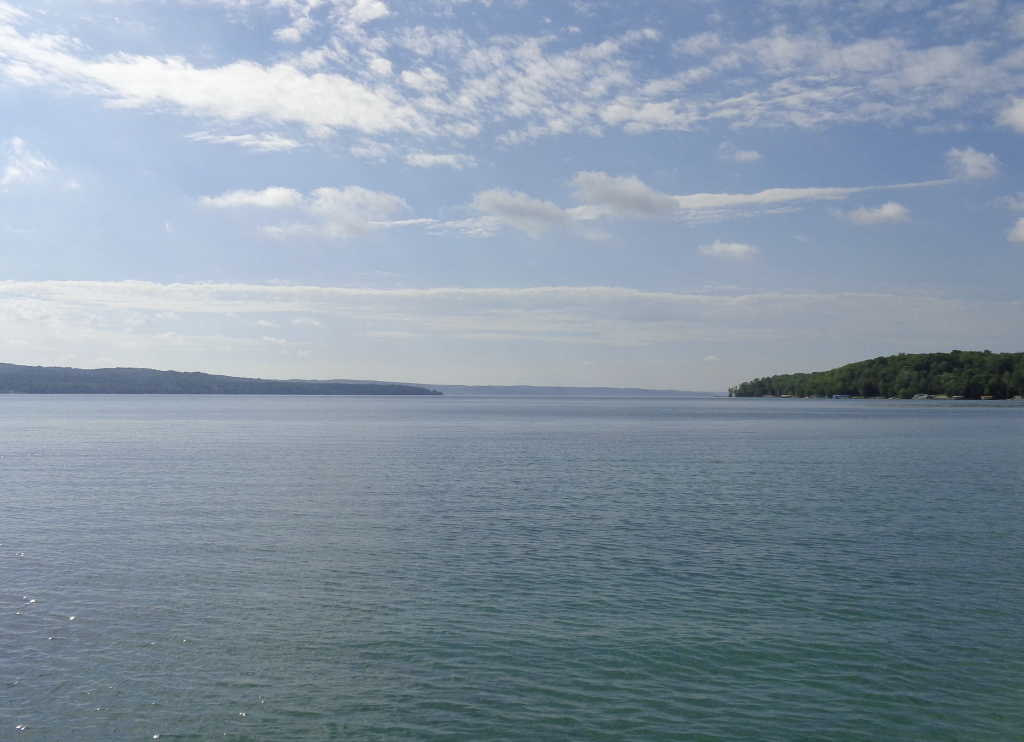
19. Torch Lake (Antrim County)
Torch Lake shows up on lists of the most beautiful lakes in the Western Hemisphere regularly, and the turquoise color of the water in midsummer is the kind of thing that makes people stop whatever they’re doing and take a picture. Lake trout, smallmouth bass, yellow perch, and salmon all live here, and the clear water allows sight fishing opportunities that aren’t available on most Michigan lakes.
The depth is the main fishing challenge. Torch drops to over 300 feet in places, which means fish are often suspended well below where casual anglers are working. A boat with depth-finding electronics changes what’s possible here. Summer boat traffic is heavy given the scenery, which pushes serious fishing to early mornings and the shoulder seasons.
Best timing: Early summer and fall for lake trout, summer mornings for smallmouth bass.
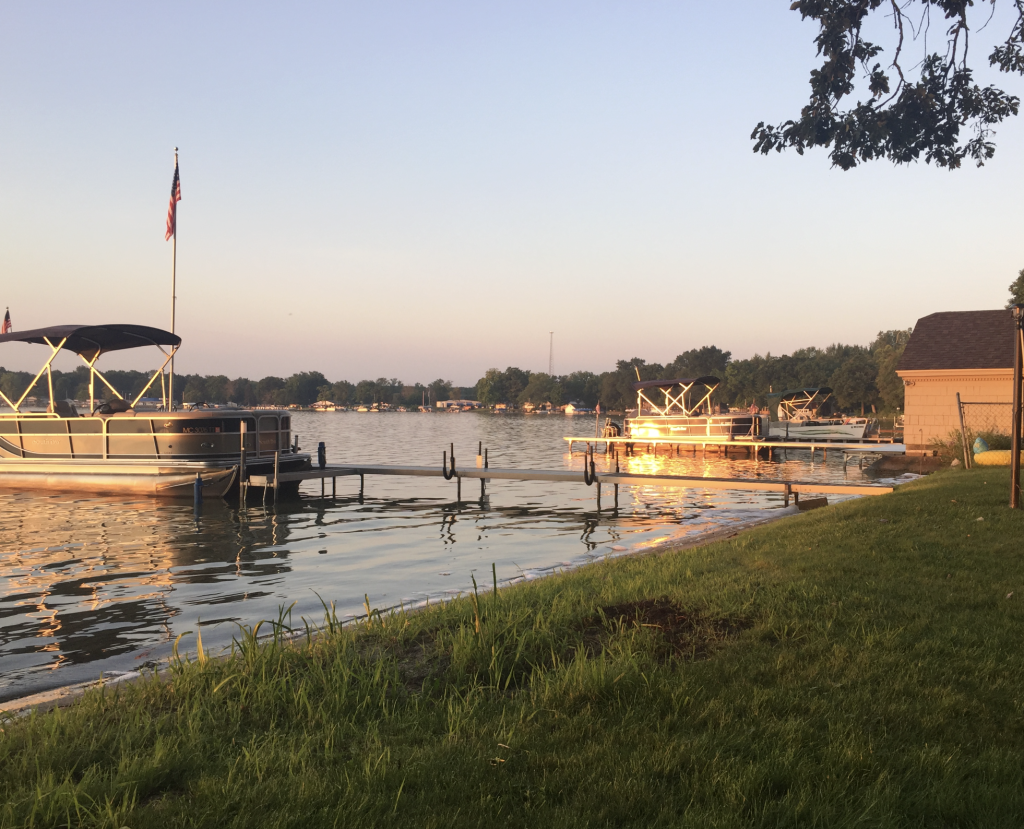
18. Gun Lake (Barry and Kalamazoo Counties)
Gun Lake sits in southwest Michigan and produces strong populations of northern pike, walleye, largemouth and smallmouth bass, and yellow perch across a fishery that’s approachable for anglers of most experience levels. The weed lines are well-defined, the public ramps are accessible, and the lake has enough structure variety to reward both the person fishing for the first time and the person who has been at it for decades.
Growing popularity has increased pressure here, which is the honest trade-off for a lake this productive and this close to population centers. Variable water levels tied to seasonal conditions can shift where fish are holding from trip to trip. onX Fish includes current access information for Gun Lake as part of their Michigan coverage.
Best timing: Spring for northern pike in the shallows, summer for bass and walleye, fall for pike again as water cools.
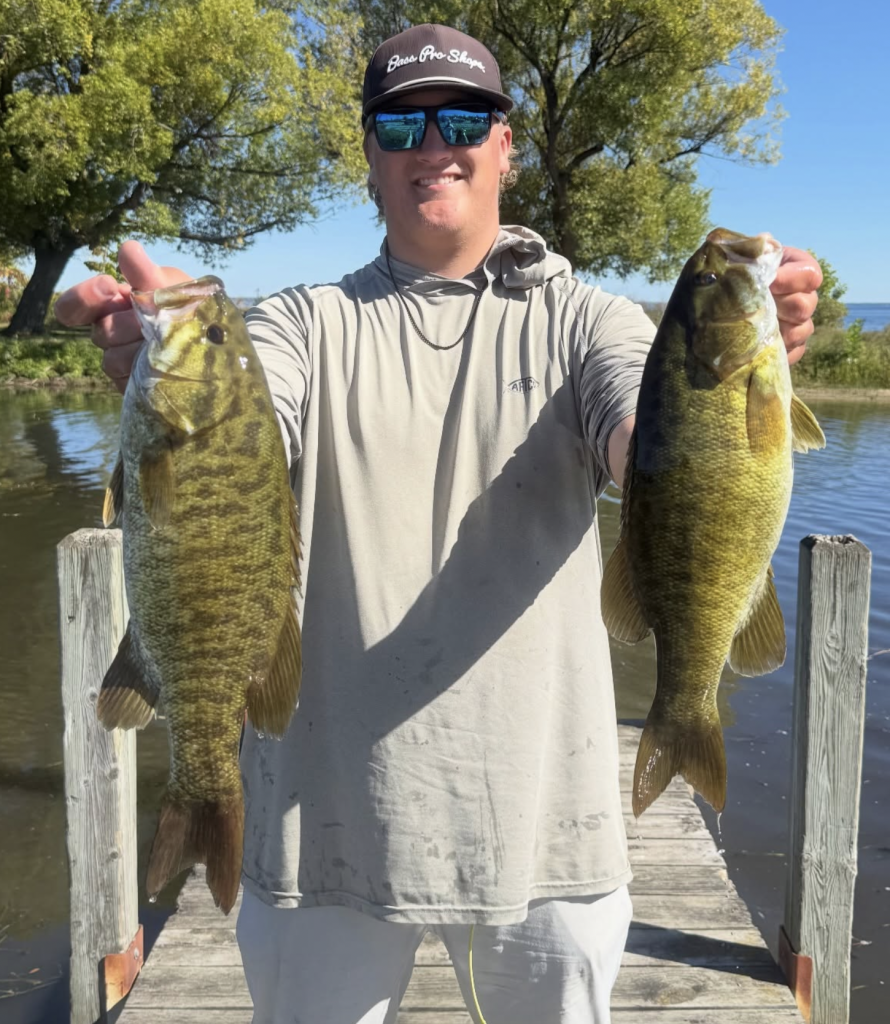
17. Houghton Lake (Roscommon County)
Houghton Lake is Michigan’s largest inland lake at roughly 22,000 acres, and the fishing reflects the scale. Walleye, northern pike, largemouth and smallmouth bass, bluegill, crappie, and yellow perch all live here in numbers that make multi-species days common rather than exceptional. The weed beds are extensive and productive, the access points are numerous, and families have been fishing this lake for generations.
The pressure is real and consistent. Houghton Lake is not a secret and it never has been. Open water season brings serious crowds and ice fishing season brings arguably more. The ongoing debate about weed management between anglers who want the vegetation for fish habitat and property owners who want cleaner water is a familiar tension on productive Michigan lakes.
Visit Houghton Lake’s fishing page is worth checking before a first trip for current conditions and access details.
Best timing: Spring walleye, summer panfish and bass, winter ice fishing for perch and pike.
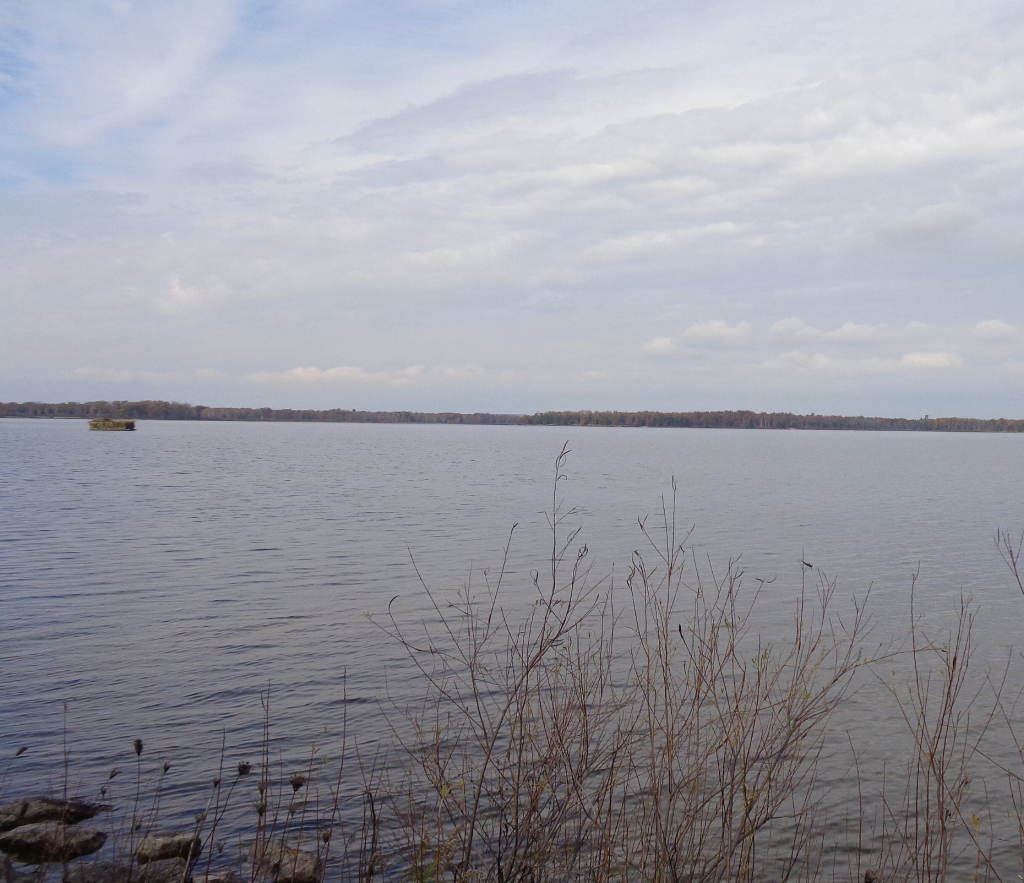
16. Lake St. Helen (Roscommon County)
Lake St. Helen sits just south of Houghton Lake in Roscommon County and offers a quieter alternative to its more famous neighbor with walleye, bass, northern pike, and panfish in a more intimate setting. Anglers who find Houghton Lake too crowded or too large to navigate effectively often end up here and find the fishing consistently solid without fighting for space on the water.
The lake covers about 2,600 acres, which is large enough to hold meaningful fish populations but small enough that a single day with a boat covers the productive structure thoroughly. That manageability is the appeal for anglers who want results without spending half the day just locating fish on unfamiliar water.
The size is the honest trade-off for trophy hunters. St. Helen doesn’t produce the pike or walleye sizes that Houghton Lake occasionally throws up, and a serious trophy angler will eventually want the bigger water nearby. It earns its place on this list as the pressure-relief valve in a county that sees more fishing traffic than almost anywhere else in the Lower Peninsula.
Best timing: Spring and fall for walleye and pike, summer for bass and panfish.
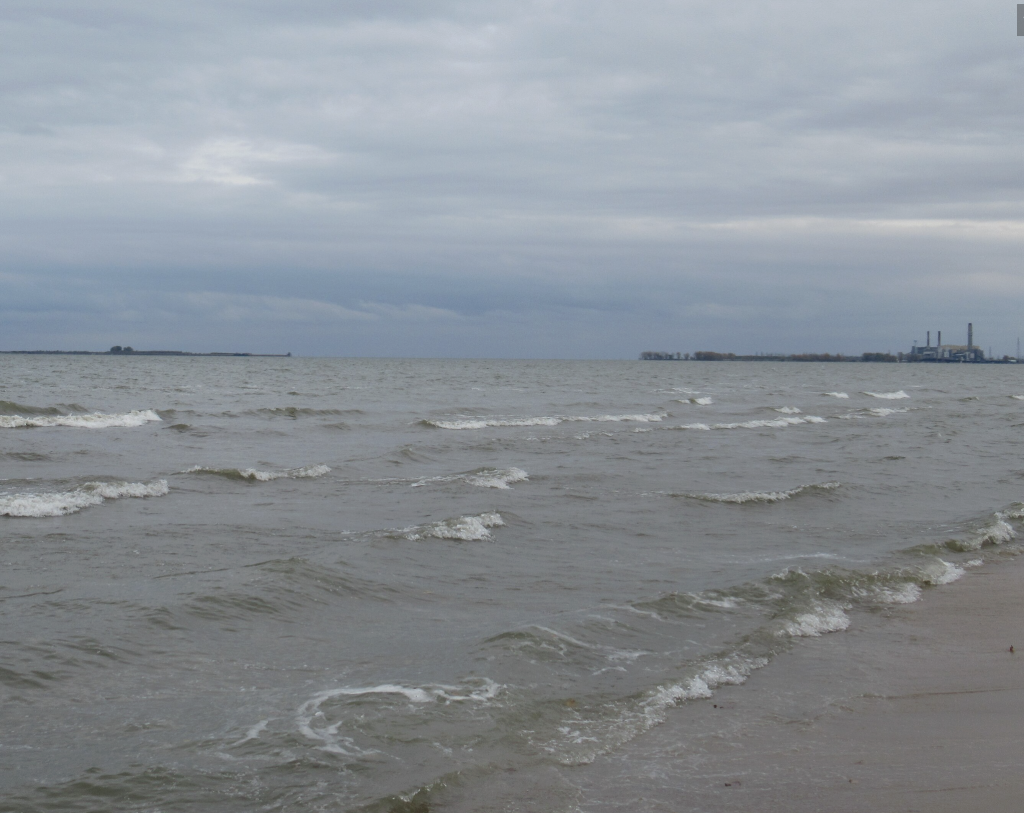
15. Saginaw Bay (Lake Huron)
Saginaw Bay is one of Michigan’s most productive walleye fisheries and consistently ranks among the better walleye destinations in the entire Great Lakes region. The shallow, warm waters of the bay create ideal conditions for walleye through most of the open water season, and the perch, bass, and northern pike fishing add real depth to what’s already a destination fishery.
Shore access is reasonable in many locations and boat launches are well-distributed around the bay, making it one of the more accessible Great Lakes fisheries on this list. The shallow water that makes it productive also makes it prone to choppiness in wind and seasonal algae blooms that affect both water quality and fishing in certain areas.
FishingBooker’s Michigan guide covers Saginaw Bay charter options and seasonal timing. The Michigan DNR publishes weekly walleye reports for the bay during season that are worth following.
Best timing: Spring for the walleye spawn in the shallows, fall for big walleye moving back into feeding mode, year-round for perch.
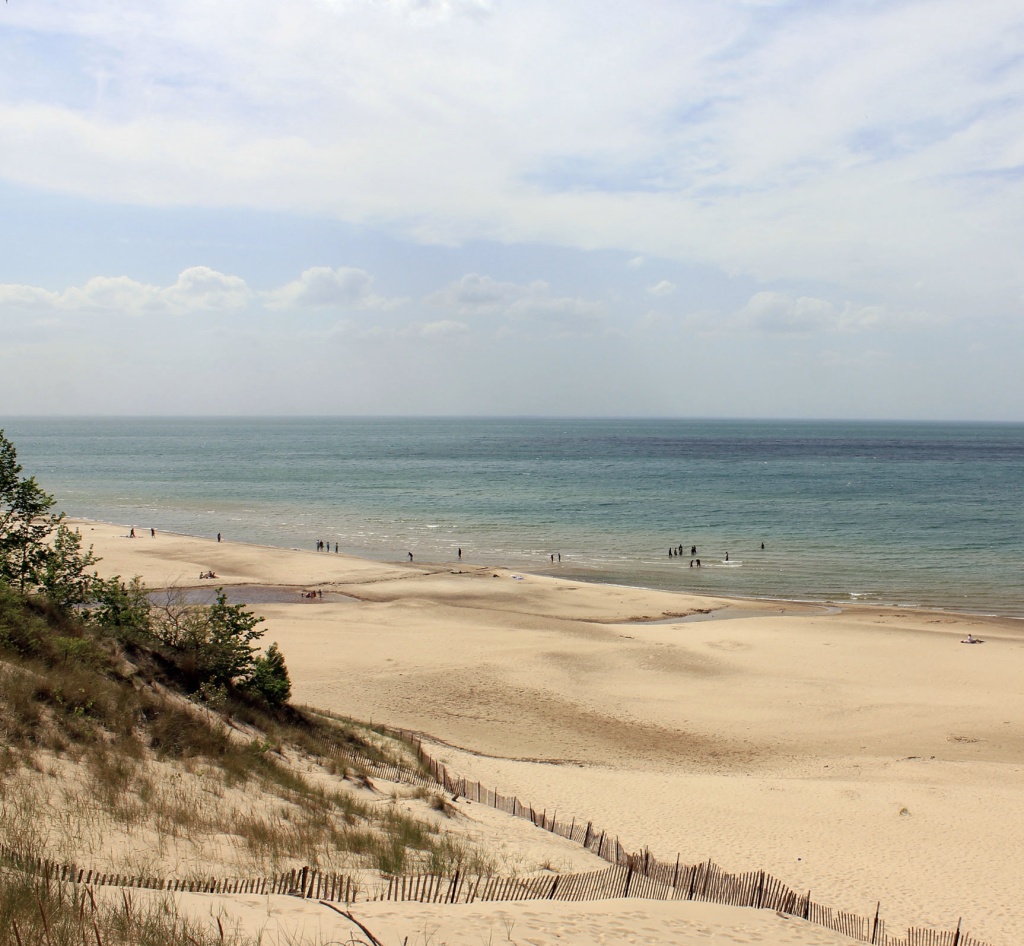
14. Lake Michigan by Charter (Manistee, Ludington, South Haven Ports)
Lake Michigan’s eastern shore has produced some of the most remarkable salmon fishing in freshwater history, and while the Chinook runs aren’t what they were at their peak in the 1980s, they’re still significant enough to draw serious anglers from across the country every summer. Chinook salmon, coho salmon, lake trout, steelhead, and yellow perch all come into range of the charter boats working out of ports like Manistee, Ludington, and South Haven.
The charter infrastructure along this coast is excellent. A half-day salmon trip typically runs $100 to $175 per person depending on the port and the time of season. Full-day trips run $150 to $250 per person. The equipment, knowledge, and access these charters provide is genuinely worth it for anglers who don’t have their own offshore boat.
This entry is specifically about the charter experience out of individual ports. The broader Lake Michigan fishery, including its river tributaries, pier fishing, and full scope of species, is why it earns the top spot on this list. That picture is at number one.
Weather dependency is the constant variable. The lake can go from glassy to dangerous faster than feels possible, and charter captains cancel trips more often than they’d like because of it. Build flexibility into any Lake Michigan trip and don’t book something you can’t adjust.
Best timing: June through August for Chinook salmon, spring for steelhead near river mouths, fall for coho.
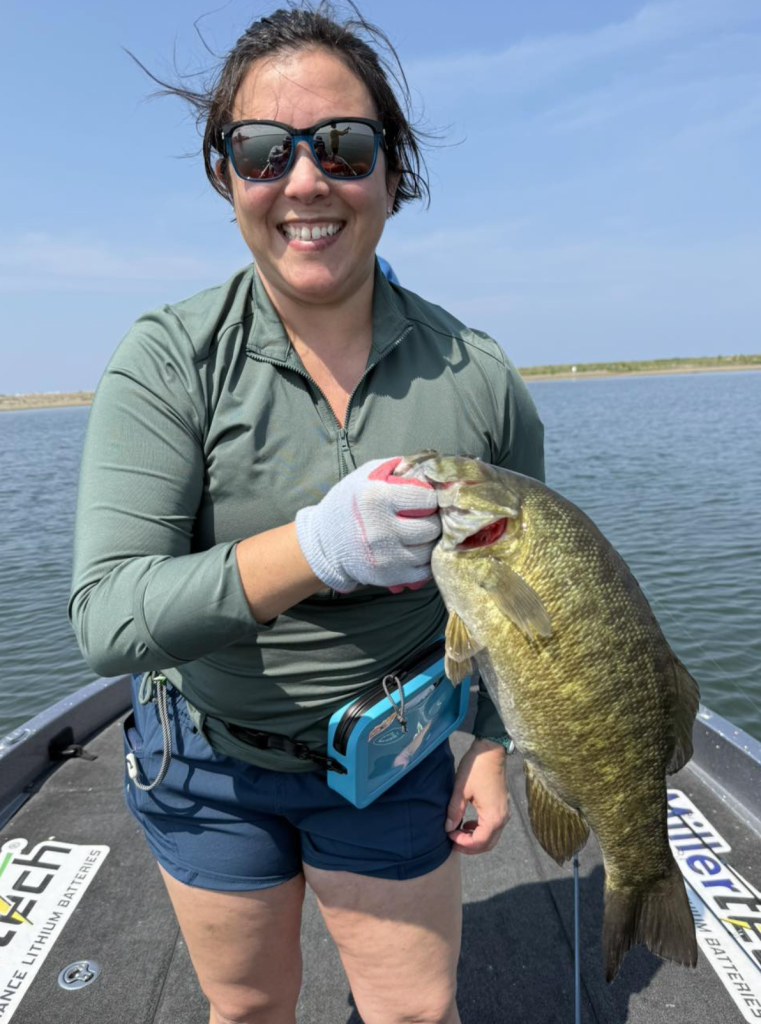
13. Lake Erie Western Basin (Michigan Waters)
Michigan’s slice of Lake Erie’s western basin is the smallmouth bass capital of the Great Lakes and the walleye fishing here is in the same conversation as any walleye fishery in North America. The rocky shoals and warm, relatively shallow water of the western basin create ideal conditions for both species, and anglers who know the right structure consistently put fish in the boat.
The challenge here is navigation and regulation. Lake Erie is shared by Michigan, Ohio, and Ontario, which means you can fish your way into different rule sets depending on where you are on the water. The cross-border regulations are worth understanding before you go rather than discovering mid-trip. Heavy boat traffic during peak season is real and the fishing pressure on the best walleye structure is significant.
Net Dreams Fishing covers the Michigan Erie access points with current information on launches and conditions.
Best timing: May through June for walleye spawning season, summer for smallmouth bass, fall for trophy walleye.
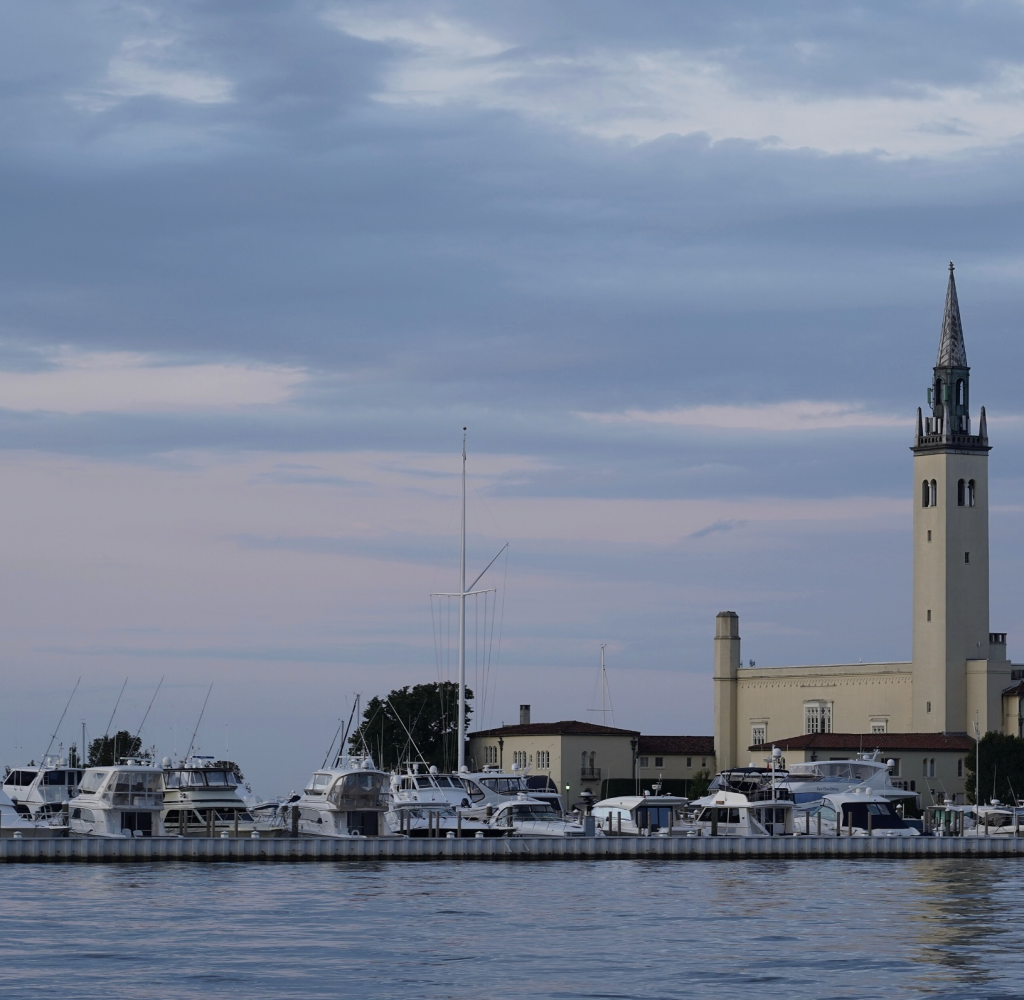
12. Lake St. Clair (Including the Detroit River)
Lake St. Clair sits between Michigan and Ontario and holds what serious bass anglers consider some of the best smallmouth bass fishing in the world. The combination of clear water, abundant forage in the form of gobies and crayfish, and varied structure across the flats and channels produces smallmouth in the four to six pound range with a consistency that doesn’t happen on most waters anywhere in the country.
Muskellunge fishing on Lake St. Clair has its own dedicated following and the muskie population is healthy. Walleye, yellow perch, and lake sturgeon are also present in meaningful numbers. Urban access near Detroit is better than you’d expect for a fishery of this caliber, with multiple public launches on both the Michigan and Ontario sides.
FishingBooker’s Lake St. Clair guide covers the current charter options and seasonal patterns in detail. High boat traffic and urban runoff are the honest trade-offs for a lake this accessible and this productive.
Best timing: May through June for peak smallmouth, summer for muskie, fall for late-season walleye.
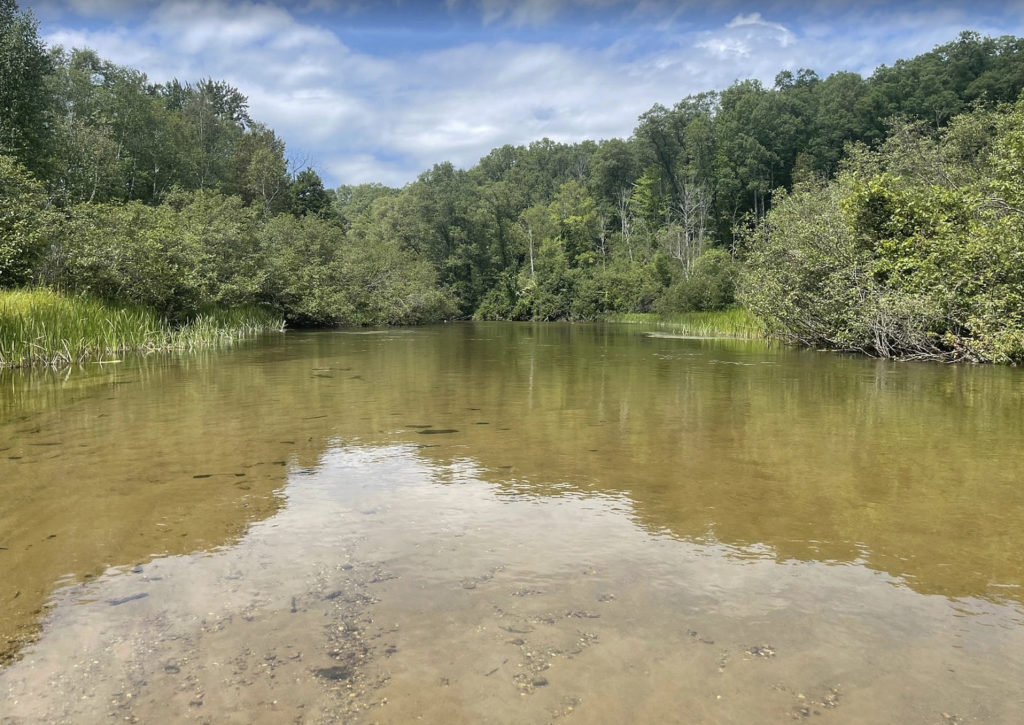
11. Manistee River (Including Little Manistee)
The Manistee River is one of Michigan’s most complete river fisheries. Steelhead, Chinook and coho salmon, brown trout, and smallmouth bass all use the river at different points in the year, which means there’s almost always something worth targeting. The fly fishing and drift boat sections are well-established and the infrastructure for guided trips is solid.
The Little Manistee tributary deserves its own mention. It’s one of the most important steelhead streams in the state and the fishing in the accessible sections during the spring run is exceptional.
Pressure during peak salmon and steelhead runs is the honest limitation. The popular bank access points fill up and the quality of the experience drops significantly when you’re shoulder to shoulder with other anglers. Water levels tied to dam releases upstream can also shift conditions quickly and unpredictably.
FishingBooker covers the Manistee in detail with current guide options and timing.
Best timing: April through May for steelhead, September through October for Chinook salmon, November for late coho.
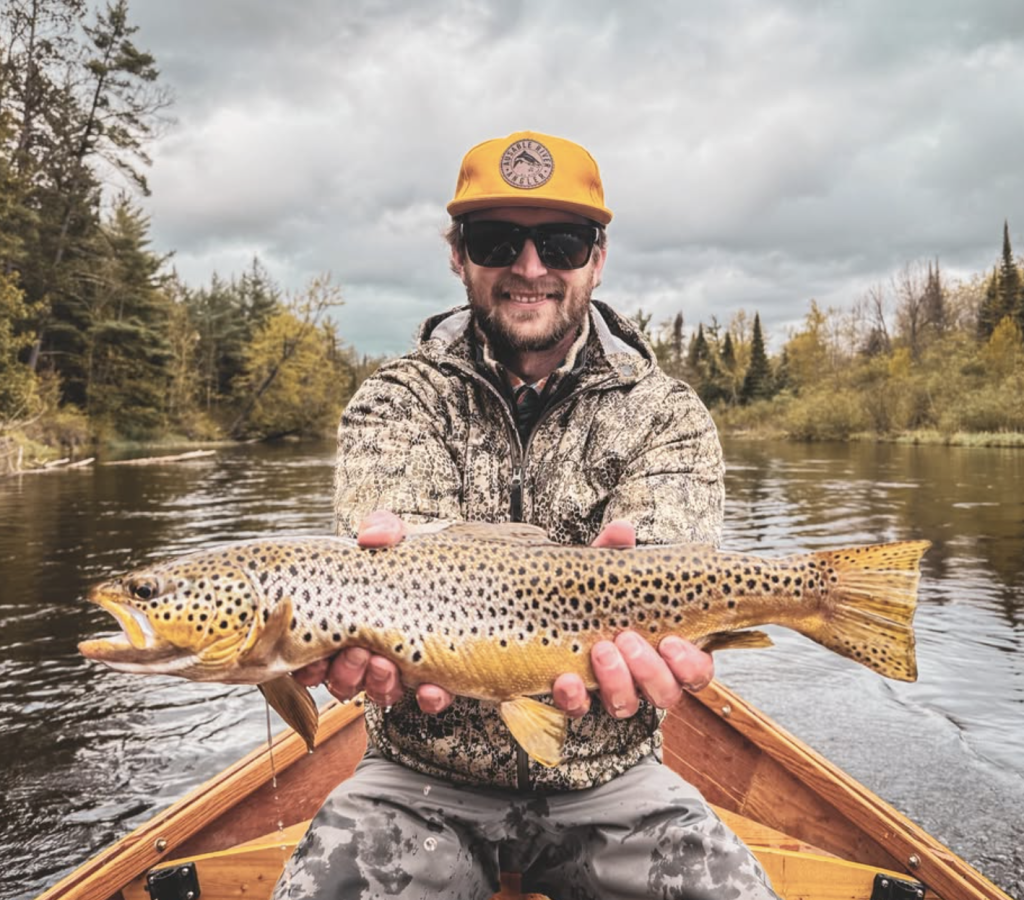
10. Au Sable River
The Au Sable River is the most storied trout stream in Michigan and one of the most recognized fly fishing rivers in the United States. The Holy Water section, a catch-and-release only stretch near Grayling, is where fly anglers from across the country come to test themselves against brown trout that have seen every fly pattern ever tied. Brook trout, rainbow trout, and stream smallmouth bass round out the species list.
The river’s reputation has been earned through decades of careful management and advocacy from groups like the Au Sable River Watershed Council. The quality of the fishery reflects that commitment in ways that are immediately apparent when you’re standing in it.
The crowds are the trade-off. The Holy Water is famous and it fishes accordingly on summer weekends. Weekday trips and the shoulder seasons produce a different experience. The less-publicized stretches downstream from the famous sections hold good fish with considerably less company.
The Michigan DNR Trout Trails resource includes the Au Sable with detailed access and seasonal information.
Best timing: May through June for peak dry fly fishing, September through October for fall brown trout.
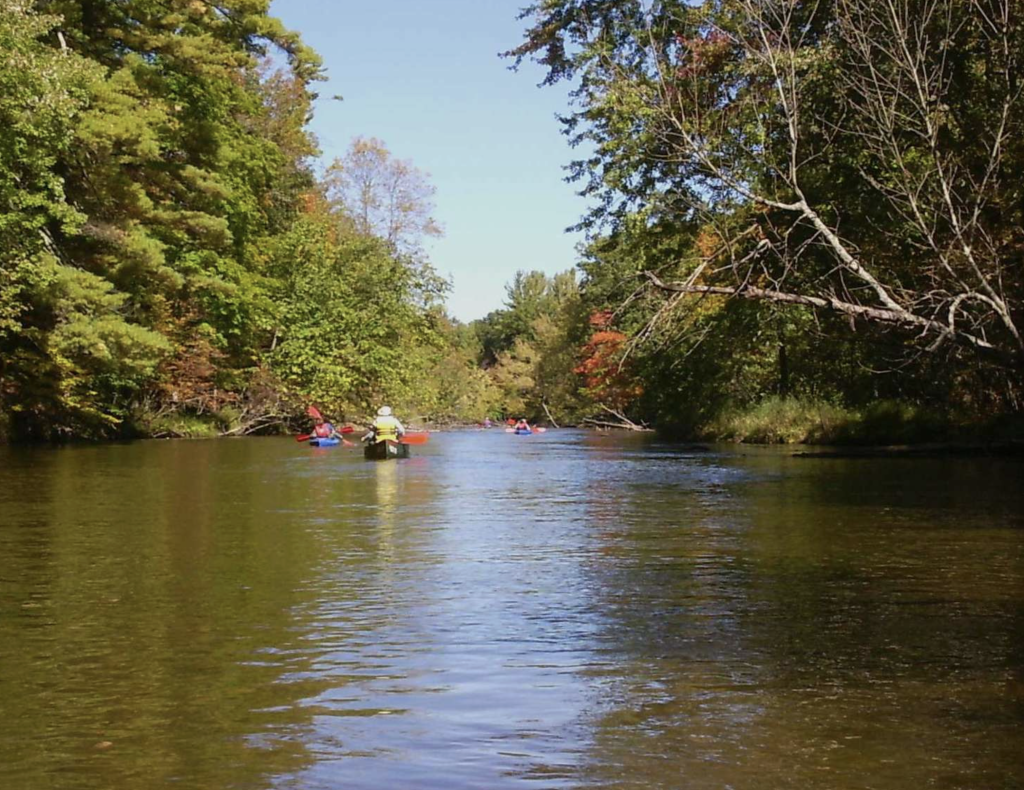
9. Pere Marquette River
The Pere Marquette is a designated Wild and Scenic River and one of the premier steelhead streams in the country. The winter and spring steelhead runs draw anglers from across the Midwest and beyond, and the summer trout fishing on the upper stretches holds up well enough to make it a multi-season destination rather than a single-run pilgrimage.
Chinook and coho salmon enter the river in fall, which stacks an entirely different fishery on top of the resident trout population. The cold, spring-fed water keeps temperatures stable through the summer when most Michigan rivers warm to the point of stressing salmonids, which is a significant advantage.
Seasonal crowds at the popular access points are the consistent drawback. The Pere Marquette’s reputation brings anglers who have made specific trips to be there, which means competition for the best pools during peak runs. Local guide services know the river well enough to find water that isn’t being fished by twenty other people at once.
Best timing: January through April for steelhead, September through October for Chinook salmon, summer for resident brown trout.
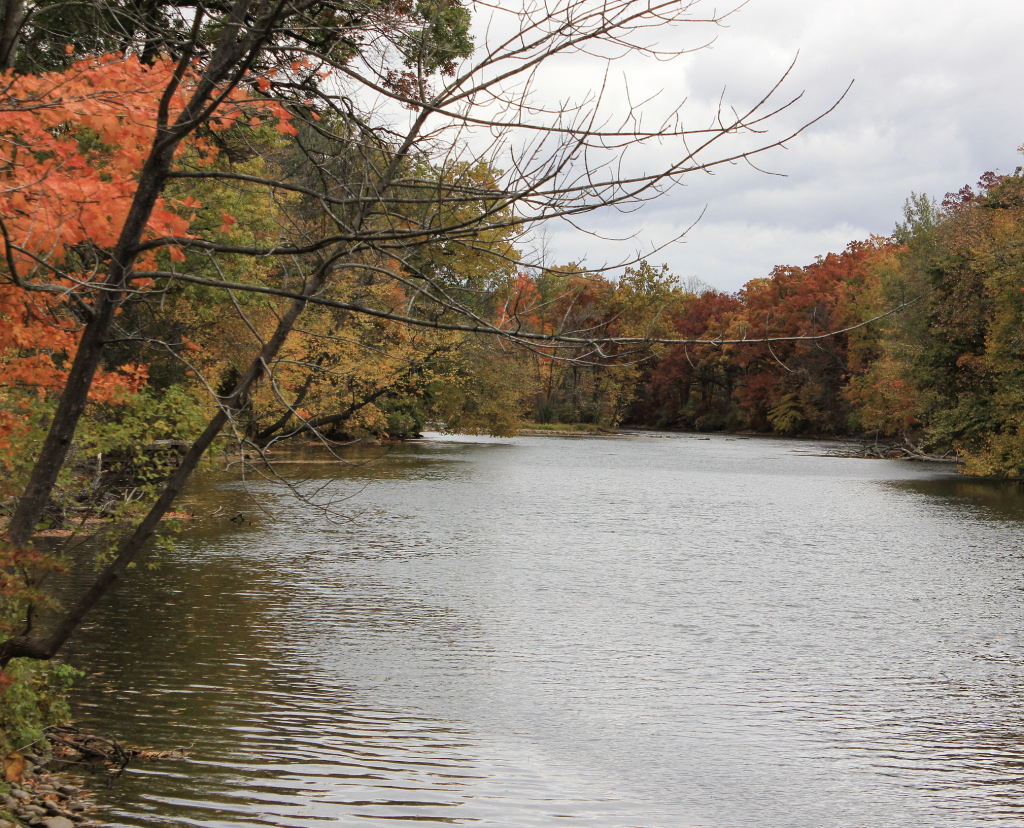
8. Muskegon River
The Muskegon River is the largest river system in Michigan’s Lower Peninsula and it produces a legitimate claim to most complete river fishery in the state. Chinook salmon, coho salmon, steelhead, walleye, smallmouth bass, and brown trout all move through different sections at different times of year, and the variety across the river’s length from Croton Dam down to Muskegon Lake gives anglers multiple different fisheries to work.
The Muskegon has been managed successfully through a period of significant habitat work, and the salmon and steelhead runs have benefited. The drift boat fishing here is particularly productive, and the guide community on the river is experienced and well-organized.
Dam influences on flow patterns are the primary variable to understand before a trip. Croton Dam releases affect water temperature and level in ways that directly influence fish behavior and location. Local guides and current DNR flow reports help significantly with timing.
Best timing: Spring for steelhead, September through October for Chinook, fall for walleye.
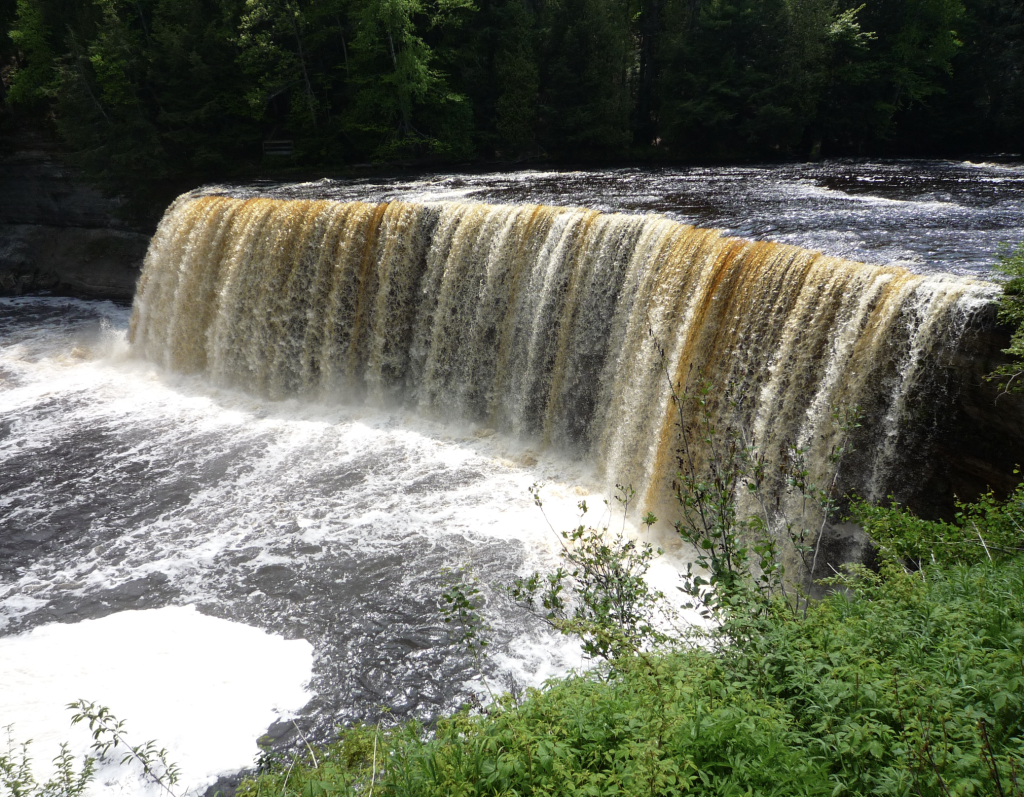
7. Tahquamenon River (Upper Peninsula)
The Tahquamenon River drains a large section of the eastern Upper Peninsula and flows through some of the most genuinely remote terrain accessible by road in Michigan. Northern pike, muskellunge, walleye, yellow perch, smallmouth bass, brook trout, and lake trout all inhabit different sections of the river and its associated lakes. The upper river, famous for its tannin-stained amber falls, holds different species than the lower stretches near Lake Superior.
The scenery here is as good as anything Michigan offers, which is saying something. The Tahquamenon Falls State Park gives access to the river in a maintained setting while the sections away from the park feel genuinely remote.
Bear activity is a real consideration in this part of the UP and not just a disclaimer. The fishing pressure is low compared to what the river deserves, which benefits anglers willing to make the drive. Tahquamenon Country tourism covers access and species information for the region.
Best timing: Summer for bass and pike, fall for muskie, spring for walleye in the lower stretches.
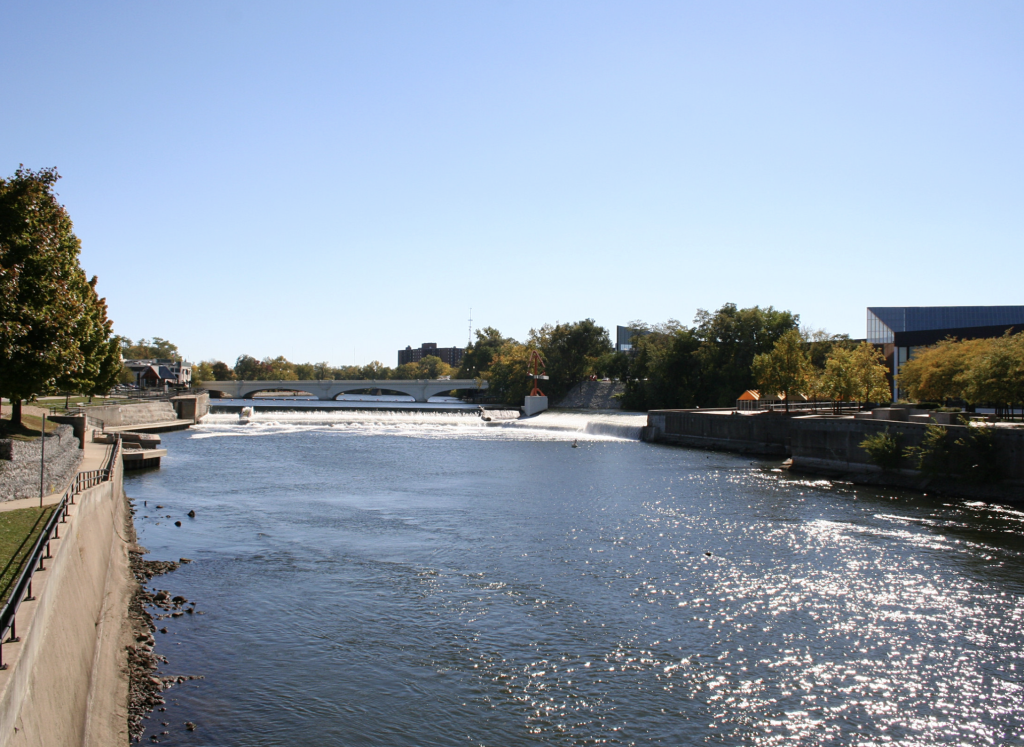
6. St. Joseph River
The St. Joseph River runs through southwestern Michigan from Indiana to Lake Michigan and carries meaningful salmon and steelhead runs alongside solid bass fishing across its lower sections. The river’s location in the warmer southern part of the state means the runs are earlier than on more northern tributaries, which gives it a seasonal window that doesn’t compete with the peak crowds on rivers like the Pere Marquette and Manistee.
Urban influence is present in sections of the lower river near Benton Harbor and St. Joseph, which affects water quality and character in ways that aren’t always ideal. The fishing near the Lake Michigan mouth, especially for steelhead during spring runs, is the primary draw for most visiting anglers.
Best timing: February through April for early steelhead, September for first-run Chinook, October through November for coho and late-run fish.
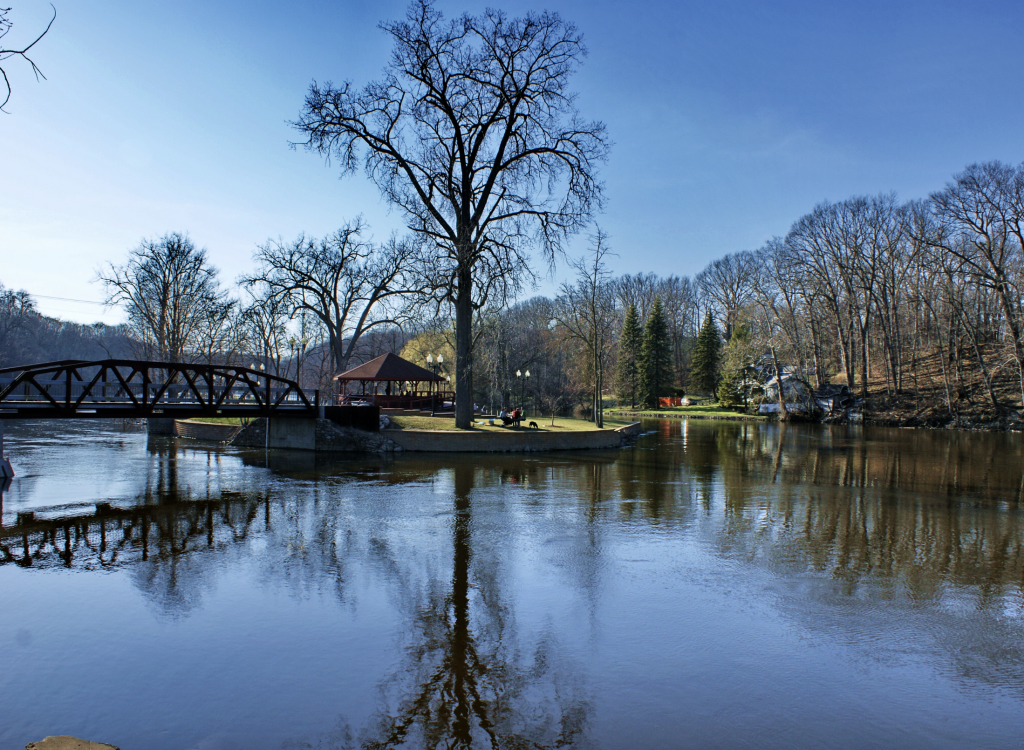
5. Grand River
The Grand River is the longest river in Michigan at roughly 260 miles and it runs through the middle of the state from Jackson all the way to Grand Haven on Lake Michigan. Steelhead, Chinook salmon, walleye, smallmouth bass, and channel catfish all use the river across its length, and the sheer size of the system means there’s productive water within reach of most of the Lower Peninsula’s population centers.
The section through Grand Rapids gets overlooked because people don’t expect good fishing in the middle of a city, but the walleye and smallmouth fishing in the urban stretches is legitimately solid. The river mouth at Grand Haven produces excellent salmon and steelhead fishing during the runs.
Water quality in the lower sections has improved significantly over recent decades but variable conditions after heavy rainfall are still a factor worth monitoring. Michigan DNR’s fishing reports cover the Grand River system with current run and conditions updates.
Best timing: March through May for steelhead, September through October for Chinook, fall for walleye.
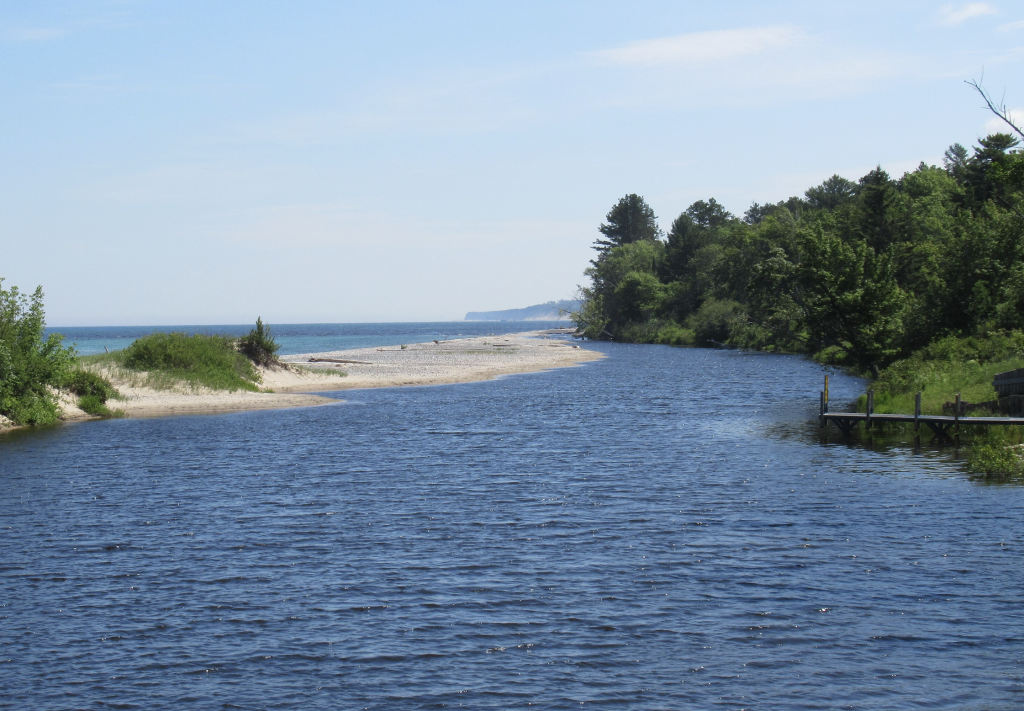
4. Two Hearted River (Upper Peninsula)
The Two Hearted River is famous for lending its name to one of Hemingway’s most celebrated short stories, and the fishing justifies the reputation the name carries. Brook trout are the signature species and the river produces them in numbers and sizes that most anglers who fish it describe in terms that sound like memory rather than fact until you’re there. Coho salmon enter the river in fall and the run, while smaller than what you’d see on larger tributaries, is often spectacular for its intimacy.
The river runs through a stretch of eastern UP forest with no development along most of its length. You fish it and feel like you’re in a different century. That remoteness is both the appeal and the honest challenge: the drive is long, the access requires some planning, and the bears are present in the same way bears are present anywhere in the UP that hasn’t been developed away from them.
UP Travel covers the Two Hearted as part of their eastern UP fishing coverage. The river rewards anglers who do their research before arriving and punishes those who show up without knowing what section they’re fishing.
Best timing: June through August for brook trout, September through October for coho salmon.
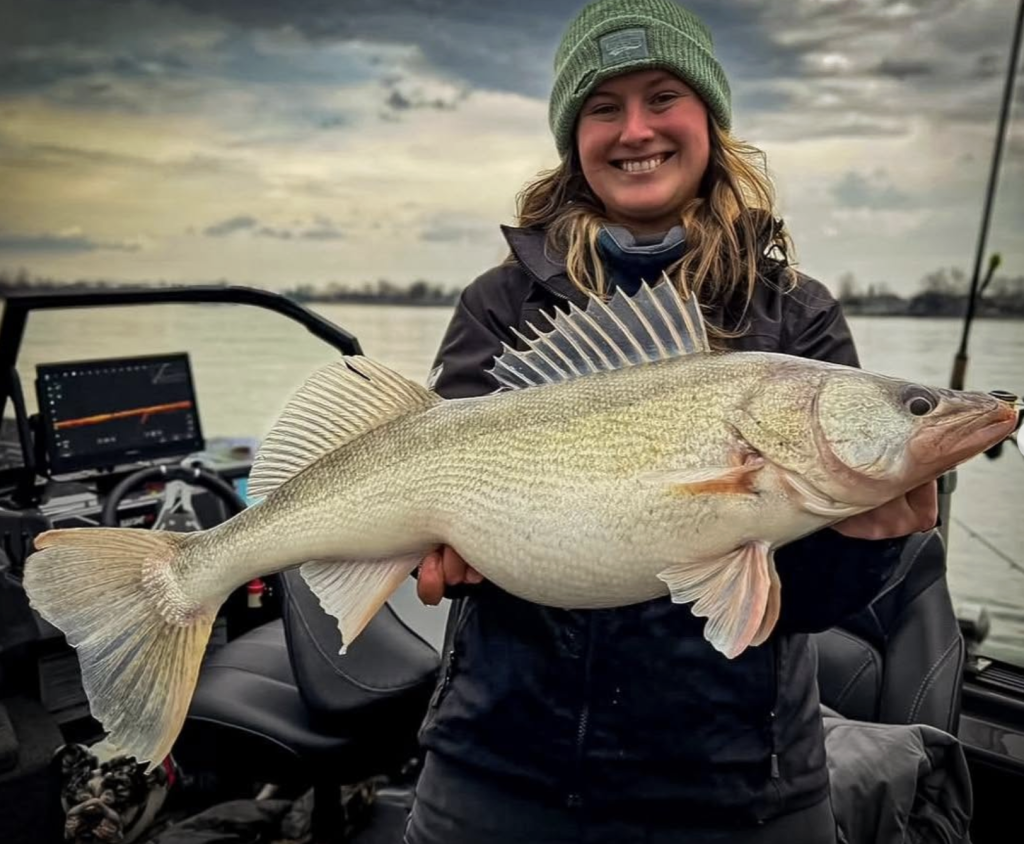
3. Detroit River
The Detroit River is the most surprising fishery on this list for anyone who hasn’t fished it. The river connects Lake Erie to Lake St. Clair through the middle of one of the most industrialized corridors in the country, and it is genuinely excellent fishing. Walleye stack up in the fast current breaks. Smallmouth bass in the four to five pound range are not unusual. Muskellunge use the river regularly. Lake sturgeon, one of the most ancient fish species in North America, still spawn in the Detroit River in numbers that reflect decades of recovery work.
The urban access is the unexpected advantage here. Multiple public launches, fishing piers, and bank access points make the Detroit River fishable without a boat in ways that most comparable fisheries aren’t. Charter operations and guide services know the water intimately and can put you on fish in a river that looks intimidating on a map but fishes smaller than it appears once you’re on it.
The industrial history is real and fish consumption advisories exist for certain species. Check current Michigan DNR guidance before keeping anything, particularly the larger, older fish that accumulate contaminants over time. Most serious anglers on the Detroit River practice catch and release anyway.
Best timing: Spring for walleye during the spawn, summer for smallmouth, fall for muskie.
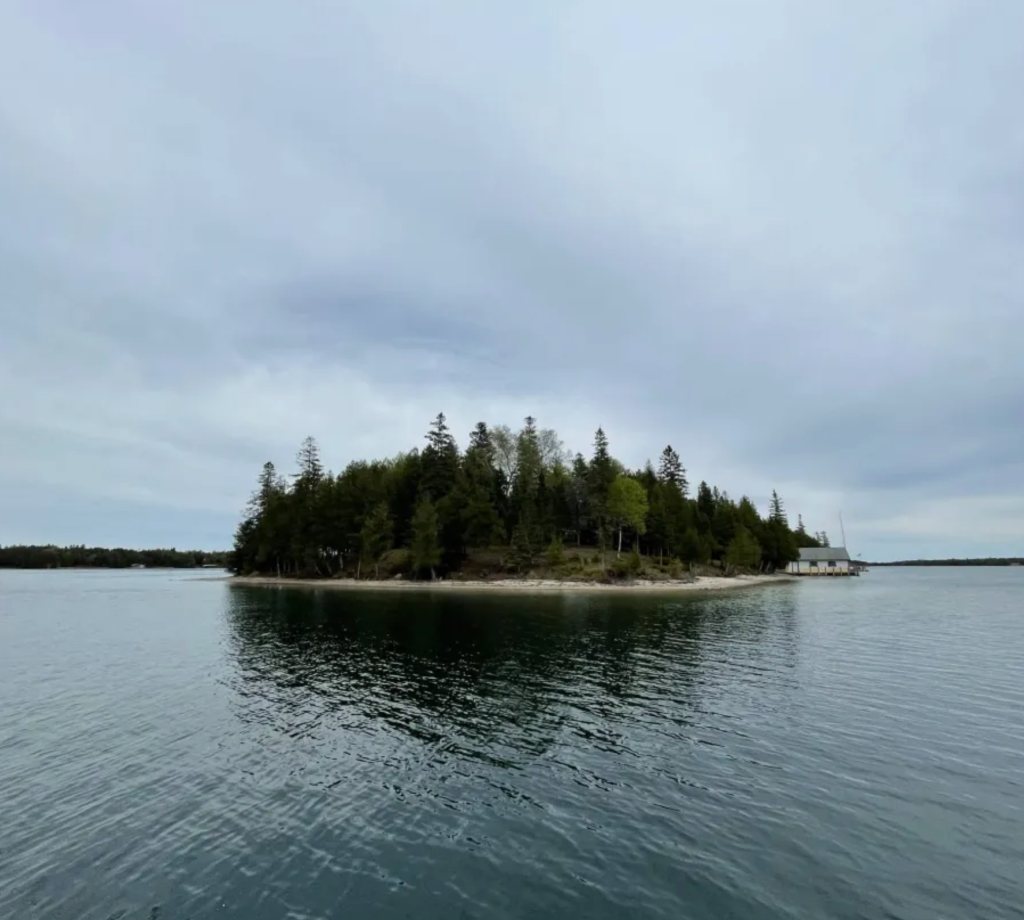
2. Lake Huron (Les Cheneaux Islands and Drummond Island)
Lake Huron is the third largest of the Great Lakes by surface area, though it connects directly to Lake Michigan and the two are sometimes treated as a single system by hydrologists. Its northern Michigan waters, particularly around the Les Cheneaux Islands and Drummond Island in the Upper Peninsula, represent a fishing experience that most anglers from the Lower Peninsula have never made the trip to discover. Walleye, northern pike, yellow perch, lake trout, and salmon all move through this island-studded water in ways that create a multi-species fishery with a genuinely wild character.
The Les Cheneaux Islands specifically produce walleye fishing that serious tournament anglers return to annually. The structure created by dozens of small islands, submerged reefs, and connecting channels holds fish throughout the season in a way that rewards exploration. Drummond Island’s surrounding water adds muskellunge and lake trout to what’s already a strong lineup.
The scale and weather dependency of Lake Huron are the honest trade-offs. This is big water that demands appropriate boats and appropriate judgment about conditions. The reward for respecting that reality is access to a fishery that most Michigan anglers have never experienced.
FishingBooker covers Lake Huron guide options across multiple northern Michigan ports.
Best timing: June through August for salmon and lake trout, fall for walleye, year-round ice fishing in protected island channels during winter.
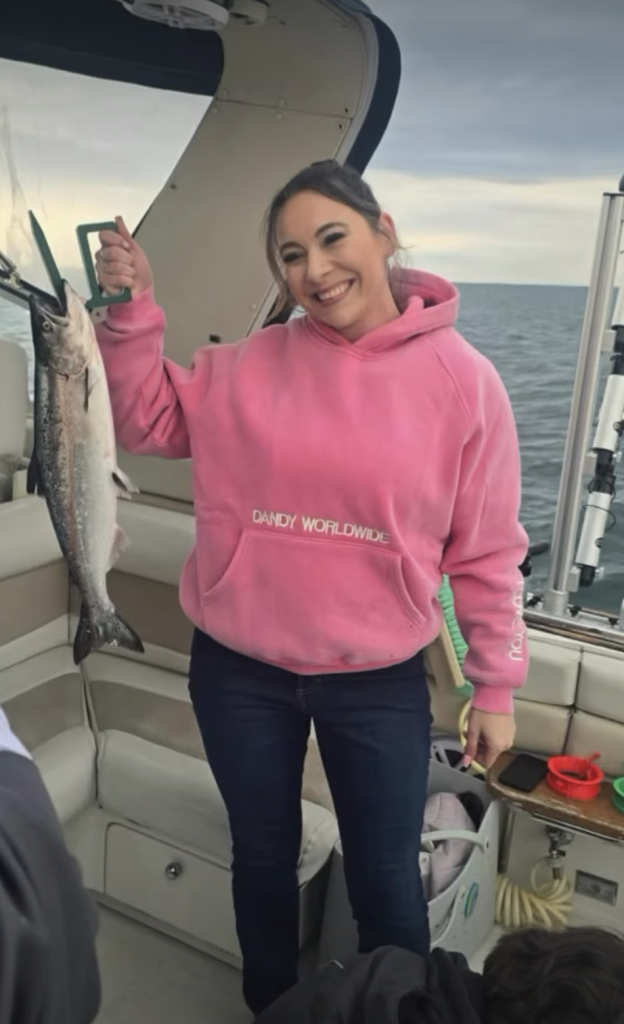
1. Lake Michigan (West Coast Ports and River Tributaries)
Lake Michigan is the reason Michigan has the fishing reputation it has.
The Chinook salmon runs that developed here starting in the 1960s after intentional stocking created one of the great freshwater fisheries on earth and drew international attention to what a Great Lake could support. At their peak, the salmon runs here were staggering in scale. They’ve moderated since then, managed through a combination of stocking decisions and natural reproduction, but a good year on Lake Michigan for Chinook salmon is still something that resets your expectations about what freshwater fishing looks like.
The lake also holds lake trout, coho salmon, steelhead, and brown trout offshore, with yellow perch adding another option in the near-shore and pier fishing that’s accessible without a charter. The salmon fishing from piers at river mouths in late summer and fall, with fish stacking up before they push into the tributaries, is some of the most accessible trophy fishing anywhere in the country.
What the charter experience costs: A half-day charter out of ports like Manistee, Ludington, Muskegon, or Holland runs $100 to $175 per person. Full-day offshore trips run $175 to $300 per person all-in with tackle, license, and cleaning included on most boats. Private boaters with appropriate vessels can access the same water, and the pier fishing is completely free.
What makes it the top of the list: The combination of accessibility and quality is what separates Lake Michigan from everything else in the state. You can drive to it from most of Michigan in under four hours. You can fish it from a pier with a spinning rod. You can book a charter and be on 25-pound Chinook by 8am without owning a boat. And the river tributaries, the Manistee, the Muskegon, the Pere Marquette, the St. Joseph, and the Grand, extend the fishery hundreds of miles inland in the form of salmon and steelhead runs that use Lake Michigan as their ocean.
The honest complications are the variability of the salmon runs, which respond to alewife populations and stocking decisions in ways that make some years dramatically better than others. Heavy pressure during peak season is real, particularly at the well-known river mouths and pier fishing spots. Weather cancellations are a consistent reality for any offshore trip.
None of that changes what Lake Michigan is. It’s the anchor of the entire Michigan fishing experience, the reason the tributaries matter as much as they do, and the fishery that puts Michigan in conversations with salmon rivers in the Pacific Northwest and trout streams in Montana.
FishingBooker’s Michigan guide and the Michigan DNR’s Great Lakes fishing resources are the two best starting points for planning any Lake Michigan trip.
Best timing: June through August for Chinook salmon offshore, September through October for river mouth pier fishing and tributary runs, spring for steelhead at river mouths.
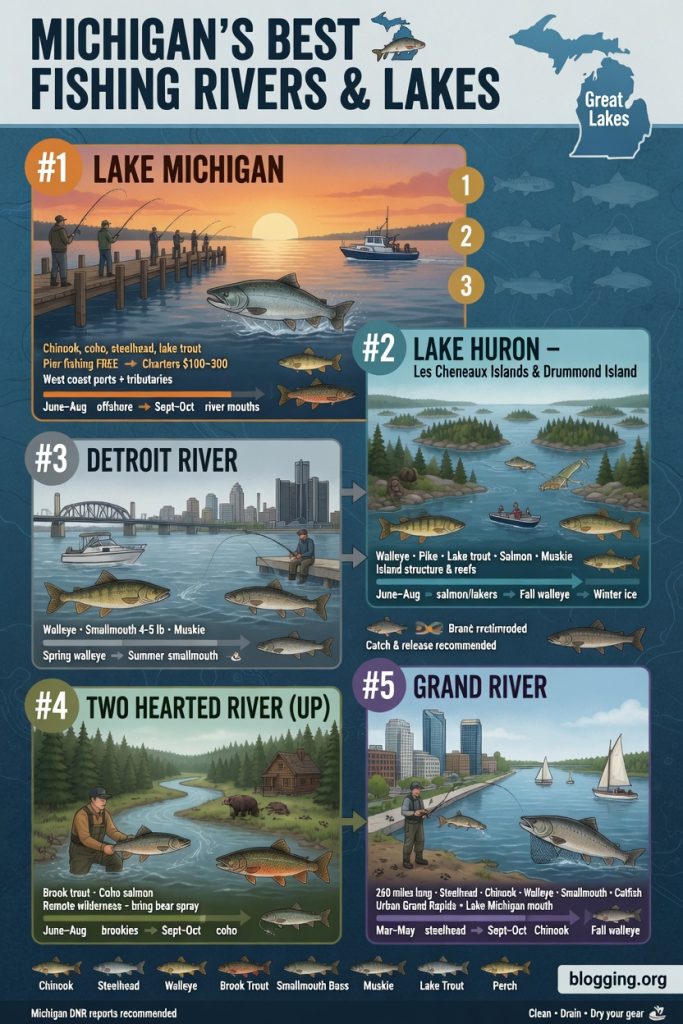
The Many Great Lakes and Rivers of Michigan
Michigan fishing rewards consistency more than luck. The anglers who know the state’s water well, who understand the seasonal patterns, who check the run reports and adjust their plans accordingly, catch fish at a rate that looks like talent but is mostly just preparation.
The list above covers twenty-one options ranging from a quiet UP lake that most people drive past without knowing what’s in it to the largest freshwater salmon fishery in the country. Start where you are and work toward what interests you most.
Check current regulations at the Michigan DNR before every trip. The 2026 Michigan Fishing Regulations include changes that are worth reading before you assume last year’s rules still apply. Clean, drain, and dry all gear between water bodies without exception. The invasive species situation in Michigan is already serious and every angler who skips that step makes it worse.
The fish are still here because people who came before us paid attention to that. Keep paying attention.